
Bali Amazing Cooking Class
If your stomach is curious, Ubud delivers. This Bali Amazing Cooking Class strings together a traditional market, a rice-field visit, and then a full-on cooking session in a Balinese home, so you see ingredients before you touch them. It’s led by locals such as Ibu Dewi, sometimes alongside Nyoman and family, which helps the whole day feel less like a show and more like how people actually live and eat.
I love that you’re not stuck watching—this is hands-on cooking, and you get to eat what you make. I also like the structure: you shop, you learn, you cook, you sit down and enjoy the meal together in a Balinese style setting. One possible drawback: the market stop may not feel like a big, dramatic food bazaar, so if you want tons of stalls and constant action, you might find it calmer than you hoped.
The payoff is strong for the price: at about $34 per person for a roughly 5-hour experience, you typically get hotel pickup within Ubud, A/C transport, bottled water, and lunch or dinner included, not just a class.
In This Review
- Key takeaways before you go
- Market and rice fields in Ubud: why the day starts outside
- Hotel pickup in Ubud: timing that actually affects the day
- In a Balinese home: what changes when the kitchen is real
- Cooking session: hands-on dishes, tools, and the pace
- Eating the meal you made: lunch or dinner with Balinese style
- Price and value: what you really get for $34
- What to bring (and what to skip)
- When this class fits you best (and when it might not)
- Should you book Bali Amazing Cooking Class in Ubud?
- FAQ
- How long is the Bali Amazing Cooking Class in Ubud?
- Does the tour include hotel pickup?
- What time does the morning trip start?
- Is there an afternoon option?
- What is included in the price?
- What isn’t included?
- What should I bring?
- How big are the groups?
Key takeaways before you go
- Market + rice fields first: ingredients and farming come before the stove.
- Family-home cooking: you cook in a real Balinese house setting with local hosts like Ibu Dewi and Nyoman’s family.
- You eat your own food: the meal is part of the experience, not an afterthought.
- Recipes included: you’ll leave with instructions you can use back home.
- Bring sun protection and shoes: you’re outside during the market and rice-field parts.
Market and rice fields in Ubud: why the day starts outside
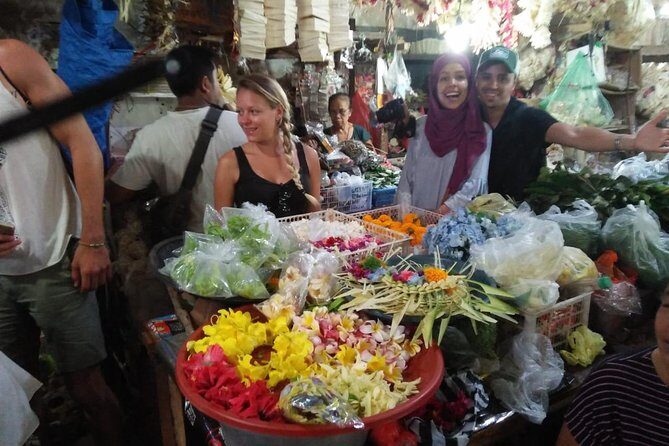
A lot of cooking classes in Bali start the moment you step into the kitchen. This one starts earlier, with a look at day-to-day Balinese life—through a traditional market and a rice-field visit. That matters, because Balinese cooking is not just about spices. It’s about how ingredients are sourced and how daily routines shape what ends up on the table.
In the market, you get explanations about daily activity and what people are buying and using. Even if you don’t consider yourself a foodie, this part helps you connect the flavors you’ll cook later with the real ingredients you saw earlier. It also makes the cooking session feel more grounded: when you’re chopping, grinding, or mixing, you’ll remember the colors and textures from the stalls.
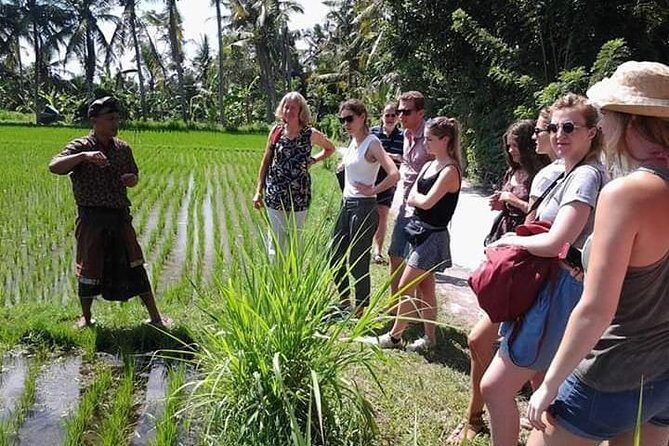
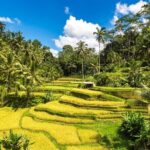
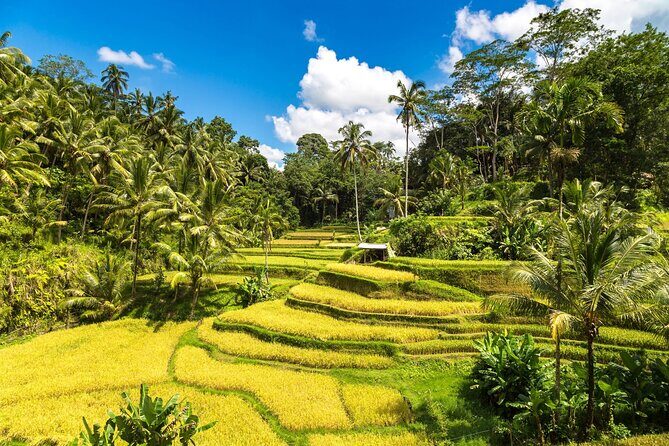
Then come the rice fields. Rice is a central part of Balinese life and food culture, so this stop adds context that you don’t get from a typical indoor market tour. You’ll learn the basics of how rice is grown, and you’ll see the landscape around Ubud that feeds so much of what you eat. You’ll also likely get some good photo moments, but don’t make camera duty your whole job—this part is meant to be watched, listened to, and understood.
One practical note: the day is paced around a morning pickup window (8:00–8:30am) or an afternoon pickup window (3:00–3:30pm). If you’re sensitive to heat, plan to take sun breaks and use sun cream. The program expects you to spend time outdoors, so casual sandals might not be ideal once you’re walking around.
Hotel pickup in Ubud: timing that actually affects the day
This experience includes hotel pickup within the Ubud area, using an A/C vehicle. That’s a big comfort factor in Bali because the roads can be slow, and you don’t want to waste the first hour of your cooking class wrestling with directions.
Pickup works by you giving the operator your hotel/room number and the right place to meet you, plus a contact number they can reach easily. If you want the day to run smoothly, do this part carefully. For Ubud hotels, it’s usually the small details that decide whether your guide finds you fast or you spend extra time waiting.
There’s also a schedule choice. The morning trip starts around 8:00–8:30am and returns to your hotel about 1:30pm. The afternoon trip starts later (3:00–3:30pm), and since the return time for afternoon isn’t listed, you should confirm it when you book. Either way, the total experience runs about 5 hours, so you’re not signing up for an all-day ordeal.
Group size is capped at a maximum of 25 travelers. That cap matters: with more space to move around, you get a better chance to ask questions while you’re cooking. And when the host is active—like Ibu Dewi and Nyoman’s family often are—small-group energy makes the day feel warmer and more personal.
In a Balinese home: what changes when the kitchen is real
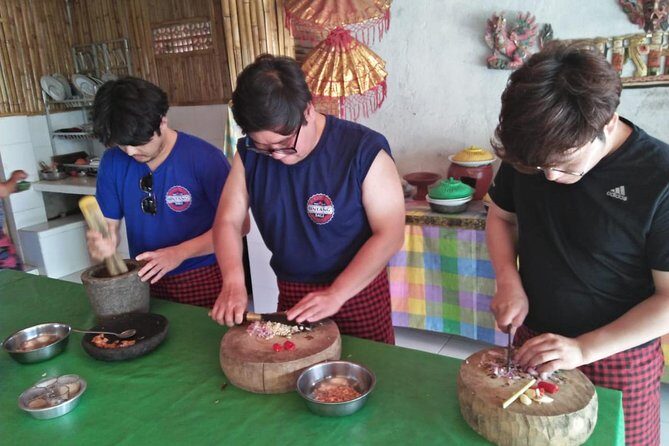
The cooking happens in a Balinese house, not a demo studio. That setting changes the whole feel. You’ll notice it right away when you’re welcomed and oriented, and you’re doing the meal prep in a home environment that looks and works like the one your hosts live in.
Many people remember the welcome moment: a drink, sometimes homemade cake, and a clear sense that you’re joining the family rhythm for the day. That’s not just sweet hospitality—it sets a tone that encourages you to slow down, taste, and pay attention.
Then you may make an offering basket to offer to the gods before you cook. Even if you’ve never done anything like this, it’s a meaningful part of the experience because it connects food to Balinese tradition and ritual. In practice, it also acts like a first “activity break” that keeps the day from feeling like nonstop instruction.
A home kitchen also means you’re more likely to see and use traditional cooking tools and techniques. That’s a key reason this class gets such high marks: it’s not only about which dishes you make, it’s about how the dishes are created.
Cooking session: hands-on dishes, tools, and the pace
This is a hands-on class where you cook along with the instruction, then sit down to eat together afterward. That right mix is exactly what you want if you’re trying to learn, not just collect photos.
From the experience structure, expect a flow like:
- explanation of ingredients and daily activity context
- time at the kitchen station to start cooking
- practice with Balinese techniques and local tools
- tasting as you go
- finishing and then eating the results in a Balinese style meal
What I like about this format is how it trains your memory for home cooking. If you leave with recipes and a sense of technique, you can actually recreate the flavor profile later. One thing you’ll want to watch for during the class is ingredient handling. Balinese food often depends on the balance of spice, freshness, and the way aromatics are combined. If you rush the mixing steps, the dish can taste flatter later.
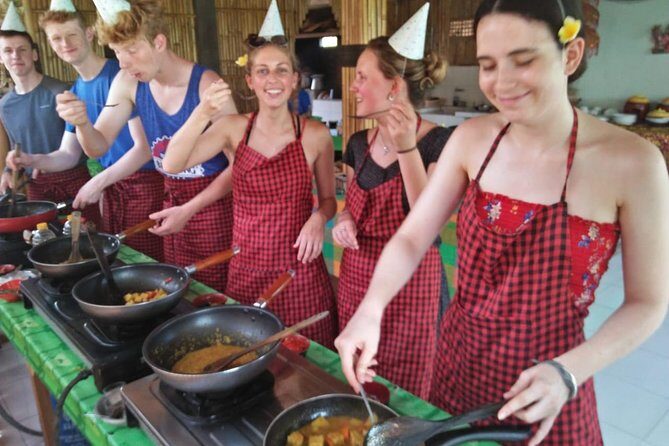
The class is also known for providing recipes at the end. You’ll leave with written instructions so you’re not stuck guessing once you’re back in your own kitchen. People also mention cooking multiple dishes—some groups have reported around 10 different dishes, and others around 11 including dessert. The exact number can vary by flow and class size, but the message is consistent: you’re doing real variety, not cooking one repeat dish over and over.
For those with cooking experience: don’t worry—you’ll still benefit from technique explanations and local ingredient substitutions. For those who don’t cook much: the pacing is set up for you to work step-by-step while someone explains what matters and why.
Eating the meal you made: lunch or dinner with Balinese style
After cooking, you eat together in a Balinese style meal. This is where the class becomes more than a lesson. You get to judge taste, texture, and balance the way the locals do—right there, while everything is fresh.
Food can be plentiful here, based on the overall feedback tone. The practical angle is that you won’t have to hunt for a meal immediately afterward. You’ll start your day with market and rice-field walking, cook for hours, and then get a proper lunch or dinner before you head back.
Dessert and favorites show up in people’s memories too, including mentions like banana dumplings. That’s a clue about the class range: you’re not limited to only savory dishes. If you like finishing a meal with something sweet, this class gives you at least one reason to look forward to the last course.
The best part: because you cook, you’re eating something you can explain. That makes it more satisfying than a meal you just ordered. If you’re trying to bring home flavor knowledge, this is a big deal.
Price and value: what you really get for $34
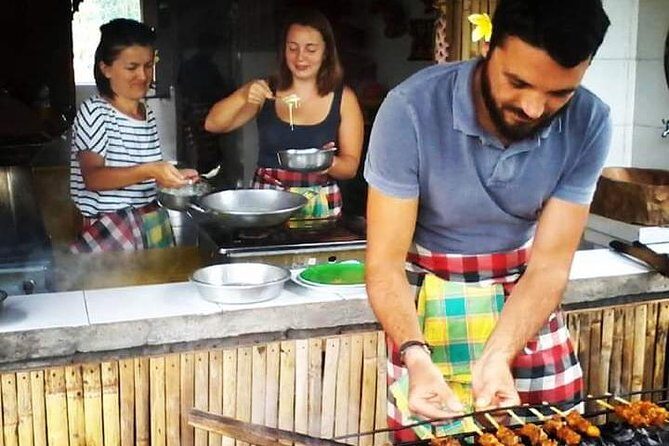
At about $34 per person, this class is priced like a mid-range Bali activity, not a budget snack or an ultra-premium culinary tour. The value comes from what’s included, not just from the price tag.
Here’s what you typically get included:
- cooking equipment and facilities
- lunch or dinner
- bottled water
- A/C vehicle transport
- free hotel pickup within Ubud area (other areas need coordination)
- all fees and taxes
- mobile ticket
What’s not included:
- personal expenses
- alcohol
So where does the value come from? In Bali, the cost of transportation and a proper meal can easily eat up your budget on its own. When pickup, a full meal, and cooking equipment are bundled, you’re paying for the whole day’s flow: sightseeing + education + cooking + eating.
If you compare this to classes that only do a 90-minute cooking demo, the five-hour structure is a key difference. You’re also getting context with the market and rice fields, which makes the class feel like a cultural food day, not just a kitchen workout.
What to bring (and what to skip)
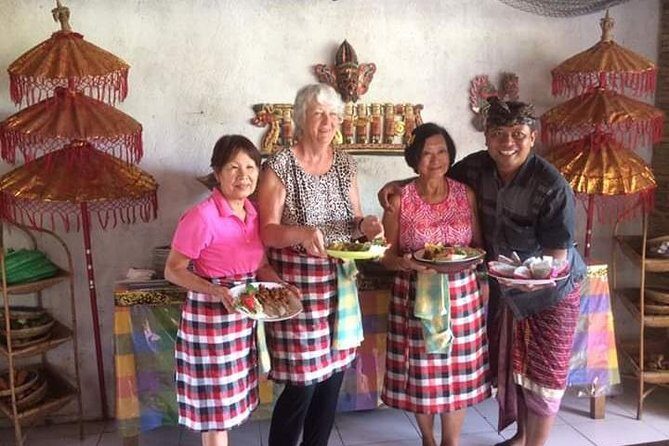
The class asks you to bring a few practical items. Here’s the sensible list:
- camera (for market, rice fields, and home-kitchen moments)
- sun cream (you’ll be outdoors)
- some cash (for personal expenses)
- a small backpack
- shoes (the program notes you should bring shoes)
I’d also bring a light layer. Bali sun can be intense, and even if the vehicle is A/C, being comfortable between outdoor stops and the kitchen matters. Keep your bag simple so you can move easily during market walking and rice-field paths.
If you’re a neat freak about photos: try to focus on your tasks first. You’ll enjoy the day more if you cook first and document second.
When this class fits you best (and when it might not)
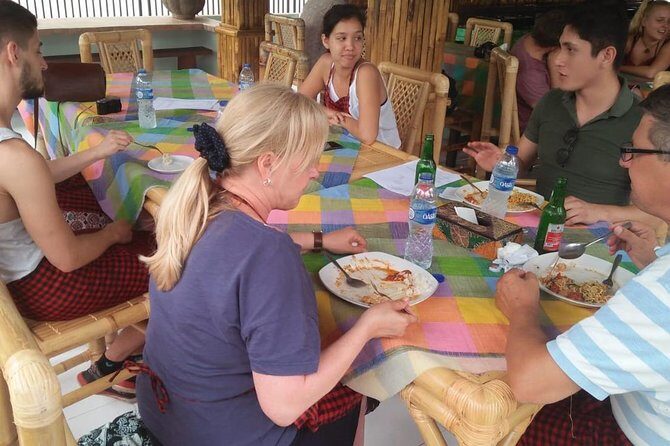
This cooking class is a strong match if you want:
- a hands-on cooking day rather than a spectator tour
- a Balinese home environment led by locals like Ibu Dewi and Nyoman’s family
- context for why ingredients and techniques matter
- recipes you can actually use later
- hotel pickup within Ubud, so you’re not managing logistics mid-trip
It may be less ideal if you’re chasing:
- a huge, high-energy market experience with lots of stalls
- a culinary class focused on advanced, restaurant-level technique
- a guaranteed wow-factor for every single dish, because home-style cooking has variety, and taste preferences differ
Balanced expectation is your friend here. You’re learning Balinese cooking the way it’s taught at home—so some dishes will feel extra special to you, and some may be simpler than what you’ve had at higher-end restaurants.
Should you book Bali Amazing Cooking Class in Ubud?
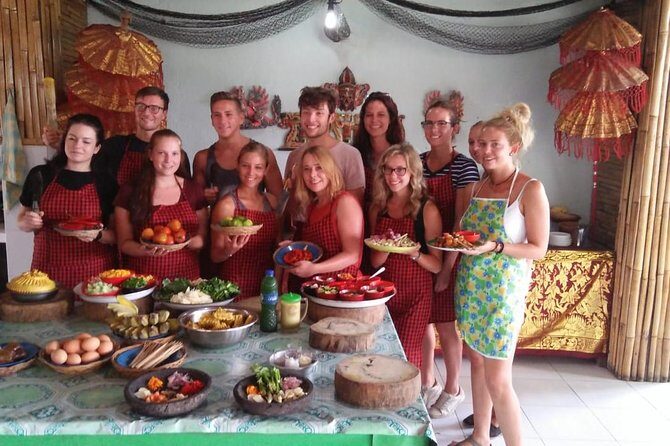
Yes, if you want an authentic Balinese food day with real context—market, rice fields, then cooking and eating in a family home. The biggest strengths are the combination of hands-on cooking, the included meal, and the fact that you leave with recipes, not just memories.
Before booking, decide what you’re optimizing for. If you want a fast culinary hit with minimal walking and zero outdoor time, pick a shorter class. But if you like learning where food starts—and you’re okay with a morning or afternoon schedule that includes sun and walking—this is a very solid value for Ubud.
Go in with curiosity, bring the basics (sun cream, shoes), and be ready to taste what you make right away. That’s when this class earns its high reputation.
FAQ
How long is the Bali Amazing Cooking Class in Ubud?
The experience runs about 5 hours.
Does the tour include hotel pickup?
Yes, free hotel pickup is offered within the Ubud area. For pickup outside Ubud, you’ll need to contact the operator.
What time does the morning trip start?
The morning pickup window is between 8:00am and 8:30am.
Is there an afternoon option?
Yes. Afternoon pickup is between 3:00pm and 3:30pm.
What is included in the price?
You get all cooking equipment and facilities, lunch or dinner, bottled water, A/C vehicle transport, all fees and taxes, and hotel pickup within Ubud (plus a mobile ticket).
What isn’t included?
Alcoholic beverages and personal expenses aren’t included.
What should I bring?
Bring your camera, sun cream, some cash, a small backpack, and shoes.
How big are the groups?
The group size is capped at a maximum of 25 travelers.
More Tour Reviews





More Balinese Cooking Classes

More Ubud Tours
Ubud Tours: how the alternatives stack up

 ★ 5.0
★ 5.0Ubud: Monkey Forest, Jungle Swing, Rice Terrace, and Water Temple


The lists this tour appears in