
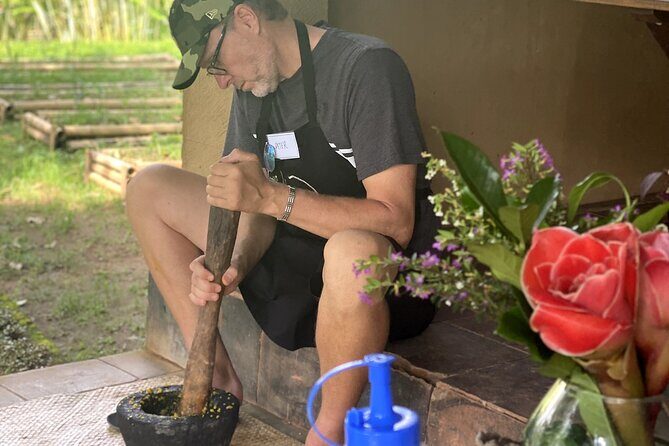
authentic Balinese organic cooking class in Ubud
Cooking in Bali starts in the soil.
This Ubud class is different because it’s built around organic ingredients you’ll meet first, not just spices you buy later. You’re picked up, welcomed with a drink, and taken to a family farm where your chef explains what the plants are, what they do, and how they show up in Balinese cooking.
I especially like the ingredient-focused teaching and the hands-on pace. I love how the teacher, Ninek, walks you through the functions of herbs and staples, including notes on medicinal uses. I also love that you cook with mostly manual tools and then eat your own lunch on-site, with that classic rice-terrace feel in the background.
One thing to consider: you’ll be spending time outdoors and on the move around the garden/farm area, so go with the mindset of “active class.” The experience also depends on good weather, and it can be changed or refunded if conditions aren’t right.
In This Review
- Quick hits you’ll feel in your hands
- Organic cooking in Ubud: what makes this class feel real
- Why the ingredient lesson is the value
- From Ubud pickup to the farm kitchen: the 4-hour rhythm
- Harvesting spices and staple plants in the garden
- What to expect while you’re out there
- Cooking with mostly manual tools: guided, not chaotic
- Building skills for dishes, not just one meal
- Lunch you make: your meal, your reward
- What this means for your diet and enjoyment
- Optional swing and natural waterfall time
- Price and value: is $47 a good deal?
- Who should book this Ubud organic class (and who might skip)
- Should you book it? My honest take
- FAQ
- How long is the organic cooking class in Ubud?
- Is pickup available?
- What’s the group size?
- What does the class include?
- Do I need good weather?
- Can I cancel for a full refund?
Quick hits you’ll feel in your hands
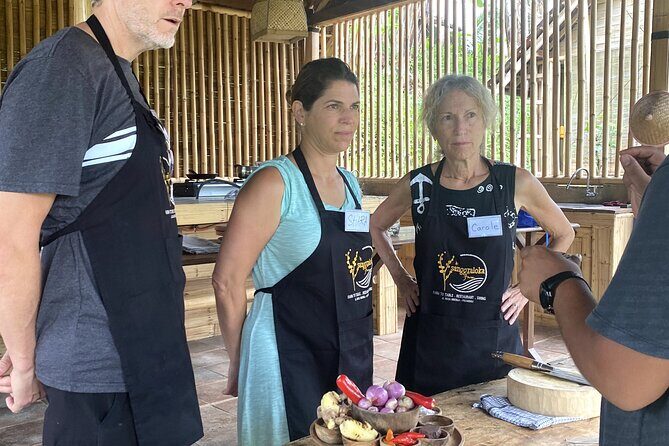
- Farm-to-kitchen ingredients: staples are picked directly from the plantation when it’s harvest time
- Ninek-style teaching: clear explanations of ingredient roles (and some medicinal uses)
- Manual cooking tools: you’ll work more like a local cook than a kitchen-tourist
- You eat what you make: lunch is part of the lesson, not an afterthought
- Small group: up to 10 travelers, so you’re not lost in the crowd
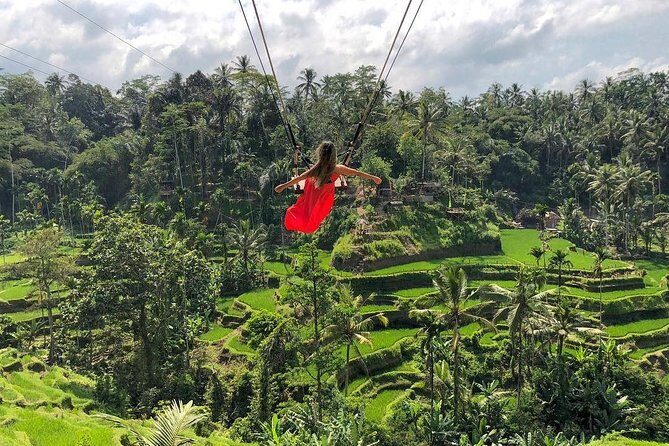
- Optional extras on site: a swing and a natural waterfall may be available
Organic cooking in Ubud: what makes this class feel real
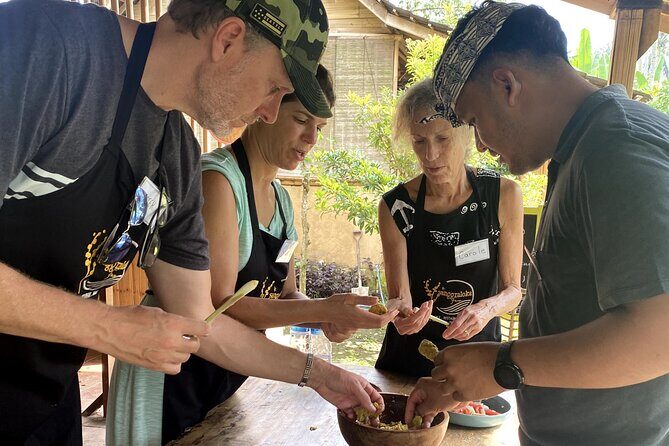
If most Bali cooking classes feel like a demo plus a checklist, this one feels more like learning a way of feeding people. The key is that you start with organic ingredients—and you don’t just glance at them. Your chef and crew explain what’s in the garden, how it’s used, and how those flavors work in real Balinese dishes.
You’re also not stuck in a sterile kitchen where everything is prepped for you. The experience is designed around an active loop: see the ingredient in the garden, harvest it when it’s ready, then process it and cook with it. That flow matters because it teaches you what to look for, not just what to copy.
Why the ingredient lesson is the value
The best part is the way ingredients are framed. The class isn’t only about taste—it’s about function. You’ll hear how Balinese cooks use herbs and staples, and you’ll get practical guidance on prep so the dish comes out right, not just fragrant.
It helps that the teaching is hands-on. You’re not watching everything from the sidelines. You’re at the bench, you’re working through steps, and you’re tasting your progress as you go.
From Ubud pickup to the farm kitchen: the 4-hour rhythm
The experience is about 4 hours total, and it runs as a full loop. You start in Ubud with pickup from your accommodation, then you head out to the farm. After you arrive, you get a welcome drink and a class briefing before you start cooking.
Then the schedule shifts into “field to garden to kitchen.” You’ll move from where ingredients grow to where they’re processed and cooked, and that’s where you feel the biggest difference from typical cooking classes. When you return to the kitchen after harvesting, you already understand what you’re holding and why it belongs in the dish.
The day ends with drop-off back to your accommodation. Since it’s a tight 4-hour window, it’s a good fit if you want culture without giving up half your day.
Harvesting spices and staple plants in the garden
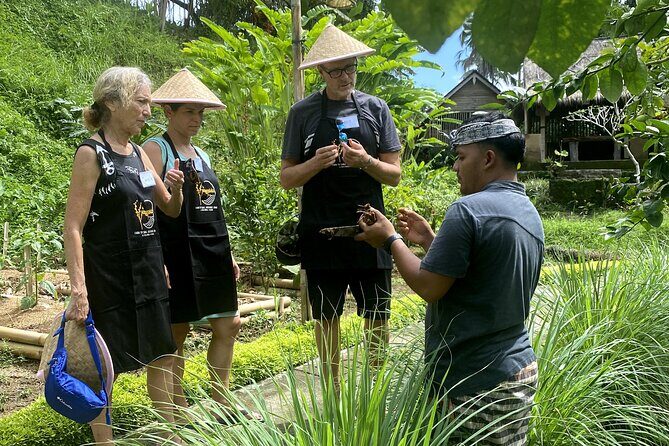
This is the part that makes the class feel grounded. Instead of showing up to a station of pre-bagged herbs, you go to the garden and learn what’s growing for cooking. The farm also plants several types of plants used as spices or staple ingredients.
During harvest time, you’ll see staples picked straight from the plantation and then processed in the kitchen. That matters because you learn the ingredient in its “fresh” state—how it smells, how it behaves when cut or pounded, and what changes when it’s not dried or packaged.
What to expect while you’re out there
Plan for outdoor time. You’ll be walking around the farm/garden area as part of the experience, and you’ll be close to the plants used in cooking. If you’re okay with warm weather and some physical movement, you’ll enjoy this stage a lot.
If you’re the type who prefers strictly indoor activities, you might find this portion a little more active than you expected—but it’s a core part of why the class works.
Cooking with mostly manual tools: guided, not chaotic
Once you’re in the cooking area, you’ll work with tools that are mostly manual. That means more hands-on prep, more pounding, mixing, and working through texture than you’d see in a modern, fully automated kitchen.
Ninek and the crew guide you step by step, with a focus on Balinese food ingredients from the beginning so you can build a dish that actually makes sense. The teaching style is practical: what the ingredient is, what it contributes, and how to prepare it so it performs in the final dish.
Building skills for dishes, not just one meal
A nice touch here is the range of cooking. You’ll work through creating six different dishes, which gives you more than a single recipe experience. That variety is great if you want to leave with a broader understanding of how flavors and ingredients repeat across Balinese cooking.
You’ll also learn that ingredients can be used in more than one way. Based on what the teacher covers, there’s talk of medicinal uses alongside culinary functions. Even if you don’t plan to use those remedies yourself, it adds context for why certain plants are valued.
Lunch you make: your meal, your reward
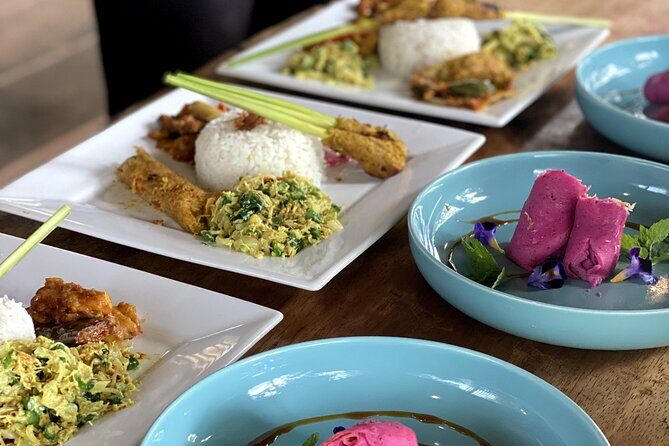
At the end, you eat what you cooked. That’s not just a nice perk—it’s how you know whether the prep advice worked. You’ll get to taste your own Balinese dishes and adjust your understanding of what each ingredient contributes.
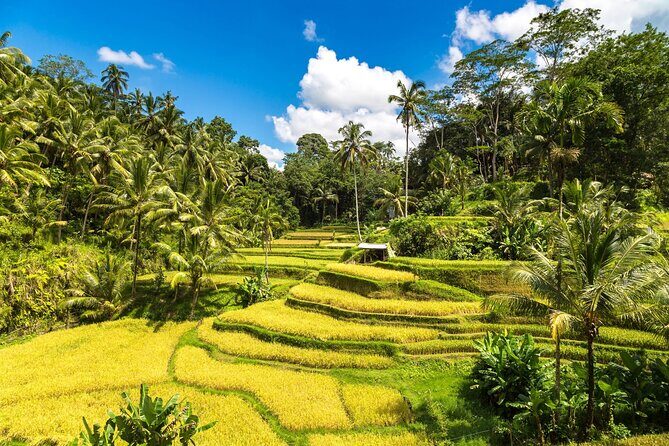
There’s also a visual payoff. One of the most enjoyable details is the way the meal connects with the surroundings, including the feel of dining near a rice terrace view. It turns lunch into part of the experience rather than a separate, rushed stop.
What this means for your diet and enjoyment
You’re still in a class setting, so don’t expect restaurant-style customization. But you will get a real sense of Balinese home-cooking approach—layered flavors, fresh herb presence, and a focus on what ingredients can do.
If you’re open to tasting dishes you didn’t plan beforehand, this meal part will feel like a win.
Optional swing and natural waterfall time
On some days, you may have optional extras included at the site, such as a swing and a natural waterfall. These are the kinds of add-ons that can fit well if you want a little extra fun without planning another separate activity.
The key is to treat these as optional, not guaranteed. If your class day includes them, they’re a nice break from the cooking-focused rhythm.
Price and value: is $47 a good deal?
At $47 per person for about 4 hours, this class prices itself like a small, family-run experience rather than a big, corporate production. That’s exactly what you want with a farm-based lesson.
Here’s why it feels like value:
- You get pickup and drop-off, which saves hassle in Ubud
- The group is kept small (up to 10 travelers), so the teaching and attention feel more personal
- You’re not only cooking—you’re learning ingredient roles and harvesting staples used for the meal
- Lunch is included as the food you cook, and you’ll work through six dishes
- Mostly manual cooking tools mean you get real practice, not just watching a chef do everything
If you’re the kind of traveler who buys souvenirs but rarely tries skills, this won’t be your best use of money. But if you want to take something home—better ingredient instincts and repeatable cooking habits—it’s a fair price.
Who should book this Ubud organic class (and who might skip)
I think this class is ideal if you want:
- A hands-on cooking experience with ingredient education
- A farm-based, organic-focused day in Ubud that doesn’t feel staged
- A small-group setting where you can actually ask questions and work at your station
- A meal that feels earned because you cooked it yourself
You might consider a different style of cooking class if you prefer:
- A fully indoor experience with minimal outdoor time
- Fewer dishes and a longer, slower pace (this one moves with the 4-hour format)
- A class focused mainly on Western adaptations, since this is grounded in Balinese cooking ingredients and functions
Should you book it? My honest take
Book it if you want more than a recipe list. This is the kind of day that improves your taste sense because you meet the ingredient first, then learn how to use it. With a small group, pickup included, and lunch built from your own work, the experience feels efficient and rewarding.
Skip it only if the farm/garden component sounds like work rather than fun. The weather dependence also means you should be flexible with your schedule. But if you’re in Ubud for a short time and want a genuinely different cooking day, this is one of the better ways to spend your morning.
FAQ
How long is the organic cooking class in Ubud?
It’s about 4 hours (approx.).
Is pickup available?
Yes, pickup is offered from your accommodation, and you’re also dropped back after the class.
What’s the group size?
The experience has a maximum of 10 travelers.
What does the class include?
You’ll start with a welcome drink and an introduction to organic ingredients, then you’ll cook Balinese dishes, harvest/pick staples from the farm during harvest time, and enjoy the lunch you prepare. Tools are mostly manual.
Do I need good weather?
Yes. The experience requires good weather. If it’s canceled due to poor weather, you’ll be offered a different date or a full refund.
Can I cancel for a full refund?
You can cancel up to 24 hours in advance of the experience for a full refund. If you cancel less than 24 hours before the start time, the amount paid won’t be refunded.
More Tour Reviews





More Balinese Cooking Classes

More Ubud Tours
Ubud Tours: how the alternatives stack up

 ★ 5.0
★ 5.0Ubud: Monkey Forest, Jungle Swing, Rice Terrace, and Water Temple



The lists this tour appears in