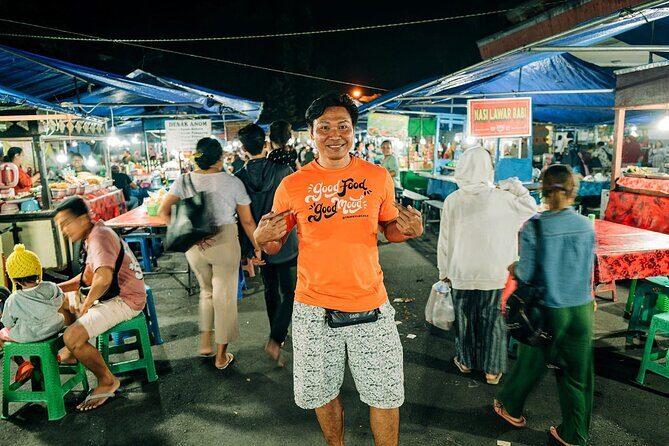
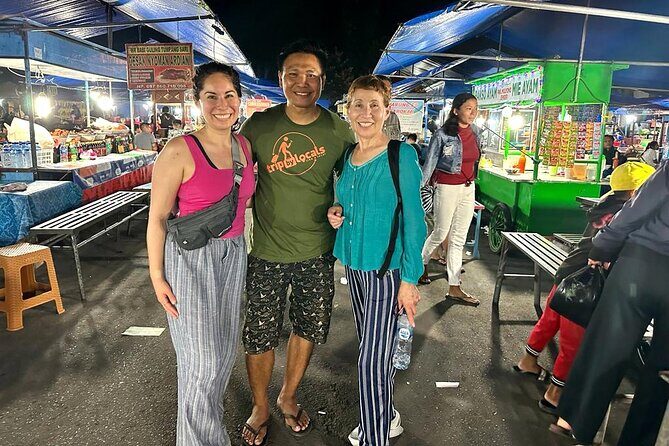
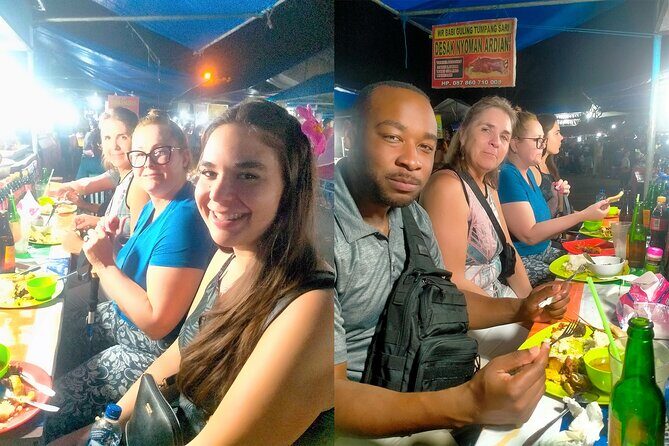
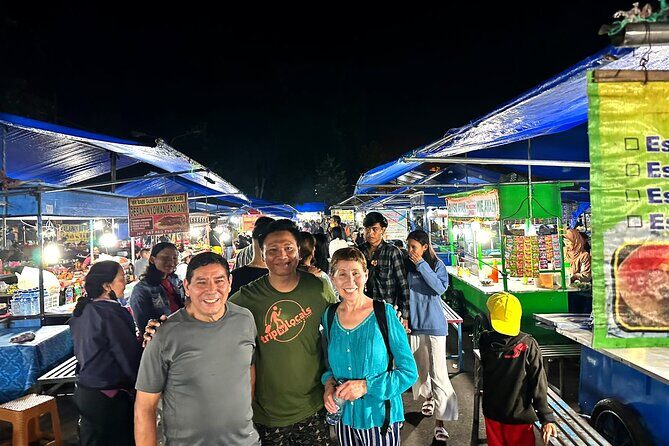
Bali Street Food Tour

Bali Street Food Tour - Bajra Sandhi Monument Stop: A Short History Break That Actually Helps

Food in Denpasar beats any menu. This night tour mixes a short cultural stop at the Bajra Sandhi Monument with serious eating time at Kreneng Market, where you’ll sample Balinese snacks and sweets you can’t really order from hotel kitchens. I especially like the door-to-door pickup and the fact that the food is guided, so you’re not guessing what to try.

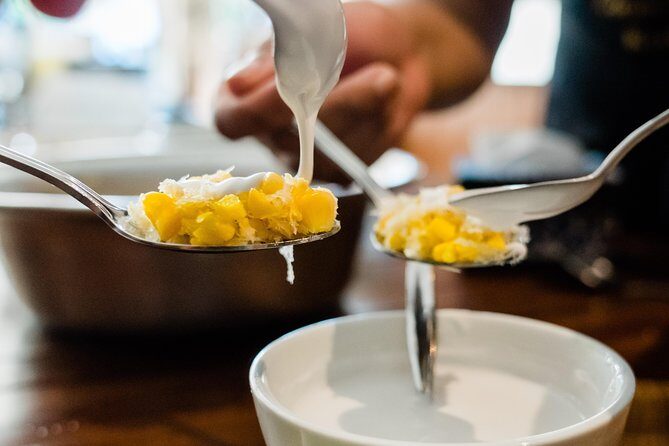
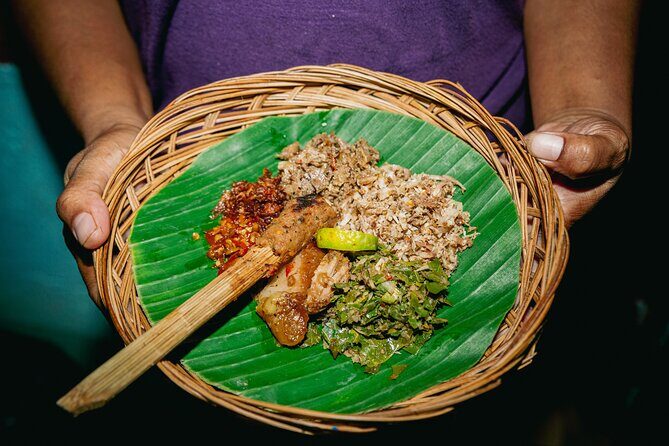
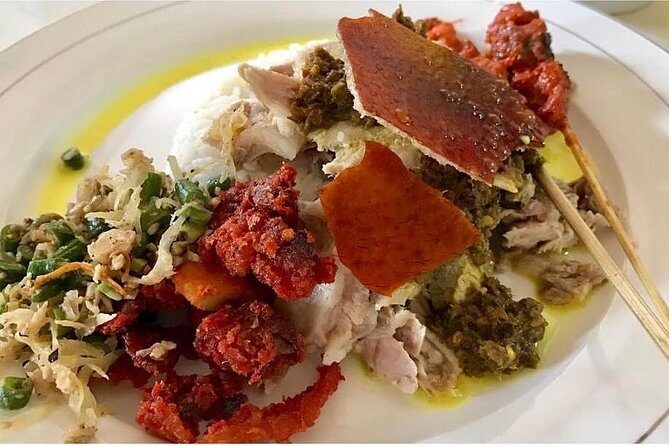
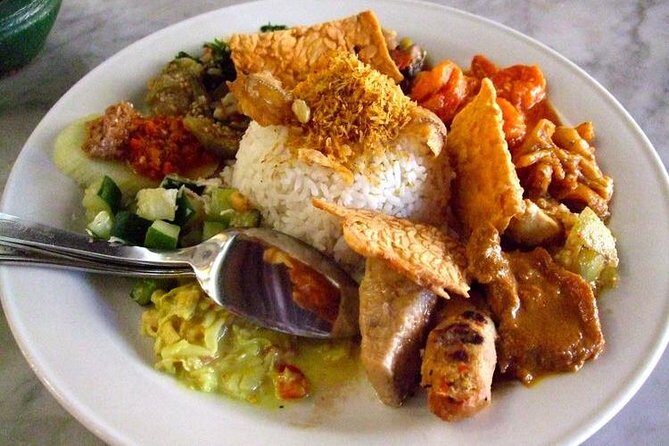
The second thing I love is the lineup and how practical it feels once you’re there. You’ll work your way through market plates like Jaja Injin (black glutinous rice with shredded coconut) and Timus (sweet cassava cake), plus other favorites such as babi guling and bakso meatballs, with dinner included.

One consideration: the schedule is built around an afternoon-to-night start (4:00 pm) and a monument stop, so if you’re purely chasing food and hate any “non-food” detours, you may want to go in with the right expectations.

Key things to know before you go

  • Door-to-door pickup and drop-off from your hotel or port means less hassle right at the start
  • Bajra Sandhi Monument gives quick context before you eat your way through Denpasar
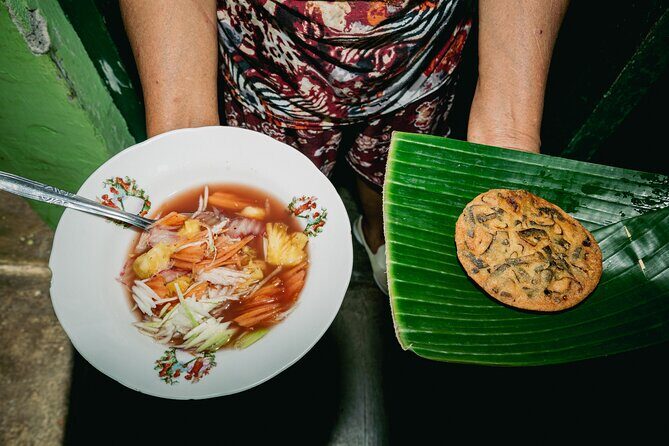
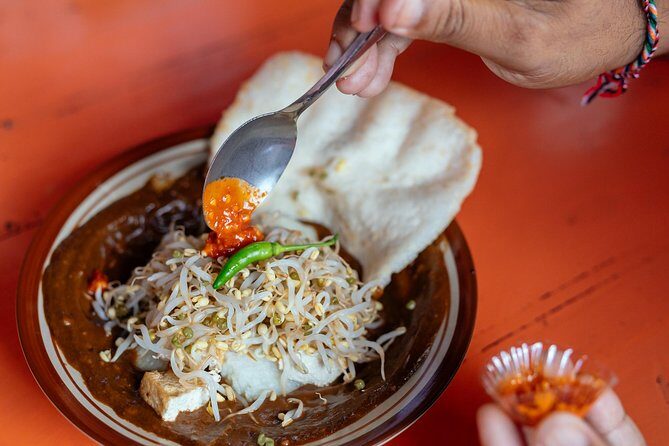
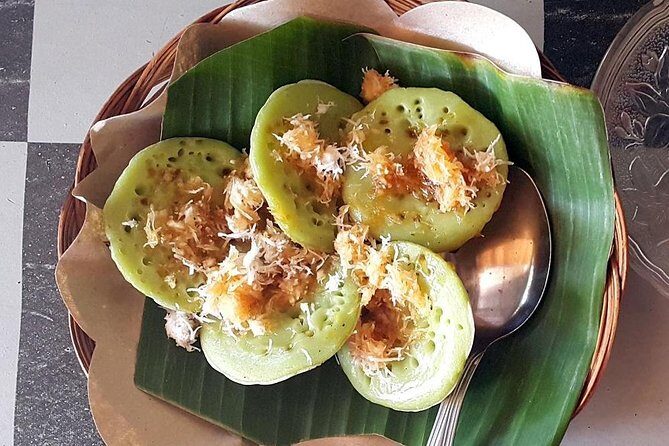
  • Kreneng Market cake tasting includes Jaja Injin, Timus, Laklak, Kolak, and Pisang Rai
  • Dinner is included, not just random bites that barely get you started
  • Vegetarian option available if you request it at booking
  • Private tour for your group, with a guide who can adapt to preferences

First Bite Fast: What Makes This Denpasar Street-Food Tour Worth Your Time
Bali Street Food Tour - First Bite Fast: What Makes This Denpasar Street-Food Tour Worth Your Time
This tour is set up like a good night out: pick-up happens, you get dropped back, and you’re fed. Starting at 4:00 pm is a smart move because you hit the market area at the right time for night-market energy without burning your whole day.

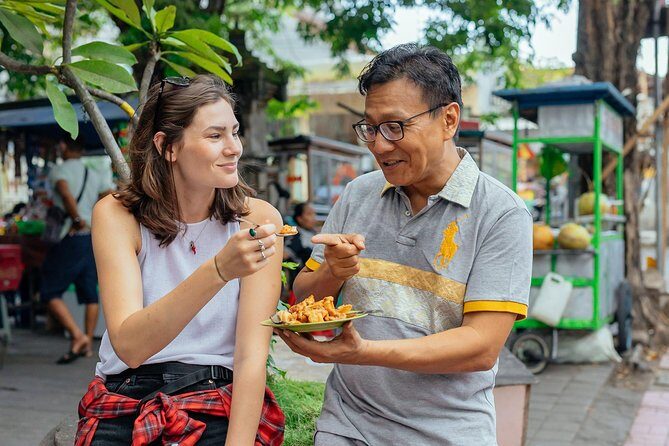
It also has a “local life” angle that matters. You’re not just walking past stalls and hoping something looks good. You’re guided through foods and sweets that show up in Balinese daily routines, including cakes that are usually absent from tourist-focused menus. That’s a big part of the value here: the guide turns what could be random sampling into something you actually learn from.

And because it’s private, you’re not squeezed into a mass of people moving at one speed. You can ask questions, adjust for tastes, and keep the pace comfortable.

Price and Logistics: How the $65.03 Works for You
Bali Street Food Tour - Price and Logistics: How the $65.03 Works for You
At $65.03 per person, this is not the cheapest option. But the pricing makes more sense once you see what’s included and what isn’t.

Included value

  • Dinner and food tasting
  • A driver/guide
  • Hotel pickup and drop-off
  • Private tour with transport by private vehicle

That means you’re paying for convenience and guidance, not just food. In Bali, that door-to-door transport can be the difference between a smooth evening and a stressful one—especially once traffic and parking get messy.

Not included value

  • Lunch is not included. You’ll want to eat earlier or plan a light afternoon meal before the 4:00 pm start.
  • Admission for the Bajra Sandhi Monument is not included (the tour lists that separately).
  • Souvenir photos and the optional DVD aren’t included.

Also helpful: you get a mobile ticket and confirmation at booking time. If you decide at the last minute, there’s free cancellation up to 24 hours before the start for a full refund—just enough flexibility to handle changing plans.

Bajra Sandhi Monument Stop: A Short History Break That Actually Helps

Bali Street Food Tour - Bajra Sandhi Monument Stop: A Short History Break That Actually Helps
Your tour begins with a visit to the Bajra Sandhi Monument. The goal isn’t a long museum marathon. It’s more like a quick orientation so the city you’re eating in feels less random.

You’ll see artifacts and displays that help you visualize Bali across different periods of history. The monument is also a clean example of how Denpasar mixes modern development with the island’s traditional roots—useful context when you later walk through a market and start noticing how old food traditions stay alive.

Time note: this stop runs about 1 hour, and monument admission is not included. If you’re the type who dislikes “stand and look” activities, treat it as a brief setup. Then, the real win starts after this.

Kreneng Market Cake Crawl: The Sweets You’ll Want to Memorize
Bali Street Food Tour - Kreneng Market Cake Crawl: The Sweets You’ll Want to Memorize
After the monument, you head to Kreneng Market, and the tour shifts hard toward food. Expect about 2 hours focused on Balinese cake platters and market browsing.

Here’s what’s specifically called out for tasting:

  • Jaja Injin: glutinous black rice topped with shredded coconut
  • Timus: sweet cassava cake
  • Kolak
  • Laklak: made from flour and topped with palm sugar and grated coconut
  • Pisang Rai

What I like about this is that it’s not just “try something sweet.” These are distinct Balinese desserts with different textures and flavors, so you leave with real recall. If you’ve ever had desserts in Bali that all blurred together, this portion helps separate them.

Practical tip for first-timers: eat slowly. Market cakes can be dense, and once you start adding savory items later (like babi guling and bakso), you’ll be glad you didn’t gulp the desserts. Also, keep an eye on what’s served hot versus room-temp—some sweets are best warm.

Where the Night-Market Energy Shows Up (And Why It Matters)
Bali Street Food Tour - Where the Night-Market Energy Shows Up (And Why It Matters)
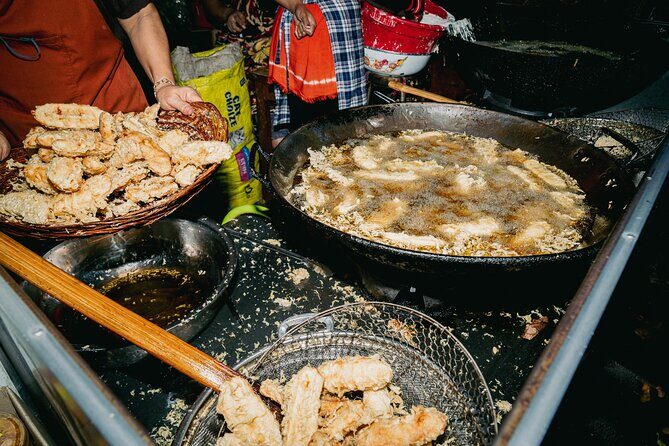
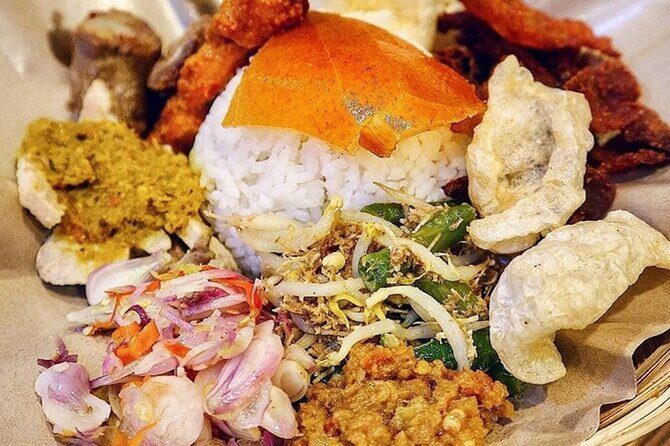
The tour is designed around a traditional market experience and a local night market vibe. Even if the exact streets and stalls vary with the night, the intent stays the same: you’ll see food happening in the real rhythm of the area, when people are out and the cooking is moving.

This is where the eating becomes more than a checklist. Night markets tend to reward curiosity: you’ll notice which stalls are busy, which foods people line up for, and how families order together. With a guide, you’re less likely to waste time on spots that are either underwhelming or too unfamiliar.

You’ll also get dinner as part of the plan, so you’re not left chasing your next meal after the tour ends. That included dinner is a key piece of value because it makes the tour feel like a complete plan, not an expensive snack stop.

The Food Mix: Babi Guling, Bakso, and Dessert Set-Offs

Bali Street Food Tour - The Food Mix: Babi Guling, Bakso, and Dessert Set-Offs
The tour description calls out savory standouts you’ll want on your radar:

  • babi guling (sucking pig)
  • bakso meatballs
  • Plus Balinese treats like laklak and timus

You’ll also be sampling enough variety that this becomes a real “taste map” of Denpasar-style eating. One important theme across the experience style is that the guide steers you toward foods you can’t find on typical hotel menus—so you’re not just repeating what you’d already order.

If you’re a picky eater, this is one of those tours where it can work well, because the guide can adjust choices to match preferences. And if you want a vegetarian setup, there is a vegetarian option available—but you’ll need to flag that requirement at booking.

Guide Power: Why Names Like Dede, Asta, Yanika, Gede, Adi, and Puthu Matter

Bali Street Food Tour - Guide Power: Why Names Like Dede, Asta, Yanika, Gede, Adi, and Puthu Matter
A food tour lives or dies by the guide. This one leans heavily on that human factor.

You’ll hear strong guide experiences tied to names like:

  • Dede: praised for an awesome tour and food that isn’t the normal tourist route
  • Asta: known for thoughtful food choices and guiding around the night market in a way that keeps you fed
  • Yanika: specifically noted for very strong English and explaining the full spread clearly
  • Gede: described as friendly and helpful in the market, making the night feel memorable
  • Adi: highlighted for pointing out good places and translating chef details when needed
  • Puthu: credited with giving insight into daily Bali life alongside tastings

Even if you can’t choose your guide up front, it’s a good sign that the tour has consistently strong people running it. For you, that means less guesswork, better explanations, and smoother ordering when your table is full of things you don’t recognize.

Timing and Energy: How to Plan Your Afternoon

Start time is 4:00 pm, and the full experience runs about 5 to 7 hours. That’s a long enough window to eat dinner and still have time to walk, but it’s not an all-day commitment.

Plan your day like this:

  • Eat something earlier (since lunch isn’t included)
  • Stay hydrated before pickup
  • Wear comfortable shoes for market walking

One more note: pacing can vary. Some groups report it feeling shorter than the upper end of the window when the stops go smoothly. So don’t plan anything important immediately after the tour returns—give yourself a cushion.

Who This Tour Fits Best (And Who Might Skip It)

This is a great match if you want:

  • Real Balinese food you don’t see on hotel menus
  • A guided market experience (so ordering and choices feel easier)
  • A smooth evening with private transport and door-to-door service
  • Dessert and sweets that go beyond the obvious

It may be less ideal if:

  • You hate any non-food stop and want a pure street-food-only crawl. The Bajra Sandhi Monument is part of the plan for about one hour, so you’ll need to tolerate that brief detour.

Most people can participate, and there’s a vegetarian option when you request it early.

Quick FAQ for Your Bali Street-Food Night

FAQ

What time does the tour start in Jimbaran?

The meeting time is 4:00 pm.

Is pickup from my hotel or port included?

Yes. The tour includes hotel pickup and drop-off with round-trip door-to-door transportation.

How long does the Bali Street Food Tour last?

It runs about 5 to 7 hours.

What food is included?

The tour includes dinner and food tasting.

Is lunch included?

No, lunch is not included.

Do I need to pay admission at the Bajra Sandhi Monument?

Yes. Admission for Bajra Sandhi Monument is not included.

Can the tour be vegetarian?

Yes, a vegetarian option is available. You’ll need to advise the provider at booking.

Is this a private tour?

Yes. It’s private, so it’s only your group.

Final Call: Should You Book This?

If you want a guided Denpasar night where you eat a real mix—savory classics like babi guling and bakso, plus Balinese cakes like Jaja Injin, Timus, and Laklak—this is a solid bet. The biggest value is the combination of transport + guide + dinner + market tastings, all wrapped into one plan that starts at 4:00 pm and gets you back comfortably.

Book it if you’re hungry for food you can’t easily replicate on your own. Skip it if you only want food, zero history stops, and you’re confident navigating markets without help.

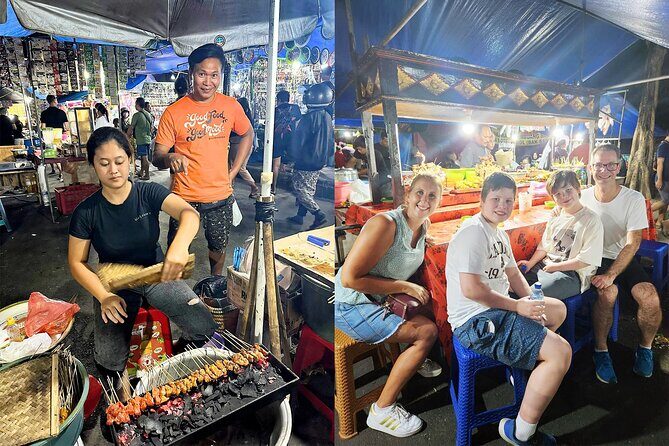
Bali Food Tour: Savor Street Food and Night Market Adventures

Bali Food Tour: Savor Street Food and Night Market Adventures - Pickup in Ubud: easy if you’re central, watch it if you’re not

Eat your way through Ubud at night. This tour turns your evening into a guided loop through a Pasar Senggol night market, where you eat what locals go for, not what’s wrapped for tourists. With guides such as Putu and Nata, you get pointed at the right stalls, plus real-life explanations of what you’re seeing and tasting.

Two things I really like: first, the vegetarian welcome is clear and practical, not an afterthought. Second, the food setup is “arrive hungry” for a reason—your guide pushes you through enough tastings that you leave feeling satisfied, not snack-sad. One consideration: the flow is more guided than pick-your-own, and you’ll want to bring cash because the night market does not accept debit/credit card payments.

Key highlights you’ll feel in the moment

Bali Food Tour: Savor Street Food and Night Market Adventures - Key highlights you’ll feel in the moment

  • Night market focus (Pasar Senggol): You spend real time at the market, not just quick photo stops.
  • Vegetarian-friendly by design: You’re invited to join, and your guide can steer your choices to match your needs.
  • Tour guide is also your driver-guide: That usually means fewer confusing handoffs and less waiting around.
  • Plan for spice and surprises: Balinese sauces and soups can be intense, so go slow when you’re taking your first bite.
  • A cultural add-on is included, minus the ticket: Barong and Kris dance is part of the plan, but you’ll handle the ticket separately.
  • Small group size: The cap is 12 travelers, which keeps the night moving at a human pace.

Why Ubud’s night market route is such good value

This is the kind of Bali food tour that actually fits the word food. You’re not bouncing from one “concept” restaurant to another. Instead, you’re walking through a night market scene where the food is the main event, and your guide acts like your translation layer—language, etiquette, and what to order first.

For the price (about $35 per person), the value comes from the mix of included food and the “how” of eating street food safely and confidently. You’re also not paying extra for a bunch of add-ons during the evening: you get bottled water or beverages, plus a sit-down component with appetizers, a main course, and a sweet dessert. That turns the tour into dinner, not just a tasting crawl.

Also, the duration range (about 3 to 9 hours) matters. Even if you don’t see a long itinerary on paper, the timing gives your guide room to adjust to the night’s rhythm and the group’s pace. That’s useful in Ubud, where traffic and timing can shift.

Price and what $35 actually includes (and what it doesn’t)

Bali Food Tour: Savor Street Food and Night Market Adventures - Price and what $35 actually includes (and what it doesn’t)
Let’s break down what you’re paying for beyond the headline cost.

Included

  • Bottled water and carbonated or bottled beverages
  • Dinner with authentic Balinese flavors, including Balinese appetizers, main course, and sweet dessert
  • Pickup and drop within the Ubud area (more on that next)
  • The driver as guide for the food tour

Not included

  • Personal expenses
  • Pickup and drop if your hotel is outside Ubud
  • Barong and Kris dance ticket (the performance is in the itinerary, but the ticket is not included)

Here’s the practical takeaway: if you’re the type of person who wants someone to do the ordering and sequencing for you, the price makes sense. If you hate being guided and you want full menu control, you may feel the structure is too set. That’s the one complaint that shows up in the margins: less choice, more follow-the-guide.

Pickup in Ubud: easy if you’re central, watch it if you’re not

Bali Food Tour: Savor Street Food and Night Market Adventures - Pickup in Ubud: easy if you’re central, watch it if you’re not
This tour offers pickup, but it’s not universal across all of Bali. Pickup and drop are included within the Ubud center area. If your hotel is outside Ubud, pickup/drop is not included, and you’ll be offered an optional transportation service for an extra fee.

I’d treat that as your first decision point. If you stay in central Ubud, you’ll likely start the night with minimal hassle. If you’re on the outskirts, you’ll want to ask about the added transport cost early so it doesn’t surprise you later.

One more small planning note: the meeting start point is listed as Tripbylocals, but the actual plan is hotel pickup in the Ubud area. In practice, that usually means you’ll be met at your accommodation or a specified nearby point.

Stop-by-stop: what happens during the night market circuit

Bali Food Tour: Savor Street Food and Night Market Adventures - Stop-by-stop: what happens during the night market circuit

Stop 1: Tripbylocals pickup and a short setup

This is the “get organized fast” stage. You’ll meet your guide/driver, get your timing aligned, and get set for the food walk. Admission for this portion is included, which is mainly about getting the plan moving rather than adding extra attractions.

Stop 2: Gianyar Regency and the Pasar Senggol experience (about 2 hours)

This is the heart of the tour: a night market setting where the food is made and served in the rhythm of local life. Your guide brings you to the stalls that make sense to start with and keep going.

What I like about this format is that you’re not trapped inside one dining room. You’re walking, stopping, ordering, and learning. It’s also where the “arrive hungry” advice becomes real. You typically sample multiple items, not just one signature dish.

One important reality check: street foods can be spicy. Soup and sauces can pack heat, so don’t rush your first mouthful.

Stop 3: a short return to Tripbylocals

This portion is brief, with admission ticket included. Think of it as a transition segment—keeping the tour organized while you continue the evening’s plan.

Stop 4: Barong and Kris dance (about 1 hour, ticket not included)

After you’ve worked up an appetite and then cooled off with walking and samples, you get a cultural add-on: Barong and Kris dance. The ticket is not included, so you’ll need to plan to cover that separately.

This works best if you like a night that has both taste and culture. If you only want food and nothing more, you can treat this as optional value. But for many people, it’s a nice contrast after the market energy.

What you’ll eat: Balinese classics, plus guidance that removes guesswork

Bali Food Tour: Savor Street Food and Night Market Adventures - What you’ll eat: Balinese classics, plus guidance that removes guesswork
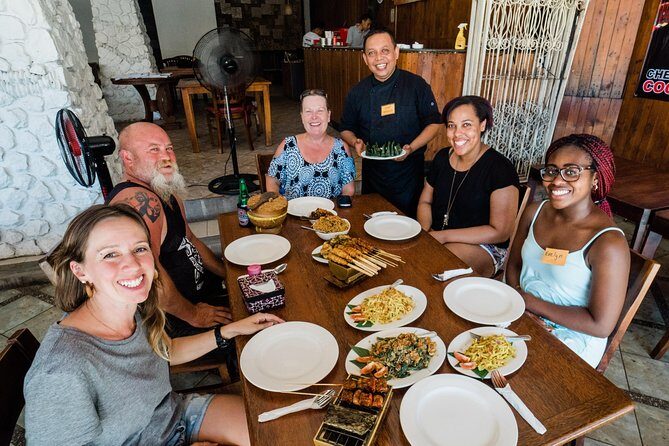
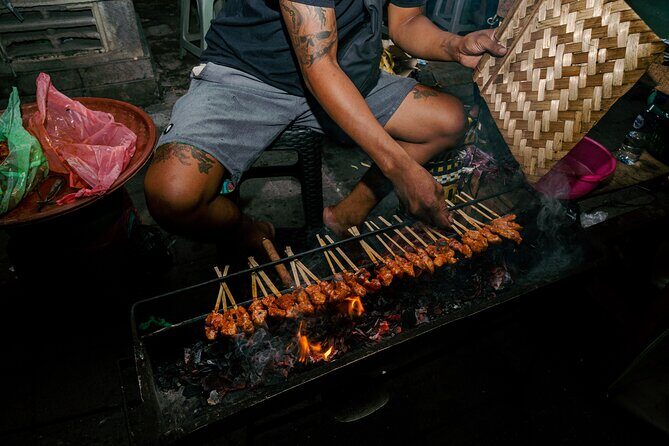
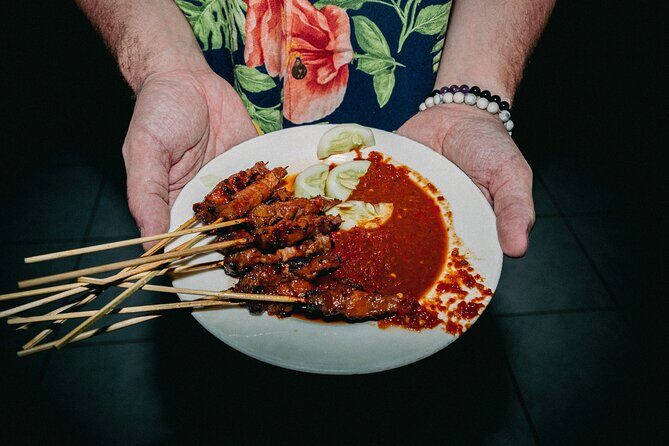
The tour is designed for hands-on eating: fried rice style dishes, Balinese satay, and the classic babi guling (suckling pig) appear in the plan. You’ll also see a spread of Indonesian and Balinese street food specialties, with desserts included.

A few items that come up often in the evening flow:

  • Babi guling / suckling pig at a restaurant stop, often with crispy skin
  • Satay and grilled meats
  • Indonesian-style fried rice
  • Soups and sides that can be spicy
  • Sweet dessert, including choices like Terang Bulan (a popular dessert mention in the available accounts)

What your guide does well here is sequencing. If you’ve never eaten Balinese street food at night, it’s easy to make wrong assumptions about what to try first or what will pair well. A good guide helps you avoid that. People also talk about how your guide explains ingredients and how dishes are prepared, so you can learn without turning the night into a classroom.

If lewak coffee is on your route, you may get a coffee and tea stop where the process is shown. I’d treat that as a bonus rather than a guaranteed highlight, but it’s something that has shown up as part of the experience.

Vegetarian options: genuinely welcome, not just a polite add-on

Bali Food Tour: Savor Street Food and Night Market Adventures - Vegetarian options: genuinely welcome, not just a polite add-on
The vegetarian note here is strong. The tour explicitly invites vegetarian participants, and the guide is set up to recommend dishes that match dietary needs.

In practical terms, that means you shouldn’t have to spend the night hovering around plain rice or grabbing fruit as your only safe option. The tour includes a dinner course plus market tastings, so there’s room to build a vegetarian-friendly route.

Two practical tips for vegetarians:

  • Tell your guide clearly before you start. Don’t hint.
  • Ask for guidance on spice and sauce ingredients so you don’t get surprised by flavors you’re not expecting.

If you’re traveling with a mixed group, this is one of the types of tours that can keep everyone happy without slowing the night down.

The cultural “extra”: Barong and Kris dance in plain terms

Bali Food Tour: Savor Street Food and Night Market Adventures - The cultural “extra”: Barong and Kris dance in plain terms
Barong and Kris dance is the added culture component. It’s only one hour, and the ticket isn’t included, so it’s not a huge time commitment.

In my mind, it’s a good match for this kind of food tour because it changes your tempo. Market food nights can turn into a nonstop pattern of eating and walking. A dance performance gives you a pause where you can reset your stomach and still learn something about local storytelling and symbolism.

If you’re not into performances at all, you’ll still likely enjoy the night market focus. But don’t ignore the dance if you like seeing how Bali’s traditions show up after dark.

Who this suits best (and who should skip it)

Bali Food Tour: Savor Street Food and Night Market Adventures - Who this suits best (and who should skip it)
This tour fits you if:

  • You want street food guidance more than you want restaurant menus
  • You enjoy night markets as a scene, not just a background for food
  • You’re open to spice and small surprises
  • You have dietary needs and want help choosing dishes
  • You’d rather pay for a guided loop than spend your time guessing where to eat

It may not fit you if:

  • You hate being guided and want lots of choice and self-directed ordering
  • You need card payments at every step (bring cash)
  • You’re traveling with babies or very young children, since it’s listed as unsuitable for them

One nice detail for families: kids who care about iconic local dishes tend to be happy here. The suckling pig is a big draw for families when it shows up on the schedule.

Practical tips so your night goes smoothly

Here’s how to make this night market adventure feel easy.

Bring cash. The night market doesn’t accept debit/credit cards. This is the one “surprise cost” you can prevent.

Start hungry. The tour is built around sampling and a fuller meal. If you show up already full, you’ll miss the point.

Expect spice. Some soups and sauces can be hot. Take small bites first, and drink water between tastings.

Wear shoes you can walk in. Night markets mean uneven surfaces and lots of stop-and-go movement.

Plan for your pickup location. If you’re not in Ubud center, confirm the transport option and cost in advance.

Small group helps. With a max of 12 travelers, you’re less likely to get stuck waiting while the group reorganizes.

Guides matter: names you might meet and why that’s a big deal

A food tour succeeds or fails based on your guide’s ability to read the night. You’ll likely notice the difference fast: someone who can explain what you’re eating, steer you through ordering, and keep the group moving without rushing.

The available guide names—like Putu, Nata, Nara, Tu, and others—show the tour is working with multiple locals. In real terms, that usually means you get different personalities and teaching styles, but the core job stays the same: keep you fed and keep you oriented.

Should you book this Bali night market food tour?

I’d book it if your goal is simple: eat Balinese street food the local way, with a guide handling the choices and timing. The combination of market time, included dinner courses, vegetarian welcome, and small-group size makes it a strong value at $35.

Skip it if you want a highly customizable tasting menu with lots of independent choice, or if you rely on cards and don’t want to carry cash. Also, if you’re staying outside Ubud, double-check the transport cost so the real total stays what you expect.

If you’re coming to Ubud for food and want your evening to feel like a real night out, this is one of the easier ways to do it right.

FAQ

Is this tour vegetarian-friendly?

Yes. Vegetarian participants are welcome, and your guide will recommend dishes that fit dietary needs.

Does the tour include hotel pickup?

Pickup and drop are included within the Ubud area. If your hotel is outside Ubud, pickup and drop are not included, though an optional transportation service may be available.

How long is the tour?

The duration is listed as approximately 3 to 9 hours.

What should I bring for the night market?

Bring cash for personal expenses because the night market does not accept debit/credit card payments.

Is the Barong and Kris dance ticket included?

No. The performance is in the itinerary, but the ticket is not included.

How big is the group?

The tour has a maximum of 12 travelers.

Balinese Vegan Cooking Class with Fresh Harvesting & Garden Tour

Balinese Vegan Cooking Class with Fresh Harvesting & Garden Tour - Harvesting in Anandinii’s Organic Beds (and How It Helps You Cook)

Fresh produce, serious flavor, calm vibes.

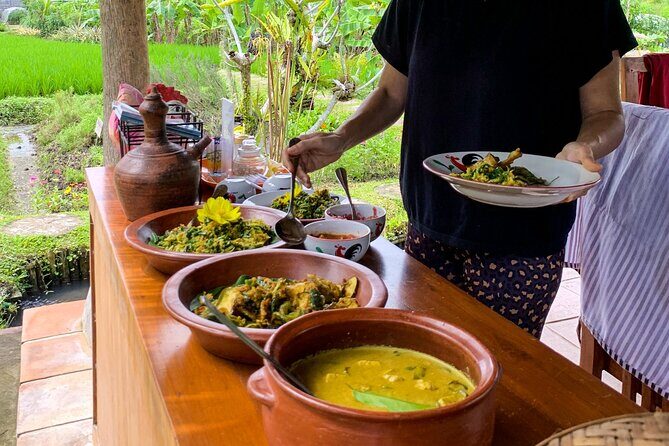
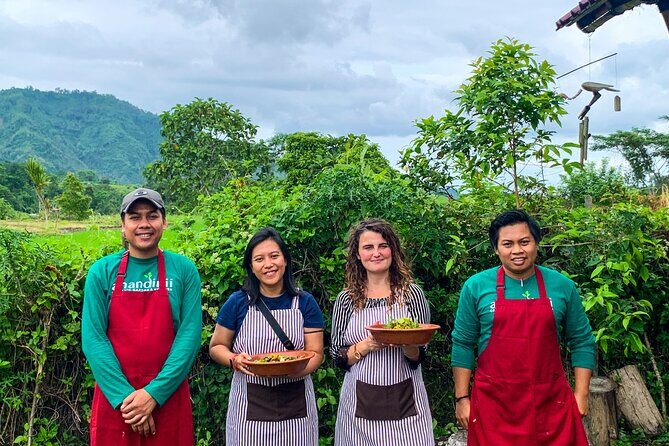
This Balinese vegan cooking class is built like a “plant-to-plate” lesson. You start in the Anandinii Organic Garden & Kitchen, pick ingredients for your own meal, then cook using traditional Balinese methods and older-style utensils before sitting down to eat with sweeping greenery and a distant view of Mount Agung.

I especially like that it’s hands-on from the first minutes, not just watching someone else cook. I also like the small group size (maximum 8), which usually means you get more help and less standing around.

One thing to consider: transport isn’t included, so you’ll want to plan how you’ll get to the meeting point in Sidemen and back.

Key highlights you’ll care about

Balinese Vegan Cooking Class with Fresh Harvesting & Garden Tour - Key highlights you’ll care about

  • Organic garden harvesting for your own vegan menu ingredients
  • Small class size with a max of 8 people
  • 4-course Balinese-style vegan lunch you cook yourself
  • Traditional cooking methods using older-style utensils
  • Views during the meal with Mount Agung seen from a distance

Getting to the Garden and Understanding the 3h30 Rhythm

Balinese Vegan Cooking Class with Fresh Harvesting & Garden Tour - Getting to the Garden and Understanding the 3h30 Rhythm
The experience runs about 3 hours 30 minutes, and it’s designed to flow like a mini journey: walk the garden, harvest ingredients, cook, then eat. The good news is it’s long enough to feel like you learned something real, but not so long that you’ll start melting from the heat.

Your start point is at Anandinii Organic Garden & Kitchen in Sidemen (Banjar Jl. Raya Tebola, Telaga Tawang, Kec. Sidemen, Kabupaten Karangasem). The activity ends back at the same meeting point, so you don’t need to figure out a second destination later.

Price is $41.26 per person, which is honestly fair for what you’re getting: garden time, ingredient harvesting, guided cooking with traditional utensils, and a sit-down 4-course lunch. Just keep in mind the class isn’t tied to private transport. If you’re staying around Ubud, you’ll likely use a taxi or driver and build that into your total cost.

Also, expect a mobile ticket and confirmation at booking time. It’s a practical setup, and with the small maximum group size, the schedule tends to stay focused.

Harvesting in Anandinii’s Organic Beds (and How It Helps You Cook)

Balinese Vegan Cooking Class with Fresh Harvesting & Garden Tour - Harvesting in Anandinii’s Organic Beds (and How It Helps You Cook)
The garden tour is more than a quick photo stop. You’ll walk through the purpose-built organic garden and pick the fruits and vegetables you’ll use in your vegan dishes. You also get guidance on each ingredient’s character and benefits, which matters because it helps you cook with intent rather than guesswork.

This “choose your own ingredients” part is where the class earns its name. When you harvest something yourself, you remember the texture, the smell, and how ripe it is. That makes the cooking stage easier, and it makes the final dishes more satisfying because you can taste your choices.

The tour includes both garden tour and fresh ingredient harvesting, and you’ll also have drinking water provided as infused water in jugs (not individual bottles). That’s a small detail, but it’s the kind that makes the day feel well-run and not wasteful.

If you’re visiting Bali with kids or on a birthday, this is also a great format: people tend to get excited at the harvesting stage, and it gives everyone a clear job before the cooking starts.

Balinese Cooking with Traditional Utensils, Vegan Style

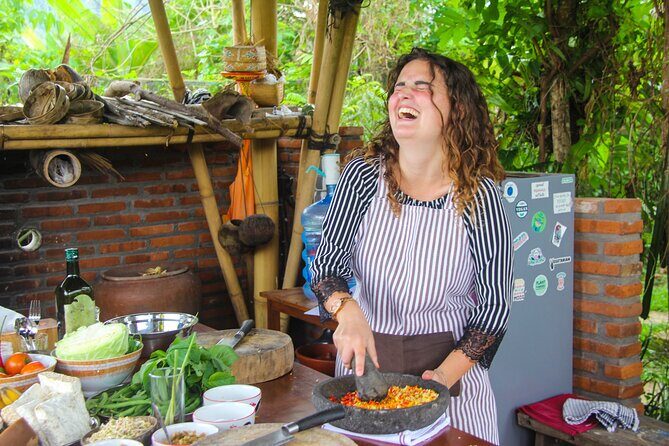
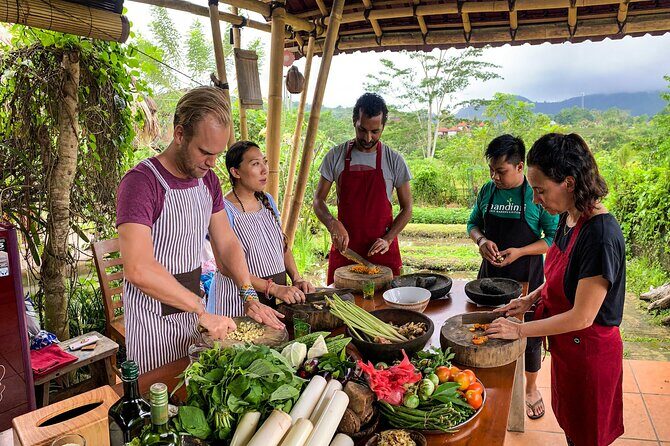
This is a Balinese cooking class with a vegan twist, and it’s hands-on in a way that helps you take the skills home. You’ll be guided by passionate chefs through a 4-course vegan menu using traditional Balinese cooking methods and ancient cooking utensils.

Why does that matter? Because cooking methods shape flavor. Even if you’re using plant-based ingredients, the technique influences how food tastes and how it feels in your mouth. The class approach makes it easier to recreate the basics later, since you’re learning the process, not just copying a recipe.

You’ll be cooking the meal you just harvested ingredients for, which keeps your attention locked in. And because the group is capped at 8 travelers, you’re less likely to get lost in a crowd. Instead, you can ask the practical questions: how to prep, how to time things, and how to adjust when you’re working with plant ingredients.

The experience is described as fun yet educational, and that tracks with what you should look for in a good class. If you want a meal at the end, you’ll get it. If you want skills, you’ll also leave with a better sense of how Balinese cooking works when you adapt it for vegan eating.

Your 4-Course Balinese-Style Vegan Lunch (This Is the Main Event)

Balinese Vegan Cooking Class with Fresh Harvesting & Garden Tour - Your 4-Course Balinese-Style Vegan Lunch (This Is the Main Event)
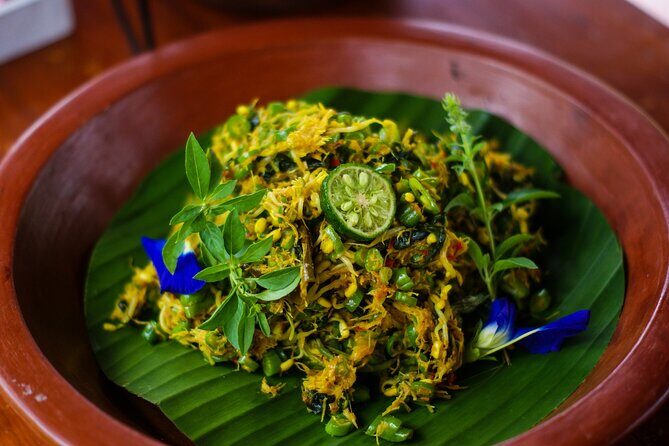
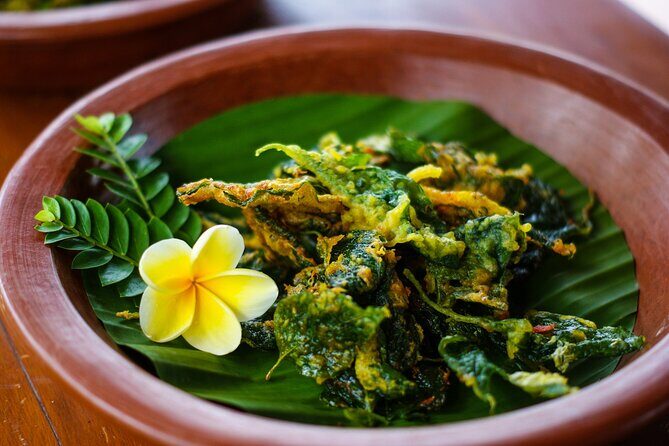
The meal is included, and it’s not a token lunch. You’ll enjoy a 4-course Balinese-style vegan menu, made from the ingredients you harvested. That structure is a big deal because it teaches you how a meal gets built—how courses can shift from one texture or flavor direction to another.

One thing that stands out from the people who loved this class: portions tend to be generous. So if you’re worried that a cooking class lunch won’t actually fill you up, don’t overthink it. This setup is geared toward feeding you properly once the cooking is done.

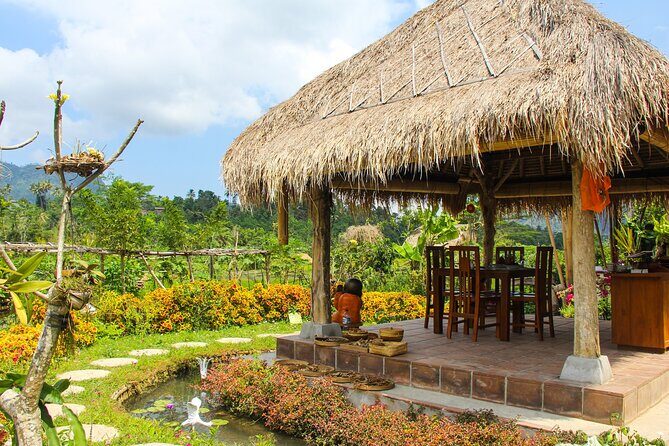
You also eat the meal at the garden with views out over greenery and hills, plus Mount Agung seen from a distance. That combination turns the meal from instruction time into something closer to a relaxed celebration.

If you’re a couple, this feels like a shared activity that ends in a real payoff. If you’re a solo traveler, the small size can also make it easier to connect with the chefs and keep the day comfortable. Even if you’re not with a group, you’re unlikely to feel like you’re in the wrong place.

And if you’re coming with a sensitive stomach or picky eater concerns, the vegan angle is the key point here. You’re not stuck with unfamiliar ingredients only for the novelty. The class is built around a complete vegan meal, not a half-vegan compromise.

Views, Pace, and the Small-Group Dynamic

Balinese Vegan Cooking Class with Fresh Harvesting & Garden Tour - Views, Pace, and the Small-Group Dynamic
The setting is a major part of the experience. The garden is described as organic and purpose-built, and your ending meal comes with scenic views of the hills and Mount Agung from afar. That’s not just decoration. It helps you slow down during the eating part, which makes the whole cooking lesson feel like a break, not a chore.

Pace-wise, plan for a full block of time: about 3 hours 30 minutes from start to finish. You’ll be active during the harvesting and prep stages, then seated for the meal. Wear something comfortable for walking around a garden and cooking. Also bring a light layer if you’re sensitive to cooler evening air after.

The group max of 8 travelers is one of the biggest practical advantages. Smaller groups usually mean better attention, fewer long waits, and more chance to get clarification while you’re cooking. If you hate feeling rushed, this size helps.

One more practical note: water is provided via infused water in jugs. So you don’t need to carry bottles. And since the class is held at a farm/garden kitchen setup, it’s smart to come with the mindset of getting a little involved—hands, steps, and questions.

Should You Book This Balinese Vegan Cooking Class in Ubud?

Balinese Vegan Cooking Class with Fresh Harvesting & Garden Tour - Should You Book This Balinese Vegan Cooking Class in Ubud?
I’d book it if you want a vegan meal that’s built with care, not assembled. The value is in the full package: harvest + cook + eat, with a 4-course lunch and a scenic garden setting. At $41.26, it’s a solid deal compared to paying for a meal plus a separate activity.

I’d also book it if you care about learning techniques. The class uses Balinese methods and ancient utensils, and the ingredient harvesting gives you context for why the dishes taste the way they do.

Skip it (or at least rethink it) if you don’t want to handle logistics. With no private transportation included, you’ll need to arrange a taxi or driver to get to the Sidemen meeting point and back. Also note the experience is non-refundable and cannot be changed, so only book if your dates are firm.

If your Bali plan includes Ubud-area exploring but you’re open to going a bit further out, this is a calm, memorable way to spend your time. You’ll leave with a full stomach, new cooking confidence, and that rare mix of skill plus a beautiful place to eat.

FAQ

Balinese Vegan Cooking Class with Fresh Harvesting & Garden Tour - FAQ

How long is the Balinese vegan cooking class?

It lasts about 3 hours 30 minutes.

What’s included in the price?

You get the garden tour with fresh ingredient harvesting, a 4-course Balinese-style vegan lunch, and infused drinking water in jugs.

Is transportation included?

No. Private transportation is not included.

Where does the class start and end?

It starts at Anandinii Organic Garden & Kitchen in Sidemen and ends back at the same meeting point.

What group size should I expect?

The class has a maximum of 8 travelers.

Do I receive a mobile ticket?

Yes, the tour uses a mobile ticket.

When will I get confirmation after booking?

You’ll receive confirmation at the time of booking.

Are service animals allowed?

Yes, service animals are allowed.

What is the cancellation policy?

This experience is non-refundable and cannot be changed for any reason.

How far in advance is it usually booked?

On average, it’s booked about 7 days in advance.

Chef Bagus Balinese Indonesian Food Cooking Class

Chef Bagus Balinese Indonesian Food Cooking Class - Hotel pickup timing in Kuta: the part that can make or break it

Chef Bagus makes a cooking class feel like a show. I like how this morning is built around real Balinese food skills, not just watching. You’ll start with a market ingredient hunt, cook together as a small group, and end with a lunch you helped create.

Two things I especially like: you learn how to build classic flavors step by step, including dishes like sate lilit and chicken in banana leaf. And you get the full meal on site with enough food to actually feel satisfied, not just a taste-and-go experience.

One consideration: the experience is described with a local market tour, but timing and stops can vary day to day. If the market visit matters most to you, I’d confirm the plan when you receive your confirmation.

Key highlights and what they mean for your morning

  • Chef Bagus runs it with humor and energy, so you stay engaged even when chopping, grinding, and mixing.
  • You cook 10 traditional Balinese dishes, with hands-on station time rather than passive participation.
  • Hotel pickup and drop-off take the stress out of getting to Kuta by 8:30 am.
  • A market tour is included, so you learn what ingredients to buy and why they matter.
  • Lunch plus snacks and water are included, making the value easy to judge.
  • Group size stays small (max 20), which helps you get questions answered while you cook.

Why Chef Bagus’s Balinese class feels worth your time

Chef Bagus Balinese Indonesian Food Cooking Class - Why Chef Bagus’s Balinese class feels worth your time
If you’re already in Kuta (or nearby), this is one of the more direct ways to understand Balinese food beyond the usual tourist menu. The structure is clear: ingredient sourcing first, cooking next, then you sit down and eat what you made. It’s a morning activity, but it doesn’t feel rushed.

Chef Bagus is a key part of the appeal. The vibe is lively, and the class is designed so you’re not stuck waiting your turn in a long line. You’ll likely be switching tasks as different parts of the meal come together, which keeps the morning moving.

Hotel pickup timing in Kuta: the part that can make or break it

Chef Bagus Balinese Indonesian Food Cooking Class - Hotel pickup timing in Kuta: the part that can make or break it
This class starts at 8:30 am, and you need to be at the restaurant by 8:15 am (especially if you do not need pickup). That early arrival window is normal here, and it’s the difference between a smooth start and a stressed scramble.

Pickup is offered from several areas, with slightly different times. In practice, plan to be ready a bit early because traffic and loading everyone can take time. The class runs about three hours, with a finish around 12:00 pm, then return drop-off about 1:00 pm.

What’s especially practical is that the core pickup coverage is meant for people staying in the main beach areas. You’ll get free pickup and drop-off if you’re in Kuta, Legian, Seminyak, or Canggu areas.

If you’re staying farther out (like Sanur, Nusa Dua, Uluwatu, or Pecatu), pickup still may be available, but you should expect an additional IDR 75,000 charge. If you’re deciding between similar classes, this added cost can change the math.

The market tour: where flavors start (and what to pay attention to)

A market visit is included, and that’s one of the smarter parts of the experience. Cooking classes can turn into a kitchen demo where everything arrives prepped and labeled. Here, you’re meant to shop for the ingredients you’ll actually use, so you learn the shopping logic, not just the recipes.

During a market tour, watch for how ingredients are chosen for smell, ripeness, and freshness. Balinese cooking relies heavily on aromatics and the way flavors combine, so fresh produce and the right spices do real work in the final taste.

A practical tip: if you’re sensitive to strong smells or bright spice mixes, know that markets can be intense early in the morning. Bring a light layer and expect heat.

And because one issue has shown up in the past, double-check the market stop timing when you confirm. The class description includes it, but if you’re planning your day around the market experience, it’s smart to confirm you’ll actually stop there on your date.

Cooking with Chef Bagus: hands-on stations and shared momentum

This isn’t a sit-and-watch class. You learn by doing. The goal is that you can reproduce these Balinese dishes later, and that requires technique, not just copying a final plate.

The class teaches multiple dishes, including classics you’ve probably only seen on menus. You’ll work with ingredients and methods that are common in Balinese home cooking, such as pounding, mixing, and wrapping. The class flow is designed so you keep moving through tasks instead of getting stuck on one preparation step for hours.

Chef Bagus’s teaching style matters here. He’s described as funny and engaging, and that’s more than entertainment. Humor lowers the stress of learning hands-on cooking. When you’re laughing, you’re more likely to remember what you did and why it worked.

Group size is capped at 20, which keeps things from turning chaotic. With a smaller group, you typically get more chances to ask questions and troubleshoot mistakes early, when adjustments are still easy.

How to prep yourself before you go

Go with an appetite, but don’t arrive starving. One simple lesson: skip a heavy breakfast. You’ll be eating the lunch you cook, and you’ll want room for everything without feeling stuffed or sleepy during the final meal.

Also, if you’re bringing kids, know that children must be accompanied by an adult. It’s a real cooking session, so adult supervision matters.

The dishes you’ll make: what to look forward to

You’ll learn to prepare 10 traditional Balinese dishes. The experience also specifically calls out several dishes as part of the class mix, including sate lilit, chicken in banana leaf, peanut sauce, and green papaya salad.

Here’s why those choices are so useful.

  • Sate lilit: This isn’t just a generic satay lesson. It’s a Balinese-style minced satay, and the technique teaches you how to shape and season the mixture so it cooks evenly and tastes balanced.
  • Chicken in banana leaf: Wrapping and steaming (or cooking with the leaf) is a signature Bali move. Learning it helps you understand how aroma and moisture affect the final result.
  • Peanut sauce: Peanut sauce can be tricky if you’ve only had it from restaurants. In class, you can learn the texture and flavor balance that make it work with savory dishes.
  • Green papaya salad: This gives you the bright, tangy side of Balinese flavors. It also helps you practice seasoning, because salads depend on taste adjustments.

Even if you don’t eat pork or seafood, you’ll still get plenty of technique value because the class is about fundamentals: flavor layering, managing textures, and learning how to combine ingredients in the Balinese way.

Lunch, recipes, and what you take home

The meal part is a big deal here. You don’t just stand up at the end and leave with a container of something small. You sit down and enjoy the dishes you cooked with your small group, around 12:00 pm, then head back to your hotel about an hour later.

You’ll also get recipes to take home and a certificate, which is a nice touch if you like collecting proof that you learned something real. You’ll also receive a welcome drink and snacks, plus bottled water.

One more practical thing: alcohol is not included. If you’re planning to drink, the minimum drinking age is 21. This matters if you’re traveling with friends and expecting a wine or cocktail pairing at lunch.

Price and value: how $51.29 really compares

At $51.29 per person, this class can look like a fair deal if you compare it to pay-per-dish restaurant meals plus a guide. What makes the value stronger is what’s included:

  • Market tour
  • Hotel pickup and drop-off for key areas
  • Cooking instruction
  • Recipes and certificate
  • Lunch, plus welcome drink, snacks, and bottled water

So you’re not just paying for a kitchen activity. You’re paying for transportation, ingredient sourcing, instruction, and a full meal. That’s why this works well as a half-day plan that keeps your Bali budget under control.

The only cost wrinkle is pickup outside the main zones (Sanur/Nusa Dua/Uluwatu/Pecatu with the extra charge). If you’re in one of those areas, double-check the final total before you lock it in.

Who this cooking class suits best

This works best if you want a hands-on morning activity while you’re based in Kuta, Legian, or Seminyak. You’ll get a lot more from it if you enjoy cooking, tasting, and learning how flavors are built.

It’s also a strong option for:

  • Food lovers who want a Bali-specific lesson, not generic cooking
  • Travelers who like small groups and a structured morning
  • People who want something active but not physically intense

If you’re the type who hates early mornings, the 8:30 am start and 8:15 am arrival requirement may feel like a lot. But if you treat it like your daily “get up and go” plan, you’ll come back with a full belly and useful skills.

Quick FAQ before you book

FAQ

How long is the Chef Bagus cooking class?

The cooking class runs about 3 hours (it starts at 8:30 am and ends around 12:00 pm), with hotel drop-off about 1:00 pm.

Where does pickup and drop-off happen?

Free pickup and drop-off is included from the Kuta, Legian, Seminyak, and Canggu areas.

Is there an extra fee for hotels outside Kuta and nearby areas?

Yes. If your hotel is in Sanur, Nusa Dua, Uluwatu, or Pecatu, pickup has an additional charge of IDR 75,000.

What time do I need to arrive?

Plan to be at the restaurant by 8:15 am.

Do I visit a local market?

Yes. A market tour is included.

What dishes will I cook?

You’ll learn to prepare 10 traditional Balinese dishes, including items like sate lilit, chicken in banana leaf, peanut sauce, and green papaya salad.

Is lunch included?

Yes. Lunch is included, and you’ll also get a welcome drink, snacks, and bottled water.

Do I receive recipes or a certificate?

Yes. You receive recipes and a certificate.

Is alcohol included?

No. Alcoholic beverages are not included, and the minimum age to drink alcohol is 21.

Should you book Chef Bagus’s class in Kuta?

Yes, I’d book it if you want a high-value morning that combines market shopping, real cooking instruction, and a sit-down lunch. The small group size, hotel pickup in the main areas, and the mix of classic dishes make it a practical use of time in Bali.

I’d think twice only if the early start is a problem for you, or if you’re counting on the market stop as the main reason for booking. In that case, confirm the day’s flow when you get your confirmation and plan your schedule around the early arrival time.

Bali Bites Food Tour with 15+ Tastings

Bali Bites Food Tour with 15+ Tastings - Food Highlights You Can Look For (and What the Mix Tells You)

Skip the tourist food bubble.

This small-group Bali food tour sends you through the backstreets of old Denpasar for 15+ tastings across local street stalls and tiny eateries. It’s a practical way to understand what Balinese eating actually feels like: lots of variety, served fast, and meant to be shared while you walk.

I especially like the max 8 guest size, because you’re not stuck listening to a guide from 20 feet away. You get time for questions with professional foodie guides, plus bottled water and soft drinks are included. One key consideration: it’s not suitable for severe allergies or celiac disease, because street food has a real risk of traces and cross-contamination.

15+ tastings on purpose, not filler: The tour is built around eating—come hungry, not curious.

7–8 street stops in old Denpasar: You’ll graze your way through local stalls and small eateries.

Badung Market finale: You’ll hit a market scene with lively nighttime eats and sweet snacks like pukis.

Small group by design (max 8): Personalized attention is part of the plan, not a bonus.

Drinks included, alcohol excluded: Bottled water and local soft drinks keep you hydrated and on budget.

Why Denpasar Street Food Beats the Usual Bali Plan

Bali Bites Food Tour with 15+ Tastings - Why Denpasar Street Food Beats the Usual Bali Plan
If your Bali days mostly look like beach time and cafe smoothies, this tour is the swing to the other side of the island. Denpasar is where you’ll see normal food life in motion—vendors cooking in small setups, people ordering quickly, and snacks built for the street.

I like that this isn’t framed as a sit-down dinner experience. It’s a mobile feast, meaning you’re tasting as you go and learning the logic behind what you’re eating. That matters in Bali, because food is tied to daily routines and local preferences, not just tourist menus.

And because the tour is set up in Denpasar (even if you’re staying around Seminyak), it gives you a different snapshot of Bali than the same strip of restaurants you can find anywhere.

15+ Tastings, 7–8 Stops, and How Hungry You’ll Need to Be

Bali Bites Food Tour with 15+ Tastings - 15+ Tastings, 7–8 Stops, and How Hungry You’ll Need to Be
The headline number is 15+ tastings, and that’s the part you should believe. This tour is priced for the fact that you’re trying multiple items, not one “big meal” with a couple side bites.

Expect 7–8 stops spread through old Denpasar. The pacing is designed to feel manageable—short walks between places—so you can actually enjoy each bite instead of rushing from one long line to another. One practical tip: don’t snack heavily before you start, because several tastings can be filling enough to feel like mini-meals.

There’s also a built-in structure: the tour segments run roughly 3–4 hours total. First you start in Denpasar’s backstreets, then you continue through more local stops, and you finish at Badung Market. It’s a good length for an evening plan when you want flavor without staying out all night.

Old Denpasar to Badung Market: The Route and What to Expect

You’ll meet at Inna Bali Heritage Hotel in Denpasar and start your walk from there. From the start, the focus is on the older side of the city—tight lanes, street-side cooking, and those small local eateries you’d skip if you were just following Google Maps.

The tour’s way of “teaching” is simple: you walk, you taste, you ask questions. In the process, you’ll learn how local food fits everyday life, not just food facts in a vacuum. Many guides mentioned in feedback (like Moses, Ina, Ras, and Raysid) were praised for mixing food talk with Bali context—so you’re not only eating, you’re making sense of what you see.

Badung Market is the finale, and it’s where the energy ramps up. You’ll witness the busy rhythm of market eats, including fruit snacks and desserts that look like they could be breakfast or dessert depending on the time of day. You might run into items such as rujak fruit salad and pukis coconut sponge cake—both are specifically called out as part of what you’ll see and taste around the market.

At the end, the tour finishes at Badung Market near a nearby temple area called Pura Desa lan Puseh Desa Pekraman Denpasar (about a short walk from the finishing spot). Your guide can help you call a taxi if you want one.

Food Highlights You Can Look For (and What the Mix Tells You)

Bali Bites Food Tour with 15+ Tastings - Food Highlights You Can Look For (and What the Mix Tells You)
This is a Balinese-focused tour, but it’s not one-note. The best part of tasting across many small places is that you start noticing patterns: what people order together, what’s sweet vs. savory, and how snack culture works on the street.

Here are a few items you can realistically look for based on what’s been highlighted:

  • Rujak fruit salad around the market portion, with fruit-based flavor plus a tangy, spicy edge.
  • Pukis coconut sponge cake, a soft, coconut-forward dessert that’s easy to love if you like warm cakes.
  • Sate-style dishes appear on the route in some form, which is great if you enjoy grilled, skewered food.
  • Some tastings include whole chicken to share, which is a big hint that certain stops are genuinely meal-sized.
  • Pancake desserts show up as well, so you’ll likely get a sweet landing at the end of the walk.

If you’re the type who worries food tours are just small bites of the same thing, this tour is built to reduce that fear. The mix of street snacks plus market treats helps you build a real “map” of Balinese eating habits.

One more reason the variety matters: it’s not only taste—it’s texture and tempo. You’ll get salty, spicy, sweet, and sometimes crunchy or saucy items across different stops, which is exactly what street food is good at.

Small-Group Size, Guide Energy, and English-Friendly Answers

Bali Bites Food Tour with 15+ Tastings - Small-Group Size, Guide Energy, and English-Friendly Answers
With a maximum of 8 guests, you’ll get the thing people usually pay for but don’t always get: attention. In practical terms, that means you’re more likely to get clear explanations, not just a quick line before the group moves on.

The tour is led by professional foodie guides, and language support tends to be a big deal here. Multiple guides have been praised for speaking English clearly while still keeping the tone fun and local. You’ll also hear enough behind-the-scenes context to make sense of what you’re eating—especially around how street cooking works and why certain foods show up again and again.

You’ll also notice the group size affects logistics. Short walks are easier with fewer people, and the guide can adjust timing if someone needs a quick bathroom stop or wants to ask one more question before you move on.

Price and Value: Getting More Than a Meal for $45

Bali Bites Food Tour with 15+ Tastings - Price and Value: Getting More Than a Meal for $45
At $45 per person, this is one of the more straightforward food-tour value setups because you’re buying a package, not a guessing game. You get:

  • 15+ tastings
  • bottled water and local soft drinks
  • a guide for around 3–4 hours
  • a max 8 group size

To judge value, think about what you’d spend just grabbing 15 separate items plus drinks in Denpasar. Even if street food is inexpensive, the cost of coordination and guidance still matters—someone is choosing stops, handling the flow, and making sure you’re trying a well-rounded set.

The big thing to remember: no hotel pickup or drop-off is included. That’s normal for a local street tour, but you’ll need to plan your own way to the meeting point at Inna Bali Heritage Hotel.

Also, alcoholic drinks are excluded. That keeps the experience focused on what’s included and helps make the pricing more predictable.

Food Safety, Allergies, and Vegetarian Expectations

Bali Bites Food Tour with 15+ Tastings - Food Safety, Allergies, and Vegetarian Expectations
Street food comes with charm, and it also comes with reality. This tour specifically notes that it’s not suitable for severe allergies or celiac disease due to risk of trace contamination and cross-contamination. If that applies to you, don’t gamble with it—find a tour designed for your needs.

Vegetarians are also not fully “equal” on this itinerary. You can still join, but you may have 3–4 fewer tastings because some vendors have limited alternatives.

If you’re generally comfortable with street-food-style hygiene (meaning you’re not chasing sterile conditions), this style can be a great way to experience Bali as locals eat it. But if your standards are strict, treat this as a key fit-check before booking.

Practical Tips: Meeting Point, Shoes, Water, and Rain

Bali Bites Food Tour with 15+ Tastings - Practical Tips: Meeting Point, Shoes, Water, and Rain
This is a walking tour, so wear comfortable shoes. The tour is designed as an easy walk between stops, but you’ll still be on your feet for hours while sampling.

Bring a bit of rain readiness. The tour recommends rain gear if rain looks likely, since you’ll still be moving between stalls.

Also plan your start time with appetite in mind. You’ll be eating enough that many people treat this as the main meal of the evening. And since bottled water and local soft drinks are included, you can focus on tasting without constantly hunting down drinks.

Should You Book Bali Bites Food Tour?

Bali Bites Food Tour with 15+ Tastings - Should You Book Bali Bites Food Tour?
Book this if you want a small-group Balinese street-food experience that’s built around a true eating count—15+ tastings—with Denpasar’s backstreets and a Badung Market finish. It’s a strong choice for first-time Bali food lovers, and for anyone staying in Seminyak who wants to escape the predictable restaurant pattern.

Skip it if you have severe allergies or celiac disease, since the tour is explicitly not set up to manage that level of risk. Also consider it less ideal if you’re hoping for alcohol-included dining or a hotel-pickup experience—this tour is about local walking and local stalls, with meeting points handled on your end.

If you fit the basics—no severe dietary restrictions, good with street food, and ready to eat—this one is likely to satisfy in a way “one restaurant” plans rarely do.

FAQ

Where does the tour start and end?

The tour starts at Inna Bali Heritage Hotel (Banjar Lelangon, Jl. Veteran No.3, Denpasar Utara). It ends at Badung Market near Pura Desa lan Puseh Desa Pekraman Denpasar, and your guide can help call a taxi if you want one.

How long is the Bali Bites Food Tour?

It’s about 3 to 4 hours (approx.).

How many food tastings are included?

You’ll get 15+ food tastings, with more than 7–8 stops during the walk.

What’s included in the price?

Food tastings, bottled water and local drinks, and a professional foodie guide. Alcoholic drinks are excluded.

Is hotel pickup or drop-off included?

No. Pick-up and drop-off from your hotel is not included, so you’ll need to make it to the meeting point yourself.

What’s the group size?

The tour is limited to a maximum of 8 travelers.

Are vegetarian options available?

Vegetarians can participate, but expect 3–4 fewer tastings because some vendors have limited alternatives.

Is this tour safe for severe allergies or celiac disease?

It’s marked as unsuitable for severe allergies and celiac disease due to the risk of traces and cross-contamination.

What should I wear or bring?

Wear comfortable shoes. Bring rain gear if rain looks likely, since you’ll be walking between stops and trying lots of food.

What happens if the weather is bad?

This activity requires good weather. If it’s canceled due to poor weather, you’ll be offered a different date or a full refund.

Bali Private Food Walking Tour With Locals: The 10 Tastings

Bali Private Food Walking Tour With Locals: The 10 Tastings - Catur Muka statue stop: quick culture, easy photos, no pressure

Food in Denpasar makes sense on foot.

This private street-food walk turns Badung Market into your launchpad for Bali’s everyday flavors, then sprinkles in quick cultural stops like the Catur Muka statue so your meal has context. What I like most: you get 10 purposeful tastings that add up to far more than a few bites, and your host can steer options for dietary needs so you do not feel stuck with side dishes. One drawback to plan for: the experience quality can depend a lot on the specific guide and pacing, and you may not always get the full level of explanation you hope for.

You start near a local temple area on Jl. Gajah Mada, meet your host, and then spend about three hours moving at a human pace. Expect moderate walking, stop-and-eat rhythm, and a very “locals only” feel once you leave the tourist lanes.

Key highlights you’ll feel fast

Bali Private Food Walking Tour With Locals: The 10 Tastings - Key highlights you’ll feel fast

  • Badung Market first: fruit, spices, and produce give you the ingredients behind the dishes
  • 10 tastings, not 10 samples: this is designed to function like a meal
  • Cultural micro-stops: Catur Muka and palace grounds add meaning between bites
  • Private pace: only you and your local guide, so you can ask questions and adjust
  • Diet-friendly options: alternatives are offered if you need them

Why Denpasar street food hits harder with a local guide

Denpasar can feel like a “transfer city” for people heading to the south. This tour flips that idea. You trade the usual tourist loop for the real food supply chain: markets, small lanes, and simple stalls where people buy lunch like clockwork.

The biggest value here is that your guide is not just translating menu words. They’re helping you understand what you are eating and why it belongs in Balinese daily life. Hosts such as Reza and Budi show up again and again in feedback for guiding people through less obvious places, with enough context to make you pay attention instead of just eating.

You also get a private format. That matters because street food is a little chaotic by design. When it’s only you and your guide, you can slow down, ask “what’s this made of,” and keep moving without trying to match a group’s pace.

Badung Market: the one-hour food grounding you’ll use all trip

Bali Private Food Walking Tour With Locals: The 10 Tastings - Badung Market: the one-hour food grounding you’ll use all trip
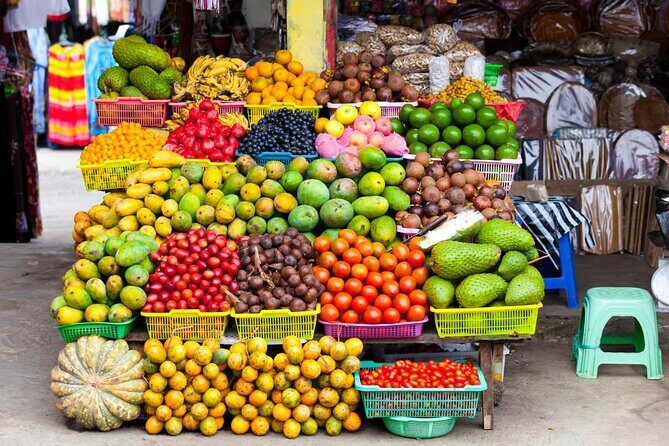
The tour starts where food starts: a major market area in Denpasar, the place local vendors and families rely on for daily produce and ingredients. This is the moment where the rest of the tastings click. You can see fruit stacks, raw ingredients, and the sheer volume of people shopping for food, not souvenirs.

You should expect it to be sensory and busy (in the normal market way). One practical tip: go hungry, but also bring patience. Market starts can feel overwhelming—four levels of activity, lots of smells, and vendors calling out what they’re selling—especially if you are new to Southeast Asian markets.

What I like about this start is that it teaches you how to “read” later dishes. For example, once you’ve seen how fruit and veg move through the market, you are better at noticing those same flavors again in snacks and drinks later in your trip.

Catur Muka statue stop: quick culture, easy photos, no pressure

Bali Private Food Walking Tour With Locals: The 10 Tastings - Catur Muka statue stop: quick culture, easy photos, no pressure
After the market, the tour makes a short cultural pause at the Catur Muka statue. It is known for the four-faced design, oriented toward North, South, East, and West.

This is not a heavy history lecture stop. It’s more like a reset button between tastings. You get a clear landmark, a little visual wayfinding, and a chance to stretch without breaking the rhythm of eating. If you like travel that blends food with place—without turning your day into a museum crawl—this type of stop is exactly the right length.

Also, because it’s short, it gives you control. If your stomach wants the next bite sooner, you’re not stuck waiting around for long transitions.

Kuta Puri Bungalows Spa and palace grounds: see the ceremonial side

Bali Private Food Walking Tour With Locals: The 10 Tastings - Kuta Puri Bungalows Spa and palace grounds: see the ceremonial side
Next comes a stop at Kuta Puri Bungalows Spa, tied to the idea of a Royal Palace built long ago and used for traditional ceremonies in modern times. You’ll visit from the outside and hear local stories.

This is a good reminder that Bali food is not separate from culture. Many Balinese meals connect to offerings, family routines, and community life. Even when you are only looking from outside, the setting helps you understand why these places matter.

One caution: the tour notes that admission for this stop is not included. So if you were hoping this entire walk is fully “all-in” for every viewpoint, keep in mind that this particular stop may have separate access costs depending on what you’re allowed to see at the time.

The classic Bali bites: babi guling and sate plecing arjuna

The tour’s food focus lands on core Balinese staples. In the final tasting portion, you’ll get bites tied to babi guling (spit roast pig) and sate plecing arjuna among other common street favorites like satay and other local dishes.

This is the part you will remember when you tell friends what Bali tastes like. Spit-roast flavors are not subtle, and satay-style grilling has that signature smoke-and-salt hit. If you’ve never tried babi guling, this is one of the most straightforward ways to do it through a guided route instead of hunting down a place alone.

Also pay attention to how your guide sequences flavors. Good street-food tours do not just stack dishes; they balance textures and spice levels so you don’t feel wiped out halfway through. Many guides also help you choose the best sauces and sides, which can make the same dish feel completely different.

If you have dietary restrictions, the tour offers alternatives. That said, what “alternative” means varies by what you need. Plan to communicate clearly at the start so your guide can set expectations early.

The 10 tastings: how to get full value without feeling sick

Ten tastings sounds like a lot until you realize how much you can eat when each stop includes a drink or a small plate. The tour is designed so the quantity is enough for a meal, not just a snack break.

Here’s how I’d pace it in real life:

  • Start curious, not greedy. Taste, then ask what you should notice next.
  • Take sips between hot or fried items.
  • If something is very rich, save it for the middle stretch, not the first stop.

A few notes from the variety of guides you might get. Some hosts (like Reza and Putu Merta, for example) are often praised for guiding people through lots of different categories—market fruit, savory grills, and more. Others may focus more heavily on specific classics. That is not good or bad; it’s just why your best strategy is to go in with hunger and a willingness to try what’s in front of you.

One more reality check: you might not get every single food category you hope for in every tour instance. One negative experience shared that there were fewer sweet treats and fewer fruit options than expected, and that the variety felt limited. You can lower the odds of disappointment by mentioning your preferences and asking your guide to prioritize fruit or sweets if that matters to you.

Diet needs and private pace: the difference between “possible” and “comfortable”

Bali Private Food Walking Tour With Locals: The 10 Tastings - Diet needs and private pace: the difference between “possible” and “comfortable”
The tour is private—only you and your guide. That’s not a small detail. It affects how willing your guide is to slow down, swap ingredients, and explain options.

The information you’re given says dietary alternatives are available. In practice, guides like June and Budi are repeatedly highlighted for accommodating specific needs and adjusting the menu instead of forcing people to skip everything. If you are vegetarian, need low spice, avoid pork, or have other requirements, you’ll want to tell your guide clearly at the start so they can map your 10 tastings accordingly.

Because you are not sharing the pace with a larger group, you can also do the practical travel thing: take a breath when you need it. Street food tours can move fast in between stops, but private format usually makes it easier to handle crowds, lines, or sudden changes.

Price and timing: is $56.78 really a fair deal?

Bali Private Food Walking Tour With Locals: The 10 Tastings - Price and timing: is $56.78 really a fair deal?
At $56.78 per person for about 3 hours, this sits in the mid-range for private food walks in Bali. The best way to judge value is not by hourly cost—it’s by what you actually receive.

You’re paying for:

  • a local host who can guide you through markets and small eateries you might never find alone
  • 10 tastings that add up to a meal
  • short cultural stops in between so the day feels like more than food errands
  • private pacing and dietary adjustments

If you tried to replicate this yourself, you’d likely spend time figuring out what to eat and where to eat it, then pay for everything retail-style. A guided route compresses that search time and reduces the risk of ending up at a place that is tourist-friendly but not locally satisfying.

Timing matters too. Most people should expect around three hours. But one experience reported the tour feeling shorter, closer to 90 minutes, with less explanation than hoped. That’s a rare mismatch, but it’s still worth noting. Your best move: build in buffer time around the tour, and treat it as a structured food experience rather than a strict schedule you can rely on to the minute.

What you’ll walk through, in plain terms

This tour is part market, part street, part simple eateries. Expect:

  • crowded market aisles at the start
  • short transit or quick shifts between stops
  • small food counters where vendors prep food in front of you
  • brief sightseeing moments that do not steal the day from the food

The route is designed to be close enough to keep things efficient. You’re also told it’s near public transportation, which can help if you are planning the rest of your day with backup plans.

Moderate physical fitness is mentioned, which basically means you should be comfortable walking and standing for a bit. Bring comfy shoes. Your feet will do more work than your brain.

Who should book this Denpasar private food walk

This tour is a strong fit if:

  • you want Bali food without feeling like you are gambling in unfamiliar places
  • you like your travel days built around markets and local routines
  • you want a private guide so you can ask questions and adjust
  • you’re hungry enough for 10 tastings to count as a meal

It’s also a good “first Bali food move” if Denpasar is your entry point. Several people book this early because it helps you get your bearings fast through food. The market start alone gives you a mental map of how ingredients travel.

If you are a strict history buff, you may find the cultural stops brief. If you want a deep museum-style day, this is not that. It’s food-forward with small cultural context.

Things to watch out for before you commit

Street-food tours are real life, not a movie. A few considerations will help your day go smoother.

First: come hungry and expect a lot of food movement. Even with plenty of eating, you are still walking.

Second: variety and explanation can vary by guide. Many hosts are praised for English skills, patience, and story-telling. Still, one disappointing account described minimal explanation and a more limited range of foods than advertised. You can’t control the guide you get, but you can control how you communicate. Ask questions early. If you want fruit, sweets, or noodles specifically, say so before you start eating.

Third: religious and ceremonial places can have changing rules. The palace-related stop is from the outside, which helps, but access rules can shift depending on what’s happening that day.

Should you book this tour?

I think you should book this tour if you want a practical way to taste Bali in Denpasar without turning your day into guesswork. The combination of Badung Market plus a private host plus 10 tastings is the sweet spot for value. It’s also ideal when you want to see local life, not just post at cafes.

Skip it or at least temper expectations if you want guaranteed long sightseeing, lots of sweet treats, or a perfectly timed minute-by-minute schedule every time. In that case, you’d be better off mixing this with your own casual strolling, so you can add dessert or fruit later where you feel like it.

FAQ

FAQ

How long is the Bali Private Food Walking Tour With Locals: The 10 Tastings?

The tour is about 3 hours.

How many tastings are included?

The tour includes 10 food and drink tastings.

Is this tour private or group-based?

It is a private tour. Only you and your local guide participate.

Where does the tour start?

The meeting point is Pura Desa lan Puseh Desa Pekraman Denpasar, on Jl. Gajah Mada in Denpasar, Bali.

Can you accommodate dietary restrictions?

Yes. Alternatives are offered for travelers with dietary requirements.

What are some of the dishes you might try?

The tour highlights include babi guling and sate plecing arjuna, plus items like satay.

Are any admissions included for the stops?

Some stops list free admission for viewing. One stop notes admission is not included.

Is the tour near public transportation?

Yes, it is near public transportation.

What is the cancellation policy?

Free cancellation is available up to 24 hours in advance for a full refund. If you cancel less than 24 hours before the start, there is no refund.

Do I get a ticket on my phone?

Yes, mobile ticketing is included.