
Vegetarian Ubud Cooking Class Bali

Vegetarian Ubud Cooking Class Bali - Where you start: meeting point and what it means for your day

Spice paste meets plant-based Balinese comfort. This vegetarian Ubud cooking class takes you from a market stop to traditional ulekan grinding, then into making nine separate dishes with tofu, tempe, and fresh vegetables. You’ll leave with a copy of 9 recipes, so the class isn’t just a one-day show.

I love the hands-on rhythm of the cooking (spice work is the real heart of Balinese flavor), and I also like that the food stays genuinely vegetarian—built around tofu and tempe rather than last-minute substitutions. One thing to consider: pickup seems like the make-or-break detail, and a small number of past guests reported trouble getting collected, so be ready to confirm timing the day before.

Key highlights worth circling

Vegetarian Ubud Cooking Class Bali - Key highlights worth circling

  • Market shopping with real ingredients, not just a quick photo stop
  • Ulekan spice grinding for that classic Balinese paste texture
  • Nine dishes made in one ~4-hour session, vegetarian-focused
  • Morning or afternoon choice, with lunch or dinner included
  • Central Ubud hotel transfers to keep things stress-free
  • Take-home recipe copy so you can recreate the meals later

Vegetarian Ubud cooking class: what makes it special

Ubud is great for food. But this class is different because it starts before you cook. You’re not just handed a station and a recipe card. You’ll shop for ingredients, then learn why Balinese cooking tastes the way it does.

Balinese flavor often begins with spice pastes—ground, stirred, adjusted. Here, you use the traditional ulekan, the stone mortar-and-pestle style setup that crushes spices into a thick, fragrant base. Even if you’re not a “spice person,” this part is usually the most memorable. It’s tactile. You can smell what’s happening. And you see how paste becomes sauce.

And because the class is tailored for vegetarians, you’ll build dishes around tofu and tempe, plus fresh vegetables. That matters. If you’ve ever taken a “vegetarian” cooking class that secretly leans on fish sauce or meat flavor bombs, you know how disappointing that can be. This one is planned to stay vegetarian from start to finish.

Price and value: why $39 can be a fair deal

Vegetarian Ubud Cooking Class Bali - Price and value: why $39 can be a fair deal
At $39 per person for about 4 hours, the big value isn’t just the cooking. It’s the package.

You get:

  • A professional English-speaking local chef
  • Welcome drink and bottled water (and lunch or dinner depending on session)
  • Cooking equipment
  • A recipe copy covering 9 Balinese dishes
  • Two-way transfers from central Ubud hotels (pickup + drop-off)

That transfer detail is a quiet money-saver. Ubud traffic and short-distance taxi pricing can add up fast, especially if you’re staying in the center but the cooking venue is outside town. The tour also runs with a small group cap (max 15 travelers), which usually means you spend more time cooking and asking questions.

Could it still be overpriced if you only want “watch and eat” style entertainment? Sure. But if you like learning technique, especially spice work, this price can make sense.

Where you start: meeting point and what it means for your day

Vegetarian Ubud Cooking Class Bali - Where you start: meeting point and what it means for your day
The meeting point is at Subak cooking class in Tampaksiring, with the address listed on site: Jl. Werkudara, Tampaksiring, Kec. Tampaksiring, Kabupaten Gianyar, Bali 80552.

In practice, that tells you something important: the cooking class isn’t necessarily right in the middle of Ubud. The good news is that the tour includes pickup and drop-off from central Ubud hotels only. If you’re staying outside that area, you may need to meet directly at the venue instead of relying on pickup.

Also, the activity notes say it’s near public transportation and uses a mobile ticket. So even if you’re solo and prefer to handle your own timing, you likely have options.

Your 4-hour rhythm: morning vs afternoon sessions

You choose your experience: morning or afternoon.

Morning session

Expect lunch and bottled water included. The pacing is set around a daytime cooking workflow: market stop first, then spice preparation, then cooking and eating your dishes as you go.

Afternoon session

Expect dinner and bottled water included. The structure should feel similar, but you’ll finish in the evening window. If you hate rushing in hot midday sun, the afternoon choice can feel more comfortable.

No matter which session you pick, the tour is designed around producing nine separate vegetarian dishes. That’s ambitious in four hours, so the class uses a practical pace: you learn key steps, then you actively cook.

Market time: shopping ingredients like a local

One of the most praised parts is the market visit. This isn’t just a scenic walk. It’s where you learn what “Balinese vegetarian” actually depends on.

Here’s what the experience emphasizes based on what you’ll do:

  • You’ll pick ingredients you’ll use later in your dishes
  • You’ll get a sense of how spices and produce work together
  • You’ll likely get guidance from the chef on what to focus on

This is where you get leverage for cooking later at home. Instead of memorizing one recipe, you learn what ingredient categories matter—fresh aromatics, spice paste components, and the way vegetables are handled so they don’t turn flat or watery.

If you love food markets, you’ll probably enjoy this more than the cooking-only option.

Rice fields and context: why the explanation matters

Another standout is the rice field explanation. Even if you’re not a “the land” traveler, this kind of context helps you understand why Balinese ingredients and cooking habits make sense.

In plain terms: rice fields connect to how people think about food in daily life. When you get that explanation before cooking, the vegetables and staples you’re working with feel less random. You’re not just following steps. You’re cooking with a sense of place.

It’s also a nice break before the pace picks up in the kitchen.

The ulekan moment: grinding spice paste the traditional way

Let’s talk technique: the class includes grinding spice pastes using a traditional ulekan.

If you’ve ever cooked with pre-made spice paste, you know it’s convenient—but it can taste one-note. Grinding yourself forces attention. You’ll see how changing the grind changes texture. You’ll smell the shift from whole spice to paste.

This also helps you later when you recreate recipes. Even if your kitchen doesn’t have an ulekan, you’ll understand what you’re aiming for: a thick paste you can stir into sauces, not a watery mix.

It’s hands-on, and it’s the part you can’t really fake with a quick tutorial.

Cooking nine vegetarian dishes: what you’ll actually make

Vegetarian Ubud Cooking Class Bali - Cooking nine vegetarian dishes: what you’ll actually make
You’ll prepare nine separate dishes. The class is vegetarian-focused, with ingredients like tofu, tempe, and fresh veggies.

Even though the exact dish list isn’t spelled out here, the important takeaway is the variety of dishes you’ll tackle. Nine dishes means you’ll practice multiple techniques—something many cooking classes skip.

Expect a mix of:

  • Using spice paste as a base
  • Cooking proteins like tofu and tempe in Balinese style
  • Handling vegetables so they keep flavor and texture
  • Building several sauces or components within the same session

And you’ll get a copy file of 9 recipes, so you won’t go home with only memories and blurry phone photos.

Meals included: what lunch or dinner feels like

The class includes lunch (morning) or dinner (afternoon), plus bottled water. You also get a welcome drink.

That sounds simple, but it’s part of the value. You’re eating what you make, which makes feedback easier. If a dish turns out too spicy, too mild, or too thick, you’ll notice in the moment. Then you can adjust for the next dish.

Other beverages are for purchase, so keep in mind you might spend a little extra if you want something beyond the included drink and water.

Transfers and group size: the comfort factor

Transfers are included only for central Ubud hotels. If your lodging is in the core area, this is a big win. You don’t have to negotiate scooters in traffic or worry about being late to a kitchen class that runs on a tight schedule.

The group size is capped at 15 travelers. That generally means:

  • Less waiting around
  • More chances to ask questions
  • Better chef attention

That’s especially helpful for vegetarian cooking, where technique matters. If a sauce needs adjusting or if a vegetable needs different heat time, small-group classes tend to catch those details.

A balanced look at the one risk: pickup issues

Most of the experience sounds smooth: pickup included, small group, and you can meet at the venue if needed. But there’s a real caution flag.

One past guest reported that pickup didn’t happen and communication didn’t get responses while waiting. They then faced a refund situation. This doesn’t mean it will happen to you—but it does mean you should take pickup timing seriously.

Practical tip: confirm pickup details by message the day before. Keep your phone ready. If you don’t get a clear arrival window, plan an alternative so you’re not stuck waiting.

Who this cooking class is best for

This is a strong fit if you:

  • Want Balinese vegetarian cooking that includes tofu and tempe
  • Like hands-on technique, especially spice paste grinding
  • Prefer a small group class with a professional chef
  • Want a market visit plus a food-focused explanation, not just cooking

It’s also great if you’re traveling with a mixed group—vegetarian and non-vegetarian. The class is built around vegetarian cooking, but the food-learning angle still tends to satisfy anyone who cares about flavor.

If you’re the type who needs tons of English-level translation time or very detailed dish breakdowns, it can still be good—but you’ll get the most out of it if you enjoy learning by doing.

Should you book Vegetarian Ubud Cooking Class Bali?

If you want a practical, plant-based way to learn Balinese food—and you care about technique over just eating—this $39 vegetarian Ubud cooking class looks like a solid deal. The combination of market time, ulekan spice grinding, nine dishes, and take-home recipes is exactly what makes classes worth your time.

I’d book it if you’re staying in central Ubud and you’re comfortable confirming pickup details. I’d be cautious if pickup reliability would stress you out—especially if you hate the idea of waiting at a lobby.

If you do book, do one thing that improves your odds: message ahead, double-check pickup timing, and arrive ready to cook.

FAQ

What is the duration of the cooking class?

The class runs for about 4 hours.

Does the tour include pickup from Ubud hotels?

Yes. It includes pick up & drop off transport service in central Ubud only.

Can I choose between a morning and afternoon session?

Yes. You can pick either the morning or afternoon experience.

What meals and drinks are included?

You’ll get a welcome drink and bottled water. The morning session includes lunch, while the afternoon session includes dinner. Other beverages can be purchased.

What will I cook during the class?

You’ll prepare nine separate dishes designed for vegetarians, including ingredients like tofu, tempe, and fresh vegetables.

Is there a recipe copy included to take home?

Yes. You get a copy file of 9 recipes.

How many people are in the group?

The class has a maximum group size of 15 travelers.

Is this experience refundable if I cancel?

No. It is non-refundable and cannot be changed for any reason, and you won’t receive a refund if you cancel or amend.

Where is the meeting point?

The listed meeting point is Subak cooking class & Cooking class in ubud, Jl. Werkudara, Tampaksiring, Kec. Tampaksiring, Kabupaten Gianyar, Bali 80552, Indonesia.

Balinese Vegan Cooking Class with Fresh Harvesting & Garden Tour

Balinese Vegan Cooking Class with Fresh Harvesting & Garden Tour - Harvesting in Anandinii’s Organic Beds (and How It Helps You Cook)

Fresh produce, serious flavor, calm vibes.

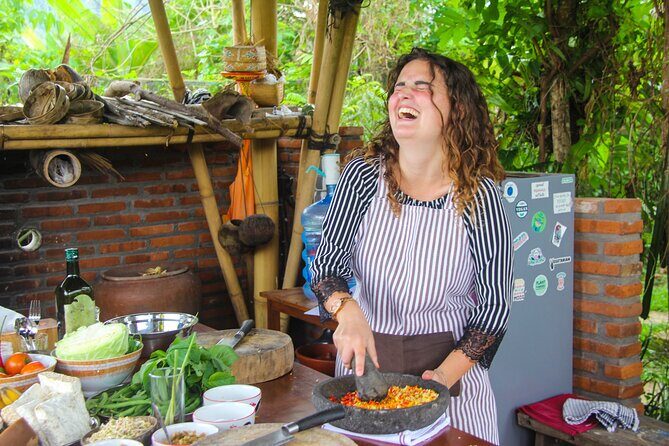
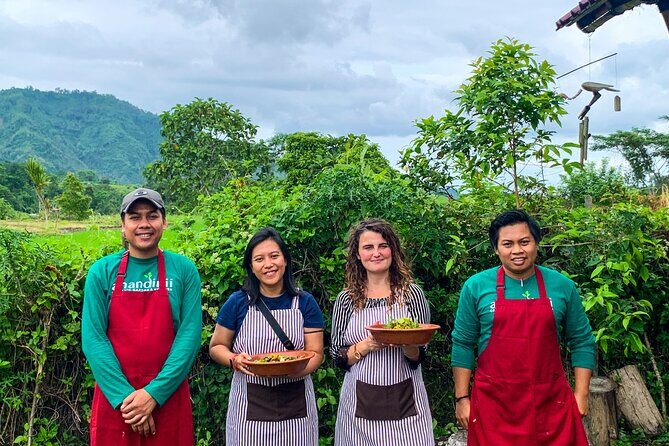
This Balinese vegan cooking class is built like a “plant-to-plate” lesson. You start in the Anandinii Organic Garden & Kitchen, pick ingredients for your own meal, then cook using traditional Balinese methods and older-style utensils before sitting down to eat with sweeping greenery and a distant view of Mount Agung.

I especially like that it’s hands-on from the first minutes, not just watching someone else cook. I also like the small group size (maximum 8), which usually means you get more help and less standing around.

One thing to consider: transport isn’t included, so you’ll want to plan how you’ll get to the meeting point in Sidemen and back.

Key highlights you’ll care about
Balinese Vegan Cooking Class with Fresh Harvesting & Garden Tour - Key highlights you’ll care about

  • Organic garden harvesting for your own vegan menu ingredients
  • Small class size with a max of 8 people
  • 4-course Balinese-style vegan lunch you cook yourself
  • Traditional cooking methods using older-style utensils
  • Views during the meal with Mount Agung seen from a distance

Getting to the Garden and Understanding the 3h30 Rhythm
Balinese Vegan Cooking Class with Fresh Harvesting & Garden Tour - Getting to the Garden and Understanding the 3h30 Rhythm
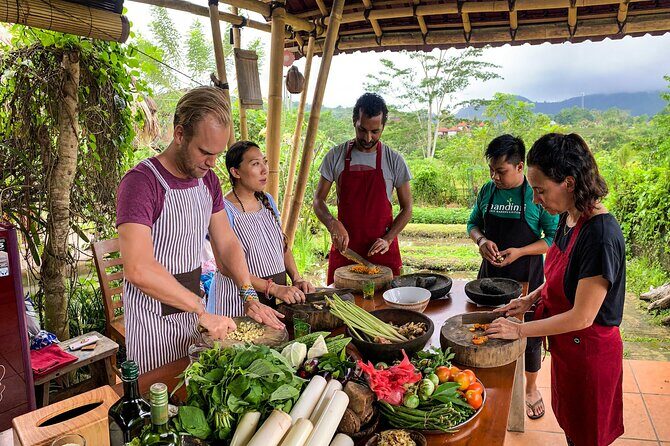
The experience runs about 3 hours 30 minutes, and it’s designed to flow like a mini journey: walk the garden, harvest ingredients, cook, then eat. The good news is it’s long enough to feel like you learned something real, but not so long that you’ll start melting from the heat.

Your start point is at Anandinii Organic Garden & Kitchen in Sidemen (Banjar Jl. Raya Tebola, Telaga Tawang, Kec. Sidemen, Kabupaten Karangasem). The activity ends back at the same meeting point, so you don’t need to figure out a second destination later.

Price is $41.26 per person, which is honestly fair for what you’re getting: garden time, ingredient harvesting, guided cooking with traditional utensils, and a sit-down 4-course lunch. Just keep in mind the class isn’t tied to private transport. If you’re staying around Ubud, you’ll likely use a taxi or driver and build that into your total cost.

Also, expect a mobile ticket and confirmation at booking time. It’s a practical setup, and with the small maximum group size, the schedule tends to stay focused.

Harvesting in Anandinii’s Organic Beds (and How It Helps You Cook)
Balinese Vegan Cooking Class with Fresh Harvesting & Garden Tour - Harvesting in Anandinii’s Organic Beds (and How It Helps You Cook)
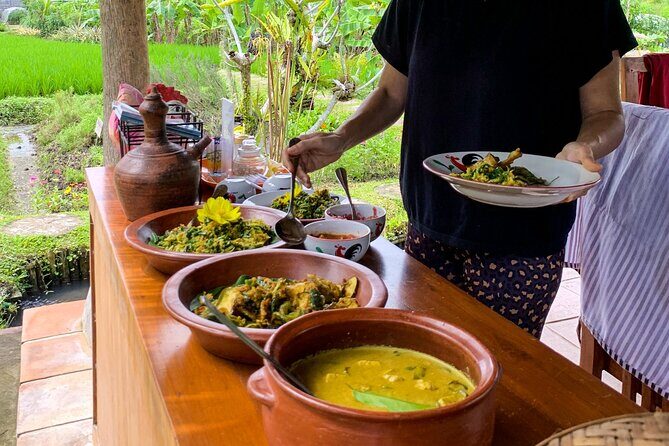
The garden tour is more than a quick photo stop. You’ll walk through the purpose-built organic garden and pick the fruits and vegetables you’ll use in your vegan dishes. You also get guidance on each ingredient’s character and benefits, which matters because it helps you cook with intent rather than guesswork.

This “choose your own ingredients” part is where the class earns its name. When you harvest something yourself, you remember the texture, the smell, and how ripe it is. That makes the cooking stage easier, and it makes the final dishes more satisfying because you can taste your choices.

The tour includes both garden tour and fresh ingredient harvesting, and you’ll also have drinking water provided as infused water in jugs (not individual bottles). That’s a small detail, but it’s the kind that makes the day feel well-run and not wasteful.

If you’re visiting Bali with kids or on a birthday, this is also a great format: people tend to get excited at the harvesting stage, and it gives everyone a clear job before the cooking starts.

Balinese Cooking with Traditional Utensils, Vegan Style

This is a Balinese cooking class with a vegan twist, and it’s hands-on in a way that helps you take the skills home. You’ll be guided by passionate chefs through a 4-course vegan menu using traditional Balinese cooking methods and ancient cooking utensils.

Why does that matter? Because cooking methods shape flavor. Even if you’re using plant-based ingredients, the technique influences how food tastes and how it feels in your mouth. The class approach makes it easier to recreate the basics later, since you’re learning the process, not just copying a recipe.

You’ll be cooking the meal you just harvested ingredients for, which keeps your attention locked in. And because the group is capped at 8 travelers, you’re less likely to get lost in a crowd. Instead, you can ask the practical questions: how to prep, how to time things, and how to adjust when you’re working with plant ingredients.

The experience is described as fun yet educational, and that tracks with what you should look for in a good class. If you want a meal at the end, you’ll get it. If you want skills, you’ll also leave with a better sense of how Balinese cooking works when you adapt it for vegan eating.

Your 4-Course Balinese-Style Vegan Lunch (This Is the Main Event)
Balinese Vegan Cooking Class with Fresh Harvesting & Garden Tour - Your 4-Course Balinese-Style Vegan Lunch (This Is the Main Event)
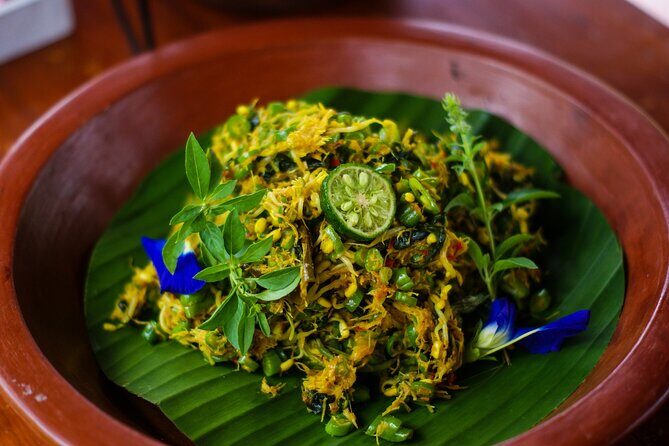
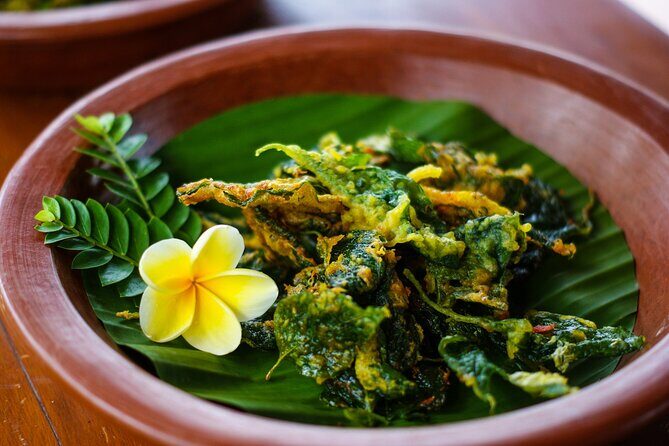
The meal is included, and it’s not a token lunch. You’ll enjoy a 4-course Balinese-style vegan menu, made from the ingredients you harvested. That structure is a big deal because it teaches you how a meal gets built—how courses can shift from one texture or flavor direction to another.

One thing that stands out from the people who loved this class: portions tend to be generous. So if you’re worried that a cooking class lunch won’t actually fill you up, don’t overthink it. This setup is geared toward feeding you properly once the cooking is done.

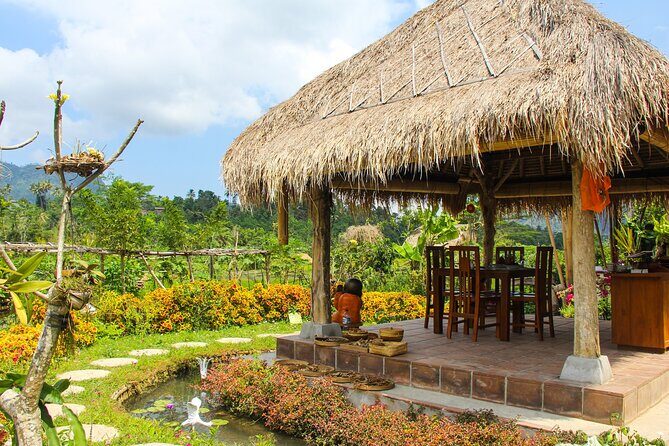
You also eat the meal at the garden with views out over greenery and hills, plus Mount Agung seen from a distance. That combination turns the meal from instruction time into something closer to a relaxed celebration.

If you’re a couple, this feels like a shared activity that ends in a real payoff. If you’re a solo traveler, the small size can also make it easier to connect with the chefs and keep the day comfortable. Even if you’re not with a group, you’re unlikely to feel like you’re in the wrong place.

And if you’re coming with a sensitive stomach or picky eater concerns, the vegan angle is the key point here. You’re not stuck with unfamiliar ingredients only for the novelty. The class is built around a complete vegan meal, not a half-vegan compromise.

Views, Pace, and the Small-Group Dynamic
Balinese Vegan Cooking Class with Fresh Harvesting & Garden Tour - Views, Pace, and the Small-Group Dynamic
The setting is a major part of the experience. The garden is described as organic and purpose-built, and your ending meal comes with scenic views of the hills and Mount Agung from afar. That’s not just decoration. It helps you slow down during the eating part, which makes the whole cooking lesson feel like a break, not a chore.

Pace-wise, plan for a full block of time: about 3 hours 30 minutes from start to finish. You’ll be active during the harvesting and prep stages, then seated for the meal. Wear something comfortable for walking around a garden and cooking. Also bring a light layer if you’re sensitive to cooler evening air after.

The group max of 8 travelers is one of the biggest practical advantages. Smaller groups usually mean better attention, fewer long waits, and more chance to get clarification while you’re cooking. If you hate feeling rushed, this size helps.

One more practical note: water is provided via infused water in jugs. So you don’t need to carry bottles. And since the class is held at a farm/garden kitchen setup, it’s smart to come with the mindset of getting a little involved—hands, steps, and questions.

Should You Book This Balinese Vegan Cooking Class in Ubud?
Balinese Vegan Cooking Class with Fresh Harvesting & Garden Tour - Should You Book This Balinese Vegan Cooking Class in Ubud?
I’d book it if you want a vegan meal that’s built with care, not assembled. The value is in the full package: harvest + cook + eat, with a 4-course lunch and a scenic garden setting. At $41.26, it’s a solid deal compared to paying for a meal plus a separate activity.

I’d also book it if you care about learning techniques. The class uses Balinese methods and ancient utensils, and the ingredient harvesting gives you context for why the dishes taste the way they do.

Skip it (or at least rethink it) if you don’t want to handle logistics. With no private transportation included, you’ll need to arrange a taxi or driver to get to the Sidemen meeting point and back. Also note the experience is non-refundable and cannot be changed, so only book if your dates are firm.

If your Bali plan includes Ubud-area exploring but you’re open to going a bit further out, this is a calm, memorable way to spend your time. You’ll leave with a full stomach, new cooking confidence, and that rare mix of skill plus a beautiful place to eat.

FAQ
Balinese Vegan Cooking Class with Fresh Harvesting & Garden Tour - FAQ

How long is the Balinese vegan cooking class?

It lasts about 3 hours 30 minutes.

What’s included in the price?

You get the garden tour with fresh ingredient harvesting, a 4-course Balinese-style vegan lunch, and infused drinking water in jugs.

Is transportation included?

No. Private transportation is not included.

Where does the class start and end?

It starts at Anandinii Organic Garden & Kitchen in Sidemen and ends back at the same meeting point.

What group size should I expect?

The class has a maximum of 8 travelers.

Do I receive a mobile ticket?

Yes, the tour uses a mobile ticket.

When will I get confirmation after booking?

You’ll receive confirmation at the time of booking.

Are service animals allowed?

Yes, service animals are allowed.

What is the cancellation policy?

This experience is non-refundable and cannot be changed for any reason.

How far in advance is it usually booked?

On average, it’s booked about 7 days in advance.