Review · Balinese Cooking Classes
Pure Bali Village Experience, Cooking & Jamu Class+VIP Transfer
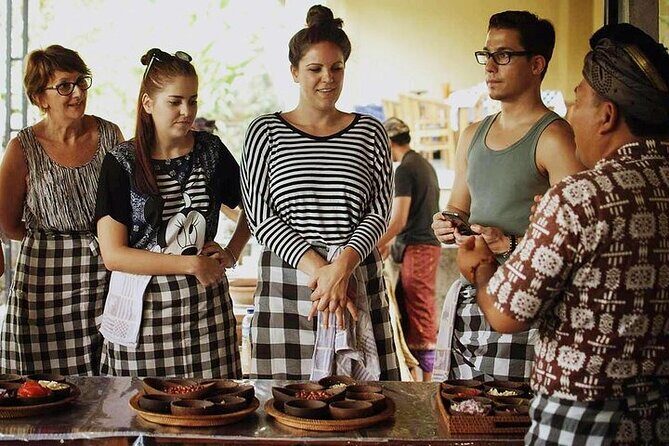
This is Bali beyond the beach. I love how this day teaches jamu (herbal tonics) and cooking using real village rhythms, not a tourist set-up. The small group size (up to 12 people) means you actually get hands-on guidance, from mixing herbs to grilling and tasting.
My second big reason to like it: the day keeps moving through meaningful stops. You’ll get an intro to the rindik instrument, walk a village setting, help plant rice, and end at the sacred Belulang hot spring. One thing to plan for: the experience requires good weather, and the hot spring/bath part is listed as optional, so don’t plan your whole day around a guaranteed soak.
In This Review
- Key highlights
- Why This Bali Day Feels Like Real Village Time
- VIP Transfer and the 7:30 Start You’ll Feel
- Rindik Music and the Herb & Spice Garden (40+ Plants)
- Jamu Pavilion: Make Two Herbal Tonics and Taste Them
- Paon Bali Cooking Class: From Bamboo Grill Sate Lilit to Lak Lak
- What I’d Pay Attention to During Cooking
- After Lunch: Rice Planting Help, Village Walk, and Local Compound Life
- Balikaru Farm Stop, Trigona Stingless Bees, and a Gentle 30-Minute Downhill Trek
- Belulang Hot Spring: Sacred Water and an Optional Bath
- Price and Value: What You’re Getting for $89
- Who This Tour Suits Best (and Who Might Want Something Different)
- Should You Book Pure Bali Village Experience?
- FAQ
- What time does the experience start?
- How long is the Pure Bali Village Experience?
- Is hotel pickup and drop-off included?
- How many people are in the group?
- What languages are the guides?
- Can you handle vegetarian diets?
- Is the Belulang hot spring bath included?
- Are drinks included in the price?
Key highlights
- Hands-on jamu: you craft and taste two types of jamu plus fruit
- Cooking in Paon Bali: make Balinese dishes yourself, including sate lilit
- Herb garden with 40+ plants: learn what you’re using before you mix it
- Village life practice: rice planting help and a downhill village walk
- Stingless bees stop: Trigona beehives at the farm
- Belulang hot spring: sacred visit with an optional bath
Why This Bali Day Feels Like Real Village Time
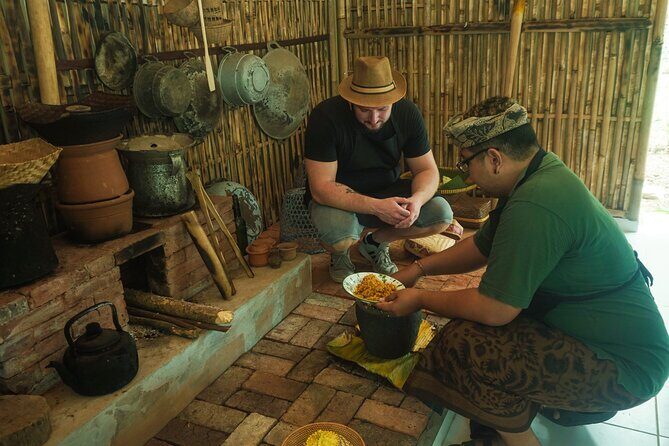
This tour is built around the simple idea that Bali culture is learned by doing, not watching. You start with the plants and the local herbal tradition, then you move into the kitchen, then you spend time in the village in ways that feel practical (rice planting, a short downhill trek), not staged.
I like that it’s not trying to pack in 20 temples and call it culture. The focus stays tight: herbs → jamu → cooking → lunch → village work → hot spring. That makes it easier to remember what you did and why it matters, even if you only have one day in Bali.
The vibe also comes from the group size. With a max of 12 people, you’re not shouting over loud music or waiting your turn for a single photo. You’re in a flow where your guide can correct your technique and help you taste, adjust, and learn.
VIP Transfer and the 7:30 Start You’ll Feel
The day kicks off at 7:30 am, with hotel pickup offered and return included. You ride in an air-conditioned vehicle, and there’s a scenic drive through the tropical mountain region, including a photo stop on the way.
That early start is worth it because you’re headed out of the main tourist bustle. You arrive in time to walk at a relaxed pace and settle in before the cooking and tasting starts. If you hate mornings, you can still enjoy this, but you’ll want to pack an easy breakfast habit the night before so the day starts smoothly.
A small practical point: most of the later activities happen outdoors (herb garden, open-air kitchen, village walks, hot spring area). I’d plan for sun, humidity, and uneven paths, and wear shoes you don’t mind getting a little dusty.
Rindik Music and the Herb & Spice Garden (40+ Plants)
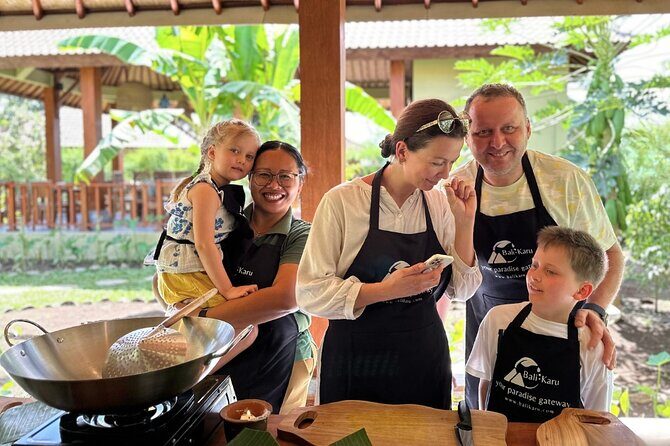
Before you start mixing anything, you get introduced to the rindik, a traditional Balinese instrument. It’s a fun first step because it sets the tone: you’re not just consuming culture, you’re learning part of how village life connects to sound, rhythm, and community.
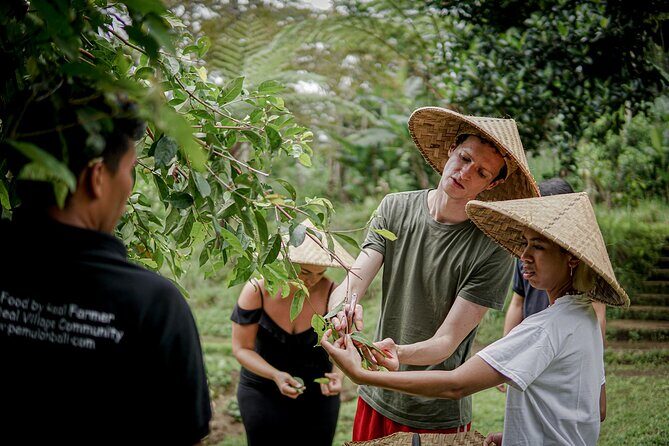
Next comes the herb and spice garden tour, with over 40 varieties of plants. This is where the day becomes genuinely educational. You’ll see the kinds of ingredients used in both jamu and cooking, and the garden walk helps you understand that you’re not getting a random spice blend. You’re getting a plant-by-plant story.
The herb garden also matters because it changes how you taste later. When you’ve just learned what you’re using, tasting jamu stops being a mystery drink and starts being a hands-on experiment.
Jamu Pavilion: Make Two Herbal Tonics and Taste Them
At the Jamu Pavilion, you craft and taste two types of jamu. Jamu is often described as an ancient health drink, but in practice what you learn here is more hands-on: how different herbs and fruits get combined and what the final drink tastes like.
You’ll also have fruit tasting as part of this portion, so you’re not stuck with only one flavor profile. The point is balance: herbal, earthy, and sometimes sweet depending on what’s in the mix that day.
If you’ve ever tried jamu in Bali and wondered what you actually liked about it, this is how you connect the taste to the ingredients. Even if you don’t remember every herb name, you’ll walk away knowing how to think about it like a cook—what’s bitter, what’s warming, what tastes fresh, and what needs fruit to soften it.
Paon Bali Cooking Class: From Bamboo Grill Sate Lilit to Lak Lak
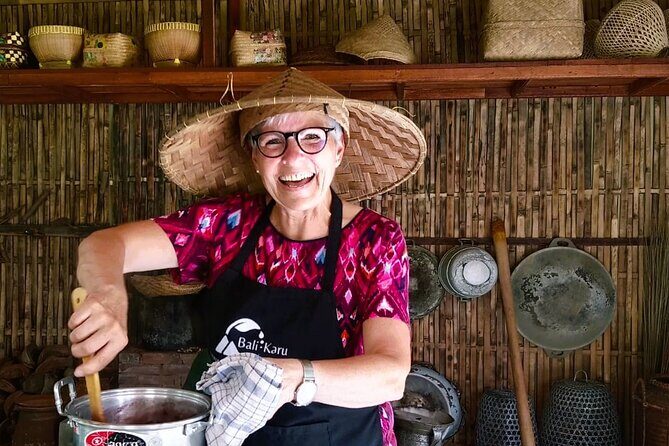
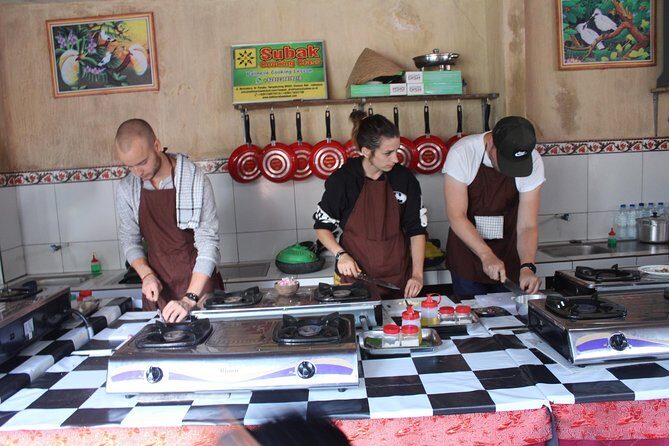
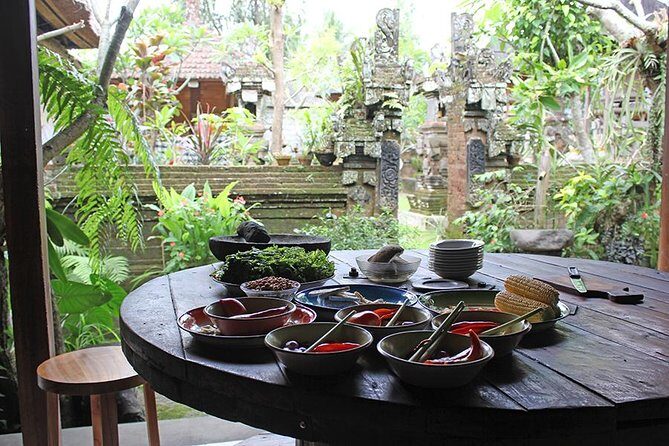
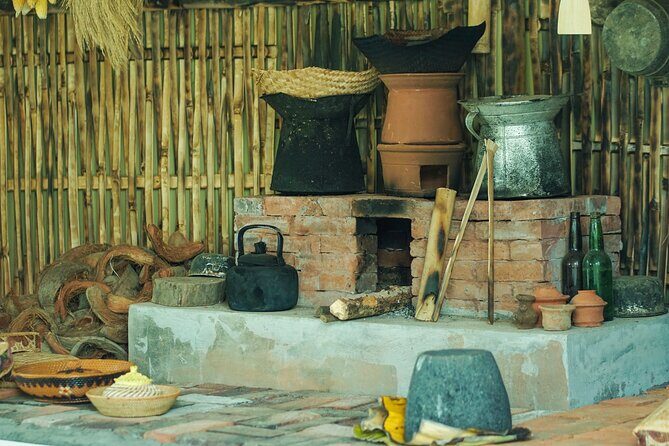
Then you move into Paon Bali, an open-air Bali kitchen. This is the heart of the day if you love food and want to leave with a repeatable skill set, not just a full stomach.
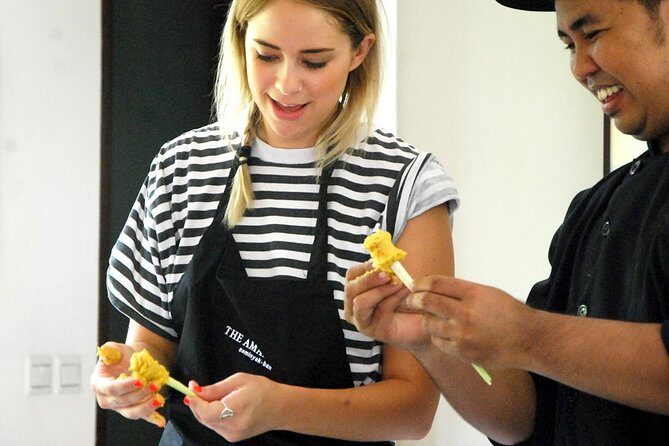
You’ll cook with guidance from the chef, and there’s a lot of group “hands-on together” energy. One standout moment is the live bamboo grill station where you prepare sate lilit. This dish is often a highlight because it’s not just assembling ingredients. You’re learning technique and timing in a village kitchen setting, where the grill is part of the lesson.
You’ll also learn lak lak, a dessert made using a traditional clay pot. That clay-pot method isn’t just a gimmick. It changes the texture and feel of the cooking process, and it gives you a concrete memory of what makes traditional methods different from kitchen shortcuts.
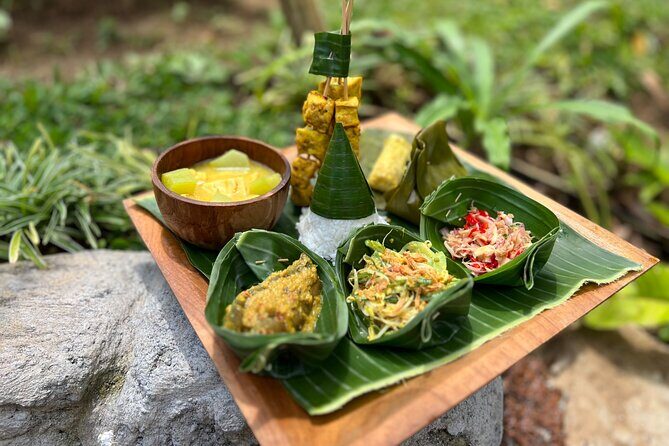
Lunch is Nasi Campur Tumping, plus dessert cooked by you during the class. You’ll get to eat what you made, which is the simplest form of “was it worth it?” proof.
What I’d Pay Attention to During Cooking
Even with a guide, you’ll get more out of this if you focus on three things:
- Taste as you go, not only at the end
- Watch how the chef handles heat and timing
- Don’t rush the small steps. In cooking classes like this, the small step is usually the big difference
After Lunch: Rice Planting Help, Village Walk, and Local Compound Life
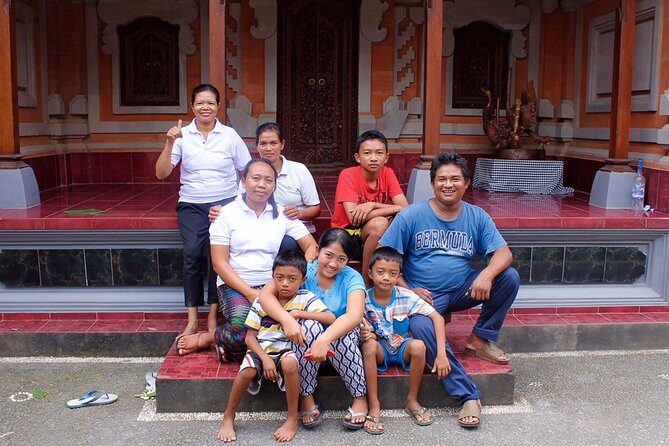
Once lunch is done, you still have energy (and time) to shift from cooking mode into village mode. You’ll assist a farmer with rice planting, which turns your day from “learn and eat” into “help and understand.”
After that, you stroll through the village with mountain views and chat with locals. This part is often what people remember later—not because it’s dramatic, but because it feels normal. You’re moving through home-life rhythms instead of just crossing a sightseeing checklist.
Then you visit a traditional Balinese compound to learn about Asta Kosala architecture, influenced by Balinese Feng Shui. Even if Feng Shui details are unfamiliar, the practical takeaway is that layout, orientation, and space planning are part of how people live. You start to notice how the village is built for daily life and spiritual balance, not just for appearances.
Balikaru Farm Stop, Trigona Stingless Bees, and a Gentle 30-Minute Downhill Trek
One of the more unique moments is the Balikaru farm with animals and stingless Trigona beehives. Stingless bees are a great topic for a day like this because they’re not flashy, but they’re fascinating. It also reinforces the theme: this region isn’t about imported show-and-tell. It’s about working with nature.
You’ll also do a soft trekking portion of about 30 minutes downhill. The word soft here is key. This isn’t a rugged hike, but it’s still real walking on uneven terrain. Wear proper shoes and plan for the fact that your legs will be doing work after lunch.
This stop also helps spread the day out. By the time you get to the hot spring, you’ve had movement, learning, and food—so the final “slow down” feels like relief rather than a sudden change.
Belulang Hot Spring: Sacred Water and an Optional Bath
The last stop is the Belulang hot spring. It’s listed as an optional bath, but it’s clearly meant to be a calm, sacred closing chapter to the day.
Even if you skip the soak, the value is in the setting and the quiet shift in pace. You’ve spent hours learning plants, cooking technique, and village life. The hot spring stop gives your brain a chance to settle so the day lands as more than just “stuff I did.”
If you do plan to bathe, bring what you need ahead of time (a change of clothes, a towel, and footwear you trust). Outdoor spring stops can be slippery, and getting ready for that is part of making the experience comfortable.
Price and Value: What You’re Getting for $89
At $89 per person for about 8 hours, this is priced like a full-day experience with multiple built-in activities. The cost makes more sense when you line up what’s included:
- Hotel pickup and drop-off in an air-conditioned vehicle
- Scenic drive with photo stop
- Rindik instrument intro
- Herb and spice garden tour with 40+ plants
- Jamu production and fruit tasting
- Cooking class in Paon Bali with lunch (Nasi Campur Tumping + dessert you cook)
- Help planting rice
- Farm visit with animals and Trigona stingless bees
- A soft downhill trek (about 30 minutes)
- Traditional compound visit (Asta Kosala concept)
- Belulang hot spring stop (optional bath)
- Farewell gift
- Cooking class certificate sent by email after the tour
Not included items are straightforward: tips, drinks, and personal expenses.
So where’s the value? You’re paying for instruction and food you prepare yourself, plus real village activities and transport. If you’ve ever done a cooking class where you mostly watch, this is the opposite. You’re building the meals and tasting the results, which is why the day holds together.
Who This Tour Suits Best (and Who Might Want Something Different)
I’d recommend this for you if you want:
- A hands-on Bali day focused on food and herbal tradition
- A small group experience (max 12 people) with real attention
- Village life beyond the main tourist strip
- Light-to-moderate activity, including a short downhill trek
This may not be ideal if:
- You want a late start or a leisurely morning. The day begins at 7:30 am.
- You’re the type who skips outdoor walking and outdoor cooking stations.
- Weather is a big concern for you. The experience requires good weather.
If you’re traveling solo, this is also a good fit because the structure is cooperative—you’ll be cooking and tasting as a group, not wandering alone.
Should You Book Pure Bali Village Experience?
I’d book it if you care about learning how Bali flavors are made and why the ingredients matter. The best part is that the day isn’t only about eating—it’s about understanding herbs, then using them in jamu, then cooking with techniques you can remember (like grilling sate lilit and making lak lak in a clay pot). Add rice planting help, stingless bees, and a sacred hot spring ending, and you get a full, grounded day.
Skip it only if you dislike early mornings, tight schedules, or outdoor walking, or if you’re looking for a beach-style day.
FAQ
What time does the experience start?
The tour starts at 7:30 am, with hotel pickup offered.
How long is the Pure Bali Village Experience?
It runs about 8 hours (approx.).
Is hotel pickup and drop-off included?
Yes. You get pickup and drop-off as part of the experience, using an air-conditioned vehicle.
How many people are in the group?
The group size is maximum 12 people.
What languages are the guides?
The guide is English- or German-speaking. Other languages have a surcharge.
Can you handle vegetarian diets?
Yes, dietary needs such as vegetarian can be accommodated. You should indicate your requirements at booking.
Is the Belulang hot spring bath included?
You visit the Belulang hot spring, and the bath is listed as optional.
Are drinks included in the price?
Lunch is included, but drinks are not included. Tips and personal expenses are also not included.