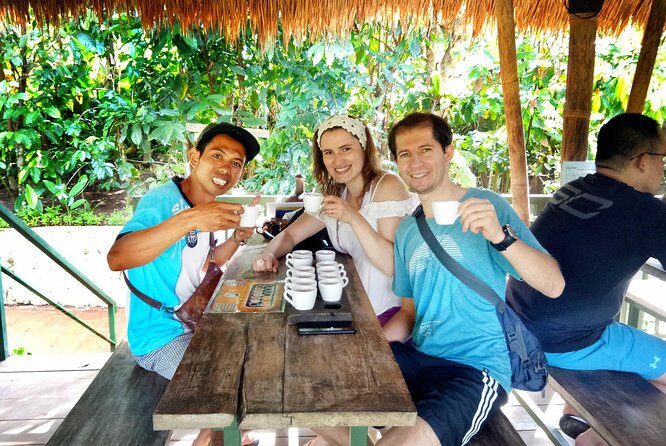
coconut wine and coffee safary tour
Sweet, smoky, and a little weird—in a good way. This Ubud coffee safari mixes hand-processed Balinese coffee and teas with a rice-field walk to sample tuak (coconut wine). I love the private guide touch and the hotel pickup/drop-off that keeps your afternoon simple. The one real heads-up: the coconut-wine portion can involve walking on soft, waterlogged ground, so pack for mud.
You start at Uma Pakel Agro Tourism to watch traditional coffee processing up close, then you move on to Bresela, a local spot in the rice fields where you’ll learn how coconut wine is made and taste samples in a real farming setting.
In This Review
- Key highlights worth your afternoon
- How this Ubud coffee safari fits when time is tight
- Uma Pakel Agro Tourism: traditional coffee processing in the jungle
- Bresela in the rice fields: how Bali coconut wine (tuak) is made
- The tasting experience: what you’ll actually try
- Private guide energy: what that means day-to-day
- Logistics that matter: pickup, timing, and the rice-field walk
- Pickup and timing
- Footwear and mobility
- Price and value: is $69 a fair deal?
- Who should book this coconut wine and coffee safari
- Should you book it?
- FAQ
- How long is the coconut wine and coffee safari tour?
- What time does the tour start in Ubud?
- Is hotel pickup and drop-off included?
- Is this a private tour?
- What happens at Uma Pakel Agro Tourism?
- What happens during the coconut wine part at Bresela?
- How many coffee samples are included?
- Do I need to walk through the rice fields?
- What if the weather is bad, or I need to cancel?
Key highlights worth your afternoon
- Hands-on coffee processing at Uma Pakel Agro Tourism, done the traditional way by hand
- A private guide who can translate the why behind the taste, not just the facts
- Tuak in the rice fields at Bresela, with coconut tapping shown from up in the trees
- Coffee and tea samples included, with options to buy more if you fall in love
- A short, scenic walk through rice country that feels local, not staged
How this Ubud coffee safari fits when time is tight
This is a smart choice for an afternoon in Ubud because it’s short, structured, and not overly complicated. You get a full sensory loop—coffee roasting/processing on one side, coconut wine (tuak) on the other—without needing to plan multiple stops on your own.
Starting at 3:00 pm also makes sense in Bali. You’ll be in the field area when the light is nicer and the day is cooling down. It won’t feel like you’re rushing through a checklist before sunset.
And the biggest practical win: hotel pickup and drop-off. You don’t have to find a meeting point, figure out which turnoff is correct, or negotiate transport mid-tour. That matters in Ubud, where traffic and “nearby” can be… creatively defined.
Uma Pakel Agro Tourism: traditional coffee processing in the jungle
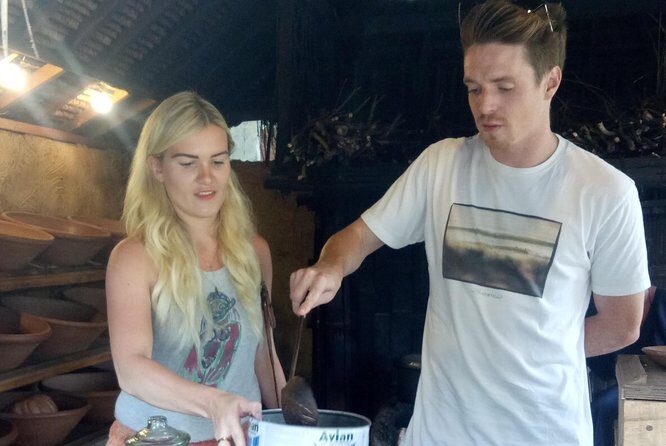
Your first stop is Uma Pakel Agro Tourism, where the emphasis is on how coffee is processed by hand in a traditional way. You’re not just looking at coffee plants and taking photos. You’ll see the steps that turn the cherries into the beans people pay real money for—slow, careful work instead of factory speed.
The setting is lush and green, with the whole operation feeling grounded in local routine rather than “museum coffee.” This stop also works for beginners. Even if coffee is just a caffeine habit for you, you’ll come away with a clearer sense of why coffee in Bali can taste different from what you’re used to.
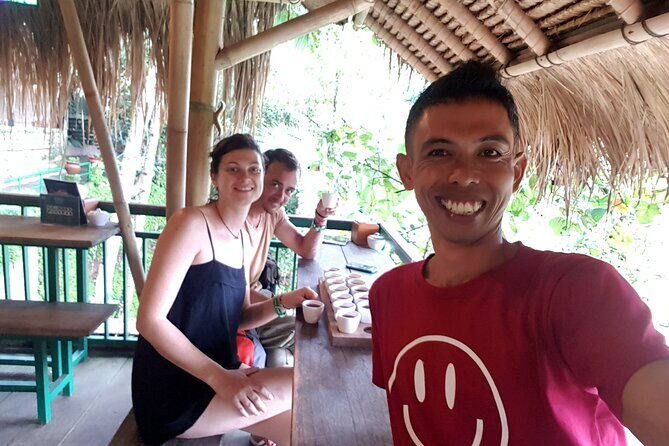
Then comes the fun part: sampling. You’ll taste coffees and teas surrounded by jungle greenery, with the tour including multiple free samples. One detail that makes this stop extra practical is that you typically get three free coffees to try, plus the option to purchase more if you want to bring something back with you.
If you’re the kind of person who likes learning with your mouth, this is your half of the tour.
Bresela in the rice fields: how Bali coconut wine (tuak) is made
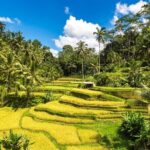
The second stop is Bresela, described as a local bar in the middle of rice fields. This is where the tour changes vibe from coffee-plantation calm to rice-farm community energy.
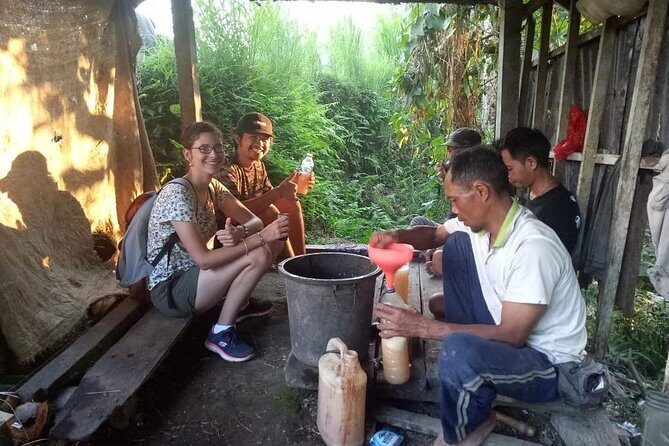
Here’s what makes it special: you get to see how Bali coconut wine is made by an expert farmer who does the tapping from high up in the coconut tree. It’s one of those moments that feels simple in concept but impressive in execution—because someone has to get up there, do the work, and keep the process consistent enough for it to become drinkable.
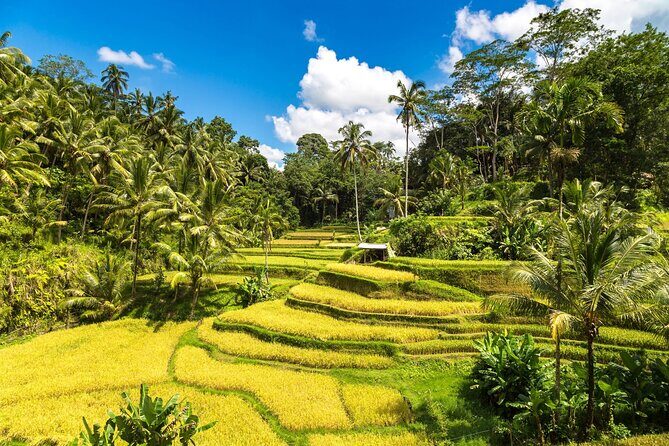
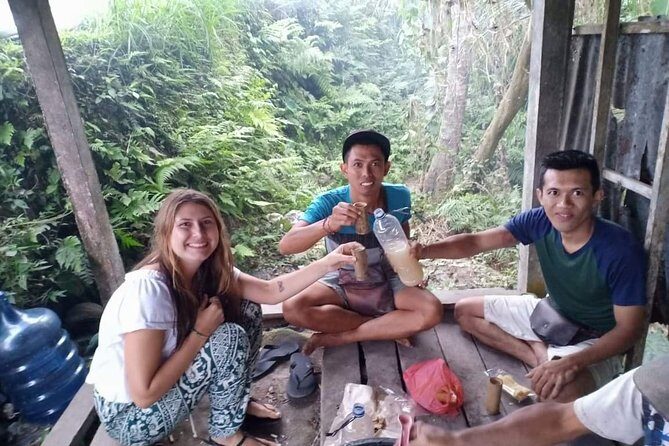
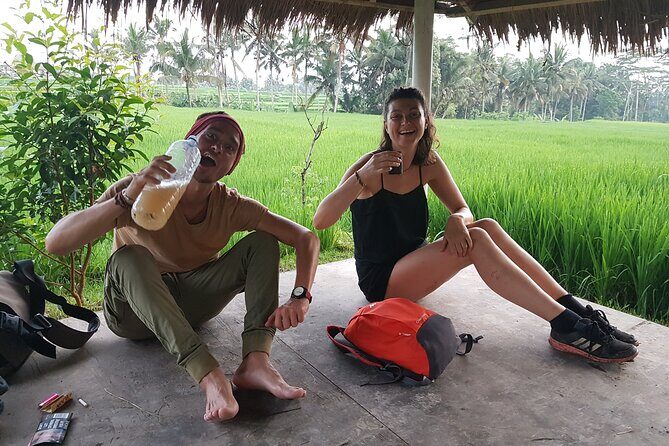
After that, you’ll have time to share the experience and taste the coconut wine samples. The setting matters. You’re not sipping tuak in a tasting room with a view that looks fake. You’re in rice country, with farmers and daily life close by.
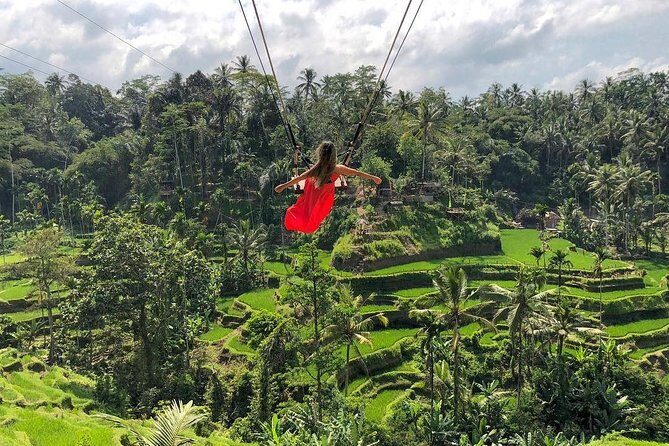
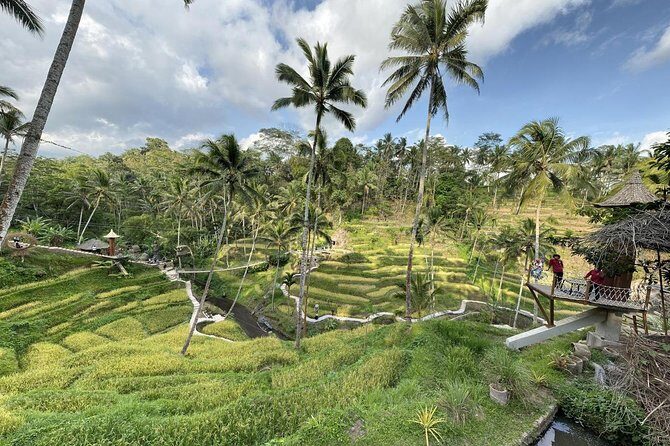
There’s also a short hike or walk involved to reach the rice-terrace and field area. From the way the walk is described, it can mean soft, waterlogged ground—so it’s not an “easy stroll in clean shoes” situation. Think practical: wear footwear you don’t mind getting dirty.
The tasting experience: what you’ll actually try
This tour isn’t just a walk-and-watch situation. It’s built around samples, and you’ll leave with a stronger sense of what you like, not just what you sampled once.
On the coffee side, you’ll be tasting coffee and tea options at Uma Pakel Agro Tourism. Expect variety within what they serve there, and don’t be shy about asking questions. You’ll often get plain explanations of how traditional methods affect taste. And if you get a guide like Oka (mentioned as fun, professional, and clear about culture and the area), you’ll likely understand what you’re tasting and why.
On the coconut side, you’ll taste tuak made from local coconut harvesting. The big point is that it’s a cultural beverage, not just a novelty shot. You’ll get context for the process and then enough sampling time to decide how you feel about the flavor.
A quick reality check, though: coconut wine and coffee don’t taste the same to everyone. Coffee people often love the coffee stop immediately. Coconut wine fans usually decide based on the first sip plus the vibe of being out there in the rice fields.
Private guide energy: what that means day-to-day

“Private tour” sounds like a marketing label until you experience what it changes.
With a private guide, you get more direct attention during the tastings. You can ask why something is done a certain way, and you don’t have to keep up with a group that’s five minutes ahead. That’s useful when you’re learning a process by hand and there are details you might otherwise miss.
It also helps with pacing. For example, you might take a few extra minutes to compare coffees, or spend longer watching the coconut tapping approach. A good guide makes this painless.
You also get real people as guides in this tour style. Names that show up include Oka and Wayan, both described as enthusiastic and helpful, and Keris (with his brother) is mentioned as communicative and flexible with pickup plans. While you can’t guarantee which guide you’ll get, the consistency here is that the guides try to make the experience feel human and understandable.
Logistics that matter: pickup, timing, and the rice-field walk
Let’s talk about the parts that can make or break your afternoon.
Pickup and timing
The tour includes hotel pickup and drop-off, so your start doesn’t depend on you finding the right location at the right time. Start time is listed as 3:00 pm, and the tour runs about 3 hours 30 minutes.
You’ll also get a mobile ticket, and confirmation comes through at booking time. That’s the kind of “boring detail” that saves stress when you’re already balancing temple visits, meals, and transport.
Footwear and mobility
The coconut wine stop involves walking into the rice-field area. The ground can be soft and waterlogged, which means it’s easy to slip or sink a little if you’re in the wrong shoes. If you want the experience but you’re not steady on uneven ground, plan accordingly.
The good news is that the tour says most people can participate. The more honest news is that you may want a little agility for that portion. You don’t need to be a trail runner, but you do need to be comfortable walking on muddy, uneven surfaces.
And bring insect repellent. One helpful tip that pops up is to use plenty of bug spray for this rice-field part.
Price and value: is $69 a fair deal?
At $69 for roughly 3.5 hours, this tour lands in the “solid value” category for Ubud, mainly because of two things you get for that price: pickup/drop-off and two distinct tasting experiences.
If you were to do this yourself, you’d likely spend time arranging transport and pay separate entry fees for different stops. Here, you’re bundling:
- Coffee processing and tastings (with admission ticket included)
- Tuak learning and tasting in the rice fields (with admission ticket listed as free for that stop)
- A private guide to connect the dots and keep you from getting lost
Also, the sampling amount matters. Getting multiple coffees and teas included (with three free coffee samples called out) makes the coffee side feel substantial, not symbolic.
Could you drink coconut wine elsewhere for less money? Sure, but this tour gives you the why and the where—the process and the rice-farm setting—without you doing the planning.
Who should book this coconut wine and coffee safari
Book it if you:
- Like learning by watching real processes, not just buying a souvenir drink
- Want a short Ubud activity that still feels local
- Enjoy food-and-drink experiences in the outdoors
- Are okay with a walk through rice fields and want the full tuak story
Skip or reconsider if you:
- Have mobility limits that make muddy, soft ground hard
- Hate strong “farm smells” and outdoor insects (even with repellent, you’re outside)
- Prefer totally low-effort experiences with no walking at all
If you’re traveling solo, it’s still a good setup because private guiding reduces stress. If you’re with a partner or small group, it’s also a nice way to share tastings and keep questions flowing.
Should you book it?
I’d book this if your Ubud plan needs one memorable, food-focused afternoon that isn’t overly long. The mix of traditional coffee processing and tuak in the rice fields makes it feel like two experiences in one, and the pickup/drop-off is a big quality-of-life win.
Just go in with realistic expectations: bring insect repellent, wear shoes for mud, and plan to spend a chunk of time outside. If you’re set on that, you’ll get a genuinely fun Ubud moment—coffee in one hand, coconut wine in the other, standing in rice country where the process actually happens.
FAQ
How long is the coconut wine and coffee safari tour?
It runs about 3 hours 30 minutes.
What time does the tour start in Ubud?
The start time is 3:00 pm.
Is hotel pickup and drop-off included?
Yes. Pickup and drop-off are offered, so you don’t need to find a meeting point.
Is this a private tour?
Yes. It’s private, so only your group participates.
What happens at Uma Pakel Agro Tourism?
You’ll see how the coffee is processed in a traditional hand-made way, then you’ll taste coffees and teas in the jungle setting. Admission ticket is included.
What happens during the coconut wine part at Bresela?
You’ll visit Bresela, a local bar in the middle of rice fields. You’ll see how Bali coconut wine (tuak) is made by a local farmer harvesting from the top of a coconut tree, and you’ll share the experience with the local community. Admission ticket is free for this stop.
How many coffee samples are included?
At the coffee plantation, you’re typically given three free coffees to try, with an option to purchase more.
Do I need to walk through the rice fields?
You should be prepared for a walk into the rice field area. The tour notes most travelers can participate, but the ground can be soft and waterlogged, so some agility helps.
What if the weather is bad, or I need to cancel?
The experience requires good weather. If it’s canceled due to poor weather, you’ll be offered a different date or a full refund. You can cancel for free up to 24 hours in advance for a full refund.