
Bali Spiritual: Blessing Ceremony, Pristine Nature and Transfer
Spiritual Bali, away from the crowds. This 8-hour experience blends a real purification/blessing ceremony at a jungle temple with a full day around Balikaru’s mountain nature and community gardens.
I like how you don’t just watch. You help prepare offerings of flowers and incense with the Mangku priest, and you’ll also get hands-on with Rindik, the traditional bamboo instrument.
One practical consideration: the day starts early at 7:30 am, and the purification ceremony isn’t permitted during menstruation or for pregnant travelers.
In This Review
- Key highlights you’ll feel the whole day
- Setting Off From 7:30 am Into Mount Batukaru Country
- Flower Market, Jamu Welcome, and the Rindik Moment
- Balikaru Garden Walk: Color, Herbs, and Quiet Focus
- The Purification Ceremony: Real Participation With the Mangku
- Homemade Lunch at a Village Warung
- Rice Planting and Farm Time at Balikaru
- Stingless Trigona Bees: Learning Without the Lecture Tone
- Belulang Hot Spring: Optional, Simple, and Worth Packing For
- Air Terjun Pengempu: A Hidden Waterfall Walk
- Transfers, Group Size, and What $115 Actually Buys You
- Who This Bali Blessing Day Is For
- Should You Book This Bali Spiritual Day?
- FAQ
- What time does the tour start?
- How long is the experience?
- Is pickup available?
- How many people are in the group?
- What language is the guide?
- What’s included in the purification ceremony?
- Are there restrictions for the ceremony?
- Is lunch included?
- Is the hot spring bath included?
- Are drinks included in the price?
- Can you request dietary needs?
- What happens if the weather is bad?
Key highlights you’ll feel the whole day
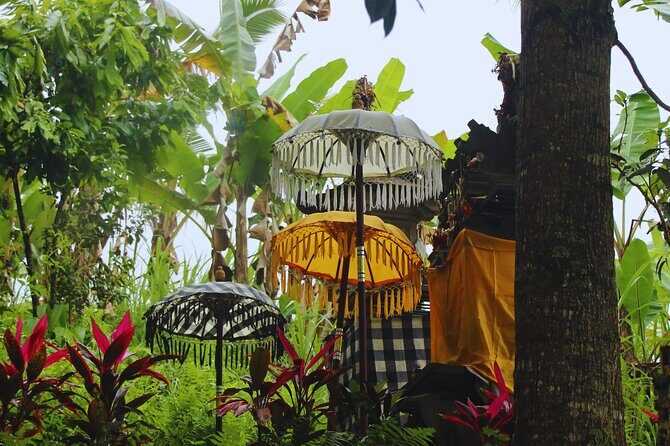
- Mangku-led purification at a jungle temple beside a tranquil river
- You prepare offerings and wear Balinese temple clothing for the ritual
- Rindik music practice with a simple, fun hands-on lesson
- Balikaru farm and garden time, including stingless Trigona bees
- Optional Belulang hot spring soak, plus a walk to a hidden waterfall
- Small group size (max 6) for a calmer, more personal pace
Setting Off From 7:30 am Into Mount Batukaru Country
This tour is built around a simple idea: go up into the quieter part of Bali where nature and religion are part of everyday life. You’re picked up and head out in an air-conditioned vehicle, with the day starting at 7:30 am and running about 8 hours.
The schedule matters. An early start helps you avoid the heaviest traffic and gives you better light for the mountain scenery around Mount Batukaru. It also means the day feels steady, not rushed.
If you’re the type who hates feeling like a passenger, this format is friendlier than the usual hop-on/hop-off style. You’re guided from stop to stop, and the timing is arranged around slower moments like ceremony and lunch.
Flower Market, Jamu Welcome, and the Rindik Moment
Before the spiritual highlight, you ease in with small cultural cues that set the tone. There’s a stop at a colorful flower market, plus a welcome jamu drink. It’s a quick way to taste something local without turning the day into a shopping mission.
Then comes the Balinese music part: you learn to play Rindik, a traditional bamboo instrument. Even if you’ve never played anything more complex than a phone, the lesson style here is made for real participation. You’ll likely remember it later because it’s one of those moments where you feel the rhythm in your hands.
If you’re traveling with friends, Rindik is a great equalizer. Nobody has to be an expert; you just follow along, try your part, and enjoy the sound.
Balikaru Garden Walk: Color, Herbs, and Quiet Focus
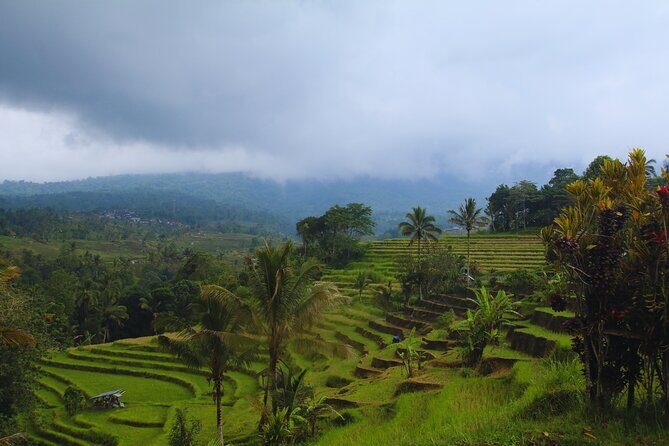
Balikaru is where the day starts to feel personal. You stroll through a garden with colorful blossoms and tropical herbs and spices, in a setting that’s tied to village life. The vibe here isn’t showroom-pretty. It feels cared for, used, and understood.
This garden stop also helps you transition mentally. By the time you reach the ceremony, you’ve already slowed down. You’ve listened for the gentle sounds, noticed the plants, and had a chance to settle your energy.
A practical tip: wear shoes you trust. Garden paths can be uneven, and you’ll want stable footing without thinking about it.
The Purification Ceremony: Real Participation With the Mangku
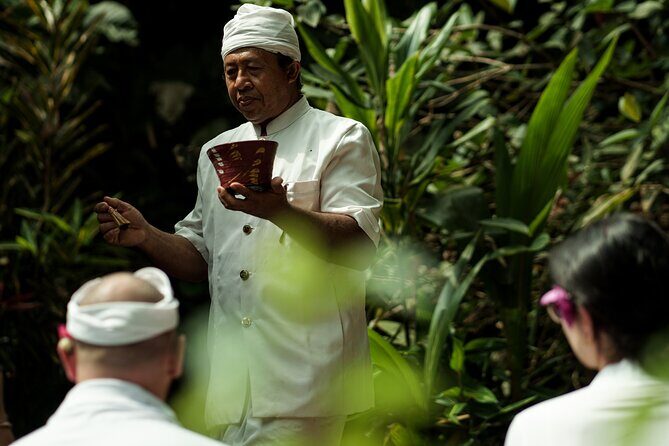
This is the headline of the day, and it’s designed to be more than a photo stop. You’ll head to a hidden jungle temple beside a quiet river, where a local priest (the Mangku) leads the purification/blessing ceremony.
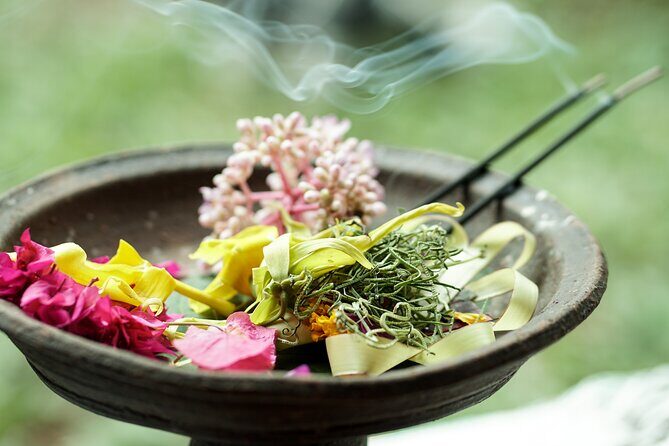
What makes it special is that you don’t stand outside the experience. You prepare offerings—flowers and incense—then follow the ritual steps as part of the blessing. You’ll also wear Balinese temple clothes (rental is included), which helps you show respect and helps the ceremony feel grounded and intentional.
A key rule to know ahead of time: the ceremony isn’t permitted during menstruation and for pregnant travelers. If either applies to you, you’ll want to skip this specific day and choose something else that fits your situation.
Also, bring a calm mindset. This isn’t a performance with constant action. It’s stillness plus meaning, and it works best when you’re willing to be present for the full ritual rhythm.
Homemade Lunch at a Village Warung
After the ceremony, you move into food and conversation, which is where this tour earns trust. Lunch is homemade Balinese food at an authentic village warung.
Food like this is one of the simplest cultural bridges. You’re not just eating; you’re eating in the village rhythm, with the day’s work and hospitality in sync. It’s also the kind of meal that makes you appreciate the earlier stops—garden herbs, village work, and shared community life all connect.
Practical note: drinks and personal expenses aren’t included, so if you like sodas, extra tea, or bottled water beyond what’s provided, budget a little. Dietary needs like vegetarian can be accommodated if you request it at booking.
Rice Planting and Farm Time at Balikaru
Then the day turns into hands-on nature work. You join a farmer in planting rice, and you also spend time around friendly animals. This is where Bali’s agriculture stops being scenery and becomes something you help with, even for a short moment.
The rice-planting part is often short, but it’s meaningful because it’s active. You’re not just observing how rice is grown; you’re doing a small piece of the process. That changes how you see the fields after the fact.
If you like animals, this stop adds a softer side to the schedule. You get time to look, learn, and enjoy without rushing to the next thing.
Stingless Trigona Bees: Learning Without the Lecture Tone
One of the most memorable knowledge moments is about bees—specifically stingless Trigona bees. You learn about them, then you can taste their honey.
This part works because it’s not just trivia. It’s tied to the farm ecosystem and the everyday work that keeps village agriculture going. Stingless bees also make the honey story feel less scary and more practical, since the focus is on their role and the honey’s flavor.
If you’re a food person, do pay attention here. Honey tasting can be easy to skip or forget on a full day, but this one is built into the farm flow.
Belulang Hot Spring: Optional, Simple, and Worth Packing For
Mid-to-late afternoon is where you get a body break. The Belulang hot spring stop includes an optional bath.
Whether you take it depends on what your legs and mood need. The hot spring is a nice reset after ceremony clothing, walking, and farm work. If you do soak, bring what you’ll need to stay comfortable afterward—especially a change of clothes and something to cover up in the transition period.
Even if you don’t soak, the stop still adds a different kind of Bali scenery: steam, still water, and that “slow down” feeling.
Air Terjun Pengempu: A Hidden Waterfall Walk
To end the day, you head to Air Terjun Pengempu, described as a hidden waterfall. You’ll also do a peaceful walk through the mountain village along the way.
This final stretch is where the day’s theme comes full circle. You started with ceremony and quiet respect, then moved through community garden life, farm work, and nature. Ending with waterfall views feels natural and helps you carry the day home in your body, not just your camera roll.
The walk won’t be for everyone if you have mobility limits, but the tour is designed around casual movement in village and nature settings. Wear shoes that can handle wet or slippery ground.
Transfers, Group Size, and What $115 Actually Buys You
At $115 per person, this trip is priced like a full cultural day, not a low-cost checklist. For that price, you get a lot: pickup and transport in an air-conditioned vehicle, an English-speaking guide, stops at a flower market, jamu welcome drink, Rindik instruction, ceremony support (including temple clothes and offerings), lunch at the village warung, Balikaru garden and farm time, Belulang hot spring (optional), the waterfall stop, a farewell gift, and a personal photo from the ceremony emailed to you.
Drinks and tips aren’t included, so plan for that. But the ceremony itself, plus the guided experience around it, is where the value is strongest. You’re paying for time with local practice, not just access to a landmark.
The small size helps too. Maximum 6 travelers means less waiting and less crowd energy. If you like thoughtful pacing and you don’t want your day chopped into loud group segments, this size is a plus.
Who This Bali Blessing Day Is For
This tour fits you if you’re looking for a Bali day that feels grounded in daily village life, not just sightseeing. It’s especially good for people who like spiritual context, hands-on nature learning, and small-group comfort.
You’ll probably enjoy it most if you’re:
- Interested in a participatory purification ceremony
- Happy to do gentle walking, then sit for lunch and a slower cultural rhythm
- Curious about village food, farm work, and stingless bees
- Comfortable with a structured day starting at 7:30 am
You might rethink it if you strongly prefer entertainment-style tours, or if the ceremony timing rules don’t work for you.
Should You Book This Bali Spiritual Day?
Yes, I’d book it if you want a calmer, more meaningful Bali day with real local involvement. The Mangku-led ceremony, the hands-on nature stops at Balikaru, and the small-group pace are the standout reasons.
I’d pause and check your personal situation if you’re pregnant or if the purification ceremony is happening during menstruation, since you can’t take part in the ritual. Also, if you hate early mornings, this one will still require your best “get up and go” mood.
If you’re the kind of person who wants Bali to feel like more than pictures, this experience is built for that.
FAQ
What time does the tour start?
The start time is 7:30 am.
How long is the experience?
It lasts about 8 hours.
Is pickup available?
Yes, pickup is offered.
How many people are in the group?
The tour has a maximum of 6 travelers.
What language is the guide?
An English-speaking guide is included. Other languages are available for a surcharge.
What’s included in the purification ceremony?
You participate in the purification/blessing ceremony with the Mangku priest, including offerings, and temple clothes (rental).
Are there restrictions for the ceremony?
Yes. The purification/blessing ceremony is not permitted during female menstruation and for pregnant travelers.
Is lunch included?
Yes. Lunch is included at an authentic village warung.
Is the hot spring bath included?
Belulang hot spring is included, but the bath is described as optional.
Are drinks included in the price?
No. Tips, drinks, and personal expenses are not included.
Can you request dietary needs?
Yes. Dietary needs such as vegetarian can be accommodated if you indicate them at booking.
What happens if the weather is bad?
This experience requires good weather. If it’s canceled due to poor weather, you’ll be offered a different date or a full refund.
More Private Drivers




More Tour Reviews

Private Drivers: how the alternatives stack up
 ★ 5.0
★ 5.0Electric Cycling Tour of Ubud with Free Hotel Transfer and Lunch
 ★ 5.0
★ 5.0Experts Bali Driver : Best Bali Private Driver for Tour in Bali



The lists this tour appears in