Full Day Kintamani Volcano View and Ancient Penglipuran Village
Morning starts with real volcano drama. This day trip strings together Kintamani’s Mount Batur and Lake Batur views with temple visits (Goa Gajah and Tirta Empul) and ends in Penglipuran, a village that still keeps its traditional house layout. One reason I like this route is the human touch: drivers such as Arta, Satya, Dirga, and Wayan Mo are repeatedly praised for punctual pickup and clear explanations as you move from stop to stop.
Two things I especially like: the chance to eat during a lunch break with the volcano scenery right there, and the way you get more than one kind of cultural stop, from cave carvings to holy-water rituals. A possible drawback is simple: it’s a full 8 to 9 hours, so you’ll want comfy shoes and a mindset for a busy day.
In This Review
- What you’ll love most (and why)
- Key highlights worth planning for
- How this full-day route actually feels (and the order makes sense)
- Goa Gajah (Elephant Cave): carvings, symbolism, and a cave you can study
- Tirta Empul: the sacred spring and the idea of self-purification
- Kintamani village and the Mount Batur viewpoint: where the day clicks
- Lunch in Kintamani: buffet comfort with a serious view
- Bali Coffee Plantation: learn how coffee grows, and why Luwak is famous
- Penglipuran Village: a traditional layout that still feels anchored
- Price and value: is $95 per person a good deal?
- Timing, pacing, and comfort tips for a smooth day
- Who this tour is best for
- Should you book Bali Golden Tour’s Kintamani and Penglipuran day?
- FAQ
- FAQ
- How long is the tour?
- What time does it start?
- Is pickup offered?
- Are tickets included for the stops?
- Is vegetarian food available?
- What places are included in the day?
- Is this a private tour?
- What’s the cancellation policy?
What you’ll love most (and why)
If you’re the type who likes a day that has a clear arc—temples first, big views next, then a quiet village at the end—this one fits. The route also balances big-ticket scenery with places you can actually walk through and look closely at details, not just stand and stare. And yes, the coffee plantation stop adds a tasty, hands-on angle with crops like coffee and even pineapple and snake fruit.
Key highlights worth planning for
- A Kintamani viewpoint built for Mount Batur and Lake Batur photos
- Goa Gajah’s cave details, including Ganesha carvings and Lingga Yoni
- Tirta Empul’s holy water spring and self-purification pool
- A structured lunch break in Kintamani with vegetarian-friendly options
- Coffee plantation education, including Luwak coffee
- Penglipuran’s neat, traditional house lines that feel time-capsule calm
How this full-day route actually feels (and the order makes sense)
This itinerary is designed like a practical loop: start with two historic temple stops, head to the highlands for the big volcano payoff, then slow down with lunch and culture, and finish with an ancient-feeling village. The pacing works because each part has a different “job.” Temples give meaning and texture. Kintamani gives scale. Penglipuran gives quiet order.
You’ll start at 8:00 am with pickup offered in Seminyak, and you’ll spend the day moving between different elevations. That means your day will change from humid temple air to cooler highland breezes (not guaranteed, but common in the mountains). Bring layers you can handle—Bali can go from warm to noticeably cooler when clouds roll in.
One more thing: this is listed as a private tour for your group. That matters. You’re not fighting for position, and your guide can keep the pace comfortable for your group. If you want questions answered or want a slower look at carvings or house layouts, you’ll get more flexibility than you would on a cattle-car group bus.
Goa Gajah (Elephant Cave): carvings, symbolism, and a cave you can study
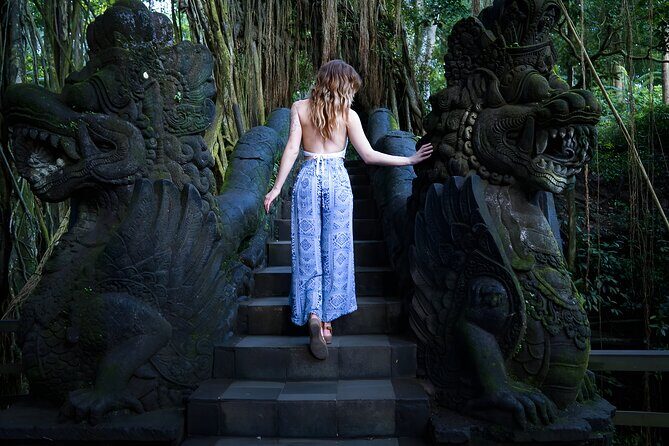
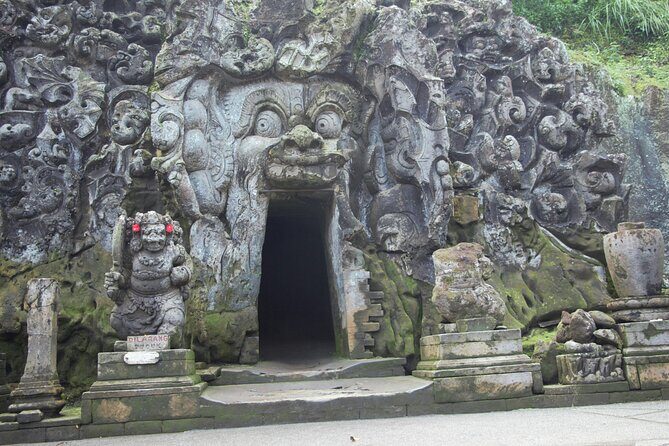
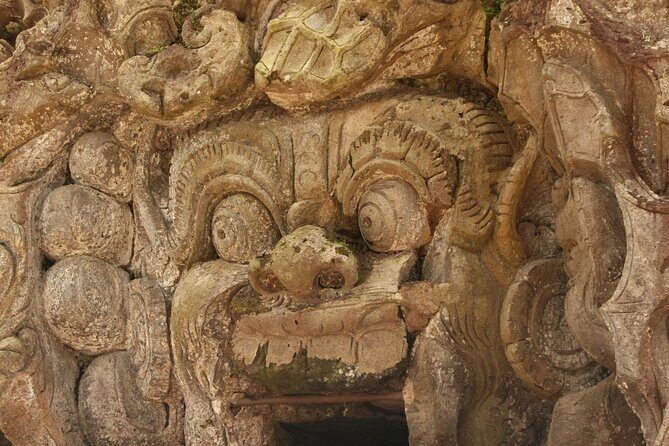
Your first major stop is Goa Gajah Temple, also known as Elephant Cave. It’s an archaeological site built around a cave, and the main reason it’s on this route is detail. Inside, you’ll see Ganesha carvings and, importantly, a Lingga Yoni. That pairing gives you more to think about than the usual temple photo line.
What makes this stop valuable for you is that you’re not just visiting a landmark—you’re stepping into a space built for symbolism. The cave setting also changes how you perceive the carvings. Shadows can make the details harder to spot, which is why a good guide’s timing helps. If the guide points out what you should look for, you won’t miss the meaningful bits.
The drawback here is also typical: caves and temple zones can feel dim and a bit slippery. Wear shoes with grip. Also, keep your voice low and your attention on what you’re seeing—this isn’t a quick roadside stop. It’s a place where taking five extra minutes to slow down pays off.
Tirta Empul: the sacred spring and the idea of self-purification
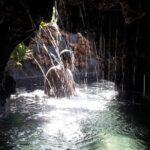
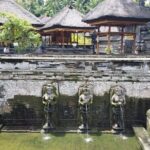
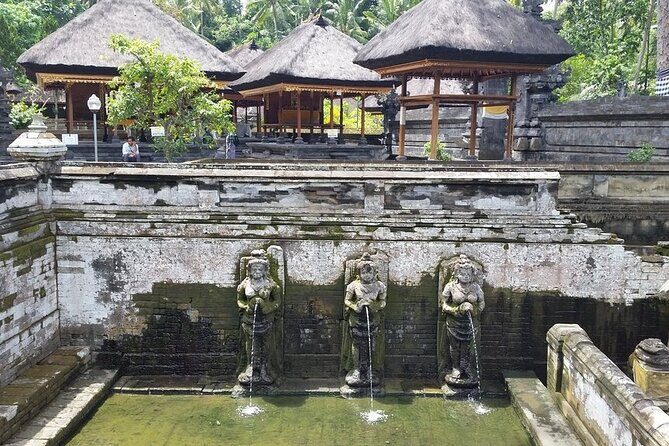
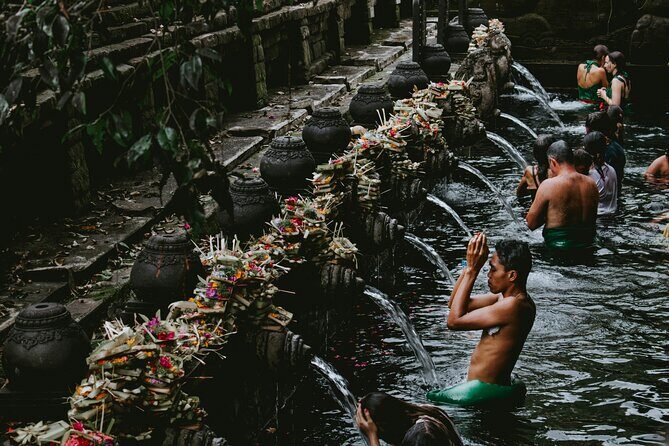
After Goa Gajah, you move to Tirta Empul Temple, built around a sacred spring at Tampak Siring. The core experience is the holy water pool connected to traditions of self-purification used for more than a thousand years.
For you, this stop is about witnessing a living ritual, not just touring a building. The pool area has a different energy than the cave. People come with purpose, and your guide can help you understand what’s happening and what your role should be—watch quietly, and follow instructions if you choose to participate.
A good practical tip: pace yourself. If you’re not used to standing or moving around in temple bathing areas, it’s easy to get chilly or to feel awkward. You can still enjoy the stop fully by observing and learning. Just remember that this is a place people use for spiritual cleansing, so be respectful with cameras and body language.
Kintamani village and the Mount Batur viewpoint: where the day clicks
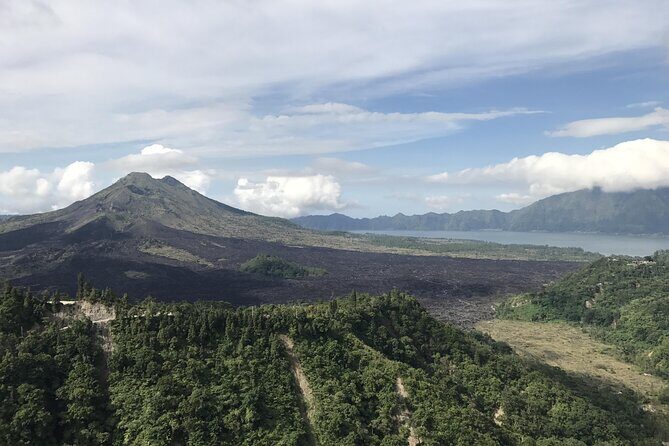
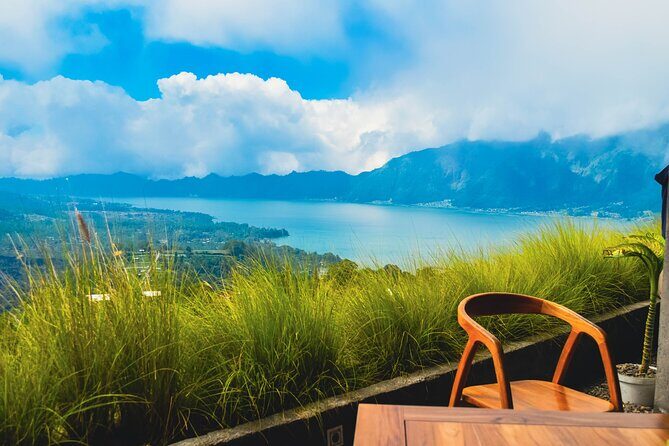
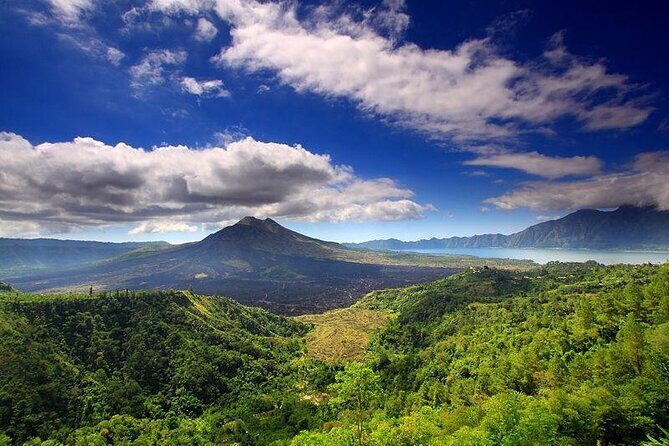
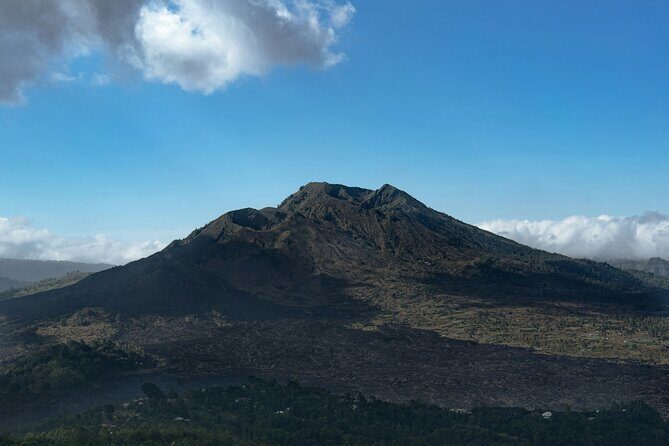
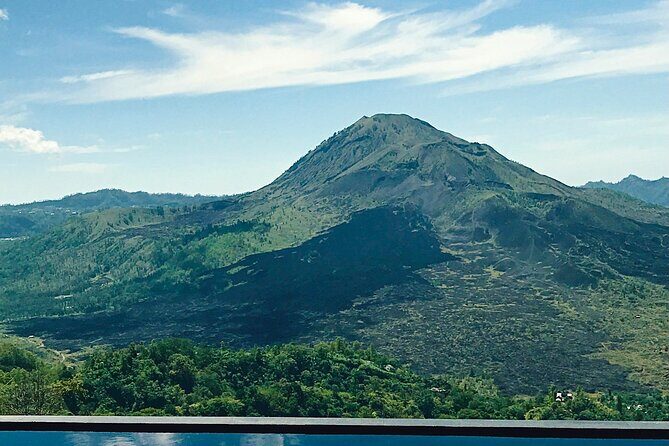
Next comes Kintamani Highland and the volcano overlook vibe. Kintamani is described as a countryside in the hills, with panorama views stretching toward the active volcano Mount Batur and Lake Batur.
This is the moment where the itinerary turns from “interesting places” into “wow, this is why people come to Bali’s interior.” The viewpoint is the big payoff, and lunch plans later are built around it. If clouds roll in, the view might be muted—but even a cloudy day can give you a sense of scale and the mood of the mountains.
What you’ll want to do here is simple:
- Look wide first, so you understand where the lake sits relative to the volcano.
- Then look closer, so you see the texture of the highland terrain.
If you care about photos, bring a camera strap that doesn’t slap around in wind. There’s often a breeze at elevation, and keeping your hands steady makes a real difference. Also, don’t rush. The best views often come when your eyes adjust to the light.
Lunch in Kintamani: buffet comfort with a serious view
You get a dedicated lunch break in the Kintamani area at a restaurant with a buffet-style meal. The itinerary notes Indonesian food, and it also includes vegetarian food available. Best of all, the restaurant is positioned so you can enjoy the view of Mount Batur and Lake Batur while you eat.
This matters because mid-day fatigue can flatten a day trip. A good lunch stop resets you. And eating with the scenery in front of you turns lunch from a boring chore into part of the experience.
Keep expectations realistic: buffet food is usually designed for variety, not fine dining. But the value here is location plus convenience. You’re not backtracking. You’re eating right where you want to be—inside the Kintamani atmosphere.
If you’re sensitive to heat, ask your guide about the best seating spot. Even small differences in shade can make the rest of the afternoon more comfortable.
Bali Coffee Plantation: learn how coffee grows, and why Luwak is famous
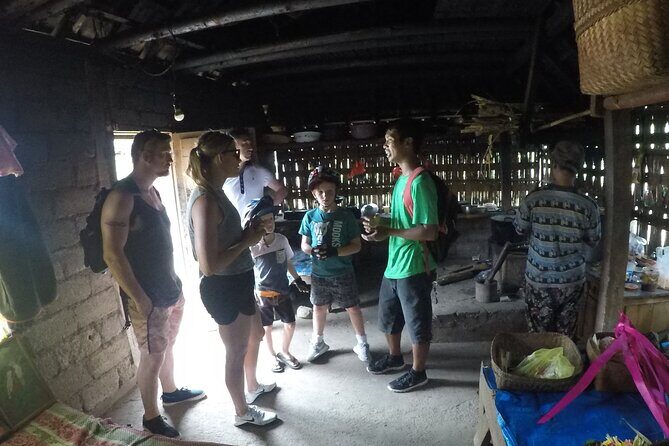
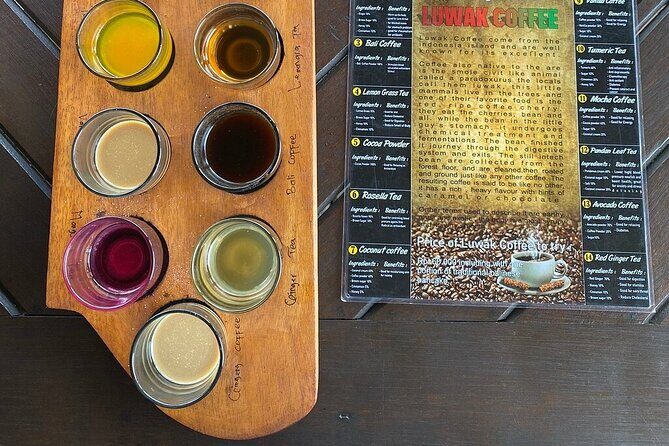
After lunch, you head to a Bali Coffee Plantation. This stop is less about a single photo and more about education you can feel. You’ll get to witness different plants grown there, including coffee arabica and coffee robusta, plus pineapple and Balinese snake fruit.
You’ll also experience how Balinese coffee is made, including discussion of Luwak coffee. The Luwak component is usually why people pay attention—because the story is unusual. But even if you’re not chasing coffee as a hobby, this is still a nice change of pace from temples and volcanic viewpoints.
The most practical advice for you: don’t treat it like a quick “look at beans” stop. Plan to ask questions about what you’re seeing. The plantation experience works best when you let the guide explain how the plants are grown and how processing fits into the final cup.
One consideration: coffee plantation stops sometimes come with sales pressure elsewhere in Bali. This itinerary doesn’t spell out tastings or purchases, so you should treat any offer as optional. If you’re not interested, politely pass. You’re here to understand the process, not to buy a souvenir you didn’t plan on.
Penglipuran Village: a traditional layout that still feels anchored
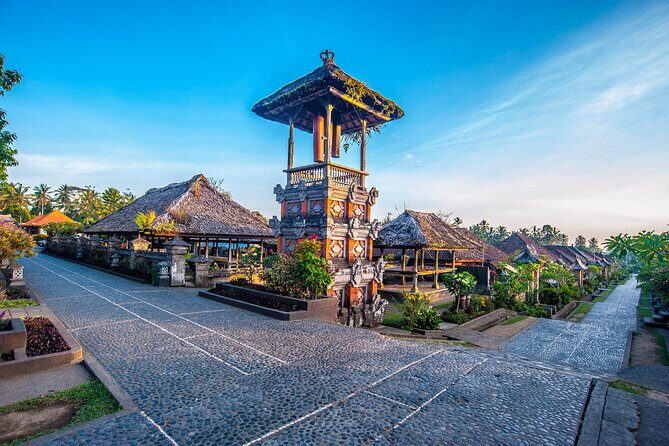
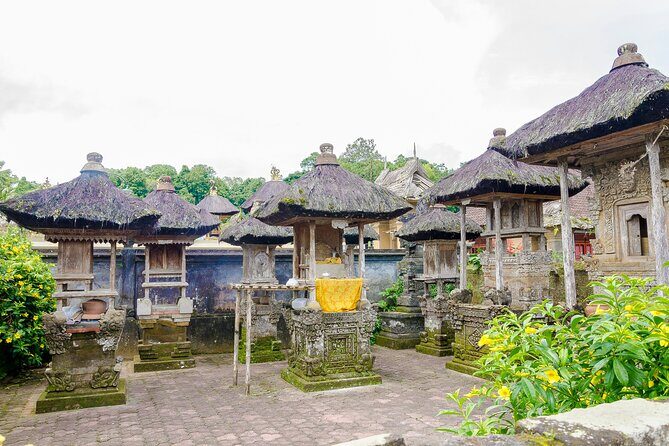
Your final cultural stop is Penglipuran Village, often described as ancient and preserved. The village is located about 6 kilometers from the closest city Bangli or about 1 kilometer from Kubu village, and it’s noted as having around 700 people based on the last census in 1999 (with 192 head families).
What makes Penglipuran different is the arrangement. The village has neatly lined up traditional houses, giving it a time-capsule feel when you walk through. This isn’t just a “village attraction.” It’s a look at how community design can shape daily life, even when the world keeps changing around it.
For you, this ending works because it’s calmer. After temples and highland views, Penglipuran’s orderly streets give you something you can absorb slowly. If your group likes easy walking and quiet observation, you’ll probably enjoy this part more than you expect.
Be mindful with behavior. Small actions—where you stand, how you pose for photos, how loudly you talk—matter more here than at a viewpoint. You’re stepping into people’s space, even if it’s a tour-friendly village.
Price and value: is $95 per person a good deal?
At $95.00 per person for an 8 to 9-hour private tour with pickup offered, this is priced like a solid mid-range day trip. The value comes from two things:
1) You’re covering multiple major attractions in one long loop (temples, highlands, coffee plantation, and Penglipuran).
2) Several admission tickets are listed as included—Goa Gajah, Tirta Empul, Kintamani Highland, and Penglipuran.
Coffee plantation and the lunch stop are described as having no admission ticket charge in the itinerary schedule. Lunch itself is part of the day, with vegetarian options available. You’re also getting a mobile ticket and the flexibility of group discounts, depending on how you book.
The only “watch out” is that the day is packed. If you’re the type who wants fewer stops and more free time, this price might feel like you’re paying for motion rather than time. If you like structure, though, the $95 can make a lot of sense because you’re not paying separately for guides, transport between distant interior areas, and multiple site entry tickets.
Timing, pacing, and comfort tips for a smooth day
This kind of full-day route is best when you treat it like a plan, not an experiment. Expect an early start, steady travel, and a series of “walk, look, move on” stops.
Here’s what will help you enjoy it more:
- Wear shoes you can walk in comfortably for temple interiors and village paths.
- Carry a small water bottle. (Hydration matters around viewpoints.)
- Bring a light layer for higher elevations where temperature can feel different.
- Keep your phone camera handy, but also take some time without it. Goa Gajah and Penglipuran are more satisfying when you let details come to you.
Also, if you’re hoping to participate in purification at Tirta Empul, do it thoughtfully. If you’re unsure, you can still experience the stop by watching and learning with respect.
Who this tour is best for
This is a strong fit if:
- You want a single day that covers volcano views + cultural stops without complicated planning.
- You like guided interpretation, especially at places with symbolic details like Goa Gajah and Tirta Empul.
- You’d enjoy ending with Penglipuran’s traditional layout rather than finishing on another busy beach area.
It’s less ideal if you:
- Hate multi-stop itineraries.
- Want a lot of downtime during the day.
- Prefer only one major attraction type (for example, strictly temples or strictly scenery).
Should you book Bali Golden Tour’s Kintamani and Penglipuran day?
I’d book this tour if your priority is a well-organized day in Bali’s interior, with both the dramatic Mount Batur scenery and older Balinese culture in a single route. It’s also a good choice if you value a driver who shows up on time and keeps the day coherent—people linked to this experience are specifically praised for punctual pickup and smooth, safe driving.
Before you commit, check what matters most to you: do you want lunch included as part of the tour price, and are you okay with a packed 8 to 9-hour schedule? If yes, this is a satisfying, practical way to see a lot of Bali’s “real life” beyond the beach strip.
FAQ
FAQ
How long is the tour?
The tour runs about 8 to 9 hours.
What time does it start?
It starts at 8:00 am.
Is pickup offered?
Yes, pickup is offered.
Are tickets included for the stops?
Admission tickets are listed as included for Goa Gajah Temple (Elephant Cave), Tirta Empul Temple, Kintamani Highland, and Penglipuran Village. The coffee plantation and the lunch stop show admission ticket as free in the itinerary.
Is vegetarian food available?
Yes. Vegetarian food is available for the lunch buffet.
What places are included in the day?
The day includes Goa Gajah Temple, Tirta Empul Temple, Kintamani Highlands and Kintamani for lunch, a Bali Coffee Plantation, and Penglipuran Village.
Is this a private tour?
Yes, it is a private tour/activity, and only your group participates.
What’s the cancellation policy?
Free cancellation is allowed up to 24 hours in advance for a full refund.