Kintamani Lake & Volcano Tour
Mount Batur is the main event.
This Kintamani Lake & Volcano Tour pulls you out of Ubud’s daily rhythm and rolls you through craft villages, a classic Balinese staging of the Barong myth, and then the big volcanic scene at Kintamani. You’ll get a comfortable, air-conditioned ride and an English-speaking licensed guide, with hotel pickup offered in many south Bali areas.
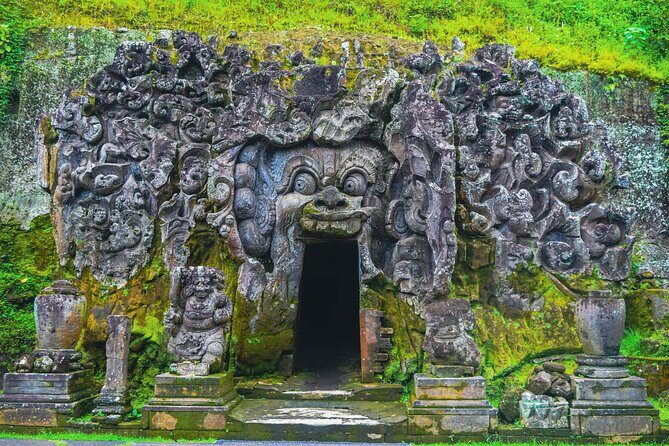
I especially like the way the day starts with culture and skill—Mas is where you can watch artisans carve real wood details, not just admire them from behind glass. I also love the Goa Gajah stop: the 11th-century Elephant Cave feels quiet and strange in the best way, with carved stone, spirit-like shapes, and a dramatic entrance.
One drawback to plan for: the Mount Batur view depends on weather. If clouds or mist roll in, the volcano can hide more than you expect, and the distance from viewpoints may still feel a bit far for people who want the “right up close” angle.
In This Review
- Key things I’d zoom in on before you book
- Why Kintamani + Mount Batur works so well as a full-day plan
- Pickup, timing, and what “8 hours” feels like in real life
- Batubulan Barong Dance Uma Dewi: the Balinese myth in motion
- Mas woodcarving village: seeing craft before the buying part
- Goa Gajah (Elephant Cave): carved stone, cave entry, and spirit motifs
- Kintamani highlands: the Mount Batur and Lake Batur viewpoint that makes the day
- Holy Springs: a quick folklore break on the return
- Celuk gold and silver: the Ubud-side metalwork industry
- Guide quality matters: the difference between a good day and a great one
- Price and value: what $67.95 actually covers
- What to bring so the day stays comfortable
- Who should book this Kintamani Lake & Volcano day trip
- Should you book it?
- FAQ
- What time does the tour start?
- How long is the Kintamani Lake & Volcano Tour?
- Is hotel pickup and drop-off included?
- What’s included in the price?
- What isn’t included?
- Are there group size limits?
- Which main stops are part of the day?
- Is this tour suitable for most people?
- Is free cancellation available?
- Are cruise passengers charged extra?
Key things I’d zoom in on before you book
- Barong Dance Uma Dewi in Batubulan gives you the myth behind the performances, not just a ticket to sit.
- Mas woodcarving village lets you watch hands-on craftsmanship while the day is still moving at human speed.
- Goa Gajah (Elephant Cave) is a strong historical and spiritual stop with carved rock and a cave entrance.
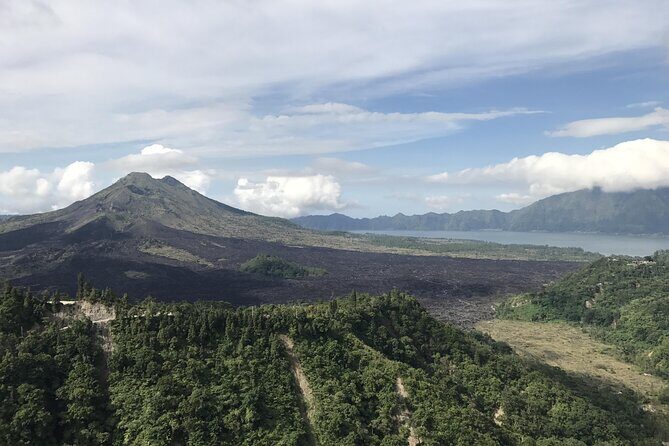
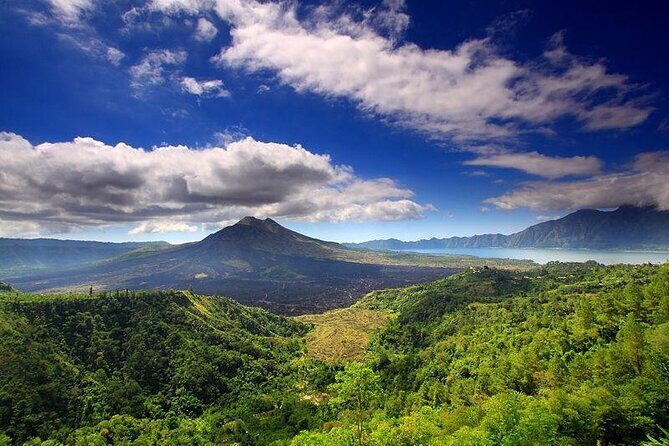
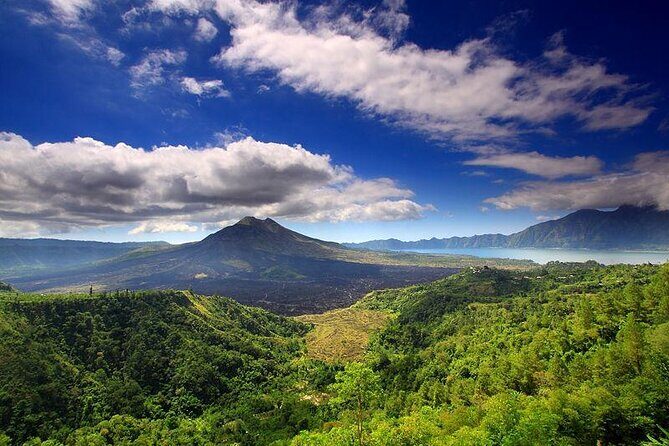
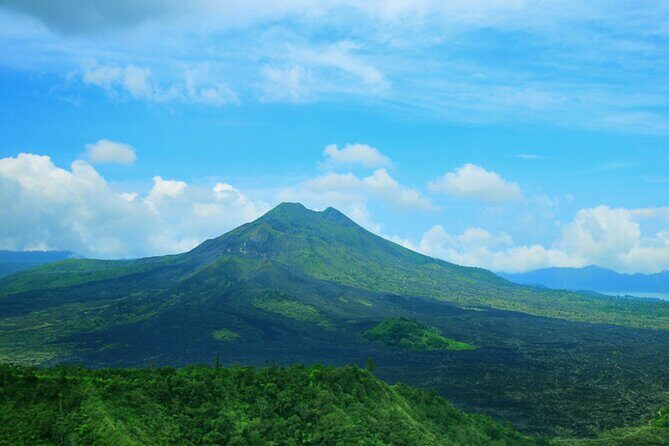
- Mount Batur + Lake Batur is the payoff: black lava flows down the slopes, with the lake cooling the scene nearby.
- Holy Springs is a quick folklore stop tied to the area’s healing-water reputation.
- Celuk gold and silver in the Ubud orbit is where Bali’s metalwork industry shows up in real life.
Why Kintamani + Mount Batur works so well as a full-day plan
If you only have one day to “do the volcano,” this kind of route makes sense. You’re not just driving to a single photo spot and calling it a day. You get a full arc: stage performance (Batubulan), artisan watching (Mas), a carved-temple cave (Goa Gajah), and finally the Kintamani highlands where Mount Batur and Lake Batur sit side by side.
That’s the value for most people. Bali can sprawl, and a day like this saves time on transport and decision-making. With a group cap of 15, you’re not trapped in a huge bus mass, but you still get the benefits of shared logistics.
Also, the day is paced with breaks. It’s not a sprint all the way through. You get time at each stop, plus lunch at a restaurant with the mountain view included in the experience (you pay for lunch separately).
Pickup, timing, and what “8 hours” feels like in real life
The tour starts around 8:30am and runs about 8 hours. You’ll ride in an air-conditioned minivan, and hotel pickup and drop-off are offered in many south Bali areas like Kuta, Seminyak, Sanur, Jimbaran, and Nusa Dua.
What I think matters here is the rhythm: early start means you’re more likely to have clearer skies at the Kintamani viewpoint than if you go late in the day. Still, clouds happen in Bali’s highlands, and Mount Batur can disappear into mist without warning.
If you’re staying in a hotel outside the common pickup zone, ask ahead how they handle it. One thing to watch is that some pickup locations can come with extra cash charges at the time of pickup, depending on where you’re coming from.
Batubulan Barong Dance Uma Dewi: the Balinese myth in motion
Your first major cultural hit is the Barong Dance at Batubulan, at the Uma Dewi show venue. This isn’t just background entertainment. The dance is staged around Balinese myth and the classic tension between good and evil, with the performance built like a ritual conflict.
I like this stop because it gives you context before you head into nature. After sitting in a theatre and seeing the characters and symbolism, Mount Batur feels less like a random volcano and more like a place wrapped into local spiritual imagination.
Practical note: it’s a full stage production, and the exact show length can vary. If you’re sensitive to sitting for a while, bring patience and water. (The tour doesn’t include food and drinks.)
Mas woodcarving village: seeing craft before the buying part
Then you head to Mas, a woodcarving center where you watch artisans chip intricate designs directly from wood blocks. This is one of those stops that feels better if you treat it like watching a process, not just “shopping while you wait.”
You’ll get about an hour here. That’s long enough to see different stages of carving, not just a quick peek. If you want souvenirs, this is where you’ll see a lot of styles tied to Balinese carving traditions.
A balanced heads-up: many craft stops in Bali can come with a sales mood. The best way to handle it is simple—decide what you like, set a budget, and don’t feel rushed into buying on the spot.
Goa Gajah (Elephant Cave): carved stone, cave entry, and spirit motifs
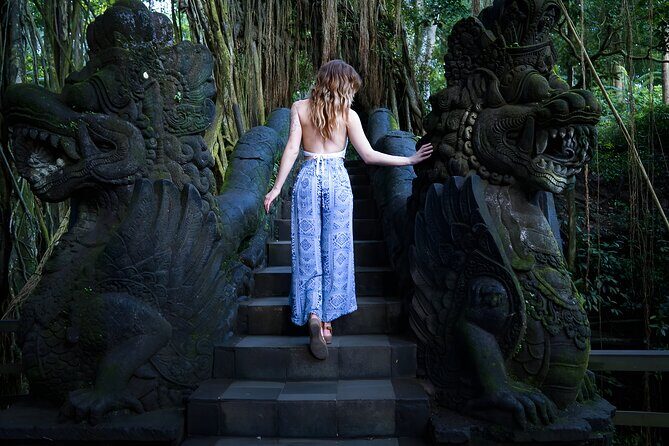
After the craft stop, you move toward the cooler mountain air of Kintamani, with Goa Gajah as the spiritual pause. Goa Gajah is a carved site dating to the 11th century, known for its striking cave entrance and rock carvings.
What you’re looking for on this stop:
- the in-ground cave entrance cut from rock
- carved details including entangled leaf-like shapes, ocean-wave motifs, animals, and local spirit-like forms
- time walking the temple grounds around the cave
This is a great moment to slow down. Even when the rest of the day is about movement, Goa Gajah has the feel of a place people still treat with respect.
If you’re visiting in rainy season or after a wet day, wear footwear with solid grip. Cave areas and temple grounds can get slick.
Kintamani highlands: the Mount Batur and Lake Batur viewpoint that makes the day
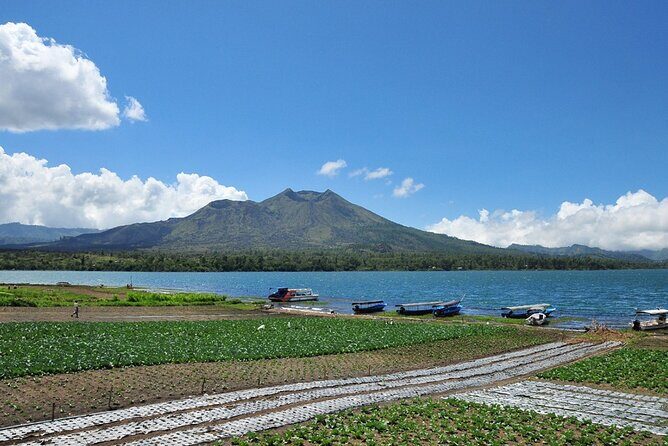
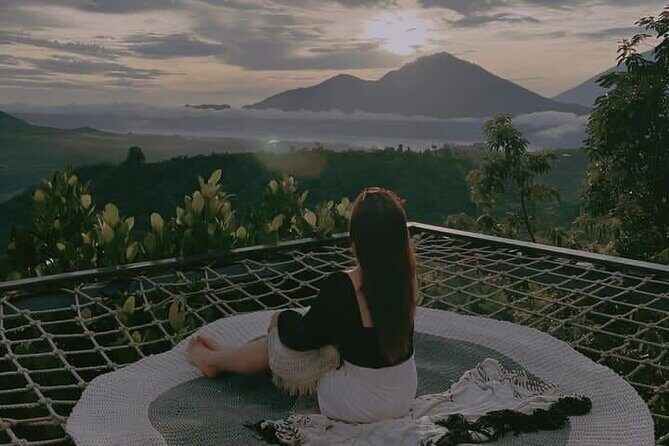
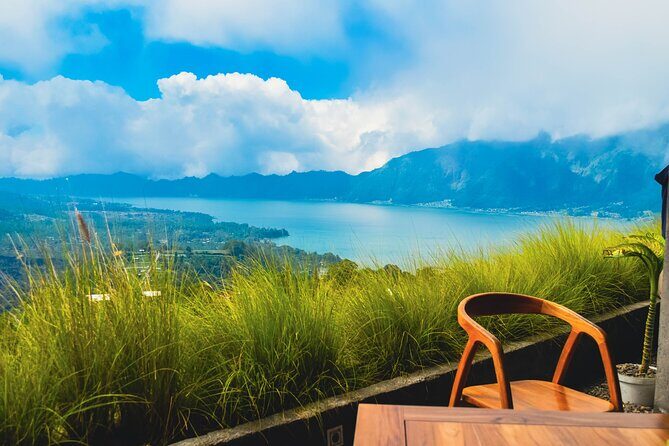
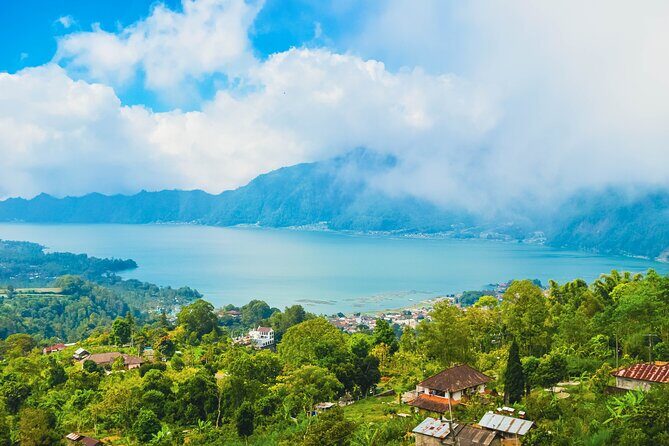
Now you get to the reason most people book: Mount Batur and Lake Batur. From the Kintamani highland area, you’ll see how black lava has run down the slopes, with the lake nearby reflecting the cooler contrast.
This stop is built around views, so weather is king. If the morning is clear, you’ll get the strongest look at the volcano shape and the lava lines. If mist rolls in, you may still get a view, but it can shrink to partial outlines.
Lunch happens at a restaurant with those views. Lunch is at your own expense, so treat it like part of your cost planning. One useful tip: card payment can be inconsistent at some places if signal is weak, so having cash on hand is a smart backup.
Holy Springs: a quick folklore break on the return
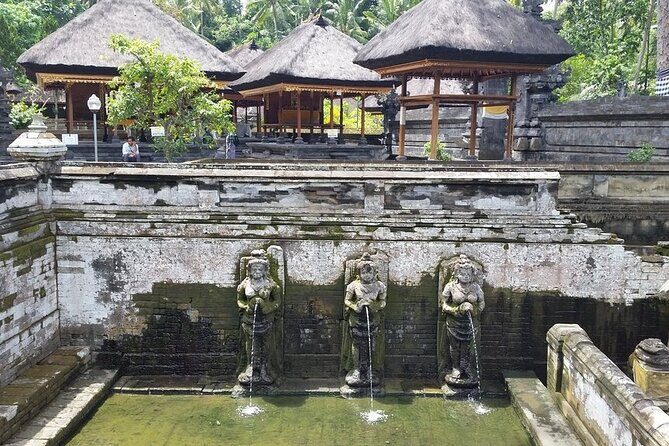
On the way back, the tour stops at the Holy Springs, a site connected to the reputation of therapeutic and healing water. You’re not spending all day here, but it’s a meaningful cultural stop—more “story and tradition” than “must-see architecture.”
I like this as a decompression stop. By the time you reach it, you’ve already had the performances, craft, cave, and volcano scenery. The Holy Springs gives your legs and head a reset before you return to Ubud.
Celuk gold and silver: the Ubud-side metalwork industry

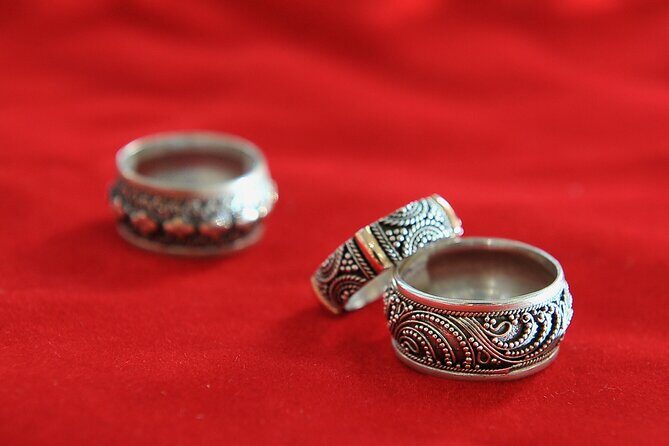
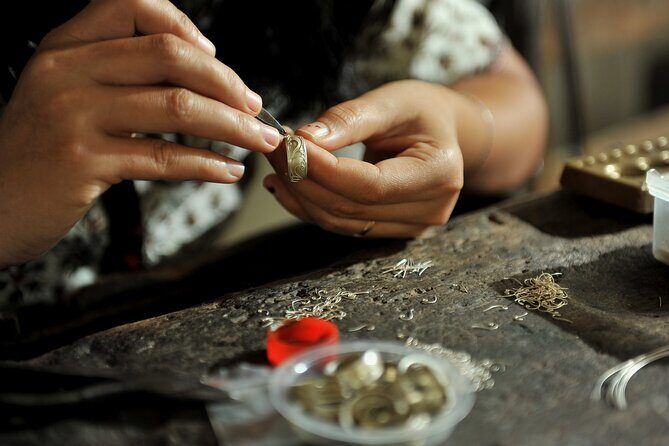
After the mountain portion, you head into the Ubud orbit for Celuk, the gold and silver making center. This is a practical, hands-on way to see Bali’s craft economy in action.
Celuk is also a nice contrast after the cave and volcanic scene. Goa Gajah is stone and symbolism; Celuk is metal and industry. It helps you understand Bali as more than just temples and scenery—it’s also skilled work and production.
You’ll have about an hour here. If you’re hoping for a “show me how it’s made” moment, this is the one stop where you’ll likely feel the most connection to the tools and process.
Guide quality matters: the difference between a good day and a great one
This tour leans on its guide. You’re in a moving day with several stops, so good guiding makes the facts click and keeps timing from dragging.
The guide you get can vary, but the names Guside, Anto, and Radi show up in the guide group as examples of people reported to be friendly and able to explain what you’re seeing. If your guide is strong, you’ll understand why the Barong myth matters, what the cave carvings symbolize, and why the Kintamani view is framed where it is.
Group size also helps. With a maximum of 15 travelers, you’re less likely to feel lost. And if your group ends up small, you can get extra flexibility—sometimes with added stops along the route. That can be a plus if you like variety, or a downside if you prefer only the core cultural and volcano sights.
Price and value: what $67.95 actually covers
At $67.95 per person, this tour can feel like good value—mainly because transport and entry tickets are included for each main stop. You’re paying for:
- hotel pickup and drop-off in many south Bali areas
- an English-speaking licensed guide
- admission tickets at the major scheduled stops
- time at Mas, Goa Gajah, Barong Dance, and the Kintamani viewing area
What’s not included is where a lot of day trips surprise people: food and drinks. Lunch is extra, and you should budget for it as part of the true cost of the day.
So I think the real value equation is this: if you want an organized route that reduces logistics and you’re okay paying for lunch on top, it’s a fair deal. If you’d rather control every stop, a private driver can sometimes get you a similar volcano day with fewer “shopping-focused” stops. (That’s not automatically better—it just matches a different travel style.)
What to bring so the day stays comfortable
You’ll be walking a bit at Goa Gajah and moving between several stops, plus you’ll likely spend time looking out over the highlands. Pack like it’s a real day out, not a quick tour:
- a light rain layer (weather changes fast at higher elevation)
- sunglasses and sunscreen for the viewing stops
- comfortable shoes with grip for cave/temple areas
- cash for lunch, just in case payment systems are patchy
And plan your expectations for photos. You’ll get great views when visibility cooperates, but you won’t necessarily feel “close enough” to the volcano to fill your frame with lava rock detail from point-blank distance.
Who should book this Kintamani Lake & Volcano day trip
This tour is a strong match if you:
- want a one-day combo of culture + volcano views
- like seeing craft sites where people actually work (Mas, Celuk)
- prefer the convenience of hotel pickup rather than driving yourself
- don’t want to plan timings between far-flung spots
It’s less ideal if you:
- hate shopping-style pressure at craft stops
- expect a guaranteed clear volcano view no matter the weather
- want only the “big sights” and nothing else
Should you book it?
Yes, with one condition: go in with the right weather mindset. If clouds clear, the Mount Batur + Lake Batur payoff is exactly what you want from Bali’s volcano days. Add in the Barong Dance at Batubulan and the 11th-century drama of Goa Gajah, and you get a day that feels balanced rather than purely sightseeing-by-vehicle.
If you’re strict about avoiding any sales energy, I’d still book—but treat the craft stops as watch-and-decide, not as a buying mission. And if you care most about the volcano close-up, compare options like a private driver so you can steer the route and lunch choice to your taste.
FAQ
What time does the tour start?
The tour starts at 8:30am.
How long is the Kintamani Lake & Volcano Tour?
It’s about 8 hours (approx.).
Is hotel pickup and drop-off included?
Yes. Pickup and drop-off are offered from many major hotels in Kuta, Seminyak, Sanur, Jimbaran, and Nusa Dua areas.
What’s included in the price?
The tour includes pickup and drop-off, an English-speaking licensed guide, and admission tickets at the listed stops.
What isn’t included?
Food and drinks are not included. Lunch is available at a restaurant during the day, but you pay for it yourself.
Are there group size limits?
Yes. The tour has a maximum group size of 15 travelers.
Which main stops are part of the day?
You’ll visit Barong Dance (Uma Dewi), Mas woodcarving village, Goa Gajah (Elephant Cave), the Kintamani highlands viewpoint for Mount Batur and Lake Batur, Holy Springs, and Celuk (gold and silver making center).
Is this tour suitable for most people?
The information says most travelers can participate.
Is free cancellation available?
Yes. You can cancel up to 24 hours in advance for a full refund.
Are cruise passengers charged extra?
Yes. The tour notes additional charges for cruise passengers.