Kintamani Cultural and Nature Cycling Tour ( Manual Bike )
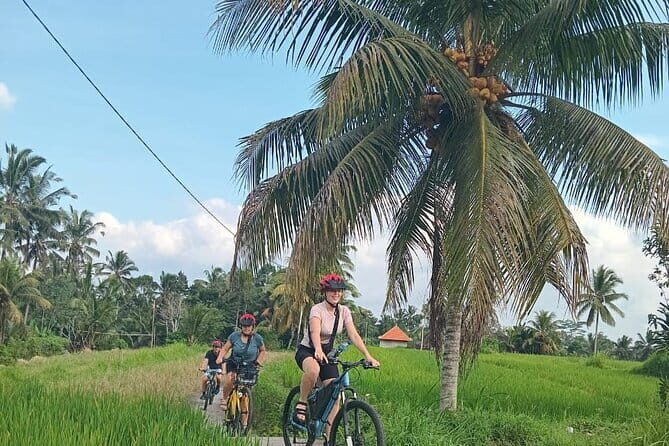
Want a Bali bike ride without the crowds? This Kintamani cultural cycling tour trades big attractions for real countryside—rice terraces, village lanes, and temple stops—with a guide explaining daily life as you move. It’s built for an easy-going day that still feels like an adventure.
I love the route’s pace: the ride is mostly downhill, so you can enjoy the scenery without turning the trip into a leg workout. I also like that the tour includes real breaks—coffee and a sit-down lunch—so you’re not just snacking and pedaling all day. One thing to consider: the roads can be narrow and bumpy, and you should be ready to ride carefully on a manual bike, and to do a quick gear check before you roll.
In This Review
- Key things to know before you ride
- Downhill Cycling From Ubud to Kintamani’s Rice-Terrace Country
- Price and logistics: what $33 buys you (and where it’s fair)
- Manual bike reality check: easy pace, but not a smooth highway
- Stop-by-stop: coffee, rice terraces, villages, and temples
- Stop 1: Greenbike Adventure for coffee and snacks
- Stop 2: Tegalalang rice terrace photo break
- Stop 3 and 4: Abuan Kintamani village start and local home visit
- Stop 5: Taro village coffee break and Gunung Raung temple
- Stop 6: Bresela rice fields and irrigation system
- Stop 7: Payangan finish point at Hyang Api Temple
- Stop 8: Greenkubu café for lunch, plus the swing area
- Guides matter: Gede, Wayan, Ben, Amin, Yoga, Madi, and Gudday
- Who should book this tour (and who should skip it)
- What to pack and how to make the day smooth
- Should you book the Kintamani Cultural and Nature Cycling Tour?
- FAQ
- How long is the cycling tour from Ubud?
- Does the tour include hotel pickup from Ubud?
- Is coffee and lunch included?
- Is the ride difficult?
- What should I wear or bring?
- What type of bike do you ride?
- What are the age categories for the tour?
- How many people are in a group?
- How do payment and cancellation work?
Key things to know before you ride
- Mostly downhill route: expect a gentle downhill feel instead of constant climbing
- Two-guide setup: a lead and a sweep help with directions and safety
- Food included: coffee break plus lunch at the end, with snacks along the way
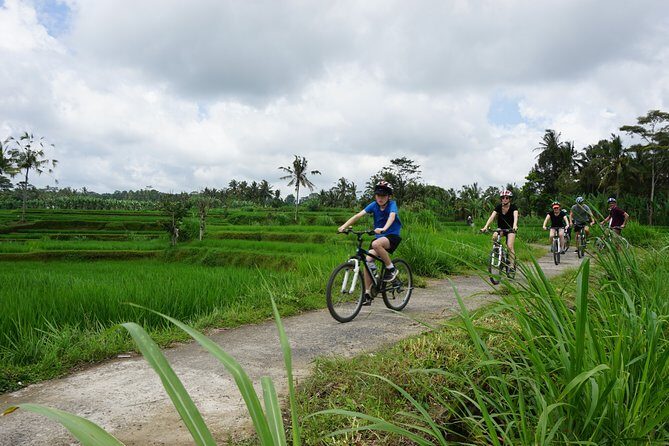
- Rice terraces and villages: you’ll pause for photos at Tegalalang and ride through local lanes
- Temple and home-industry stops: you get stories tied to daily Balinese life
Downhill Cycling From Ubud to Kintamani’s Rice-Terrace Country
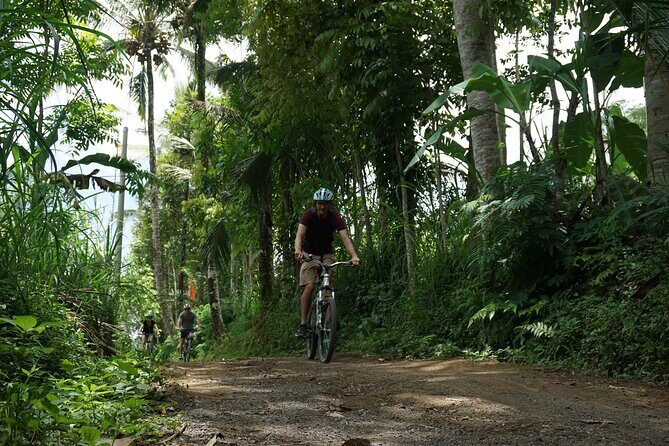
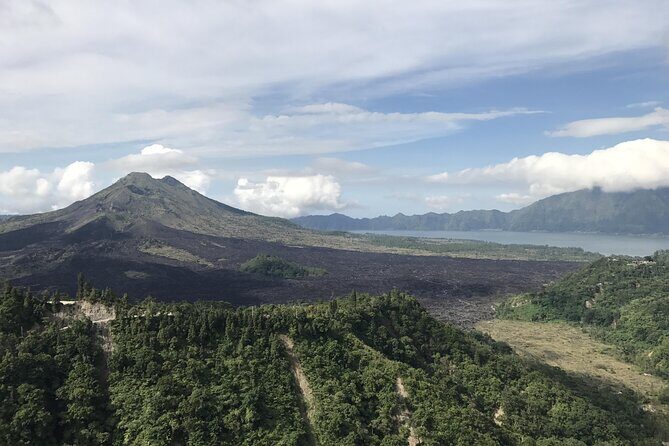
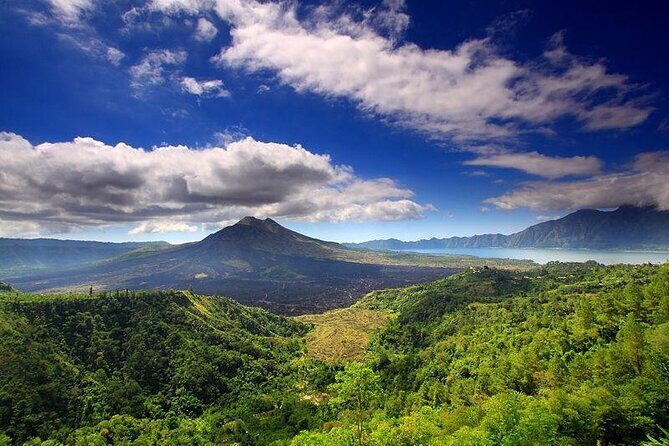
This tour starts with a simple idea that makes it fun: get you out of the thick tourist traffic and into the parts of Bali where life looks lived-in. You’ll head from Ubud toward Kintamani, then ride downhill through a patchwork of forest edges, fields, and small village roads.
The countryside scenery is the obvious win. The less-obvious win is how the ride is paced. You’re not rushed from one photo stop to the next—you’re given enough time to see where people farm, where they pray, and how they organize daily life.
Price and logistics: what $33 buys you (and where it’s fair)
At $33 per person for a 7 to 9 hour day, the big value is not the bike. It’s what comes wrapped around the ride: round-trip transport, a guide, and included food breaks.
You’ll also see how the stops are structured. Some stops are shorter photo breaks, while others include a longer look at village life, irrigation, and temples. That mix matters, because it prevents the day from feeling like a long ride with only one or two meaningful moments.
The tour is capped at a maximum of 50 people, which is large enough to run smoothly but small enough that you should still feel guided rather than herded. Guides often ride as a team—one at the front and one at the back—so nobody gets stranded or left behind.
Manual bike reality check: easy pace, but not a smooth highway
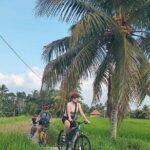
The ride is described as very manageable, and guides do emphasize easy directions and hazard spotting. One featured highlight I saw repeated in real-world feedback: the ride is about 95% downhill, with guides helping you take the bends and avoid trouble spots.
Still, don’t treat this as a casual “cruise.” You’ll be on narrow lanes and you might hit potholes or uneven sections. That’s especially important if you’re not used to riding a manual bike or you don’t ride confidently on imperfect surfaces.
Quick practical move: before you start, do a simple gear check and a test pedal run while you’re still close to the pickup area. There’s at least one account of slipping or jamming gears, and even if that’s not the norm, it’s smart to catch it early. Also, bring sunscreen and consider bug spray—the ride runs long and you’ll be outside the whole time.
Stop-by-stop: coffee, rice terraces, villages, and temples
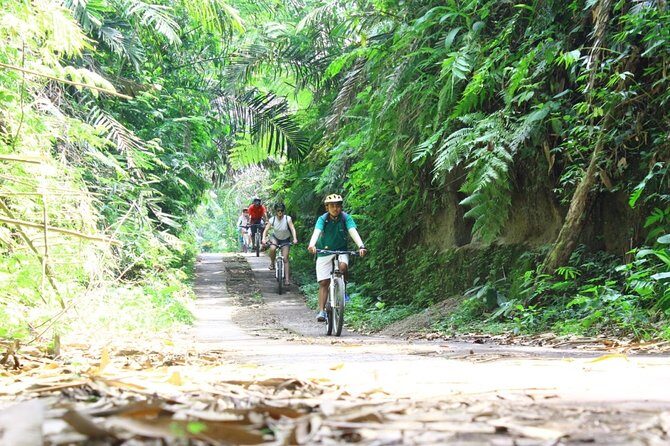
Here’s how the day flows, and why each stop is more than a line on a schedule.
Stop 1: Greenbike Adventure for coffee and snacks
The morning begins with hotel pickup in Ubud, then a drive up to the plantation area for a coffee break. You can expect coffee plus a pancake or a smoothie bowl, and the tour can accommodate gluten-free requests for that meal.
This first stop is a good setup moment. It gets you fueled before the downhill riding starts, and it also helps you learn the day’s rhythm with your guide talking you through what to watch for on the route.
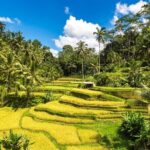
Stop 2: Tegalalang rice terrace photo break
You’ll get a short pause at Tegalalang for pictures of the rice terraces. The key here isn’t lingering—it’s timing. You’re capturing the iconic look, then getting back on the bike so the day stays moving.
If you love photography, this is the stop where you’ll want to take a few extra minutes for angles. If you prefer less time standing around, this short stop is a plus.
Stop 3 and 4: Abuan Kintamani village start and local home visit
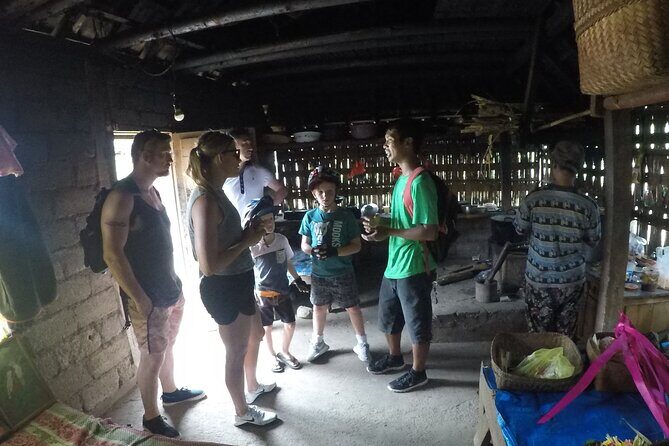
Your ride begins near Abuan Kintamani village. Shortly after, you visit a local home in Abuan, where you’ll see how people live up close—how daily routines connect to their environment and how community life shapes everything.
These stops are valuable because they connect the scenery to people, not just scenery. You’ll get the kind of context that makes the fields feel personal instead of generic.
Stop 5: Taro village coffee break and Gunung Raung temple
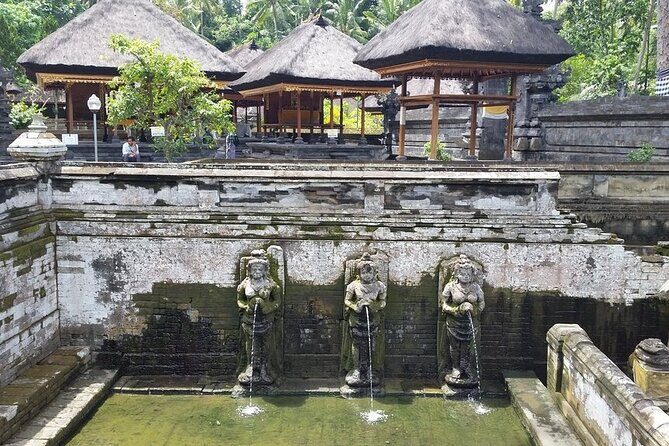
Next comes Taro village, where you’ll have another coffee break and also see the Gunung Raung temple, described as one of the more unique temples in Bali.
This is one of those parts where you benefit from a guide. Temples can look similar if you only see them from the road, but with explanation you start noticing what matters and how the setting connects to belief and daily life.
Stop 6: Bresela rice fields and irrigation system
In Bresela, you stop in the rice fields to see the irrigation system—how water management supports farming across the terraces.
This stop turns the view into a working system. If you’ve ever wondered how rice terraces stay green and productive, this is the moment that answers it in plain, everyday terms.
Stop 7: Payangan finish point at Hyang Api Temple
Your ride finishes near Hyang Api Temple in Payangan. It’s a satisfying end point because you’re not just dropping off—there’s a spiritual landmark that fits the rural theme of the day.
It also helps with transition. After pedaling, you get a place that feels “real,” not just a parking lot moment.
Stop 8: Greenkubu café for lunch, plus the swing area
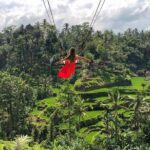
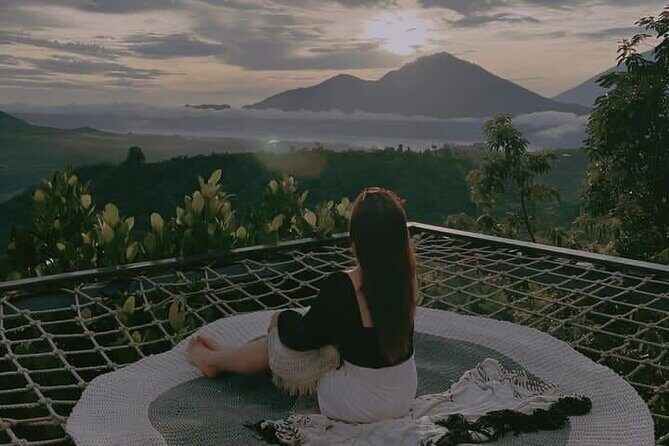
Finally, you head to Greenkubu Restaurant and Swing for lunch, included in the tour. There’s also a swing area noted at the stop, so if you want a quick, light photo moment here, it’s part of the final package.
Lunch is where the tour pays you back for hours outside. You’ll be ready to eat properly instead of just grabbing something small between stops.
Guides matter: Gede, Wayan, Ben, Amin, Yoga, Madi, and Gudday
A lot of the tour’s personality comes from the guide team. The pattern is consistent: a friendly, attentive guide who’s good at explaining what you’re seeing and keeping the ride safe.
I saw multiple names tied to great guidance, like Gede, Wayan, Ben, Amin, Gudday, and the guide pair Yoga and Madi. What’s common in the positive feedback isn’t just friendliness—it’s practical care. Guides point out hazards, help with route decisions, and keep the bike line from scattering.
That setup is especially helpful if you’re riding with kids or if you’re new to cycling on uneven roads. One account even noted that guides took extra care when small children were in the group, which tells me the teams are used to adjusting to mixed comfort levels.
Who should book this tour (and who should skip it)
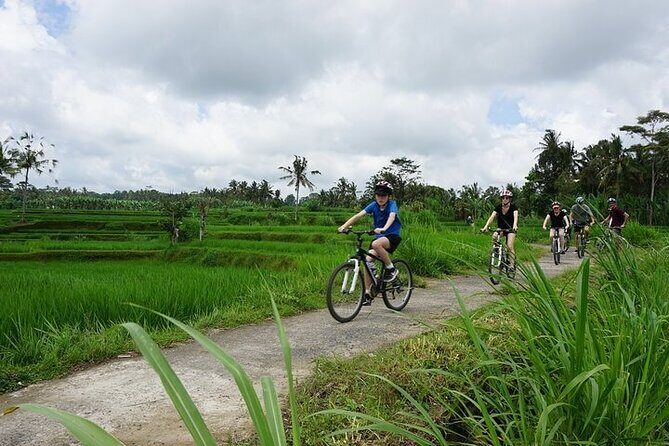
This is a strong fit if you want:
- A mostly downhill Bali bike experience without spending your day grinding uphill
- Real countryside time: villages, rice paddies, irrigation, and temple stops
- A long day that includes coffee and lunch, so you’re not hunting food mid-ride
Consider a different activity if:
- You’re very nervous about biking on narrow lanes or rough patches
- You want a fully flat ride where nothing ever bumps or jolts
- Your schedule is extremely rigid, because the day runs 7 to 9 hours and rides depend on road conditions
In terms of group feel, the tour includes at least two guides for safety and pacing, and the max size stays capped. That’s usually a win if you like structure but still want to see local life up close.
What to pack and how to make the day smooth
Based on the tour guidance plus real-world practical tips, here’s what will help you enjoy the ride instead of just survive it.
- Walking or sport shoes (you’ll want grip and stability)
- Sunscreen (long outdoor time)
- A small backpack for camera and video
- Consider bug spray (especially if you’re sensitive to bites)
One more smart move: if you’re using your phone or camera, keep it reachable. Several stops are built for quick photo moments, and you’ll want to capture them without stopping too long.
Should you book the Kintamani Cultural and Nature Cycling Tour?
If you want a Bali bike day that’s more than scenery—where you ride through rice terraces, villages, irrigation systems, and temples—this tour is a solid bet. For the price, the combination of transport + guide + food breaks makes it feel fair, and the mostly downhill nature keeps it fun for more people.
I’d book it if you’re comfortable riding a manual bike and you accept that the roads aren’t perfectly smooth. I wouldn’t book it if you need a fully level, risk-free ride.
If you match the vibe—curious, active enough for a long outdoor day, and okay with rural road conditions—this is the kind of tour that gives you Bali you can actually picture later.
FAQ
How long is the cycling tour from Ubud?
The tour runs about 7 to 9 hours.
Does the tour include hotel pickup from Ubud?
Yes. Pickup is offered, and round-trip transport from Ubud is included.
Is coffee and lunch included?
Yes. The tour includes a coffee break early in the day and lunch at the end, plus snacks during the ride. Coffee options can include pancake or a smoothie bowl, with gluten-free requests supported.
Is the ride difficult?
It’s designed to be manageable, with a strong downhill feel (described as about 95% downhill). You should still be prepared for narrow lanes and uneven patches.
What should I wear or bring?
Wear walking or sport shoes. Bring sunscreen, and consider bug spray. A small backpack is recommended for your camera or video.
What type of bike do you ride?
This is a manual bike tour.
What are the age categories for the tour?
Adults are age 12 and up. Children are age 6 to 12.
How many people are in a group?
The tour has a maximum of 50 people.
How do payment and cancellation work?
You can pay by cash or bank transfer with no charge, or by Visa/Mastercard with a 3% bank fee. You can cancel for a full refund up to 24 hours before the experience starts.