
Review · Bali Waterfalls Tours
Kintamani and Tukad Cepung Waterfall Tour
Rocks hide a waterfall surprise. This middle-of-Bali route ties together a waterfall you reach through rock corridors, an 11th-century temple, and two cultural stops that feel worlds apart from the beaches. I especially like how the day flows from nature to temples to village life, ending with the rice terraces near Ubud.
The tour’s biggest win is the people driving it. In the feedback I saw names like Nyoman and Katur, and that matches what you want on a long day: someone who can explain what you’re seeing and keep things smooth even when you wake up early. One thing to think about first is that it’s a 9-hour day starting at 8:00 am, and it depends on good weather—so plan this when you’re not gambling with rain.
In This Review
- Key Points You’ll Actually Care About
- A Ubud Day Trip That Spreads Out the Best of Central Bali
- Tukad Cepung Waterfall: Why This One Feels Different
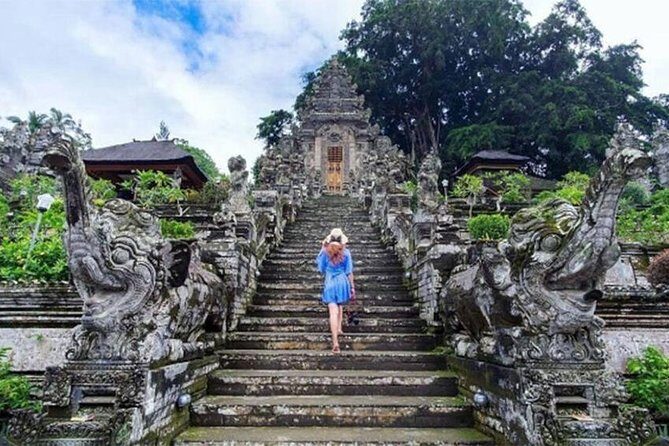
- Kehen Temple Built in the 11th Century
- Penglipuran Village and Bali Aga Culture
- Mount Batur Views and Buffet Lunch in Kintamani
- Ceking Rice Terrace Near Ubud: The Best Way to End
- The Driver Is the Difference: Nyoman and Katur Energy
- Price and Value: Why $78 Can Make Sense
- Timing, Comfort, and How to Plan Your Day
- Should You Book This Kintamani and Tukad Cepung Tour?
- FAQ
- What time does the tour start?
- How long is the tour?
- Are admission tickets included?
- Is this tour private?
- Is pickup included?
- What if the weather is bad?
Key Points You’ll Actually Care About

- Tukad Cepung Waterfall: a waterfall set into rock formations, with about 2 hours to explore.
- Kehen Temple (11th century): an old-school temple stop with a full 1 hour on site.
- Penglipuran Village: learn how the Bali Aga (ancient Balinese) community lives and builds.
- Kintamani views at lunch: buffet lunch with Mount Batur and the lake in sight.
- Ceking Rice Terrace near Ubud: around 1 hour for the classic terrace photos and slow walking.
- Guides that talk: the strongest praise centers on friendly, helpful drivers like Nyoman and Katur.
A Ubud Day Trip That Spreads Out the Best of Central Bali
This tour is built like a loop through some of Bali’s most varied scenery. You start in Ubud, then work your way toward the Batur/Kintamani region, with stops that mix dramatic nature, old religious sites, and daily life in a traditional village.
The schedule is one of the reasons it feels satisfying. Instead of doing one highlight and rushing past the rest, you get a decent chunk of time at each stop. That matters with Bali, because the drive time isn’t short, and you don’t want to feel like you’re only arriving for quick photos.
I also like that the day is structured around “things you do,” not just “things you look at.” There’s time to explore the waterfall area, time in the temple, time in a living village, a real sit-down buffet lunch, and time to walk the rice terraces. It’s a practical way to see central Bali without trying to string five separate tickets and rides together yourself.
Tukad Cepung Waterfall: Why This One Feels Different

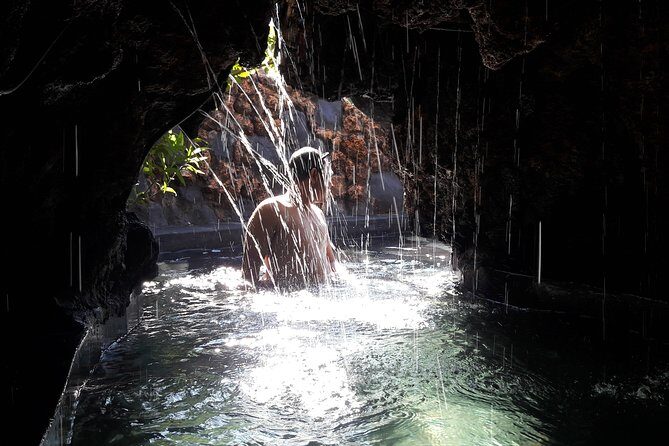
Tukad Cepung Waterfall is the kind of place you only fully get once you’re there. The standout feature is how the waterfall sits between rocks, creating a dramatic, tucked-in feeling. You’re not just viewing water from a roadside pull-off—you’re moving into the waterfall’s pocket.
You’ll spend about 2 hours here, which is important because this stop isn’t meant to be a one-minute photo stop. With that time, you can take in the view from different spots, catch the overall atmosphere, and actually enjoy the setting rather than just clock it and move on.
Practical note: this is an outdoor nature stop. Expect uneven surfaces and plan for a little dampness in the air. I’d bring shoes with grip and pack a small water bottle—simple stuff, but it keeps the day from feeling like an obstacle course.
If you care about photos, this is also a good place to slow down. The rock walls change how you see the waterfall, so you’ll likely want a few minutes to find the angle that makes the scene feel framed, not flat.
Kehen Temple Built in the 11th Century
After the waterfall, the day shifts from nature to religion with a visit to Kehen Temple, described as built in the 11th century. This stop is about calm and atmosphere. The setting gives you a sense of time depth, like you’re stepping into Bali’s spiritual architecture rather than ticking off another viewpoint.
You get about 1 hour at Kehen Temple. That’s long enough to wander, read the vibe, and take in the temple spaces without feeling rushed. Shorter temple visits can feel like you’re just walking through. An hour gives your brain a chance to notice details and patterns, like how the area is laid out and how the temple fits its surroundings.
The biggest value here is contrast. A waterfall is sensory and wet and loud in the mind. A temple is quieter and structured. Putting them in the same day makes both feel more meaningful—you’re not just bouncing from one scenic thing to another. You’re seeing Bali’s spiritual and environmental sides back-to-back.
Dress smart for temple time. Even when you’re not told exactly how, you’ll generally want clothing that lets you move comfortably and respects the site.
Penglipuran Village and Bali Aga Culture
Penglipuran Village is where the tour turns toward people and culture. You’ll spend about 1 hour learning about the traditional architecture and daily life of the Bali Aga—described as the ancient Balinese people.
What makes this stop valuable is that you’re not only watching a performance or visiting a museum setting. The focus is on how the village is built and how the community lives. That’s the kind of cultural stop that helps you understand why certain places feel the way they do—because you see the human logic behind the streets, homes, and community habits.
This also breaks up the “big scenery” rhythm. After Kehen and the waterfall, Penglipuran shifts the tempo into something slower and more grounded. Even if you’re not the type to love guided cultural explanations, you’ll likely appreciate having an hour here to ask questions and look closely at the way the village is arranged.
One consideration: one hour passes quickly. If you want to ask deeper questions about Bali Aga traditions, you’ll do best when you’re ready to speak up early rather than waiting until the last few minutes.
Mount Batur Views and Buffet Lunch in Kintamani
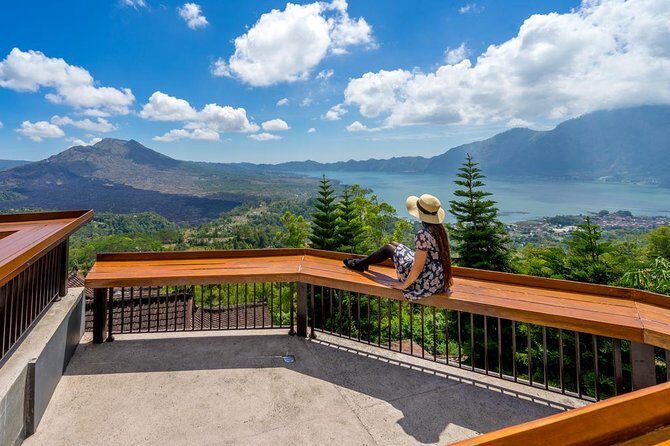
Then comes one of Bali’s best-known regions for views: Mount Batur and the lake in the Kintamani area. You’ll have buffet lunch here with those views as your backdrop, and you’ll spend about 1 hour 30 minutes at this stop.
This is more than a meal break. It’s a chance to reset in the middle of a long day. When you’re doing waterfall, temple, and village sightseeing back-to-back, you’ll feel it in your legs and patience. A proper lunch with Mount Batur and the lake in front of you gives the day a breathing space.
I also like that the tour builds in enough time for lunch to feel like lunch. Some day trips cram food into a 20-minute window. Here, you have time to eat without checking your watch every two bites.
Practical tip: when you’re in highland areas, conditions can change. Even if the tour only says good weather is needed overall, it doesn’t hurt to wear layers you can adjust after being in and out of sun.
Ceking Rice Terrace Near Ubud: The Best Way to End
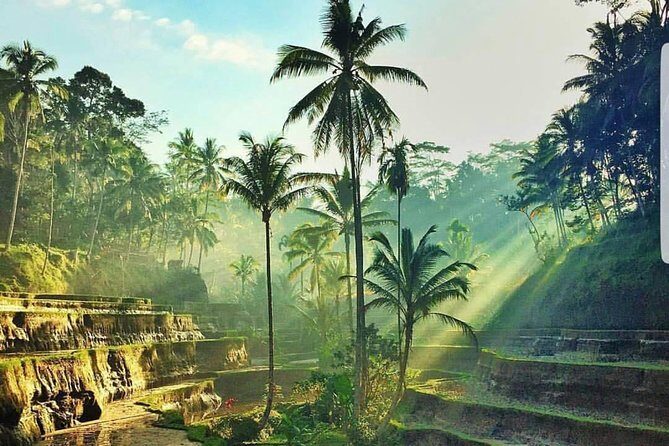
The final stop is the Ceking Rice Terrace near Ubud—described as a UNESCO heritage rice terrace. You’ll get around 1 hour here, which is usually just enough time to walk a bit, frame a few photos, and soak in the view without your day turning into a full hiking mission.
Rice terraces in Bali have a particular kind of calm. They feel engineered, careful, and alive. When you finish with this, the whole day makes more sense: nature (waterfall), spirituality (temple), community (village), highland landscape (Batur), then agriculture (rice terraces).
If you’re trying to decide between “scenic photos” and “slow travel,” this stop helps you do both. You can take your pictures quickly, then spend a little time lingering along the paths to enjoy how the terraces step down and how the light hits the paddies.
Wear comfortable shoes here too. Even if you’re only walking for an hour, terrace paths can be uneven, and you’ll want foot comfort to keep the experience fun instead of fussy.
The Driver Is the Difference: Nyoman and Katur Energy
This tour’s reviews strongly point to one theme: the driver isn’t just transportation. It’s part of the experience. Names that came up include Nyoman and Katur, with praise for being helpful, cheerful, and full of insight about traditions, temples, and the places around Kintamani.
That matters because central Bali can feel like a string of locations unless someone helps connect it. A good guide can turn each stop from a picture into a story. You start seeing why a temple is positioned the way it is, why a village looks the way it does, and why the waterfall’s rock setting creates its distinctive atmosphere.
It’s also a big quality-of-life thing. This is a full 9-hour day, and an early start at 8:00 am can test anyone’s patience. A friendly driver who can keep things moving smoothly makes that early morning feel less like a sacrifice and more like the price you pay for a good day.
If you value explanation and not just sightseeing, prioritize tours like this where the human factor is strong.
Price and Value: Why $78 Can Make Sense
At $78 per person, this tour sits in the midrange for a full-day Bali outing. The value angle comes from three factors in the tour data: pickup is offered, it’s a private tour/activity for your group, and admission tickets are included at each stop.
That matters because admissions add up fast when you’re stacking multiple sites. Here, the waterfall, temple, village, lunch stop, and rice terrace are all covered with admission ticket inclusion. When you combine that with a driver taking you between locations for the full day, the price starts to look more reasonable.
Also, the private format is a real value for many people. You’re not packed into someone else’s schedule. You’re on your own group time, which can be especially useful if you want a slower pace at the waterfall or more time asking questions in Penglipuran.
One possible drawback is that private tours can be pricier than shared ones. If budget is your only priority, you might compare options. But if you care about comfort, clear pacing, and a guide who can talk through what you’re seeing, this price is easier to justify.
Timing, Comfort, and How to Plan Your Day
The start time is 8:00 am, and the day runs about 9 hours. That means you should plan for a full-day commitment. You’ll want an early breakfast before pickup, and you’ll want to keep your energy up because you’re rotating through five major experiences.
The tour is marked as good for most travelers, and it’s a private activity where only your group participates. That reduces the “group chaos” feeling you can sometimes get on large bus tours. It’s also a better fit if you prefer asking questions freely without waiting for a guide to gather everyone.
Weather is a factor. The experience notes that it requires good weather. That’s fair for outdoor stops like the waterfall and rice terraces. If it’s raining or unpleasant, your best move is to plan a flexible day in your Bali schedule.
Mobile ticket is included, which is a nice modern convenience. Less paperwork means less friction on the day—always a win when you’re juggling multiple stops.
Finally, this kind of tour benefits from being booked ahead. It’s described as commonly booked about 21 days in advance on average. If your dates are fixed, don’t wait for the last minute.
Should You Book This Kintamani and Tukad Cepung Tour?
I’d book it if you want a balanced Bali day: waterfall drama, an old temple, a genuine traditional village visit, lunch with real landscape payoff, and a classic rice terrace finish. This isn’t only about one highlight. It’s about stacking experiences so the day feels full.
I’d think twice only if you hate early mornings or you’re stuck with one day that’s already tight on weather risk. Since it depends on good weather, you’ll be happier when you have at least some flexibility.
If you can, pick this tour when you want central Bali rather than another beach-and-shopping day. The combination of Tukad Cepung, Kehen Temple, Penglipuran, Mount Batur lunch, and Ceking Rice Terrace gives you a strong snapshot of what Bali looks like away from the coast.
FAQ
What time does the tour start?
The tour starts at 8:00 am.
How long is the tour?
The duration is about 9 hours (approx.).
Are admission tickets included?
Yes. Admission ticket inclusion is listed for each stop: Tukad Cepung Waterfall, Kehen Temple, Penglipuran Village, Mount Batur lunch stop, and Tegalalang Rice Terrace/Ceking Rice Terrace.
Is this tour private?
Yes. It’s described as a private tour/activity, meaning only your group participates.
Is pickup included?
Pickup is offered.
What if the weather is bad?
The experience requires good weather. If it’s canceled due to poor weather, you’ll be offered a different date or a full refund.
More Bali Waterfalls Tours



More Kintamani Tours





More Ubud Tours






Bali Waterfalls Tours: how the alternatives stack up
 ★ 5.0
★ 5.0Best of Bali Waterfalls: Tibumana, Tukad Cepung and Tegenungan



The lists this tour appears in