Kintamani Vulcano Tour
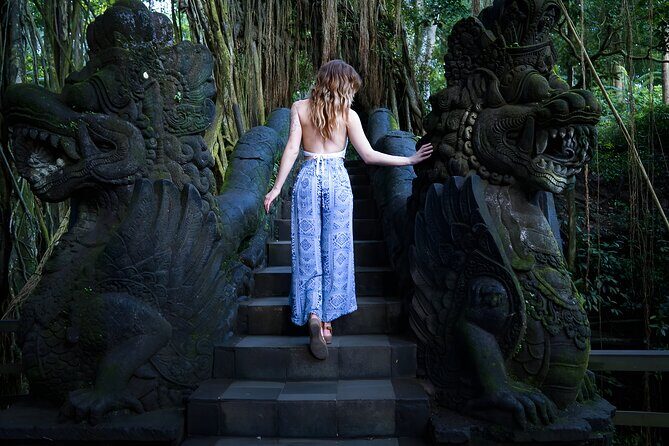
A volcano day with temple stops. This north-Bali route from Ubud strings together carved heritage, a real sacred-water moment at Tirta Empul, and big scenery around Lake and Mount Batur. I love the cliff-carved drama of Gunung Kawi, especially with rice terraces nearby, and I love the wide-open Mount Batur viewpoint feeling in Kintamani.
One consideration: you’re moving on and off the road for much of the day, and lunch isn’t included, so it helps to plan for food so you’re not stuck making do later.
In This Review
- Key highlights you’ll actually feel
- Why the Kintamani Volcano Tour from Ubud makes sense
- The morning start: a traditional produce market vibe
- Gunung Kawi: carved cliffs, ancient temple feel, and rice-terrace surroundings
- Tirta Empul: sacred spring water and the Melukat purifying bath
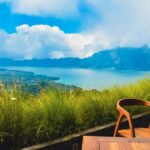
- North to Kintamani: Lake and Mount Batur views that feel open and calm
- Tegalalang Rice Terrace: what you’re seeing beyond the photos
- Transport and timing: how a 9-hour day stays comfortable
- What $52.62 gets you (and where the value is really hiding)
- Temple etiquette essentials: sarong, respectful viewing, and comfort
- Who this tour suits best, and who might want a different day plan
- Should you book the Kintamani Volcano Tour?
- FAQ
- What is the price of the Kintamani Volcano Tour?
- How long is the tour?
- Where does the tour start and what time does it begin?
- Is pickup available?
- Is this a private tour?
- What’s included in the tour price?
- What is not included?
- Do I get a mobile ticket?
- Can I cancel for a full refund?
- Who can participate?
Key highlights you’ll actually feel
- Gunung Kawi cliff carvings in a rice-terrace setting
- Tirta Empul’s sacred spring and the Melukat purifying bath procession
- Kintamani Highlands scenery around Lake and Mount Batur
- Tegalalang Rice Terrace views tied to Bali’s traditional subak irrigation system
- Temple-ready support: sarong provided for the visits
- A/C vehicle plus bottled water for a long 9-hour day
Why the Kintamani Volcano Tour from Ubud makes sense
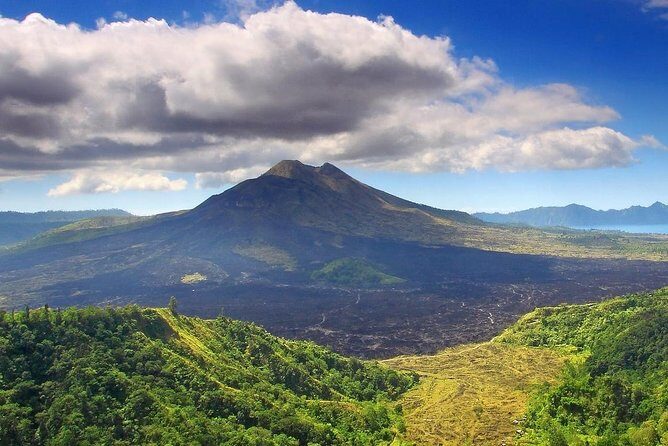
This tour is the kind of day trip that works when you want variety without adding travel stress. You’ll start in Ubud area, then head north toward some of Bali’s most recognizable cultural sites and one of its most dramatic scenery zones: the Kintamani highlands near Mount Batur.
What I like about this format is the pacing logic. It’s not just “see one thing, go home.” Instead, you get a sequence: market into temples into highland viewpoints into rice terraces. Each stop has a different mood, so the day doesn’t feel repetitive.
Also, the logistics are handled in a practical way. You’re given an A/C vehicle, bottled water, and admission tickets are included at the listed stops. That matters on Bali days when heat and time can quietly steal your energy.
The morning start: a traditional produce market vibe
Before the temple circuit, the day begins with a traditional produce market that serves local villages. Even if you’re not hunting souvenirs, markets like this are a fast way to get your bearings.
You’ll see how locals shop, what’s fresh, and the everyday rhythm of Bali outside the main tourism strips. It’s also one of those moments that makes the rest of the day feel more grounded—temples and highlands start to feel connected to real local life, not just photo stops.
Practical tip: if you’re into food, you’ll probably notice smells and textures more than you expected. Plan to take a few slow laps, then move on so you don’t miss the next stop’s timing.
Gunung Kawi: carved cliffs, ancient temple feel, and rice-terrace surroundings
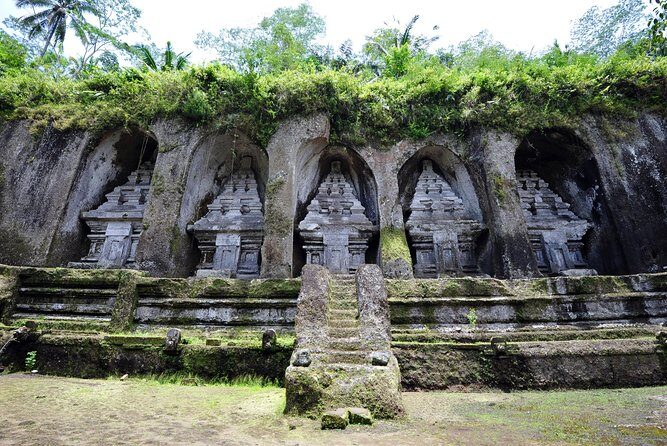
Gunung Kawi is a temple stop with visual drama. The big draw here is the old carvings cut into the cliffs, placed in a landscape that includes rice terraces nearby. It’s the late-11th-century kind of site where you can sense age without needing a lecture.
You’ll spend about an hour here. That’s usually enough time to understand the layout, see the rock-carved details, and take photos without feeling like you’re rushing through a museum. And because it’s positioned with scenic rice views around it, you get more than architecture—you get a setting.
Possible drawback: cliff-carved sites can mean uneven walking. Even though the tour is designed for most travelers, you’ll want to wear shoes you’re comfortable in if the ground is slick or crowded.
Tirta Empul: sacred spring water and the Melukat purifying bath
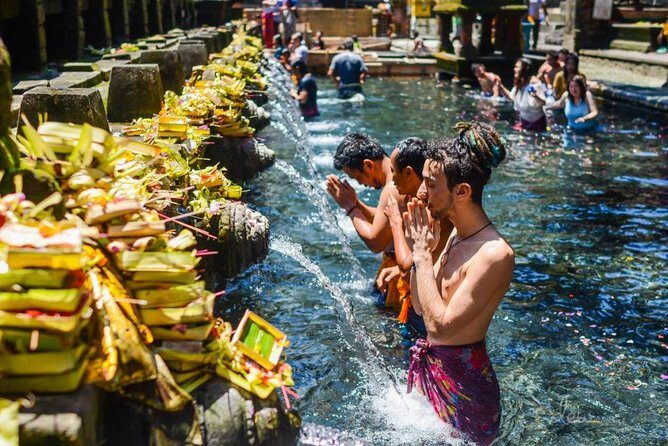
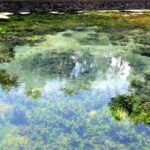
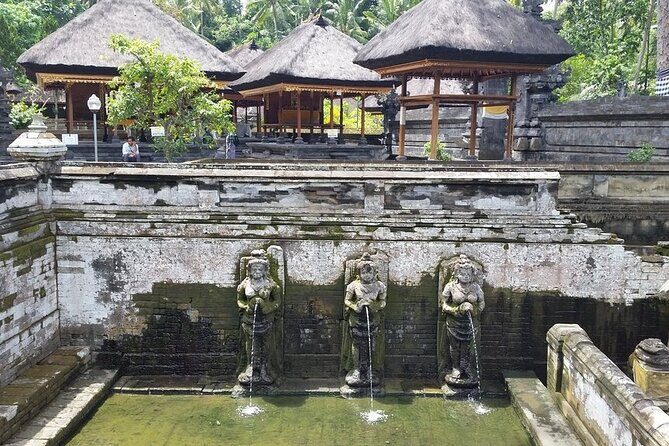
After Gunung Kawi, you go to Tirta Empul Temple, built around a sacred spring at Tampak Siring. The spring bubbles up in the inner courtyard, and it’s believed to have curative power—so this isn’t just a pretty temple visit.
What makes Tirta Empul special on this tour is the chance to watch the Hindu Melukat procession, which involves a purifying bath. Seeing a ritual like that in motion changes the way you experience the place. Instead of passive sightseeing, you get a real cultural moment.
You’ll have about an hour here, and admission is included. Also, sarongs are provided for temple visits, which helps a lot. In practice, it means you don’t have to hunt down the right clothing before you arrive.
Practical tip: keep your camera ready but not dominant. Watch first, then take photos when the moment makes sense. Ritual spaces usually don’t love constant filming, and you’ll enjoy the experience more if you give the people present a little room.
North to Kintamani: Lake and Mount Batur views that feel open and calm
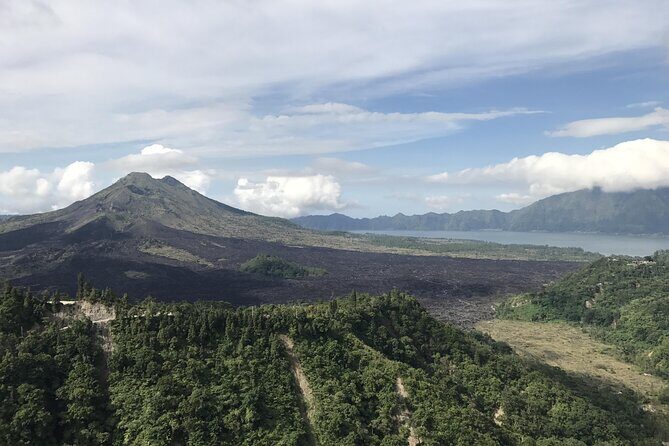
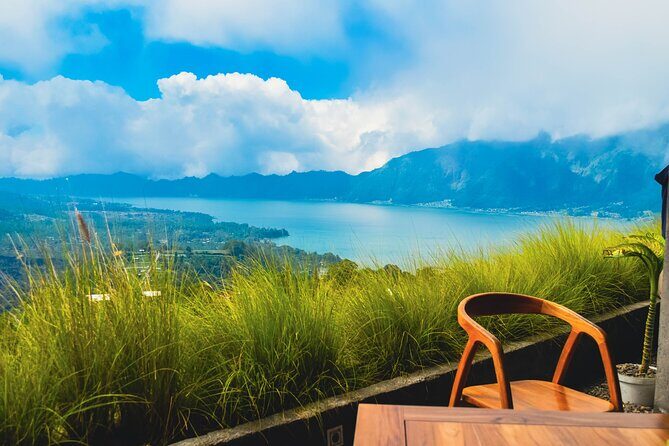
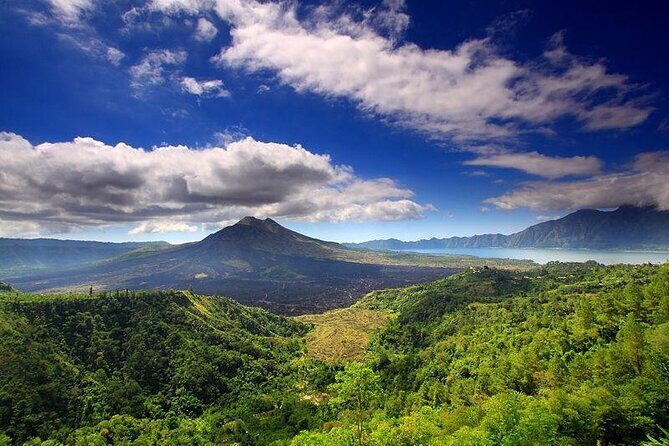
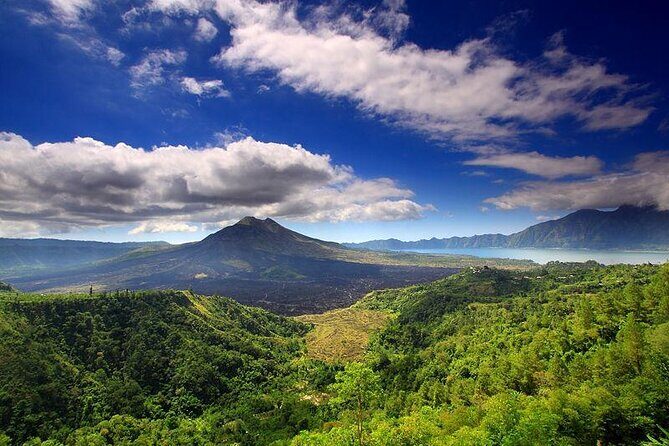
Once you head north, the vibe changes from temple details to horizon views. The Kintamani highland area sits around the Mount Batur caldera and includes places like Penelokan, Toya Bungkah, Batur, Kedisan, Abung, Songan, and Kintamani villages. The tour focuses on the big scenery moment: beautiful views around Lake and Mount Batur.
You’ll spend about an hour in this zone. One hour is a sweet spot: enough time to find a viewpoint angle, take photos, and just breathe without feeling trapped by a long stop. The scenery here can be impressive even when you’re not a “volcano person.”
How to get the most value from the Kintamani portion: bring patience and expect weather changes. Mountain views can look sharp or hazy depending on the day. If visibility shifts, you still get a good experience from the overall calm, open feeling.
A note from real-world experience: this kind of route can include a practical learning detour along the drive. In one case, a polite and informative driver (Kadek) took the group to a coffee plantation where they learned a lot. If your guide offers something similar and it fits your pace, it can be a nice bonus—just don’t let it steal time from viewpoints.
Tegalalang Rice Terrace: what you’re seeing beyond the photos
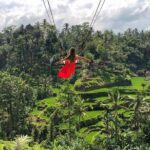
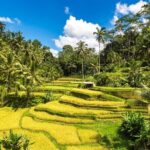
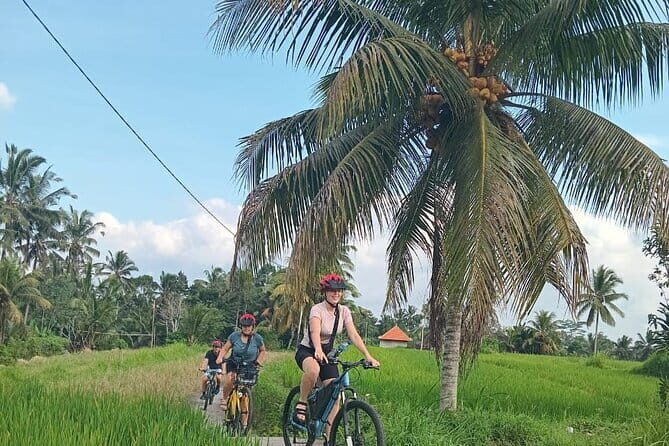
At the end of the day, you enter the village of Tegalalang, known for its rice terraces. This is one of Bali’s most photographed places, but it’s still worth it when you know what you’re looking at.
The terraces connect to the subak irrigation system, a traditional Balinese cooperative approach that organizes water use. The tour information notes that this system was passed down by a revered figure in Bali’s tradition. Whether you’re learning the full story or just seeing the results, you’ll notice the logic in the farming layout.
You’ll spend about an hour at Tegalalang. That’s enough to walk a segment, look at terrace layers, and catch the best viewpoints without turning it into a full hike day.
Practical tip: terraces can be crowded during peak daylight. If you can, keep moving with purpose and take photos from a couple angles rather than staying in one spot too long.
Transport and timing: how a 9-hour day stays comfortable
This is an around-9-hours experience, starting at 9:00 am. That start time matters. It’s early enough to make temple stops and highland scenery work before late-day crowds, but it also means you’ll want to be ready to go rather than slowly waking up.
The tour includes an A/C vehicle and bottled water. That’s a quality-of-life detail you’ll appreciate once you’re out of Ubud and into a longer, more scenic drive. Private transportation also helps keep your day from getting tangled up with other groups.
The tour is listed as private, meaning only your group participates. In real life, that usually means less waiting and more flexibility with small timing issues. If something runs behind schedule, a good guide can often adjust the order or pacing within reason.
Who to ask for guidance: if your guide is communicative—like Dewa, who was described as fantastic and right on time—you’ll get extra context. A driver/guide who explains what you’re seeing can turn each stop from a photo target into a cultural read.
What $52.62 gets you (and where the value is really hiding)
At $52.62 per person for an approximately 9-hour day, the value mostly comes from what’s included. You’re not just paying for a vehicle; you’re paying for a full set of guided stops with admissions covered at each listed temple/attraction, plus temple gear support.
Included items:
- Bottled water
- Air-conditioned vehicle
- Private transportation
- All fees and taxes
- Sarong for temple visits
Not included:
- Lunch
- Personal expenses
Here’s how I’d think about value. If you were to piece this together yourself—entry fees, getting to multiple north-Bali sites, and dealing with transport—you’d likely end up spending similar money, and you’d still have to manage the flow. This tour removes the stress of stitching it all together and gives you a clear day plan.
The one clear gap is lunch. That’s not a dealbreaker, but it is a planning point. If you’re prone to getting cranky when hungry, pick up a snack earlier or decide ahead of time what kind of lunch you want when the tour ends or between stops (the specific lunch spot isn’t stated, so you’ll want to stay flexible).
Temple etiquette essentials: sarong, respectful viewing, and comfort
Because you visit temples, sarong use matters. This tour supplies a sarong for temple visits, which is a simple but meaningful convenience. It also nudges you toward correct behavior without extra effort from you.
For the Tirta Empul Melukat procession, your best approach is calm observation. You’re seeing purification and a religious ritual, so act like you’re visiting someone’s spiritual moment, not just watching a show.
Comfort tips that help you enjoy the day:
- Wear closed-toe shoes that handle uneven ground
- Bring something light for sun (you’ll be outdoors for viewpoints and terraces)
- Keep your phone battery charged—this day has multiple photo-worthy stops
Who this tour suits best, and who might want a different day plan
This is a great match if you want:
- A north Bali day with both culture and scenery
- Temple visits that go beyond quick picture-taking
- Mount Batur area viewpoints without extra planning
- A private-feeling experience with A/C comfort and water
It may be less ideal if you:
- Need a slow, unstructured day with minimal driving
- Hate early starts (9:00 am is part of the deal)
- Want lunch included automatically
If your priority is only beaches or only one major site, this might feel like too many stops. But if you like variety, this route is built for you.
Should you book the Kintamani Volcano Tour?
If you want a balanced north-Bali taste—Gunung Kawi cliff carvings, Tirta Empul sacred spring ritual time, Kintamani’s Lake and Mount Batur views, and Tegalalang’s rice terraces—this tour is a strong, practical choice.
Book it if:
- You value cultural context and want the trip stitched together cleanly
- You’re okay with a full day and a separate lunch plan
- You want included entry tickets and sarong support, so you’re not scrambling on the ground
Skip or consider alternatives if:
- You’re sensitive to long drives and early start times
- You want a day with fewer stops and more free time per location
My final advice: treat this as a “see the region” day. If you go in expecting a structured route and you show up ready for temples and viewpoints, you’ll get a lot of real Bali in one day without turning it into a stressful itinerary marathon.
FAQ
What is the price of the Kintamani Volcano Tour?
The tour costs $52.62 per person.
How long is the tour?
The duration is approximately 9 hours.
Where does the tour start and what time does it begin?
It starts in Ubud, with a start time of 9:00 am.
Is pickup available?
Yes, pickup is offered.
Is this a private tour?
Yes. It’s a private tour/activity, and only your group participates.
What’s included in the tour price?
Included items are bottled water, an air-conditioned vehicle, private transportation, all fees and taxes, admission tickets for the included stops, and a sarong for temple visits.
What is not included?
Lunch and personal expenses are not included.
Do I get a mobile ticket?
Yes, mobile ticket is listed as part of the experience.
Can I cancel for a full refund?
Yes. You can cancel up to 24 hours in advance for a full refund.
Who can participate?
Most travelers can participate.