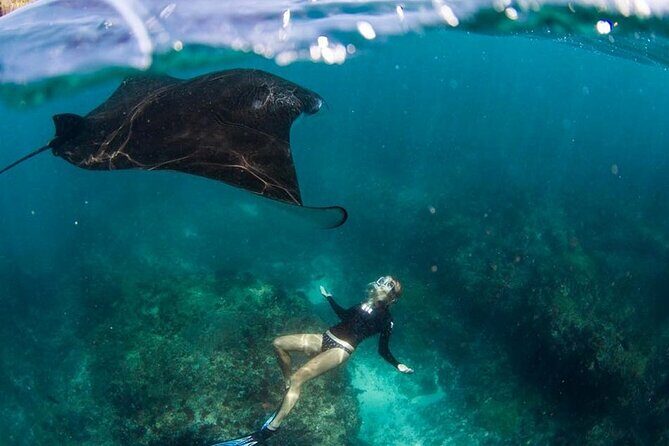
Snorkeling Manta Ray in Nusa Lembongan
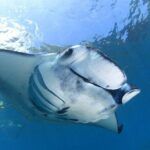
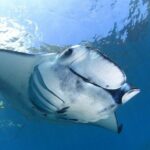
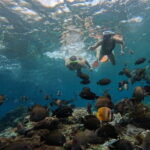
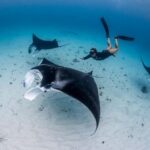
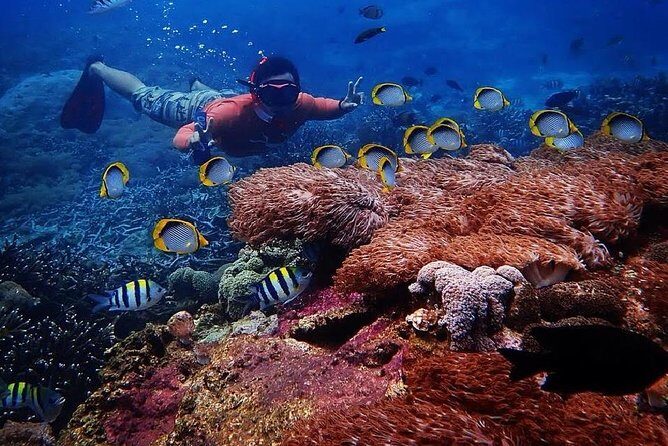
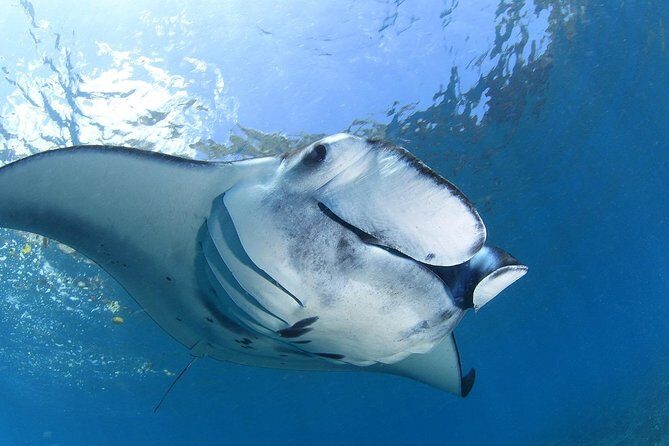
Manta rays are not the usual fish story. This 2-hour snorkeling trip in Nusa Lembongan is built around seeing manta rays and lots of reef life, with a plan that shifts by real sea conditions. Reef fish variety and the chance to meet the giant manta ray in its local habitat are the big draws here.
I also like how this is set up for practicality: snorkeling gear is included, the group stays small (up to 15), and you get a mobile ticket instead of paperwork chaos. One consideration: there’s no hotel pickup, and one mixed report shows that the meeting point experience can be a little less smooth than you’d hope.
In This Review
- What you should weigh before you go
- Key points I’d highlight before booking
- Manta Ray Snorkeling in Nusa Lembongan: what you’re really paying for
- Price and value: does $23.66 make sense for 2 hours?
- Timing and the small-group setup that matters
- Getting there: the meeting point without hotel pickup
- How the route shifts by weather (and why that’s a good thing)
- Manta Bay and the other spots: what to look for in each swim
- Manta Bay
- Crystal Bay Beach
- Gamat Bay
- Wall Point
- Guides and boat crew: the human difference you’ll feel
- Wildlife ethics: the part I’d take seriously
- What the snorkeling time feels like (so you’re not surprised)
- Ratings and what they signal for your expectations
- Who should book this tour, and who might want a different option
- Should you book this snorkeling manta ray tour?
- FAQ
- How long is the snorkeling manta ray tour?
- What time does the tour start?
- Where is the meeting point?
- Is hotel pickup included?
- Is snorkeling equipment included?
- How many people are on the tour?
- What happens if weather is poor?
- Can I cancel and get a refund?
What you should weigh before you go
This tour depends on the day’s water (waves or strong currents), so your exact route can change. And if animal welfare is important to you, pay attention: one negative account flags a guide handling wildlife (which is a red flag in my book). If you’re going, I’d set your own rules—no touching, keep distance, and don’t reward bad behavior.
Key points I’d highlight before booking
- Small-group snorkeling (up to 15) keeps things more controlled than the cattle-car style.
- Weather-based spot switching means the operator chooses from Manta Bay, Crystal Bay Beach, Gamat Bay, and Wall Point.
- Gear included so you can travel lighter and spend time snorkeling, not shopping.
- In-water help is part of the experience, and some guides are known for helping you actually find the animals.
- Mixed quality signals show up in ratings, mostly around meeting point issues and animal-handling concerns.
Manta Ray Snorkeling in Nusa Lembongan: what you’re really paying for
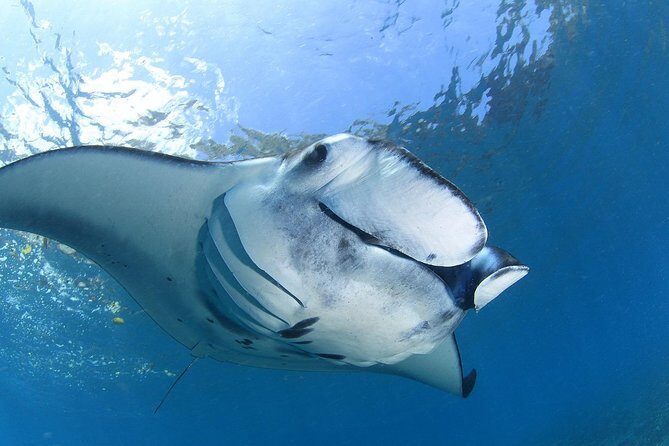
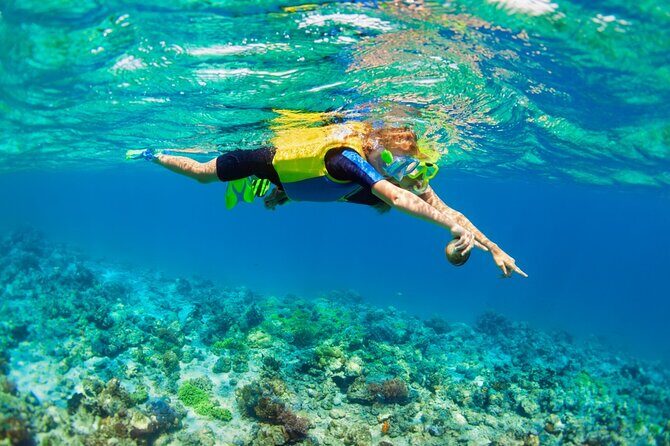
You’re paying for a specific kind of nature encounter: spotting manta rays close enough to feel the scale, while also enjoying reef fish without needing any special skills. The tour description keeps it simple—no advanced snorkeling background required—but the underwater payoff is the headline.
A manta ray encounter is also a timing game. These animals don’t show up on command, which is why operators plan for multiple potential snorkeling areas and adjust based on waves or strong currents. The best operators don’t just “go out and hope.” They work the conditions, reposition, and try to maximize your chance of a real sighting.
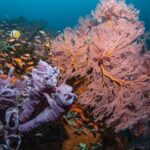
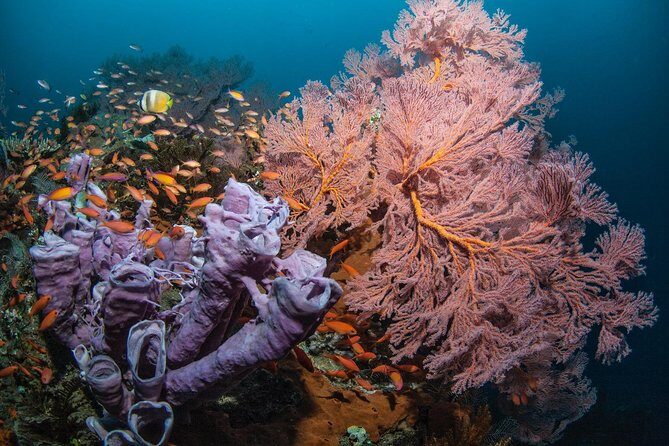
For me, the most compelling part is the combination: manta rays plus a lot of reef fish. You’re not stuck with one outcome. Even when manta rays are less cooperative, you’re still snorkeling real reef life—not a bare, empty swim.
Price and value: does $23.66 make sense for 2 hours?
At $23.66 per person for roughly 2 hours, this is priced like a local excursion, not a premium “one-day yacht” experience. That’s not a bad thing. In fact, this price range can be great value when the goal is simply to get you to the right water and give you the basic gear.
What helps the value here:
- Snorkeling equipment is included, so you’re not paying extra for basic gear.
- The group cap of 15 travelers can reduce crowding compared to bigger boats.
- The tour ends back at the meeting point, so you’re paying for snorkeling time rather than long transport.
The part you should watch:
- You’re responsible for getting to the meeting point (no pickup included). If you’re staying far away, your real cost might rise with taxi or scooter time.
Timing and the small-group setup that matters
This starts at 8:00 am and runs for about 2 hours. A morning start is practical for snorkeling tours in general. You often get steadier conditions and a calmer planning window.
Group size matters. With a maximum of 15 travelers, you’re more likely to get attention in the water and not feel like you’re swimming in a crowded school bus of snorkelers. You’ll still share the spots, but the ratio usually feels more human.
Also, you’ll receive a confirmation at booking, and the tour uses mobile tickets, which keeps things smoother once you’re on the island.
Getting there: the meeting point without hotel pickup
Hotel pickup is not included, so you’ll want to plan like a local—show up on time, on your own.
The meeting point is:
Warung Tiko’S, Unnamed Road, 8F42+Q62, Jungutbatu, Kec. Nusa Penida, Kabupaten Klungkung, Bali 80771, Indonesia
Two practical tips from how this kind of tour usually runs:
- Arrive a little early and take a moment to visually match the landmark (warung signs can vary).
- When there’s no pickup, check that you’re at the right side of the dock/road area before the boat leaves.
One mixed account includes a problem where no one showed up at the named meeting spot. That’s not “normal,” but it is a reminder that being early and confirming you’re at the right place is worth the effort.
How the route shifts by weather (and why that’s a good thing)
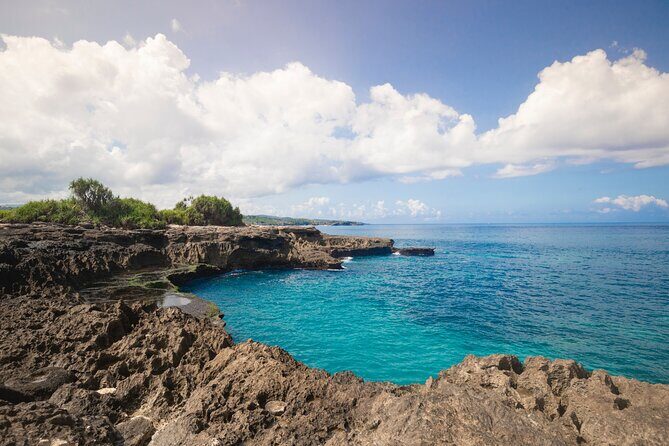
The tour visits 3–4 snorkeling hot spots depending on waves or strong currents. The named areas include:
- Manta Bay
- Crystal Bay Beach
- Gamat Bay
- Wall Point
Here’s what that means in real life: the operator isn’t locked into one spot no matter what the ocean is doing. They adjust the plan so you’re more likely to swim in workable water rather than getting bounced around.
What you can do as the swimmer:
- Be flexible. If your first swim doesn’t immediately deliver manta rays, the plan is to keep moving across the available spots.
- Treat time in the water as the goal, not the map. Different bays can be chosen to respond to conditions.
What you shouldn’t expect:
- A guaranteed “you will see manta rays” promise. This is wildlife snorkeling. The operator can improve your odds, but the sea controls the final outcome.
Manta Bay and the other spots: what to look for in each swim
I won’t pretend I know what every single bay looks like on every single day, because water conditions change and the tour can shuffle stops. But I can tell you what you should watch for as you move through these areas.
Manta Bay
This is the name you’ll expect to be most closely tied to manta rays. When the operator chooses this stop, your focus should be:
- Scanning the water for smooth, gliding movement
- Watching for slow wing-like motion rather than quick darting fish behavior
If you’re lucky, manta rays show up like a surprise “scene change” rather than a steady stream of sightings.
Crystal Bay Beach
This is one of the alternatives on days when conditions shift. Here’s how I treat a beach-named stop on a snorkeling day:
- Look for calmer pacing—often the swimmer experience feels less chaotic when water is more manageable
- Use the first minutes to adjust your buoyancy and breathing so you can spot larger animals when they pass
Gamat Bay
Another stop that can be used to help match the ocean’s mood. When you’re in Gamat Bay, I’d keep the same strategy:
- Stay alert at the same depth you started
- Don’t chase movement. Instead, let movement come to you
Big animals often pass without warning, so good positioning beats sprinting after every ripple.
Wall Point
A “point” spot often means a location where ocean flow shapes what you see. With a stop like Wall Point in the mix, I’d focus on:
- Watching currents in the first few breaths so you don’t fight the water
- Keeping your snorkel stable and your hands calm so you can read what the sea is doing
Even if manta rays aren’t present instantly, the reef fish and the overall snorkeling experience can still be strong.
Guides and boat crew: the human difference you’ll feel
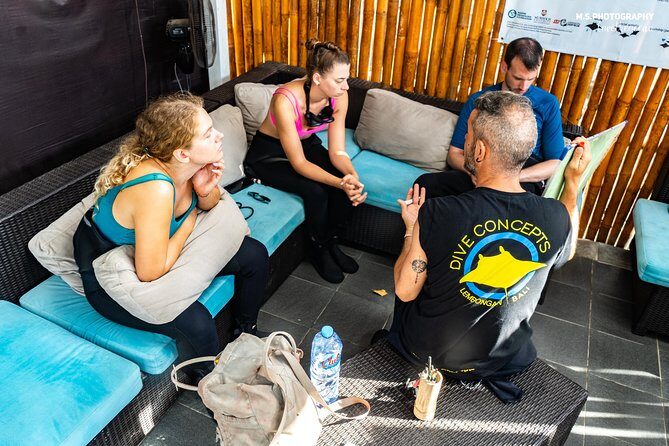
This tour isn’t just gear and water. The guide/crew role can make or break the experience.
In the feedback you provided, names show up tied to strong guiding:
- Newman F1 (including flexibility to get you back in after a manta ray swim when more rays were approaching)
- Captain Coconut and Yogi Bear (known for knowing the best spots and helping you experience real underwater life)
What that translates to for you:
- You’re more likely to get an in-water guide presence, not just a “good luck” sendoff.
- You’ll have a better chance of turning sightings into actual time in the water, instead of a quick pass and done.
Also, one account mentions GoPro videos and photos. That’s not guaranteed from the tour info, but it tells you the operator may treat documentation as part of the experience. If you care about that, ask what they can provide and what conditions apply.
Wildlife ethics: the part I’d take seriously
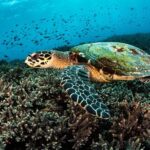
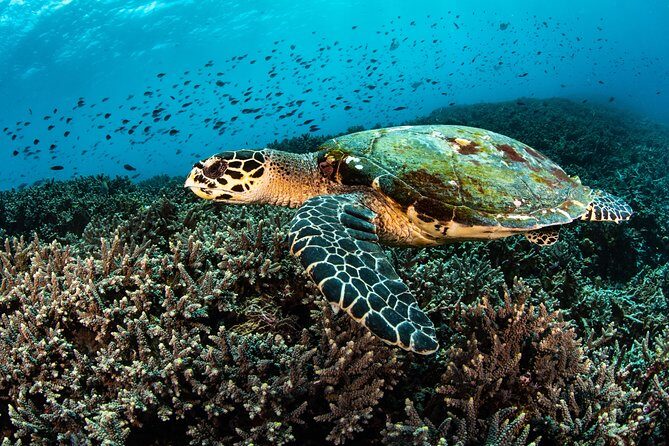
One mixed experience includes a serious animal welfare concern: a guide reportedly bent down and touched a turtle, and the situation was observed by others too. Another negative sentiment argues that there were no restrictions and that boats were close to animals, which left people annoyed.
Here’s my practical take, independent of anyone’s intentions:
- If you want to snorkel in a way that feels respectful, you need to own your behavior in the water.
- Choose to do a no-touch rule for yourself, every time.
- Keep distance from turtles and rays. Their survival doesn’t improve with human contact.
And if you notice handling or reckless proximity, say something politely before it becomes a pattern. You’re there for wildlife. Not to “practice” touching it.
What the snorkeling time feels like (so you’re not surprised)
A typical day like this is short by design: about 2 hours total. That means:
- You’ll want to arrive ready: gear basics handled, but your body ready matters.
- Expect some waiting while the crew adjusts spot order based on conditions.
- When manta rays show up, you’ll want to be calm fast. Panic makes you miss the moment.
The best crews use that narrow time wisely—positioning, scanning, then giving you a real swim window instead of just passing through.
Ratings and what they signal for your expectations
The overall rating is 3.6 out of 5 from 7 reviews—not a deal-breaker, but it’s also not “perfect.”
The strongest praise centers on:
- Manta ray sightings being genuinely amazing
- Professional organization and a good boat/crew
- Good equipment
- In-water guidance that helps you actually see the animals
- Flexibility, like getting an extra chance in the water when more rays were approaching
The biggest red flags in the negative side are:
- Animal-handling behavior (touching turtles)
- Meeting point issues (someone reported no one showed up at the listed location)
So I’d go in with a clear plan:
- Bring realistic expectations for wildlife sightings.
- Be ready to manage your own logistics since there’s no pickup.
- Protect your own ethics in the water.
Who should book this tour, and who might want a different option
This tour is a good fit if:
- You want a relatively affordable shot at manta rays plus reef fish
- You’re okay with a short, focused morning snorkeling window
- You prefer small groups (up to 15)
- You’re comfortable getting to the meeting point on your own
You might want to skip or reconsider if:
- You strongly require a strict wildlife no-contact policy and the idea of animal handling makes you uneasy
- You need hotel pickup and the meeting point logistics would stress you out
If you’re an experienced swimmer who likes control, you’ll still enjoy it—just remember the plan changes with weather, so your “perfect conditions” fantasy might be interrupted.
Should you book this snorkeling manta ray tour?
My answer: Yes, if you go in prepared and respectful.
Book it if:
- You want manta rays as the headline and reef fish as the backup
- You’re traveling light (gear is included)
- You can get yourself to the meeting point by 8:00 am
- You’re flexible about spot changes depending on sea conditions
Think twice if:
- You’re likely to be upset by possible wildlife-handling behavior you can’t control once you’re out there
- Meeting-point uncertainty would ruin your day (arrive early and confirm)
If you do book, do two things that make the experience better fast:
- Show up early at Warung Tiko’S so check-in doesn’t become a scramble.
- Keep your hands to yourself in the water. You’ll enjoy the animals more, and you’ll feel better about the encounter.
FAQ
How long is the snorkeling manta ray tour?
It’s about 2 hours (approx.).
What time does the tour start?
The start time is 8:00 am.
Where is the meeting point?
Warung Tiko’S, Unnamed Road, 8F42+Q62, Jungutbatu, Kec. Nusa Penida, Kabupaten Klungkung, Bali 80771, Indonesia.
Is hotel pickup included?
No. Pick up from your hotel is not included.
Is snorkeling equipment included?
Yes. The tour includes use of snorkeling equipment.
How many people are on the tour?
It has a maximum of 15 travelers.
What happens if weather is poor?
This experience requires good weather. If it’s canceled due to poor weather, you’ll be offered a different date or a full refund.
Can I cancel and get a refund?
No. This experience is non-refundable and cannot be changed for any reason.