
Snorkeling with Manta Rays in Their Habitat with Manta Point
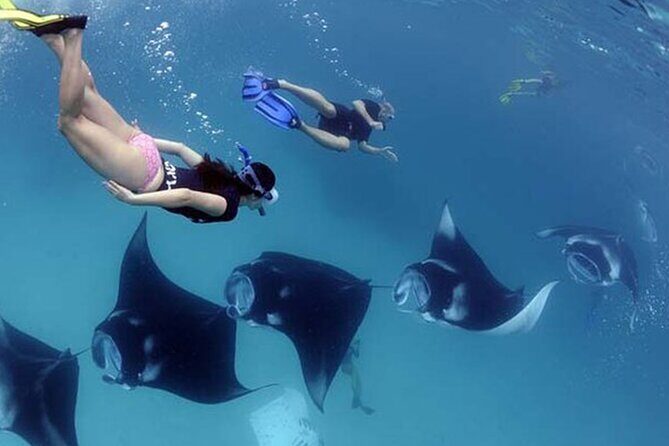
Manta rays without the long hunt. This tour takes you to Manta Point and another top reef spot from Banjar Nyuh Harbor in Nusa Penida, so you’re not cobbling together transport or guessing where to go. The operator sets the expectation high: around a 99% chance of meeting manta rays at Manta Point, with the plan adjusted for real-world weather. You also get a guide-managed GoPro experience—photos and video get sent to you by link.
Two things I especially like for your comfort and convenience: pickup is offered, and the tour gives you the full snorkeling setup (mask, snorkel, fins, life jacket) plus a towel and even a shower back on the boat. The second big plus is the photo handoff. You get snorkeling moments captured with the provided GoPro, then delivered via link after about 24 hours.
Here’s the main consideration. This experience is weather dependent, and if conditions turn choppy, the boat ride can feel rough. One review also warns that if you care a lot about video quality, bring your own GoPro rather than relying only on the provided one.
In This Review
- Key highlights worth clocking before you go
- Why Nusa Penida’s Manta Point tour fits Bali (and your time)
- Getting to Banjar Nyuh Harbor: the part that sets the tone
- Manta Point: what the tour promises, and how to maximize your chances
- Crystal Bay (and Gamat Bay): the reef stop that rounds out the day
- Your guide’s GoPro work and the link you’ll receive in ~24 hours
- Equipment, shower, and small comforts that add up
- Price and value: does $7.71 make sense here?
- Who should book (and who should pause for weather)
- Should you book this Manta Point snorkeling tour?
- FAQ
- Where does the tour start?
- How long is the snorkeling experience?
- Is pickup available?
- What snorkeling spots are included?
- What’s included for snorkeling gear?
- Is there a GoPro included?
- How do you receive the photos and videos?
- What’s not included in the price?
- Is the tour dependent on weather?
- What kind of tour group is it?
Key highlights worth clocking before you go
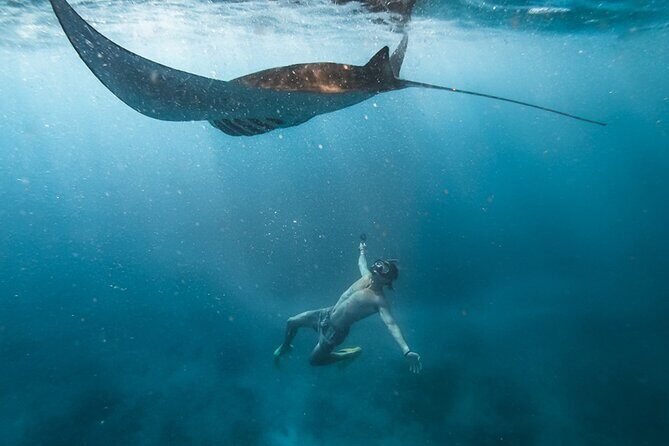
- Manta Point odds are very strong, and the operator says you’ll snorkel there, but only if conditions allow
- Two different snorkeling stops so the day isn’t only mantas
- A guide films with a GoPro, then sends your photos and videos by link in about 24 hours
- Gear plus extras are included: fins, mask, life jacket, towel, and a shower
- Seas matter—check conditions and plan for the possibility of changes
Why Nusa Penida’s Manta Point tour fits Bali (and your time)
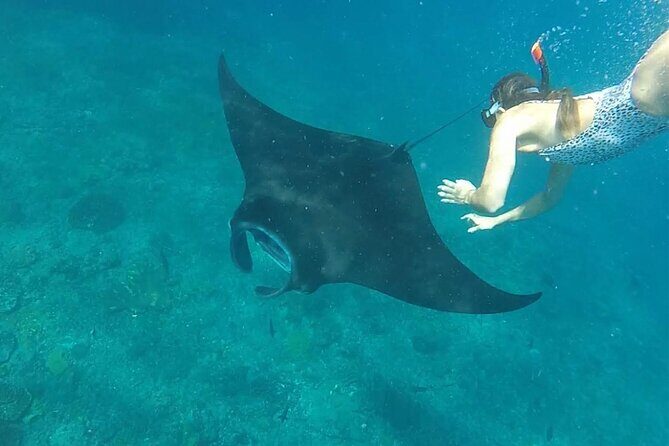
Nusa Penida is the kind of place where you feel like you’re getting something specific, not just checking a box. If you’re already in Bali, this tour gives you a simple one-day plan: get to Nusa Penida by way of Banjar Nyuh Harbor, do two snorkeling sites, then head back to the meeting point.
The value here isn’t only the destination. It’s the fact that someone else handles the route, the guide, and the gear. That matters because manta snorkeling has a timing element—conditions can make or break visibility and where you can safely swim.
Also, the tour format is built for “I want the moment” travel. You’re not spending hours learning equipment troubleshooting or trying to coordinate with multiple operators. You’re in the water with a guide, and you’re done in about 3 hours.
Getting to Banjar Nyuh Harbor: the part that sets the tone
Your start and finish point is Pelabuhan Banjar Nyuh (Banjar Nyuh Harbor) on Nusa Penida. Pickup is offered, which is a big deal on islands, because getting everyone to the harbor on time is usually the hardest part.
This is a private tour/activity, meaning it’s only your group. For some people, that’s comfort and control. You don’t have strangers crowding your snorkeling space or turning the day into a “wait around for everyone” situation. For others, it just means fewer moving pieces for the guide to manage.
You’ll also get mineral water on the boat, which sounds small, but you’ll feel it after time out in the sun and wind. And since snorkeling is short by design, small conveniences help you enjoy the actual water time.
Manta Point: what the tour promises, and how to maximize your chances
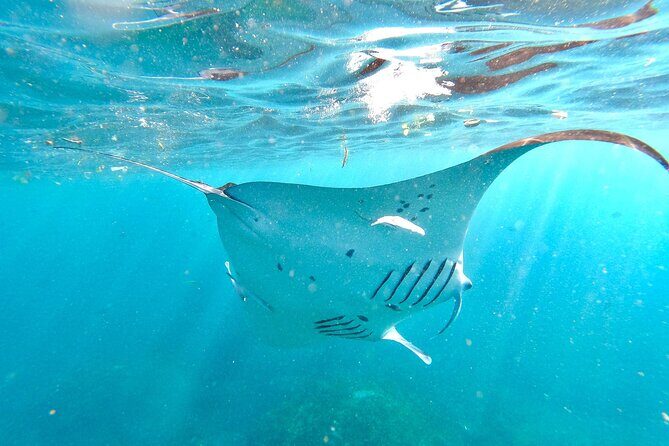
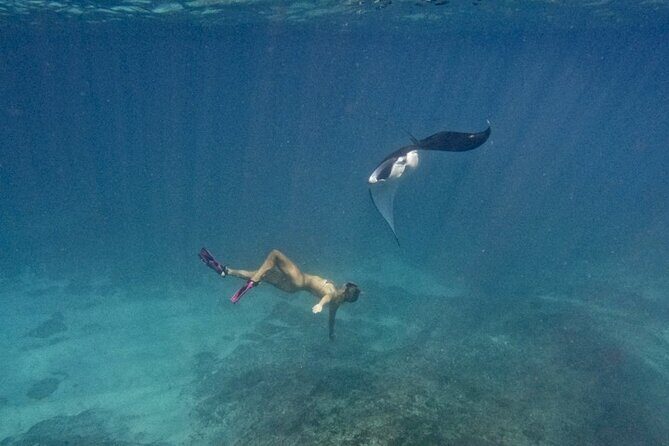
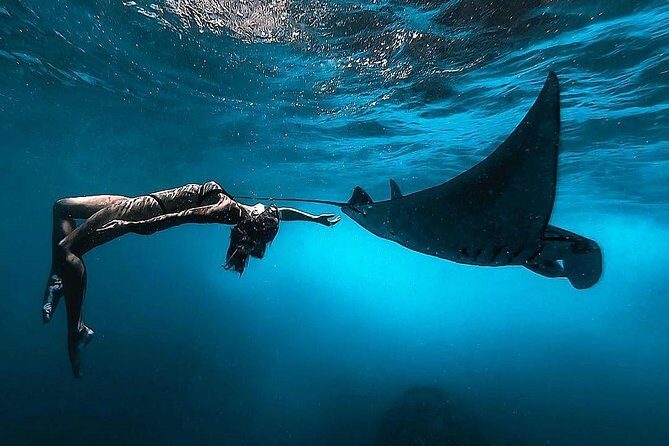
Manta Point is the headline stop, and the operator’s promise is clear: about a 99% chance of meeting manta rays, with the snorkeling plan still adjusted to current weather conditions. That wording is important. You’re not guaranteed perfect conditions, but you are guaranteed you won’t just go through the motions and skip the main site unless conditions truly won’t allow it.
So what should you do to get the best shot once you’re there? Keep your effort simple:
- Stay calm and don’t thrash in the water. Manta sightings often reward patience.
- Keep your snorkel position steady so you’re not constantly re-adjusting.
- Listen to the guide’s cues. The guide is managing the swim approach and timing.
One reality check: you can’t control currents or water clarity. The tour’s approach acknowledges that by saying it will adjust to weather. In practice, that means the day can shift, but the operator aims to keep the main experience intact.
The tour also frames manta snorkeling as a habitat experience, not a show. The better you treat it like wildlife viewing, the more likely you are to feel satisfied—even if your manta moment is brief.
Crystal Bay (and Gamat Bay): the reef stop that rounds out the day
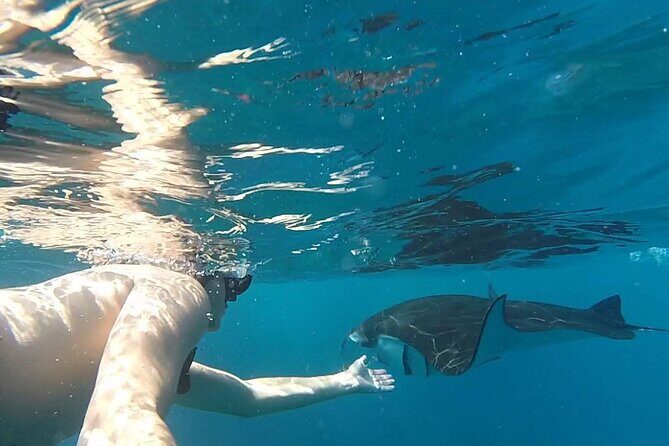
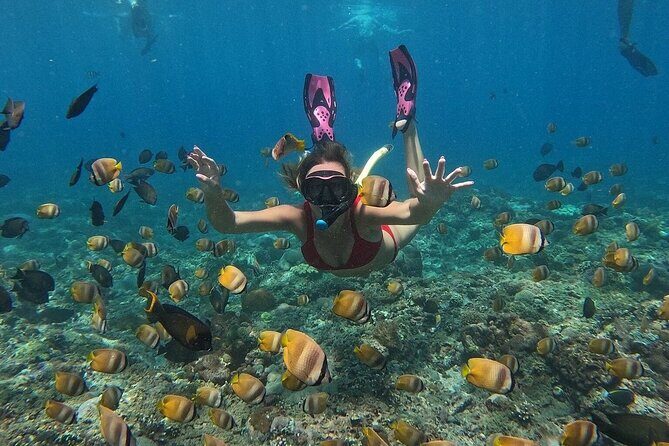
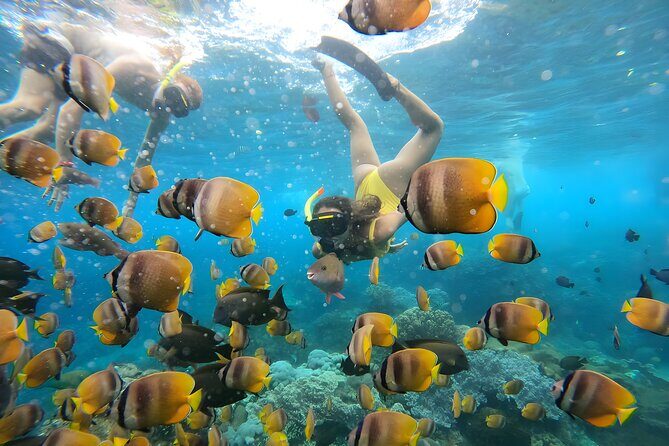
After Manta Point, you go to the second snorkeling area. In the tour description, it’s referred to as Crystal Bay, and in the included details it appears as Gamat Bay. Either way, this is your “colorful coral and fish” stop.
Crystal Bay is described as having clear, natural waters and coral reefs, with calm water depending on the season. That seasonal note matters. If you’re traveling when conditions are right, you’ll feel more comfortable floating and scanning the reef without fighting strong surface chop.
What I like about having a second spot is psychological balance. If mantas show up quickly, you’re still getting something else to enjoy. If mantas take a bit longer, you’ve got another high-quality environment waiting after that first big goal.
For your gear and comfort: you’ll be wearing mask, snorkel, fins, and a life jacket, plus you’ll have a towel and shower afterwards. That makes the whole day feel more “snorkel trip” and less like “get in the water and hope you’re okay for the rest of the day.”
Your guide’s GoPro work and the link you’ll receive in ~24 hours
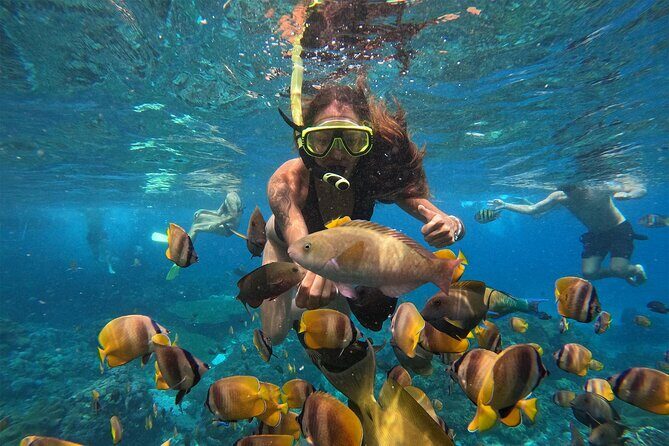
This tour has a very specific feature: your guide uses a GoPro camera, captures snorkeling moments, and sends them to you through a link. The processing time is about 24 hours after the tour.
This is a smart idea for two reasons. First, it reduces the chance you miss mantas while you’re trying to film them. Second, it’s realistic: keeping a camera stable underwater while also staying comfortable and not panicking is hard.
Still, don’t ignore one review’s practical warning: if you want the best photos and video, bring your own GoPro. That doesn’t mean the included one won’t work. It just means your personal footage quality may be more consistent if you handle your own camera settings.
Quick tip for you: if you use your own camera, practice with it before you get in. Make sure you know how to start/stop recording while wearing a mask and dealing with water on your hands.
Equipment, shower, and small comforts that add up
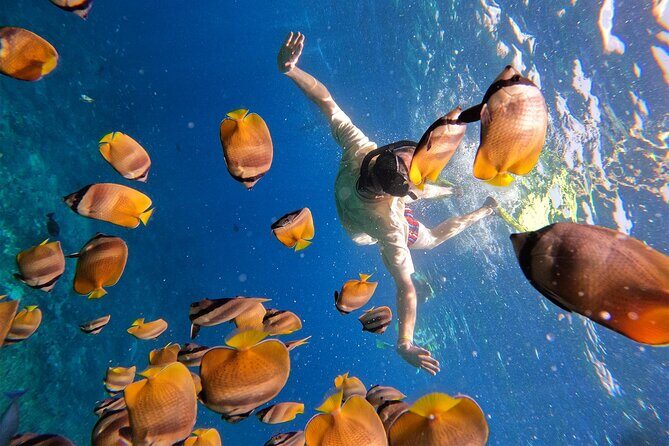
The included snorkeling kit is straightforward: snorkel, mask, fins, and a life jacket. You also get a towel and a shower, plus mineral water on the boat. That combo is more valuable than it sounds.
Why? Because snorkeling days can end with sand stuck to your face, salt drying on your skin, and the temptation to rush back before you’re comfortable. A shower helps you feel human again before you head onward.
The tour also includes insurance and includes the boat ticket itself. Personal expenses are on you, but the core experience costs are covered.
Even the “mobile ticket” detail matters. It reduces the chance you’re stuck at a harbor trying to find paper confirmations.
Price and value: does $7.71 make sense here?
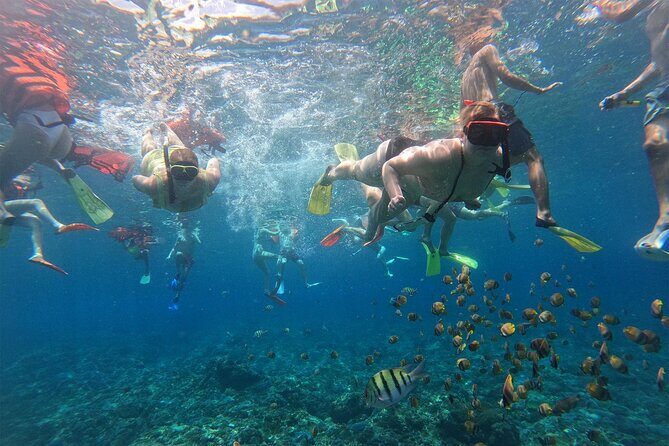
At $7.71 per person, the pricing is unusually low for an activity that includes two snorkeling locations, a guided boat day, snorkeling equipment, insurance, and a guide-captured GoPro package.
Here’s how I think about value in this situation:
- You’re paying for an organized day: boat access, guide supervision, and equipment.
- You’re also paying for content: your guide’s GoPro photos/video delivered by link.
- And you’re paying less for “extras,” because personal expenses are not included.
The flip side of bargain pricing is the “weather reality.” If the day is rough or visibility isn’t good, the tour has to adapt. That doesn’t make it bad value. It just means you should go in with the right expectations: conditions drive the final quality.
If you’re comfortable with that, you’re likely to feel good about the deal. You’re essentially getting manta-focused snorkeling and reef time without the heavy planning and gear shopping that usually adds cost.
Who should book (and who should pause for weather)
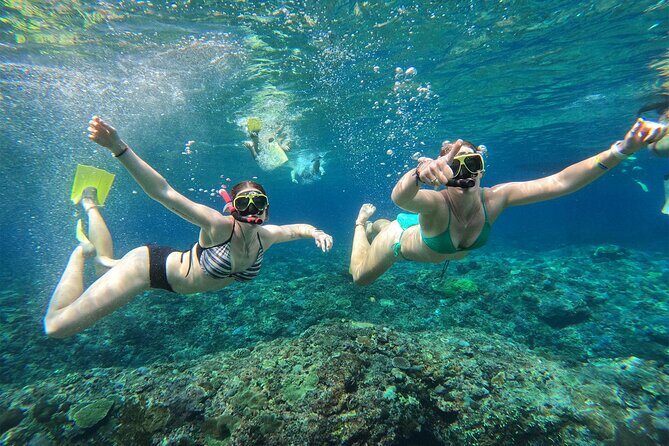
Most travelers can participate, and the tour is structured for groups to get in the water at two sites. That said, weather is the deciding factor.
You should strongly consider booking if:
- You want manta rays with a guide at Manta Point
- You like the idea of a second reef stop for fish and coral
- You want convenience: gear, guide, towel, shower, and pickup options
You should pause or take extra care if:
- You’re sensitive to boat motion or choppy conditions
- You care a lot about having your own best-quality camera footage (a review suggests bringing your own GoPro)
Also, since the plan can shift based on current weather, it helps if your Bali itinerary can handle flexibility.
Should you book this Manta Point snorkeling tour?
I’d book it if your top priority is a guided, manta-focused snorkeling day that also includes another reef site—at a price that feels genuinely budget-friendly for what’s included. The operator’s stated goal of a 99% chance at Manta Point, plus the guide-managed GoPro package, makes the day easy to plan around.
Before you commit, do two things:
1) Check sea and weather conditions close to departure. One review flatly warns about dangerous-feeling waves when conditions are rough.
2) If you want sharp, high-control footage, plan to bring your own GoPro, even though a GoPro is part of the tour.
If the seas aren’t right, the experience may be adjusted or refunded/reshcheduled based on the weather situation. That’s exactly why this is the kind of trip you book with eyes open, not with blind confidence.
FAQ
Where does the tour start?
The tour starts at Manta Snorkeling Nusa Penida | Snorkeling in Bali at Pelabuhan Banjar Nyuh in Nusa Penida. The activity ends back at the meeting point.
How long is the snorkeling experience?
The duration is listed at about 3 hours.
Is pickup available?
Yes, pickup is offered.
What snorkeling spots are included?
You snorkel at Manta Point and a second location listed as Crystal Bay / Gamat Bay.
What’s included for snorkeling gear?
Snorkeling equipment is included, including a snorkel, mask, fins, and life jacket.
Is there a GoPro included?
Yes. A GoPro camera is included, and your guide will capture snorkeling moments.
How do you receive the photos and videos?
Your guide sends photos and videos via a link, and it takes about 24 hours for processing.
What’s not included in the price?
Personal expenses are not included.
Is the tour dependent on weather?
Yes. The experience requires good weather. If it’s canceled due to poor weather, you’ll be offered another date or a full refund.
What kind of tour group is it?
It’s described as a private tour/activity, meaning only your group participates.
More Tour Reviews
- ️Nusa Penida by Private Boat – Snorkeling 4 spots, Swim with Mantas + Land Tour
★ 5.0 · 6,424 reviews
More Manta Ray Snorkeling Tours

More Nusa Penida Tours
- ️Nusa Penida by Private Boat – Snorkeling 4 spots, Swim with Mantas + Land Tour
★ 5.0 · 6,424 reviews
Nusa Penida Tours: how the alternatives stack up
 ★ 5.0
★ 5.0Nusa Penida day trip: boat, 4 snorkeling, Manta rays & Land tour
The lists this tour appears in