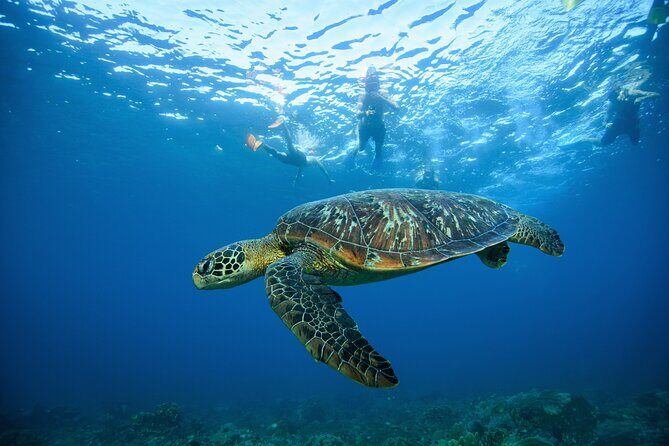
Certified Scuba Dive with Manta Rays (Open Water Diver minimum)

Certified Scuba Dive with Manta Rays (Open Water Diver minimum) - Two sites, two different reef vibes: Manta Point and Crystal Bay

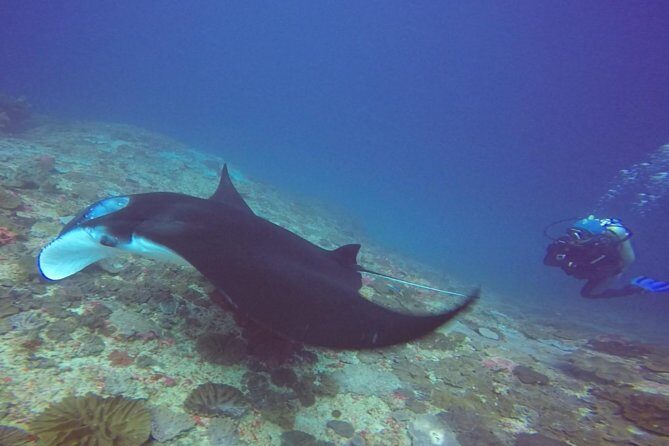
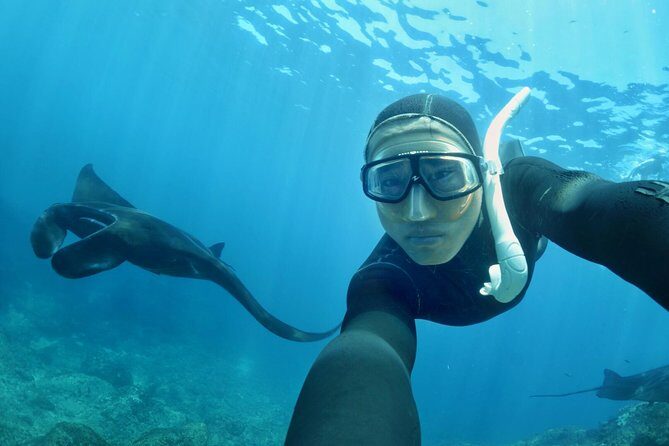
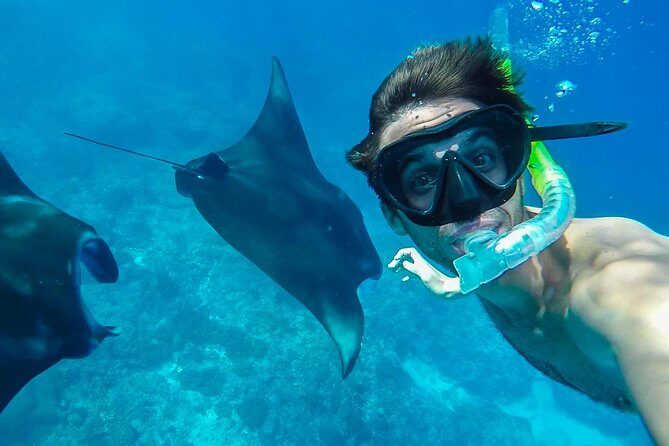
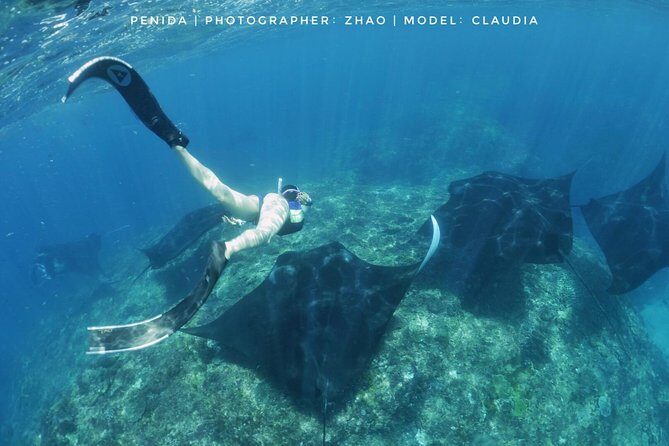
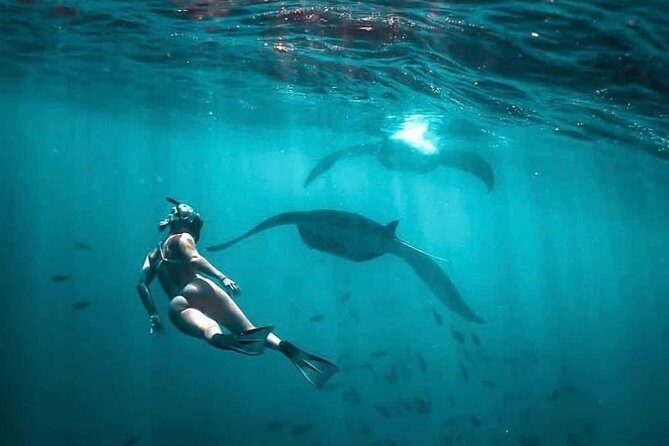
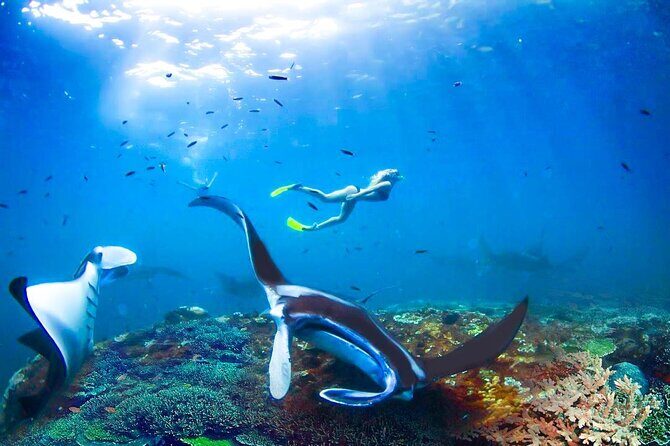
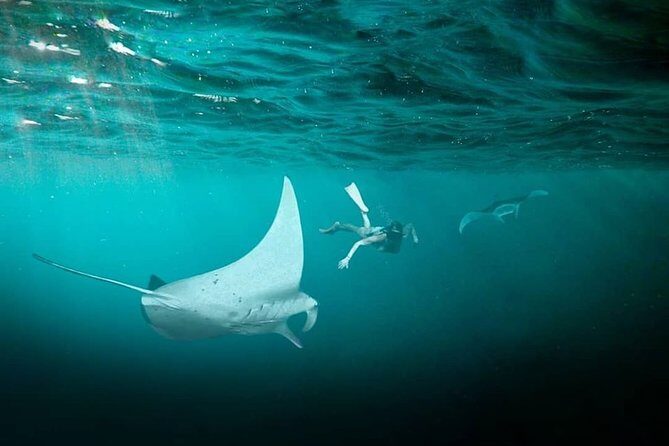
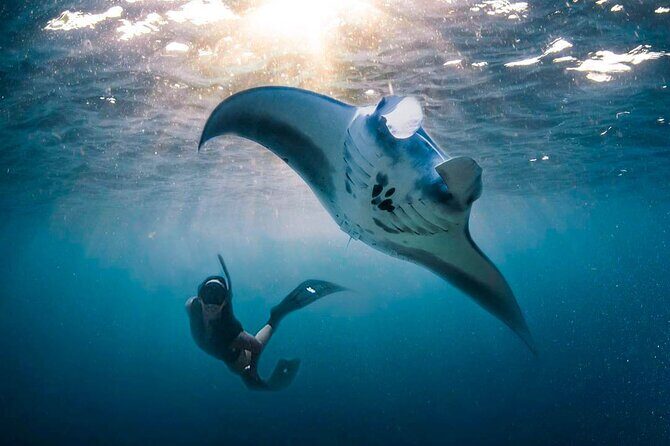
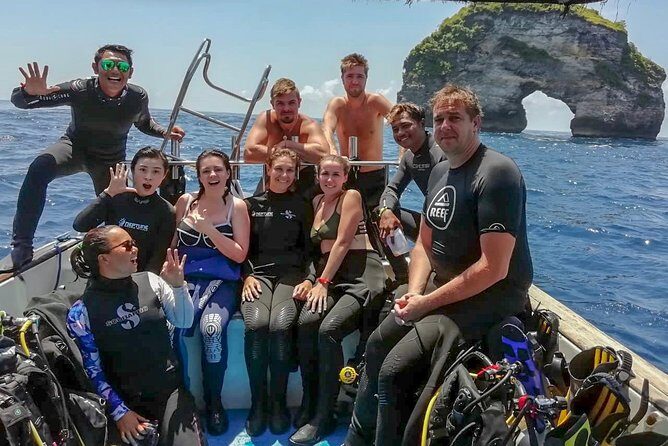
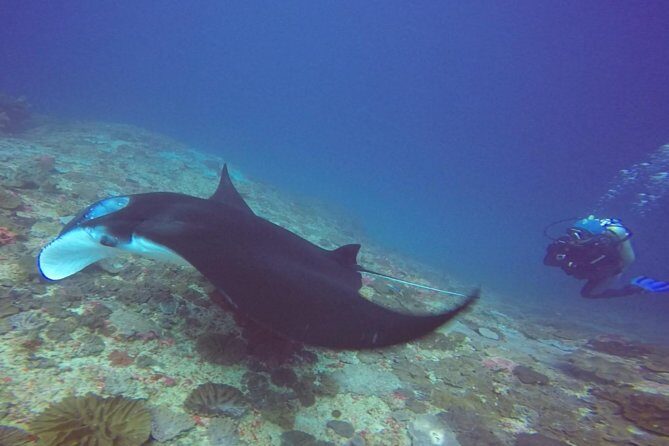
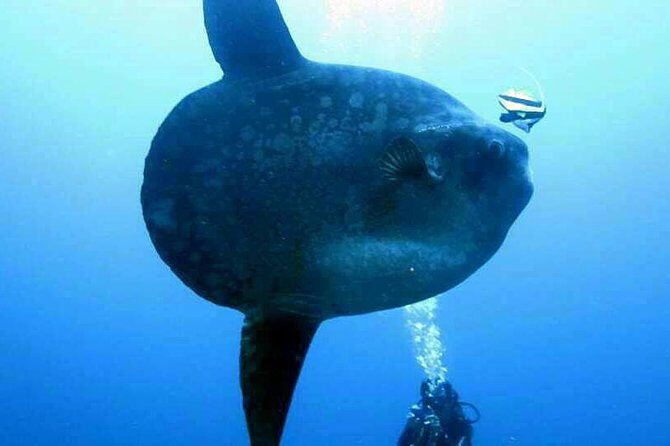
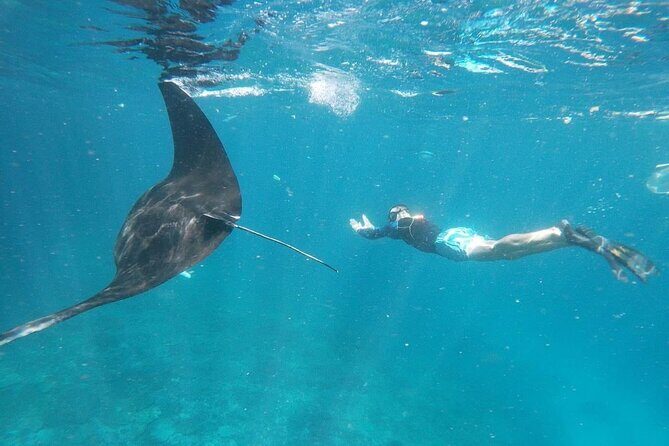
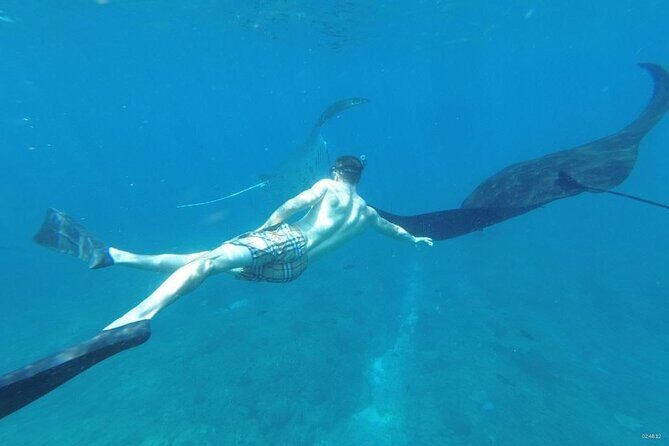
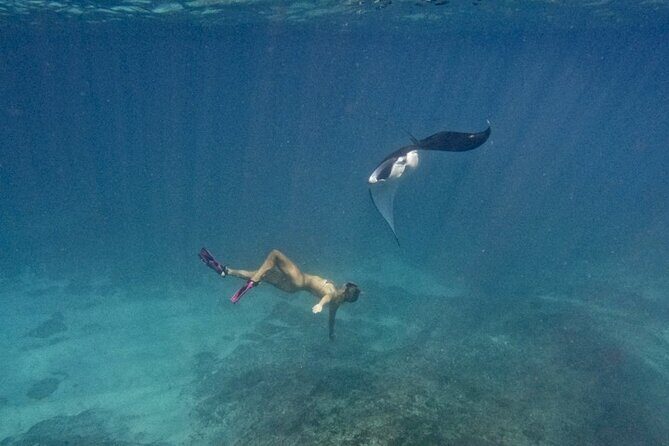
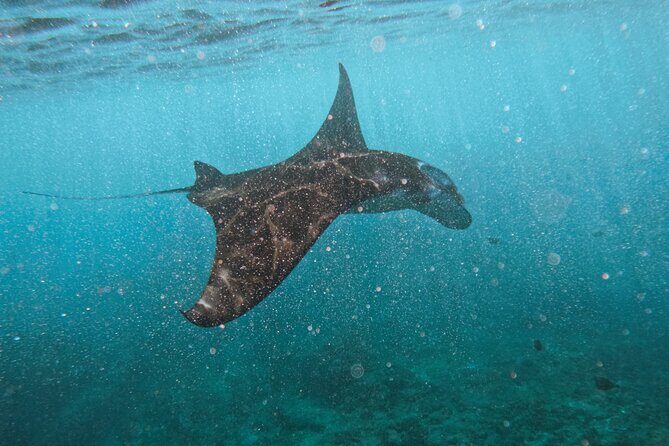
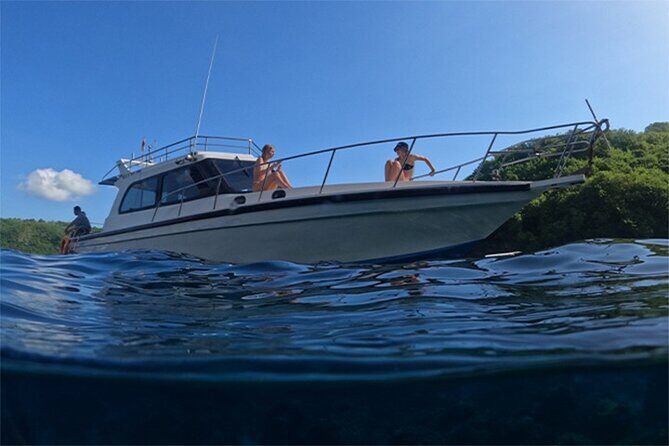
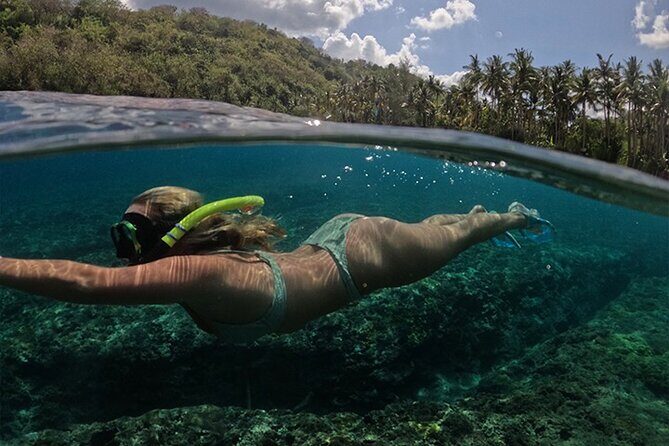
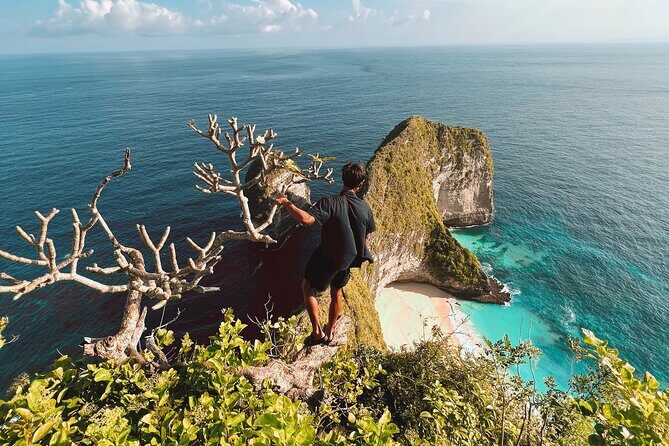
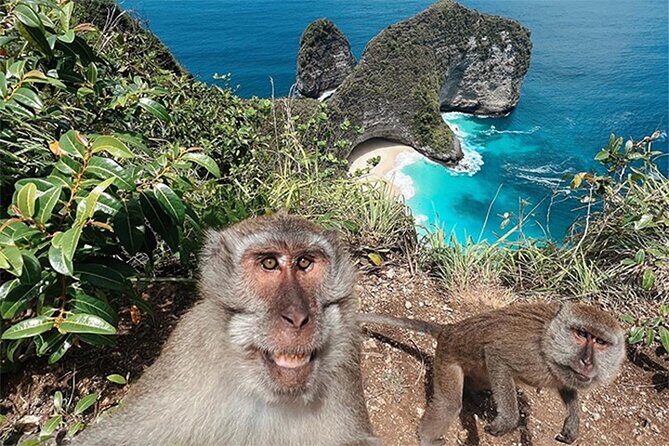
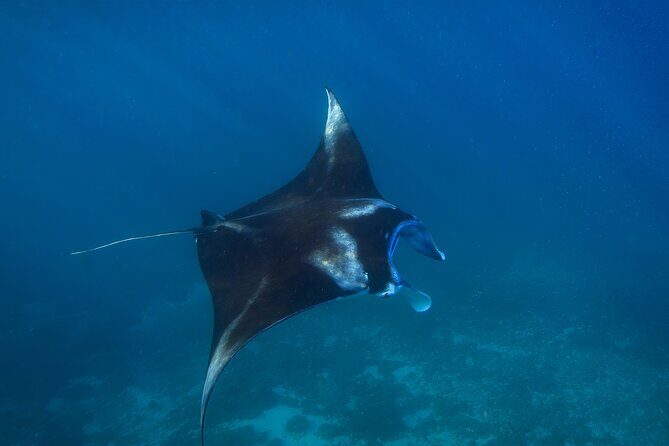
Manta rays are the main event here. This is a two-session scuba outing on Nusa Penida built around Manta Point and Crystal Bay, with everything handled for you—gear, boat, and food—so you can focus on staying calm and watching the “giants” cruise by. I especially like the close attention from the guides and how easy the setup is once you arrive.

Small groups and included equipment are a big quality-of-day win.

The second thing I like: the day stays comfortable and organized. You meet at 8:30 am, spend roughly four hours on the water, and you’re back around 2:00 pm, with lunch plus hot drinks, snacks, and fruit included. One possible drawback is that this is aimed at certified scuba participants with good basic fitness, so if you want a very advanced, highly specialized program, you may find it a bit more relaxed than you expect.

Key things that make this outing worth your time
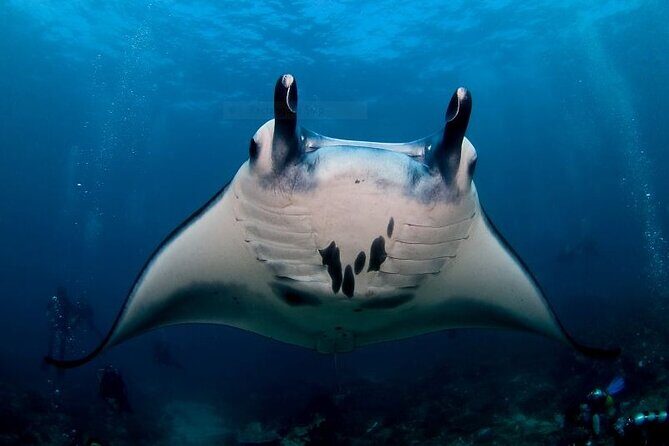
Certified Scuba Dive with Manta Rays (Open Water Diver minimum) - Key things that make this outing worth your time

  • Two standout Nusa Penida spots: Manta Point and Crystal Bay, both known for strong manta sightings
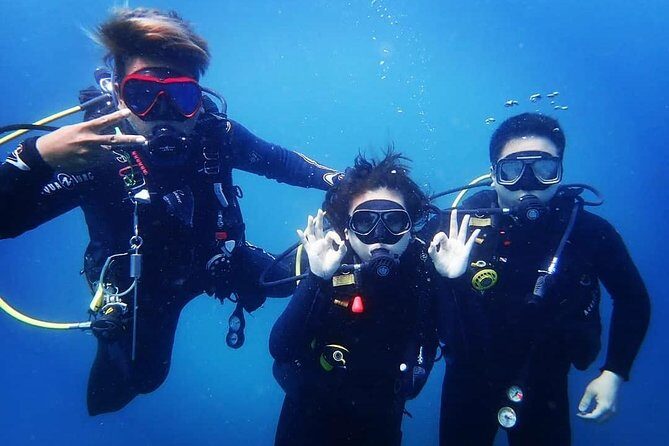
  • Guide attention: max 1:4 diver-to-guide ratio for hands-on support
  • All gear included: you don’t need to pack your mask or scuba equipment
  • Boat comfort basics included: lunch, hot drinks, snacks, water, and fruit
  • Early start with a tight schedule: meet 8:30 am, return by 2:00 pm for a full morning plan

Two manta-ray hotspots on Nusa Penida

If you’re chasing manta rays, Nusa Penida is where your odds usually jump. This outing takes you to two of the island’s best-known underwater locations—Manta Point and Crystal Bay—so you’re not pinning your whole day on one single site. That matters, because conditions and animal movement can be unpredictable, even when the reef is lively.

The tone of the trip is simple: show up, suit up, and let the team run the show. The goal is for you to be relaxed enough to enjoy what’s happening below the surface, without spending your mental energy on logistics. On a day like this, that’s not just convenience. It helps you breathe easier, equalize confidently, and pay attention to the mantas when they appear.

From the names and the route, you can also tell this isn’t a “fly-by” experience. You get two separate underwater sessions, which gives you a second chance to see mantas close—especially if the first stop is active but you want more time with them.

What you’ll likely see (and what affects it)

You’re going for manta rays, and the experience is built around that. In real-world accounts from people who’ve been, it’s common to see multiple mantas—sometimes close enough that it feels unreal. Still, no operator can promise exact numbers at exact distances. Water movement, tide, and how divers are positioned all influence what you notice.

Also keep in mind: manta rays don’t show up like a bus schedule. You’ll want patience during the wait. The upside is that the sites are popular for a reason—when the mantas are around, the moment can be fast and memorable.

The morning schedule: meet 8:30, water time, back by 2:00
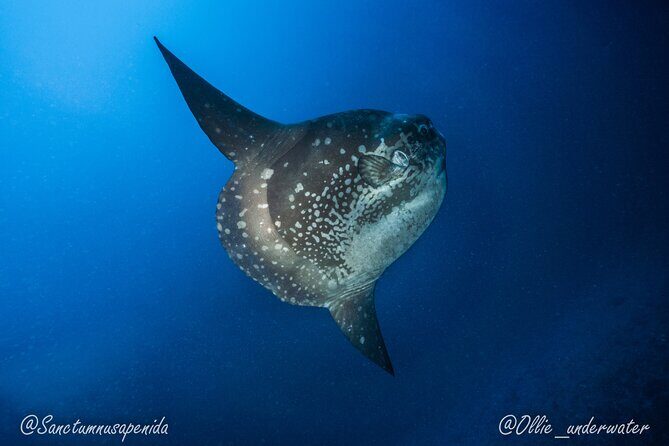
Certified Scuba Dive with Manta Rays (Open Water Diver minimum) - The morning schedule: meet 8:30, water time, back by 2:00
This is a classic Nusa Penida morning run. You meet at 8:30 am and the boat plan starts moving from there. The itinerary window is roughly 4 hours, and you should be back by 2:00 pm.

What that means for your planning: you’re not losing an entire day to logistics. It’s a smart fit if you’re staying elsewhere in Bali and you want at least one “wow” activity that starts early and ends early enough to still enjoy the rest of your day.

A common rhythm looks like this:

  • arrive and check in at the meeting point
  • get organized on the boat (gear, briefing, hydration)
  • do the first underwater session at the first site
  • take a break with lunch and drinks
  • head to the second site and repeat the process

The details matter because manta-ray days can be calmer or more demanding depending on swell and currents. Starting early helps you avoid the worst of the day’s changes and often gives you the most stable window.

Two sites, two different reef vibes: Manta Point and Crystal Bay
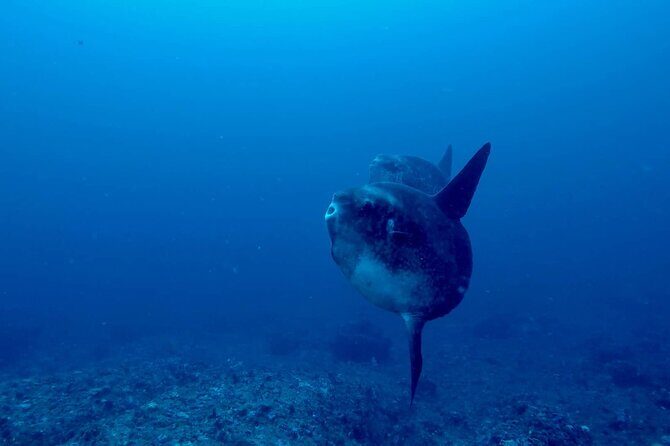
Certified Scuba Dive with Manta Rays (Open Water Diver minimum) - Two sites, two different reef vibes: Manta Point and Crystal Bay

Manta Point

Manta Point is the reason many people book this outing in the first place. It’s designed for mantas as they travel through the area to feed and cruise. When mantas are present, you typically see them gliding through the water column rather than “hiding” in one corner.

The practical takeaway: you’ll want to stay neutrally buoyant and relaxed. The less you kick and thrash, the more likely you keep your visibility clear—and the more you’ll enjoy seeing mantas behaving naturally.

Crystal Bay

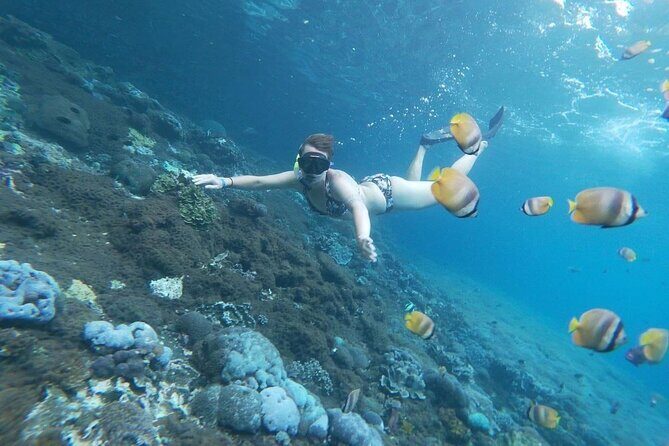
Then you move on to Crystal Bay for the second underwater session. Crystal Bay is often calmer and gives you a different feel from Manta Point. Even when conditions vary, a second stop is a real advantage. It improves your odds of seeing mantas again and also gives your body a second chance to settle into the rhythm of the water.

It also lets you compare sites during the day. If you’re the kind of traveler who likes to notice differences—how the current feels, what the reef looks like, how the team positions divers—that second location makes the experience feel less repetitive.

Safety and attention: the 1:4 guide ratio

This outing is built around hands-on guidance. Certified participants are supported with a 1:4 maximum ratio, meaning one guide is watching over a small set of divers at a time. On top of that, the group is kept small, with a maximum of about 10 travelers.

Why this is valuable: in manta-ray water, your attention matters. You’re trying to equalize and stay balanced, while also watching something huge and slow-moving that may show up at an angle. When a guide can actually monitor you, you’ll likely feel more confident. That confidence changes everything—especially for first-time manta sightings.

The best-case experience is that you get clear instructions, quick adjustments if you’re struggling, and a calm pace underwater. The more controlled the day feels, the more you can focus on the mantas rather than worrying about what you’re supposed to do next.

Gear and what you actually need to bring

One of the most practical parts of this booking: you don’t have to pack all the hardware. The package includes the scuba setup, and it’s explicitly set up so you don’t need to bring your mask. That alone saves you time at the airport and weight on your luggage plan.

What you do bring

You simply need to bring:

  • your scuba certification
  • swimwear
  • and a good attitude

That last one sounds fluffy, but it matters. Early mornings on a boat can be rough if you’re grumpy about the time change or the travel-day fatigue. Coming in with a good mood helps you take in the day instead of bracing for it.

If you’re new to open-water comfort

You’re required to be certified at an open-water level (so you should know basic buoyancy and finning). Still, one helpful pattern that shows up in real-world experiences is extra comfort-building before you go out. If you’ve been nervous about ocean conditions, ask the team what they’ll cover during the briefing and how they handle first-time open water expectations.

Also, if you’re used to very “serious diver” routines—tight trim, detailed site rules, highly specific briefing—this might feel more relaxed than your usual style. That’s not automatically bad; it’s just a good fit question.

Boat time: hydration, lunch, and the human part of the day

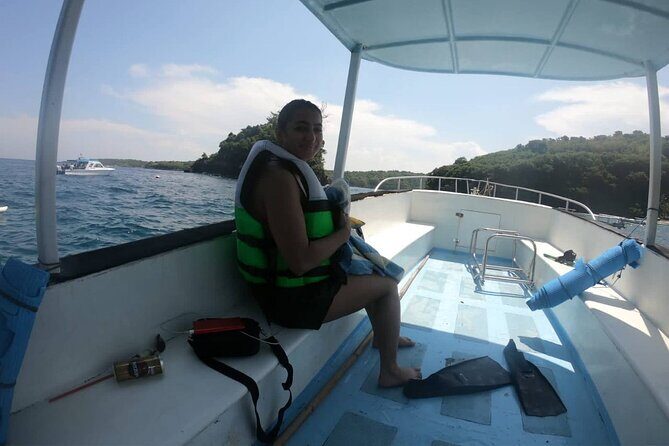
This outing keeps the above-water portion practical. You stay fueled and hydrated on the boat with lunch and drinks, plus snacks and fruit. That’s a big deal because you’re out early, you’re exerting energy, and you’ll be thinking about buoyancy and breathing for hours.

The best value here is that the boat isn’t just a mode of transport. It’s part of your recovery loop. You can eat, drink hot and cold things, and reset your body between sessions so the second underwater stop feels good instead of rushed.

And yes, mantas are the highlight, but your comfort affects your attention. If you’re underfed or dehydrated, you’ll notice it fast underwater. This kind of inclusion nudges the trip toward a more enjoyable pace.

Photos and video expectations

Some people appreciate that the guide may capture moments while you’re in the water. If that matters to you, bring the mindset of: ask what they can do on the day. The experience data mentions guides taking film, but it doesn’t spell out how delivery works. Treat it as a possible bonus, not a guaranteed service.

Value check: what you’re paying for, and why it makes sense
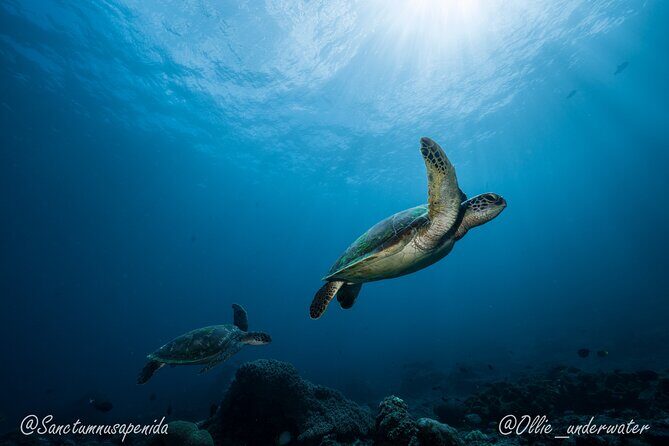
Certified Scuba Dive with Manta Rays (Open Water Diver minimum) - Value check: what you’re paying for, and why it makes sense
The price is listed as $103.91 per person for two underwater sessions, all inclusive. You’ll also see it quoted as 1,300,000 IDR for the two sessions, with guide, gear, boat, drinks, lunch, snacks, and fruit included.

To judge value, I look at three categories:

1) Expert handling (small ratio, guides who stay attentive)

2) All the gear + boat support (you’re not renting extra or paying separate transport)

3) A full experience window (two sessions, not one quick stop)

This package hits all three. If you were to assemble everything separately—boat, rental gear, basic food—your total would likely climb quickly. Here, the “bundle” is the point.

The other value angle: you’re paying for risk reduction in the practical sense. No gear packing scramble, a structured morning schedule, and guided support with a tight ratio. That matters when you’re already traveling and dealing with an early start.

Who this suits best (and who should think twice)

Great fit if you…

  • have open-water scuba certification
  • want the chance to see mantas at two different spots
  • like a small-group feel with attentive guidance
  • want an included food-and-drink setup so you can stay comfortable between sessions
  • enjoy early mornings when there’s a clear payoff underwater

Consider carefully if you…

  • are a very serious, highly technical diver who expects a more advanced, highly specialized briefing style
  • want strict rules on things like reef-safe practices discussed in depth (one experience raised concerns about that sort of discussion)
  • dislike mornings where you’re up early and doing an efficient half-day plan

None of these “consider carefully” points mean the outing is unsafe or low quality. It just means it’s designed as a manta-focused, friendly, guided experience—not a training program for divers who want extremely technical customization.

If you care a lot about reef impact, bring reef-safe sunscreen on your own and ask the team what they prefer. You’ll feel better having a personal plan even if the briefing is brief.

Weather and cancellations: what can change your day

This experience depends on good weather. If conditions aren’t workable, the plan can be adjusted with either another date or a refund option.

That’s the honest reality of Nusa Penida. When sea conditions are rough, visibility and safety can change quickly. The trip is structured around the assumption the day will run—so build flexibility into your Bali schedule and don’t book back-to-back activities that would leave no room for a reschedule.

Should you book this Nusa Penida manta-ray outing?

If you want a straightforward, well-supported way to chase manta rays—without wrestling gear logistics—this is a strong booking. The combination of two top sites, included scuba equipment, boat food and drinks, and a tight 1:4 guidance ratio is exactly what you want for a first or mid-level certification trip that still feels exciting and high quality.

Book it if your priority is: manta rays, calm organization, and personal attention on the water.

Skip or think twice if you’re looking for a very technical training vibe or you want very detailed pre-briefing culture on every environmental practice. In that case, message the operator ahead of time about how they handle advanced diver preferences.

FAQ

What scuba certification do I need?

You need to have your scuba certification. The minimum requirement is open-water level certification.

How long is the experience?

It runs for about 4 hours.

Where does this take place?

It takes place in Nusa Penida, Bali, with underwater sessions at Manta Point and Crystal Bay.

What time do we meet and when do we return?

You meet at 8:30 am. The schedule indicates returning back around 2:00 pm.

How many divers does each guide look after?

The maximum ratio is 1:4 during the two-session trip.

Is scuba equipment included?

Yes. The package includes scuba equipment, and you do not need to bring your mask.

What’s included in the price?

The price includes guide, gear, boat, drinks, lunch, snacks, and fruits.

What happens if the weather is poor?

The activity requires good weather. If it’s canceled due to poor weather, you’ll be offered a different date or a full refund.
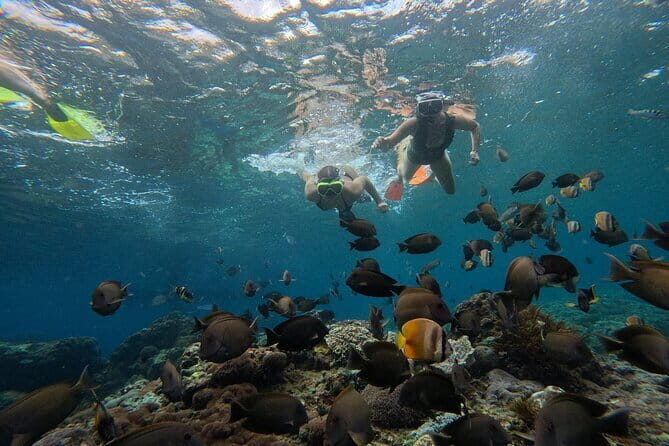
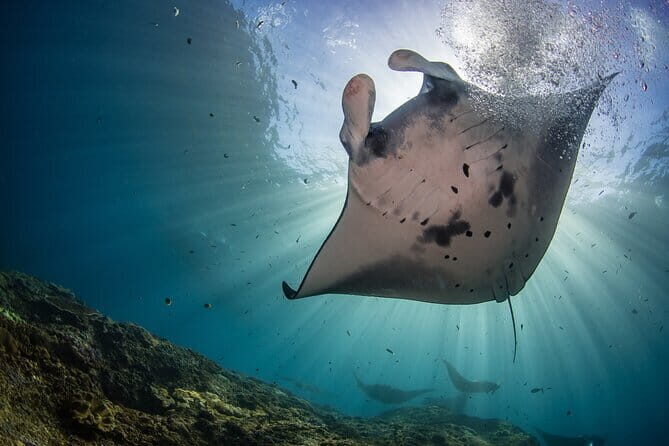
Lembongan Snorkeling at Manta Bay, Crystal Bay and Mangrove

Lembongan Snorkeling at Manta Bay, Crystal Bay and Mangrove - Gear and comforts: what you get (and what to bring)

Manta rays make this trip worth it. You snorkel multiple spots around Nusa Lembongan and Nusa Penida, with a crew that helps you find marine life and gives you underwater photos and videos. I especially love that your guide captures GoPro footage so you’re not stuck juggling a phone in the water.

I also like how this tour feels built for real people, not just hard-core swimmers. You get full snorkeling gear plus a life jacket, and there’s a safety briefing before you hit the water. A max group size of 22 keeps things from feeling like a cattle call.

One thing to keep in mind: manta rays depend on what the sea gives you, and conditions can change. If you don’t spot them at Manta Bay, you’ll be taken to Manta Point to improve your odds.

Key highlights to know before you go

Lembongan Snorkeling at Manta Bay, Crystal Bay and Mangrove - Key highlights to know before you go

  • Manta Bay first, then Manta Point as a backup if mantas are hard to find
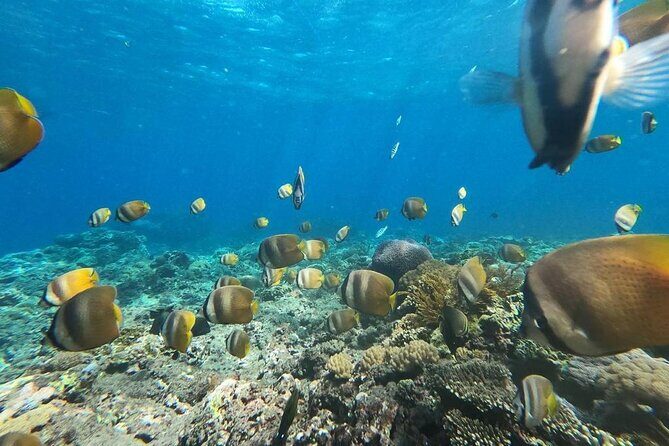
  • Crystal Bay for clear water, coral, and tropical fish
  • Mangrove Point for a calmer float with a healthy mangrove ecosystem
  • Free GoPro photos and videos from your guide, included with the tour
  • Snorkeling equipment + life jacket provided, plus a towel on board
  • Small group limit (22 people), which helps the crew manage and assist

Why this Nusa Lembongan manta-and-mangrove plan works

Lembongan Snorkeling at Manta Bay, Crystal Bay and Mangrove - Why this Nusa Lembongan manta-and-mangrove plan works
This is one of those trips that saves you time and mental load. Instead of picking one spot and hoping for the best, you get a manta-focused swim zone, then two more reefy stops that are known for colorful fish, coral, and scenery under the surface.

You’ll also like the pacing: the whole experience runs about 3 hours, starting at 8:00 am from Jungut Batu (Lembongan). That’s long enough to see real underwater variety, but not so long that you lose the energy that makes snorkeling fun.

And the value is pretty solid for the price point. At $23.53 per person, you’re paying for guided logistics, boat time, snorkeling gear, and underwater media. The tour also runs with group discounts and keeps groups to 22 max, which tends to make the crew’s attention feel more personal.

Gear and comforts: what you get (and what to bring)

Lembongan Snorkeling at Manta Bay, Crystal Bay and Mangrove - Gear and comforts: what you get (and what to bring)
You don’t need to pack the basics. The tour includes snorkeling equipment: mask, snorkel, fins, and a life jacket, plus a towel. That matters more than people think. Good fit and having a life jacket you actually understand how to use can make the whole experience feel less stressful.

You will still want to arrive with the right mindset: you’re going to be in the water more than once. Wear swimwear you’re comfortable with, and if you use any personal snorkeling extras, you’ll need to bring them yourself since the included list is pretty standard.

What’s not included is lunch and hotel transfer. If you’re staying on the island and can get yourself to the meeting point, you’ll keep the day simple. If your hotel is off the beaten path, plan to handle getting to Captain Coconut Snorkeling in Jungut Batu.

Manta Bay, then Manta Point: your real chance at the big ones

Lembongan Snorkeling at Manta Bay, Crystal Bay and Mangrove - Manta Bay, then Manta Point: your real chance at the big ones
The headline here is the manta search. Your crew starts with Manta Bay, where you may get the rare, surreal moment of swimming alongside manta rays. The goal isn’t just to be near the water. The crew is actively involved in helping you spot marine life while you’re in the water.

If manta rays aren’t visible, the captain doesn’t shrug and move on. You’ll be taken to Manta Point to increase your chances. That backup plan is a big deal. Mantas can be elusive, and the tour design accepts that by building in a second look.

Based on what people have described, this trip can also line up other wildlife moments, like sea turtle sightings and dolphins in the distance. Those aren’t guaranteed, but the fact that the crew is watching for more than one target is part of why the whole day feels worthwhile.

Crystal Bay snorkeling: clear water and coral time

Lembongan Snorkeling at Manta Bay, Crystal Bay and Mangrove - Crystal Bay snorkeling: clear water and coral time
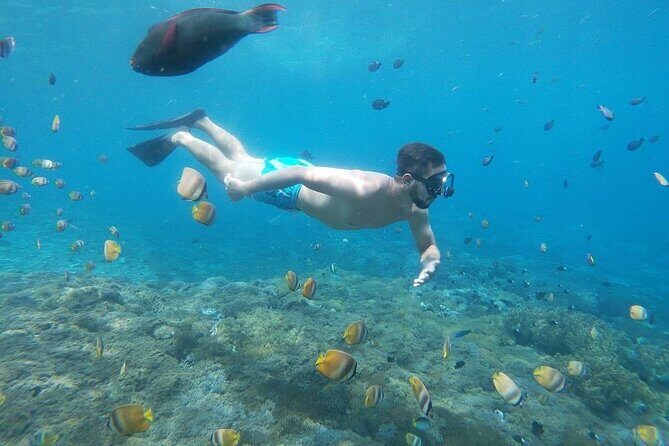
After the manta zone, you head to Crystal Bay in Nusa Penida. This is a classic snorkeling setup: crystal-clear waters, with coral reef structure and lots of tropical fish activity.

This stop matters because it’s your “back to basics” reef swim. If mantas are shy that day, Crystal Bay still gives you a satisfying underwater experience. Even when you’re not seeing big animals, you’ll usually get plenty to look at: reef life, colorful fish, and the way the water clarity makes everything look sharper.

The main drawback to expect at any snorkeling stop: conditions can affect how much you see. Clear water is the goal, but wind and ocean movement can change visibility. The good news is the crew is running a multi-stop plan, so even if one spot feels quieter, the others can still deliver.

Mangrove Point: calm float meets a living ecosystem

Lembongan Snorkeling at Manta Bay, Crystal Bay and Mangrove - Mangrove Point: calm float meets a living ecosystem
The final stop is Mangrove Point at Nusa Lembongan, and it’s a smart way to end. This isn’t just another reef stop. It’s known for a healthy mangrove ecosystem, plus healthy coral reefs and free-swimming fish.

What you’ll remember most is the mood. People often talk about this part as more tranquil: you can float serenely on the water while you watch what’s moving beneath you. For me, that’s the best way to finish a snorkeling day. You get a change of pace from chasing big sightings to just enjoying the underwater world doing its thing.

If you’re the type who likes nature that’s not only about the largest animals, Mangrove Point is worth it. It gives you a different kind of “wow,” where the environment itself feels special.

The crew, safety briefing, and making snorkel anxiety disappear

Lembongan Snorkeling at Manta Bay, Crystal Bay and Mangrove - The crew, safety briefing, and making snorkel anxiety disappear
This kind of tour only works when the crew is on point. Here, you get a safety briefing and the included life jacket so you’re not thrown in cold. If you’re worried about snorkeling because you’re not a strong swimmer, this is where the experience can feel surprisingly manageable. The setup is designed so you can participate without needing to be a confident water athlete.

The guide also plays an active role beyond herding people. They help you spot marine life while you’re snorkeling, and they capture underwater photos and videos using GoPro. That matters because it turns your experience into something you can actually share. You’re not just seeing cool things; you’re getting the material to relive it.

I also noticed the operator’s team uses a personal touch in their responses, with sign-offs from Ramadana. That kind of consistent, friendly communication tends to match what you want on a water activity: clear, calm, and responsive.

Photos and videos: why this inclusion is more valuable than it sounds

Lembongan Snorkeling at Manta Bay, Crystal Bay and Mangrove - Photos and videos: why this inclusion is more valuable than it sounds
The included GoPro photos and videos are a real upgrade. Most snorkeling tours either:

  • give you nothing but memories, or
  • force you to choose between snorkeling and filming.

Here, your guide handles the capture. That means you’re freer to look around, follow instructions, and actually enjoy the swim instead of worrying about your gear.

It also means your best underwater moments are more likely to be preserved. Mantas, turtle passes, and quick fish flashes aren’t the kind of thing you always manage to photograph yourself, especially while staying relaxed in the water. Having that content included is a big part of the tour’s value.

Timing and logistics that keep the day smooth

Lembongan Snorkeling at Manta Bay, Crystal Bay and Mangrove - Timing and logistics that keep the day smooth
This is scheduled to run from 8:00 am, and it ends back at the meeting point. The meeting point is Captain Coconut Snorkeling in Jungut Batu, Nusa Lembongan.

A 3-hour window is friendly. You’re not committing a whole day, and you’ll still have time to eat afterward, explore the island, or do another short activity.

Two practical notes:

  • Hotel transfer isn’t included, so you’ll want to plan how you get to Jungut Batu.
  • The experience requires good weather. If conditions are poor, it can be canceled and you’ll be offered a different date or a full refund.

Price and value: what $23.53 really buys you

At $23.53 per person, you’re buying a lot more than a basic snorkel rental.

Included value:

  • Guide and safety briefing
  • Boat time to multiple snorkeling stops
  • Snorkeling equipment (mask, snorkel, fins) and life jacket
  • Towel
  • GoPro photos and videos
  • Underwater help spotting marine life

Not included:

  • Lunch
  • Hotel transfer

So the real question isn’t just the sticker price. It’s whether you’d otherwise pay for gear, paid media, and guided planning across multiple spots. If your goal is mantas plus a couple of reef swims, this price feels fair.

The max group size of 22 helps too. Smaller groups tend to mean fewer long waits and better control in and out of the water, especially when conditions change.

Who this tour is perfect for (and who should think twice)

I’d book this if you want:

  • a real shot at manta rays with a backup plan to Manta Point
  • multiple snorkeling environments in a short window (manta zone, Crystal Bay clarity, mangrove float)
  • the convenience of all snorkeling gear included
  • underwater photos and videos without extra effort

It can also work well for people who feel nervous. The combination of a life jacket, a safety briefing, and a guide who helps you spot marine life is a strong foundation.

Think twice if you:

  • can’t handle boat movement in rougher conditions (the tour depends on weather)
  • are expecting a guaranteed manta sighting. The itinerary improves your odds, but the ocean decides.

Practical tips to get the most from your snorkel

A few small choices make a big difference on a short 3-hour outing:

  • Be on time for the 8:00 am start so you don’t rush the briefing.
  • Listen carefully during the safety talk, especially about how to move with fins and how to keep steady in the water.
  • Keep your routine simple: one calm breath at a time, slow movements, and avoid touching coral.
  • Plan to bring what you need for the surface after snorkeling, since lunch isn’t included.

And if you’re hoping for mantas, stay patient when you’re in the water. They can appear without warning, and the crew’s job is to help you spot them when they do.

Should you book this Lembongan snorkeling trip?

If your top goal is manta rays and you don’t want to gamble on just one site, I’d lean yes. The tour is built around a manta-first approach with a second location if needed, then it keeps the day rewarding with Crystal Bay and ends with the calmer Mangrove Point.

The value is strongest when you count the extras: gear included, free GoPro footage, and guided spotting. The only real downside is the usual one for wildlife snorkeling: you can do everything right and still not see mantas that day. That’s why the backup plan matters.

If the weather forecast looks good and you’re happy to DIY your way to Jungut Batu, this is a smart, efficient way to snorkel Nusa Lembongan and Nusa Penida in one go.

FAQ

How long is the snorkeling tour?

It runs for about 3 hours.

What time does the tour start?

The start time is 8:00 am.

Where do I meet the tour?

You meet at Captain Coconut Snorkeling in Jungut Batu, Nusa Lembongan.

What snorkeling spots are included?

You’ll snorkel at Manta Bay (and may go to Manta Point if mantas aren’t visible), Crystal Bay, and Mangrove Point.

Is snorkeling equipment included?

Yes. Masks, snorkels, fins, and life jackets are provided, along with a towel.

Are underwater photos and videos included?

Yes. Your guide takes GoPro photos and videos for you.

What’s not included in the price?

Lunch and hotel transfer are not included.

How big are the groups?

The tour has a maximum of 22 travelers.

What happens if weather conditions are poor?

The experience requires good weather. If it’s canceled due to poor weather, you’ll be offered a different date or a full refund.
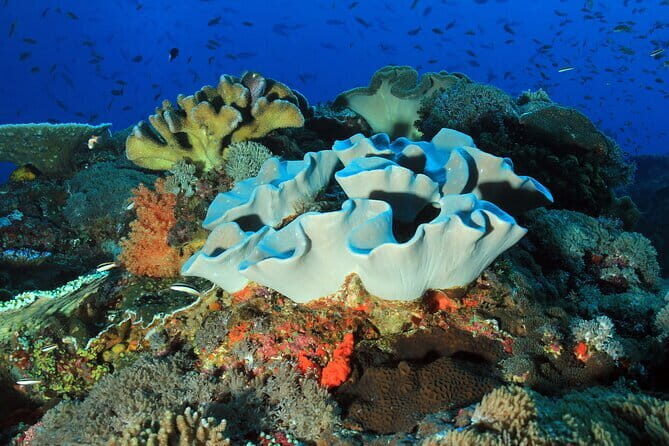
Is there a cancellation policy?

Free cancellation is available up to 24 hours before the start time for a full refund.

Snorkelling in Nusa Penida – Manta Point

Snorkelling in Nusa Penida - Manta Point - Why this boat day beats “one reef and done”

Mantas pull you in, but the plan matters. This full-day snorkel trip is interesting because it stacks multiple reefs off Nusa Penida into one smooth boat day, with a dedicated guide for each snorkel group. You’ll get transport from Sanur to the meeting point and then out on the water to cover more reef than many shorter tours.

I especially like the way lunch, snacks, and bottled water are built in, so you’re not scrambling for food between swims. I also like that the operator keeps the day structured around three set snorkeling stops, not just one quick beach session. The overall pacing feels designed for real reef time.

One thing to factor in: there’s an extra IDR 100,000 conservation fee payable in cash on the day. Everything else is priced with taxes and handling already accounted for, but that cash fee is easy to overlook if you’re comparing deals.

Key highlights worth knowing

Snorkelling in Nusa Penida - Manta Point - Key highlights worth knowing

  • Manta Point + Crystal Bay + north drift snorkeling in one route
  • Often spot manta rays, with coral gardens of hard and soft corals
  • Dedicated snorkeling guide for each group focused on safety
  • Lunch, snacks, and bottled water included onboard
  • Small group size (max 12) plus snorkeling insurance and equipment included
  • Conservation fee (cash, IDR 100,000 per person) is an extra cost

The Sanur setup: pickup, boat timing, and what the day feels like

Snorkelling in Nusa Penida - Manta Point - The Sanur setup: pickup, boat timing, and what the day feels like
This trip starts in Sanur, with pickup offered and the activity meeting at Neptune in the Sanur area. Opening hours run from 7:00 AM to 4:00 PM, and the total tour time is listed as about 6 hours (transfer times vary with time of day and traffic). Once you reach the dive center area, logistics get handled before you head out.

Expect a 45-minute boat ride to Nusa Penida. That’s long enough for the day to feel like a proper escape, but not so long that you burn hours sitting in transit. Then the plan becomes a coast-hugging loop: you’ll move from the south around the island, traveling up the west coast toward the north side for additional snorkeling.

One smart detail in the design: you’re not just doing a single “see a reef, get back on the boat” pattern. The route is built to maximize different sections of coastline, which usually means better variety in what you see and how the water conditions change from stop to stop.

Why this boat day beats “one reef and done”

Snorkelling in Nusa Penida - Manta Point - Why this boat day beats “one reef and done”
A lot of Nusa Penida snorkel tours rush you to one main spot and call it a day. This one is different because the boat transfers are set up to cover much more reef than standard shorter tours. The tour description explicitly frames it as an all-day coast run, not a quick outing.

That matters because reef conditions aren’t identical everywhere. Even when the overall area is the same island, visibility, current, and what marine life hangs around can shift. By adding multiple locations—including the north drift spots—you give yourself more chances to have that wow moment, even if conditions aren’t perfect at one stop.

It also helps psychologically. After the first swim, you already have the next stop coming up, so you stay focused on the water instead of waiting around for the day to end. The day feels like it’s “in motion,” which is exactly what you want when you’re paying attention to waves, tide, and sea state.

Stop-by-stop: how each snorkeling location works

Snorkelling in Nusa Penida - Manta Point - Stop-by-stop: how each snorkeling location works
The trip is set around three snorkeling locations off Nusa Penida, commonly described as Manta Point, Crystal Bay, and north-side drift snorkeling spots. The exact ordering is tied to the day’s route, but you can think of it as a mix of signature reef and calmer coral areas, then a change of pace with the north current sections.

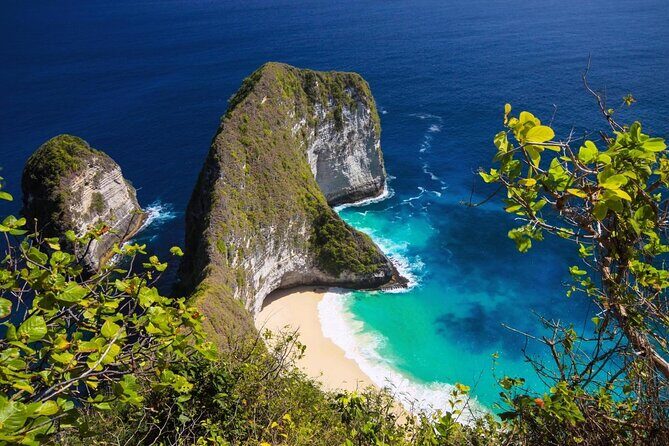
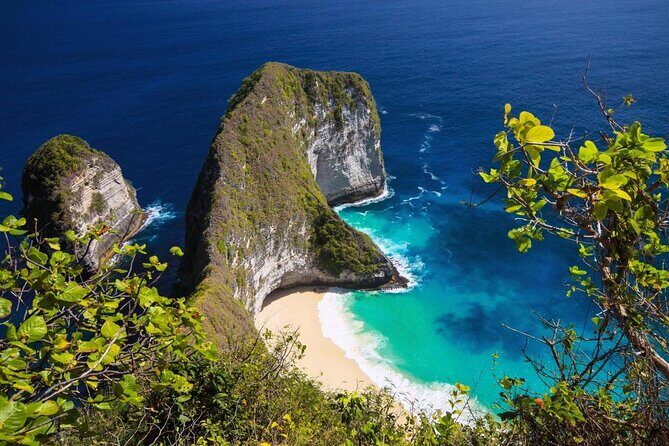
You’ll also hear about a stop at Kelingking Beach as part of the day’s routing. The activity data doesn’t spell out how long you’ll stay there, but the presence of this stop usually means a break and a chance to see that famous coastline from the land route while the boat day is underway.

Here’s what each snorkeling section is best for.

Manta Point: what you’re really signing up for

Manta Point is the headline, and it’s included for a reason. The tour description says you’ll snorkel there with a strong chance of seeing impressive marine life, often including manta rays.

That said, manta sightings are never guaranteed. What you can count on is that this stop is selected specifically for high-quality reef scenery and frequent marine-life activity. If you’re coming for manta chances, this is the stop you want on your itinerary.

One practical consideration: sea conditions can affect access. In the information provided, there’s an example of high waves where reaching Manta Point wasn’t possible, and the day still moved forward with other snorkeling. So treat Manta Point as a top priority, but keep a flexible mindset if the sea state changes.

Crystal Bay: corals and a calmer feeling

Crystal Bay is the other named reef stop, and it’s typically the one that balances the day. The tour description highlights both hard and soft corals here, plus impressive marine life.

In practical terms, this is where you benefit from having time and gear handled for you. Your guide keeps the group together, and the snorkeling time at a second location usually helps you enjoy the coral variety rather than rushing from one “maybe” sighting to the next.

If your idea of a great snorkel day is coral detail—texture, color, and fish activity—Crystal Bay is the kind of stop that fits. You’re also more likely to appreciate the reef itself if you’re not fighting the hardest conditions of the whole route.

North-side drift spots: don’t fight the current

The itinerary includes drift snorkeling sites in the north. This is where the experience can feel more dynamic. Drift snorkeling generally means you’re letting the water move you while you watch the reef and marine life from the surface.

The big value here is variety. If Manta Point and Crystal Bay are your “main reefs,” the north drift spots add a different snorkeling style that often feels more like exploration. It can also mean more chances to see different species than you’d see at a single static location.

Because drift conditions can be more challenging, this is also where your guide matters. The tour’s safety approach is built around each snorkel group having a dedicated guide, which is exactly what you want when currents are involved.

Equipment, guides, and the safety vibe that makes a difference

You get snorkeling equipment included, which matters on a day like this when you don’t want to deal with rentals, fitting, or last-minute confusion. Equipment setup depends on your height, weight, and shoe size, so if the operator asks for those details during booking, take it seriously. The faster they can size you correctly, the sooner you’re in the water.

A standout feature in the tour description is that safety is a priority, with a dedicated guide for every snorkel group. That’s a big deal in Nusa Penida because the day involves boat time, water time, and changing conditions between stops. A dedicated guide also means you’re more likely to get quick instructions about what to watch for and how to snorkel comfortably in each spot.

You’ll be snorkeling with small-group energy. The tour lists a maximum of 12 people, which is far more comfortable than the large cattle-car setups that make snorkeling feel rushed. Reviews tied to this experience also emphasize organization and that the boat is clean and safe, which aligns with the overall “prepared day” feel.

What’s included onboard: staying powered for the long water route

This isn’t a bare-bones outing. You’ll have lunch, snacks, and bottled water onboard. That kind of inclusion turns the day from a gamble into something you can plan your energy around.

The value is simple: you can snorkel harder because you’re not running low on food or fluids after the first stop. On a boat day, it’s easy to underestimate how much energy you burn just by moving, suiting up, and staying alert for water conditions.

There’s also mention of cool drinks onboard, which helps keep the day comfortable. Bring sun protection (hat, sunscreen) because the tour doesn’t list it as included, and with multiple water stops, you’ll get real sun exposure.

If you have dietary needs, a vegetarian option is available when you advise at booking. That’s a useful detail because lunch is included and you don’t want to end up with a sad substitute once you’re already out on the route.

Price and value: is $150 a fair deal?

At $150 per person, this tour isn’t the cheapest way to snorkel near Bali. But it looks like the price is paying for three things that most bargain tours don’t deliver as well:

First, you’re paying for multiple snorkeling locations off Nusa Penida, including Manta Point and Crystal Bay plus north drift spots. A day that covers more reef is usually more expensive because it requires the boat schedule and timing to match.

Second, the operator includes snorkeling equipment, snorkeling insurance, lunch, snacks, and bottled water. If you price those items separately, the “extra” cost often shrinks.

Third, you’re paying for the human part: a professional snorkeling guide and safety structure with a dedicated guide per group. That’s hard to quantify, but it shows up in how smoothly the day runs—especially when sea conditions shift.

The one surprise cost is the IDR 100,000 conservation fee, payable in cash. If you budget that upfront, the overall price feels more comparable to other full-day, multi-stop reef experiences.

If you’re comparing tours, I’d look less at the base price and more at what’s included onboard, the number of sites, and whether the itinerary is designed for a full reef circuit.

Group size and who this tour suits best

Snorkelling in Nusa Penida - Manta Point - Group size and who this tour suits best
With a maximum of 12 people, this tour fits people who want organization without feeling trapped in a big crowd. Reviews also point to a smooth experience even when the boat includes a mix of scuba divers and snorkelers, which suggests the operation can handle different comfort levels in the same day.

Who it’s best for:

  • People who want serious reef variety in one outing
  • Snorkelers who care about safety and guidance more than solo freedom
  • Anyone who wants the included food and equipment so the day stays simple

Who might want to rethink it:

  • People who are mainly chasing a guaranteed manta encounter (nature doesn’t do guarantees)
  • Anyone sensitive to changing sea conditions, since access and comfort can shift with waves
  • People who want a very short, low-cost trip (this is built as a full boat day)

Small practical tips before you go

Here are a few details that will make the day smoother, based on what the tour setup requires.

  • Answer the equipment sizing questions carefully (height, weight, shoe size). It speeds up fitting and helps you snorkel more comfortably.
  • Plan for a cash add-on for the conservation fee (IDR 100,000 per person). If you arrive without cash, you’ll be stuck at the worst moment.
  • If you’re the type who gets impatient, stay focused on the route. The day includes a boat ride plus multiple stops, and it flows better if you expect that rhythm.
  • Pack reef-safe sunscreen and a hat. You’ll be on the water multiple times, and the sun has a way of showing up fast in open boats.

Should you book this Nusa Penida snorkel route?

Book it if you want a structured, multi-stop Nusa Penida day with the best-known named reefs (Manta Point and Crystal Bay) plus additional north snorkeling. The included lunch, snacks, bottled water, equipment, and insurance make it feel like a complete package, not just transportation and a quick swim.

Skip or reconsider if your number one goal is guaranteed manta sightings no matter the sea conditions. Also think twice if you hate the idea of being on a boat for long enough that waves can change your exact path.

If you’re comfortable treating Manta Point as a top-chance stop and you like the idea of snorkeling several different reef areas in one day, this tour is a solid pick.

FAQ

What is the duration of the snorkeling experience?

The tour duration is listed as approximately 6 hours, with transfer times that can vary depending on time of day and traffic.

Is pickup included?

Pickup is offered, and the experience starts at the Neptune meeting point in the Sanur area.

Where does the tour start and end?

It starts at Neptune Scuba Diving Bali, Jl. Suka Merta, Sanur Kauh, Denpasar Selatan, Kota Denpasar, Bali 80228, Indonesia. It ends back at the meeting point.

Which snorkeling locations are included?

You snorkel three spots off Nusa Penida, including Manta Point and Crystal Bay, plus additional drift snorkeling sites in the north.

What’s included in the price?

Included are lunch, snacks, bottled water, a professional snorkeling guide, snorkeling insurance, and use of snorkeling equipment, along with all taxes and handling charges.

What’s not included?

GoPro rental is not included. A conservation fee of IDR 100,000.00 per person is also not included and is payable in cash.

Is there a vegetarian option?

Yes. A vegetarian option is available if you advise at booking.

What is the minimum age?

The minimum age is 5 years old.

What is the maximum group size?

The maximum number of travelers is 12.

What should I do if the weather is bad?

This experience requires good weather. If it’s canceled due to poor weather, you’ll be offered a different date or a full refund.
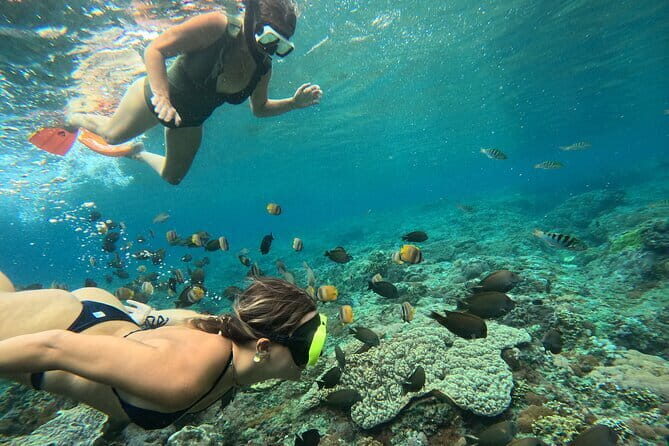
Bali Diving Day Trip-Manta Point/Tulamben Shipwreck-Fun Dive

Bali Diving Day Trip-Manta Point/Tulamben Shipwreck-Fun Dive - Sanur Check-In: Paperwork, Gear Rental, and Getting Set Up

Two wreck visits in one packed day. The big draw is the USAT Liberty shipwreck near Tulamben, plus the way the day is built for true first-timers. You get guided underwater sessions focused on basics like breathing through your regulator and feeling that simple weightless floating.

I especially like the small group ratio and the fact that you’re not tossed in with experts. You also get a lot for the money because gear rental, lunch, entry fees, tanks, and even transfers around Seminyak/Sanur/Kuta are part of the package. One thing to plan around: it’s an early start and a long day, and you’ll want the full 18-hour recovery window after your underwater sessions if you have a flight or hiking later.

Key Things I’d Pencil Into Your Day

Bali Diving Day Trip-Manta Point/Tulamben Shipwreck-Fun Dive - Key Things I’d Pencil Into Your Day

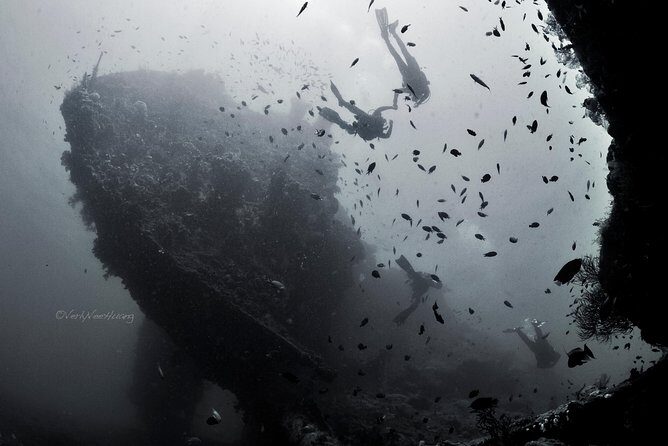
  • USAT Liberty wreck near Tulamben: coral growth and fish moving through portholes
  • Beginner setup: structured coaching aimed at first-time scuba students
  • Small groups: maximum 6 travelers, with an instructor-to-student ratio up to 3:1
  • Full package comfort: gear rental, air tanks, weight belts, lunch, and water included
  • Weather matters: the operator requires good conditions, with date changes or refunds if canceled for weather

From Seminyak Pickup to Tulamben’s Shore: How the Day Really Flows

Bali Diving Day Trip-Manta Point/Tulamben Shipwreck-Fun Dive - From Seminyak Pickup to Tulamben’s Shore: How the Day Really Flows
This is a classic “morning goes fast” Bali outing. Pickup starts around 7:00–7:30 AM, and you’ll be headed toward Sanur first to check in, sort paperwork, and get your gear set. Then the real travel begins: it’s about a 2.5-hour drive to Tulamben. That length matters, because it turns the day into a single purpose outing—you’re not sightseeing all over the island. You’re going for one thing, and you’ll feel it once you settle into the early start.

Once Tulamben is reached, you’ll do shore-based underwater sessions. Shore entry is often the most beginner-friendly setup because it keeps things straightforward compared with more complex boat entries. Your return timing is also clearly planned: you’re back around 4:00 PM in Sanur, then transferred to your accommodation.

If you’re the type who needs lots of flexibility later in the day, be aware: there’s not much “winging it” time here. This day is built like a schedule, not a free-form adventure.

Sanur Check-In: Paperwork, Gear Rental, and Getting Set Up

Bali Diving Day Trip-Manta Point/Tulamben Shipwreck-Fun Dive - Sanur Check-In: Paperwork, Gear Rental, and Getting Set Up
Before you touch the water, the day takes you through the basics: meeting the dive leader, handling paperwork, and then getting fitted with the right equipment. What I like is that the package spells out gear clearly, so there’s less guessing and less friction.

You’re provided with:

  • BCD, regulator, mask
  • wetsuit, boots, fins
  • plus weight belt and air tanks

That list is your clue that the operator wants you to arrive and focus on learning, not chasing equipment. You can treat the morning like training time. You’ll also have a place to ask questions before you’re underwater, which is a big deal if you’re nervous. The reviews you can’t see here still line up with this theme: first-timers feel safe because the process is explained step-by-step.

A practical tip from the schedule itself: because you’re doing paperwork and getting fitted right away in Sanur, you’ll want to arrive on time for pickup. Show up late and the whole day compresses.

USAT Liberty Shipwreck: What You’ll Actually See Underwater

The star of the day is the USAT Liberty wreck off the Tulamben coast. It’s famous for being one of the world’s most accessible wreck dives/scuba sites—which matters because accessibility is what makes wreck exploring realistic for beginners.

Here’s what the package promises you’ll experience at the wreck:

  • coral growing on the shipwreck
  • fish swimming through the portholes

That combination is the sweet spot for first-timers. You’re not just looking at a dead piece of metal. You’re seeing life take over. Coral growth means the wreck is functioning like a home, and the portholes give you frames to look into without needing fancy navigation skills.

The day also highlights the personal sensations you’ll be learning to manage: breathing underwater through your regulator and feeling weightlessness during your scuba experience. For many beginners, that’s the real payoff. It’s one thing to watch ocean life on a beach. It’s another to control your buoyancy, move slowly, and float there while fish pass by.

If you’re thinking, OK, but what if I’m worried about being awkward? That’s the reason the package is built for beginners with a small ratio. You’re not expected to perform. You’re expected to learn safely.

Two Shore Sessions at Tulamben: Why Small Ratios Matter

Your day includes two guided underwater sessions at the Tulamben shipwreck area. The operator also states a small guiding ratio: maximum 3:1, and the overview describes at most two divers per instructor depending on experience level. Either way, the key word is control—small groups let the instructor keep an eye on you.

For me, that’s the biggest value in this package. It’s not just that you get a wreck. It’s that you get a controlled learning environment. If you’ve never used scuba gear before, the first minutes underwater can feel like a new sport. With fewer students per guide, you get more attention when something feels off.

The operator specifically designs this as a beginner package, so you’re also more likely to be guided on what to do if you feel uncertain—how to breathe, how to stay calm, and how to keep your body position stable. And that’s where the “weightlessness” experience becomes enjoyable instead of scary.

Padangbai and Nusa Penida Are Mentioned—So Verify Your Exact Route

One quirk (and it’s not your fault) is that the materials list multiple locations beyond Tulamben—Padangbai and Nusa Penida appear in the included details as additional guided sessions. But your day timing description focuses on Tulamben with 2 shore sessions and a return to Sanur by 4:00 PM.

So here’s how I’d handle it if I were booking:

  • Treat Tulamben as the confirmed center of the day
  • Ask the operator which sites are on your exact ticket for that 9-hour schedule

Why does this matter? Because each location comes with its own extras. For example, the materials list a Nusa Penida conservation marine fee (IDR 100,000 per person per day) that isn’t included. If your day includes Nusa Penida, budget for that. If it doesn’t, you won’t want to pay it unnecessarily.

Also, the tour title mentions Manta Point, but the provided highlights focus on the USAT Liberty wreck experience. So I wouldn’t treat manta sightings as guaranteed. If mantas are a “must,” ask before you book what visibility and encounter style typically looks like for that day.

Lunch, Water, Transfers, and the Real Meaning of “Value”

At $95 for about 9 hours, this package is priced like a “serious intro day,” not a casual add-on. And the value comes from what’s bundled in.

What’s included:

  • free transfers around Sanur, Kuta, and Seminyak
  • lunch plus snack and drinking water
  • gear rental (BCD/regulator/mask/wetsuit/boots/fins)
  • weight belt, air tanks
  • entry tickets and porter/charges on site
  • guided underwater sessions (with the Tulamben wreck being the headline)

What’s not included:

  • DAN short-term underwater insurance (not included)
  • underwater camera rental (IDR 500,000/day with an ID)
  • extra transfers if you’re coming from Ubud/Uluwatu/Canggu (optional USD 15 per vehicle)
  • a private 1:1 guide option (IDR 950,000 per person per day)
  • Nitrox tanks (IDR 60,000 per tank, only for nitrox-certified divers)
  • Nusa Penida marine fee (IDR 100,000 per person per day)

Here’s the value math in plain terms: you’re not paying separately for tanks, entry fees, guide time, and the basic equipment. That’s the stuff that usually adds up fast for first-timers. If you’re new, you’ll appreciate that the logistics are mostly handled for you: pickup, gear, lunch, and the guided structure.

One more money note: the underwater camera is optional but priced at IDR 500,000/day. If photos matter, it’s one of the easiest add-ons to plan for ahead of time.

Timing and Aftercare: The 18-Hour Rule You Should Not Ignore

Bali Diving Day Trip-Manta Point/Tulamben Shipwreck-Fun Dive - Timing and Aftercare: The 18-Hour Rule You Should Not Ignore
This day ends around 4:00 PM, but the bigger issue is what comes after. The materials are very clear about rest time: if you have a flight or any hiking activity after your underwater sessions, you need 18 hours minimum of rest.

They also suggest that if you’re planning a flight or hike, aim for 8:00 AM or later the next day. That’s not “nice to have.” It’s a safety and comfort planning window.

Also remember: the experience requires good weather. If conditions are poor and the operator cancels, you’ll be offered a different date or a full refund. That means your schedule isn’t locked in no matter what—weather drives the final call.

So, if your travel day is tight, build in buffer time. A relaxed plan beats squeezing this into the same day as a flight.

Who Should Book This and Who Might Want Something Else

This is a great fit for:

  • first-time scuba students who want simple, coached learning
  • people who want to see a famous wreck without complicated skills
  • anyone who prefers small groups and extra attention over “figure it out” experiences

It may not fit as well if:

  • you’re trying to squeeze an outing into a travel schedule with a flight or long hike soon after (because of the 18-hour rest requirement)
  • you strongly want a strict private setup right away (the 1:1 option costs extra)
  • you need maximum flexibility late in the day—this is an early-to-return schedule

Should You Book This USAT Liberty Beginner Day Trip?

If your goal is a safe, structured first scuba experience with a real wreck highlight, this package earns its spot. The value is in the bundled gear, tanks, guided structure, and the USAT Liberty focus with coral and fish around the portholes. The small-group ratio is the part you’ll feel most—because beginners don’t just need equipment. They need calm, close guidance.

Book it if:

  • you can handle an early start and a long day
  • you’re planning your next day with the 18-hour rest window in mind
  • you want a wreck experience designed for first-timers

Don’t book it if:

  • you have a tight travel timeline right after and can’t give yourself rest
  • you’re expecting the itinerary details (like Manta Point, Padangbai, or Nusa Penida) to be identical to every departure. In that case, ask what your ticket includes before you pay.

FAQ

What shipwreck is the main focus of this day trip?

The package is centered on the USAT Liberty shipwreck near Tulamben.

How many guided underwater sessions are included at Tulamben?

The schedule description for the day includes two guided shore sessions at the Tulamben shipwreck.

Do you include transfers from Seminyak?

Yes. Transfers are free around Sanur, Kuta, and Seminyak. If you need pickup from Ubud, Uluwatu, or Canggu, there’s an optional extra cost of USD 15 per vehicle.

What scuba equipment is provided?

You get rental equipment including BCD, regulator, mask, wetsuit, boots, and fins, plus a weight belt and air tanks.

Are underwater cameras available to rent?

Yes. Underwater camera rental is available for IDR 500,000/day with an ID.

What group size and guide ratio should I expect?

The tour is capped at 6 travelers. Guidance is offered at a small ratio, with a maximum of 3:1 depending on experience level, and the overview also notes at most two divers per instructor.

What happens if the weather is bad?

The experience requires good weather. If it’s canceled due to poor weather, you’ll be offered a different date or a full refund.
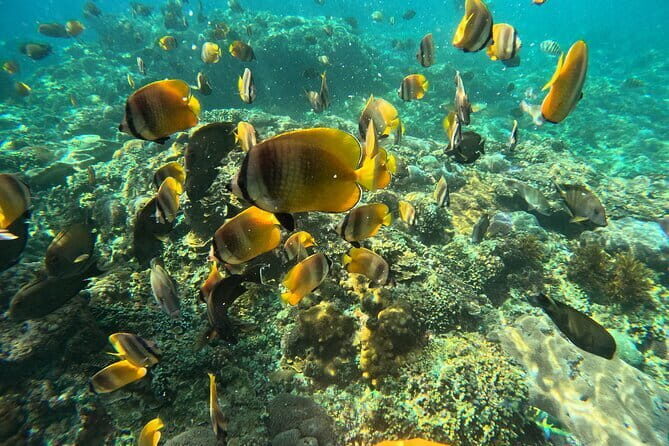
Snorkeling Manta Ray Safari in Nusa Penida

Snorkeling Manta Ray Safari in Nusa Penida - The Snorkeling Circuit: Manta Bay, Crystal Bay Beach, Gamat Bay, Wall Point

Manta rays, in snorkel distance.

This trip is all about getting up close to Nusa Penida’s giant manta rays, usually across multiple bays. You’re on a boat with a group no larger than 15, and there’s an underwater photographer to capture you and your group. You can also pick a departure time that fits your day, which matters on an island where plans can shift with sea conditions.

Two things I really like here: first, you don’t have to bring your own setup. They provide snorkeling gear and you don’t need a mask to start. Second, the underwater photo part is built into the experience, so you come home with more than just sea-wet memories.

One consideration: manta rays are wild. If water conditions are rough, or rays don’t show up where you expect, the day can feel less manta-focused than you hoped. Also, this is a do-it-yourself meeting point situation since there’s no hotel pickup.

Key Things To Know Before You Go

Snorkeling Manta Ray Safari in Nusa Penida - Key Things To Know Before You Go

  • Snorkel gear is included, so you can travel light
  • Underwater group shooting means you’ll have photos of the whole crew
  • Stops depend on water conditions, so expect 3–4 snorkeling locations in reality
  • No hotel pickup: plan transport to the Dolphino Snorkeling dock in Nusa Penida
  • Manta sightings aren’t guaranteed, but you’ll still see reef fish and coral
  • You might find the boat time tight at each spot, especially if it’s busy or the sea is moving

Getting There: Dolphino Snorkeling Dock and the Toyapakeh Start

You start at Dolphino Snorkeling in Nusa Penida, at Dermaga Banjar Nyuh, Ped. The tour does not include pickup from your hotel, so factor in transport time. This is one of those trips where showing up late can mess up the whole rhythm.

If you’re building a schedule from Sanur, I’d give yourself extra buffer. Some people have noted transfers from Sanur can run late, which then turns the whole trip into a scramble. Since the meeting point is fixed, arriving early is the easiest win.

You’ll use a mobile ticket. Keep it ready on your phone so you’re not hunting for signal while everyone else is boarding.

The Pace You’ll Feel: About 2.5 Hours on the Water

Snorkeling Manta Ray Safari in Nusa Penida - The Pace You’ll Feel: About 2.5 Hours on the Water
The posted duration is about 2 hours 30 minutes, and that’s a good length for a snorkel safari without turning it into a full-day slog. The practical reality is that your “time in the water” depends on wind, waves, and how quickly your boat can safely reach each bay.

This is not a slow beach-stroll snorkel. You’re moving from stop to stop, and when a guide calls out a sighting, it’s fast. I like that because it keeps the day focused, but it can also feel rushed if you’re hoping to linger or snorkel at your own pace the whole time.

Also, some people have felt there were more people on board than the max of 15. When that happens, each stop can feel more crowded and a bit hectic, since manta hunting tends to pull everyone toward the same patch of water at once. That’s the tradeoff for shared-boat value.

The Snorkeling Circuit: Manta Bay, Crystal Bay Beach, Gamat Bay, Wall Point

Snorkeling Manta Ray Safari in Nusa Penida - The Snorkeling Circuit: Manta Bay, Crystal Bay Beach, Gamat Bay, Wall Point
The tour typically visits three or four spots, and the common names are Manta Bay, Crystal Bay Beach, Gamat Bay, and Wall Point. Which exact ones you get can shift with water conditions, but the plan stays similar: hop into the water in different areas to increase your odds.

Manta Bay

This is the classic “go-to” spot name for a reason. If mantas are around, you’ll likely feel the energy here. The guides typically position the group to get the best chance of a sighting, and once something shows, you’re expected to react quickly.

If you’re the kind of snorkeler who likes calm, slow swims, this is where you might feel the pressure of everyone moving as a unit.

Crystal Bay Beach

Crystal Bay is often where you can enjoy the reef life without the full-on manta sprint mentality. Expect colorful fish and coral as part of the mix. Even when mantas don’t appear, this kind of stop helps keep the snorkeling satisfying.

It’s also a good location for people who mainly came for the underwater world, not only the big-ticket animal.

Gamat Bay

Gamat Bay tends to be another stop used to round out your marine-life variety. The goal is simple: you don’t just chase one creature all day. You’re meant to see plenty of fish and reef structure, with manta rays as the headline if conditions cooperate.

Wall Point

Wall Point is one more chance at a different underwater angle. When the sea is active, Wall Point-style sites can help you cover ground and not waste the trip waiting for one location to deliver.

Keep in mind that with any bay, the group gets brief timeframes in the water. One person mentioned about 20 minutes per spot as a felt pace, which lines up with how these safari formats usually run: enough time to swim, photo, and regroup, but not a long open-ended hang.

Gear, Photos, and Wildlife Etiquette That Actually Matters

Snorkeling Manta Ray Safari in Nusa Penida - Gear, Photos, and Wildlife Etiquette That Actually Matters
This is a well-thought-out basics package. You get snorkeling equipment included, and there’s also a towel and mineral water. You’re not juggling rentals at the last minute, which is a big deal on an island where time at each stop is tight.

The standout bonus is the group underwater shooting. An underwater photographer is on hand to take photos while you’re in the water. That means you get pictures that actually show you snorkeling, not just snapshots from dry land. Some people also talked about video being included or provided, so it’s worth keeping an eye out on what’s delivered at the end.

One more practical point: mantas and turtles are part of the show, and the staff works hard to keep the experience respectful. You should also do your part. Don’t touch wildlife. Don’t chase animals to the point where fins and bodies start bumping into each other. If you’re not a confident snorkeler, tell your guide early so they can keep you safe and placed well.

Manta Ray Reality Check: Wild Animals and Fast Decisions

Snorkeling Manta Ray Safari in Nusa Penida - Manta Ray Reality Check: Wild Animals and Fast Decisions
Here’s the honest truth of manta snorkel safaris: the ocean is not an aquarium. Manta rays can show up beautifully, or they can be absent during your exact window. I’ve seen this tour described as amazing when mantas appear, and also as disappointing when they don’t, even when staff did everything right.

Water conditions play a major role. When sea conditions get rough or currents pick up, captains and guides may change where you stop. That’s for safety, but it also affects manta odds.

You’ll also notice the group dynamic: when a guide spots a ray, there’s often a quick call and everyone goes in at once. That can create crowded water and accidental fin-to-fin moments if people lose control. If you want a calmer experience, plan to be patient and focused on your own breathing instead of sprinting at the exact second of the call.

If you get cold easily, consider that some people have mentioned the water can feel cold. A suit can make the snorkeling more enjoyable if you’re sensitive.

Value and Alternatives: Is $15.28 Worth It?

Snorkeling Manta Ray Safari in Nusa Penida - Value and Alternatives: Is $15.28 Worth It?
At $15.28 per person, the value is hard to beat for what you get: boat snorkeling across multiple bays, included gear, towel, water, and underwater photo shooting. The price is especially strong if you care more about the experience of being in the ocean with support than you do about total control over your schedule.

The main reason you see mixed reviews is not the price. It’s the nature of shared snorkeling: you’re trading personalized pace for lower cost. More people at each stop means less breathing room. Timing can feel rushed when the group needs to jump in quickly to maximize any chance of a manta sighting.

There’s also an option mentioned for a private boat. If you want your own group and a calmer version of the same overall idea, ask about Private Boat availability. From the info provided, it keeps the same duration and similar location ideas, just without the shared-boat crush. If manta rays are your one and only must-see, that private option can be the smoother way to go.

Should You Book This Nusa Penida Manta Ray Safari?

Snorkeling Manta Ray Safari in Nusa Penida - Should You Book This Nusa Penida Manta Ray Safari?
Book it if you want:

  • A low-cost way to snorkel Nusa Penida waters with gear included
  • An easy, structured day with an underwater photographer doing the heavy lifting on photos
  • A realistic “best chance” manta experience, not a guarantee

Skip it (or upgrade to private) if:

  • You get frustrated when trips are crowded or run on a tight pace
  • You need lots of quiet time in the water to feel fully satisfied
  • You’re extremely sensitive to cold and don’t want to suit up

My take: this is a good value safari if you go in with the right mindset. Treat mantas as a bonus, not a contract. If they show up, it’s one of those moments that sticks. If they don’t, you can still leave with reef snorkeling, turtles or other marine life sometimes, and photos you didn’t have to take yourself.

FAQ

Snorkeling Manta Ray Safari in Nusa Penida - FAQ

Do I need to bring my own snorkeling mask?

No. Snorkeling equipment is included, and the tour description specifically notes you do not need to bring a mask.

Where do I meet for the tour?

You meet at Dolphino Snorkeling (Dermaga Banjar Nyuh, Ped, Kec. Nusa Penida, Kabupaten Klungkung, Bali 80771).

Is hotel pickup included?

No. Pick up from hotel is not included.

How long is the snorkeling safari?

It’s listed at about 2 hours 30 minutes.

How many people are on the boat?

The tour has a maximum of 15 travelers.

What snorkeling locations will we visit?

You’ll typically visit three or four spots, commonly including Manta Bay, Crystal Bay Beach, Gamat Bay, and Wall Point. Water conditions can affect which exact locations you get.

Are underwater photos included?

Yes. There is group underwater shooting included, and the tour highlights that you can take home underwater photos.

What’s included in the price?

Included: snorkeling equipment, group underwater shooting, mineral water, and a towel.

Can I do a private boat instead of a shared group?

Yes. There is a Private Boat option offered for just your group, with the same duration and the same general type of locations.

What if the weather is bad?

The experience requires good weather. If it’s canceled due to poor weather, you’ll be offered a different date or a full refund.
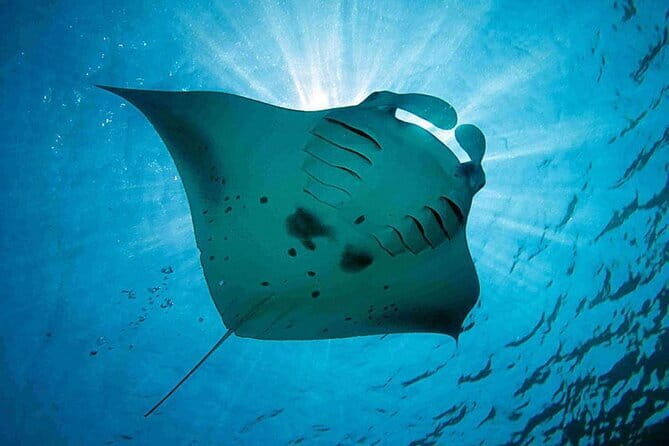
Can I cancel or change my booking?

This experience is non-refundable and cannot be changed for any reason, per the provided policy.

Scuba Diving in Nusa Penida – Manta Point

Scuba Diving in Nusa Penida - Manta Point - Manta Point: why people plan their whole day around this site

Manta rays are the main show here. I love how this trip is designed around Manta Point for close-up ocean sunfish and manta rays, and I also love the small-group structure (up to 3 certified divers per instructor). The main trade-off is simple: this is for certified people only, with minimum Open Water required.

You’ll also like how practical it feels. I like that morning tea, snacks, lunch, towels, and bottled water are included, and you’re not stuck figuring out gear logistics. A key consideration: the day runs on a tight schedule and can shift a bit with water and sea conditions, so it helps to stay flexible.

Finally, the setup matters. I like the careful prep—equipment fitting and a briefing, with a pool refresher if needed—because it sets you up to enjoy the water time. Just remember the conservation fee of 100,000 IDR per person is not included, and they require your height, weight, and shoe size for proper gear fit.

Key things I’d circle before you book

Scuba Diving in Nusa Penida - Manta Point - Key things I’d circle before you book

  • Manta Point-focused route with a real shot at seeing manta rays close up
  • Up to 3 divers per instructor, so you get hands-on attention
  • Meals and towels included, which makes the day feel more like a package than a hassle
  • Two or three underwater sessions with different return times (about 2PM vs 4PM)
  • Surface intervals built in (45–60 minutes), plus bottom times that run about 45–60 minutes

Sanur to Nusa Penida: the fast boat ride and long day rhythm

This is an early start out of Sanur, then a long, satisfying day on the water. You typically leave the scuba base around 8:30–9:00 AM, depending on your pickup and final check-in, and you’re back around 2:00 PM for 2 underwater sessions or about 4:00 PM for 3.

The speedboat runs about 45 minutes from Sanur to Nusa Penida. That matters because you’ll feel it—especially if you’re sensitive to motion—so it’s worth taking the seasickness support offered at the start if you’re even a little unsure. The day is structured so you can relax between sites rather than constantly “hustling” your way around.

Also note how much time you spend on the boat. You’re not doing a quick hop and swim; you’re committing to a full day with surface intervals planned at about 45–60 minutes. It’s more comfortable if you pack your own calm mindset: bring water bottle awareness, sun protection, and the expectation that the boat time is part of the experience.

Gear fit and prep at the Sanur scuba base (this is where comfort starts)

Scuba Diving in Nusa Penida - Manta Point - Gear fit and prep at the Sanur scuba base (this is where comfort starts)
Before you hit open water, the day begins with a proper routine: equipment fitting and checks, then a briefing. If you haven’t been in the water lately—or if your instructor thinks you’ll benefit—they can run a pool refresher session first.

I like this because it’s not just paperwork. You’re getting your gear dialed in (including fit), and you’re hearing site expectations and safety reminders before you’re out there with current and real depth. It’s also why they ask for your stats ahead of time.

They require all passenger heights, weights, and even shoe sizes for equipment setup. That sounds fussy, but it’s exactly what helps you avoid that annoying “gear feels wrong” problem once you’re in the water.

One more practical detail: they provide towels and they handle the gear, so you’re not trying to travel with scuba essentials. If you do bring extra equipment, they list additional items like dive computers and other add-ons as not included, so you can confirm what you want to use before you go.

Manta Point: why people plan their whole day around this site

Scuba Diving in Nusa Penida - Manta Point - Manta Point: why people plan their whole day around this site
Manta Point is the star of the show. The whole itinerary is built to maximize your chance of going to the famous area where manta rays often feed and cruise in view.

This is the kind of site where group control really matters. Your day runs with a small ratio—maximum 3 certified divers to 1 instructor—so you’re not competing with a huge crowd for attention, hand signals, and guidance. In a place like this, that calmer structure helps you stay relaxed, follow instructions, and actually enjoy the water time.

What you’re looking for:

  • manta rays (often in numbers when conditions line up)
  • ocean sunfish (mola mola are also possible, though sightings can’t be guaranteed)

A reality check you should keep in mind: sightings depend on day and conditions. I’ve seen enough divers share outcomes like missing mantas on a particular trip to know you shouldn’t treat it as a guaranteed ticket. But the way the tour is organized—timing, instructor attention, and the focus on Manta Point—gives you a strong shot.

Kelingking Beach and Crystal Bay: what you’re doing between the headline animals

Scuba Diving in Nusa Penida - Manta Point - Kelingking Beach and Crystal Bay: what you’re doing between the headline animals
You’re not just sitting around waiting for the mantas. The itinerary includes stops that balance big-animal moments with reef and marine-life variety.

Kelingking Beach stop: this is part of the transfer and site rhythm once you’re on Nusa Penida. It gives the day a sense of place—these cliffs are dramatic above water—then you move on so the underwater sessions fit the plan. Even when conditions or timing tweak the order, you still get real time in the water rather than “just a boat ride.”

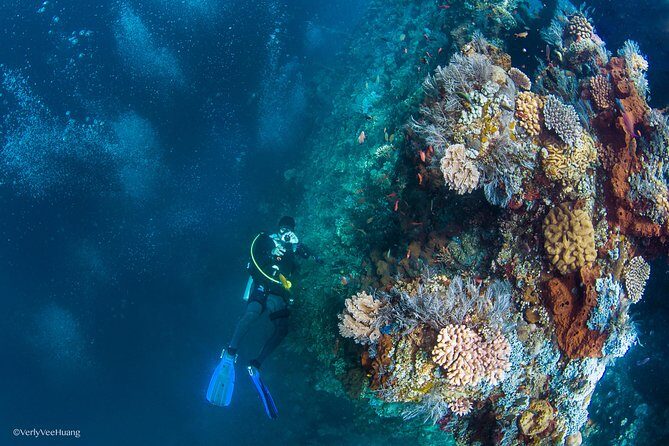
Crystal Bay stop: this is another highlight built for seeing marine life in a more reef-like setting. Think schools of fish and coral scenery, the kind of stuff that makes your logs feel full even if the mantas are slower or fewer.

Here’s what I like about the way the day is paced: it’s not a “one-and-done” experience. You’re set up for multiple underwater sessions, and the surface intervals (45–60 minutes) give you enough time to catch your breath, snack, and reset.

Timing details that affect comfort: return time, intervals, and bottom time

Scuba Diving in Nusa Penida - Manta Point - Timing details that affect comfort: return time, intervals, and bottom time
The schedule is pretty clear once you choose 2 vs 3 underwater sessions. The return time is approximately 2:00 PM after 2 sessions, or about 4:00 PM after 3 sessions.

Most people choose 3 because it gives you more chances at the best sites in the day. One important booking consideration: if you select 2 sessions, sometimes they can’t always keep the early 2:00 PM return. In those cases, you may need an upgrade to 3 sessions to preserve timing.

Bottom time is typically 45–60 minutes, depending on each diver’s air consumption. Surface intervals are scheduled for 45–60 minutes. Practically, that means you shouldn’t plan on staying totally “on edge” the whole day. You’ll have repeated breaks where you can eat, hydrate, and regain comfort.

If you’re prone to getting cold, keep it in mind that Nusa Penida boat days can feel chilly once you’re wet and exposed, especially on breezy crossings. The itinerary includes towels and snacks, which helps a lot, but your body will still feel the water temperature.

Food, comfort, and the small touches that make the day feel smooth

This trip is unusually good on “stuff that matters” because meals are included. You get morning tea and snacks, plus lunch and bottled water. Towels are provided too, which sounds minor until you’re trying to stay warm and comfortable after a session.

From past experiences with well-run Bali operators, the best ones understand that divers get a salt-mouth, snack-desire moment between sessions. This one has that covered. There are also touches like fruit after early water time and coconut-water style refreshment between sessions, which can feel like someone finally thought about the human part of the day.

Lunch is included, and vegetarian options are available if you request them at booking. Dietary needs should be communicated ahead of time, so you’re not stuck with “hope you like what’s left.”

Facilities matter too when you’re out in the morning and gone until mid-afternoon. Divers often appreciate clean bathrooms and shower areas at the base, and this operation aims to keep the pre- and post-water flow easy.

Price and value: is $175 really fair for this format?

Scuba Diving in Nusa Penida - Manta Point - Price and value: is $175 really fair for this format?
At $175 per person, the headline question is whether you’re paying for “the mantas” only, or for real logistics and included services. Here’s how I’d size it up:

Included in the price:

  • Sanur-area hotel pickup and drop-off in select zones
  • boat charter
  • scuba equipment use
  • professional guide and insurance
  • snacks, morning tea, lunch, bottled water
  • towels

Not included:

  • a conservation fee of 100,000 IDR per person
  • extra items like your own dive computers, extra wetsuits/hoodies, or extra tanks if you want them

For a full day with boat transport, insured organization, and all gear handled, it’s strong value—especially compared with trying to piece together separate transportation + gear rental + guides. The only reason you might feel sticker shock is if you’re already local, already own everything, and planned to book shorter, independent sessions.

My practical take: if you want close manta odds and you don’t want to manage the details yourself, $175 lands in the “worth it” zone.

Who this trip fits best (and who should skip it)

This is made for certified divers only. Minimum Open Water Diver certification is mandatory, and the operator also sets equal experience levels for the group. That matters for safety and comfort, because it keeps expectations aligned underwater.

Minimum age is 10 years old. If you’re older but rusty, the pool refresher option can help you regain confidence before the open water portion.

It’s not recommended if you have active asthma. It’s also not recommended for people with recent surgeries or special medication. If any of those apply, check with a medical professional before you plan your trip—and ask your provider if they have any specific restrictions.

If you’re traveling with someone and want a structured day, this is a good choice because your group ratio is small and the whole day is planned around your time in the water rather than wandering around.

Should you book the Nusa Penida Manta Point day with Neptune Scuba?

Yes, if your priority is a tightly organized day built around manta-ray country and you’re certified with comfortable skills. The small instructor ratio, meal-and-towel convenience, and the focus on Manta Point make it a strong option for value and real-world ease.

I’d think twice if:

  • you’re not certified yet (this isn’t an intro format)
  • you’re extremely sensitive to boat motion and don’t want to take seasickness support
  • you’re hoping for a guaranteed manta encounter regardless of conditions (no operator can promise that)

If you want the “I did the best-odds version of this day” feeling, this itinerary is built for you.

FAQ

Do I need scuba certification to join this tour?

Yes. You need a minimum Open Water Diver certification to participate.

How many underwater sessions are offered, and when do you return?

You can do 2 or 3 underwater sessions. The tour returns around 2:00 PM after 2 sessions, or about 4:00 PM after 3 sessions.

How long is the speedboat ride to Nusa Penida?

The speedboat ride from Sanur to Nusa Penida is about 45 minutes.

What’s included in the $175 price?

The price includes hotel pickup and drop-off in select areas, boat charter, professional guide, scuba equipment use, scuba insurance, lunch, snacks, bottled water, and towels, plus taxes and handling charges.

Is there an extra fee I should budget for?

Yes. A conservation fee of 100,000 IDR per person is not included.

What happens if the weather is bad?

The experience requires good weather. If it’s canceled due to poor weather, you’ll be offered a different date or a full refund.
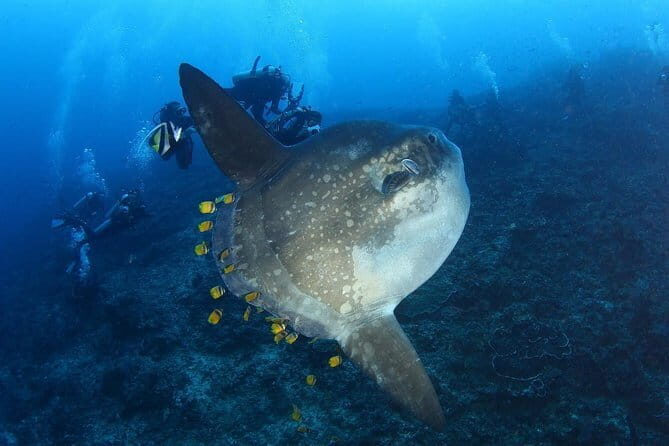
Bali Nusa Penida and Private Snorkeling (Manta Bay, Gamat, Wall)

Bali Nusa Penida and Private Snorkeling (Manta Bay, Gamat, Wall) - Starting early from Kuta: why the 6:30 am time matters

Penida feels like a different planet. In one long day you’ll get cliffside viewpoints and then jump in for snorkeling across three classic sites, where the goal is manta rays and varied reef life.

I especially like the private format: your guide stays with you all day, and you’ll also have a private snorkeling boat with the key gear handled. Reviews even call out standout guides such as Tama and Yam, plus other guide pairings like Wyatt and I Made Ardika, which is a nice sign that the service quality is consistent.

One thing to consider: you’re snorkeling in open water, and conditions matter. If the sea is rough or there’s current, the day can feel more physically demanding than you expect, and you should also keep an eye out for reports of jellyfish in the area.

The highlights that make this day trip worth your time

Bali Nusa Penida and Private Snorkeling (Manta Bay, Gamat, Wall) - The highlights that make this day trip worth your time

  • Manta Bay, Gamat Bay, and a Wall Point spot: three chances to see big marine life and colorful coral.
  • Fast-boat time saver from Sanur: you spend more hours on Penida and less time stuck in transit.
  • Private boat + included snorkeling equipment: fins, mask, and life jacket are all part of the package.
  • English-speaking guide with a car and driver: you get smooth handoffs between land stops and the water.
  • Balanced time at each photo stop: not too rushed, not too slow.
  • Lunch and bottled water included: small thing, big stress-saver on an early start.

Price and logistics: what you’re really paying for

Bali Nusa Penida and Private Snorkeling (Manta Bay, Gamat, Wall) - Price and logistics: what you’re really paying for
At $145 per person for a roughly 10-hour day, the question isn’t just the sticker price. It’s what’s already folded into it.

You’re getting:

  • Pickup and return transfer to Sanur Harbor using a private A/C car (with an English-speaking driver/guide).
  • Round-trip fastboat to Nusa Penida from Sanur.
  • A private snorkeling boat plus snorkeling gear (mask, fins, life jacket).
  • A professional snorkeling instructor onboard.
  • Lunch (Indonesian food) and bottled water.
  • Admission tickets for the land/photo stops and all fees and taxes.

That bundle matters because Penida logistics can become a time-suck fast. Getting the boat, gear, guide, and land stop tickets organized on your behalf means you don’t lose half a day chasing details. You’re essentially buying a day plan that’s built to reduce friction.

Also note the setup is private for your group, but the fastboat ticket is listed as public fastboat. Practically, that means you may share the main boat ride with other passengers, while the snorkeling side is private.

Starting early from Kuta: why the 6:30 am time matters

Bali Nusa Penida and Private Snorkeling (Manta Bay, Gamat, Wall) - Starting early from Kuta: why the 6:30 am time matters
The tour starts at 6:30 am. That early departure is not just a formality—it’s how you protect snorkeling time on Penida.

Nusa Penida is a long day even when everything runs smoothly. The early start helps you:

  • Get to the island before the day gets chaotic.
  • Hit the land viewpoints in the morning while lighting and crowds are often easier.
  • Transition to the snorkeling stops with enough daylight left.

If you’re prone to motion sickness, this is one moment to take seriously. A fastboat means you should be ready for a bumpy ride, especially when the sea is active.

Land stops on Nusa Penida: the cliff views before the water

This tour strings together three major land stops, each around 30 minutes. You’ll get the classic Penida rock scenery: dramatic formations, viewpoints that feel like they’re carved out of stone by hand, and photo spots that are famous for a reason.

Kelingking Beach viewpoints

Kelingking Beach is a top early stop. You’ll spend about 30 minutes there, with an included admission ticket.

What to expect:

  • You’re visiting a rock-and-cliff scene where the wow factor is the shapes and scale.
  • You’ll want to give yourself time to move slowly, because the terrain around viewpoints can be uneven.

If you’re the type who likes photos but hates rushing, this timing usually feels fair: enough time to take your shot and still walk back at a calm pace.

Angel’s Billabong lagoon

Next up is Angel’s Billabong, also about 30 minutes.

This is a lagoon-style attraction—more of a “natural pool” vibe than a sandy beach. The big attraction is the way the water and rock meet, creating that signature Penida look.

Practical note: this is a photo stop, so dress and shoes matter. You’ll likely be standing and walking on paths tied to the viewpoint.

Pasih Uug (Broken Beach)

The third land stop is Pasih Uug, also known as Broken Beach, again around 30 minutes.

This one is all about natural rock formations. And it can be more than just scenery. One highlight from prior bookings: a couple reported seeing dolphins around the Broken Beach area. Nothing here is guaranteed, but it’s the kind of stop where you might get lucky with sea life.

After Broken Beach, you’ll transition toward snorkeling spots by boat.

Snorkeling schedule: three short sessions that add up

Bali Nusa Penida and Private Snorkeling (Manta Bay, Gamat, Wall) - Snorkeling schedule: three short sessions that add up
After the land part, the day shifts into snorkeling mode. You’ll do three snorkeling locations, with travel time by boat between them and about 15 minutes in the water at each spot.

That “15 minutes” structure is worth understanding. It’s not meant to be a long swim marathon. It’s built to keep the day moving so you can hit multiple areas and increase your chances of seeing different marine life.

Here’s the practical flow you can expect:

Manta Bay: the big-name reason you came

Manta Bay is often the headline stop. The boat ride to reach it is about 25 minutes, and then you’ll snorkel for about 15 minutes.

In calm conditions, this is one of the most exciting places on Penida to look for manta rays. Reviews do emphasize getting up close to mantas as a major payoff, though the sightings depend on conditions and animal movement.

Tips that actually help here:

  • Be ready to adjust quickly once you’re in the water. Manta-friendly currents and visibility can change fast.
  • Don’t expect every minute to be a manta minute. Think of it as a focused search with a strong chance of success.

Gamat Bay: reef life plus bigger-water action

From Manta Bay to Gamat Bay takes about 20 minutes by boat. Snorkeling there is roughly 15 minutes.

This spot is popular for reef and marine life, and it can also bring stronger conditions. One prior booking specifically warned to watch for current at Gamat Bay, which is a good reminder to stay relaxed and follow your instructor’s cues.

If you want the “see cool stuff without fighting the ocean” experience, tell your guide right away if you’re unsure about swimming in current. With the instructor onboard, you’re not meant to improvise.

Wall Bay Point (Crystal Bay): the wall-and-bay feel

The next transfer is around 15 minutes by boat to Wall Bay Point, and snorkeling is also about 15 minutes.

This location is described as a wall point—a bay shape where you can experience that classic Penida snorkeling feel: open water in front, rock structure, and a sense that the reef drops off into the blue.

If the sea is active, this is where your guide’s setup decisions matter. A good guide will position you so you’re not constantly straining to stay in the right viewing zone.

What the included snorkeling gear and instructor change

Bali Nusa Penida and Private Snorkeling (Manta Bay, Gamat, Wall) - What the included snorkeling gear and instructor change
This is the part that often separates a “tour” from a smoother day.

You’re not just booking a boat and hoping for the best. You’re getting:

  • Snorkeling equipment (fins, mask, life jacket).
  • A professional snorkeling instructor.

The instructor role isn’t fluff. In spots like Manta Bay and Gamat Bay, water movement can affect how easily you can watch. With an instructor, you’re more likely to snorkel in the zone that makes the effort worthwhile.

Also, one booking notes feeding fish by hand and seeing a turtle. That kind of moment can happen when conditions and local practice align—so yes, keep your eyes open.

Sea conditions, jellyfish, and comfort tips that are worth your attention

Bali Nusa Penida and Private Snorkeling (Manta Bay, Gamat, Wall) - Sea conditions, jellyfish, and comfort tips that are worth your attention
Open-water snorkeling on Penida isn’t always gentle.

One booking includes a very honest warning about jellyfish. Another calls out rougher water and needing to take it easier. You can’t control the ocean, but you can prepare smartly:

  • Eat something light before you go (you’ll be up early).
  • Bring a plan for sun and spray—long-sleeve swimwear and a hat can help, if you already use them.
  • If jellyfish are present, listen to your instructor and avoid sudden splashing. Simple movements help.

And if the sea is rough, the day can feel more tiring even if the snorkeling sessions are short. That’s also why the tour asks for moderate physical fitness. You’ll be walking around viewpoints and getting in and out of boats; you don’t need to be an athlete, but you should be comfortable with a full-day pace.

The real value: “smooth from start to finish” service

Bali Nusa Penida and Private Snorkeling (Manta Bay, Gamat, Wall) - The real value: “smooth from start to finish” service
The strongest theme across the experience is how organized it feels.

People highlight:

  • Smooth handoffs between land stops and snorkeling.
  • The right amount of time at each spot.
  • A private setup that feels VIP—especially when you have a private boat and your guide(s) stay on top of the day.

Guide names showing up in bookings—like Tama and Yam, plus others such as Wyatt and I Made Ardika—suggest a team that knows how to keep the day on schedule. That matters because Penida days can spiral fast if timing falls apart.

If you want a day that feels managed (not chaotic), this tour is built for that.

Who this tour is best for

Bali Nusa Penida and Private Snorkeling (Manta Bay, Gamat, Wall) - Who this tour is best for
This setup fits best if you:

  • Want a high-effort day but prefer someone else to handle transport, tickets, and gear.
  • Like mixing viewpoints and snorkeling in one go.
  • Want multiple snorkeling locations without planning each stop yourself.
  • Are comfortable with a long day starting early and doing some walking on uneven ground.

It’s also a good option if you’re traveling with a partner or small group and want that “just our group” feel while still getting the bigger-spot snorkeling experience.

Should you book Bali Nusa Penida with private snorkeling?

I think you should book it if you want the best chance at a memorable Penida day without turning it into a logistics project.

Book it if:

  • You’re excited about snorkeling variety—Manta Bay, Gamat Bay, and Wall Bay Point in one trip.
  • You appreciate included gear, instructor support, and a guided plan.
  • You value smooth coordination more than spontaneity.

Skip or rethink if:

  • You’re very sensitive to rough water. Fastboats and open-water snorkeling can be uncomfortable when conditions change.
  • You want long, uninterrupted time in the water. The snorkeling blocks are short by design.

If you can handle a full day and you want manta-region snorkeling with a structured itinerary, this is a solid value.

FAQ

What time does the tour start?

The start time is 6:30 am.

How long is the tour?

It runs for about 10 hours (approx.).

Is pickup included?

Yes. It includes return transfer to Sanur Harbor with a private A/C car.

Does the price include the fastboat?

Yes. The package includes a round-trip fastboat ticket to Nusa Penida from Sanur.

Do you get snorkeling equipment and an instructor?

Yes. You’ll have a private snorkeling boat, plus snorkeling equipment (fins, mask, life jacket) and a professional snorkeling instructor.

Which snorkeling spots are included?

The tour includes snorkeling at Manta Bay, Gamat Bay, and Wall Bay Point (with snorkeling time at each spot).

What’s not included in the tour price?

The tour lists Go Pro and personal expenses as not included.

What happens if weather is bad?

The experience requires good weather. If it’s canceled due to poor weather, you’ll be offered a different date or a full refund. Cancellation is free if you cancel up to 24 hours in advance.
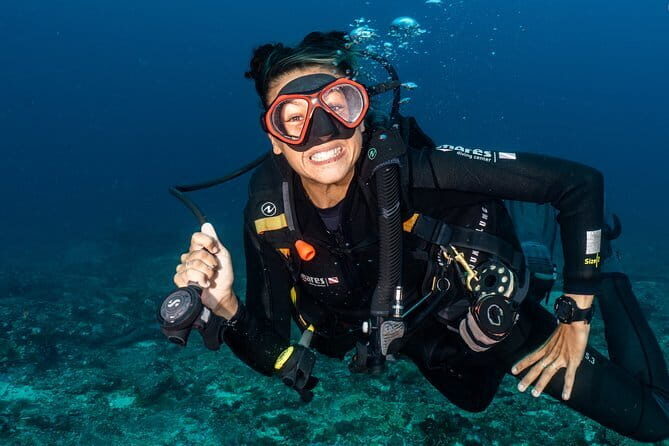
Nusa Penida Snorkeling with Manta Bay and Land Tour

A long day, packed with ocean time, can be great—or chaos. This one is both, in the most Penida way: fast boat, multiple snorkeling stops, then a land tour built for big viewpoints. If you like structure and hate planning, you’ll appreciate the run-of-day layout.

I like the included return transfers from Ubud (and nearby Bali areas), because you’re not stuck figuring out which driver to trust at 6:30am. I also like that your day isn’t only snorkeling—there’s time for the classic Penida photo locations, plus a local lunch to keep you going.

One thing to consider: the schedule is tight. With limited time between stops and the possibility of crowds on popular points, the day can feel rushed, and on some days snorkeling can be crowded with lots of boats in the same areas.

Key things to know before you go

Nusa Penida Snorkeling with Manta Bay and Land Tour - Key things to know before you go

  • Early pickup (start around 6:30am): you’re moving while Bali is still waking up
  • Manta Bay snorkeling included: plus additional bays like Crystal Bay and Wall/Gamat areas
  • Shower and lunch: you’ll clean up and fuel up after the water time
  • Land tour time is limited: Kelingking, Broken Beach, and Angel’s Billabong are worth it, but you’ll be moving
  • Group size capped at 28: big enough for energy, small enough to avoid total gridlock

Morning Pickup to Sanur: Getting to Nusa Penida Without the Stress

Nusa Penida Snorkeling with Manta Bay and Land Tour - Morning Pickup to Sanur: Getting to Nusa Penida Without the Stress
Your day starts early, with pickup beginning around 6:30am. The plan is to collect people based on where you’re staying (Kuta, Seminyak, Nusa Dua, Canggu, Sanur, and Ubud are covered), then head toward the port area in Sanur or Serangan. If you’re staying farther out (like Uluwatu/Pecatu/Balangan/Kutuh/Tegalalang/Kedewatan/Payangan), there’s an extra pickup fee of $8 per person.

This is the part that can make or break your mood. When the timing works, it feels easy: you hop in, you get to the port, and you move on. But there are also reports of waiting—people collecting other passengers, slower-than-ideal boarding, or a hot-car pause before you even reach the boat. So if you’re sensitive to delays, I’d mentally budget extra time for the first half of the day.

Fast Boat to Penida and the Reality of a Busy Day

Nusa Penida Snorkeling with Manta Bay and Land Tour - Fast Boat to Penida and the Reality of a Busy Day
Once you arrive at the port around 8:00am, you’ll check in and then board a fast ferry to Nusa Penida. The crossing is about 40 minutes, and the route gets you to Penida port by roughly 9:15am.

Here’s why this matters: Penida is famous for a few specific areas, and those areas are popular. When you go early, you give yourself a better shot at less crowded water. When your start slips, everything else can feel rushed, because the itinerary doesn’t slow down.

One more practical point: the trip is capped at a maximum of 28 travelers. That’s not tiny, but it’s not a huge floating circus either. Still, snorkeling points can get crowded fast because Penida’s marine life spots are shared by many operators using similar routes.

Snorkeling at Manta Bay: What the Day Feels Like in the Water

Nusa Penida Snorkeling with Manta Bay and Land Tour - Snorkeling at Manta Bay: What the Day Feels Like in the Water
Snorkeling starts shortly after you arrive on Penida. The schedule has you set off around 9:45am to begin exploring snorkeling locations in the Penida area.

Your snorkeling route includes Manta Bay and other stops such as Wall Point / Wall Bay Point, Crystal Bay, and Gamat Bay. The idea is simple: you’re not betting everything on one single spot. If one area is less active that day, you’ve got other chances.

What you should expect during snorkeling:

  • Short time at each stop. Each snorkeling segment is built around quick exploration rather than long water hangs.
  • Gear is included if you booked the snorkeling package option: snorkel, fins, and life jacket, plus a towel.
  • Underwater photos may be offered if you selected that add-on.

Now, the big question: do you see mantas? Sometimes, but not always. One piece of feedback was straightforward: the day was enjoyable, but manta rays were not seen. That matches reality on islands with changing currents and animal behavior. I’d treat mantas as a bonus, not a guarantee, and I’d still go for the overall snorkeling experience and the variety of bays.

Also watch for the crowd factor. The most negative feedback calls out mass-style snorkeling: too many people, too many boats, and a general feeling of moving through stops. On the flip side, there’s also feedback that the staff and process can feel safe and well handled. Your best bet is to be flexible: expect a fun day, but don’t expect a calm, private reef.

Penida Land Tour: Kelingking, Broken Beach, and Angel’s Billabong

Nusa Penida Snorkeling with Manta Bay and Land Tour - Penida Land Tour: Kelingking, Broken Beach, and Angel’s Billabong
After snorkeling wraps around 11:45am, you’ll finish, grab a shower, then head for lunch around 12:15pm. After you eat, the land tour begins at about 1:00pm. This is where the itinerary turns into a fast sightseeing route.

Your land stops include:

  • Kelingking Beach
  • Broken Beach (listed as Pasih Uug / Broken Beach)
  • Angel’s Billabong

You’ll also see the other context stops tied to the route through Penida, with each stop given limited time (about 30 minutes per stop in the summary). That’s enough to get the view, snap photos, and get your legs moving—but not enough for long wandering or lingering.

Kelingking Beach: the viewpoint that defines Penida

Kelingking Beach is a signature rock hill jutting out toward the ocean. You’re going for the drama: cliffs, drop-offs, and the sense that you’ve arrived at the island everyone posts. The trade-off is crowds and lines. When time is short, the photo-taking process can feel like a queue: you see the view, you wait your turn, then you move on.

Broken Beach (Pasih Uug): the split-rock coastal scene

Broken Beach is another classic coastal formation. You’ll get a short window to take it in and walk to the viewpoint areas available at that time. Like Kelingking, it’s built for quick appreciation. If you want slow travel and lots of extra steps, this is the part where you’ll feel constrained by the schedule.

Angel’s Billabong: the sea pool look

Angel’s Billabong is a sea pool formation right on the coast. The weather and tide can change what it looks like, but the overall idea is consistent: a photogenic pool-like view with ocean right beside it. It’s a good “finish the tour with a wow” stop—if you don’t get stuck in a line and if your timing holds.

Timing, Crowds, and Safety: How to Manage the Long Day

Nusa Penida Snorkeling with Manta Bay and Land Tour - Timing, Crowds, and Safety: How to Manage the Long Day
This tour is built on a strict rhythm: hotel pickup, port check-in, ferry crossing, multiple snorkeling points, lunch, then multiple viewpoint stops. That structure is helpful because you don’t need to plan transport. But it also creates pressure.

Here’s what the schedule implies for you:

  • You’ll spend more time in transit than you expect. The day is about moving between Penida zones and staying on the clock.
  • Snorkeling time is limited per stop. So you’ll want to be ready, organized, and comfortable putting on gear quickly.
  • Land photo stops can feel like a run. Short stays mean you don’t get the luxury of lingering in one spot.

On safety and operations, feedback is mixed. Some notes say pickup/drop-off felt safe. Other notes criticize crowded boats and confusing processes, and even mention an operator refusing to cancel during inclement weather (putting profits ahead of safety, in their view). That doesn’t mean it’s always like that, but it’s a reminder to stay realistic: this is a high-demand route, and you’re working inside that reality.

If you want to reduce stress, come with a calm plan:

  • Arrive at pickup ready to go (water, sunscreen, hat).
  • Keep expectations flexible about mantas.
  • Treat snorkeling like a fun sequence, not a private encounter.

Price and What You’re Really Buying for $55.42

Nusa Penida Snorkeling with Manta Bay and Land Tour - Price and What You’re Really Buying for $55.42
At $55.42 per person, this tour can feel like good value—mainly because so much is rolled in. Included features cover:

  • Return hotel transfer from the listed Bali areas (no separate drop-off to a different hotel)
  • Fast ferry tickets to Penida (described as public boat tickets)
  • Land transportation on Penida
  • Lunch (Indonesian food)
  • All fees and taxes
  • Entry/admission at the destinations
  • Snorkel kit basics (snorkel, fins, life jacket) if you booked the snorkeling package option
  • Towel
  • Underwater photos if you selected that option
  • A shower after snorkeling (part of the flow)

Your cost goes mostly toward transport, the ferry, and the guided movement between Penida hotspots. That’s smart if you don’t want to organize day-of logistics yourself.

When it may not feel like value: if you’re the type who wants uncrowded snorkeling and long stays at each scenic stop. In that case, you might find yourself paying for a “many spots, short time” approach, which isn’t everyone’s style. If your biggest priority is mantas in calm water, you may still want to compare options that offer fewer stops or longer time on the sea.

Who This Tour Fits Best (and Who Should Pick a Different Pace)

Nusa Penida Snorkeling with Manta Bay and Land Tour - Who This Tour Fits Best (and Who Should Pick a Different Pace)
This tour is a good match if you:

  • Want a one-day plan that includes both snorkeling and Penida viewpoints
  • Like the idea of multiple snorkeling locations (so you’re not betting everything on one bay)
  • Prefer transfers and tickets handled for you
  • Are okay with short stops to see the main highlights

It might frustrate you if you:

  • Hate crowds and want quiet water
  • Need lots of time to take photos and walk around slowly
  • Get stressed by tight schedules and repeated transitions

It’s especially well suited for people staying in central Bali like Ubud, Seminyak, Canggu, Nusa Dua, and Kuta—because pickup and drop-off are part of the package. If you’re based in far-flung areas, check whether the extra pickup fee applies to your exact pickup point.

Should You Book This Nusa Penida Snorkeling with Manta Bay and Land Tour?

Nusa Penida Snorkeling with Manta Bay and Land Tour - Should You Book This Nusa Penida Snorkeling with Manta Bay and Land Tour?
I’d book it if your travel style is “see the classics, hit the water, don’t micromanage.” The included transfers, ferry, lunch, admission fees, snorkeling gear (when selected), and shower after snorkeling make it practical. The land tour also saves you from piecing together drivers and routes for Kelingking, Broken Beach, and Angel’s Billabong.

I’d think twice if your top goal is a serene, low-crowd snorkeling day or if you’re very sensitive to delays. There are enough red flags in feedback about crowded boats, confusing boarding flow, and schedule pressure that you should go in prepared.

Quick checklist before you say yes:

  • Bring a positive, flexible mindset for a full day
  • Budget time for early pickup and port check-in
  • Treat manta sightings as possible, not promised
  • Plan for short viewpoint stops, not slow hikes

FAQ

FAQ

What time does the tour start?

The meeting/start time is 6:30am, with hotel pickup starting around that early window.

How long is the full tour?

The duration is listed as about 8 hours.

Where does the boat depart from, and how long is the crossing?

You’ll arrive at the Sanur/Serangan port, check in, then take a fast boat to Penida. The crossing is about 40 minutes.

Which snorkeling spots are included?

The snorkeling portion includes Manta Bay, Wall Point/Wall Bay Point, Crystal Bay, and Gamat Bay.

Is lunch included?

Yes, lunch at a local restaurant is included.

Do I get snorkeling gear and life jacket?

Snorkel, fins, and a life jacket are included if you booked the snorkeling package option.

Are hotel transfers included?

Return transfers are included from Kuta, Seminyak, Nusa Dua, Canggu, Sanur, and Ubud. The package notes it does not include drop-off to a different hotel.

What land-tour stops are visited?

The land tour includes Kelingking Beach, Broken Beach (Pasih Uug), and Angel’s Billabong.

How big is the group?

The tour has a maximum of 28 travelers.

Is there an extra fee for certain areas?

Yes. Extra pickup from Uluwatu/Pecatu/Balangan/Kutuh/Tegalalang/Kedewatan/Payangan costs $8 USD per person.

What happens if the weather is bad or I need to cancel?

The experience requires good weather. If canceled due to poor weather, you’ll be offered a different date or a full refund. It’s listed as non-refundable and cannot be changed for any reason, but weather-related cancellation is handled with the options above.

Nusa Penida Snorkeling 3 Point with Manta Bay & Land Tour

Nusa Penida Snorkeling 3 Point with Manta Bay & Land Tour - Sanur fast boat reality: timing, crowds, and comfort

A manta-chasing morning on Nusa Penida.

This is a one-day combo built around snorkeling at Penida and then hitting the island’s famous viewpoints by land. You’ll get picked up in Bali (often around 6:30), transfer to Sanur, ride a public fast boat to Penida, snorkel at three spots, then cruise back before evening. The timing is long, but it’s also the whole point: you’re squeezing two very different sides of Penida into one day—sea life and cliff views—without having to organize anything yourself.

I like the straightforward transport: hotel pickup by air-conditioned car, return fast boat tickets, and land transport on Penida. I also love the snorkeling set-up, with a lineup designed for variety—Manta Bay (manta chances), plus Wall Point/Gamat Bay and Crystal Bay for reef and coral time. Even when conditions aren’t perfect, the tour typically keeps the day moving and gets you to real snorkeling water, not just a swim-stop mirage.

My main caution is the pace. This is a long, rushed day, and on rougher sea days or busy seasons the snorkeling and island viewpoints can feel tight—less time to linger than you’d like, plus limited freedom to roam on your own.

Key takeaways before you go

Nusa Penida Snorkeling 3 Point with Manta Bay & Land Tour - Key takeaways before you go

  • Manta Bay is a chance, not a promise: conditions and timing matter, so set expectations for sightings.
  • Crowds happen twice: at Sanur check-in/boarding and also in the water when it’s peak season.
  • Snorkel time can be short: think quick swims, not a slow, exploratory reef day.
  • Land tour is photo-driven: Kelingking, Broken Beach, and Angel’s Billabong get you there fast, with minimal stop time.
  • Facilities are basic: changing, showers, and toilets can be imperfect—pack for practical comfort.
  • Your sea legs matter: breakfast helps, and choppy water days can turn the ride into a test.

Morning kickoff from Ubud to Sanur: the 6:30 plan

Nusa Penida Snorkeling 3 Point with Manta Bay & Land Tour - Morning kickoff from Ubud to Sanur: the 6:30 plan
Your day starts early. Pickup is commonly around 6:15–7:15 depending on your Bali hotel location, and the official start time is listed as 6:30. The goal is simple: get you to Sanur in time for boat check-in without trying to beat traffic at the last second.

This part is genuinely useful. You don’t have to figure out the Sanur route, parking, or ticket queues. The ride is in an air-conditioned car (from areas like Ubud, Kuta, Canggu, Sanur, Nusa Dua, and Jimbaran), and it sets you up for the biggest “unknown” of the day: sea conditions.

One practical note: breakfast is recommended before the snorkeling boat to help with seasickness. If you’re prone to motion sickness, plan to take it seriously. Even if you’re brave on regular car rides, fast boats to Penida can still feel like they’re running on a bumpy track.

Sanur fast boat reality: timing, crowds, and comfort

Nusa Penida Snorkeling 3 Point with Manta Bay & Land Tour - Sanur fast boat reality: timing, crowds, and comfort
The crossing is around 45 minutes on a fast boat, and Sanur is usually busy. Expect lines and clustering because you’re not traveling solo. The tour is capped at a maximum of 28 travelers on the activity side, but the public fast boat crossing can still feel full.

Comfort tips matter here:

  • Bring a waterproof bag for your phone and small gear.
  • Pack light. You’ll be changing clothes quickly after snorkeling, and you don’t want a heavy backpack to manage in a crowded area.
  • If you want to reduce discomfort, wear secure water sandals or shoes.

Also, know that sea conditions can change everything. The tour depends on weather, and on choppier days you may feel more motion, the water may be murkier, and snorkeling time can feel even tighter than usual. The good news: your day is built with a buffer of multiple stops, so if one location under-delivers, the others may still be worthwhile.

Snorkeling at Penida: Manta Bay, Gamat/Wall Point, Crystal Bay

Nusa Penida Snorkeling 3 Point with Manta Bay & Land Tour - Snorkeling at Penida: Manta Bay, Gamat/Wall Point, Crystal Bay
Snorkeling is the heart of this tour. The itinerary is designed for variety across three well-known areas, with the potential to spot mantas at Manta Bay if you’re lucky and conditions line up.

1) Manta Bay: the big-name hope

Manta Bay is where people go for manta rays. The reality is that sightings depend on water movement, visibility, and what the mantas are doing that day. When it goes well, it’s a highlight—majestic and close. When it doesn’t, you still get reef and fish life, but the star attraction may not show.

It’s also the type of place that draws lots of boats. On busy days, you may find multiple groups in the same general water area. That doesn’t automatically ruin it, but it does change the vibe: more busy water, less quiet drifting.

2) Wall Point / Gamat Bay: where the reef often shines

Wall Point (also described alongside Gamat Bay) tends to deliver stronger coral and fish life for many snorkelers. Even when Manta Bay isn’t great, this is often the stop that makes you glad you came.

If you want a practical snorkeling strategy, this is it: focus on staying calm and working your way along whatever reef wall or coral formation is closest rather than chasing every swirl of activity. When visibility is cloudy, steady scanning usually wins.

3) Crystal Bay: coral time and parrot fish vibes

Crystal Bay is a classic for coral and fish, with a reputation for good underwater scenery. It’s often where snorkelers feel the payoff, especially if you got a slower start earlier in the day.

A heads-up from real-world experience: you may only get a short window in each spot. People tend to underestimate how little time you actually spend in the water when you add boat movement, gear, brief entry instructions, and exiting/swapping locations.

Gear, life jackets, and towels

Snorkeling gear is listed as included if you selected the gear/life jacket/towel option. Life jackets are part of the snorkeling set-up, and they matter in rougher conditions. Still, I recommend you confirm you’re comfortable in the provided setup before you enter the water.

Towels and shower logistics can be inconsistent. Some days you’re fine; other days you might be glad you brought a compact quick-dry towel of your own.

The in-between stretch: shower, lunch, and energy reset

Nusa Penida Snorkeling 3 Point with Manta Bay & Land Tour - The in-between stretch: shower, lunch, and energy reset
After snorkeling, you’ll finish around late morning and get a shower. Then lunch kicks in around midday at a local restaurant with Indonesian food. Lunch is included, and in practice it’s usually basic-but-filling rather than fancy.

This is where you should plan like a pro:

  • Hydrate. The day is long and you’re doing sun + sea.
  • Pack a small waterproof snack if you’re the type who gets hungry fast between transfers.
  • If you’re sensitive to heat, wear something light and breathable on the land tour.

Some riders report that changing/shower spaces can be crowded or a bit rough around the edges. You’re dealing with shared facilities, time pressure, and a lot of people all cycling through at once.

Penida land tour at speed: Kelingking, Broken Beach, Angel’s Billabong

After lunch, the island tour begins. You’ll do the big three: Kelingking Beach, Broken Beach, and Angel’s Billabong. The scenic payoff here is real—cliffs, dramatic viewpoints, and Instagram-famous shapes.

The trade-off is time. This is a fast circuit. In many cases, you’re only at each viewpoint briefly, often oriented around getting your photos and then moving on to the next stop. On a long travel day, that can feel more like a checklist than a slow walk with time to breathe.

A bright spot: the guides for the island portion (including named guide Ekka in some groups) can be funny and energetic, and they often manage the schedule carefully. When you get a good guide, the rushed structure feels more tolerable because you’re still hearing little notes and explanations while you move.

Kelingking: the cliff drama

Kelingking is the signature cliff view. It’s stunning from the viewpoint areas, and it’s one of those places where you can understand why people plan their whole trip around it. But it can also be physically demanding if you choose steep paths or stairs—watch your footing and energy.

Broken Beach: the natural cutout

Broken Beach is the classic view of the ocean carving through rock. It’s great for photos, especially when the light is clear. Crowds build here too, so if you’re hoping for a quiet moment, you’ll need patience and good timing.

Angel’s Billabong: the water at the edge

Angel’s Billabong is another cliffside highlight, famous for the natural pool-like look depending on tides and conditions. Expect it to be popular and busy, and plan for short stop time.

Who this tour suits best (and who should rethink it)

This works best if you want one-day efficiency. You’re not trying to live on Penida. You want snorkeling, plus the key viewpoints, and you’re okay with a schedule that feels “go-go-go.”

It’s a good fit for:

  • First-time Penida visitors who want the big hits fast
  • Snorkelers who are comfortable with short water time per stop
  • People who value convenience over freedom

It may be a poor fit if:

  • You want a relaxed beach-day pace
  • You’re easily seasick and hate fast boat motion
  • You love long viewpoint hangs where you can linger for golden light
  • You prefer a more hands-on guide experience with more time in fewer places

If any of the above describes you, you might consider a shorter snorkeling-only option or a private driver once you’re on Penida. The private approach is often where you regain time.

Price and value: what $51.57 is really buying you

At about $51.57 per person, this is positioned as a budget-friendly way to do Penida without planning. That price is meaningful because it bundles:

  • Return hotel transfers by car (from listed Bali areas)
  • Fast boat tickets back and forth (public fast boat)
  • Land transportation on Penida
  • Lunch
  • Snorkeling gear/life jacket/towel only if you selected that option

You’re paying for logistics. Not for unlimited time. Not for private boat comfort. Not for a slow, flexible itinerary.

So is it worth it? Often yes—if you match the tour’s style. If you show up expecting a curated, low-crowd day with lots of freedom, you may feel squeezed. If you come ready for quick hits, the value can feel solid.

Also remember: Penida’s roads and traffic can take longer than you think. Even with good driving, time gets eaten. This tour is built for completing the circuit, not for lingering.

Safety and comfort: how to make a smoother day

From a practical angle, your biggest “risk” isn’t the itinerary—it’s conditions and crowds.

Here’s what I’d do to reduce stress:

  • Take seasickness prevention if you’re sensitive (and eat light before boarding).
  • Wear secure water shoes. Some of these areas involve rocky entry and quick movement.
  • Pack a waterproof phone pouch and a dry change of clothes for after snorkeling.
  • Expect basic shower/changing areas. Bring your own quick-dry towel if you care about comfort.
  • Bring a small amount of cash for small on-island needs you might run into, including toilets.

If sea conditions look rough at check-in, it’s okay to reconsider your snorkel plan. The tour operates as scheduled, and you don’t want to force a choppy-day swim if you’re not feeling steady.

Should you book this Nusa Penida snorkeling and land tour?

Book it if you want a cost-effective, first-try Penida day. You’ll likely appreciate the organization, the chance at mantas, and the way the island tour stitches together the big-name viewpoints efficiently.

Skip it (or go private) if you know you hate long drives, you’re very time-sensitive, or you’re looking for a slow, quiet day underwater and on the cliffs. In those cases, the “schedule-first” structure can make the experience feel rushed.

If you do book, go in with smart expectations:

  • Mantas are a bonus.
  • Snorkeling is short per stop.
  • Viewpoints are quick photo moments.
  • Pack for comfort, not for luxury.

FAQ

FAQ

What time does the pickup usually start?

Pickup starts early in the morning, with the activity starting around 6:30 am. The exact pickup time depends on your Bali hotel location.

How long is the whole tour?

The tour is listed at about 10 hours 30 minutes (approx.), though in real timing it can feel longer due to traffic and schedules.

Where does the fast boat depart from?

You transfer to Sanur port in Bali, then take a fast boat from Sanur to Nusa Penida.

What snorkeling spots are included?

The snorkeling part is planned for three points on Nusa Penida: Manta Bay, Wall Point/Gamat Bay, and Crystal Bay.

Is manta ray viewing guaranteed?

No. The tour offers manta ray chances, but you’re not guaranteed to see them.

What’s included in the price?

Included items are return hotel transfer by air-conditioned car (from listed areas), return fast boat tickets, land transportation on Nusa Penida, lunch, and snorkeling gear/life jacket/towel only if you selected that option.

Does the tour include breakfast?

Breakfast is not included. You’re advised to breakfast before the trip to help with seasickness.

Is this tour crowded?

It’s a shared group day and the fast boat can be busy. The snorkeling activity is capped and organized by group, but you should expect crowds at check-in and during peak snorkeling times.

What happens if the weather is bad?

This experience requires good weather. If it’s canceled due to poor weather, you’ll be offered a different date or a full refund.
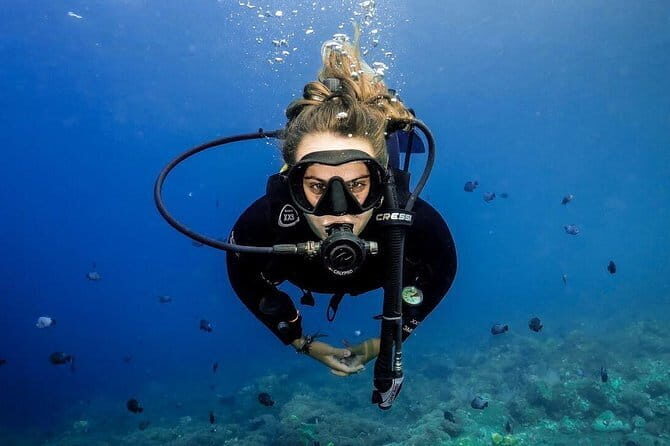
What age range can join?

The age limit is 7 to 75 years old.
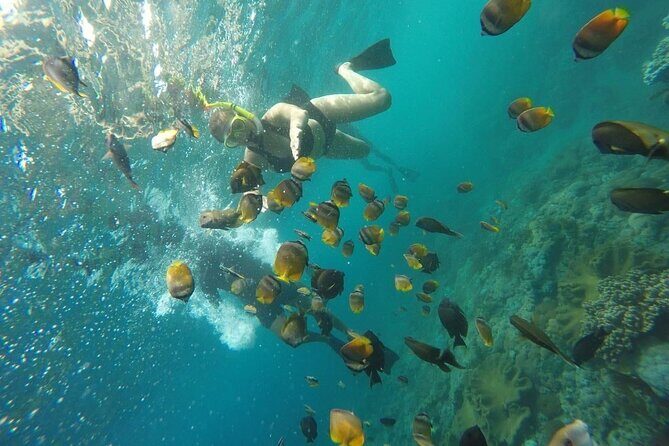
Is the tour refundable if I cancel?

This experience is non-refundable and cannot be changed for any reason.
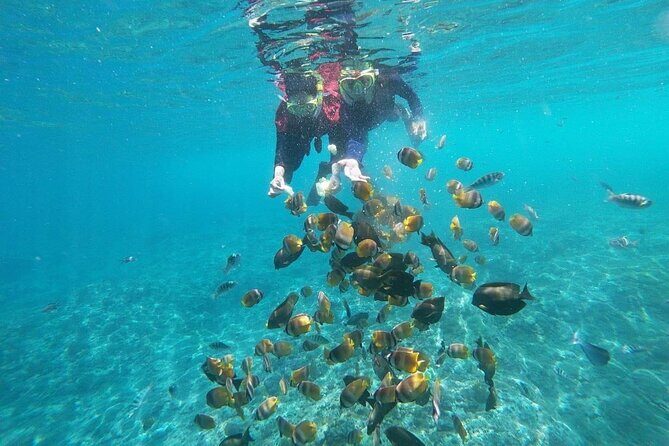
Nusa Penida day trip: boat, 4 snorkeling, Manta rays & Land tour

Nusa Penida day trip: boat, 4 snorkeling, Manta rays & Land tour - Four Water Stops on Nusa Penida: Mangrove Point, SD Point, Wall Bay, Manta Point

One day can feel like a whole mini-adventure. This Nusa Penida tour packs four snorkel opportunities and a real shot at manta rays, plus Kelingking cliff photos and an included lunch.

What I love most is the tight plan (so you don’t waste the day getting there) and the small group size, max 13. One thing to consider: the boat ride can be choppy, and if you get motion sick easily, plan for that upfront.

Key Highlights at a Glance

Nusa Penida day trip: boat, 4 snorkeling, Manta rays & Land tour - Key Highlights at a Glance

  • Fast boat from Sanur saves hours versus slower ferry schedules
  • Four water stops with drift snorkeling plus a final manta-ran swim depending on conditions
  • Small group (13 max) for easier monitoring and calmer pacing
  • Underwater GoPro photos/videos included so you’re not stuck with blurry memories
  • Private car for the land portion instead of a mini-bus jam

Sanur Morning Start: How the 7:45 Fast-Boat Day Works

Your day begins in Sanur at Seagrass by the beach. The meeting point is set for 7:30am at the latest, with the boat leaving around 7:45am. This matters because Nusa Penida snorkeling is very time-and-tide dependent. A slow start can mean missing the best water windows.

Also, this tour is designed around speed: it’s a private speed boat for the full day, rather than a ferry-style slog. You’ll feel the difference in the schedule. Instead of burning half your day just crossing water, you get time to actually snorkel at multiple spots and still see Kelingking.

There’s a practical downside. The sea can be rough. Even with a well-run ride, people can get rattled on the way out and back. If you know you’re sensitive to motion, take steps before boarding. One repeat tip from real-world experience: consider motion-sickness medicine about 30 minutes before the boat.

Small Group, Serious Safety: What Guides and Free Divers Do

Nusa Penida day trip: boat, 4 snorkeling, Manta rays & Land tour - Small Group, Serious Safety: What Guides and Free Divers Do
This tour caps at 13 travelers, which is a big deal for an island day like Penida. Smaller groups mean clearer communication, easier buddy-checks in the water, and less chaos when currents change.

You also get a professional guide plus a free diver (and that pairing shows up in how the day runs). Guides focus on where you’re going, what the water is doing, and how to handle entry and exit safely at each stop. In multiple stories, guides were praised for keeping people together and actively helping with comfort, technique, and positioning for wildlife spotting.

The GoPro part is also tied to how the day is managed. When the crew is organized, you get photos without spending your snorkeling time fiddling with cameras. Many of the best comments mention that the GoPro videos and photos came out well, even for people who don’t usually swim with gear.

One outlier note exists in the overall feedback: a small number of negative comments raised concerns about boat safety condition. The operator response included the point that departures follow official clearance from authorities. My practical advice: listen closely to the safety briefing, and if anything feels off on the boat, speak up immediately.

Four Water Stops on Nusa Penida: Mangrove Point, SD Point, Wall Bay, Manta Point

Nusa Penida day trip: boat, 4 snorkeling, Manta rays & Land tour - Four Water Stops on Nusa Penida: Mangrove Point, SD Point, Wall Bay, Manta Point
The snorkeling plan is built around variety. You don’t just repeat the same reef. You go to different habitats, different currents, and different wildlife zones. The day’s total water time is spread so you can enjoy each stop instead of rushing all four back-to-back.

Mangrove Point (Nusa Lembongan): Drift Snorkeling for Corals and Turtles

Your first snorkeling stop is Mangrove Point, right off Nusa Lembongan. Expect drift snorkeling in front of the island, described as about a 1km drift. This style is great when you want to watch fish move past you without constantly swimming against current.

This stop is often highlighted as a “corals and turtles garden” type location. Even if you don’t see a turtle every run, this is the kind of reef setting that supports the food chain for bigger wildlife.

Duration is about 30 minutes. That’s enough time for a couple of calm passes, plus a reset after the boat ride.

SD Point (Nusa Penida): A Coral Garden Stop With Time to Chill

Second snorkeling stop is SD Point on Nusa Penida. This is another reef-focused area, described as a corals garden where you can relax on the boat between swims. The itinerary gives you around 30 minutes here.

In practice, this kind of stop is where you slow down a bit and enjoy the reef fish. If you’re hoping for mantas later, this earlier stop helps you get comfortable with snorkeling conditions and gear handling.

Wall Bay Point (Nusa Penida): More Reef Time and Fish Variety

After lunch, you return to the water at Wall Bay Point. The itinerary gives about 30 minutes. This stop is described as a beautiful snorkeling area with coral and lots of fish types.

This is also where pacing helps. By now you’ve already done two snorkeling entries, so you know what to expect from the group routine: listen, enter as instructed, stay aware of the current, then exit together.

A good call here is water shoes. Several people also recommended them for comfort and traction in rocky entry areas (even when the snorkel staff is on top of things).

Manta Point (Nusa Penida): Your Best Shot at Giant Rays

The final highlight is Manta Point (or Manta Bay, depending on conditions). This portion is around 45 minutes and is where the day can become unforgettable.

Important detail: it’s dependent on water conditions. That means the guide might choose the best workable location for safety and visibility, and you might see more than you expect—or you might see none. But the tour is structured specifically to give you a real chance.

Many highly praised experiences mention multiple manta rays, sometimes described as several in one session, plus sea turtles. Even when mantas are shy, the combination of healthy reefs and good crew positioning can still make this stop a standout.

Kelingking Cliff and Nusa Penida Lunch With Infinity Pool Views

Nusa Penida day trip: boat, 4 snorkeling, Manta rays & Land tour - Kelingking Cliff and Nusa Penida Lunch With Infinity Pool Views
Between water time, you get land time on Nusa Penida. After snorkeling, the schedule shifts to Kelingking Beach via a private car from the harbor area. You’ll have about 40 minutes around the cliff for views and pictures.

Kelingking is the kind of stop where you’ll want to take a few steps for angles, not just snap one photo. The itinerary is short, so the best move is to stay organized: sunscreen, water, and camera ready, because Nusa Penida sun hits hard.

Then comes lunch at a cozy restaurant on Nusa Penida. Lunch is included, and the setting gets mentioned a lot: a beach-club style place with an infinity pool vibe and a well-known photo opportunity called Heaven’s Gate. Even if you don’t care about Instagram angles, the main value is a proper sit-down meal with a view after hours on water.

This lunch stop also acts like a reset. Your body will appreciate the break, especially if the boat ride out was bumpy or you spent a lot of energy equalizing and swimming during the first snorkel.

GoPro Underwater Photos and Videos: The Memory Upgrade

Nusa Penida day trip: boat, 4 snorkeling, Manta rays & Land tour - GoPro Underwater Photos and Videos: The Memory Upgrade
If you’re on a one-day schedule, you need memories that don’t depend on your skill with a waterproof phone case. This tour includes underwater photos and videos shot with a GoPro.

From the feedback, a lot of people were happy with results, including first-timers to snorkeling. That’s not magic; it’s logistics. The crew helps you get in position and then captures the moment while you focus on swimming and spotting wildlife.

One more practical point: the staff often handles gear and towel logistics for you, which reduces time wasted figuring things out in the sun. You’ll also have drinking water provided, and an air-conditioned vehicle for the land portion.

Price and Value at $78: What You’re Really Paying For

Nusa Penida day trip: boat, 4 snorkeling, Manta rays & Land tour - Price and Value at $78: What You’re Really Paying For
At $78 per person, this isn’t a budget-only option, but it’s not just “paying for a name” either. The value comes from how much is bundled:

  • Private speed boat for the whole day
  • Snorkeling equipment
  • Lunch
  • Underwater GoPro photos/videos
  • Professional guide and free diver
  • Private car during the land portion (not a mini-bus)

The extras you should plan for are also clearly defined. Hotel pickup/drop-off isn’t included in the base price. The tour notes a start price of 150,000 IDR per way per car for private drop-off service. Breakfast isn’t included either.

So the real question becomes: can you get to the meeting point in Sanur easily? If you’re already in the Sanur area, this tour becomes a stronger deal. If you’re far out and need add-on transport, budget for that before you compare costs.

In my view, the best value is for people who want multiple snorkel sites and a manta-runs ending without spending a full day coordinating ferries, drivers, and schedules themselves.

Motion Sickness, Water Shoes, and Entry Ladders: Small Fixes That Matter

Nusa Penida day trip: boat, 4 snorkeling, Manta rays & Land tour - Motion Sickness, Water Shoes, and Entry Ladders: Small Fixes That Matter
Here are the practical things that can make or break a rough-weather day.

1) Motion sickness help

Multiple real experiences mentioned choppy waves on the boat. If you get sick easily, bring something and use it before you board. Don’t wait until you’re already swaying.

2) Water shoes

Even if you can swim fine, rocky entry zones can be annoying. Water shoes help comfort and footing.

3) Ask about how you enter the water

One review noted the staff initially expected everyone to jump straight into the water, and the person who preferred a ladder had to request accommodation before the staff adjusted. That’s a simple heads-up: if you want a ladder option, ask early and clearly.

4) Heat management on the island

Kelingking and the lunch stop can feel hot fast. Plan for sun protection, water discipline, and pace. The day is only about 8 hours, but Penida sun doesn’t care about your schedule.

Who Should Book This Nusa Penida Day Trip (and Who Might Want Another Plan)

Nusa Penida day trip: boat, 4 snorkeling, Manta rays & Land tour - Who Should Book This Nusa Penida Day Trip (and Who Might Want Another Plan)
This tour fits best if you want a structured day with lots of highlights and you’re okay with an active schedule.

It’s listed for travelers with moderate physical fitness. It also has age boundaries: not recommended for children under 6, and not for travelers over 69.

One more personal fit check: the boat ride can be rough. If you know you can’t handle ocean swells, this is risky. If you’re comfortable with bumpy rides and you can handle snorkeling gear and short swims at multiple sites, you’ll likely enjoy the flow.

It also makes sense for solo travelers who want guided structure and don’t want to figure out timing alone. The small group helps here too.

Should You Book This Nusa Penida Tour?

Book it if your priority is: four snorkeling chances, a strong shot at mantas, and Kelingking views in a single day with an organized crew. The inclusion of GoPro underwater photos/videos and the small group size are practical wins, not just marketing.

Skip it or choose a different setup if you know you’re prone to motion sickness, you prefer a very relaxed pace, or you want a lot more flexibility if weather changes. This is a weather-dependent ocean day, so plan mentally for adjustments if the water conditions aren’t perfect.

FAQ

What’s the duration of the Nusa Penida day trip?

The tour is listed at about 8 hours (approx.).

Where do I meet for the tour in Sanur?

The meeting point is Seagrass by the beach, Jalan Setapak, Sanur, Denpasar Selatan, Bali. The latest arrival time is 7:30am, and the boat leaves around 7:45am.

How many snorkeling stops are included?

There are four water segments during the day: Mangrove Point, SD Point, Wall Bay Point, and Manta Point (or Manta Bay).

Is manta ray snorkeling included?

Yes, the itinerary includes Manta Point (or Manta Bay), with a manta-ray swim opportunity. The location depends on water conditions.

What’s included in the price?

Lunch, snorkeling equipment, all fees and taxes, professional guide and free diver, private speed boat for the day, drinking water, towels, underwater GoPro photos and videos, and private car during the land tour (not a mini-bus), plus an air-conditioned vehicle.

What’s not included?

Hotel pickup/drop-off and breakfast are not included. Pickup/drop-off is listed starting from 150,000 IDR per way per car.

How big is the group?

The maximum group size is 13 travelers.

Is the tour suitable for children or older adults?

It’s not recommended for children under 6. It also states it’s not for travelers over 69.

What happens if weather is poor?

This experience requires good weather. If it’s canceled due to poor weather, you’ll be offered a different date or a full refund.