
Bali Courses: How to Learn Yoga, Cooking, Surf and Bahasa Indonesia
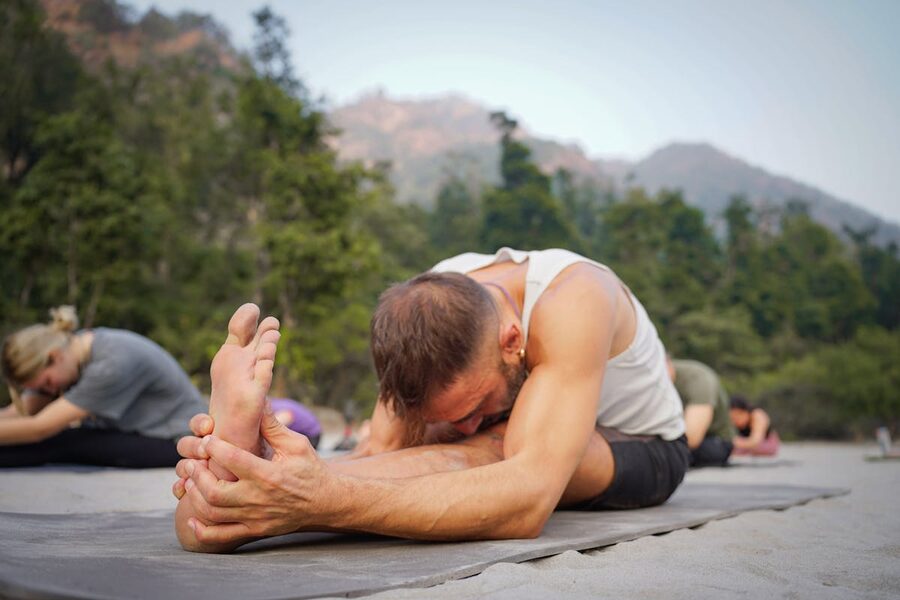
The graduation circle at Yoga Barn happens at sunset on the last day of the 200-hour. Twenty trainees, mostly women in their thirties, sat on cushions in the upstairs shala while a teacher pressed her thumb into the third eye of each one and said something quiet in a mix of English and Sanskrit. Outside, the dusk insects were warming up their evening racket. One trainee, a Dutch nurse named Annelot who had been quiet most of the month, started crying when her thumb-print landed. Not loudly. Just the kind of crying you do when a thing you decided to do at home is suddenly real, and you’re holding a Yoga Alliance certificate that says you can teach this stuff to other people now. After the ceremony she walked back to her homestay in Penestanan, ordered a Bintang from the warung at the bottom of her path, and texted her boyfriend that she’d booked another month.
That’s one way to learn something in Bali. Here’s the catalogue of everything else you can pick up here in a week, two weeks, or a month, with the schools I’d actually send a friend to and the prices I’ve seen in 2025. Yoga teacher training, cooking classes, surf school, Indonesian language, silver jewellery, painting, meditation, permaculture. Most are in Ubud, which has been the learning capital of the island since the 1970s, but Canggu and Sanur and the Bukit have their own scenes too.
In This Article
- Yoga Teacher Training: The 200-Hour Decision
- Real certification vs the racket
- Cooking Classes: Half Day, Full Day, or the Real Thing
- Surf School: The Foam-Board Years
- Indonesian: The Language Most Travellers Don’t Bother With
- Silver Jewellery and Crafts: The Ubud Workshop Day
- Meditation and Silent Retreats
- Permaculture and Sustainability Courses
- The Practical Bit: Visas, Where to Stay, and Real Costs
- Visa logistics
- Where to stay near each scene
- Real total costs
- What I Wouldn’t Bother With
- Where to Start If You Only Have a Week
Yoga Teacher Training: The 200-Hour Decision
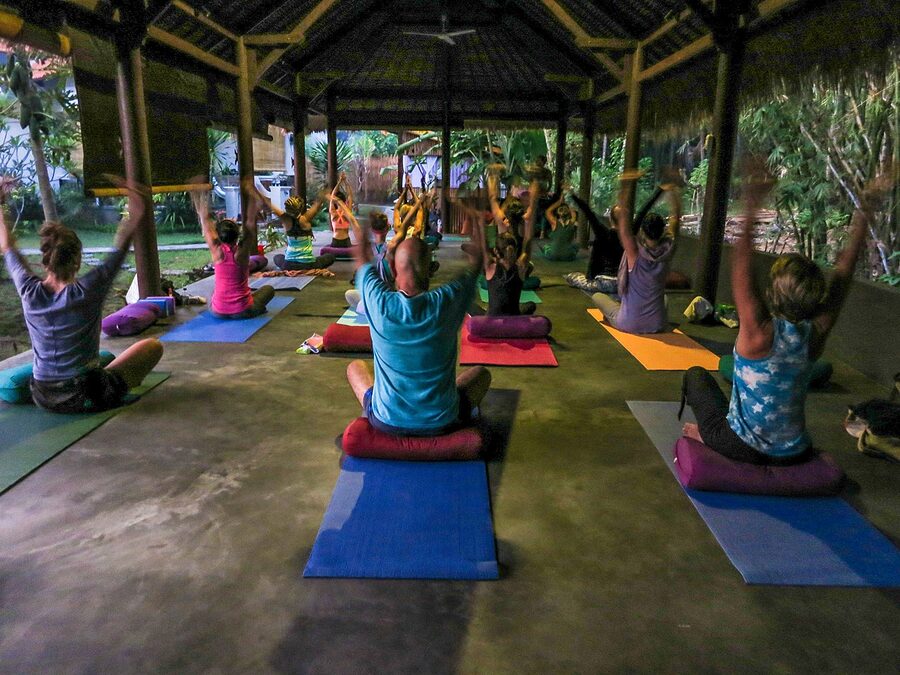
Bali has been the world’s go-to spot for a 200-hour Yoga Alliance teacher training (RYT-200) since the early 2010s. Costs run roughly $1,800 to $3,500 for a 24- or 28-day intensive, with the higher end including private accommodation and three vegetarian meals. A 300-hour or full RYT-500 sits at $4,500 and up, usually split across two months. Cheaper than Rishikesh once you factor in food quality, more expensive than India, much better lifestyle. That’s the trade.
The four schools I’d shortlist:
- The Yoga Barn (Ubud): the original. Multiple 200hr Hatha and Vinyasa intakes per year, plus 300hr advanced and short specialty trainings. Largest community, biggest noticeboard, best chance of finding teaching work after. Drop-in classes run from Rp 175,000 if you just want to test the studio first.
- Radiantly Alive (Ubud): RA Vinyasa is their own lineage, taught by founder Daniel Aaron and a strong faculty. Smaller cohort sizes than Yoga Barn, more anatomy-heavy. Around $3,200 for the 200hr.
- The Practice (Canggu): pranayama-led, slower, more inward. The 200hr here will not turn you into a power-vinyasa teacher; it will turn you into a teacher who can sit with people in silence. For some this is the point. For others, a mismatch.
- Power of Now Oasis (Sanur): the Sanur option, beach-facing, smaller and quieter than the Ubud scene. Good if you want to study without the Ubud yoga-bro intensity.
Real certification vs the racket
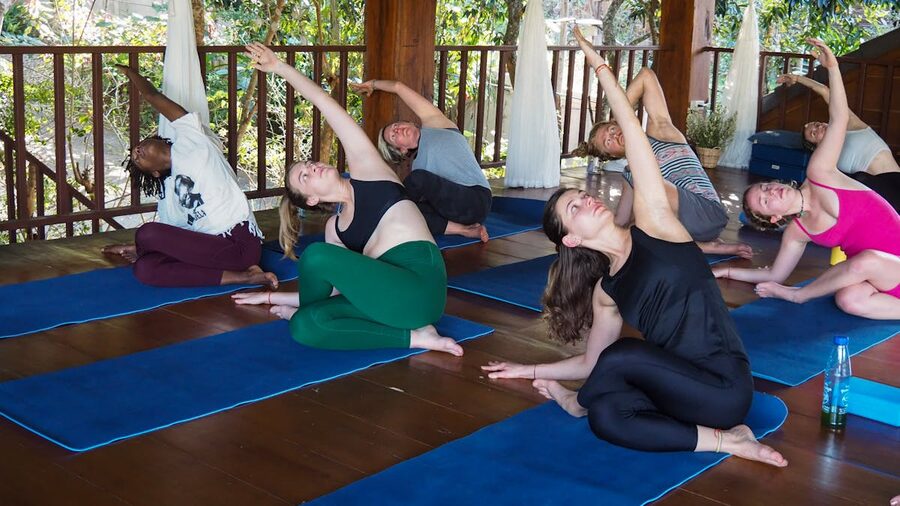
The thing nobody tells you: a “Yoga Alliance certified” course only means the school is registered with Yoga Alliance and follows their hour requirements. Yoga Alliance does not vet quality. There are 200-hour TTs in Bali run by people with two years of practice and a printer. If a course costs less than $1,500 and the school has been going under three years, ask hard questions. Read reviews on YogaTrail and the r/YogaTeachers subreddit, not the school’s own website. Ask which faculty are actually teaching this round (founders sometimes only show up for opening and closing). And know that a Bali RYT-200 won’t impress anyone in New York if you can’t actually teach when you get back, so don’t pick the cheapest one and call it done.
Cooking Classes: Half Day, Full Day, or the Real Thing
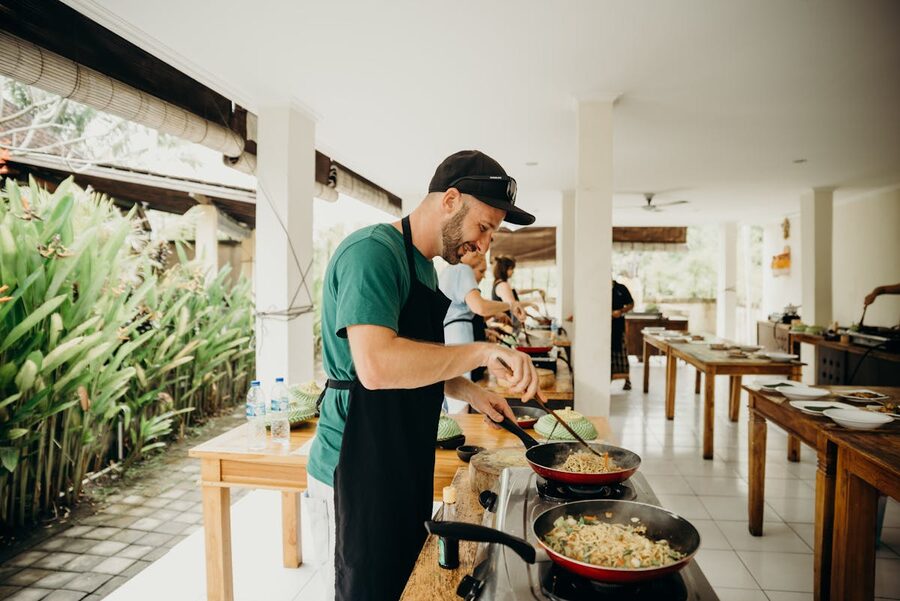
Bali cooking classes split into two camps. The half-day “make four dishes and eat them” version, around Rp 350,000 to Rp 500,000 (about $22 to $32). And the full-day version that starts at a wet market at 6 a.m., walks you through the spice paste base (bumbu), and finishes with you eating six dishes you cooked, around Rp 600,000 to Rp 950,000 ($38 to $60). The full day is what you actually want. The market visit is the part you’ll remember in five years; the dish-making is the part you’ll repeat at home.
The four worth your time:
- Paon Bali Cooking Class (Laplapan, Ubud): the one most travellers come back raving about. Family-run since 2010, set in a traditional compound 15 minutes east of central Ubud. Full-day class with market visit, around Rp 700,000. You’ll cook sate lilit (minced satay on lemongrass skewers), sambal matah (raw shallot-and-lemongrass salsa), nasi kuning, and a coconut-milk vegetable curry. Book a week ahead.
- Casa Luna Cooking School (central Ubud): Janet DeNeefe’s school. She’s been running classes here since the 1990s and wrote one of the better Balinese cookbooks in English. Slightly more polished than Paon, slightly more expensive, includes a one-night stay option if you want the full experience.
- Bumbu Bali Cooking School (Tanjung Benoa, Nusa Dua): chef Heinz von Holzen runs this. He wrote the textbook on Balinese cuisine that culinary schools actually use. Day starts at the Jimbaran fish market before sunrise, full day, around $95. The most serious of the lot if you’re a real food person.
- Lobong Culinary Experience (north of Ubud): smaller scale than the others, hosted at a traditional compound, includes a tour of the family rice paddy and a quick blessing at the household temple. Good if you want the cultural framing as much as the cooking.
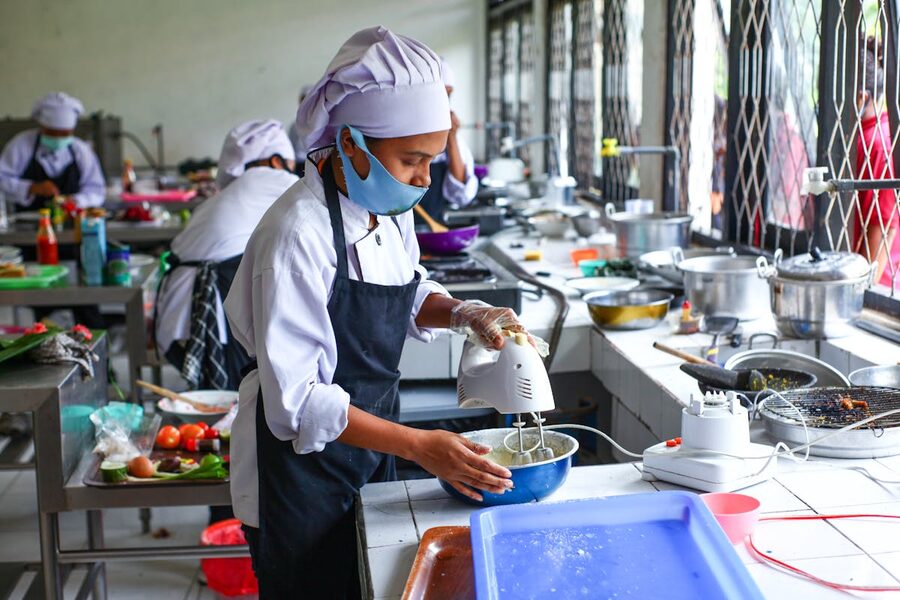
One thing nobody warns you about: the half-day class at 10 a.m. that brings you to a “market” for ten minutes is often a tour stop the school owns, not a real working market. If the brochure says “market visit” but the meeting time is after 8 a.m., the market is probably an exhibition. Real markets close their main trade by 9.
Surf School: The Foam-Board Years
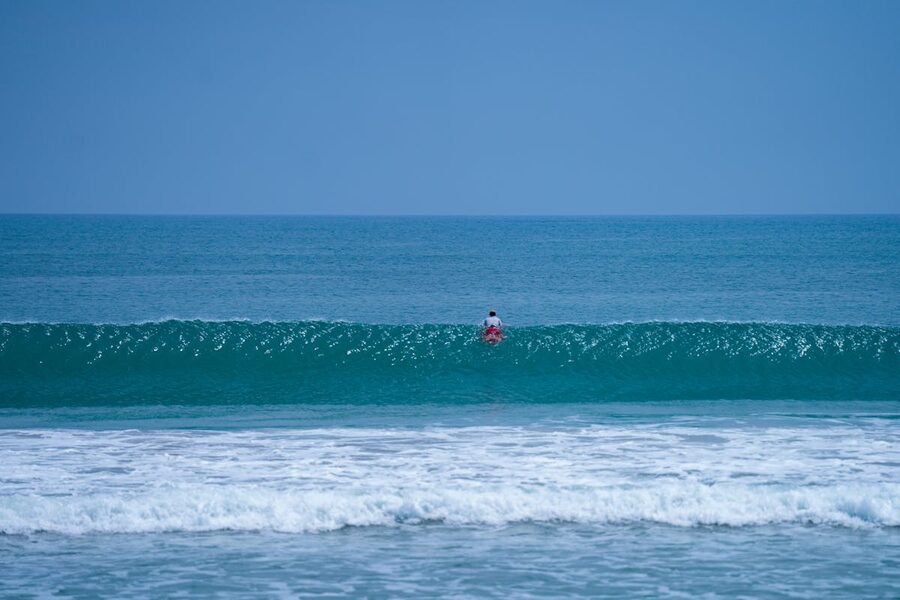
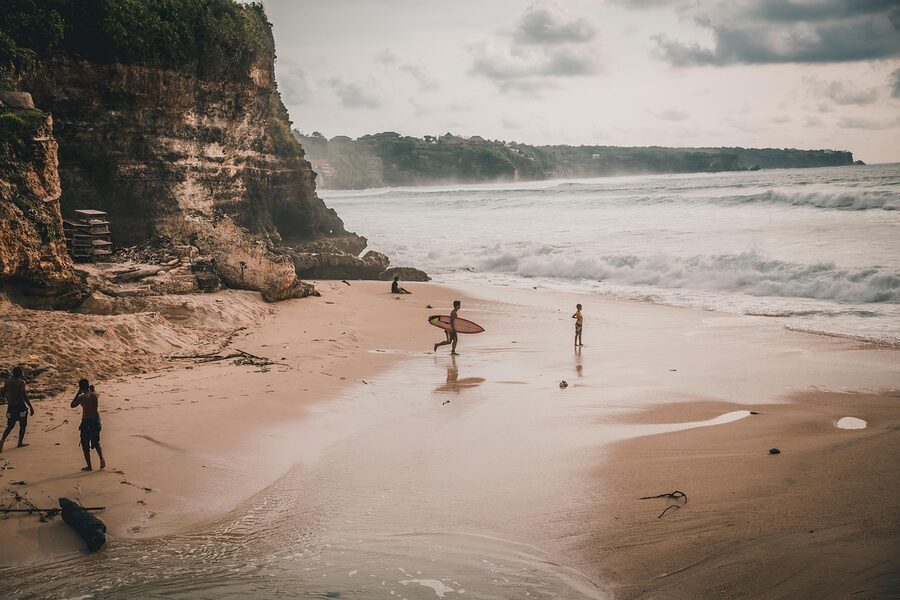
Bali is where most of the world learns to surf. Kuta beach is a long, soft beach break that runs for kilometres, and on a normal day you can have your own peak with no fight for it. A two-hour group lesson (max five students per instructor, foam board, rashie, board hire all included) costs around Rp 450,000 to Rp 650,000 ($28 to $40). Private one-on-one is roughly double that. A five-day intensive package with daily lessons, video review, and accommodation runs $400 to $700 depending on where.
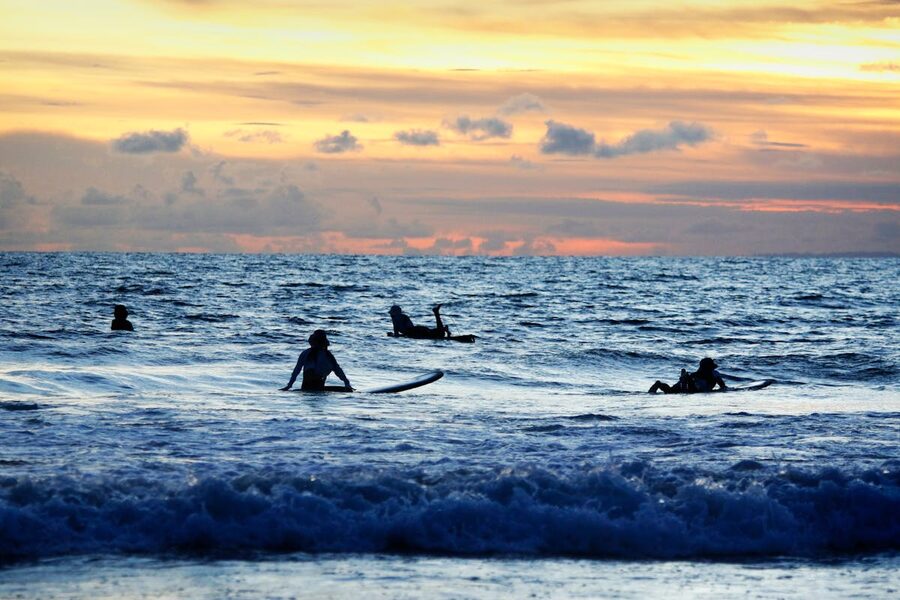
The schools I’d shortlist:
- Pro Surf School (Kuta): ISA-certified instructors, big operation, decent group ratio. Their multi-day camp packages with accommodation in their own surf hostel are the easiest way to commit to actually learning. Walking distance to Poppies Lane for cheap food after lessons.
- Rip Curl School of Surf (Legian): the brand-name option, on the beach in Legian, slick operation. Slightly more expensive, slightly more polished. Their guarantee is that you’ll stand up by the end of the first lesson, which they can deliver because the wave is that easy.
- Surf Goddess Retreats (Seminyak): women-only week-long retreats with daily surf lessons, yoga, spa treatments, and shared villa accommodation. Around $2,200 to $3,000 for a week including everything. The friend who recommended this to me said the surf instruction was the least of why she went; the community was the why.
- Bali Green Surf School (Canggu): the Canggu pick. Berawa beach is a step up from Kuta in difficulty and a step down in the surf-school count, which means more attention per student. Group lesson around Rp 550,000.
- Padang Padang Surf Camp (Bukit): the progression school. You don’t start here; you come here once you’re past the foam board and want to learn proper reef-break technique on the Bukit. Week-long camps with accommodation around $700 to $900.
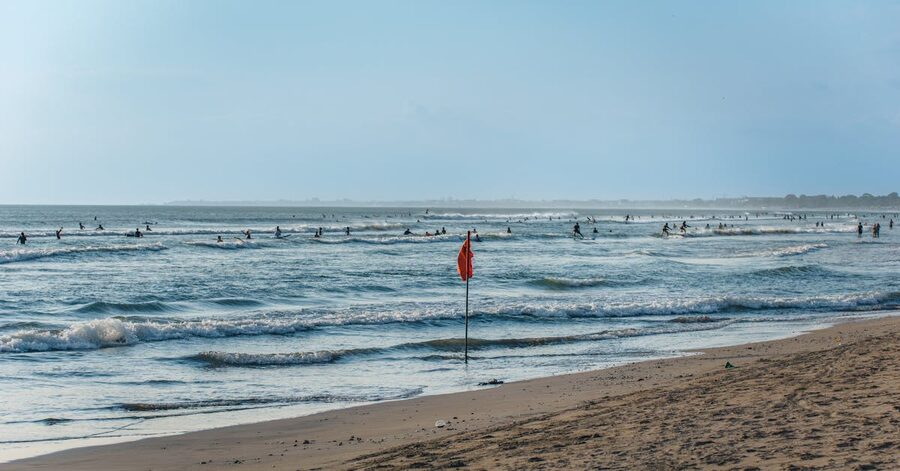
One thing to know. If you book a “private lesson” in Kuta and your instructor is on his phone for half of it while you flounder, you’re not getting what you paid for. The walk-up touts on the beach charge less but vary wildly in quality. The branded schools cost more for a reason: the instructor actually watches you. Worth it for the first three days. After that, board rental is about Rp 50,000 an hour and you can practise on your own.
Indonesian: The Language Most Travellers Don’t Bother With
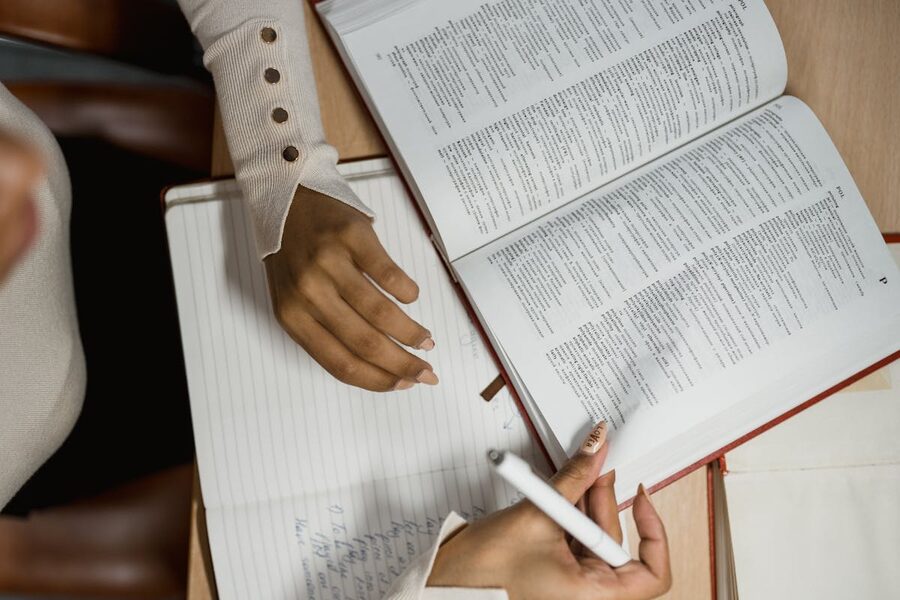
Bahasa Indonesia is the easiest major language to start in. No verb conjugations, no tones, no grammatical gender, no plurals (you just say the noun twice if you mean a few, buku-buku, books). Two weeks of daily one-hour lessons and you can negotiate a moped rental, order food from a non-tourist menu, and chat with the warung ibu who suddenly treats you like a regular. Three months and you can have actual conversations.
Three options depending on how serious you are:
- Cinta Bahasa (Ubud + Sanur + online): the standard for travellers. Group classes from around Rp 1,800,000 for 20 hours; private one-on-one from Rp 250,000 per hour. Real curriculum, certified teachers, good textbooks. Their online program is the same content if you want to start before you arrive.
- IALF (Indonesia Australia Language Foundation, Denpasar): the academic option, used by diplomats and researchers. Longer programs, more expensive, more rigorous. Overkill if you just want to chat with the warung lady; right if you want to read Indonesian newspapers.
- italki (online, freelance tutors): for $8 to $15 an hour you can book one-on-one Zoom lessons with a teacher in Yogyakarta or Bandung. Some are excellent, some are not. Try three teachers before committing.
The thing to know about Bali specifically: most Balinese also speak Balinese (basa Bali) at home. Bahasa Indonesia is the national language used in shops, government, and with non-Balinese Indonesians. If you greet a Balinese person with om swastiastu instead of selamat pagi, you’ll get a wider smile. That’s a Balinese phrase, not Indonesian. Both are useful.
Silver Jewellery and Crafts: The Ubud Workshop Day
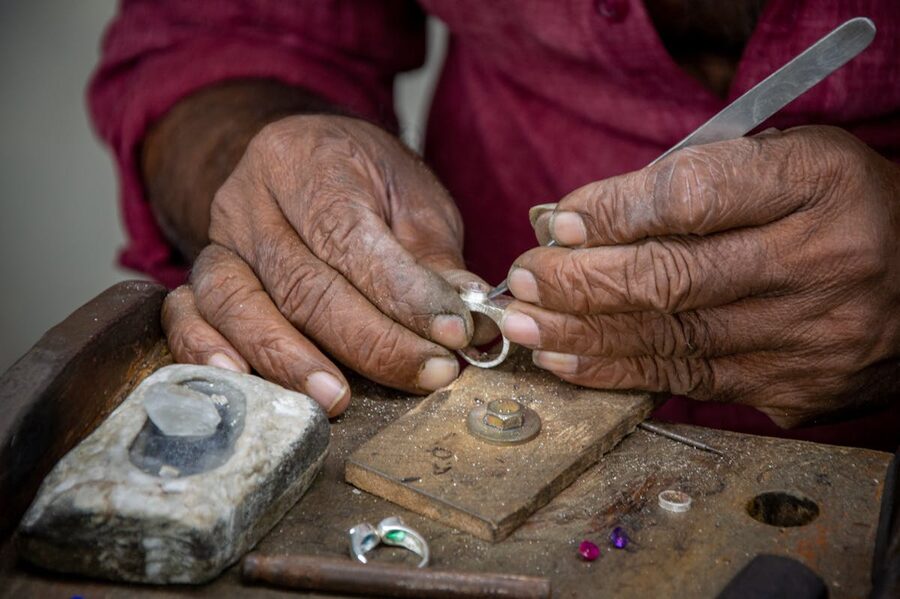
Silver jewellery is the most-booked workshop in Bali on TripAdvisor. There’s a reason: the price is right (around Rp 350,000 to Rp 600,000 for three hours including 5g of silver), the result goes home with you, and Bali has a real silversmithing tradition centred on Celuk, a village 30 minutes south of Ubud where almost every household runs a workshop. The tour-bus version is fine. The smaller direct-to-artisan version is better.
- John Hardy Workshop (Mambal, north of Ubud): the polished tourist version. Bamboo campus, lunch on the property, walk through the workshop where their high-end pieces are actually made. Their workshop tour with a chain-making demonstration is around $30; they do longer hands-on classes too. Worth combining with a visit to their Kapal Bamboo Boutique on the same property.
- Celuk village (independent silversmiths): walk down Jalan Raya Celuk and you’ll see workshop after workshop with hand-painted signs offering classes. Three-hour group sessions usually around Rp 350,000 including the silver. Negotiate the price first; you’ll often pay more if your stone is bigger or you want a more complex design.
- Ubud Monkey Forest silver classes: the easiest to book online. Sessions run all day from a workshop in central Ubud, three hours, around Rp 450,000. Good if you want it slotted into a tight schedule.
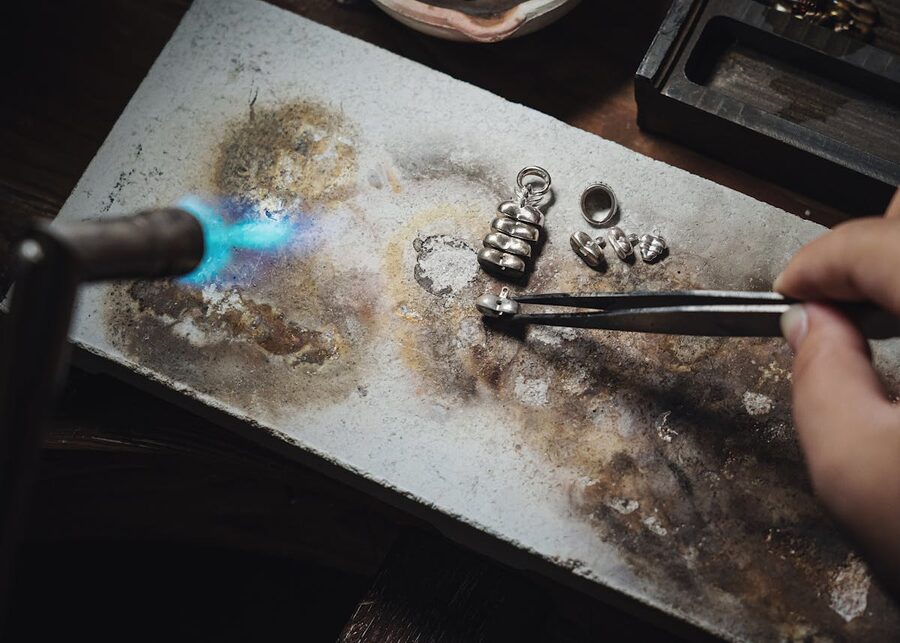
Beyond silver, Ubud is the headquarters for everything else hand-made. Some highlights:
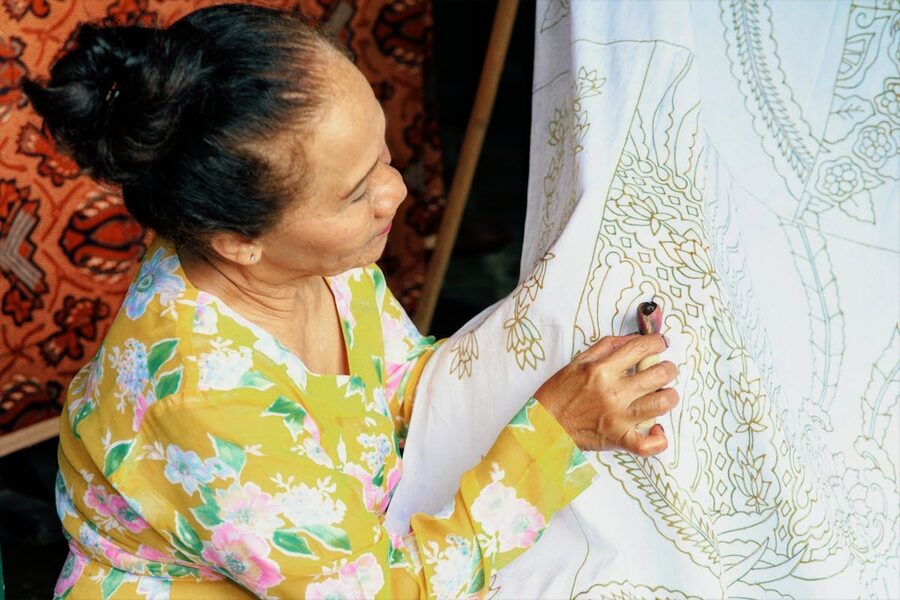
- Batik painting: the wax-resist textile dyeing technique. Three- to four-hour classes, around Rp 400,000, you go home with a small canvas. Widiantara Batik in Ubud is a long-running spot.
- Wood carving: the trade of the Mas village south of Ubud. Three-hour blocks where you turn a piece of softwood into a small mask or figure under a master carver’s hands. Around Rp 500,000.
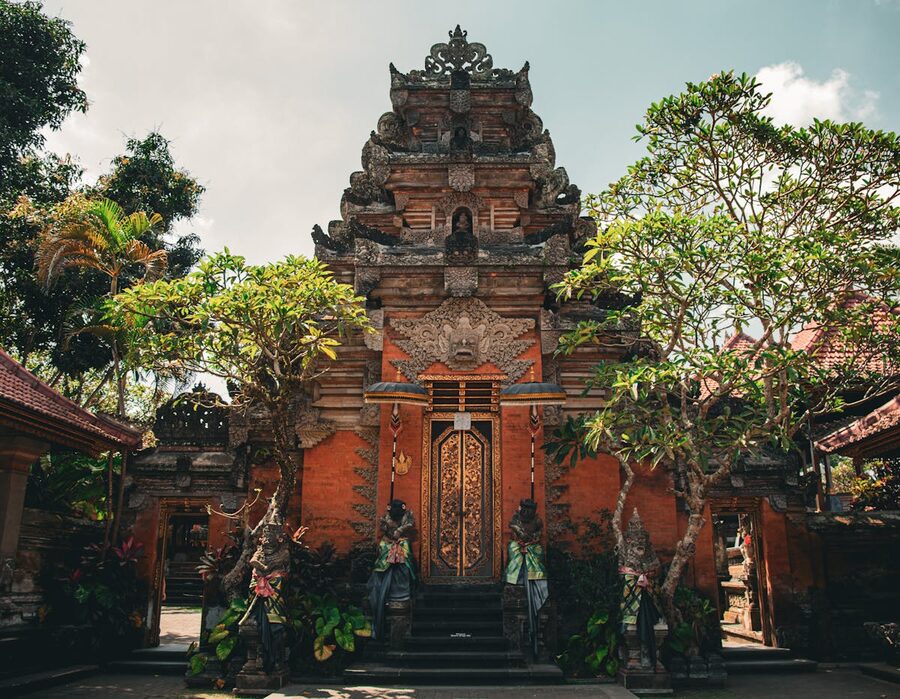
- Canang sari making: the daily palm-leaf offering you see on every doorstep at sunrise. Some Ubud guesthouses run free morning classes for guests. The technique is simple, the meaning is layered, and once you know how to weave one you’ll never look at the floor offerings the same way.
- Pranoto’s Art Studio (Ubud): life drawing sessions on Wednesday and Saturday mornings with a Balinese model in traditional dress. Drop in for around Rp 100,000. The studio’s been running since the 1990s and is the closest thing Ubud has to a working artists’ atelier.
Meditation and Silent Retreats
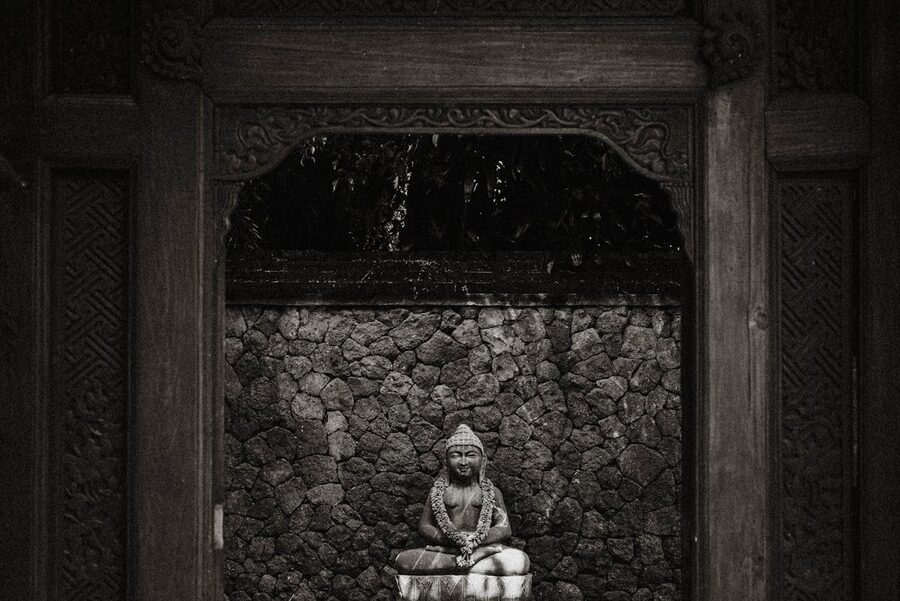
Bali has more silent and meditation retreats per square kilometre than anywhere outside Asia. Three I’d actually recommend:
- Bali Silent Retreat (near Tabanan): the real one. Three-day to ten-day silent stays in a forest property north of Tabanan. No phones in the public spaces, no talking outside designated periods, vegetarian buffet from their own garden. From around $80 a night including meals and yoga. You’ll either love it by day three or count the hours; both reactions are normal.
- Sukhavati (Ketewel, near Sanur): Ayurvedic detox retreats with a meditation component. Five- to fourteen-day programs that go deep into the panchakarma cleanse. Expensive (from $5,000 a week) and worth it if you want clinical-grade Ayurveda; otherwise overkill.
- Yoga Barn silent days (Ubud): the entry-level option. Yoga Barn runs occasional one-day silent meditation immersions for around Rp 800,000. Good way to test whether a longer silent retreat is for you before paying for one.
One thing about Bali silent retreats. The “silent” bit usually means the noble silence framework: no eye contact, no small talk, but you can still ask a teacher a question or talk to the kitchen if you have a dietary issue. It’s not Vipassana-grade total silence unless explicitly stated.
Permaculture and Sustainability Courses
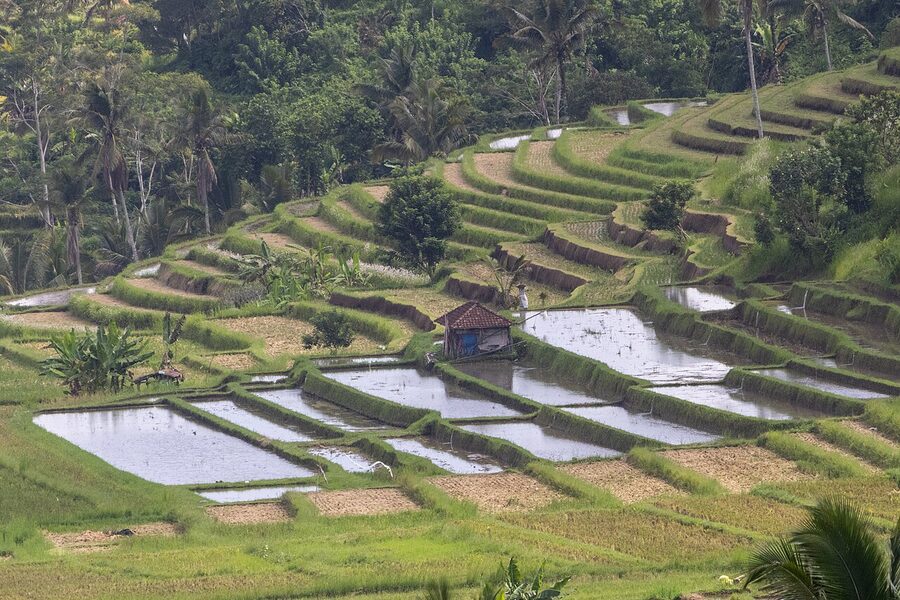
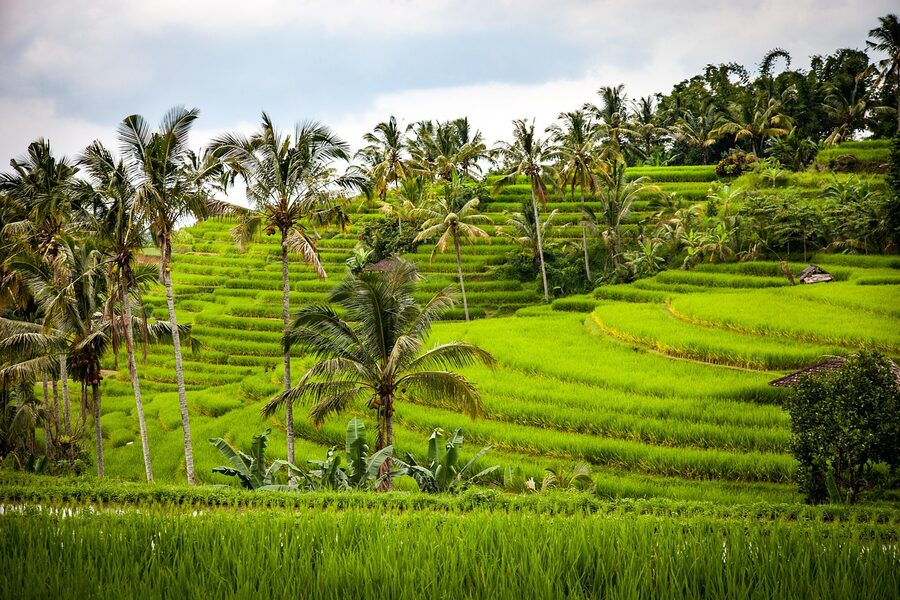
This is the niche that Bali quietly does very well. The island’s traditional subak rice-irrigation system is a UNESCO-listed example of community-scale water sharing that’s been running for a thousand years, and the modern permaculture scene around Ubud has used it as a teaching framework since the 1980s.
- Green School Bali (Sibang Kaja, north of Ubud): the bamboo school you’ve seen in the videos. They run public campus tours twice a week (Tuesday and Thursday mornings, around Rp 250,000) and longer professional development courses for educators. The campus alone is worth the visit.
- Five Pillar Experiences (Jembrana, west Bali): multi-day immersion programs that combine permaculture, Balinese culture, and conservation work. Smaller, more remote, more serious than the day-tour options.
- IDEP Foundation Permaculture Design Course: the gold-standard 14-day Permaculture Design Certificate (PDC) course, run by the Indonesian permaculture NGO. Around $1,400 including accommodation and food. Held a few times a year; check their schedule.
The Practical Bit: Visas, Where to Stay, and Real Costs
Visa logistics
This is where most people trip up. The standard Visa on Arrival (VOA) is good for 30 days, extendable once for another 30. So you have 60 days max on a VOA, which covers a 24-day yoga TT or a few weeks of cooking and surf classes with room to breathe. For longer programs you need a B211A social/cultural visa, which gives you 60 days on entry and is extendable up to 180 days total. The B211A requires a sponsor; most reputable schools (Yoga Barn, IALF, Green School professional dev) can sponsor you, and visa agents in Ubud and Denpasar handle the rest for around $250 to $400. Apply at least three weeks before your trip via Indonesian immigration or through your school’s recommended agent. Don’t try to do back-to-back VOAs by border-running to Singapore; the immigration officers see this pattern and turn you back.
Where to stay near each scene
Where you base yourself matters more than people admit. Twenty minutes by scooter sounds short until you do it twice a day in rain.
- Yoga Barn / Radiantly Alive students: stay in Penestanan or Sanggingan, the rice-paddy neighbourhoods west and north of central Ubud. Walk or 5-minute scooter to the studios. Homestay rooms from Rp 350,000 a night, full villa from Rp 1,200,000.
- The Practice (Canggu) students: stay in Berawa or Pererenan, both walkable to the studio. Coliving spaces like Tribal or Outpost are popular with the digital-nomad-yoga-teacher crossover crowd.
- Power of Now (Sanur) students: the whole of Sanur is walkable; stay anywhere along Jl Danau Tamblingan or in the back lanes east of it. Quieter than Ubud, beach access at sunrise.
- Pro Surf School / Rip Curl students: stay in Kuta itself or Legian; you want to walk to lessons because you’ll be wet. Budget rooms on or off Poppies Lane from Rp 250,000.
- Cooking/silver/craft students: central Ubud. Anywhere within 10 minutes walk of the central market puts you in scooter range of Paon, Casa Luna, the silver workshops, and the cafe scene. Try the back gangs off Jl Hanoman for cheap homestays.
Real total costs
For a one-month stay built around a 200hr yoga TT in Ubud, expect roughly:
- Yoga TT tuition: $2,500 (mid-range)
- Accommodation 30 nights at Rp 600,000 = Rp 18,000,000 (about $1,150), sometimes included in TT
- Food at warungs and TT meals: Rp 4,000,000 ($255)
- Scooter rental for the month: Rp 1,800,000 ($115)
- Tourism levy (one-off): Rp 150,000 ($10)
- Visa (B211A with agent): $300
- Spa, weekend trips, evenings out: $200 buffer
Total: roughly $4,500 for a serious learning month. Surf school is cheaper because the courses are shorter; cooking class week with a B211A is more expensive per day because the course costs less. Plug your numbers in and you’ll see why Bali keeps drawing people who want to use a sabbatical for something other than lying on a beach.
What I Wouldn’t Bother With
A few things to skip:
- Sound healing “certifications” that take a weekend. If a school will certify you as a sound healer in three days, what they’re really selling is the certificate, not the training. Real sound healing teachers exist in Bali. They don’t run weekend factories.
- “Shamanic” courses with no lineage you can verify. A traditional Balinese balian trains for years inside a family lineage. Anyone claiming to teach you to be a shaman in a workshop is selling something else.
- Day-trip “learn Balinese culture” packages that include a temple, a coffee plantation, and a rice terrace photo stop. You’ll see the surface and learn nothing. Better to spend that money on a single deeper experience: a half-day with a real cooking teacher, a quiet morning at a Hindu temple ceremony, or a one-on-one offering-making session with a guesthouse host.
If you’re flying out for one of the longer courses, check the routing on flights to Bali and time your arrival for the day before your school’s orientation. Show up jet-lagged to a 7 a.m. opening circle and you’ll be playing catch-up for the first week.
Where to Start If You Only Have a Week
If you have seven days, don’t try to do all of it. Pick one main thread and add one cultural side-quest. A week’s example:
- Day 1: arrive Denpasar, transfer to Ubud, settle into a homestay in Penestanan.
- Days 2-3: two-day intensive cooking course with Paon Bali (or sub Casa Luna).
- Day 4: three-hour silver-jewellery class in central Ubud or Celuk.
- Day 5: drop in to a yoga class at Yoga Barn or Radiantly Alive in the morning, batik workshop in the afternoon.
- Day 6: day trip down to Canggu for a beginner surf lesson and an afternoon beach.
- Day 7: Bali Silent Retreat day immersion or a quiet morning at Tirta Empul, fly out evening.
Two weeks lets you commit to one proper short course (cooking with Bumbu Bali or a five-day surf camp). A month lets you do the 200hr yoga TT or the IDEP permaculture PDC. More than that and you’re in B211A visa territory and can structure it however you want, which is the part most people quietly stay for.
Annelot the Dutch nurse from the opening? She extended her visa, did the 300hr at Yoga Barn, met a Spanish surf instructor at Pratama Beach in week six, taught her first paid yoga class to four backpackers on the rooftop of a Penestanan homestay in week eight, and went home in month four with a deeper backbend and a complicated long-distance situation. None of that was on the brochure. None of it ever is. Bali’s good at that.
You Might Also Enjoy
Planning a Bali trip?
Start with the cornerstones — when to go, where to base, and what's actually worth doing.