
Bali Health and Safety: Bali Belly, Vaccines, and Hospitals
Bali belly is not a 50/50 lottery. About 70% of cases trace back to three habits, all of them avoidable, and most travellers who get hit have done at least one of them within the previous 24 hours. The other 30% gets you on a slow build over a few days from cumulative low-level contamination. Either way, it is not the universe rolling dice on your holiday.
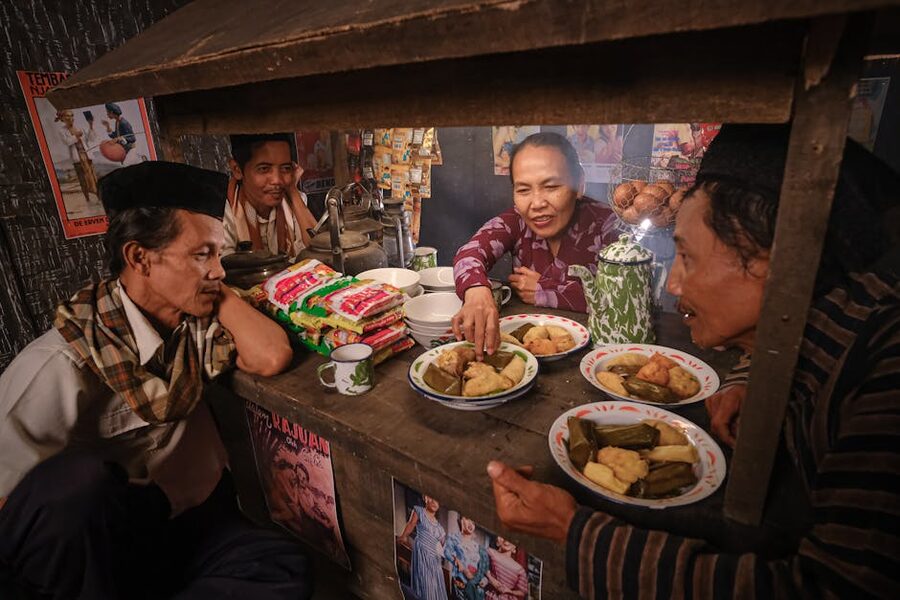
I have eaten my way through five trips to Bali across the better part of fifteen years, ranging from a backpacker stretch on Poppies Lane in 2011 to a six-week working stint in Canggu more recently. I got Bali belly twice. The first time was day three of trip one, and I can still pinpoint the salad. The second time was a longer working trip and I am genuinely not sure which meal did it. What I will tell you is what worked across the rest of those weeks of warung lunches, ice in coconuts, and all the things the safety blogs tell you not to do, and what to actually carry with you and what to do when it goes wrong anyway.
This is not medical advice. I am a traveller who has read the CDC and UK NHS guidance, talked to a few apotek (pharmacy) staff in Sanur and Ubud, and learned by getting it wrong. For your specific health history and trip length, see a travel doctor six to eight weeks before you fly. For the hospital phone numbers, the cost of a helicopter off Nusa Penida, and which warungs are actually safe, read on.
In This Article
- What actually causes Bali belly
- Prevention rules that actually work
- When it happens anyway: treatment
- The apotek over the counter, and what to be careful with
- Vaccinations, and the conversation to have with your travel doctor
- Routine vaccines, check these are current
- Recommended for most Bali travellers
- Worth a conversation, depending on your trip
- Travel insurance, and the helicopter off Nusa Penida
- Hospitals by area, and what to do in an emergency
- Dental work, the genuine Bali bargain
- Mosquito-borne illness, mostly dengue
- Sun, and how badly you can underestimate it
- Other practical things
- Drinking water
- Food handling at street stalls
- Alcohol, and the arak warning
- Road safety brief
- Stray dogs and monkeys
- The first-night arrival kit
- What actually happens, most of the time
What actually causes Bali belly
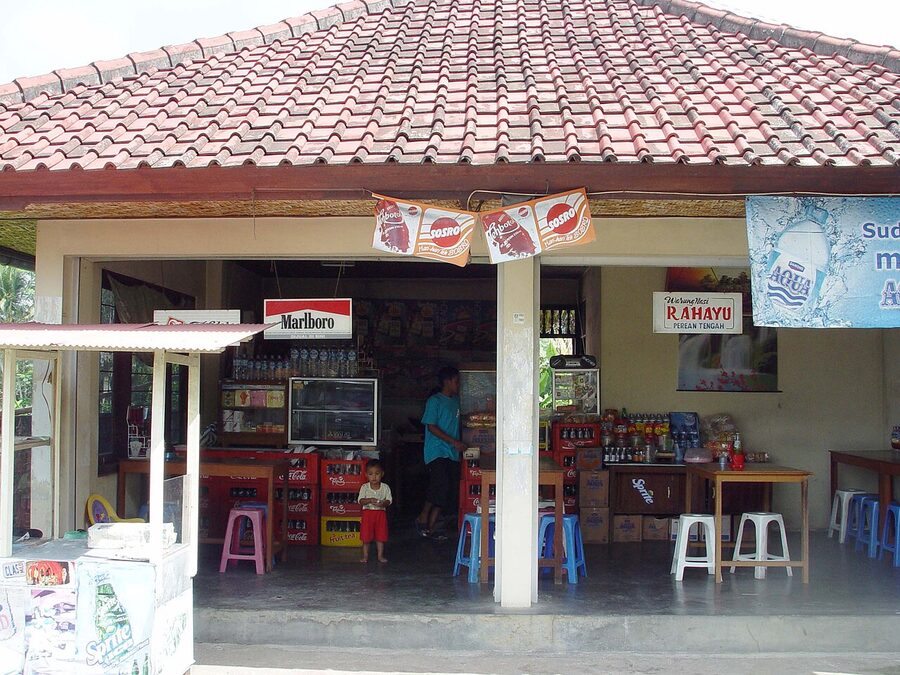
The medical name is travellers’ diarrhoea. The CDC estimates that 30 to 70% of travellers to high-risk regions pick it up on a typical two-week trip, and bacteria are the culprit in roughly 80 to 90% of cases. The usual suspects are E. coli (especially the enterotoxigenic strain, ETEC), Campylobacter, Salmonella, and Shigella. Norovirus runs a strong second, and parasites like Giardia show up in the smaller subset of cases that drag on for more than a week.
The catalogue of how it actually gets into you, in order of how often I see it cause trouble:
- Ice made from tap water. The classic. A coconut on a cart in Kuta, a bin of crushed ice the vendor scoops your drink out of, an iced coffee at a small warung. If the ice did not come from a sealed bag of factory kubus (cube) ice, treat it as suspect. Bigger places filter their own and freeze it in trays, and that is fine. Roadside vendors with a single block of ice on a chopping board, that block was made from tap water on someone’s back porch.
- Salads and raw vegetables washed in tap water. The lettuce in your gado-gado, the raw cucumber on the side of a sambal matah dish, the herbs in your fresh spring rolls. The vegetable is fine, the rinse water is the problem. Cooked vegetables are safe. Raw is the gamble.
- Sambal that has been sitting out. Especially at warungs that put a tray of small bowls on each table and refill them. Sambal is fresh chilli paste with shallot, lime, and oil. Left at room temperature in 32°C heat for hours, it is a bacteria farm. The first scoop of the day is fine. The 4 p.m. scoop is the one that gets you.
- Raw or undercooked seafood. Sushi at a hotel restaurant with proper cold chain is one thing, sushi at a small place that buys yesterday’s tuna from a back-of-bike vendor is another. The Jimbaran beachfront grills are generally fine because everything is cooked over coconut husks at high heat, but order it cooked through, not pink in the middle.
- Buffet food kept lukewarm. Hotel breakfast buffets are usually the worst single source if the warmer trays are not actually warm. Always check the eggs are hot, not tepid. The pancakes are safer than the cut fruit.
- Tap water by accident. Brushing teeth, rinsing your toothbrush, the gulp in the shower. Most travellers tighten up about drinking water then casually rinse their mouth from the bathroom tap. Use the bottle you have in your room.
What does not usually cause it: spice. People blame the chilli for the diarrhoea on day three and they are wrong. A spicy nasi goreng at a clean place will not give you Bali belly, even if it gives you a hot afternoon. The capsaicin can make a sensitive stomach uncomfortable, but that is a different feeling. Bali belly is a wet, urgent, please-no-traffic-jam feeling. If you can tell the difference, you know which one you have.
Prevention rules that actually work
The standard advice is “boil it, peel it, cook it, or forget it” and I think that is mostly right, but it is also too cautious for a real trip where you actually want to eat the local food. Here is the version I follow:
- Bottled water for everything you swallow. Brushing teeth included. The Aqua brand is everywhere, a 1.5L bottle is around Rp 6,000 to Rp 8,000 (about $0.40 to $0.55) at the corner shop. Refill stations at homestays charge Rp 5,000 to Rp 10,000 for a 19L jug refill if you brought a refillable bottle, which is the move for longer stays. Check the seal on any bottle you buy. If the cap clicks when you twist, it is fine. If it does not, reject it.
- Ice only at upmarket places. Beach clubs, hotel restaurants, sit-down cafes in Seminyak and Ubud, generally fine. Coconut on the beach with ice scooped from a polystyrene box at a warung, no. If you really want the iced coffee at a small place, ask: esnya dari kubus? (is the ice from cubes, meaning bagged factory ice). If they show you a sealed bag from the freezer, you are good. If they shrug, skip it.
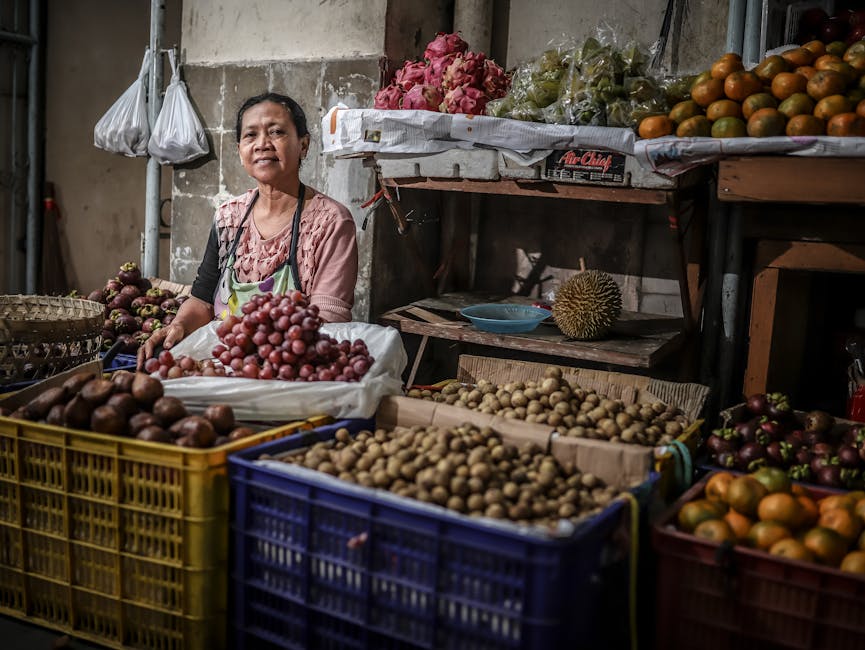
- Peel-or-cooked-or-bottled fruit. Mangosteens (peel), bananas (peel), pineapple (you watch them peel), salak (peel). Pre-cut watermelon and papaya at a stall, the knife and the rinse water and the open air are the problem, not the fruit. Whole fruit at the supermarket is fine if you wash it with bottled water and peel it.
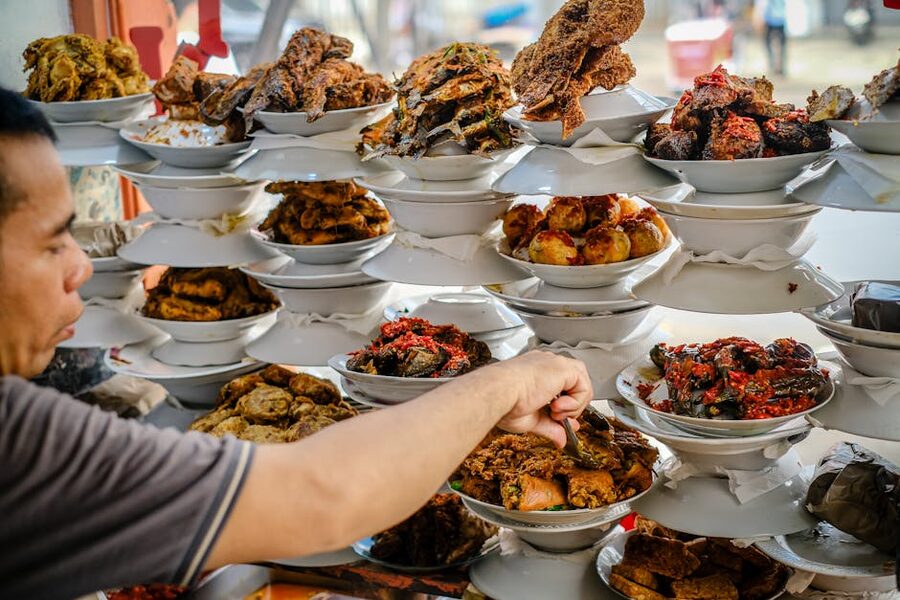
- Read the warung queue as a quality signal. A warung packed with locals at lunchtime is turning over food fast and has reputation to protect. Warung Mak Beng in Sanur, the one with the queue out the door for ikan goreng, is exactly this kind of place. An empty warung at 2 p.m. with food sitting in trays since 11 a.m. is the opposite. Empty plus tourist-targeted is the red flag combination.
- Cooked-and-hot beats fresh-and-cold every time when you are unsure. A bowl of soto ayam at a stall is safer than the same stall’s gado-gado. The boiling broth has done your sterilising for you.
- Carry hand sanitiser and use it before you eat. A small bottle in the day bag, applied before you pick up a piece of nasi campur. Maybe half the cases of Bali belly travel up your own hand from a doorknob, not down through the food.
The real tradeoff: if you follow every rule strictly you will miss some of the best food on the island. If you ignore them all you will probably get sick. I have come to think of it as a budget. Spend it on the things that are worth it (the babi guling at Ibu Oka in Ubud is worth the calculated risk of a salad), skip the things that are not (the iced coffee from a cart on the way to the beach, the lukewarm pad thai at a tourist trap with no queue).
When it happens anyway: treatment
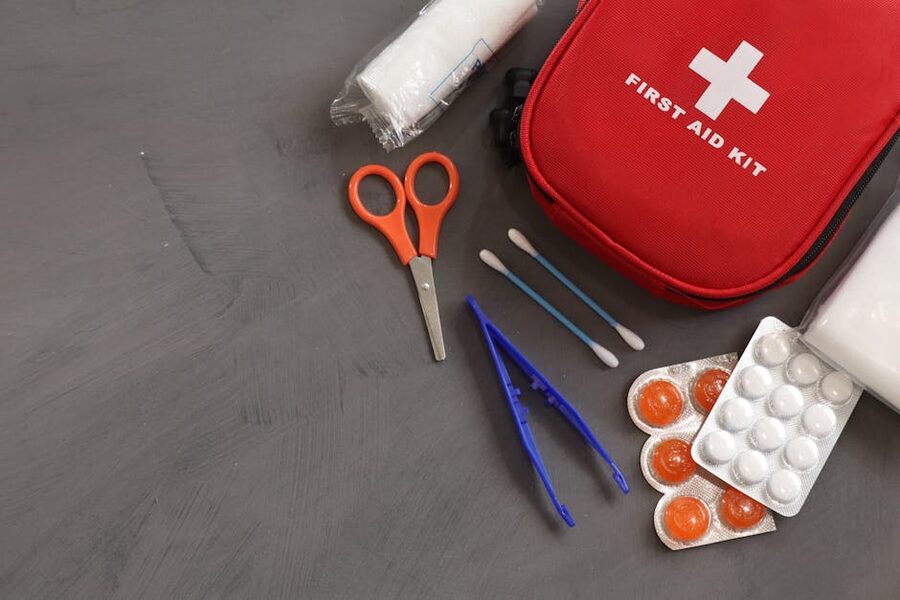
Most cases resolve on their own in 1 to 3 days. The thing that makes you feel actually awful for the first 24 hours is dehydration, not the bug. Fix the dehydration, the rest gets manageable.
The protocol I use:
- Oral rehydration first. Walk to the nearest apotek (pharmacy, you will see the green cross sign) and buy a strip of oralit sachets. They cost about Rp 2,000 each (around $0.13). Mix one sachet in 200ml of bottled water, drink it slowly over 30 minutes. Repeat after every loose stool and every vomit. The sodium-glucose ratio is what makes your gut absorb fluid even when it is in chaos. Plain water alone does not work as well.
- Boring food, small portions. White rice, plain crackers, banana, plain toast. Avoid dairy, fried food, alcohol, coffee, fruit juice, and anything with sambal. The BRAT diet (banana, rice, applesauce, toast) is the baseline.
- Loperamide carefully. Brand name Imodium. It stops the diarrhoea by paralysing your gut, which is useful if you have a four-hour van transfer to the airport but counterproductive if your body is trying to flush a bug out. Use it for travel days only, or for night sleep. Do not use it if you have a fever or blood in your stool, because then the bug needs to come out, not stay in.
- Sleep and rehydrate, do not push through. Cancel the day. Read a book. Most cases that drag on do so because the traveller went for a planned snorkel trip on day two and the dehydration cascaded. One full rest day costs you nothing and saves you three.
- Coconut water (kelapa muda) is genuinely useful. Buy from a stall where you watch them open the coconut, drink straight, no ice. The natural electrolyte mix is close to oralit. Avoid the bottled coconut water with added sugar, which makes the diarrhoea worse.
The 24-hour rule that I actually use: if you are no better after 24 hours of sensible rehydration, see a doctor. If at any point you have any of these, see a doctor immediately, do not wait the 24 hours:
- Blood or mucus in the stool
- Fever above 38.5°C (101.3°F) for more than a few hours
- Dizziness when you stand up, dark concentrated urine, or no urine for more than 8 hours (signs of significant dehydration)
- Severe abdominal pain that is not just cramping
- Vomiting that prevents you from keeping any fluid down for more than 4 hours
The hospitals listed below all have English-speaking doctors and 24-hour emergency. None of them will judge you for a stomach bug. They see twenty of these a week.
The apotek over the counter, and what to be careful with
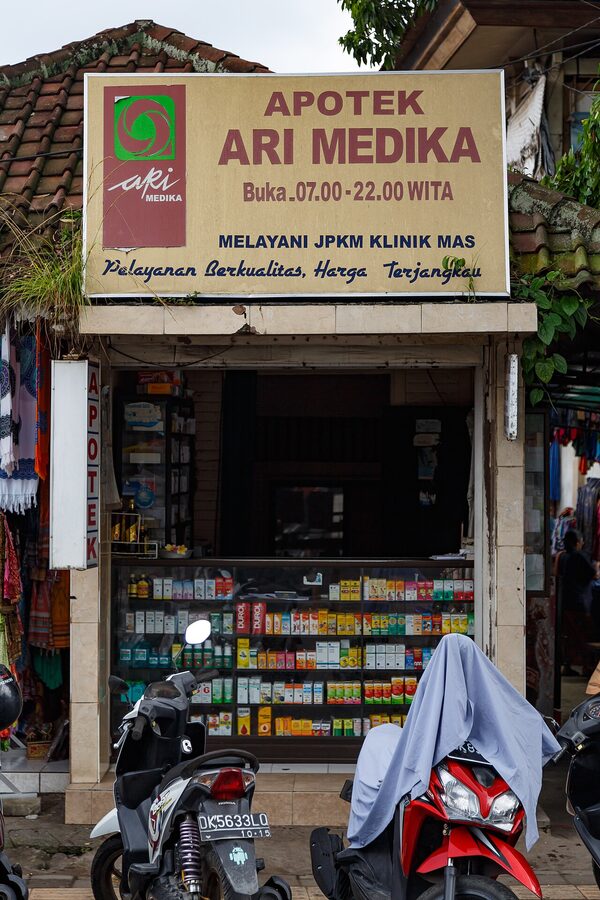
The Indonesian pharmacy system is a lot more permissive than what most Western travellers are used to. A lot of medication is available without a prescription that you would need a doctor for at home. This is convenient and also a place to be careful.
What you can buy off the shelf at most apoteks (Apotek K-24 is a 24-hour chain you will see across Bali, Guardian and Watson’s are the larger Western-style chains in Seminyak and the malls):
- Oralit. Oral rehydration sachets, around Rp 2,000 each. Buy a strip of ten, you will use them.
- Neo Entrostop. An attapulgite-based anti-diarrhoeal that binds toxins in the gut. Around Rp 15,000 for a strip. Less aggressive than loperamide and worth knowing about.
- Loperamide (Imodium, generic versions). Around Rp 25,000 to Rp 40,000 for a strip.
- Paracetamol (parasetamol) and ibuprofen. The full Western range, often cheaper than at home. Useful for the dehydration headache and the body aches that come with viral cases.
- Antihistamines. Cetirizine (Cetin, Cetirizine OGB) for the inevitable mosquito reaction is around Rp 15,000.
- Antiseptic and bandages. Betadine, plasters, gauze, alcohol wipes. Buy more than you think you need, the moped-burn from the hot exhaust is a real Bali souvenir.
- Antibiotics including ciprofloxacin and azithromycin. These are sold over the counter at most Indonesian apoteks. This is convenient, and risky. The convenient bit is obvious. The risky bit is that taking antibiotics for a viral or self-limiting bacterial gastro is bad for your gut microbiome long term, contributes to antibiotic resistance, and is often the wrong drug for the bug. If your home doctor wrote you a prescription before the trip “in case”, great, follow that. If not, see a doctor on the island before self-prescribing antibiotics. The medical clinics charge Rp 200,000 to Rp 500,000 for a consultation and that is money worth spending before you take a five-day course of cipro for what was probably a 36-hour viral thing.
What to be careful of: do not stockpile antibiotics for the next trip. Do not use the antibiotic that worked for your friend last year. If you are pregnant, breastfeeding, on regular medication, or have any chronic condition, see a doctor not a pharmacy counter. The apotek staff are pharmacists and they do their best, but they will not always have the time or the language to ask the right intake questions.
Vaccinations, and the conversation to have with your travel doctor

Plain reminder, this is a travel blog, not medical advice. Book a travel doctor consultation at home, six to eight weeks before you fly, with your full health record in front of them. The summary below is what I have heard most consistently from CDC and UK NHS guidance and from travel-doctor friends, current as of 2025. None of it is a substitute for that consultation.
No vaccinations are legally required to enter Bali for travellers from most countries. The exception is a yellow fever certificate, which is required only if you are arriving from a country with active yellow fever transmission (parts of sub-Saharan Africa, parts of South America). Indonesia has no yellow fever.
Routine vaccines, check these are current
- MMR (measles, mumps, rubella). Indonesia, including Bali, still reports measles outbreaks. Two lifetime doses recommended. Check your records.
- DTP (diphtheria, tetanus, pertussis). Tetanus booster within the last ten years is the standard. The reef cuts and the moped grazes will thank you.
- Polio. Wild polio has been documented in parts of Indonesia in recent years. Adult booster if your travel doctor flags it.
Recommended for most Bali travellers
- Hepatitis A. Spread through contaminated food and water, which is exactly the Bali transmission route for everything. Travel-clinic consensus is that almost every Bali traveller should be vaccinated, including the ones staying at five-star resorts.
- Typhoid. Same transmission route, more relevant if you plan to eat at warungs (which you should) or stay outside the big tourist zones. Available as an injection or as oral capsules.
Worth a conversation, depending on your trip
- Rabies. Bali has a documented rabies presence in dog and monkey populations. The pre-exposure series is two or three doses. Worth discussing if you will be riding a moped (the bite risk is more from stray dogs near the road than from monkeys), staying in rural areas, or doing anything that puts you near animals. The post-exposure protocol if you do get bitten is much simpler if you have had the pre-exposure shots, and the rabies immunoglobulin is not always easily available in Bali. The Monkey Forest in Ubud bites are real, the staff are calm about them, and the standard advice is to get to a clinic the same day for the post-exposure follow-up.
- Japanese encephalitis (JE). A mosquito-borne illness. The standard recommendation is for stays longer than a month or significant time in rural areas near rice fields and pig farms. For a two-week resort holiday in Seminyak, most travel doctors do not push it.
- Hepatitis B. Relevant if you might have medical or dental treatment, tattoos, or piercings on the island. Many people already have this from childhood schedules in their home country.
- Dengue. The Qdenga vaccine is approved in Indonesia for ages 6 to 45. Two doses three months apart, which makes it more practical for expats and digital nomads than for short-trip holidaymakers. For a typical holiday, mosquito prevention is the standard play.
- Malaria. The risk in Bali’s main tourist areas is very low, and antimalarials are not generally recommended for a standard Bali trip. If you are heading to remote parts of Indonesia (Papua, parts of Sulawesi), the conversation changes.
Travel insurance, and the helicopter off Nusa Penida
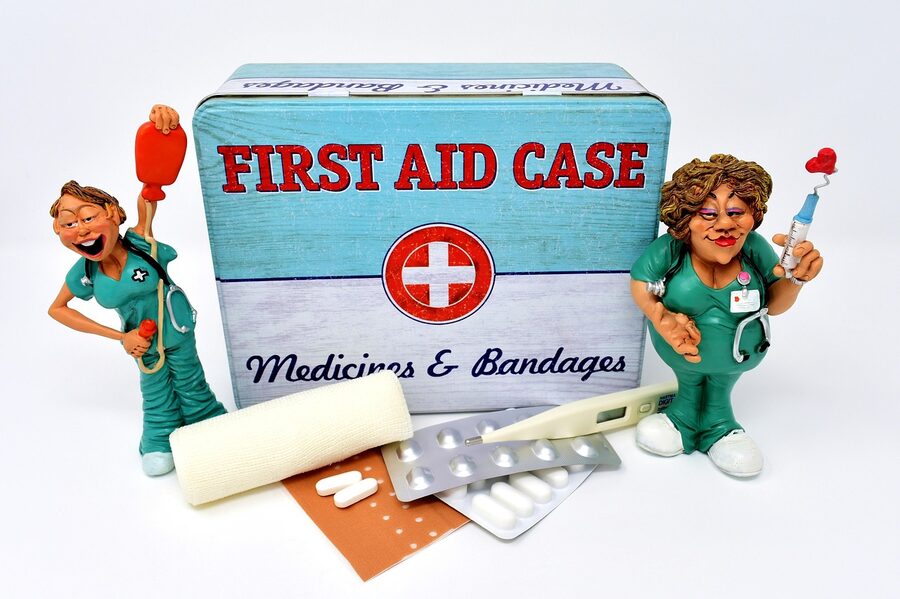
Get insurance. The blanket recommendation. But the more important version is read the policy carefully for the two things that actually matter in Bali.
Medical evacuation coverage. The bigger Bali hospitals are in Denpasar, Sanur, and Kuta. If something serious happens to you in Amed, on Nusa Penida, or up at Mount Batur for the sunrise hike, getting you to a hospital is not a 20-minute Grab. It can be a one-hour ambulance, a two-hour boat, or in the genuinely bad cases a helicopter. The helicopter off Nusa Penida is the example everyone cites because the costs run into the tens of thousands of US dollars and a lot of basic policies do not include it. If you are staying in Amed for the diving or doing anything around the Nusa islands, check the medical evacuation cap on your policy. SafetyWing, World Nomads, and the bigger insurers all sell explicit evacuation coverage.
Moped exclusions. This is the trap that catches more tourists than anything else. Most Western travel-insurance policies will not cover a moped accident unless your home country licence has a motorcycle endorsement on it (UK call it Cat A, Australia call it an R licence, US varies by state). It does not matter that you rented the bike legally in Bali with a passport scan and a bored shop owner. If your home licence is for a car only, the policy does not cover you, and a hospital stay for a moped collarbone in Bali is yours to pay. The workarounds: get the international moped endorsement at home before you fly (a couple of weekend lessons), buy a separate moped-specific add-on from your travel insurer (some sell them for an extra premium), or do not ride. The Grab and Gojek bike-taxi apps cost almost nothing and get you everywhere. I switched to those a few trips ago and have not regretted it once.
While we are on the subject, a few real numbers from the Bali traveller-claim brochures my insurer sent me last year:
- Moped accident, hospital stay, plate and screws in a wrist: roughly $3,000 to $8,000 USD.
- Helicopter evacuation Nusa Penida to Denpasar: $20,000 to $40,000 USD.
- Three days in BIMC Kuta for severe dengue with IV fluids: $2,000 to $4,000 USD.
- Repatriation flight back to home country in a medical-equipped seat: $30,000 to $80,000 USD.
Insurance. Check the small print. Read the moped clause twice.
Hospitals by area, and what to do in an emergency

The emergency number for ambulance in Indonesia is 112. Save it. The ambulance response in the touristy parts of south Bali is reasonable, in the more remote areas it is not, and you may be better off getting a Grab or your hotel to drive you to the nearest hospital. The major hospitals all have their own phone numbers worth saving in your contacts before you arrive.
The foreign-friendly options, the ones with English-speaking doctors and direct insurance billing for the major international insurers:
- BIMC Kuta. Jl Bypass Ngurah Rai 100X, Kuta. Tel +62 361 761263. The closest of the foreign-oriented hospitals to the airport and to the Kuta-Legian-Seminyak strip. 24-hour ER, dental, ambulance, dive medicine. This is where most insurance companies will direct you for the south Bali resort areas.
- BIMC Nusa Dua. Kawasan ITDC Blok D, Nusa Dua. Tel +62 361 3000911. The sister facility, more convenient if you are staying in Nusa Dua, Tanjung Benoa, or Jimbaran. Also handles dive emergencies and has a hyperbaric chamber.
- Siloam Hospitals Bali (Denpasar). Jl Sunset Road 818, Kuta (despite the Denpasar branding it is on the Sunset Road). Tel +62 361 779900. The big Indonesian private chain, large facility with a full range of specialists. English-speaking staff in the main departments. Often the best option for anything more complex than a stomach bug.
- Kasih Ibu Hospital Denpasar. Jl Teuku Umar 120, Denpasar. Tel +62 361 3003333. Indonesian private hospital with international patient department. Often a better price point than the BIMC clinics for a consult, with most of the same equipment.
- Sanglah General Hospital (RSUP Prof Ngoerah). Jl Diponegoro, Denpasar. The public general hospital, cheapest care on the island, but English-language coverage is patchier. Good for serious-emergency stabilisation, less ideal for routine care if you have insurance covering the private alternatives.
What to expect at the foreign-friendly clinics: you will be seen quickly (often inside 20 minutes for a non-emergency walk-in), the doctor will speak good English, the consultation is Rp 400,000 to Rp 800,000 (about $26 to $52), an IV drip with anti-emetic for severe Bali belly is typically Rp 1,500,000 to Rp 3,000,000 (about $97 to $195), and they handle the insurance paperwork directly with your provider. Bring your passport and your insurance card. Most accept credit cards.
The remote-area reality: if you are based in Amed for the diving, the nearest decent hospital is Karangasem (about 45 minutes), and the BIMC and Siloam options are at least 90 minutes by car. If you are on Nusa Penida or Nusa Lembongan, the local clinic handles minor things but anything serious means a boat back to Sanur and an ambulance from the pier. This is the dive-trip and remote-village factor that the south Bali resort-and-spa travellers do not have to think about, and it is the main reason the medical evacuation line on your insurance matters.
Dental work, the genuine Bali bargain
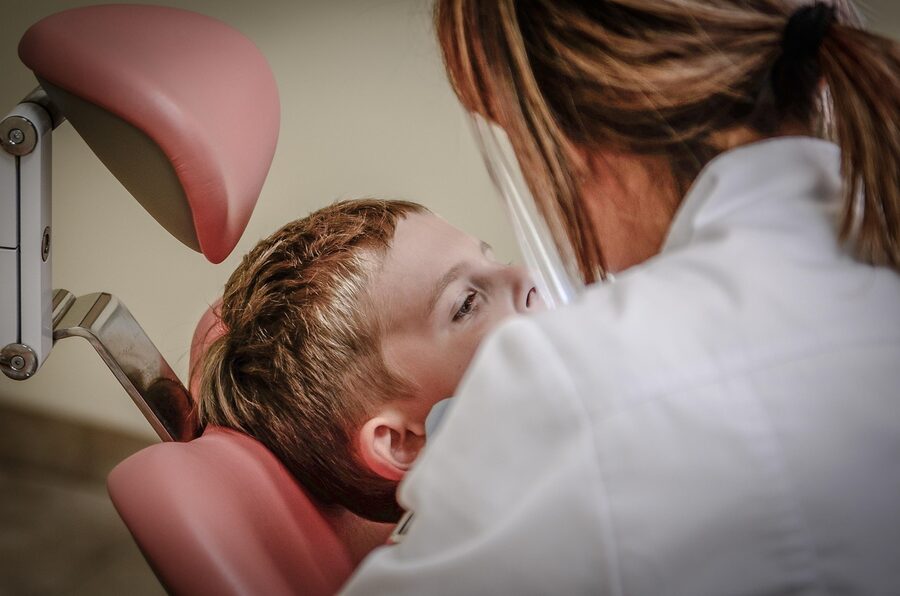
This is the one health-related thing in Bali that is both real value and worth planning around. A filling at a reputable Bali clinic runs about Rp 450,000 to Rp 900,000 (about $30 to $60). A crown is around Rp 3,000,000 to Rp 6,000,000 ($200 to $400). A full implant package, including the post and crown, can come in around $1,500 to $3,000, which is a fraction of the equivalent in Australia, the UK, or the US.
The catch is the clinics are not all the same. The dental tourism scene in Bali has a lot of new entrants and a few that have been operating for decades. The standard advice from the digital-nomad community in Canggu is to use the clinics that have a long online review history and that publish their dentists’ qualifications. Bali Dental Clinic in Sanur, Bali Dental Centre, and BIA Dental Centre in Seminyak are the names that come up most often when I ask in the working-Bali Telegram groups, but please do your own due-diligence research and read recent reviews. I am not endorsing any specific clinic, just naming the ones that get mentioned most.
Practical: book your appointment a few days into the trip rather than for day one, so you have a buffer if you are jet-lagged or have stomach trouble. Bring a copy of any recent X-rays or dental records from your home dentist. For a crown or implant, plan a return trip three to six months later for the final fitting, or stay long enough for the full sequence (usually two to three weeks). Hepatitis B vaccination is a sensible addition before any procedure that involves blood, see the vaccinations section.
Mosquito-borne illness, mostly dengue
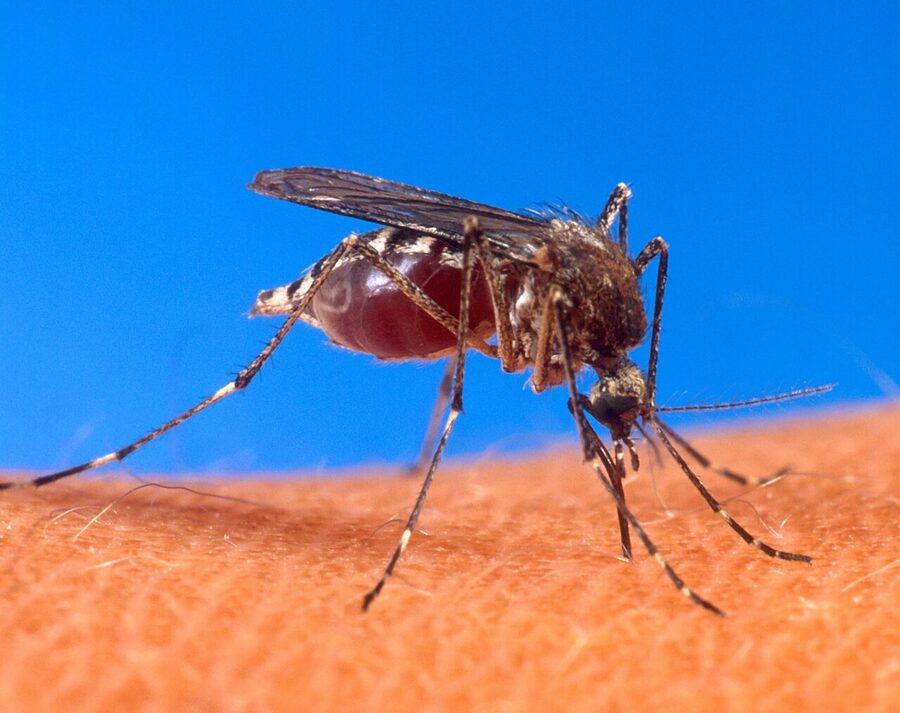
Dengue is the main one and it is genuinely present in Bali, including the tourist areas, including the dry season. The wet-season peak runs roughly January to March and the case numbers spike then, but cases happen year-round. The vector is the Aedes aegypti mosquito, which bites during daylight hours (this is the important behavioural detail) and breeds in any standing water from a few millimetres up.
The symptoms come on fast and feel like a flu with extra ankle pain. High fever, severe headache especially behind the eyes, muscle and joint pain that some travellers describe as “breakbone fever”, a rash that appears a few days in. There is no specific treatment, the protocol is rest, fluids, paracetamol for fever and pain, and absolutely not aspirin or ibuprofen, because dengue can cause platelet count to drop and those drugs increase bleeding risk. Most cases resolve in a week, the worry is the small fraction that progress to severe dengue (haemorrhagic symptoms, plasma leakage, dangerous fluid loss). If you have any second-illness pattern (felt fine for a day after the fever broke and then worse again), get to a hospital. The hospitals listed above are well-practised at dengue management.
Prevention is mosquito avoidance:
- DEET-based repellent. 30 to 50% DEET, applied morning and afternoon. Permethrin-treated clothing is more effective for long-stay travellers. The natural alternatives (lemon eucalyptus, picaridin) work for shorter durations and need more frequent reapplication.
- Long sleeves and trousers at dawn and dusk. Even though Aedes is a daytime biter, the other species that carry chikungunya, JE, and (rarely in Bali) malaria, are dawn and dusk biters. Cover up.
- Air-conditioned room or screened windows. Mosquitoes do not love AC.
- No standing water near where you sleep. The flowerpot saucer, the bird bath at the villa, the unused bucket on the balcony. Tip them out.
- Mosquito coil at dusk. The cheap green coils at any minimart work, the smell takes some getting used to.
Other mosquito-borne things present in Bali but much less common: chikungunya (similar to dengue, joint pain lasts longer), Zika (mostly mild but matters if you are pregnant), Japanese encephalitis (rare in tourist areas, see the vaccination section). Malaria risk in Bali itself is very low.
Sun, and how badly you can underestimate it
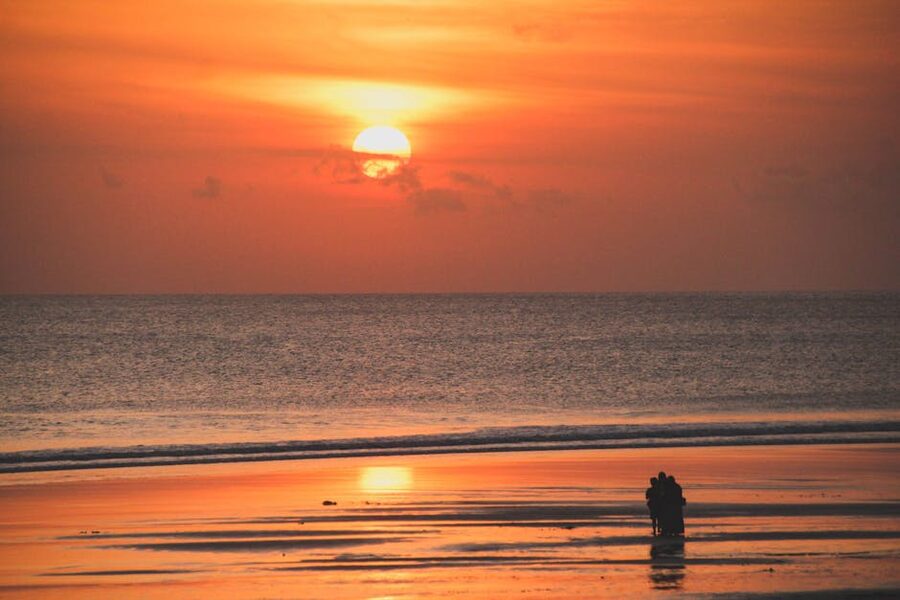
Bali sits 8° south of the equator. The UV index reaches 11+ on a normal sunny day, which is the same scale that puts most of Northern Europe at 6 in midsummer. The sun in Bali at midday in February is doing the same thing to your skin as a tanning bed. I am not being dramatic. I have seen the sunburn on day-one tourists who lay on the beach at Seminyak from 11 a.m. to 1 p.m. without sunscreen because it was overcast and “didn’t feel that hot”. They came back to the beach club in the afternoon already medium rare.
What works:
- SPF 50+ broad-spectrum sunscreen. Reapply every two hours, more if you swim. The factor matters less than the reapplication.
- Hat with a brim and a long-sleeved rash vest for snorkelling or surfing. A rash vest with UPF 50 protection is more effective than any sunscreen on the bits it covers, and you will not have to reapply.
- Reef-safe sunscreen at certain spots. Some of the snorkel and dive sites around the south Bali beaches and around the Nusa islands now require oxybenzone-free and octinoxate-free sunscreens. Bring a tube of reef-safe with you, the local options are limited and overpriced.
- Stay out of direct sun 11 a.m. to 3 p.m. This is the genuine Balinese local advice. Even the sunbathers are under umbrellas in the middle of the day. Find a beach club, a cafe, a temple visit, or take a long lunch.
- Hydrate, including electrolytes. The sweat you lose in 30°C with 80% humidity is not just water. The same oralit sachets you bought for Bali belly do double duty for heat exhaustion.
Heat exhaustion symptoms (lightheaded, nauseated, cold and clammy skin despite the heat, no sweating) are an “out of the sun, into the AC, fluids” emergency. Heat stroke (confusion, dry hot skin, fast pulse, body temperature over 40°C) is a 112 ambulance emergency.
Other practical things
Drinking water
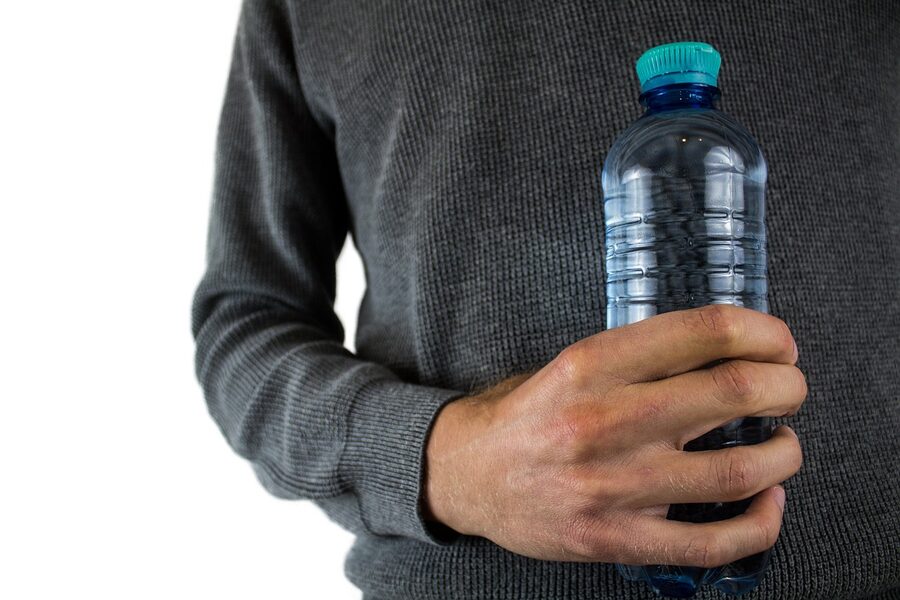
You already know. Bottled or filter-station refills only. Aqua is the dominant brand, Le Minerale is the cheaper alternative, both are everywhere. The tap water in Bali is not treated to drinking standard. Brushing teeth with tap water is a debate I will not settle here, the cautious traveller uses bottled water for that too, the long-stay resident often does not bother and is fine. Your gut tolerance, your call.
Food handling at street stalls
Read the queue. Read the turnover. Read the open kitchen. The best street food in Bali is at stalls where the food is cooked to order in front of you (sate, martabak, the soup stalls) and the worst is at trays of fried things that have been sitting for hours. The presence of locals eating at the stall is a strong positive signal. The absence of locals at a tourist-area stall is a strong negative one. Apply the rule consistently and you will eat well.
Alcohol, and the arak warning
The local beer Bintang is fine. Imported wines and spirits at proper bars and restaurants are fine. The arak warning is the one to know about: arak is the local rice spirit, and a small number of unscrupulous producers have cut it with methanol, which causes blindness or death. The cases are rare and almost always involve cheap unlabelled bottles at small bars in the tourist strips. Stick to brand-name spirits at established venues, do not buy unlabelled bottles, do not order suspiciously cheap cocktails. Real arak from a known producer (look for Iwak Arak, Dewi Sri Arak) is fine in proper bottles.
Road safety brief
The biggest health risk in Bali for foreign tourists is mopeds, full stop. Bali had 100+ tourist deaths from moped accidents in 2024. The roads are crowded, narrow, and unforgiving, the helmets at rental shops are often the cheap shells that do nothing in a real crash, and the moped-snatch culture in Kuta and Canggu is real. If you are going to ride, bring or buy a proper helmet (the upgrades are sold at every minimart, around Rp 250,000 to Rp 400,000), wear long sleeves and trousers and proper shoes (not flip-flops), do not ride drunk, do not ride at night unless you absolutely have to, and check that your insurance covers you (see the moped exclusion section above). If you are not confident, do not ride. The Grab and Gojek bike-taxis are cheap and safer because the drivers do this for a living.
Stray dogs and monkeys
Do not pet stray dogs. Do not feed monkeys. The Monkey Forest in Ubud is the high-incident location for monkey bites and scratches. Take off any visible jewellery, sunglasses, or food before you enter. If a monkey grabs you, do not pull away (you will lose), drop whatever they want, walk away calmly. If you are bitten or scratched, wash the wound thoroughly with soap and water for 15 minutes, then go to a clinic the same day for the post-exposure rabies follow-up. The big private hospitals all carry the post-exposure vaccine.
The first-night arrival kit
What I now keep in the carry-on:
- 10 oralit sachets (or a pack of similar from home)
- Strip of loperamide (10 tablets is enough)
- Paracetamol and ibuprofen
- Antihistamine tablets
- 50 SPF sunscreen, reef-safe
- 30% DEET repellent
- Hand sanitiser
- Plasters and a small tube of antiseptic
- Any prescription medication in original packaging with the pharmacy label
- A printed copy of the insurance policy and the emergency phone number
Most of this you can buy on the island for less, but the first-night version of you is jet-lagged and might not want to find an apotek before bed.
What actually happens, most of the time
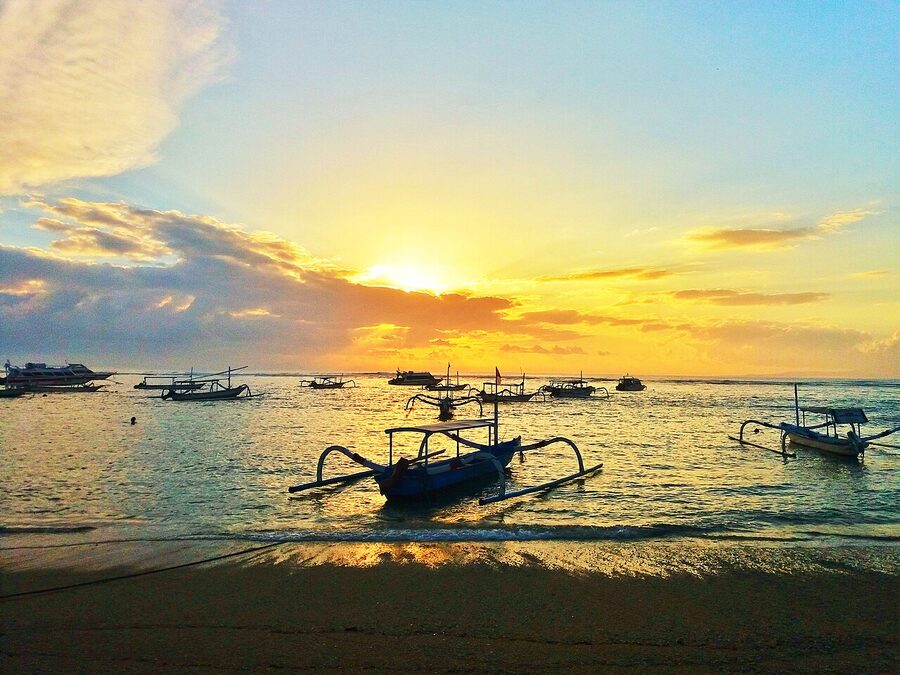
Most travellers come to Bali, eat at warungs, drink the bottled water, pay attention to the sun, and have nothing more dramatic to report than a slightly windy first 24 hours. The serious incidents almost always involve a moped at night or a complacent attitude to the salad on day three. Get the vaccinations sorted at home, buy real insurance with the moped clause checked, pack the small first-night kit, and apply the prevention rules without being paranoid about them. The food is too good and the island is too generous to spend the trip worried.
If you do get hit, you have got the apotek on the corner, oralit for Rp 2,000 a sachet, and a hospital that has seen this every day for twenty years. The system works. Drink the water. Sleep the day. The next day will be fine.


Planning a Bali trip?
Start with the cornerstones — when to go, where to base, and what's actually worth doing.