Balinese Healing Experiences
Balinese healing here is not just another temple stop. You get a private session meant to help with grounding, clarity, and direction, then you move into a real purification ritual at Tirta Empul Holy Spring Temple. It feels structured, but still personal.
I especially love two parts: the quiet reset you get before the ritual at Tegalalang Rice Terrace, and how the Tirta Empul holy springs are guided with offerings and a healer. One drawback to keep in mind: the temple segment takes about three hours, so if you want only quick photo stops, this may feel like more time than you planned.
In This Review
- What makes the day work (and what to consider)
- Key Things I’d Highlight Before You Go
- Private Balinese Healing Day: How It Feels Different From Usual Bali Tours
- Getting There Smoothly: Seminyak Pickup and Faster Transfers
- Tegalalang Rice Terrace: The Calm Before the Cleansing
- Tirta Empul Holy Spring Temple: What the Purification Part Actually Means
- How the Healing Session Adds Clarity After the Temple Step
- Plantation Coffee Stop: A Relaxed Cultural Follow-Through
- Price and Value: Is $50 Worth It in Real Life?
- Transfers, Groups, and Timing: What You Should Plan Around
- Who Should Book This Healing Experience (And Who Might Skip It)
- The Guide Experience: Why Ketut’s Style Can Make a Big Difference
- Should You Book This Balinese Healing Experience?
- FAQ
- How long is the Balinese Healing Experiences tour?
- Where does the tour take place?
- Is hotel pickup and drop-off included?
- What activities are included during the day?
- What is included in the price?
- What is not included?
- Is this tour private?
- What is the cancellation policy?
What makes the day work (and what to consider)

Your day is built around time-saving private 2-way transfers from your Ubud or south Bali hotel, plus included sarong, mineral water, and all temple fees and offerings. I also like that you’re not shuffled with strangers in a big herd; this is set up as private for your group.
The only real consideration is comfort with a religious setting and a water-based purification. If that’s not your thing, you’ll still see beautiful places, but the heart of the experience is the ritual itself.
Key Things I’d Highlight Before You Go
.jpg)
- Private healing focus: not a generic “see the sights” route
- Tirta Empul purification ritual: holy springs and guided practice at the temple
- Tegalalang first stop: views that help you slow down before the ritual
- Included sarong and offerings: you don’t have to scramble to be prepared
- Hotel transfers built in: less time driving, more time doing the experience
- Plantation coffee afterward: a relaxed cultural wrap-up with learning time
Private Balinese Healing Day: How It Feels Different From Usual Bali Tours
.jpg)
There’s a big difference between a Bali tour that feels like a checklist and one that feels like a guided reset. This one leans hard into the idea of healing. The schedule is still sightseeing, but the center of gravity is a private Balinese healing session and a ritual purification at the sacred springs.
I like that the day has a clear flow. You start with scenery and calm. Then you step into a temple process. After that, you land back on the surface level with coffee and a bit of context about local religion. That balance matters because it keeps the day from feeling too heavy or too vague.
Also, you’re not left to figure things out. The essentials are taken care of: temple-related costs, guiding, sarong, offerings, and mineral water are all included. That’s a big value point, because temple visits in Bali can be cheap on paper but add up quickly once you factor in small extras.
Getting There Smoothly: Seminyak Pickup and Faster Transfers
.jpg)
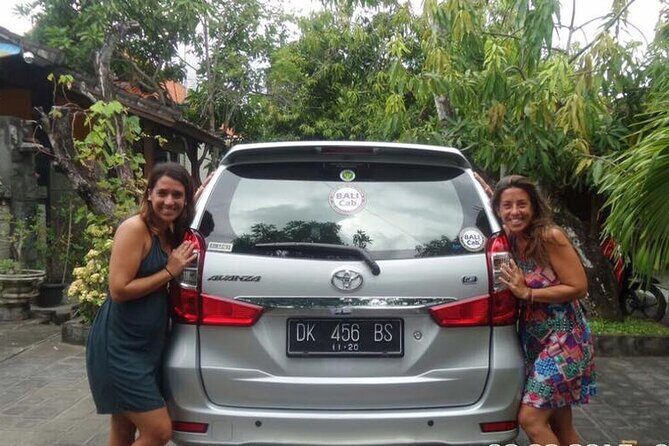
Even if you’re staying in Seminyak, the experience is designed around smooth logistics. You can get pickup, and you’re promised private 2-way transfers from your hotel in Ubud or south Bali. That’s one of the reasons this type of day works so well: you spend less time navigating and more time actually doing the ritual and seeing the places.
The ride is also part of the “mental setup.” When you’re not scrambling for buses or coordinating with multiple drivers, it’s easier to arrive feeling present. And you’ll appreciate this on a 4 to 5 hour schedule. Short days in Bali can feel rushed. Private transport helps keep it humane.
One note: since this is private and your group is the only one participating, the timing depends on where you’re picked up. Plan for the fact that your day may start a bit earlier or later based on your hotel location.
Tegalalang Rice Terrace: The Calm Before the Cleansing
.jpg)
Your first stop is Tegalalang Rice Terrace around Ubud. Expect about an hour here. This isn’t just for Instagram views. The terrace setting helps you shift gears. You go from busy roads into something slower and more open—rice paddies, greenery, and that Bali feeling of being surrounded by work that’s been happening for generations.
I like this stop because it acts like a warm-up. Before you get anywhere near sacred purification water, you’re given time to settle your body and mind. It makes the temple portion feel less abrupt.
What you should consider: if you dislike crowds at popular viewpoints, you might want to bring patience. Tegalalang is well-known. But even if it’s busy, the hour you get is built for a simple purpose: see, breathe, and get your bearings.
If you want good moments, keep your pace slow. Walk a little, look longer than you think you should, then start the day’s next phase without turning it into a running competition.
Tirta Empul Holy Spring Temple: What the Purification Part Actually Means
.jpg)
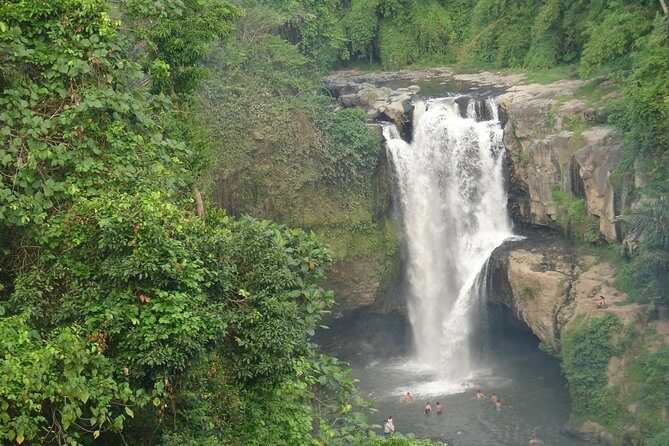
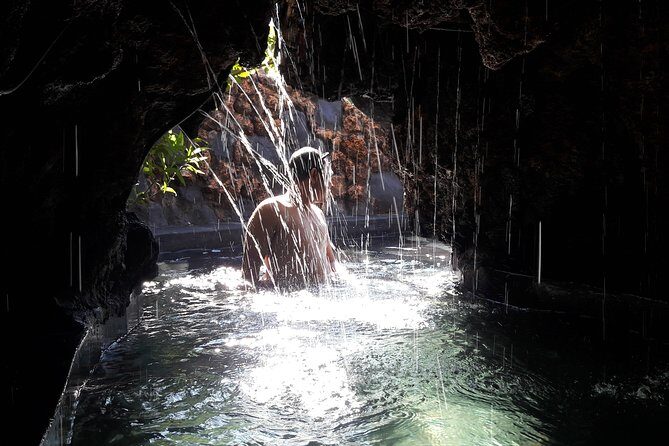
This is the heart of the day. You head to Tirta Empul Temple, also referred to here as a Holy Spring Temple. Before you meet the healer, you do purification as part of the temple ritual flow.
The big thing to know is timing: this part takes about three hours. That’s not random. Purification rituals have steps, and the session isn’t meant to be a 20-minute detour. When you plan your day around this, it feels intentional.
Why this matters for you: ritualized purification can be a strong psychological reset, even if you come with a purely curious mindset. The structure helps. You don’t have to guess what comes next. You’re guided, and you’re given the basics that let you participate respectfully.
You’ll also be covered for the essentials: sarong is provided, and guiding and offerings are included. That lowers the most stressful part of temple experiences: worrying if you’re dressed right or missing something.
Another practical consideration: since this is a sacred water experience, bring a mindset that expects you may get wet or at least be close to water-related ritual movements. If you’re uncomfortable with that, it may change how enjoyable the purification feels.
How the Healing Session Adds Clarity After the Temple Step
.jpg)
The day isn’t only about water. The promise is grounding, clarity, and direction through a private Balinese healing session, with a healer involved in the process. The way the day is designed means you go into the ritual with a calmer state, then you come out with something more focused.
In plain terms: it’s easier to process what you’re experiencing when you’re not doing it while rushing between attractions. That’s why the order matters. Rice terrace first. Sacred springs second. Then coffee and learning.
I also like that this is set up as private. In a small group, you can move at the pace of the ritual rather than trying to keep up with a larger schedule. If you like a day where you can pay attention instead of constantly navigating, this structure will likely fit you well.
Plantation Coffee Stop: A Relaxed Cultural Follow-Through
.jpg)
After the purification, you continue to a plantation for coffee. The day also includes learning about the local religion. This part matters because it turns the spiritual experience into something you can actually understand.
You’re not just getting an experience that feels intense. You’re getting a little translation for it: what it means in Balinese Hindu practice and why the ritual is taken seriously. That learning moment makes the healing day more memorable, because you’re not only reacting emotionally—you’re connecting it to context.
This isn’t a hard-sell. It’s framed as a calm pause. And since lunch is not included, this coffee stop can be a good “bridge meal” moment before you decide what you want to eat afterward.
Price and Value: Is $50 Worth It in Real Life?
.jpg)
At $50 per person, this is positioned as affordable for a private, multi-stop experience with temple inclusions. The value comes from what you do not pay separately.
Included highlights that make a difference:
- All fees and offerings tied to the ritual and temple process
- Guiding throughout the key parts
- Sarong and mineral water
- Admission tickets at Tegalalang and Tirta Empul
When you look at value that way, the price makes more sense. You’re paying for guided participation plus the sacred-site costs that usually add up once you’re on the ground.
One more reason I think it’s good value: transfers are part of the plan. Private transfer costs can be significant in Bali, especially on short itineraries. Here, you’re getting that built in.
You’ll still want to budget for what’s not included: personal expenses and lunch. That’s normal. But the big-ticket items are handled.
Transfers, Groups, and Timing: What You Should Plan Around
This is a private tour/activity. Only your group participates. That’s ideal if you want a calmer rhythm and don’t want to compete for attention during the ritual.
You can also get group discounts, which is useful if you’re traveling with friends. The schedule is short enough (about 4 to 5 hours) that you can pair it with other plans the same day. But because Tirta Empul takes around three hours, it deserves real respect in your calendar. Don’t stack it with an evening that starts immediately after pickup.
Also, confirmation happens at booking, and you get a mobile ticket. That cuts down on last-minute hassle.
If your hotel is in Ubud or south Bali, the transfer promise is a big convenience. If you’re elsewhere, you might want to confirm the pickup fit when you book.
Who Should Book This Healing Experience (And Who Might Skip It)
This works especially well if you:
- want a meaningful ritual rather than just sightseeing
- prefer a private day with guidance and no crowd pressure
- like the idea of starting with calm scenery and ending with cultural learning
- are open to a water-based purification setting
It may not be the best fit if you:
- want only quick stops and minimal time in temples
- strongly dislike the idea of participating in religious practices, even respectfully
- are trying to keep the entire day super flexible for many additional activities
If you’re unsure, think about what you want your Bali day to do. If your goal is spiritual clarity, this is centered on that. If your goal is fast sightseeing, you might feel like the schedule is too focused.
The Guide Experience: Why Ketut’s Style Can Make a Big Difference
The guide names that come up repeatedly include Ketut, and that matters. In a ritual day, your guide isn’t just a driver. They help the experience feel smooth and personal.
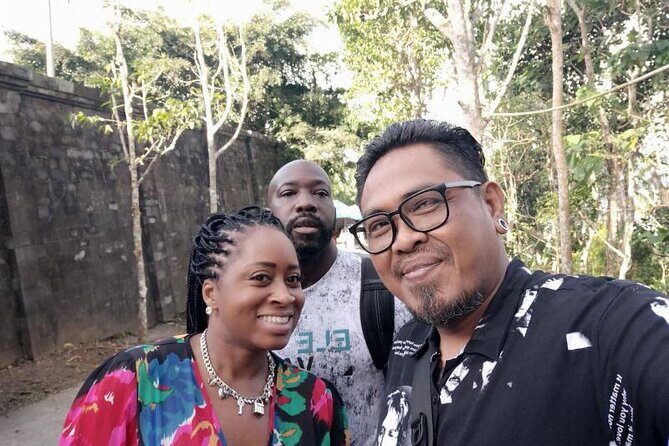
From what I’ve learned from people who did the trip, Ketut is praised for being friendly, polite, and funny, plus for customer service. Some also mention he’s great for photos and helps you enjoy the cleanse peacefully. If you want a guide who can balance cultural respect with a relaxed vibe, ask for Ketut when you book if that option is available.
If you’re going as a solo traveler, the guide support can be even more important. A private setting still helps, but a confident, calm guide makes the ritual less awkward and more comfortable.
Should You Book This Balinese Healing Experience?
I’d tell you to book it if you want a day that feels intentional. The combination of Tegalalang Rice Terrace, Tirta Empul purification, and plantation coffee plus learning makes it more than a sightseeing loop. You’re not paying extra just to stand near famous spots. You’re participating in a guided process.
It’s also a strong value for the inclusions. At $50, the included temple fees, admission tickets, sarong, offerings, mineral water, and guiding are the kind of details that usually cost more once you’re actually in Bali.
Skip it only if you know you won’t enjoy temple rituals or you can’t spare the roughly three hours at Tirta Empul. Otherwise, this is one of those Bali experiences that sticks with you, because it doesn’t just show you something. It asks you to slow down and take part.
FAQ
How long is the Balinese Healing Experiences tour?
It runs about 4 to 5 hours.
Where does the tour take place?
The tour is based in Seminyak, Indonesia, with pickup and transfers from Ubud or south Bali hotels.
Is hotel pickup and drop-off included?
Yes. Pickup is offered, with private 2-way transfers included from your hotel in Ubud or south Bali.
What activities are included during the day?
You’ll visit Tegalalang Rice Terrace, do a purification ritual at Tirta Empul Temple (Holy Spring Temple), then have coffee at a plantation and learn about local religion.
What is included in the price?
All fees, offerings, guiding, sarong, and mineral water are included, plus admission tickets for the stops.
What is not included?
Lunch and personal expenses are not included.
Is this tour private?
Yes. It is private, meaning only your group participates.
What is the cancellation policy?
You can cancel for a full refund up to 24 hours before the experience starts.