An Evening of Bali Traditional Dance
Balinese trance and fire on one stage.
What makes this evening tour worth your time is the way it stitches the spectacle to the meaning. You’ll watch Kecak with a chorus of torch-bearers and then the Fire Dance that turns heat and control into theater, all with an English-speaking licensed guide to explain what you’re seeing.
I also like the convenience: hotel pickup and drop-off keeps you from wrestling with Bali traffic and timing yourself. And if you get a guide like Darta, you can get extra context on local buildings and ceremonies; if you get someone like Oka, you may even receive practical help like mosquito repellent for the outdoor seating.
The main drawback to plan around is timing and value. From Kuta, the ride can be long, some groups have reported early pickups that lead to waiting, and show length can vary, so you’ll want to keep expectations flexible.
In This Review
- Why This Shows More Than a Quick Dance Ticket
- The Schedule: What Happens From Pickup to Drop-Off
- Stop 1: The Three-Act Dance Night (Kecak, Fire, Sanghyang)
- After the Show: Back to Your Hotel (and Helpful Food Tips)
- Where It Takes Place: Batubulan’s Amphitheater Vibe
- Pickup and Transport: Convenience With a Timing Catch
- Price and Value: When It Feels Worth It (and When It Doesn’t)
- What to Bring and How to Prepare
- Who This Tour Fits Best
- A Quick Word on Mixed Reviews
- Should You Book This Bali Traditional Dance Evening?
- FAQ
- FAQ
- What time does the tour start?
- How long is the experience?
- Which dances are included?
- Do I get hotel pickup and drop-off?
- Is the ticket price inclusive of admission?
- Are food and drinks included?
- What group size should I expect?
- Is cancellation free?
Why This Shows More Than a Quick Dance Ticket
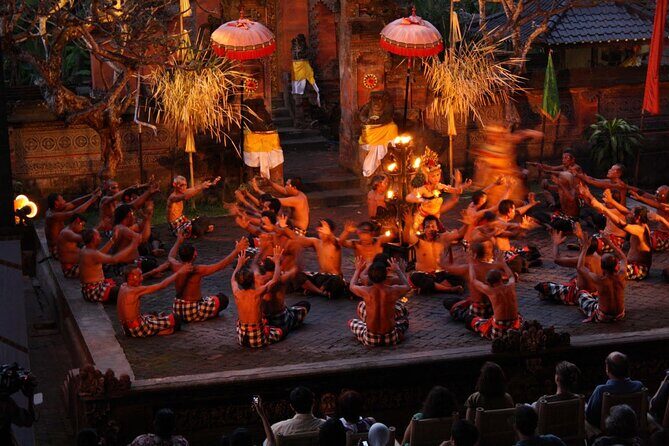
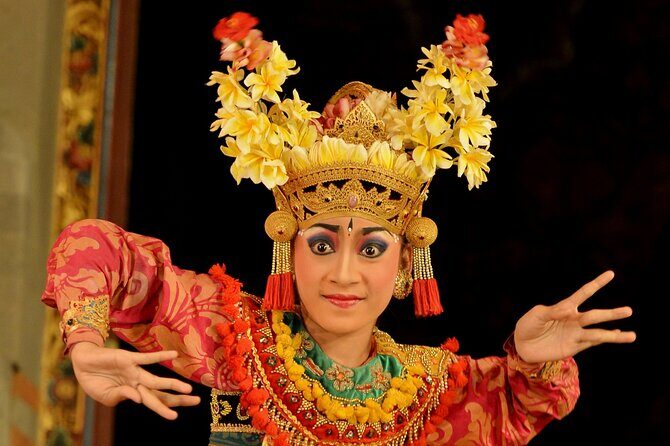
Here’s what you’re really paying for: three different dance traditions in one evening, tied together by story, setting, and performance style. The program is built around the provincial village of Batubulan, where you’ll sit in a rustic amphitheater and watch the performers come out in a slow, dramatic build.
That structure matters. If you arrive understanding even a little—who Prince Rama is, what the trance elements represent—you’ll follow the action instead of just watching cool costumes. It’s also a smart option for a first Bali night when you want culture without spending the day organizing transport and separate tickets.
One more plus: the group size is limited. With a maximum of 15 travelers, the night tends to stay organized compared with bigger bus tours.
The Schedule: What Happens From Pickup to Drop-Off
Start time is 4:00 pm, and the tour runs about 4 hours total. You’ll get a pickup from major Kuta-area hotels and nearby districts, then head toward the Batubulan performance venue. The dance portion is typically about 1 hour, with admission included.
That means the real variable isn’t the performance itself. It’s your ride time, plus how the tour handles transitions—loading, waiting, and any added stops along the way. Several experiences have run smoothly and on time, while others have felt dragged out by early collection or extra stops that were more sales-focused than cultural.
Stop 1: The Three-Act Dance Night (Kecak, Fire, Sanghyang)
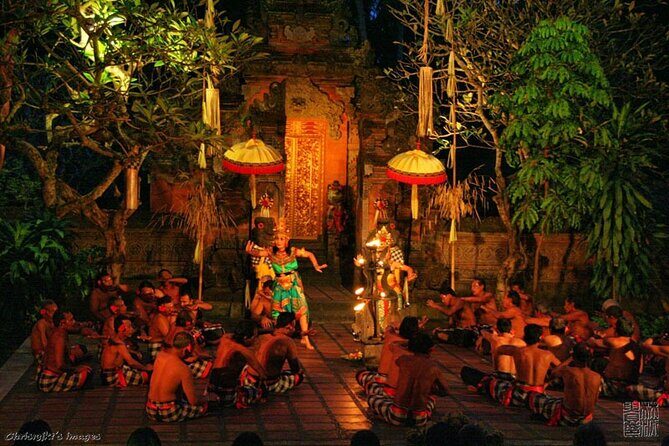
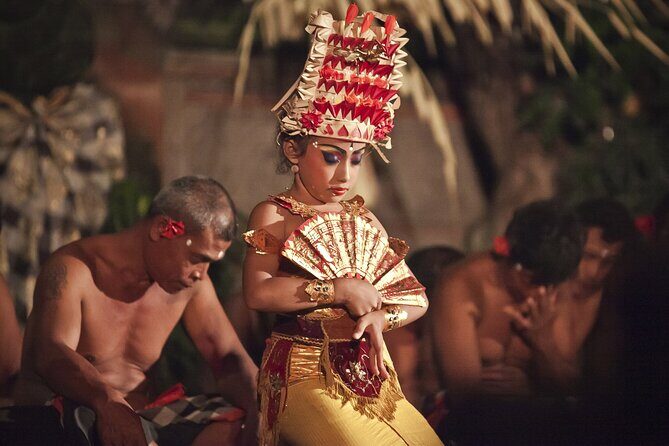
You’ll arrive at the amphitheater and feel the atmosphere change right away. There’s an expectant hush as dancers take the stage in colorful costume and heavier symbolism than typical stage shows.
The Kecak (Monkey) Dance: 50 Torch-Bearers and Rama’s Rescue
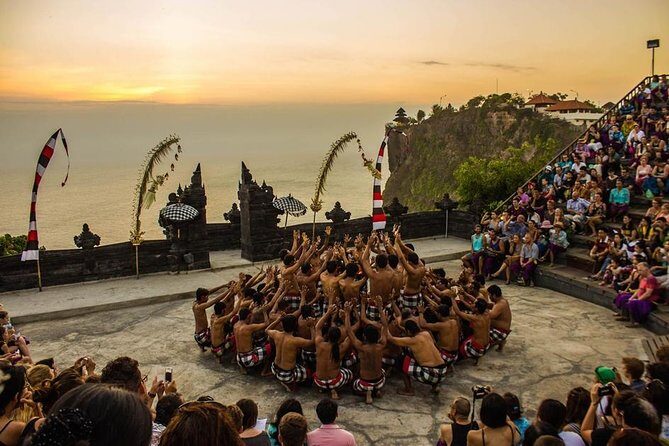
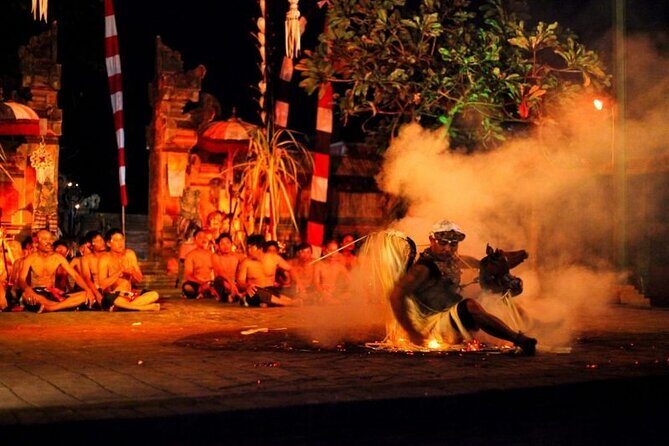
The Kecak segment is the one many people remember later. You’ll see a large group—described as around 50 men—with blazing bamboo torches. The performance uses rhythm and repetition to tell a story linked to Prince Rama’s rescue of a kidnapped princess.
What to watch for: the group energy. Kecak isn’t just “dancers moving”—it’s sound and synchronized motion that makes the audience feel like part of the ritual. If you read or listen to the story beforehand (even the simple outline your guide provides), you’ll catch the emotional beats faster.
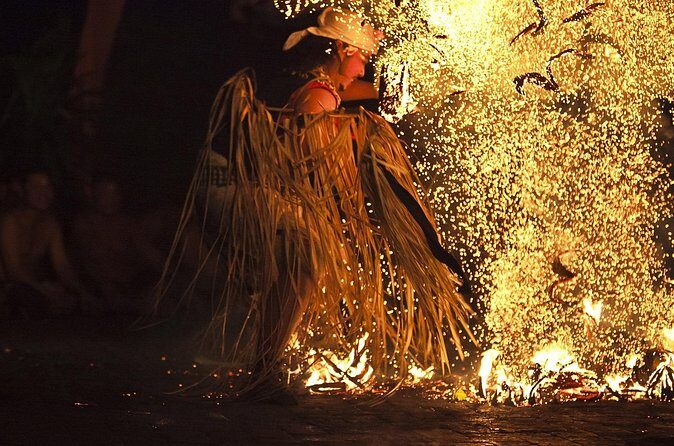
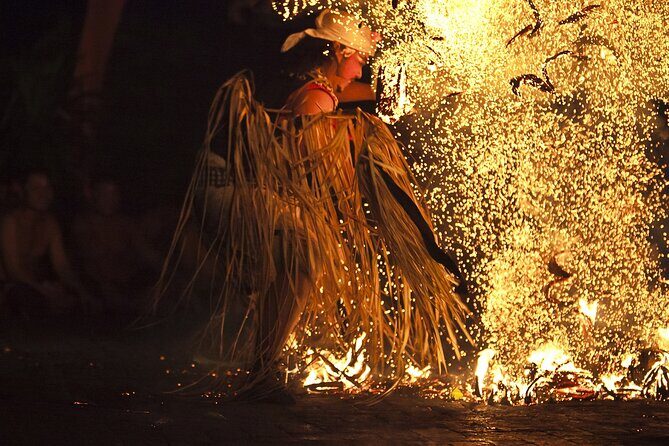
The Fire Dance: Heat, Control, and Coals
Next comes the Fire Dance, where performers become entranced and then step over smoldering coals without showing pain. This moment looks risky even from a safe distance, and the show’s power comes from confidence—breath, posture, and pacing.
Practical note: even if you’re not a fan of intense moments, you’re usually seated at a comfortable viewing distance. Still, one reason this tour earns mixed feelings is that the fire segment can feel a bit scary up close for some people, especially if you were expecting something lighter.
Sanghyang (Trance) Dance: Exorcism Roots
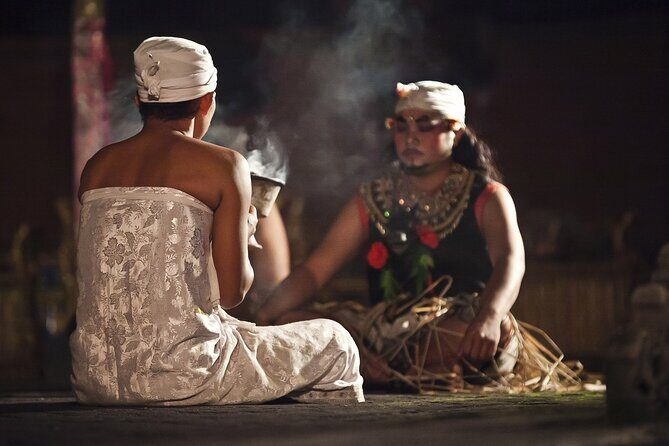
The evening closes with the Sanghyang (Trance) Dance, described as a tradition originally performed as an exorcism. The choreography is more convulsive and ritual-like than the other acts, and it’s meant to feel like something is happening beyond normal stage acting.
If you’re hoping for a modern, slick production, Sanghyang might feel rawer than you expect. But if you like cultural context—why trance appears in traditional ceremonial performance—this is the part that can feel most meaningful.
After the Show: Back to Your Hotel (and Helpful Food Tips)
Once the performances conclude, you’ll head back. Your guide should be happy to point you toward local restaurants near your hotel, which can save you time later, especially on a night when you don’t want to hunt for a place.
That’s a small thing, but it’s real value. After a 4-hour day out, good directions can matter more than another souvenir stop.
Where It Takes Place: Batubulan’s Amphitheater Vibe
The show is staged in Batubulan, described as a provincial village. The amphitheater is rustic, and the performance is outdoors, so you’re dealing with night air—sometimes cooler, sometimes humid—and bugs.
That’s where guide tips show up in the real world. One review specifically mentioned Oka bringing mosquito repellent so a guest could apply it for the outdoor Kecak portion. If you go, I’d pack (or plan to borrow) something simple for mosquitoes because dusk in Bali is prime time for bites.
Also note: because it’s outdoor seating, comfort varies. If you’re heat-sensitive or you hate sitting in one position for a full hour, consider bringing light layers. And yes, you might find yourself wanting to arrive early to get a good view and settle in.
Pickup and Transport: Convenience With a Timing Catch
This tour includes air-conditioned vehicle pickup and drop-off from major hotels around Kuta, Seminyak, Sanur, Jimbaran, and Nusa Dua. The tour limit is small, which helps.
But Bali traffic is Bali traffic. Multiple experiences have pointed out that the ride from Kuta can be long, and that can push the evening schedule around. A couple of reviews highlighted how guides handled it well—like Darta who anticipated heavy traffic—while other accounts described awkward early pickup that turned into waiting until the venue opened.
So here’s the practical way to think about it:
- If your hotel is near the central pickup zones, you’re more likely to get a smooth ride.
- If your pickup is pushed early, treat it as a bonus chance to wander nearby rather than a promise of extra show time.
Some experiences also mention optional added stops. One person described being taken to a nearby temple, which turned waiting into something educational. Other experiences describe detours into markets or shops that felt sales-heavy. You can’t control this fully, but you can control your mindset: decide in advance if you want shopping time or if you’d rather focus purely on the performance.
Price and Value: When It Feels Worth It (and When It Doesn’t)
At $48.72 per person, the price looks moderate for an evening with hotel transfer, an English-speaking licensed guide, and admission to the dance performance. The math improves if you see the full program as described and the transportation is comfortable.
Where value gets shaky is in the mismatch between expectations and what you experience. A few accounts said the show ran closer to 45–60 minutes instead of what they expected from the broader tour description. Others felt uncomfortable on the bus due to air-conditioning issues.
And then there’s the shopping question. Several reviews complained about time spent in craft or souvenir stops and described pushy sales. If that happens to you, you might feel like you paid for transport and entertainment and got a sales outing as the bonus.
A budget comparison one reviewer used suggested that a private taxi plus separate tickets could come out cheaper than the tour price for some combinations. You don’t need to do that if you value simplicity, but it’s useful if you’re traveling as a couple and you hate being tied to group timing.
My balanced take: this tour is a good deal if you want the guide explanation and you want an easy transfer with minimal planning. It’s not a bargain if the ride is long, the schedule drifts, and the experience feels padded with detours.
What to Bring and How to Prepare
You’ll get pickup at 4:00 pm, and the show is outdoors in the evening. Since food and drinks aren’t included, plan an easy snack or hydrate before you go. You’re not guaranteed a meal stop, and some people reported only basic snacks or packaged options when they expected more.
Also keep these practical items in mind:
- A light layer for night air and outdoor seating.
- Mosquito protection (especially if you’re sensitive).
- Comfortable shoes for short walks around the venue areas.
- Your attention span for three different dance styles—Kecak, Fire, and Sanghyang—so you can actually follow the story flow.
Finally, I’d skim any printed program your guide provides before the show starts. One review made the simple point that the guide didn’t always narrate everything, so reading along helps you follow the storyline as it changes.
Who This Tour Fits Best
This is a great match if you want a first-rate cultural introduction without spending hours organizing. You’ll likely enjoy it if you like:
- story-based performance (not just spectacle)
- traditional dance forms with ritual elements
- an evening plan with hotel pickup
It can be less satisfying if you’re the type who hates waiting. Reviews mention early pickups and waits for venues to open. It can also be a rough fit if you dislike fire or trance-style performance pacing.
If you’re traveling with someone who wants only one big highlight, you might prefer a shorter event or a different location altogether. But if you want one night that covers three dance traditions, this setup makes sense.
A Quick Word on Mixed Reviews
The rating sits around 3.6 from 49 reviews, which tells me the experience can be either smooth or frustrating depending on timing, guide style, and how the day is managed. When people rate high, it’s usually because they got:
- good storyline explanations
- smooth timing
- a memorable Kecak and Fire segment
- friendly, organized service
When people rate low, it’s usually because they got:
- long travel or early pickup with waiting
- extra stops for purchases
- bus comfort problems
- a shorter-than-expected performance window
So, treat this like a cultural night with a bit of Bali logistics attached. If you go with that mindset, you’ll enjoy it more.
Should You Book This Bali Traditional Dance Evening?
Book it if you want an easy, guided, story-based introduction to Bali performance, and you’re staying in the Kuta/Seminyak/Sanur/Jimbaran/Nusa Dua cluster. The included admission, air-conditioned transport, and English guide make it simpler than piecing it together yourself.
Skip or adjust your expectations if you strongly dislike crowds, hate being moved from place to place, or you’re very sensitive to schedule drift. If you’re comparing costs, also check whether you’d be happier taking a private driver and buying tickets separately—some people find that can reduce time spent on detours.
If you do book, I’d set one rule for yourself: go in wanting the story as much as the show. When the guide connects Rama, the trance element, and the overall meaning, this tour turns from entertainment into something you remember for the right reasons.
FAQ
FAQ
What time does the tour start?
It starts at 4:00 pm.
How long is the experience?
The tour is about 4 hours (approx.), with a 1-hour dance performance included.
Which dances are included?
You’ll see the Kecak (Monkey) Dance, the Fire Dance, and the Sanghyang (Trance) Dance.
Do I get hotel pickup and drop-off?
Yes. Pickup and drop-off are included from major hotels in Kuta, Seminyak, Sanur, Jimbaran, and Nusa Dua areas.
Is the ticket price inclusive of admission?
Yes. The 1-hour dance performance admission ticket is included.
Are food and drinks included?
No. Food and drinks are not included.
What group size should I expect?
The maximum group size is 15 travelers.
Is cancellation free?
Yes, you can cancel for a full refund up to 24 hours before the experience’s start time.