
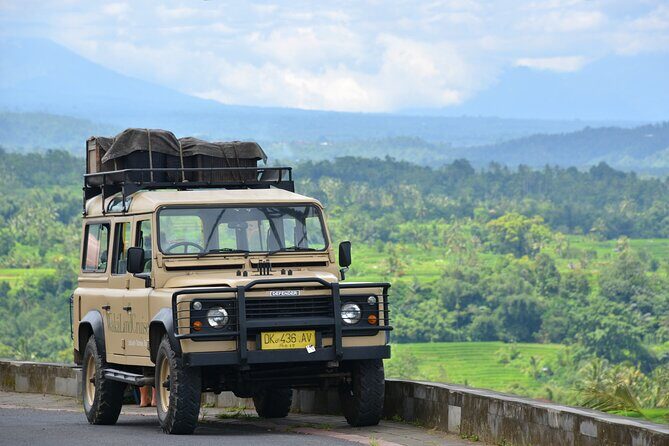
Bali 4WD Adventure WakaLand UNESCO Jatiluwih Trip in Bali Outback
Bali gets serious inland. This small-group 4WD adventure pushes you into rural Tabanan Regency for rice terraces, village stops, and mountain-side temples you won’t see from the beach strip. Two things I love about it right away: the mix of hard-to-reach places (quarries, bamboo groves, hot mineral baths) and the fact that the lunch is in the rainforest on Mount Batukaru’s slopes.
The main thing to consider is time. Some parts of the day feel like a quick pass-through rather than a slow soak, so if your top goal is lots of uninterrupted jungle time, I’d mentally budget for driving and temple/village stops.
In This Review
- Key things to know before you go
- Price and what you’re really buying for $115
- The 4WD reality: bumpy roads, big photo angles
- Penebel and the stone quarry: where temple stone starts
- Coffee, vanilla, cocoa, and tea: a working farm break
- Jatiluwih UNESCO terraces: Subak irrigation up close
- Mount Batukaru slope stops: bamboo groves to jungle lunch
- Batukaru Temple: spirituality in a quieter corner
- Hot mineral baths: history, atmosphere, and real-world use
- Timing, pacing, and small-group comfort (with one caution)
- Who this tour fits best (and who should look elsewhere)
- So… should you book Bali 4WD Adventure WakaLand UNESCO Jatiluwih Trip?
- FAQ
- How long is the Bali 4WD Adventure WakaLand UNESCO Jatiluwih Trip?
- What does the tour cost?
- Do you get pickup and drop-off from hotels?
- How many people are in each vehicle?
- Is lunch included?
- Do I get an English-speaking guide?
- Which major stops are included during the day?
- Is free cancellation available?
Key things to know before you go
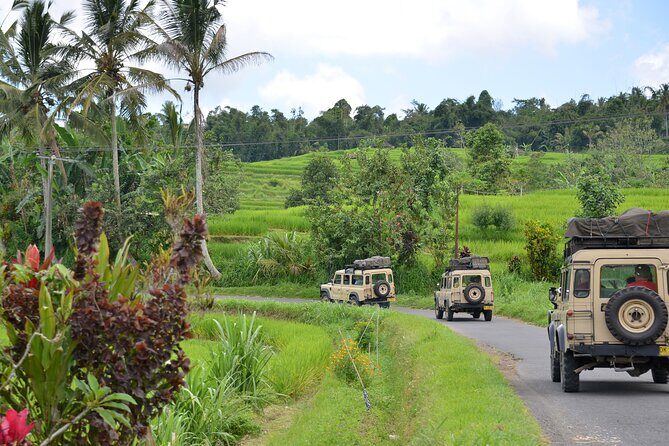
- Max 6 people per vehicle keeps the day from feeling crowded, even on bumpy roads.
- English-speaking driver/guide is included, plus morning tea and beverages.
- Jatiluwih rice terraces are a major highlight, with the Subak irrigation system behind them.
- Batukaru Temple adds a spiritual layer in a quieter part of Bali.
- Hot mineral baths are part of the day—great for atmosphere, and you may want swimwear if you plan to soak.
- Rainforest lunch at Bamboo Forest Restaurant by WHM is consistently the moment people remember.
Price and what you’re really buying for $115
At about $115.39 per person for an ~8-hour day, you’re paying for a full package: 4WD transportation, an English-speaking licensed driver/guide, hotel pickup and drop-off from major areas, and a meal plan that includes lunch plus beverages. That matters in Bali because inland driving can turn into a time sink if you try to DIY it, and 4WD is what gets you off the smoother routes.
Also, small-group limits (up to 6 people per vehicle) are part of the value. Fewer people means fewer stops that turn into waiting games, and you get better chances for photos and conversation with your guide.
The 4WD reality: bumpy roads, big photo angles
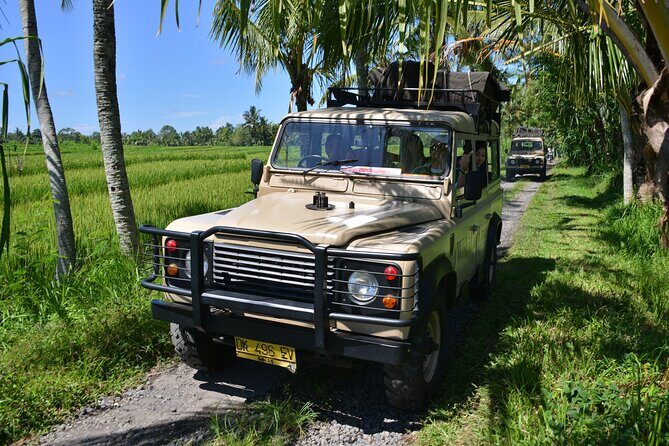
This is called an outback-style adventure for a reason. You’ll leave the beach-and-market loop and head into Bali’s interior, where roads can be narrow and uneven. Expect real driving—often fast, often bouncy—so plan for a day where you’ll be shifting your focus between the vehicle ride and the views.
What makes the ride worthwhile is what the drive reveals. Along the way, you see a mix of everyday rural life and religious details: hand-carved deities placed in the roadside landscape, and a contrast between modern and traditional architecture as you move through less-touristy villages.
Practical tip: wear shoes with grip. You’ll be stepping on uneven surfaces at village and temple stops, and the last thing you want is to be thinking about footing instead of taking photos.
Penebel and the stone quarry: where temple stone starts
Your day begins in the Penebel area, with a stop at a natural stone quarry. Instead of a staged viewpoint, this is about process. Villagers have cut stone out of a dry river bed for generations, and you can see how the raw material becomes the building blocks for temples and shrines.
Why this stop matters: it gives you context. Bali isn’t just scenery—it’s infrastructure made of stone, carved by hand, and tied to religious practice. If you like travel that explains how things are made, you’ll enjoy this moment more than the typical quick photo stop.
Then you move on to an agricultural village environment. The idea here is simple: you get a taste for how people live when tourism isn’t calling the shots.
Coffee, vanilla, cocoa, and tea: a working farm break
Next comes a break at a farm area where you sip tea and take in fields growing coffee, vanilla, and cocoa. This is one of those stops that can feel short on paper, but it’s useful because it changes the pace. After time on the road and in village settings, you get a calmer moment to look around and smell the air.
If you’re the kind of person who likes souvenirs that mean something, this is also where you can learn what you’re actually buying later—though what’s available to purchase isn’t listed, so I’d treat it as a learning and tasting moment, not a shopping guarantee.
Jatiluwih UNESCO terraces: Subak irrigation up close
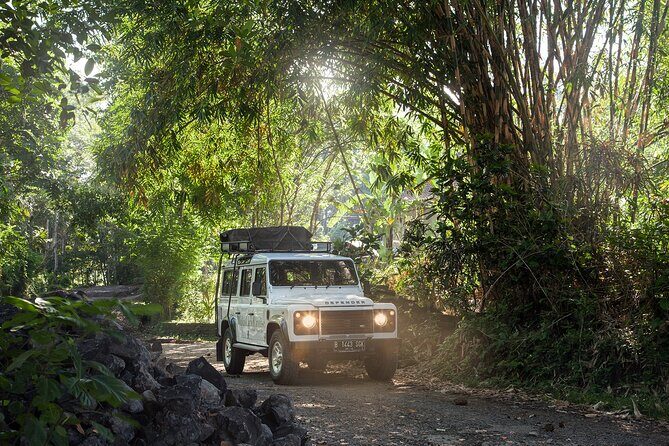
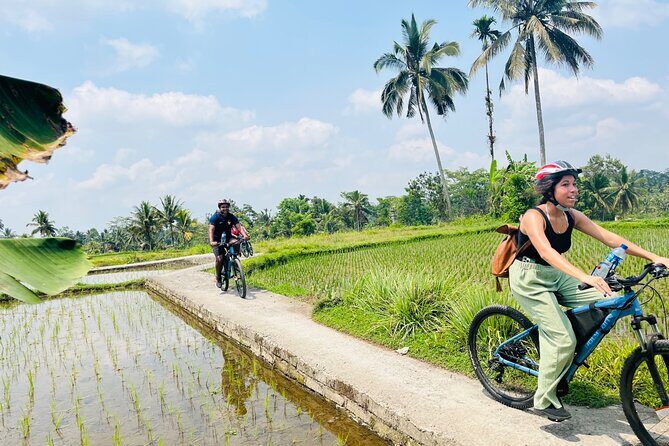
Jatiluwih is the big name for a reason. You’ll visit Bali’s terraced rice paddies, maintained through the ancient Subak irrigation system. This isn’t just “pretty greenery on a slope.” It’s a living system that coordinates water use, farming, and community decision-making.
What you’ll notice on-site is the layered structure: paddies stepping down the hills, with the farming pattern creating that patchwork look people come for. Timing matters here too. If you can, aim to spend a little extra time walking and finding angles where the terraces stretch across the hillside.
Practical tip: bring something for insects and a light layer for shade changes. Mountain-side weather in Bali can shift quickly.
Mount Batukaru slope stops: bamboo groves to jungle lunch
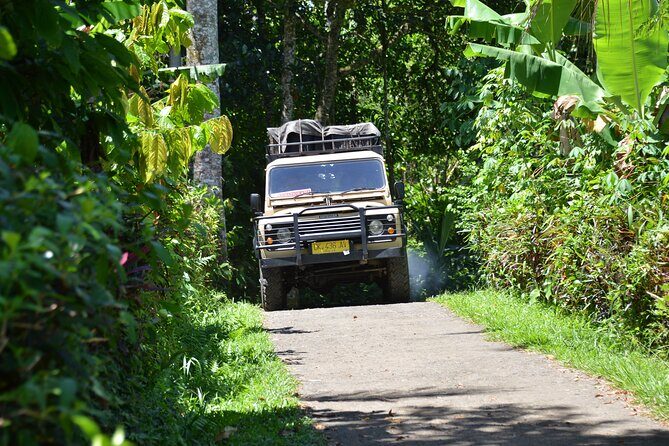
After rice terraces, the day moves toward Mount Batukaru. You’ll travel through thick bamboo groves and climb into a cooler, greener feel. The temperature shift is part of the experience—you literally feel Bali change as you gain altitude.
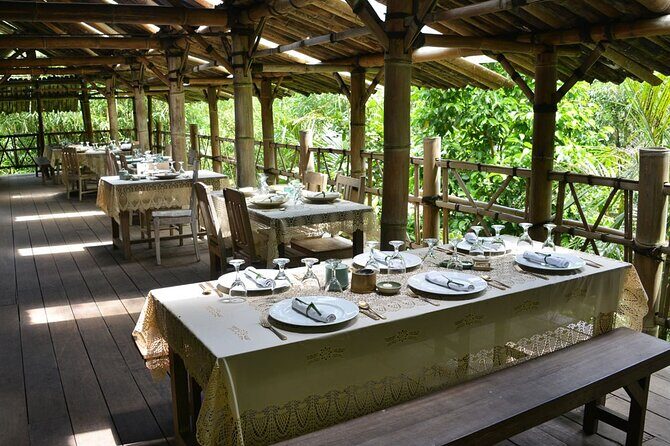
Then comes what many people remember most: lunch at Bamboo Forest Restaurant by WHM, set right on the slopes near a jungle camp vibe. You’ll eat Balinese cuisine surrounded by giant bamboo, with views overhead toward Mount Batukaru.
Lunch layout (so you know what to expect):
- You dine on Balinese favorites in the restaurant setting
- You get a choice of tea, soft drinks, beer, wine, or coffee
- You also have morning beverages earlier, so you’re not stuck just waiting for the meal
Why this lunch is a highlight: it’s not only the food (which is consistently praised), it’s the setting. High up, with bamboo all around, it feels like you’re eating inside the landscape rather than next to it.
Batukaru Temple: spirituality in a quieter corner
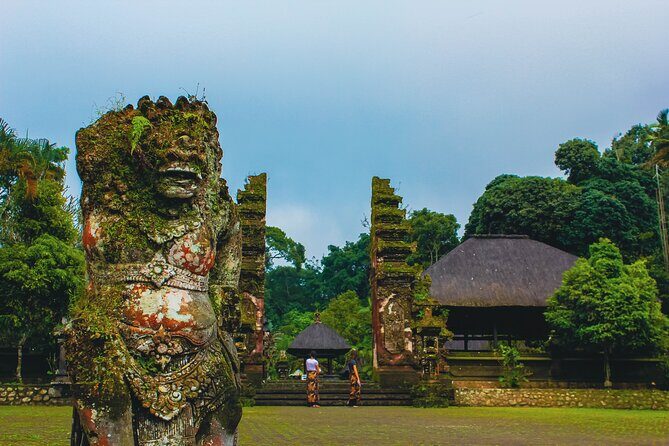
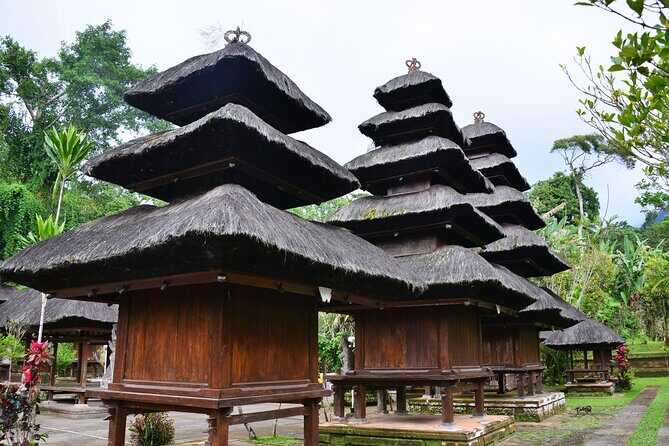
After lunch, you visit Batukaru Temple, described as a sacred mountain sanctuary and a royal temple of the Tabanan dynasty, founded in the 11th century by Hindu sage Empu Kuturan.
This is one of those stops that works well if you enjoy religious architecture without the big-tour crush. The temple context matters here: it’s tied to a mountain sanctuary concept, not just a random temple you pass on the way to a viewpoint.
Practical note: Bali temples typically expect respectful dress. The tour info doesn’t specify clothing rules, so I’d pack basic respect in your planning—covering shoulders and having a plan for lower-body coverage.
Hot mineral baths: history, atmosphere, and real-world use
Toward the end of the day, you stop at ancient hot mineral baths. Your guide explains the history and how the baths are used in modern times, and you see why this tradition keeps going.
A key point: the tour description says you visit the baths, not necessarily that you’re guaranteed long soaking time. If soaking is a priority for you, bring swimwear and a change of clothes anyway, but don’t assume you’ll have a long, leisurely spa schedule.
This stop works well even if you don’t soak. The baths add a tactile, human element to the day—something beyond walking and photo angles.
Timing, pacing, and small-group comfort (with one caution)
This is an ~8-hour outing, and the day is built as a sequence of stops rather than one long activity block. That’s why you’ll feel both variety and a bit of time pressure. You’ll move from quarry to farm to rice terraces to bamboo restaurant to temple to baths and then back.
Small-group limits (up to 6 per vehicle) help with pacing, but they don’t eliminate the bigger Bali reality: roads and vehicles can run into issues. One past situation to keep in mind is a 4WD mechanical problem (drive shaft failure) that meant a wait for a replacement vehicle. That’s not something you can plan perfectly for, so if you’re traveling with strict timing for later that evening, leave a little buffer.
For guide style: you get an English-speaking licensed driver/guide, and people can experience the day as very informative or a bit quiet depending on the guide’s energy. I’d treat the guide as your best source for clarifying what you’re seeing on the way.
Who this tour fits best (and who should look elsewhere)
This tour is a good match if you want:
- Inland Bali—not just beaches and shopping streets
- A mix of nature, farming, temples, and practical cultural stops
- A day that includes lunch in a special mountain setting
- A group size that stays manageable (max 6 per vehicle)
It might be less ideal if:
- You’re mainly chasing one kind of experience, like long uninterrupted rainforest time
- You care most about specific coastal temples or staged performances (because this day is very focused on Tabanan and Batukaru area stops)
- You want a slow, restful day with minimal driving
So… should you book Bali 4WD Adventure WakaLand UNESCO Jatiluwih Trip?
If you like variety and you want to see the part of Bali that feels lived-in, I think this is a strong value buy. For the price, you get 4WD transport, an English-speaking guide, hotel pickup/drop-off, and a day structured around major inland highlights like Jatiluwih and Batukaru, plus the meal at Bamboo Forest Restaurant by WHM.
My call: book it if you’re excited by rice terraces, bamboo groves, temple visits, and hot mineral baths—and you’re okay with a full day of moving from stop to stop. If you want a lighter pace or maximum time in one single setting, ask more questions before you go so the day matches what you’re craving.
FAQ
How long is the Bali 4WD Adventure WakaLand UNESCO Jatiluwih Trip?
It runs for about 8 hours.
What does the tour cost?
The price is $115.39 per person.
Do you get pickup and drop-off from hotels?
Yes. There’s pickup and drop-off from major hotels in Kuta, Seminyak, Sanur, Jimbaran, and Nusa Dua area (select hotels).
How many people are in each vehicle?
The tour limits groups to a maximum of 6 people per vehicle.
Is lunch included?
Yes. Lunch is included, along with coffee and/or tea and beverages.
Do I get an English-speaking guide?
Yes. The tour includes an English-speaking licensed guide/driver.
Which major stops are included during the day?
You’ll visit places including Penebel (natural stone quarry area), Jatiluwih rice terraces, Bamboo Forest Restaurant by WHM for lunch, Batukaru Temple, and ancient hot mineral baths.
Is free cancellation available?
Yes. You can cancel for a full refund up to 24 hours before the experience start time.
More Tour Reviews




More Rice Terrace Tours


More Ubud Tours
Rice Terrace Tours: how the alternatives stack up
 ★ 5.0
★ 5.0Ubud: Monkey Forest, Jungle Swing, Rice Terrace, and Water Temple
 ★ 5.0
★ 5.0Full-Day Tour to Water Temples and UNESCO Rice Terraces in Bali
The lists this tour appears in