Canyoning Bali, Blue Gorge Canyon (Adventure, discovery, nature)
You’ll start early, then play in a hidden gorge. This Blue Gorge Canyon experience stands out because it mixes waterfall canyoning with jungle trekking into a gorge of striking blue/green water, shaped by the sun angle. I also like the ICOpro equipment and initiation training, which is built to help you get moving with confidence. One thing to consider: you’re in a real canyon, so you should be ready for wet gear, short hikes, and the fact that conditions depend on the weather.
The whole day is designed like a smooth progression. Pickup gets you to basecamp, you get fitted and trained, then you spend about 2.5 hours on the river doing slides, swims, rappels, and optional jumps before returning for shower and lunch.
In This Review
- Key things to know before you go
- Why Blue Gorge Canyon feels different in Bali
- The 6:00 am start: pickup, basecamp, and why the timing helps
- From the river to the gorge: the descent plan that keeps things fun
- Rappels up to 12m: what makes the safety training feel real
- Optional jumps up to 7m: how to choose your comfort level
- Trekking sections: short, useful, and part of why it feels authentic
- What happens at the end: shower, lunch, and getting your photos
- Gear and included value: what $100 actually covers
- Who should book this canyoning experience
- Tips to make your day smoother (and less stressful)
- Should you book Blue Gorge Canyon?
- FAQ
- FAQ
- What time does the Blue Gorge Canyon tour start?
- Do you offer pickup from hotels in Ubud?
- How long is the canyoning portion?
- How high are the rappels and optional jumps?
- Is breakfast and lunch included?
- What gear and safety support are included?
- Are accident insurance and photos included?
- What if the weather is bad?
Key things to know before you go
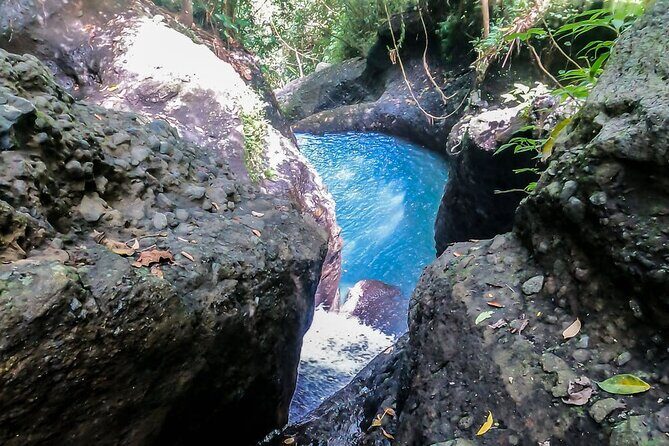
- Blue/green gorge water: color shifts with the sun, so the gorge looks different in each section of the route
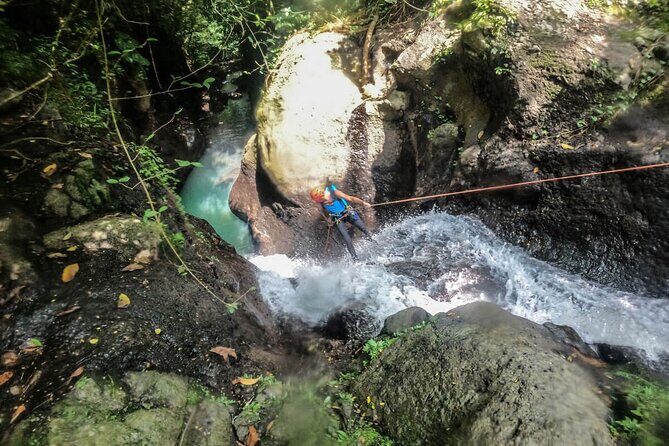
- 5 rappels up to 12m: real abseiling over waterfalls, with technical equipment and supervision
- 7 optional jumps up to 7m: if you want adrenaline, you can choose your level in each jump zone
- About 2.5 hours in the canyon: the core descent is steady and active, not a quick photo stop
- Small group size (max 12): easier pacing and more guide attention when you’re learning
- Free photos and video: you can relax during the action and still leave with content
Why Blue Gorge Canyon feels different in Bali
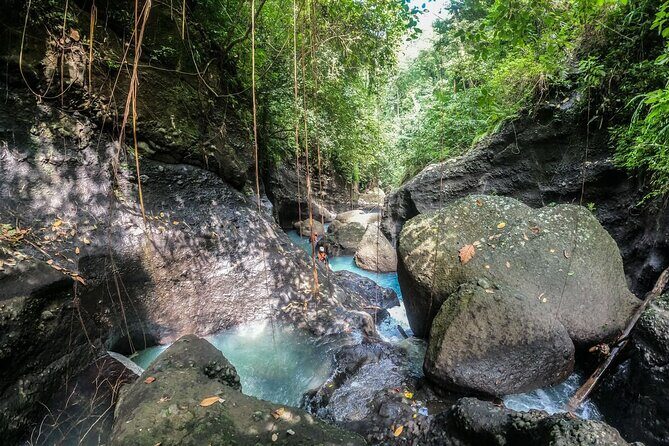
Bali has plenty of outdoor adventures, but this one is built around a specific kind of magic: a gorge you can reach by canyoning, with water that turns blue/green depending on the light. That color effect is the first thing you’ll notice once you’re down in the canyon. In person, it reads as more than scenery. It changes how the whole route feels—cooler, fresher, and more like a natural playground than an activity park.
Another reason this experience lands well is the blend of skills. You’re not just “rappelling and hoping for the best.” You do a mix of rappels, swims in natural pools, slides, and optional jumps. Some parts are pure action. Other parts are short walking and scrambling sections that reset you so the day doesn’t feel like constant hanging on ropes.
Finally, the tour is positioned as for everyone who can handle basic activity in the outdoors. It’s not pitched as an extreme technical expedition. That matters because it makes the day more approachable, especially if you’re new to canyoning.
The 6:00 am start: pickup, basecamp, and why the timing helps
Your day typically starts at 6:00 am, and pickup is offered from hotels in the specified area. Early matters here. In the morning, the gorge and waterfall areas often feel cooler and less crowded, and you’re more likely to have calm start-of-day energy.
At basecamp you’ll do the practical stuff first:
- registration
- coffee or tea and a light breakfast
- getting equipped
- canyon initiation training with an ICOpro-aligned approach, so you know what’s coming
This isn’t just ceremonial. If you’ve never done rappels or canyon jumps, your brain needs a simple map before you’re standing at the edge. The training step is what turns the canyon from scary into doable. It’s also where you learn how to move on slippery rocks and how the gear works on your body.
After training, you drive to the start point (about 10 minutes), then you begin the short approach. You’ll do a hike downhill to reach the river. It’s not long, but it gets you warmed up and gets you mentally in canyon mode.
From the river to the gorge: the descent plan that keeps things fun
Once you hit the river section, the day shifts from “instructions” to “action.” The core descent is about 2.5 hours, and the route includes:
- 5 rappels (waterfall abseiling, up to 12m)
- swimming in natural deep pools
- slides and movement through waterfall areas
- 7 optional jumps (up to 7m)
The pacing usually feels like a sequence of mini-adventures. One moment you’re preparing for a rappel with the team guiding your setup. Then you’re in water, swimming or floating between play zones. After that, you’re back on your feet for a scramble and a look at what’s next.
The optional jumps are a big part of the appeal. You don’t have to do everything. If you want adrenaline, you can choose the jump height that matches your comfort level. If you’d rather stick to the lower-impact choices, you can still participate through swims and slides. This is the kind of flexibility that makes canyoning accessible without turning it into a watered-down version of the sport.
You’ll also notice how the natural pools shape the experience. The route is designed around places where you can actually use the water—jumping into depth, swimming through sections, and chilling in the pools between action moments. That makes the gorge feel like a whole system, not just a line of obstacles.
Rappels up to 12m: what makes the safety training feel real
Rappels are where most first-timers get nervous. Here’s the good news: the setup and instruction are a major part of why this tour consistently works for beginners.
You’ll be supervised by an ICOpro instructor and assistant team, and the gear is specified as ICOpro and CE-standard, including a high-performance canyoning rope from Korda’s. That might sound like technical fine print, but it matters because it translates into a calmer feeling when you’re clipped in and ready.
In the prep phase, you’re taken through the equipment and the basics of abseiling. You’ll learn how to position yourself, what to expect on the descent, and how your hands and feet should work. One small detail I like from the experience descriptions is that they call out specific gear familiarity—things like crampons and the pirana attachment—so you’re not standing there guessing how to use what you’ve been given.
The guides’ style is also a theme. Names that come up include Rama and Jessi/Jess. People highlight how patient and supportive the team is, especially during the steps that feel most intimidating: clipping in, setting up on ropes, and committing to a rappel or jump.
Optional jumps up to 7m: how to choose your comfort level
Jumping is optional, and that’s a big deal. People often assume canyoning means you must jump into every pool. This route gives you a better system: you can pick where to commit.
The jumps range up to about 7m, and the goal is fun with real safety habits. You’ll be told what’s coming, and you’ll have the guides’ support while you’re deciding. If you’re new, start with the lower jump options or choose only the jump heights that match how you feel at the moment.
The best way to approach this is mentally simple. Don’t compare yourself to anyone else in the group. Treat each jump like a separate decision. Your comfort will often change as you warm up to the water and the movement in the canyon.
Trekking sections: short, useful, and part of why it feels authentic
You’re not just carried from one rappel to the next. You’ll also do walks and short hikes.
- There’s about a 15 to 20 minute approach and return walking time built into the overall plan.
- You’ll spend time moving through the green jungle areas around the gorge.
These sections matter because they keep the day from becoming one long technical grind. They also help the experience feel grounded in Bali outdoors instead of just a staged adventure. You get a chance to look at the canyon from different angles, breathe the air around the waterfalls and gorge area, and reset between the most intense moments.
What happens at the end: shower, lunch, and getting your photos
After the canyoning you return to basecamp for:
- shower (with shampoo and soap)
- lunch
- photos and videos
Free photos and video are included, which is huge value. It means you don’t need to stop your fun to manage a camera. It also helps if you’re spending energy on staying balanced, listening for instructions, and moving safely. When you get home later, you’ll have a record that actually shows your day instead of only the edges of it.
Lunch is provided after the activity, and it can be vegetarian or vegan if you need that. Fresh fruit also comes in the package, along with tea/coffee/water and snacks earlier in the day.
Gear and included value: what $100 actually covers
At about $100 for roughly 3 hours total time (with the canyon portion around 2.5 hours), the cost is more than just activity access. You’re paying for a complete, prepared system.
What’s included:
- pickup and drop-off (within the specified area)
- all canyoning equipment (ICOpro and CE-standard)
- branded technical gear, including a rope from Korda’s
- supervision by an ICOpro instructor and assistant team
- ICOpro Canyoneer Initiation (CAI) training course
- breakfast and lunch (veg/vegan options)
- fresh fruit, tea/coffee/water, snacks
- shower items and towel
- accident insurance up to USD 10,000 per person
- free photos and video
What’s not included:
- alcoholic drinks
- personal expenses
- swimwear/change of clothes/sunscreen (you’ll want these)
- any camera or USB/memory card for your photos and videos
This is why the value feels solid. If you tried to DIY canyoning, the biggest costs would be training, gear, safe setup, and supervision. Here, you’re handed a complete kit plus the instruction that makes it usable.
If you like your adventures organized (and you want to spend your energy doing, not figuring out), this setup fits.
Who should book this canyoning experience
This tour is a great fit if you:
- want nature + adventure in one morning
- like waterfalls, natural pools, and active movement
- are a beginner or intermediate and want structured training
- want the option to choose how intense you go with optional jumps
- appreciate small groups (max 12) for better attention
It’s also a good choice for families and teens, based on the types of groups that have done it with the team. The guides are described as careful and supportive, with a focus on helping people succeed at their own pace.
You might want a plan B if:
- you’re not comfortable with heights or the idea of rappelling
- you don’t like wet conditions
- you’re sensitive to slippery rocks and quick transitions between walking and water sections
Tips to make your day smoother (and less stressful)
You’ll be wet, so plan like that’s true from minute one.
- Bring swimwear and a change of clothes. The tour provides shower access, but you still need something clean to go back in.
- Wear sunscreen even if it’s early—morning sun in Bali can still be strong.
- If you have a GoPro or small camera, you can bring it, but the tour’s photos/videos are included so you don’t have to rely on your own footage.
- Expect to use the gear the way they train you. If they show you how to use crampons and the pirana attachment, copy that exactly.
Also, arrive on time for the 6:00 am start. Early tours are often smooth because the team is stacking gear, training, and departure timing carefully.
Should you book Blue Gorge Canyon?
Book it if you want a canyoning day that feels built for real humans: training first, clear guidance, and a mix of action types. The most convincing reasons to choose it are the combination of 5 waterfall rappels, optional jumps up to 7m, and the gorge’s blue/green water that changes with the light. Add in the small group size and the care people associate with the guides like Rama and Jessi, and the experience makes sense for beginners who still want a thrill.
Skip it if your idea of a perfect day is dry, relaxed, and low effort. This is active. You’ll hike a bit, get wet, and spend time on technical rope and slippery surfaces.
FAQ
FAQ
What time does the Blue Gorge Canyon tour start?
The start time is 6:00 am.
Do you offer pickup from hotels in Ubud?
Yes. Pickup and drop-off are included from/to accommodation in the specified area.
How long is the canyoning portion?
The descent duration is about 2.5 hours, with additional approach and return walking time of 15 to 20 minutes.
How high are the rappels and optional jumps?
There are 5 rappels with waterfalls up to 12 m high. Jumps are optional up to 7 m.
Is breakfast and lunch included?
Yes. You get a light breakfast and lunch, and lunch can be vegetarian or vegan.
What gear and safety support are included?
All canyoning equipment is included (ICOpro and CE-standard), plus supervision from an ICOpro instructor and assistant team. You also receive ICOpro Canyoneer Initiation (CAI) training.
Are accident insurance and photos included?
Accident insurance up to USD 10,000 per person is included, and free photos and video are provided.
What if the weather is bad?
This experience requires good weather. If it’s canceled due to poor weather, you’ll be offered a different date or a full refund.