Day with a Balinese Family in a Village
This day goes beyond the usual Ubud checkboxes. You spend about six hours with a Balinese family, moving from rice fields to hands-on coconut oil production, then into lunch at their home and a workshop making colorful offerings with help from your hosts (you might meet people like Gaia or Ganyar) and a French or English-speaking guide.
Two things I especially like: you get practical, do-something experiences (not just photos), and you’re fed as part of the day—lunch plus coffee or tea included. One consideration: you’ll be walking around rural paths for much of the morning, so it’s not a “sit down the whole time” activity.
In This Review
- Key takeaways before you go
- Why this Ubud village day feels personal (and not staged)
- 8:30 pickup, a focused 6-hour schedule, and what that means for you
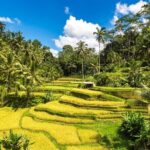
- Rice-field walk: seeing everyday rice cultivation up close
- Coconut oil production: a craft with a clear purpose
- Lunch at the family house: wood-fire cooking and homemade coffee
- Offerings workshop: making colorful creations and learning the meanings
- The guide and the human touch: French or English, with familiar names
- Price and value: why $72.08 for 6 hours can make sense
- Who this village day suits best
- Possible drawbacks (so you can plan smart)
- Small tips to make it smoother
- Should you book this Ubud day with a Balinese family?
- FAQ
- What time does the tour start in Ubud?
- How long is the experience?
- How much does it cost?
- What’s included in the price?
- Is tipping included?
- How big is the group?
- Can I cancel and get a full refund?
Key takeaways before you go
- Small group size (max 5) means more conversation with your guide and hosts
- Rice cultivation walk shows how rice farming works in everyday village life
- Coconut oil production gives you a hands-on look at a useful local craft
- Lunch at the family home includes wood-fire-style cooking plus coffee or tea
- Offerings workshop with meanings lets you create and understand what you’re making
Why this Ubud village day feels personal (and not staged)
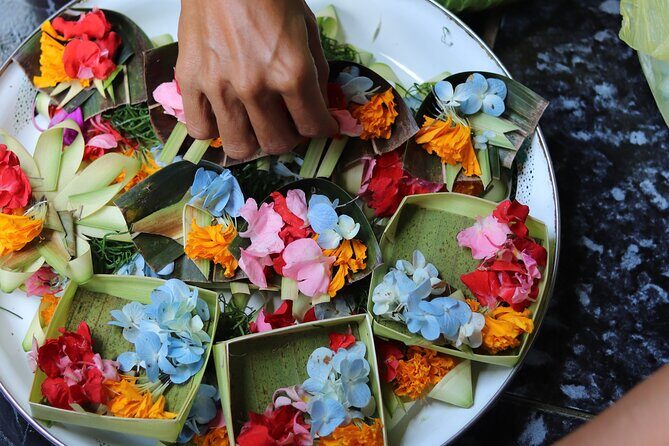
Ubud is packed with tours, and many of them feel like a highlight-reel of Bali. This one feels different because it’s built around one household and one neighborhood’s routines—rice growing, food preparation, and the daily skill of making offerings.
The structure matters. You start with a walk through rice fields and plantations, so you understand the setting before you ever touch the crafts. Then the day shifts from scenery to hands-on work: coconut oil production, a homemade meal, and weaving leaves and plant fibers into offerings while learning what they mean.
You’re not just watching. You’re participating—at a pace that stays relaxed. And because the group is capped at 5 people, your questions actually get time. That matters in a small village setting, where listening is part of the respect.
8:30 pickup, a focused 6-hour schedule, and what that means for you
The day begins at 8:30 am at Coco Supermarket in Ubud (Pengosekan area). Pickup is offered, and the tour ends back at the meeting point. Total time is about 6 hours, which is long enough to feel like a day with a family, but not so long that it turns into a full travel-day drag.
You ride in an air-conditioned vehicle. That’s a small comfort, but it helps in Bali’s heat and humidity. It also keeps the experience smoother: you’re not timing transfers or wasting time between locations.
A practical note: confirmation happens at booking time, and you’ll receive a mobile ticket. The tour also includes all fees and taxes, plus a donation. So you’re not constantly wondering what else you need to pay mid-day.
Rice-field walk: seeing everyday rice cultivation up close
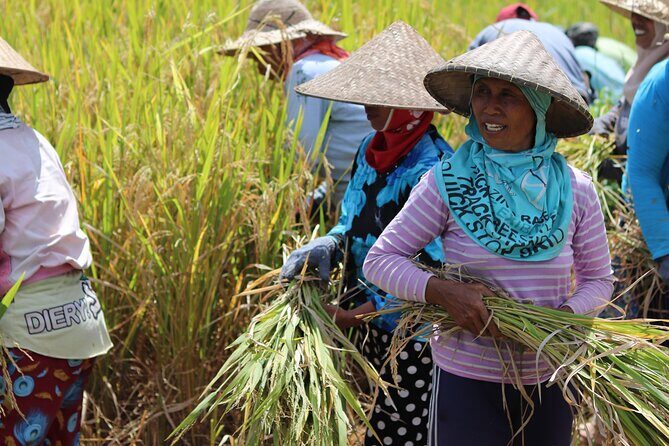
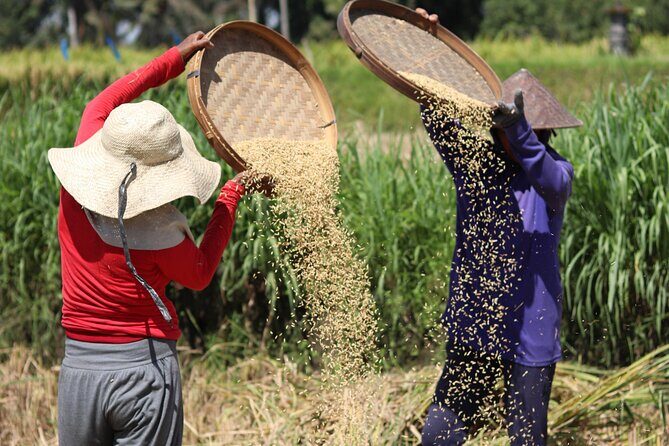
Your first real taste of village life is a walk between the rice fields and surrounding plantations. This isn’t a short photo stop. The point is to observe the daily rhythms of rice cultivation and the different methods used in the area.
What I like about this part is the order of operations. You’re not going to “craft time” first. You’re learning where the ingredients and materials come from—later, those same plants and fibers show up in the offerings work.
Expect uneven ground and real outdoor conditions. Wear shoes you don’t mind getting a little dusty. If you’re the type who likes to ask how things work, this is a great moment: walk slowly, ask questions, and let your guide connect what you’re seeing with what you’ll do later.
Coconut oil production: a craft with a clear purpose
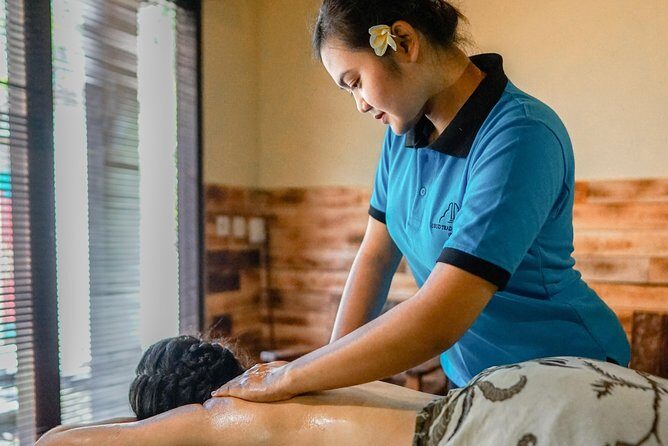
After the rice-fields walk, the day moves to artisanal coconut oil production. This is one of the most practical stops because coconut oil isn’t just a local “souvenir product.” In Bali, it has multiple uses—your day’s focus includes cooking and massage applications.
Even if you don’t become an expert by the end (most people won’t), you’ll come away with a better sense of how a simple ingredient becomes a useful product. And because it’s part of a family day, you’re hearing it explained in everyday terms, not as a museum demo.
This is also a good place to slow down and notice technique. Watch how the process is explained, then ask what steps matter most and why. That kind of question makes the experience feel like conversation, not a lecture.
Lunch at the family house: wood-fire cooking and homemade coffee
Lunch is included and served at the inhabitant’s house, which is exactly what you want from this kind of tour. The day’s description highlights traditional cuisine prepared over a wood fire, plus the chance to enjoy homemade coffee.
The meal is important for two reasons:
1) You’re learning food through the people who cook it, not through a restaurant script.
2) The timing keeps the afternoon from feeling rushed. You’re fueled, so you can enjoy the offerings workshop without turning hungry or cranky.
Dietary details aren’t specified in the information I have. If you have a strong allergy or very specific diet, it’s smart to ask your booking partner in advance so expectations stay realistic. Otherwise, the safest approach is to plan for a traditional home-style lunch.
Offerings workshop: making colorful creations and learning the meanings
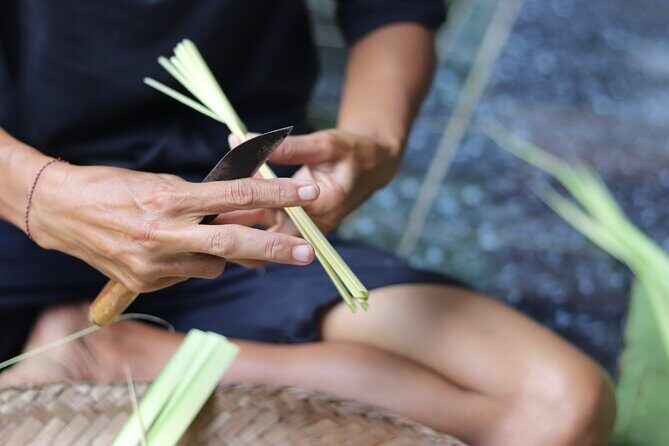
One of the best parts of the day is the workshop on making offerings. You’re taught how to intertwine leaves and plant fibers to create different forms of colorful offerings, and you also learn the meanings behind them.
This is where the tour becomes more than crafts. Offerings are part of daily life, and understanding the meaning is the difference between making a pretty item and gaining cultural context. You’ll feel the focus in the room—people take this seriously, but the mood stays friendly and instructional.
If you’re traveling with kids, this stop is especially good. One of the standout themes from the experience is that children can connect with the hands-on creating part, and the guide can make it understandable in French or English.
The guide and the human touch: French or English, with familiar names
This tour includes a French or English-speaking guide, and many people remember the tone of the day more than any single activity. In the feedback you can find names like Gaia and Ganyar for hosts, and Sywa for a driver—those details matter because they signal the experience is run by real people, not a faceless van service.
Here’s what you should do to get the most out of that: ask practical questions. Instead of only asking what something is, ask how they use it, when they do it, and what it means for their routine. If you care about respectful conversation, this day rewards that.
Because the group is small, you’ll have time to keep asking. That’s how the day turns into real understanding.
Price and value: why $72.08 for 6 hours can make sense
At $72.08 per person for about 6 hours, it’s not the cheapest thing in the Ubud area. But it includes a lot of what typically costs extra on separate tours:
- Lunch (served at the family home)
- Coffee and/or tea
- Air-conditioned vehicle
- All fees and taxes
- Donation
- A French or English speaking guide
- Small group size (max 5)
Also, admission is listed as free, so you aren’t stacking entry fees on top. The only clear extra cost mentioned is a tip, since tips aren’t included.
To judge value for yourself, think about how much you’d pay for a guided rice-fields walk plus a home lunch plus a hands-on workshop in one day. When it’s packaged this way, the price feels more fair, especially if you want something more human than a checklist.
Who this village day suits best
I’d point this tour toward people who want:
- a small-group day rather than a crowd schedule
- hands-on cultural activities (coconut oil, offerings)
- a lunch experience that feels local, not cafeteria tourism
- a guide who can explain in French or English
It can work well as a couple, solo, or with families. One of the recurring positives in the experience is that kids can enjoy the day when it’s focused on making and learning, not just walking and watching.
If your travel style is mostly about temples, markets, and cafés, you might still enjoy this—but it won’t feel like the same kind of Bali trip. This is more about daily life than landmark sightseeing.
Possible drawbacks (so you can plan smart)
Here are the main tradeoffs I’d expect:
- You’ll spend a fair amount of time walking outdoors between stops, so comfortable shoes matter.
- This is a “share time with a family” style day. That’s great for respectful, curious travelers, but if you want a strict timetable with zero social conversation, you might find it less your pace.
- Since the day includes lunch at a home, meal and schedule expectations can be a bit different from restaurant tours. If you’re very picky, it’s worth asking questions ahead of time.
Small tips to make it smoother
- Bring water, even though lunch is included, because you’ll be outdoors.
- Ask about what you’re making during the offerings workshop—people love a genuine question.
- If you prefer one language, confirm whether your guide will speak French or English that day so you’re not surprised.
Should you book this Ubud day with a Balinese family?
If you want a Bali experience that’s more than scenery, I think you should book it—especially if you like practical, hands-on learning and you enjoy talking with real people.
I’d skip it if you’re chasing only big-ticket attractions or you’re not up for a multi-hour village walk. But for most visitors who come to Ubud wanting something grounded in daily life, this kind of day hits the sweet spot: rice fields first, then crafts, then food, then offerings—all in one calm, family-run flow.
FAQ
What time does the tour start in Ubud?
The tour starts at 8:30 am. Pickup is offered, and the experience ends back at the meeting point.
How long is the experience?
The duration is about 6 hours.
How much does it cost?
The price is $72.08 per person.
What’s included in the price?
Included are lunch, coffee and/or tea, an air-conditioned vehicle, all fees and taxes, a donation, and a French or English speaking guide.
Is tipping included?
No. Tip is not included.
How big is the group?
The tour has a maximum of 5 travelers.
Can I cancel and get a full refund?
Yes. You can cancel up to 24 hours in advance of the experience start time for a full refund. If you cancel less than 24 hours before, the amount paid isn’t refunded.