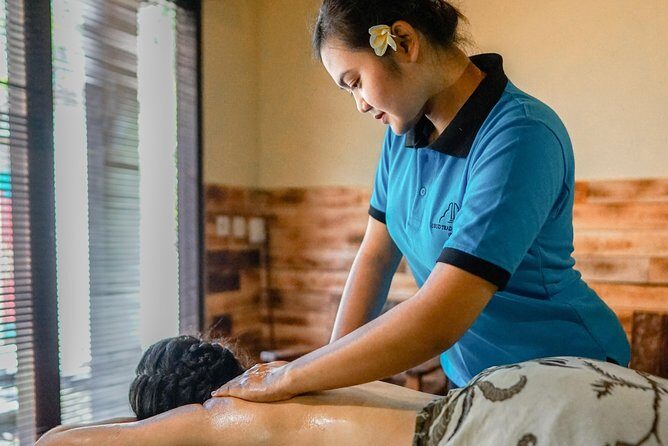
Discover Balinese fortune telling with convenient on-call service
Palm lines in Ubud can change your mood fast. This experience is built around on-call Balinese fortune telling options—private solo palmistry, a family fortune session, or counseling—so you can pick the vibe you want in the moment. You also get a local guide who frames it less like Hollywood prediction and more like life guidance.
I especially like the personal feel: it’s designed for a small group (and it’s private for your group only). Plus, you get free hotel pickup and drop-off, which matters in Bali when you’d rather spend the day seeing things than timing taxis.
One thing to consider: if you’re chasing blunt, step-by-step future predictions, you might feel like it’s more about spiritual insight and conversation than strict fortune telling. In other words, bring curiosity, not a stopwatch.
In This Review
- Quick takes: Ubud fortune telling plus Tirta Empul
- How the on-call palmistry sessions work in Ubud
- What to expect from palmistry, family readings, and counseling
- Your guide’s role: friendly, professional, and very human
- Pura Tirta Empul: the holy spring water stop that gives it weight
- Coffee plantation tasting: a relaxed palate cleanser
- Time, movement, and how the half-day format feels
- Price and value: $80 for what you’re actually buying
- Who this experience fits best (and who should think twice)
- Practical tips to get the most out of your session
- Should you book this Ubud fortune telling + Tirta Empul tour?
- FAQ
- FAQ
- How much is the tour?
- How long does the experience take?
- Where does the tour start and end?
- Is hotel pickup and drop-off included?
- Is this a private tour?
- What’s included in the price, and what isn’t?
- If I need to cancel, do I get a refund?
Quick takes: Ubud fortune telling plus Tirta Empul
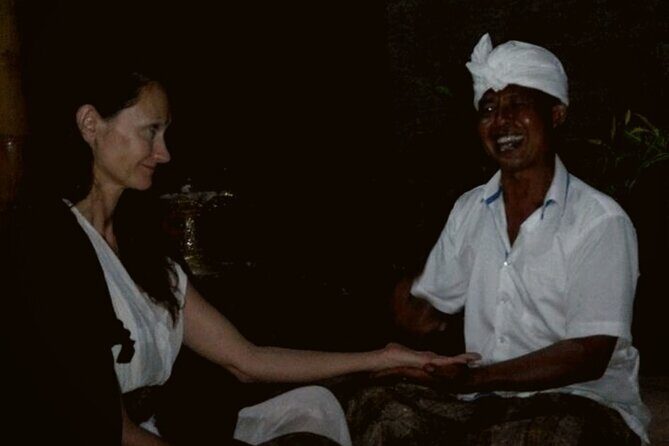
- On-call session types include private solo palmistry, family fortune telling, and counseling.
- A local Balinese Guru style that leans toward spiritual knowledge and practical guidance.
- Free pickup and drop-off keeps the day smooth, especially with temple timing and traffic.
- Pura Tirta Empul sacred spring water gives the trip a deeply Balinese, ritual-focused center.
- Coffee plantation tasting adds a casual, bite-size stop that fits nicely after the spiritual part.
How the on-call palmistry sessions work in Ubud
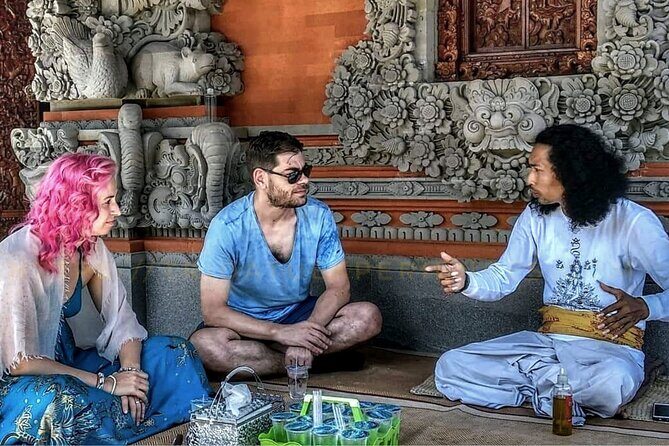
This isn’t a one-size-fits-all performance. The experience is set up as an on-call service in Ubud, which means your “fortune telling” time is flexible around what you choose: private solo palmistry, family fortune telling, or counseling.
Here’s what that can mean for you in real life. If you’re traveling solo, palmistry gives you a focused, 45-minute to 1-hour block where you can ask questions and talk through what you’re feeling. If you’re with family, the family fortune telling format is built for shared conversation—less about one person getting the spotlight, more about how people connect through the same moment in life.
And if you’re going through something heavier—choices, worries, life transitions—counseling is offered as an option too. The tone of the sessions, based on the way people describe the experience, tends to be thoughtful and spiritual rather than dramatic.
So think of it as a guided dialogue with a local practitioner, not a magic trick.
What to expect from palmistry, family readings, and counseling
Palmistry here is described as a private solo session where the practitioner looks at your palm lines and discusses past, present, and future. That’s a common structure, but the key is how it’s delivered: people end up talking more about meaning than making firm predictions.
For family fortune telling, the session is framed as a generational experience. That sounds abstract until you realize what you’re really doing: you’re taking a shared situation and letting it be reflected back through a cultural lens, together.
Counseling sessions are the third option, guided by compassionate professionals. This is the part to choose if your goal is emotional processing and clarity rather than curiosity about future events.
A practical note: your session is only about 45 minutes to 1 hour, so if there’s one big question you want answered, keep it in mind before you start. You’ll get more out of it that way than trying to cover ten topics.
Your guide’s role: friendly, professional, and very human
One of the strongest strengths of this experience is the guide setup. The highlights promise an informative, friendly, professional guide, and that fits with how the experience is described by people who value the conversation with the local Balinese Guru.
I like this approach because it prevents the session from feeling like a script. When the guide is there to translate the meaning and context, you can ask better questions. And when the tone is respectful, you’re more likely to leave with insight you can actually use, not just a funny story.
Also, since the experience includes other stops afterward, having a capable guide helps you connect the dots—ritual meaning, everyday culture, and why certain places matter to Balinese Hindus.
Pura Tirta Empul: the holy spring water stop that gives it weight
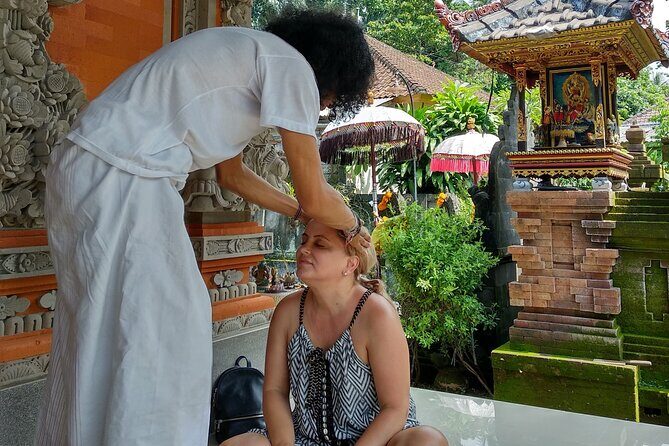
After your Ubud session, the day shifts to something more physical and ritual-focused: Pura Tirta Empul, a water temple of major importance to the Balinese people.
The big idea of Tirta Empul is the sacred spring water. The overview describes soaking in the pools and learning about Hindu purification and bathing rituals. This stop is valuable for two reasons.
First, it anchors the day. Fortune telling can stay heady—thoughts, symbols, and interpretation. Tirta Empul brings you back to the body and to ritual practice, which is how a lot of belief systems make sense to people.
Second, you’ll have a guide to explain what you’re seeing. Without that, it can feel like you’re just walking around a pretty temple complex. With the context, it becomes a living tradition, not a photo opportunity.
A realistic consideration: sacred water rituals can mean you’ll need to follow local guidance and handle wet conditions. Even if you’re not doing every step, you’ll likely be near the bathing areas, so plan for dampness and time.
Coffee plantation tasting: a relaxed palate cleanser
After Tirta Empul, the tour includes a stop at a coffee plantation for a tasting. This is the part of the day that tends to feel lighter and more social—sort of a friendly reset after something spiritual and structured.
Why I like this combo: it gives your brain a break. You go from ritual context to everyday sensory experience. And you get a chance to try coffee as a local product, not just as a commodity.
Keep your expectations reasonable here. A plantation tasting is usually a short, guided sample. If you’re hoping for a full deep-detailed coffee course, you might be left wanting more. But as a half-day rhythm, it works.
Time, movement, and how the half-day format feels
The experience is described as a half-day tour with hotel pickup and drop-off included. That’s a big deal in Ubud, where travel time can stretch when you’re at the mercy of traffic and changing schedules.
The fortune telling portion itself runs about 45 minutes to 1 hour, so the total outing is likely a mix of session time plus the temple and plantation stops. The payoff is that you still get a complete, satisfying day arc: conversation in the morning or early afternoon, then a meaningful ritual stop, then a casual tasting before you’re sent back to your hotel.
Because it’s set up for small groups and is private for your group only, you avoid that awkward feeling of trying to fit your questions around someone else’s agenda.
Price and value: $80 for what you’re actually buying
At $80 per person, this isn’t a bargain-basement activity, but it also isn’t priced like a luxury show. You’re paying for several value elements that add up:
- A guided, practitioner-led session (private solo, family, or counseling) running 45 minutes to 1 hour
- Translation and context through an informative guide
- Free hotel pickup and drop-off
- Temple experience tied to Tirta Empul and learning about purification rituals
- A coffee plantation tasting afterward
- All fees and taxes included (so you’re not guessing what else is added at checkout)
What’s not included is tipping, and that’s normal in Indonesia. If you’re the type who tips based on effort and warmth, you’ll have a fair moment to decide how much feels right after your session and guide explanations.
My honest take on value: this works best if you want the whole day package—fortune telling plus a real Balinese ritual stop—rather than treating it like a standalone “read my palm and I’m done” event.
Who this experience fits best (and who should think twice)
This tour is a great fit if you:
- Want a local style reading with conversation and context
- Like spiritual ideas explained in a respectful, grounded way
- Prefer a day that mixes meaning (Tirta Empul) with something approachable (coffee tasting)
- Would rather have your day shaped by a guide than by guesswork
It may not fit as well if you:
- Want purely entertaining fortune telling with flashy predictions
- Are allergic to spiritual framing and prefer no explanation or cultural context
- Hope for a long, multi-hour palmistry deep session (your time window is about 45 minutes to 1 hour)
If you’re unsure, pick your session type carefully. Counseling is usually the best match if your goal is clarity and reassurance. Family fortune telling can be a great choice if you want shared reflection instead of one person’s spotlight.
Practical tips to get the most out of your session
A few things will help your session feel worthwhile.
1) Come with one main question.
With only 45–60 minutes, you’ll get more value by focusing rather than bouncing around.
2) Be open about the style.
Based on how the session is described, it can feel like spiritual knowledge sharing as much as fortune telling. That’s not a problem—just adjust your mindset.
3) Wear or bring something you can move in.
You’ll visit Tirta Empul, where you’ll likely be around bathing areas. Even if you’re not fully participating, you may end up near water zones.
4) Plan for tipping.
Tipping isn’t included, so set aside a little cash so you’re not scrambling later.
5) Use the mobile ticket.
Having the mobile ticket ready helps keep check-in painless and keeps your day on schedule.
Should you book this Ubud fortune telling + Tirta Empul tour?
If you want more than a quick gimmick, I’d say yes. The best part of this experience is the combination: a local conversation-led reading plus a visit to Pura Tirta Empul where the rituals aren’t theoretical. You’re not just hearing spiritual ideas—you’re seeing and learning how they connect to real practice.
Book it if you value:
- On-call flexibility for solo, family, or counseling
- A small-group feel and the convenience of free hotel pickup and drop-off
- A guide who helps you understand what you’re participating in
Skip it if you only want hard predictions and zero spiritual framing. In that case, you may leave feeling like the session is more thoughtful talk than fortune fireworks.
FAQ
FAQ
How much is the tour?
The price is $80.00 per person.
How long does the experience take?
It runs about 45 minutes to 1 hour (approx.).
Where does the tour start and end?
It starts in Ubud, Gianyar Regency, Bali, Indonesia, and ends back at the meeting point.
Is hotel pickup and drop-off included?
Yes, free hotel pickup and drop-off are included.
Is this a private tour?
This is a private tour/activity, and only your group participates.
What’s included in the price, and what isn’t?
All fees and taxes are included. Tip is not included.
If I need to cancel, do I get a refund?
No. This experience is non-refundable and cannot be changed for any reason. If you cancel or ask for an amendment, the amount you paid will not be refunded.