Discover Balinese Mystic & Death Ritual in Bali
A different kind of Bali day.
This private tour takes you to the island’s more mystical side, pairing Trunyan death rituals with Bayung Gede’s unusual birth practices, then wrapping it up with viewpoints and temples. You also get a speedboat ride, which turns the day from “drive and stop” into something with real momentum.
I especially like how the experience is customizable to your pace and interests, and how you’ll meet Balinese priests and healers as part of the learning. A second big win: you’re not stuck in the same checklist of sights. You get off-the-radar village life and traditions that most standard tours miss.
One thing to consider: the day can involve serious travel time. If you’re sensitive to long drives and time on water, this may feel like a lot, and lunch costs extra.
In This Review
- Key things to know before you go
- A private Bali day built around death and birth rituals
- Trunyan Cemetery: where the rules of mourning are different
- Bayung Gede: hanging newborn placentas and ancient village origins
- Kintamani Plateau: volcano and lake views in a short burst
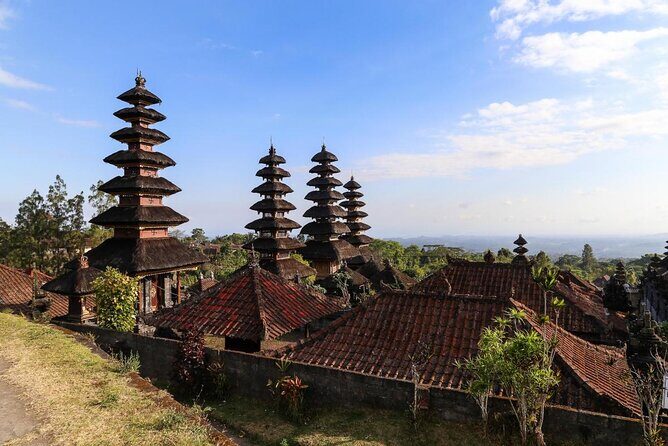
- Kehen Temple: stairs of heaven and a slower feel
- Penglipuran: bamboo forest vibes and traditional village life
- Speedboat ride and long-road reality check
- Price and value: what you get for $81.80
- Your guide matters here: Mertha and Ah Gung
- Who this tour suits best
- Should you book this Bali Mystic & Death Ritual tour?
- FAQ
- How long is the Discover Balinese Mystic & Death Ritual in Bali tour?
- What is included in the tour price of $81.80 per person?
- Is lunch included?
- Do you offer pickup and a mobile ticket?
- Is this tour private or shared?
- What is the cancellation policy?
Key things to know before you go
- Private and customizable: only your group, and the day can be tailored to suit your interests.
- Speedboat included: plan for a crossing and treat that time like part of the experience, not a detour.
- Admission and donation fees are included: fewer surprise payments once you’re on the ground.
- Lunch isn’t included: bring cash or plan a nearby meal stop that fits your schedule.
- Bring patience for a long day: 8 to 10 hours is the norm.
- Not recommended for women in monthly period: if that applies, skip this tour.
A private Bali day built around death and birth rituals
Bali is famous for temples, dance, and day trips that feel the same everywhere. This tour flips the script. It focuses on two ends of the human timeline—birth and death—and does it in places that still follow traditional rules.
I like that you’re not just looking at sights from the curb. You’re guided through meaning, ritual, and practice, with Balinese priests and healers involved in the story. If you’re the type who likes questions, this will keep you busy all day.
Because it’s private, you can set the tone. If you want more time asking and observing, you can. If you want a quicker pace, you can also steer it.
Trunyan Cemetery: where the rules of mourning are different
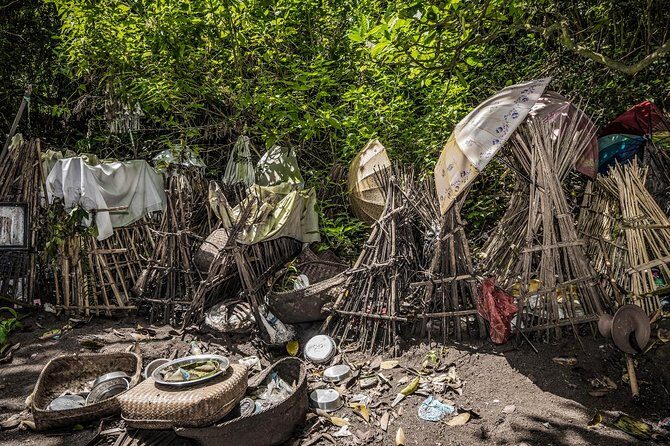
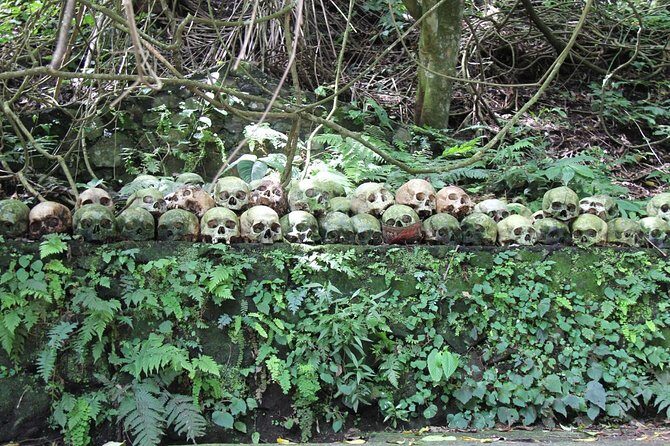
Trunyan Cemetery is the centerpiece for the death ritual side of the day. The Trunyanese do not cremate their dead, and the ritual process includes a cleansing stage before the body is placed in a bamboo cage.
What makes this stop powerful is the contrast. In many parts of Bali, death rituals follow well-known patterns for visitors to recognize. Here, the community’s approach feels distinct and rooted, like you’re seeing a living tradition rather than a performance for tourists.
Practical tip: treat this stop with extra care. Dress and behavior should be respectful, and you’ll get more out of it if you stay quiet and observant when the ritual is underway.
Timing-wise, it’s about an hour at the cemetery area. That’s enough time to understand what you’re looking at without turning it into a rushed photo sprint.
Bayung Gede: hanging newborn placentas and ancient village origins
Bayung Gede is where the tour pivots from death rituals to birth rituals. This ancient village is believed to be the parent of all ancient villages in Bali, and visitors come for its unique birth-related practice.
The most talked-about detail is the hanging newborn placentas at Bayung Gede. It’s unusual, and you’ll want a guide who explains what it means in the local belief system so it doesn’t just feel like shock value.
This stop is also about an hour. That matters because you’re dealing with emotionally charged material. Longer isn’t automatically better. Here, it’s paced so you can absorb what you’re learning before moving on.
If you care about culture, I’d do one thing before you go: read up on the basics of what you’re going to see. One of the best bits of advice from previous guests is simple—know the topic a little beforehand. It makes the day feel less like jumping into the middle of something.
Kintamani Plateau: volcano and lake views in a short burst
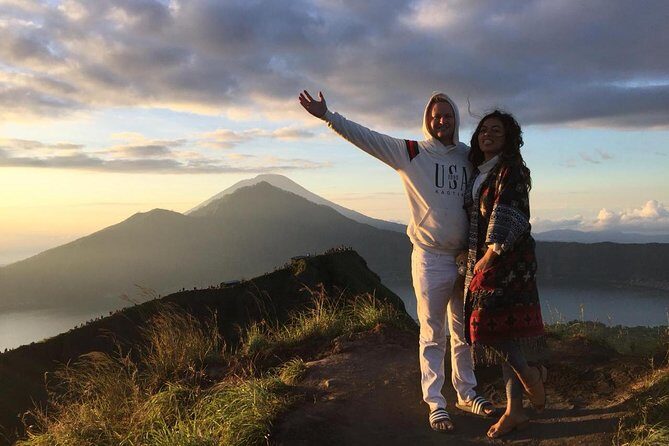
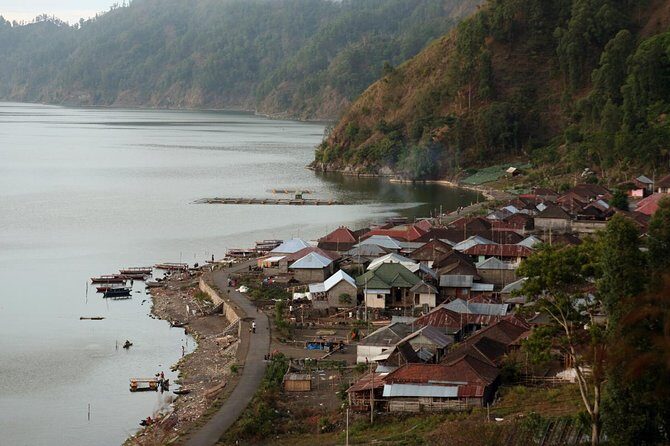
Next up is a stop at highland Kintamani. You’ll get views of the ancient Batur volcano and Lake Batur.
This isn’t the kind of stop where you wander for hours. It’s roughly 30 minutes, which makes it best for quick looking, photos, and a moment to reset between more intense cultural sites.
Drawback: because it’s short, don’t plan on catching every angle. You’ll do best if you show up ready—camera charged, water handy, and you’re ready to move.
The value here is the change of pace. After ritual villages, the plateau gives your eyes a break.
Kehen Temple: stairs of heaven and a slower feel
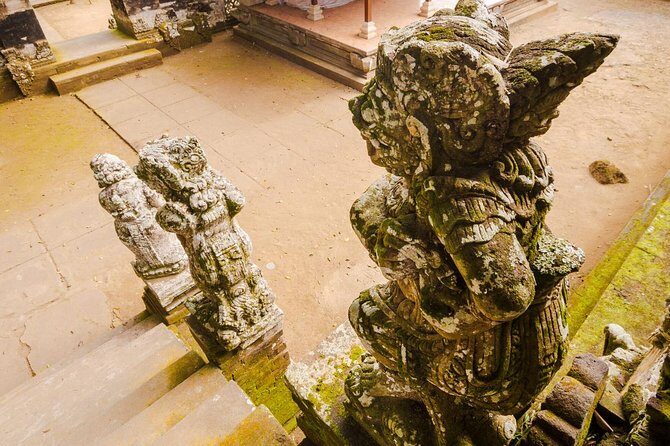
Kehen Temple is known for its famous steps of heaven. You’ll spend about an hour here, and it works well after Kintamani. It’s a different kind of attraction: less about one specific ritual detail, more about stepping into sacred architecture and letting the space do the talking.
Even if you’re not a “temple expert,” this stop usually lands well because it gives you something to focus on besides the earlier topics. It’s also a good moment to slow down and take in the site without feeling like you’re always reacting.
If you’re the type who likes structure, aim to spend the first part of the hour walking and looking. Then shift into photos or close viewing after you’ve found your bearings.
Penglipuran: bamboo forest vibes and traditional village life
The final major cultural stop is the Penglipuran bamboo forest and village area. Penglipuran is known for older-style architecture and a traditional social system and belief system.
This is a fitting close to the day because it’s not solely about ritual extremes (birth and death). You also get the everyday “how people live” side of Balinese tradition—how community structure shapes daily life and shared values.
You’ll have about an hour here, which is enough time to notice how the village layout works and how the feel of the place differs from the busier parts of Bali.
I like this stop because it helps you connect the dots. Ritual makes sense when you understand the culture that supports it.
Speedboat ride and long-road reality check
This tour includes a speedboat ride. For some people, that’s the highlight. For others, it’s the one part they should plan for.
The day can involve extended driving time across parts of the island, including windy, narrow mountain roads. On top of that, there may be a boat crossing involved in reaching the lake area tied to the Trunyan side of the experience. If you’re prone to motion sickness or you hate slow, winding roads, you’ll want to come prepared.
Practical advice:
- Bring something for motion sickness if you need it.
- Keep your expectations realistic. You’re spending a chunk of the day traveling to reach traditions that aren’t near the typical Bali resort strip.
- Pack patience. The cultural payoff is why you’re doing it.
On the plus side, the air-conditioned vehicle helps you recover between stops, and bottled water is included.
Price and value: what you get for $81.80
At $81.80 per person, you’re paying for a full private day (about 8 to 10 hours) with real transportation components and included costs.
Here’s what helps this price feel fair:
- Speedboat ride is included (not a separate add-on).
- Admission and donation fees are included.
- You get bottled water.
- You’ll travel by an air-conditioned vehicle, plus fuel surcharge and parking fees.
What’s not included is lunch, plus personal expenses. That means your main budgeting task is simple: plan meals. If you don’t, you’ll end up stressed mid-day.
Also, this tour is typically booked about 21 days in advance on average. That’s a useful sign that people want the specific blend of rituals plus the speedboat day-trip format. If your dates are firm, don’t wait too long.
Your guide matters here: Mertha and Ah Gung
In a tour like this, the guide isn’t just a driver with a map. You’re hearing explanations for practices that many visitors might find unsettling or surprising if they don’t understand the meaning behind them.
Two names that came up strongly are Mertha and Ah Gung. Guests praised how friendly, helpful, and knowledgeable (in the sense of skill and command) Mertha was, and how Ah Gung patiently explained culture and practices.
Even without a specific name guarantee, this is a tour where it’s worth leaning into your guide. Ask questions early. The first stop sets the tone for the entire day.
Who this tour suits best
This is best for you if you:
- Want Balinese culture that’s not the usual temple-cookie-cutter route.
- Like learning about traditions connected to birth, death, and community life.
- Prefer a private format where you can customize your pace.
It’s also a good fit if you’re the kind of person who will take the time to read a little beforehand. One key tip from past guests is that doing some light research makes the experience much easier to process.
Who should skip or reconsider:
- If long travel days wear you out, the total 8 to 10 hours plus road time can be a lot.
- If motion sickness is an issue, prepare for windy roads and water time.
- If you’re a woman in monthly period, this tour is not recommended.
Should you book this Bali Mystic & Death Ritual tour?
Book it if you want a day that feels different in a good way—focused on the meaning behind Balinese traditions, with a speedboat ride and stops that are genuinely off the standard tourist map.
Don’t book it if you want a relaxed, short sightseeing loop. This is a full day with longer travel stretches, and lunch costs extra. Also, if you’re sensitive to ritual settings that involve death themes, think hard about your comfort level first.
If you do book, go in with respect and curiosity, and give your guide a chance to steer the story. When the explanation clicks, the whole day makes sense—and you’ll leave with a calmer, clearer picture of what these traditions mean to the communities living them.
FAQ
How long is the Discover Balinese Mystic & Death Ritual in Bali tour?
The tour runs about 8 to 10 hours.
What is included in the tour price of $81.80 per person?
Your price includes an air-conditioned vehicle, bottled water, speedboat, fuel surcharge, parking fees, and admission and donation fees. A private tour setup also means it’s only your group.
Is lunch included?
No. Lunch costs extra.
Do you offer pickup and a mobile ticket?
Yes. Pickup is offered, and you’ll receive a mobile ticket.
Is this tour private or shared?
It’s private. Only your group participates.
What is the cancellation policy?
You can cancel for a full refund up to 24 hours before the experience starts. If you cancel less than 24 hours before the start time, the amount paid is not refunded.