

Downhill Cycling Ubud with Volcano, Rice Terrace and Educational
The best part is you never pedal uphill. This is a full-day ride that starts high near Mount Batur/Kintamani Volcano and then works its way down into the Ubud countryside, with stops for village life, rice fields, and Balinese stories. I like that breakfast and lunch are included in the price, so you’re not budgeting for food while you focus on the ride and the scenery.
I also love the practicality: bike and helmet hire are included, plus you get a professional English-speaking guide, coffee/tea tasting, and even a photographer during the cycling parts. The main thing to watch is bike quality and safety details; one review flagged bikes needing maintenance (and another mentioned helmet logistics), so I’d arrive ready to do a quick helmet-and-brake check before rolling.
In This Review
- Key highlights worth planning around
- A downhill Bali day that feels more local than packaged
- Route reality: from the volcano area down toward Ubud villages
- What makes it manageable
- Breakfast, coffee/tea tasting, and the warm start before the downhill
- The 2.5 hours downhill: countryside views plus guided stops
- Safety and bike condition: the one thing I’d double-check
- The ride includes moments that feel like “you’re not just driving past”
- Rice fields and family compound learning: where the day turns cultural
- Lunch that actually fuels your afternoon
- Coffee, lunch, then back to Ubud
- Price and value: why $25 can work here
- Who this downhill cycling tour suits best (and who should think twice)
- Should you book it?
- FAQ
- How long is the downhill cycling tour?
- Is hotel pickup and drop-off included?
- What meals are included?
- Is biking really all downhill?
- What fitness level do I need?
- Are bikes and helmets included?
- Do I get an English-speaking guide?
- Is coffee or tea tasting included?
- What should I bring since it’s not included?
Key highlights worth planning around
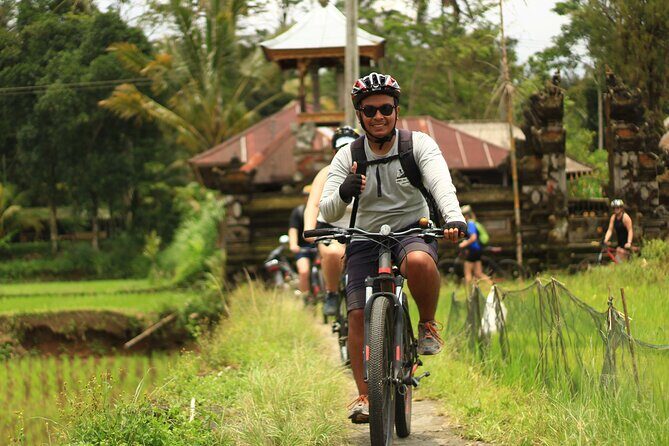
- All-downhill riding for about 2.5 hours: fewer climbs, more time enjoying the views and village stops.
- Coffee and/or tea tasting with Ubud Forest views: a relaxed cultural add-on before you hit the trail.
- Balinese culture stop at a local family compound and rice fields: you learn while you see how people live and farm.
- Breakfast + nasi campur lunch included: you won’t be left hunting for food mid-tour.
- Small group size (max 12): easier to manage pacing and photo stops.
- Photo support and insurance covered: you get help capturing the day, plus peace of mind.
A downhill Bali day that feels more local than packaged
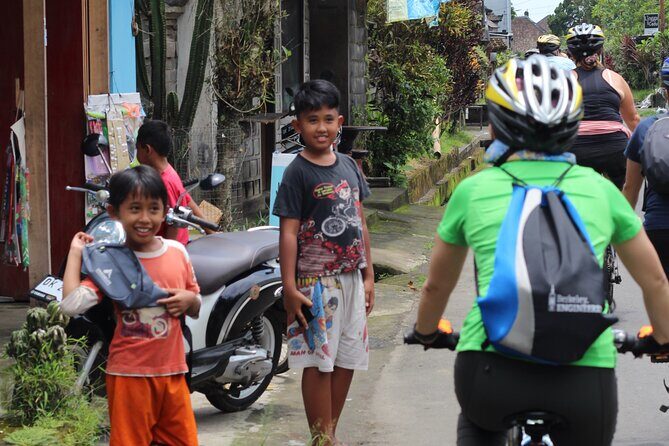
Bali tours often come with a lot of driving and a lot of waiting. This one flips the script by centering your day on movement—specifically, a long downhill bike stretch—then tying that motion to real, everyday rural life.
The core idea is simple: you start near the Mount Batur area (Kintamani Volcano), then cycle down through villages and farmland at an easy pace. The “only head downhill” promise matters because it changes how you experience the countryside. Instead of grinding up hills and arriving sweaty and drained, you can actually pay attention: rice terraces, jungle edges, village routines, and the guide’s explanations of customs and local folk stories.
Two things make that especially appealing for many visitors. First, the tour includes breakfast and lunch, so your day doesn’t get broken up by finding food at inconvenient times. Second, the structure gives you time for the cultural stops without turning the ride into a fitness event. It’s a “moderate fitness” kind of day, not a marathon.
Route reality: from the volcano area down toward Ubud villages
The tour runs about 7 hours total, with round-trip transportation from your hotel within the Ubud area. That matters because downhill cycling is only half the story. The other half is getting everyone to the top safely and on time—so you’re not starting your day already stressed.
Here’s the flow you should expect:
- You’re picked up in the Ubud area.
- You travel up toward the Mount Batur/Kintamani Volcano region for the start of the cycling.
- After the morning stops (including breakfast and coffee/tea), you begin the main downhill section.
- You spend about 2.5 hours cycling downhill, with stops along the way for learning and photos.
- You wrap with a traditional lunch and then return to Ubud.
That long downhill stretch is the reason this tour can feel so different from a standard day trip. It’s not just a scenic bike ride. It’s a guided route down through changing views—highland edges first, then farmland and village life as the day moves toward Ubud.
What makes it manageable
Because it’s downhill for most of the key ride time, your energy goes into steering and enjoying rather than climbing. You still want to be comfortable riding a bike and handling turns, and you’ll benefit from basic balance and braking confidence. The tour is listed as suitable for moderate fitness, which is a good fit for people who want a real activity but don’t want a “train hard” day.
Breakfast, coffee/tea tasting, and the warm start before the downhill
A big reason I’d consider this tour early in a Bali trip is that it gives you a strong start without complicated logistics. You get breakfast included, and it’s described as a traditional Balinese breakfast. Then you move into a coffee and/or tea tasting stop with views that are tied to the Ubud forest area.
From the reviews, the coffee stop can include popular local varieties such as luwak coffee (often spelled a few different ways, but the concept is the same). In at least some visits, people also mention tasting not only coffee and tea but extras like chocolate from the shop.
Why this part is more than a “free sample” moment:
- It sets the tone for the day’s theme: agriculture and daily routines.
- The tasting works as a slow-down break before the cycling, which helps if you’re traveling from somewhere else that morning.
- It gives your guide a natural opening to explain local customs around farming, family businesses, and how food and drink connect to community life.
One small practical note: the tour includes mineral water, but you’ll still want to dress for tropical heat—more on that in packing tips later.
The 2.5 hours downhill: countryside views plus guided stops
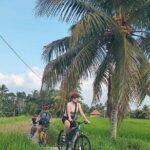
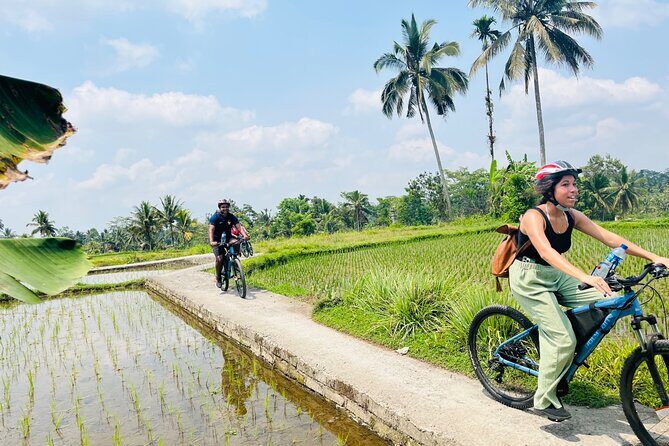
Now for the main event: the descent. You’re looking at around 2.5 hours of cycling downhill, and that’s where the tour earns its reputation. You move from the cooler, higher area into the valley direction, and your path threads through rural scenery—rice fields, jungle greenery, and small communities.
This is where a good guide can make or break the day. The tour includes a professional English-speaking guide, and the reviews specifically name guides such as Ade, Dewa, and Made and Patu. That matters because it’s not just “here’s the route.” It’s the explanations that turn scenery into context—why people farm certain crops, how daily life is organized, and what local traditions mean.
Safety and bike condition: the one thing I’d double-check
Most of the experience is described as easy and fun, with the downhill route acting like a built-in speed control. Still, you’re traveling with rented bikes, and at least one review mentioned brakes needing replacement or bike maintenance concerns.
So here’s my practical advice: before you start rolling, do a quick check:
- helmet fit and straps
- brake feel (test gently)
- tire condition
- that the seat and handlebar positions feel stable
Helmets are listed as included in the tour, and many reviews mention helmets being provided. But there’s also a report about helmet supply not working smoothly for one group, so it’s worth confirming yours before you depart.
The ride includes moments that feel like “you’re not just driving past”
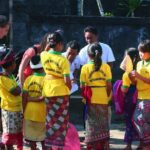
The tour isn’t described as a nonstop pedal party. It includes stops to learn and see. Based on the reviews, you may pass by or stop near school children, local homes, and rural community spots. Some accounts mention visiting a cemetery and a temple-area stop (including a holy water temple). You should expect the guide to connect these moments to local culture rather than letting them feel like random photo stops.
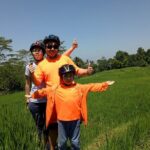
Also, a photographer is included during cycling tours. That’s a real value-add because it reduces the awkwardness of stopping every few minutes just to take photos.
Rice fields and family compound learning: where the day turns cultural
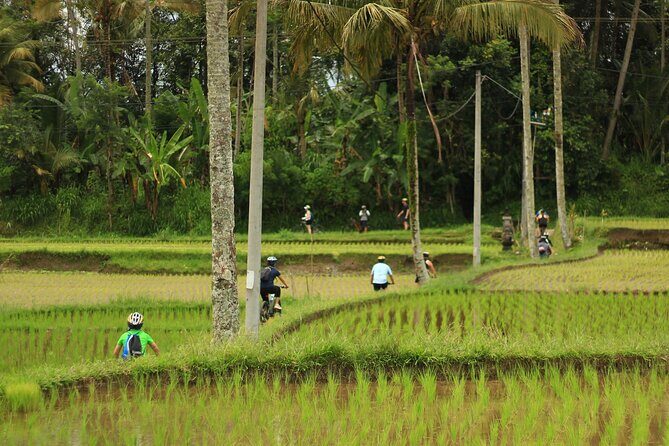
The tour’s most meaningful learning stop is the one tied to Balinese culture and farming. You spend time at a local family compound where you can learn about Balinese culture and see local rice fields.
In practical terms, this is the part where you stop thinking of Bali as just “beaches and temples you drive past” and start seeing how rural life works. Rice farming isn’t just scenery here—it’s a whole rhythm involving planting, harvest cycles, and household roles. Your guide’s explanations and the physical setting make it easier to understand why so much Balinese culture is connected to water and agriculture.
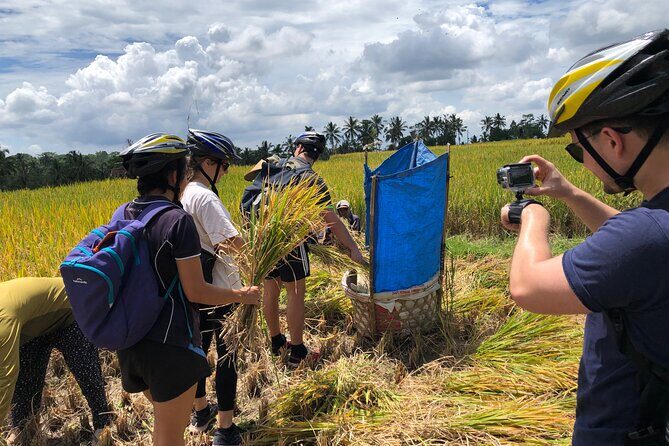
Some reviews also mention harvest-related activities where visitors could participate, and others highlight the traditional home setup. Even when the exact activities vary by day or family, the value stays consistent: you’re not just looking. You’re being taught how people live.
And this is where the guide names stand out again. People mention strong, clear English and a friendly approach—qualities that matter when you’re trying to understand cultural details rather than just memorize facts.
Lunch that actually fuels your afternoon
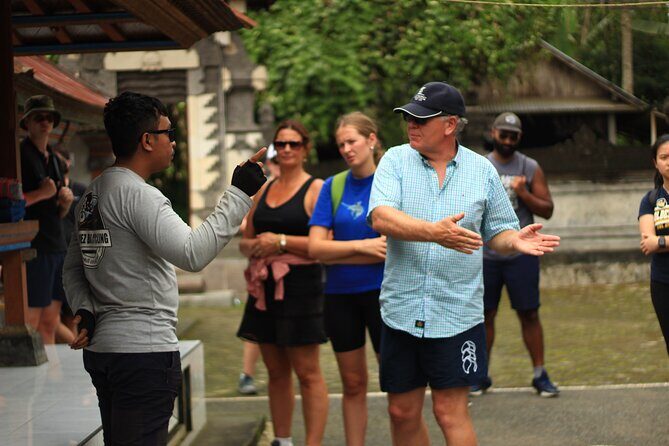
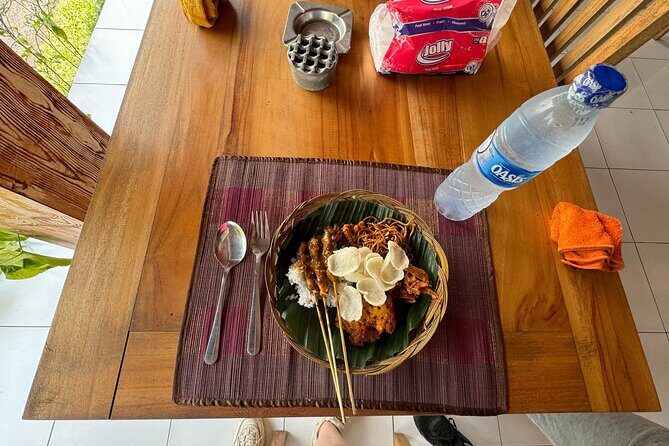
You’ll end the day with lunch, and it’s included: very delicious nasi campur plus mineral water. Nasi campur is a common comfort meal concept in Bali—think mixed plate with rice and several small dishes—so it usually works well even if you’re picky or have dietary limits you already manage on trips.
From the reviews, lunch gets praised repeatedly for tasting good and feeling genuinely “traditional,” not like a generic buffet stop. That’s important for value. When a tour is priced low (this one is $25 per person), it lives or dies by whether the included meal feels like part of the day instead of a cost-cutting afterthought.
Coffee, lunch, then back to Ubud
After cycling and the family compound cultural stop, you’ll have your lunch and then return to Ubud via the included transportation. For many people, that rhythm is perfect: active morning, cultural learning at human pace, then a solid meal before you head back to your hotel.
Price and value: why $25 can work here
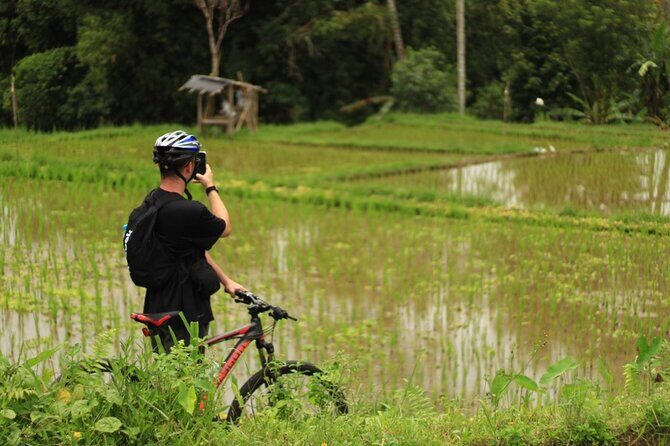
At $25 per person for about 7 hours, this tour is one of those deals that can make sense—if you’re aligned with the style of the day.
Here’s what you’re getting for the money, based on what’s included:
- Round-trip hotel pickup and drop-off within the Ubud area
- Breakfast and lunch
- Coffee and/or tea tasting
- Bike and helmet hire
- English-speaking guide
- Insurance covered
- Mineral water during the cycling
- Photographer during cycling tours
Also, the group size is limited to max 12 travelers, which often improves the vibe compared to larger tour buses.
What’s not included is also pretty reasonable: you may want sunscreen and you’ll want some money for anything you decide to buy along the way.
My practical take: this isn’t “fine dining at a luxury price.” It’s active sightseeing plus cultural access, and the inclusions do most of the heavy lifting. If you’re the type of traveler who hates paying separately for food, transportation, and basic rentals, the value is strong.
Who this downhill cycling tour suits best (and who should think twice)
This is a great match for you if:
- you want a real activity without intense uphill climbing
- you’re curious about Balinese daily life, farming, and family culture
- you like guided stories and not just photos from the road
- you’d enjoy coffee tasting before a bike ride
- you prefer smaller groups (max 12)
It might be less ideal if:
- you’re very sensitive to bike condition issues and need brand-new equipment every time
- you’re unsure about braking and basic downhill control
- you hate the idea of spending a long time in the countryside with limited “shopping stops” (money isn’t included for purchases, and the focus is culture, food, and riding)
The best “fit” is a traveler who’s comfortable with a moderate fitness outing and wants to learn something human—how people farm, how family compounds work, and how daily life connects to tradition.
Should you book it?
I’d book this tour if you want a low-stress way to experience Bali’s rural side with actual movement. The combination of downhill cycling, included meals, a guide who can explain what you’re seeing, and a culture stop at a family compound makes it feel like more than just a scenic ride.
If you’re choosing between several Bali activities, this one stands out because it checks multiple boxes at once: exercise, food, and culture—without nickel-and-diming you for the basics. Just do one simple thing before you start: confirm your helmet and do a quick brake check.
If that sounds like your kind of day, this downhill Ubud cycling tour is a solid pick.
FAQ
How long is the downhill cycling tour?
It runs about 7 hours (approx.).
Is hotel pickup and drop-off included?
Yes, free hotel pickup and drop-off is included for hotels in the Ubud area.
What meals are included?
Breakfast and lunch are included, plus mineral water during the cycling. Lunch is nasi campur.
Is biking really all downhill?
The tour is designed as an all-downhill ride, with about 2.5 hours of downhill cycling.
What fitness level do I need?
It’s suitable for travelers with a moderate level of fitness.
Are bikes and helmets included?
Yes, bike and helmet hire are included.
Do I get an English-speaking guide?
Yes, there is a professional English-speaking guide.
Is coffee or tea tasting included?
Yes, coffee and/or tea tasting is included.
What should I bring since it’s not included?
You’ll want to bring sunscreen. The tour also notes that money for purchases is not included.
More Downhill Cycling Tours

More Rice Terrace Tours


More Ubud Tours


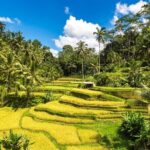


Rice Terrace Tours: how the alternatives stack up
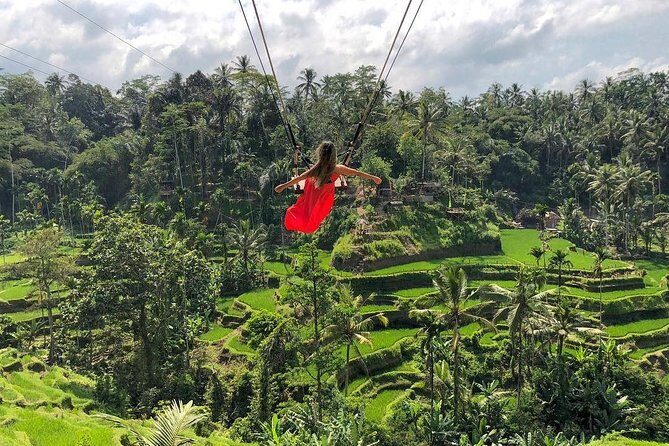 ★ 5.0
★ 5.0Ubud: Monkey Forest, Jungle Swing, Rice Terrace, and Water Temple
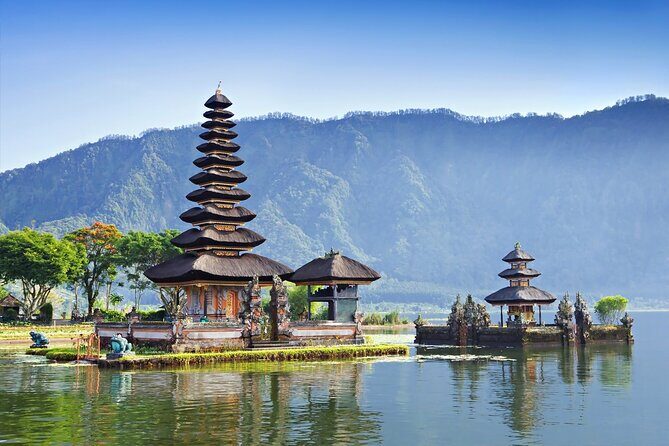 ★ 5.0
★ 5.0Full-Day Tour to Water Temples and UNESCO Rice Terraces in Bali
The lists this tour appears in