
Review · Bali Waterfalls Tours
Gate of Heaven – Tirta Gangga Royal Water Palace – Tukad Cepung Waterfall
The day starts before your alarm. This small-group trip strings together three of East Bali’s most famous sights, with a big payoff: you reach the Gates of Heaven at sunrise, before the place turns into a photo circus. I like that the route is efficient without feeling rushed, and I like that you’re traveling in comfort with an air-conditioned vehicle.
My favorite part is the variety: temple views with Mount Agung in the frame, a former royal water palace for slower wandering, and then a waterfall you reach through a cave opening where sunlight does the hard work. One thing to consider is the schedule: sunrise means an early wake-up, and the main temple entry tickets are not included in the tour price.
In This Review
- Key highlights you’ll feel on the ground
- A Small-Group Bali Day That Moves Smart
- Gates of Heaven at Sunrise: Mount Agung, Framed
- Tirta Gangga Royal Water Palace: Slow Walking, Koi, and Calm
- Tukad Cepung Waterfall: The Sun-Rays Cave Experience
- Cost and Value: What You Pay vs. What You Get
- Timing and Comfort: The Day Plan That Actually Works
- Photo and Guide Help: Getting the Best Shots Without Stress
- Who This Tour Suits Best
- Should You Book This Sunrise-to-Waterfall Bali Tour?
- FAQ
- Where does pickup happen for this tour?
- How long is the tour?
- What group size should I expect?
- Are admission tickets included in the price?
- How much are the entry tickets?
- What transportation is included?
- Is WiFi available during the tour?
- Will I get a ticket on my phone?
- If I need to cancel, what’s the refund situation?
Key highlights you’ll feel on the ground
- Sunrise timing at the Gates of Heaven so you get the view before peak crowd energy
- Small group up to 5 travelers for a calmer pace and more personal attention
- Tirta Gangga’s royal water palace walking circuit with pools, a Patirthan temple, and koi fish
- Tukad Cepung waterfall in a cave where the sun beams are part of the magic
- Air-conditioned transport + WiFi onboard plus bottled water for a smoother day
A Small-Group Bali Day That Moves Smart
This is the kind of Bali day trip that works because it focuses on “wow” sights in one go, without pretending you can do everything slowly. The tour runs about 8 to 10 hours, starting early and finishing after sunset-ready sightseeing time. With a maximum of 5 travelers, the day feels more like a well-planned outing than a cattle-car sprint.
You’re picked up around Ubud and nearby, and round-trip transportation is included. That matters more than it sounds, because these three stops are spread out and the roads can eat time. The air-conditioned vehicle helps too, especially if you’re arriving already warm, hungry, and slightly grumpy.
Price-wise, it’s listed at $41.03 per person, which is a decent baseline for transport and guiding across three major sites. The key catch: entry tickets are separate, so you’ll want to budget for those fees on top.
Gates of Heaven at Sunrise: Mount Agung, Framed
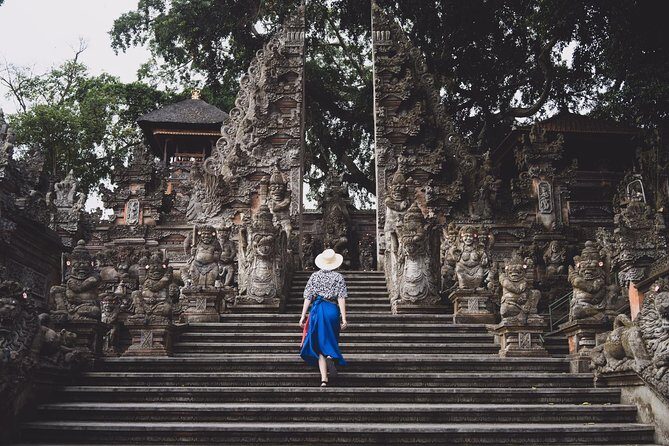
The Gates of Heaven are part of Lempuyang Temple, widely known as Bali’s most photographed temple scene. The famous “gate” gives you that postcard view out toward Mount Agung, and the classic moment is the walk toward the structure that makes it look like you’re stepping on water.
You’ll visit at sunrise, which is the right idea for two reasons. First, light. Sunrise gives the view a softer contrast and that dramatic sky tone that makes the whole shot look real, not just filtered. Second, timing. You’re there before the biggest crush, so you can actually look around and not spend your entire stop being herded.
What I like about this stop is that it’s not just one viewpoint. Even though the gate is the star, the surrounding temple spaces include architectural details and walkable paths. If you’re the type who enjoys reading a place with your eyes, you’ll get more out of it than just the “big photo.”
A practical consideration: this is a temple visit in the early hours. Expect cool air at dawn, then warmth as the sun rises. Wear something comfortable for uneven stone, and plan for a bit of a climb and lots of steps near the main viewing area.
Also important: entry tickets are not included for this stop, and you’ll see a fee of 20,000 when you pay at the site.
Tirta Gangga Royal Water Palace: Slow Walking, Koi, and Calm
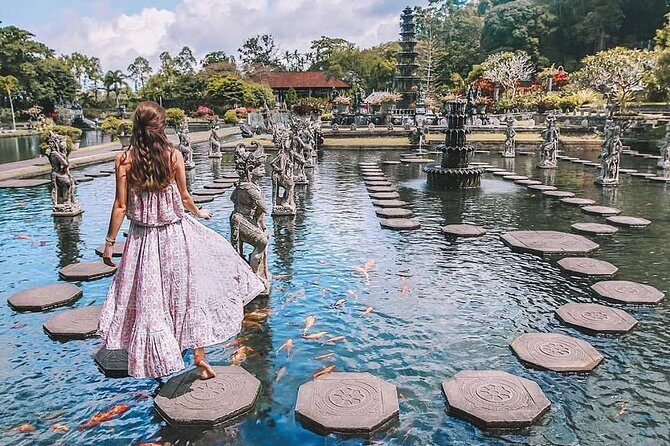
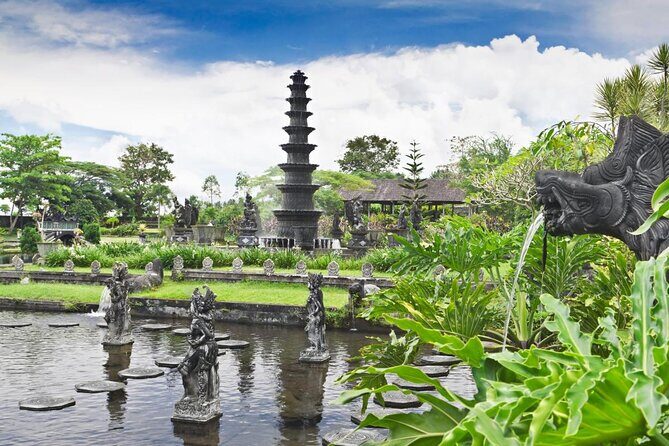
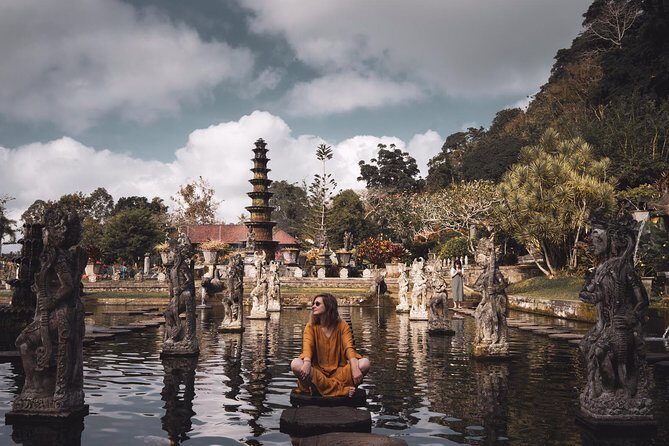
After the sunrise temple moment, you switch gears to Tirta Gangga, a former royal water palace named after the sacred river Ganges in Hindi. This is one of those Bali places where the setting does half the relaxing for you: pools, bathing features, and walkways that make it easy to slow down for photos and a real stroll.
You’ll spend about 1 hour here, which is enough time to walk the main areas and take in the layout without feeling like you’re on a timer the whole time. The palace is also known for its cultural and religious significance, including the Patirthan temple within the complex.
What tends to make Tirta Gangga special is how interactive it can feel. You may be able to feed koi fish, wander the bathing pools, and stop for photos at different angles. The atmosphere is often peaceful because the space is built for walking, not just for queueing at a single point.
If you want a small “pro move,” don’t just head to the first pretty spot. Walk a little deeper into the grounds, because the layout gives you layers—views of water features from different levels. That’s where the place starts to look more like a living palace complex and less like a single photo backdrop.
Admission is not included here either, with a fee listed at 50,000.
Tukad Cepung Waterfall: The Sun-Rays Cave Experience
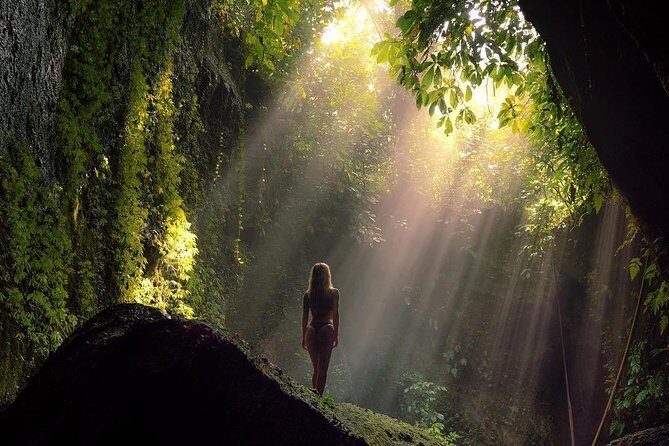
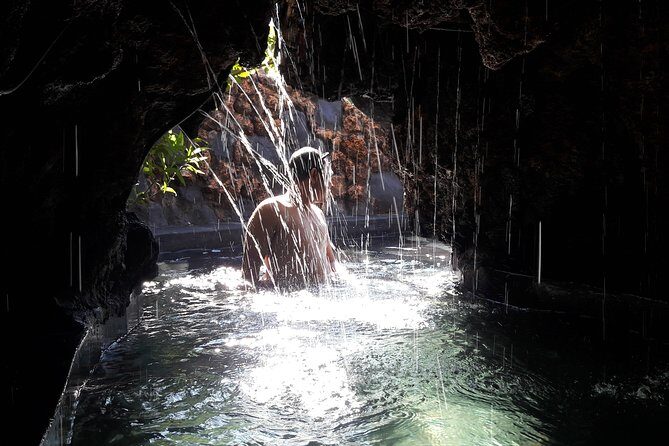
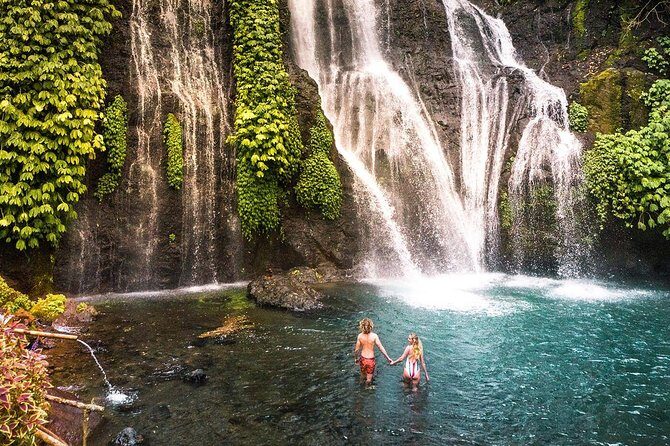
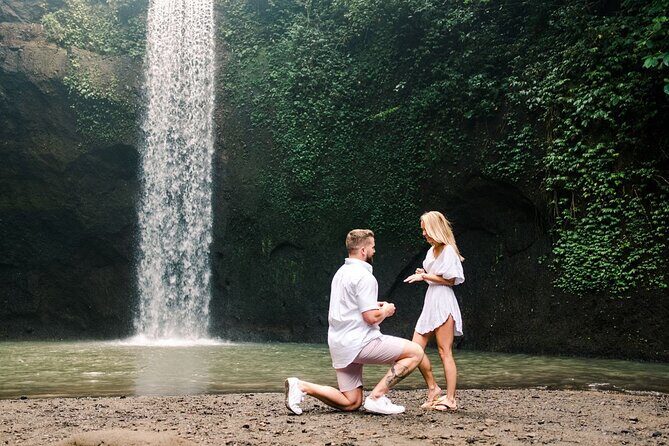
Then you hit Tukad Cepung Waterfall, famous for its unusual setting: the waterfall drops into a narrow gorge and you approach from a cave-like viewpoint. There’s an opening where sunlight can stream in, and that’s what creates the dramatic “rays” effect photographers chase.
You’ll have about 1 hour at this stop, including time to explore and, if you choose, swim. That cave setting changes the vibe a lot. It’s not just a viewpoint from the path. It feels like you’re entering the scene—surrounded by canyon walls, with water sounds getting louder as you get closer.
A real tip: the sun-rays effect depends on timing and weather, so don’t assume you’ll see perfect rays no matter what. But even without a peak light show, the waterfall’s formation and the cave atmosphere still make it memorable. Think of it as a place where nature and architecture-like framing overlap.
Practical note: bring swim-ready clothing if you want to take advantage of the chance to get in the water. If you don’t swim, you still may want quick-dry shoes or sandals you can handle around wet stone.
Entry is not included for this stop, with a fee listed at 20,000.
Cost and Value: What You Pay vs. What You Get
At $41.03 per person, the tour price covers the big stuff: air-conditioned vehicle, bottled water, WiFi onboard, and all fees and taxes for the tour itself. It also includes round-trip transportation from Ubud and surrounding areas, which is often where DIY planning gets annoying.
The separate cost is the entry fees at the three major sites:
- Gates of Heaven: 20,000
- Tirta Gangga: 50,000
- Tukad Cepung: 20,000
That total comes to 90,000 in local entry fees (based on the amounts listed). So your all-in day is the tour price plus those tickets.
Is it worth it? For most people, yes—because you’re buying three guided, high-profile stops with comfortable transport and small-group handling. If you tried to do this alone, you’d spend time figuring out routing, timing, and sunrise logistics, and you’d still likely end up paying entry fees anyway.
Where value can drop slightly is if you don’t care about all three stops. If you only want one highlight, the add-up can feel steep. But if you like variety—temple view, palace pools, and a cave waterfall—this format is efficient.
Timing and Comfort: The Day Plan That Actually Works
This is a long day for 8 to 10 hours, and the flow is built around peak moments:
1) Sunrise at the Gates of Heaven
2) A calmer, walk-around palace stop
3) A waterfall stop where timing affects the lighting
That ordering makes sense. The early temple moment is the one most sensitive to crowds and daylight. The later stops shift into walking and exploring, where you’ll feel less pressure to be in the right place at exactly the right minute.
You’ll also want to think about comfort. You’re on the go for most of the day, so dress in layers. Morning can feel cooler, then the heat picks up. Keep water handy—this tour includes bottled water, which is a small but real win.
One more detail I like: the tour uses a mobile ticket, which can make entry easier and helps you avoid chasing paper. It’s a small thing, but on travel days small things add up.
Photo and Guide Help: Getting the Best Shots Without Stress
A big reason people book sunrise temple tours is photos. That part can be stressful if you’re trying to do everything yourself. The upside here is the small-group setup and the way guides can steer you toward productive spots.
In particular, I’ve heard good things about guides who focus on practical photo angles and pacing. One guide named Jack is mentioned for being patient and helpful, especially for navigating the best Instagram photo spots without losing the calm of the experience.
Even without a named guide, here’s what you can do to help yourself:
- Plan for a photo-first morning mindset at Gates of Heaven, then loosen up for Tirta Gangga.
- Don’t sprint through Tirta Gangga. The grounds reward slow wandering.
- For Tukad Cepung, be ready to move carefully around wet surfaces.
You’ll get more from the day when you treat it like three separate experiences, not one long photo mission.
Who This Tour Suits Best
This tour is a great fit if you:
- Want three major East Bali highlights in one day without handling logistics
- Like sunrise sights and don’t mind an early start
- Prefer a small group (up to 5 travelers) instead of a large bus scene
- Enjoy walking around scenic sites with time to explore, not just look from a single spot
It’s also a good option if you want air-conditioned transport and minimal hassle, since the tour includes pickup, bottled water, and WiFi onboard.
If you’re traveling with mobility challenges, note that the sites involve walking and steps, and the tour itself says most travelers can participate. That doesn’t mean it’s fully effortless for everyone, so it’s worth assessing your own comfort level with uneven stone and temple stairs.
Should You Book This Sunrise-to-Waterfall Bali Tour?
If you like variety and you’re chasing the Gates of Heaven sunrise vibe, I’d say this is a solid booking. The tour price is reasonable for the transportation and guidance across a full day, and the small group size keeps things more personal.
I’d only hesitate if you:
- Hate very early mornings
- Don’t want to pay separate site entry tickets
- Want a more relaxed pace with less going between stops
If you do book, treat it like a sunrise plan: get your essentials ready (comfortable shoes, layers for morning, swim gear if you want it), and be organized about your separate entry fees so you’re not scrambling mid-day.
FAQ
Where does pickup happen for this tour?
Pickup is included from Ubud and around.
How long is the tour?
It runs about 8 to 10 hours.
What group size should I expect?
The tour has a maximum of 5 travelers.
Are admission tickets included in the price?
No. Tickets are not included for the Gates of Heaven, Tirta Gangga, or Tukad Cepung.
How much are the entry tickets?
The listed entry fees are 20,000 for the Gates of Heaven, 50,000 for Tirta Gangga, and 20,000 for Tukad Cepung.
What transportation is included?
You get round-trip transportation in an air-conditioned vehicle.
Is WiFi available during the tour?
Yes, WiFi is provided on board.
Will I get a ticket on my phone?
Yes, it’s a mobile ticket.
If I need to cancel, what’s the refund situation?
You can cancel up to 24 hours in advance for a full refund.
More Tour Reviews




More Bali Waterfalls Tours



More Ubud Tours
Bali Waterfalls Tours: how the alternatives stack up
 ★ 5.0
★ 5.0Best of Bali Waterfalls: Tibumana, Tukad Cepung and Tegenungan

The lists this tour appears in