Mount Ijen Volcanic Crater Overnight Trip from Bali
Ijen at night is the kind of trip that sticks. This overnight outing from Bali mixes a north Bali highlights loop with an East Java crater experience built around the famous blue flames and sunrise panoramas, weather permitting. You’ll hike with a guide, use safety gear, and spend time peering into the volcanic sulfur world.
Two things I really like: the trip is set up for stress-free logistics with hotel pickup in many popular Bali areas, and it includes safety equipment plus a professional trekking guide for the crater hike. The small details matter, like being told to bring a warm jacket and hiking shoes so you’re not improvising on the mountain.
One possible drawback: you’ll need a moderate fitness level and you should expect a long, early-to-late day with night trekking. Also, sunrise depends on conditions, so you should be okay if the sky doesn’t fully cooperate.
In This Review
- Key highlights you’ll feel on this trip
- Why an Ijen overnight trip works better than a rushed day
- Price and logistics: what $198.98 buys you
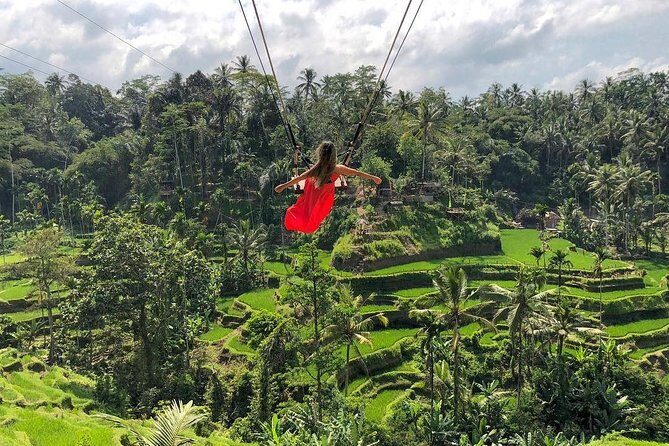
- North Bali stops: lakeside temples, twin lake views, and Banyumala waterfalls
- Ulun Danu Bratan Temple by the water
- Tamblingan Lake and Buyan Lake viewpoints
- Wanagiri Hidden Hills: classic twin lake perspective
- Banyumala Twin Waterfalls: photos, cool spray, and a short walk
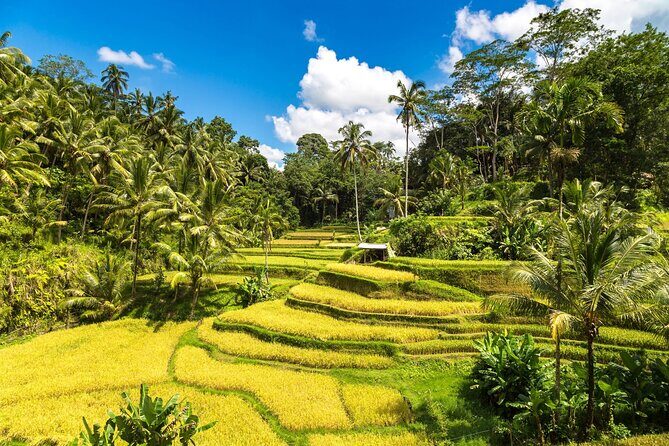
- Munduk rice terraces: short stop, good reward
- Getting from Bali to Ijen: Bali harbor to Ketapang
- The Ijen Crater hike: guided night trekking and the gas mask moment
- What the guide actually adds
- The blue flames are the headline, but the crater is the whole show
- Sunrise views: sulfur lake panoramas and Java peaks (weather permitting)
- Meals and small comforts that keep the day sane
- Safety, gear, and fitness: what you should prepare before you go
- Who should book this Ijen overnight trip
- Booking verdict: should you book Bali SUN Tours for Ijen from Bali?
- FAQ
- What time does the Mount Ijen overnight trip start?
- Is pickup included, and where does it pick up from?
- What’s included for the Ijen crater part?
- Are meals included?
- What should I bring for the hike?
- How fit do I need to be?
- What is the cancellation policy?
Key highlights you’ll feel on this trip
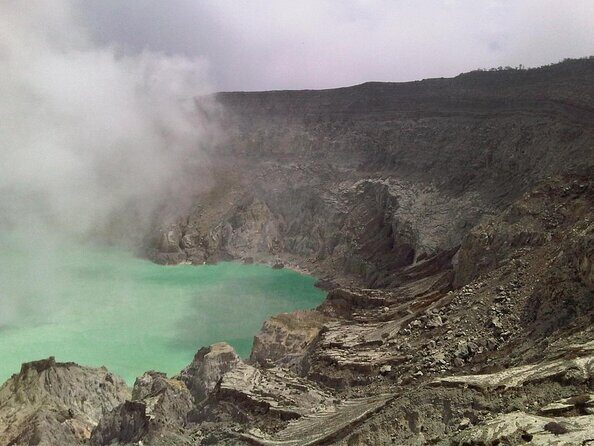
- Blue flames at Mount Ijen, seen during the night crater visit with a guided hike and gas mask
- North Bali in one shot: Ulun Danu Bratan Temple, twin lakes viewpoints, Banyumala Twin Waterfalls
- Panoramic sunrise views over the sulfur lake and Java peaks, when weather allows
- Real safety focus: trekking guide, safety equipment, and clear guidance for the crater trail
- Drivers praised for care and timing, with names like Kadak, Kadek, Bulldog, and Rei showing up in reviews
Why an Ijen overnight trip works better than a rushed day
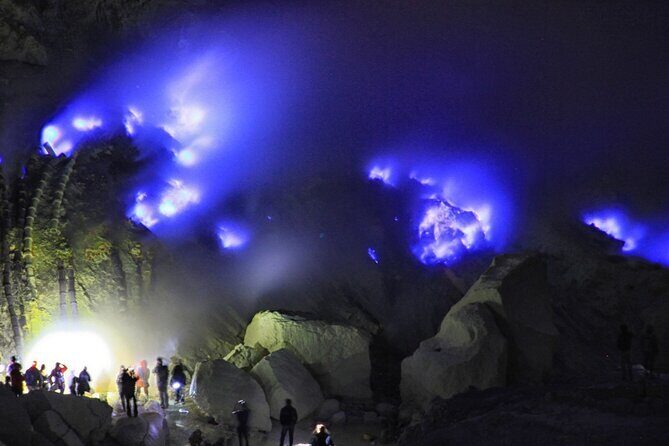
This is one of those rare plans where the timing actually serves the experience. Ijen’s best moment happens after dark, when you hike to the crater area for a chance to see the glowing blue flames and then catch sunrise views later. Doing it overnight means you’re not turning it into a sprint where you arrive tired and miss the core event.
You also get more than just volcano time. Before you even reach Ijen, the route includes a classic north Bali scenery run: lakeside temples, twin lakes viewpoints, rice terraces, and a waterfall stop. It’s a good way to make the trip feel worth the long day rather than being all mountain, all the time.
Price and logistics: what $198.98 buys you
At about $198.98 per person, the value here comes from what’s included, not from the headline price. You get round-trip air-conditioned transfers from a long list of Bali pickup zones (including Ubud, Seminyak, Legian, Kuta, Tuban, Jimbaran, Sanur, Tanjung Benoa, and Nusa Dua), plus the north Bali highlights portion.
Then you add the crater piece: a professional trekking guide, safety gear, and admission tickets tied to several stops. Two meals are included (breakfast and dinner), and you get bottled water. When you sum that up, you’re paying for an organized route, not just a hike.
Also, the tour is described as private with only your group participating. There’s also mention of group discounts, so if you’re traveling with friends or family, it may be worth asking whether the operator can adjust pricing based on your group size.
North Bali stops: lakeside temples, twin lake views, and Banyumala waterfalls
Your day starts with a north Bali route that’s made for views and photo angles, but it’s not just scenic parking lots. Each stop is timed well enough that you can walk a little, get your bearings, and still keep the pacing toward Ijen.
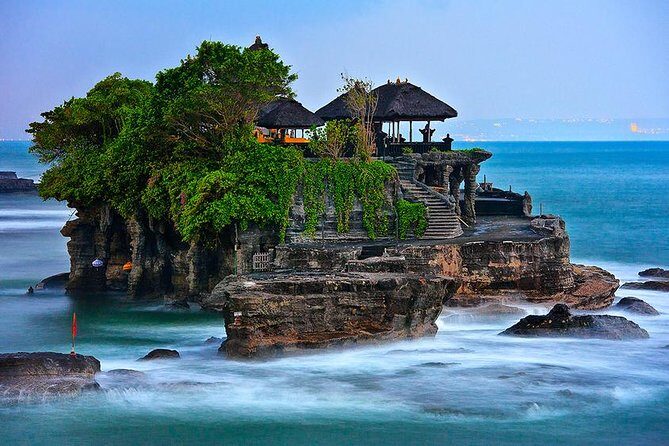
Ulun Danu Bratan Temple by the water
The first major cultural stop is Ulun Danu Bratan Temple, about 30 minutes, with an admission ticket included. This temple sits beside the lake, and that water setting makes it feel more dramatic than a typical roadside temple stop.
If you’re wearing hiking boots for later, this is a good moment to switch shoes if needed. The area around temple-lake locations can be uneven, and you’ll want traction that won’t make you regret it.
Tamblingan Lake and Buyan Lake viewpoints
Next come Tamblingan Lake and Buyan Lake, each with about 30 minutes and admission included. You’re looking at these twin-lake landscapes from viewpoints rather than doing a full lake trek, so the time is focused on letting you enjoy the panorama without burning daylight.
A practical move: bring a lens you can zoom. These viewpoints are about layered scenery, and a wider shot often looks impressive at first, but a tighter frame can give you more detail of the water + hills composition.
Wanagiri Hidden Hills: classic twin lake perspective
Then you’ll stop at Wanagiri Hidden Hills for about 30 minutes. The purpose is pretty clear: see the twin lake views from an elevated perspective.
This is also a great stretch for camera work because you can change angles without needing a long walk. Just watch your footing on slopes. Nothing spoils volcano momentum like a sprained ankle from a slippery viewpoint path.
Banyumala Twin Waterfalls: photos, cool spray, and a short walk
The standout scenery stop in this section is Banyumala Twin Waterfalls, about 1 hour with admission included. The tour notes that the waterflow is not heavy, and that you can even take a shower at the bottom.
That’s fun, but it also means wet conditions. If you go in, keep your phone protected and expect cooler air near the falls. It’s also one of the stops that’s described as a strong photo location, including wedding photography spots—meaning the angles tend to look good even when the crowd is bigger than you’d like.
Munduk rice terraces: short stop, good reward
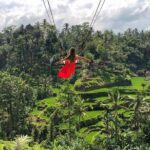
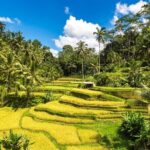
Finally, Munduk is a brief stop (around 15 minutes) with rice terraces and no admission ticket mentioned. Short means you won’t do long wandering here, but it’s enough time to grab the terrace view and feel like you’ve moved beyond lakes into classic Central/North Bali greenery.
Getting from Bali to Ijen: Bali harbor to Ketapang
After the Bali north scenery loop, the itinerary includes a step at Bali harbor to go to Ketapang, followed by the place where Mount Ijen takes place. The key thing to understand: this portion is the bridge between your Bali sightseeing day and the East Java crater time.
For you, that means two things:
1) Expect a long transit day. Even if the listing says about 1 day 7 hours, the crater portion is a major time block and the trip is designed around overnight pacing.
2) Use the travel time strategically. If you know you get motion-sick, pack something for it. If you can nap, this is when you should.
Bottled water is included, but you’ll still want to pace yourself. Ijen trekking is physically demanding and you’ll feel it more if you arrive dehydrated.
The Ijen Crater hike: guided night trekking and the gas mask moment
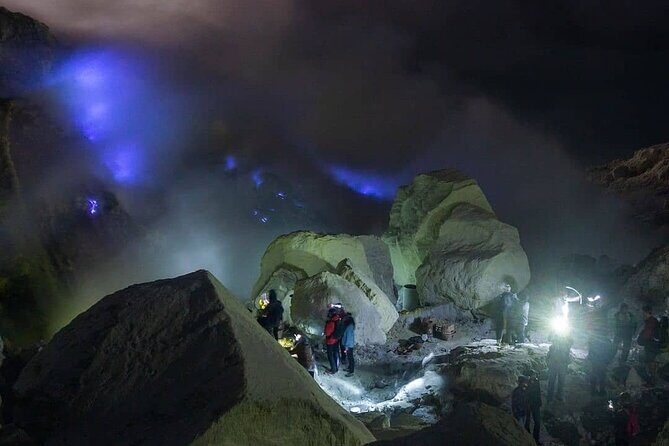
Now to the reason you’re here. The Ijen Crater stop is listed at about 8 hours including admission, with the core experience described as:
- hiking through the rainforest area of East Java
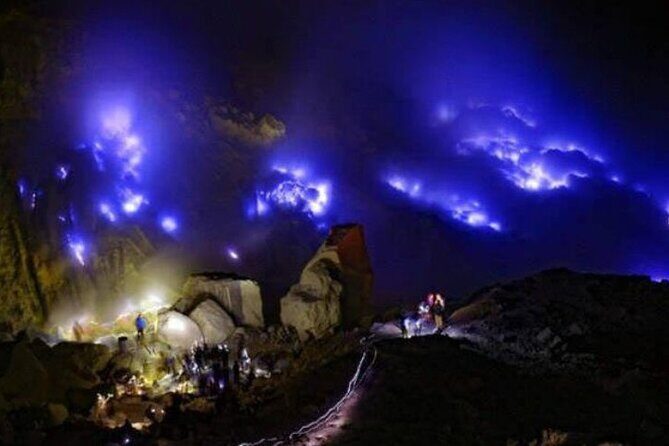
- seeing the famous blue flames
- having the chance to peer into the volcanic crater at night
Safety gear matters here because sulfur gases and conditions at the crater area aren’t a normal hike situation. The trip includes safety equipment and tells you to bring a standard face mask, while also providing a guide and gas mask support as part of the experience.
In reviews, guides and drivers are praised for making the hike feel manageable and safe. Names like Supri come up as a local guide, and multiple people mention a humorous, encouraging style. One review specifically referenced a roughly 4 km hike, which helps you picture the effort: it’s not a long distance, but it’s intense because of the environment and the night conditions.
What the guide actually adds
A good guide changes the experience from scary to focused. You don’t just “walk uphill”—you follow pacing, stay oriented, and get help with timing so you’re in the right place when the blue flames become visible.
From the feedback, guides like Supri are described as friendly and enthusiastic, with a smooth way of leading people up. That’s exactly what you want for a night crater trek: confidence, not guesswork.
The blue flames are the headline, but the crater is the whole show
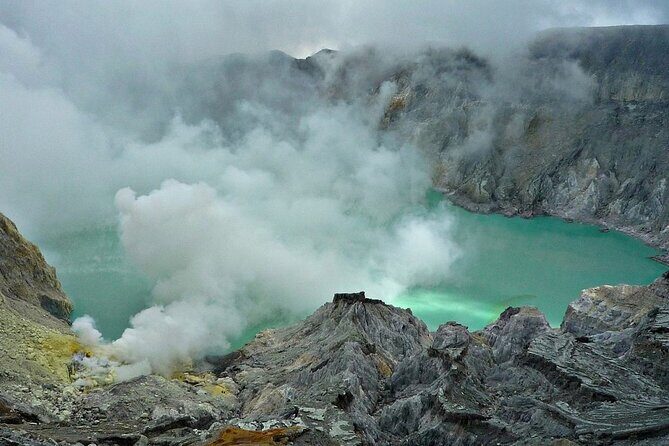
Yes, blue flames are the iconic moment. But the crater visit is also about seeing the volcanic world up close, including the sulfur area that gets highlighted around sunrise.
Bring your camera, but also let your eyes adjust. Low light + darkness means your photos might not look like you planned on the first shot. If you can, take a few quick frames, then switch to watching.
Sunrise views: sulfur lake panoramas and Java peaks (weather permitting)
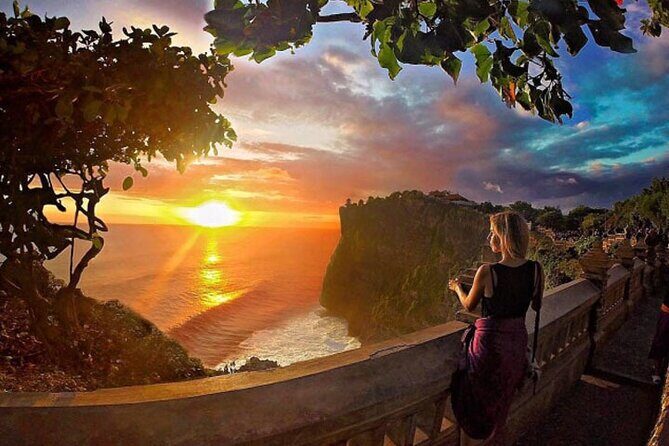
After the night crater portion, the experience includes panoramic sunrise views of the sulfur lake and surrounding scenery, plus Java peak viewpoints. The tour notes sunrise visibility is weather dependent, so treat that as a bonus rather than a guaranteed photo.
Practically, sunrise is also when your tired body suddenly cares about warmth and layers. The tour instructions specifically say to bring a warm jacket, and that makes sense: even if Bali feels warm, crater areas can feel cold, especially late at night and early morning.
If you want your sunrise photos to look good, plan for quick changes: check your camera settings for low light, and expect you might need to wipe condensation or moisture from lenses.
Meals and small comforts that keep the day sane
You’ll get two meals—breakfast and dinner—and bottled water. That might sound basic, but on a long overnight itinerary, food timing is what keeps you from making bad decisions like skipping hydration or eating too fast.
In reviews, the service level gets called out as clean and well maintained, with on-time pickup and polite staff. That kind of reliability matters more on a volcano itinerary than it does on a casual beach day. You want the schedule to run like it should, so the blue flames window isn’t eaten by delays.
Safety, gear, and fitness: what you should prepare before you go
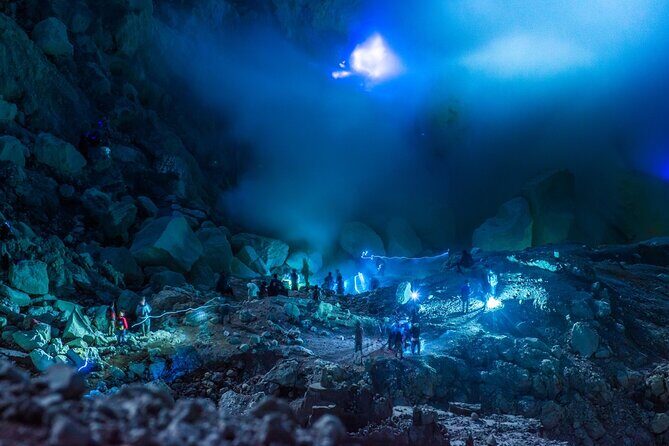
This trip asks for moderate physical fitness. That doesn’t mean “you must be a trail athlete,” but it does mean you should be comfortable hiking in uneven conditions, at night, with a gas-mask/safety gear setup.
Here’s what the provided instructions emphasize, and what you should take seriously:
- Bring hiking shoes you can trust on slopes and dark footing
- Bring a warm jacket for late-night and early-morning conditions
- Bring a standard face mask (and be ready to follow gas safety guidance)
- Bring your camera, because the sunrise and crater moments are why you came
Also: don’t over-pack. You want freedom of movement for trekking. If you bring a bag, keep it simple and lightweight.
Who should book this Ijen overnight trip
I’d book this if you want:
- the crater’s iconic blue flame moment with a real guide and safety gear
- a trip that also includes north Bali highlights (lakes, viewpoints, Banyumala waterfalls)
- private-group comfort with hotel pickup from common Bali areas
You might skip it if you:
- hate long days and can’t handle overnight pacing
- have difficulty with night hiking and uphill trekking
- want a totally relaxed, low-effort itinerary
Booking verdict: should you book Bali SUN Tours for Ijen from Bali?
If your main goal is Ijen’s nighttime magic, this is a strong match because it’s built around the timing: night crater, then sunrise. The inclusion of a trekking guide, safety equipment, and gas mask support removes a lot of uncertainty, and the north Bali route makes the long travel feel like it earns its place.
Before you book, do this quick check:
- Are you okay hiking at night with moderate effort?
- Do you have the right shoes + warm jacket ready now?
- Are you willing to accept sunrise depends on conditions?
If you can say yes to those, then booking makes sense. You’ll likely walk away with a story that feels bigger than a typical day trip, and with the kind of visuals that make your friends ask, where was that.
FAQ
What time does the Mount Ijen overnight trip start?
The start time is 10:00 am.
Is pickup included, and where does it pick up from?
Pickup and drop-off are included in Ubud, Seminyak, Legian, Kuta, Tuban, Jimbaran, Sanur, Tanjung Benoa, and Nusa Dua area (with air-conditioned hotel return transfer/pick up and drop in these zones).
What’s included for the Ijen crater part?
You’ll have a professional trekking guide, safety equipment, gas mask support, bottled water, and admission is included for the Ijen Crater stop.
Are meals included?
Yes. The tour includes once breakfast and dinner.
What should I bring for the hike?
Bring a warm jacket, hiking shoes, a standard face mask, and your camera.
How fit do I need to be?
You should have a moderate physical fitness level.
What is the cancellation policy?
Free cancellation is available if you cancel up to 24 hours in advance for a full refund.