
Reef Rehabilitation Course and Snorkeling
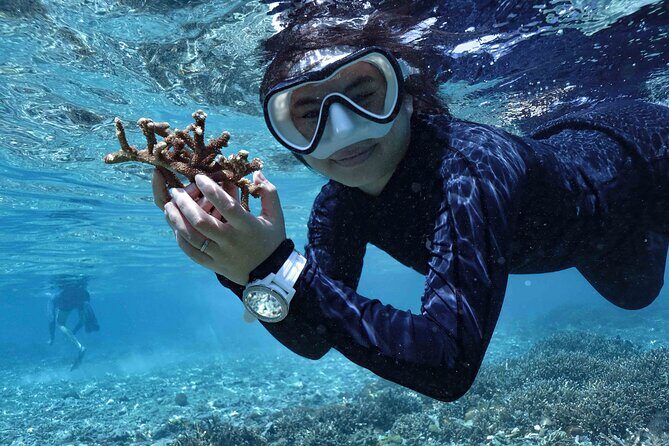
Coral planting feels real, not symbolic. This reef rehabilitation course in Nusa Penida pairs coral science with hands-on work, including snorkeling and learning how to tie coral fragments to ropes. I especially like that you plant 70 corals (about 4 m²) yourself, and I also like the practical teaching: you learn how the nursery grows coral and how to attach fragments correctly. One drawback to consider: you need to be comfortable swimming, because the coral work happens during snorkeling and it is an active 6-hour block.
The best part for me is the small-group feel, with a max of 10 people. You’ll meet back at the same spot at Ecotourism Nusa Penida, stop for lunch at Coral Cafe, and then spend the rest of the time turning knowledge into actual reef restoration. And if you go on a Saturday, you may also join school visits with kids and conservation activities like beach cleanups.
This is also priced in a way that makes a difference. At $62.61 per person, it’s positioned as far cheaper than the typical coral-adoption style programs you might see elsewhere, without turning the day into a simple sightseeing loop.
In This Review
- Key highlights worth noting
- Reef Rehabilitation in Nusa Penida: what you’re really signing up for
- Getting the reef basics right: the presentation that makes planting practical
- Coral nursery and fragments: seeing the restoration system up close
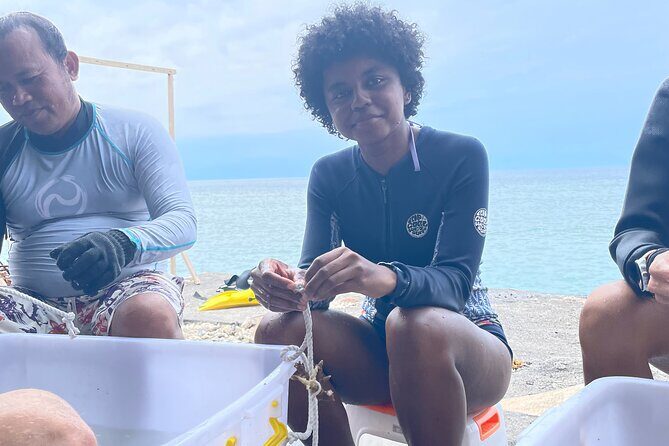
- Snorkeling with purpose: equipment, knot-tying, and placement work
- Lunch at Coral Cafe: fuel for a hands-on morning and afternoon
- The Saturday bonus: school visits, English teaching, and beach cleanups
- Price and value: why $62.61 can feel like a lot less than you expect
- Logistics that actually matter: timing, group size, and where it starts
- Who should book this reef rehabilitation course (and who might want to think twice)
- Should you book Reef Rehabilitation and Snorkeling?
- FAQ
- How long is the Reef Rehabilitation Course and Snorkeling?
- How much does it cost?
- Where is the meeting point?
- What’s included in the price?
- Do I need to know how to swim?
- How big is the group?
- Is it okay to bring a service animal?
- How many corals will I plant?
- Can I cancel for free?
Key highlights worth noting
- You plant 70 corals per person (about 4 m² of reef restored by hand)
- Coral nursery + fragments first, so your work comes from an actual restoration system
- Knot-tying underwater turns a concept into a skill you can picture afterward
- Small group size (max 10) keeps the day practical, not rushed
- Lunch at Coral Cafe is included, not tacked on as an afterthought
- Saturday school visits can add teaching English and beach cleanup time with local kids
Reef Rehabilitation in Nusa Penida: what you’re really signing up for
This 6-hour experience is built around one goal: help restore damaged reef using a repeatable method, not a one-off feel-good gesture. You get a coral conservation presentation, then you move to the nursery and the water where the restoration happens.
For your time, the day is structured so you understand what you’re doing before you do it. You’ll hear about coral biology and ecosystem value, then you’ll see how corals are cultivated, harvested as fragments, and replanted with rope-and-knot methods.
It’s also honest about effort. You’ll be out on the water portion, using snorkeling equipment you get as part of the tour, and you should be able to swim comfortably. The experience also notes moderate physical fitness, so plan for a day that asks you to stay engaged and active.
Getting the reef basics right: the presentation that makes planting practical
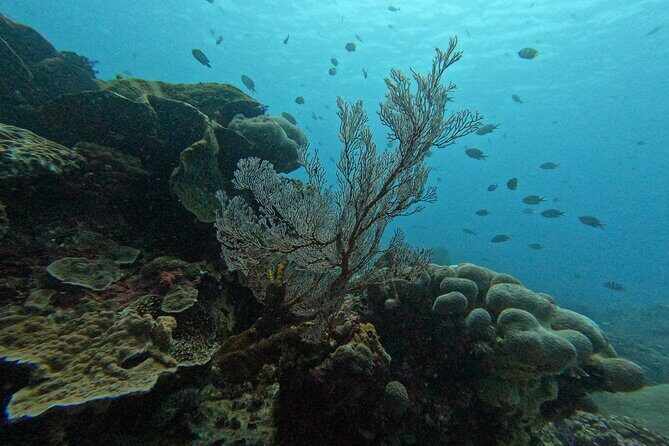
Before you touch anything, you’ll go through reef education with the group. This part matters because reef restoration is not random. Coral health depends on conditions like water movement, and coral tissue has specific needs after fragments are placed.
The teaching covers coral biology and why the reef matters as an ecosystem. You’ll also learn how damaged ecosystems are brought back to life. When you later tie coral pieces to ropes, the steps feel less like a trick and more like a method built on what corals actually need.
In the same spirit, the team’s style is instructional. In at least some cases, the guides credited for the experience include Nyoman and Festi. If you’re the type who likes to understand the why behind the how, this section is the backbone of the whole day.
Coral nursery and fragments: seeing the restoration system up close
After the presentation, the next step is seeing the source of what you’ll plant. You’ll get to see the coral nursery, where corals are cultivated so restoration can happen reliably.
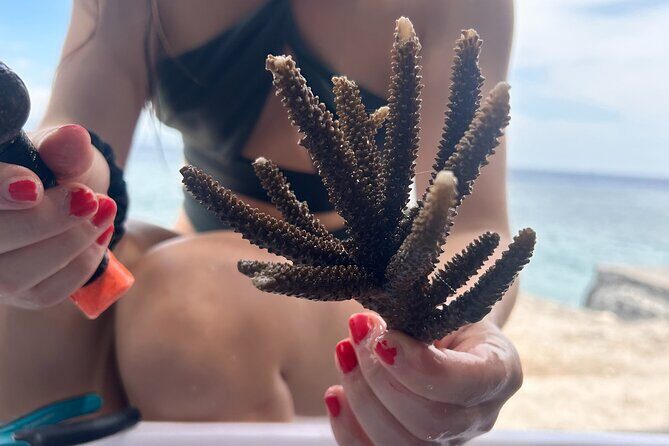
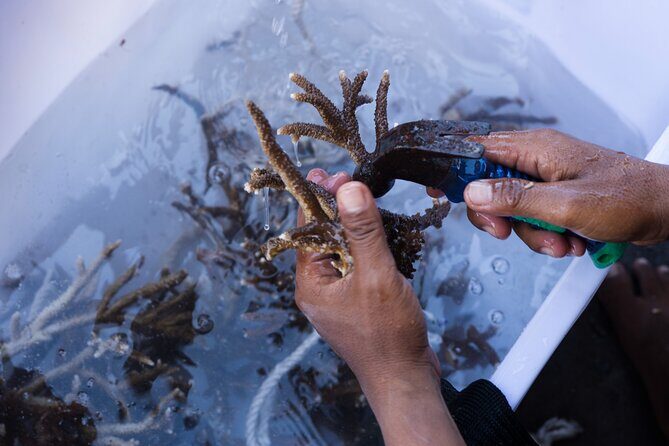
Then you’ll participate in harvesting coral fragments. That sounds small, but it’s one of the most important links in the chain: restoration depends on moving fragments from a nursery environment to new placement sites. You’re not just learning coral trivia. You’re learning how the workflow works—how fragments are collected, prepared, and then planted.
This is where the experience becomes extra valuable for curious people. A lot of snorkeling tours show coral like it’s a theme park. Here, you’re shown the backstage process: nursery → fragments → preparation → planting → long-term recovery.
Snorkeling with purpose: equipment, knot-tying, and placement work
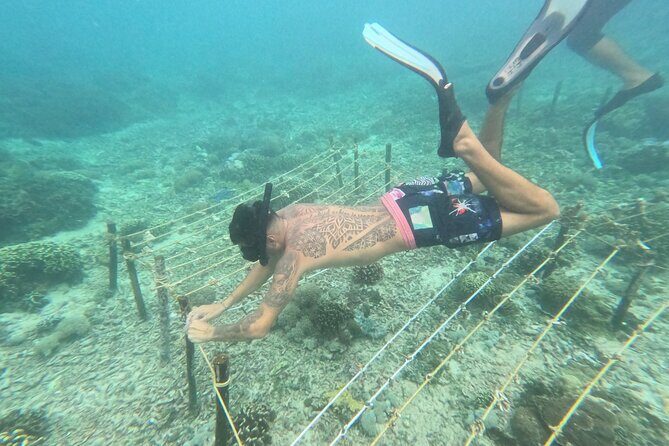
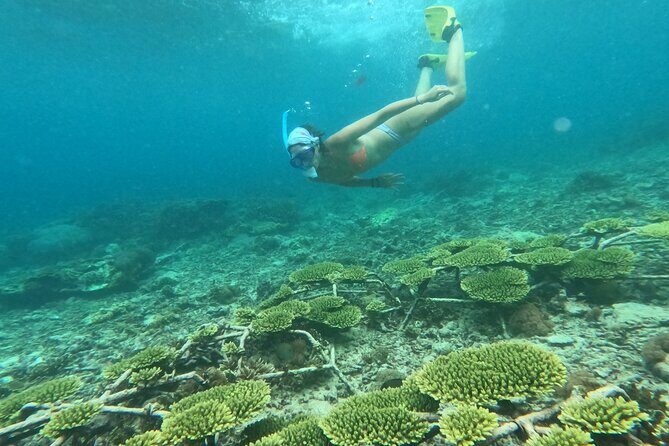
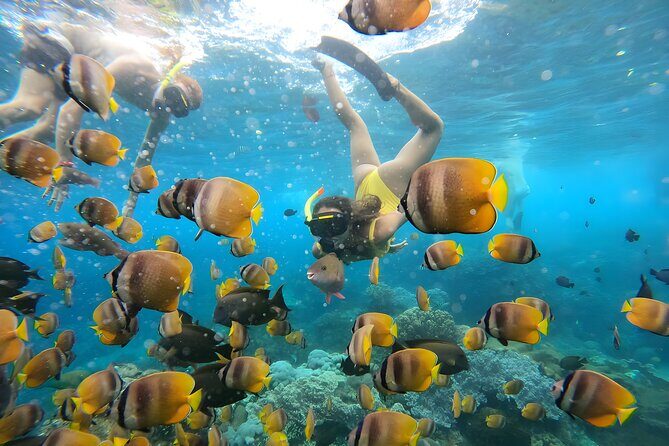
The snorkeling portion is the heart of the practical work. Your tour includes the use of snorkeling equipment, and the experience is designed for people who can swim comfortably.
You’ll do several key actions in the water:
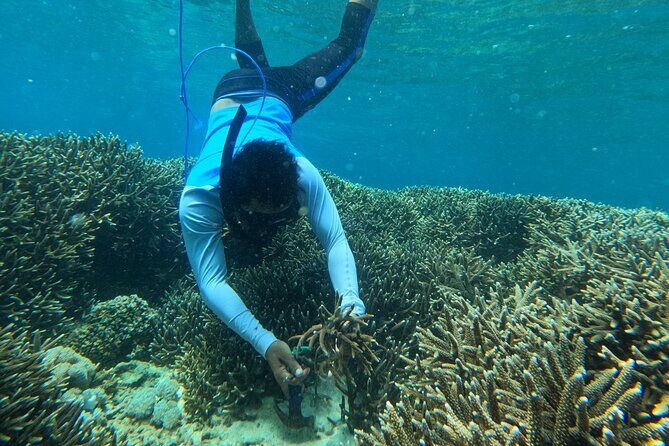
- You’ll collect coral fragments.
- You’ll learn how to tight-knot underwater.
- You’ll prepare ropes with the collected coral fragments.
- You’ll plant 70 corals per person, targeting about 4 m² of reef.
That knot-tying step is more than a novelty skill. It’s how coral fragments stay positioned long enough for attachment and survival. If you get to watch, then do it with guidance, you’ll leave with a clear memory of how physical care supports biological recovery.
A practical consideration: this isn’t a slow, float-and-watch snorkeling session. You’re working with your hands, following instructions, and staying oriented. If you’re anxious in open water, the best move is to be honest with yourself about your swimming comfort before you book.
Lunch at Coral Cafe: fuel for a hands-on morning and afternoon
You get a lunch break at Coral Cafe. That matters because your day includes both instruction and water work, and you’ll want to refuel properly.
The tour includes lunch as part of the price, which is nice because coral-restoration days can be expensive if food is treated like a separate add-on. Here, the meal is built into the timeline, so you don’t have to guess where you’ll eat or how long you’ll wait.
If you’re going with a friend or partner, it’s also a good social pause. You can compare what you learned (and what you found easiest) before you head back into the water for the actual planting steps.
The Saturday bonus: school visits, English teaching, and beach cleanups
On Saturdays, the schedule can include a visit to a local school. In that case, you also help with conservation activities such as beach cleanups, and you teach English to the children.
This is a meaningful addition because it reframes conservation as community work, not just underwater labor. Reef rehabilitation is long-term, and local buy-in is part of that. When conservation includes kids and local routines, the project becomes more than a one-day experience.
Keep in mind that Saturday participation can feel different from a weekday visit. You’re adding a community-focused block to your day, so the overall pace and energy may shift.
Price and value: why $62.61 can feel like a lot less than you expect
At $62.61 per person, this experience is priced surprisingly accessibly for what it includes. The tour describes its reef impact as real work—planting corals by hand—rather than a membership badge or adoption certificate.
Here’s how the value stacks up in practical terms:
- You get snorkeling equipment included, which is a cost many tours make you pay separately.
- You get lunch included, so you’re not adding meal costs on top.
- You receive materials for coral restoration.
- You plant 70 corals per person (a clear per-participant impact target).
The tour also positions this approach as cheaper than typical NGO coral-adoption models that can cost hundreds of dollars for similar concept-level outcomes. Even if you don’t compare directly, the structure here is clear: the price buys instruction plus hands-on restoration labor plus the basic day needs.
Is it a bargain? For many people, yes—especially compared with the cost of guided snorkeling plus a separate coral-adoption program. But it’s not a passive activity. You’re paying for physical participation and skill-building, not just a view.
Logistics that actually matter: timing, group size, and where it starts
This activity runs about 6 hours and uses a mobile ticket. The group size is capped at 10 travelers, which keeps the coaching more direct during the coral work and knot-tying steps.
The tour starts and ends at the meeting point:
Ecotourism Nusa Penida Buyuk, Jalan, Ped, Nusa Penida, Klungkung Regency, Bali 80771, Indonesia.
Because it ends back at the same meeting point, your day stays simpler. You’re not trying to connect transportation across the island after a water session.
Also, you’ll receive confirmation at booking time. If you’re the type who hates last-minute uncertainty, that’s a comfort point worth valuing.
Who should book this reef rehabilitation course (and who might want to think twice)
This tour fits best if you want more than snorkeling photos. Book it if you like hands-on conservation, want to learn coral biology and reef recovery basics, and you don’t mind working in the water with instruction.
It also suits people who like small groups. The max size of 10 means you’re less likely to feel like a number while tying knots and preparing rope with coral fragments.
You might think twice if:
- You’re not comfortable swimming.
- You’re looking for a relaxed sightseeing day with minimal effort.
- You want a pure wildlife-watching snorkeling trip rather than a structured restoration task.
The good news is that the tour is designed around your comfort level in the water. The key requirement is being able to swim comfortably and having moderate physical fitness.
Should you book Reef Rehabilitation and Snorkeling?
I’d book it if you want your time in Bali to connect to something tangible: corals you help plant, skills you learn, and reef restoration you can explain afterward. The day’s mix—presentation, nursery viewing, lunch at Coral Cafe, then knot-tying and planting—feels built for real learning, not just entertainment.
Skip it if you’re expecting a casual snorkeling outing. This is work in the best way: you’re guided through coral restoration methods and you actively help carry them out. If that sounds appealing, this is one of the best value-leaning options for reef-focused experiences in Nusa Penida.
FAQ
How long is the Reef Rehabilitation Course and Snorkeling?
It lasts about 6 hours.
How much does it cost?
The price is $62.61 per person.
Where is the meeting point?
The start (and end) is at Ecotourism Nusa Penida Buyuk, Jalan, Ped, Nusa Penida, Klungkung Regency, Bali 80771, Indonesia.
What’s included in the price?
Lunch is included, along with snorkeling equipment, coral restoration materials, and a gift to local kids and the school.
Do I need to know how to swim?
Yes. You should be able to swim comfortably.
How big is the group?
The maximum group size is 10 travelers.
Is it okay to bring a service animal?
Yes, service animals are allowed.
How many corals will I plant?
You plant 70 corals per person, restoring about 4 square meters.
Can I cancel for free?
Yes. You can cancel up to 24 hours in advance for a full refund.
More Snorkeling Tours
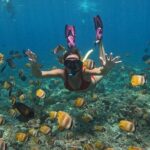
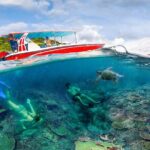
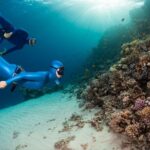
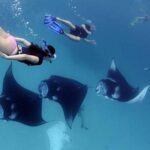
- ️Nusa Penida by Private Boat – Snorkeling 4 spots, Swim with Mantas + Land Tour
★ 5.0 · 6,424 reviews

More Tour Reviews
- ️Nusa Penida by Private Boat – Snorkeling 4 spots, Swim with Mantas + Land Tour
★ 5.0 · 6,424 reviews
More Nusa Penida Tours
- ️Nusa Penida by Private Boat – Snorkeling 4 spots, Swim with Mantas + Land Tour
★ 5.0 · 6,424 reviews
Nusa Penida Tours: how the alternatives stack up
 ★ 5.0
★ 5.0Nusa Penida day trip: boat, 4 snorkeling, Manta rays & Land tour


The lists this tour appears in