
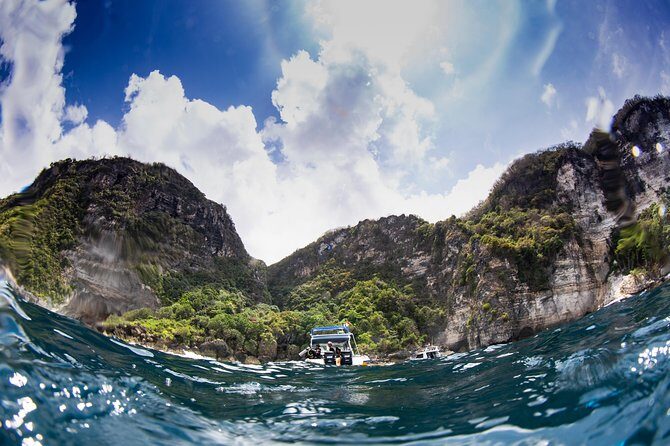
Snorkeling Trip Nusa Penida Bali
Mantas are the whole point here. I like that this outing is built around manta chances plus a tight, experienced small team that helps you reach the best sites with less wasted time. The route also mixes classic coral snorkeling with the shallower, cleaning-station style action at Manta Point. The catch: Manta Point can be rough when there’s swell, and the operator notes no refunds if your trip ends up not including Manta Point due to unsafe conditions.
You’ll leave early from Kuta with pickup around 6:30–7:15 am, head to the dock fast, and spend the day bouncing between sites with lunch in the middle. The typical plan is three snorkeling stops, with the boat ride to the first site about 45 minutes and a return to the Sanur snorkeling center around 3:00 pm.
In This Review
- The Quick Take on This Nusa Penida Snorkeling Trip
- Morning Pickup to High-Speed Boat: The Day in Numbers
- Small Group, Experienced Crew, and the Gear That Actually Helps
- Three Snorkel Stops: What Each Site Is Good At
- Manta Point: The Cleaning-Station Dream (With a Real Seasickness Note)
- Crystal Bay: Coral Focus and Clear-Water Chances
- SD (Sekolah Dasar): Popular Reef, With Current That Can Help
- How Timing and Lunch Fit Into the Value
- Price and Value: Why This Costs About $142.99 (and What You’re Paying For)
- Seasickness, Comfort, and How to Set Yourself Up to Enjoy the Water
- Who This Snorkel Trip Is For (and Who Should Think Twice)
- The Booking Sweet Spot: When to Choose This Day Trip
- Should You Book Blue Season Bali’s Nusa Penida Snorkeling Trip?
- FAQ
- What time is pickup in Kuta?
- How long is the snorkeling trip?
- How many snorkeling sites does the tour include?
- How long is the boat ride to the first snorkeling site?
- Is lunch included?
- Is Manta Point always visited?
- Are refunds available if Manta Point is not included?
- How big is the group?
- What should I bring for snorkeling comfort?
- What is the cancellation policy if weather is bad?
The Quick Take on This Nusa Penida Snorkeling Trip
- Small group size (max 10): less crowding in the water and a more personal guide rhythm.
- Experienced guides who know the spots: built for finding marine life, not just checking boxes.
- Full-length wetsuits and safety-minded setup: one review specifically called out full-length wetsuits and rescue/first-aid readiness.
- Three different snorkeling environments: Manta Point, Crystal Bay’s clarity, and SD’s reef with current along the north coast.
- Manta Point is conditional: swell can force a swap to another site, and the policy notes no refund if Manta Point isn’t included.
Morning Pickup to High-Speed Boat: The Day in Numbers
This tour is long enough to feel like a real outing—about 9 hours total—but paced to keep the snorkeling time meaningful. Pickup from Kuta typically happens between 6:30 and 7:15 am, so you’re up early, yes, but you’re also beating the day’s biggest crowds and heat.
The transport segment is simple. After pickup, there’s a short ride to board the high-speed boat (about 5 minutes). Then you’ll ride out for roughly 45 minutes to the first snorkeling area. That timing matters. When you’re snorkeling on Nusa Penida, water visibility and animal activity can shift with conditions, currents, and wind. A schedule that gets you on the water earlier is often the difference between “nice” and “wow.”
You’ll also get a lunch break between dives, then head back toward Sanur around 3:00 pm. That return time is handy if you want to keep the rest of your Bali day flexible.
Small Group, Experienced Crew, and the Gear That Actually Helps
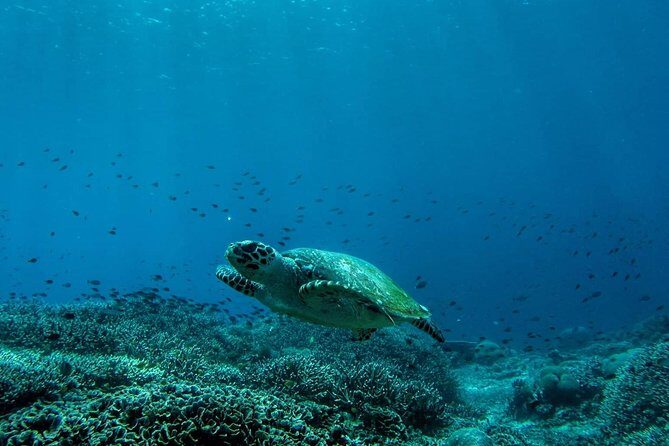
One of the strongest themes in the feedback is organization with a human touch. People specifically praised the staff as attentive and professional, and they pointed out the difference that a dedicated snorkel operator can make versus big, generic mass tours.
The tour runs with a maximum of 10 people. That small-group size tends to improve three things fast:
- easier communication in the water
- less time waiting around between stops
- more chance for the guide to adjust to what you’re seeing
You’ll also notice the operator emphasizes experienced guidance. In the notes from past guests, guide names like David, Bianda, Kai, and Maria show up, which is a nice sign that it’s not just a rotating cast. One review also highlighted that the crew had water-rescue and first-aid awareness—exactly what you want when you’re snorkeling in areas where conditions can change.
Gear is another value lever. At least one review specifically mentioned full-length wetsuits. That’s not just comfort. Full-length wetsuits help you stay warm enough to keep floating and focusing on spotting wildlife instead of shivering and rushing.
Three Snorkel Stops: What Each Site Is Good At
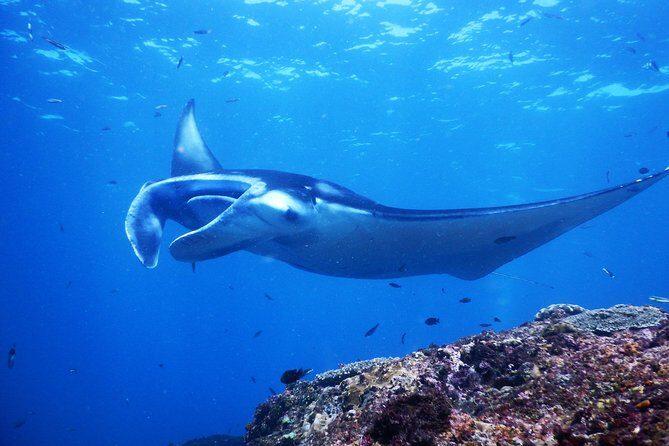
This trip is designed around variety. Instead of repeating the same type of reef, you’re usually snorkeling at three different spots around Nusa Penida, with the exact sequence depending on sea conditions.
Manta Point: The Cleaning-Station Dream (With a Real Seasickness Note)
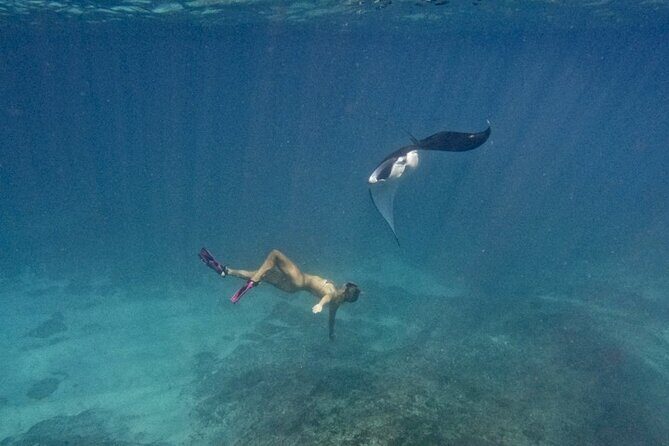
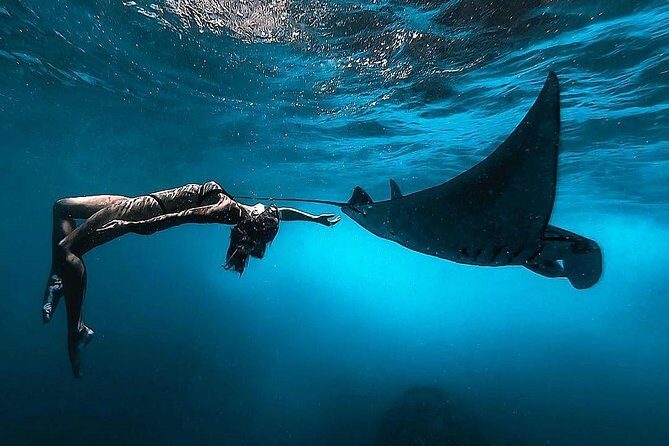
Manta Point is the headline. The operator describes it as a famous site where you can get high chances of seeing manta rays, often at cleaning-station style areas where smaller fish help with the manta’s cleaning.
Here’s the important planning detail: Manta Point can experience swell. That’s why the tour warns that small children and anyone sensitive to motion sickness may feel seasick at this site. If you’re even slightly prone to it, take that warning seriously—don’t assume you’ll be fine.
The other hard truth is policy-based. Due to surface conditions, the team may not be able to visit Manta Point on the day. If Manta Point isn’t included because conditions aren’t safe, the operator states no refunds will be given for trips that do not include it. That doesn’t mean the trip is a loss—it just means your booking should be prepared for the possibility that the mantas might not happen at that exact stop.
If mantas are your #1 goal, pack your expectations with flexibility: you’ll still be going to other strong sites, but you should understand why that manta payoff is never 100% guaranteed on Nusa Penida.
Crystal Bay: Coral Focus and Clear-Water Chances
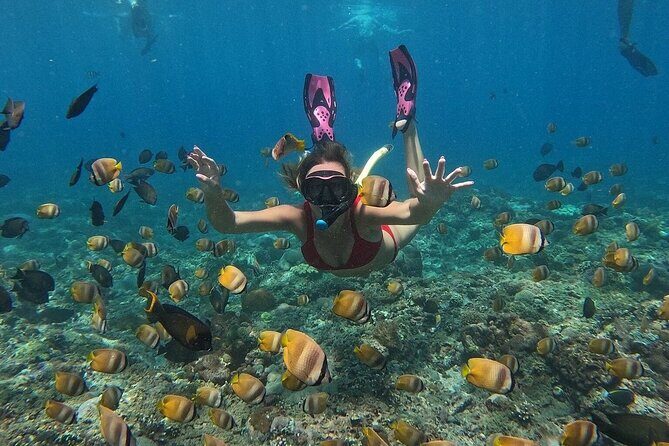
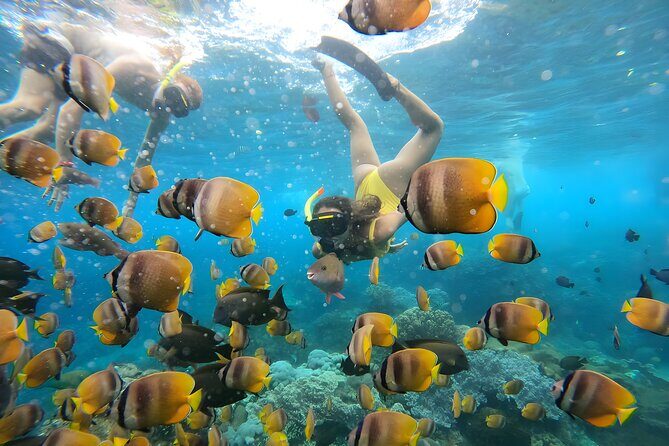
Crystal Bay is the reef-and-clarity stop. The operator calls it a favorite site all year round, known for superb corals and clear waters.
This is usually where you enjoy slower snorkeling. Instead of only hunting for big animals, you’ll get a chance to watch reef structure, coral shapes, and the smaller fish activity that makes the whole area feel alive. Clear water helps your eyes too—visibility affects how much you’ll actually notice in the water, not just the big sightings.
If you want a balanced day where mantas are a bonus rather than the whole mission, Crystal Bay is the kind of stop that keeps the experience fun even when the manta conditions don’t cooperate.
SD (Sekolah Dasar): Popular Reef, With Current That Can Help
SD stands for Sekolah Dasar, which the operator notes refers to the village school on the coast. That name is a fun local touch, and it also points to what this stop is: a reef-driven snorkeling area that people return to.
The operator describes SD as great, with often some current along the beautiful reef that runs along Nusa Penida’s northern coast. In snorkeling terms, current is a double-edged sword. Too much current can make it harder to stay in place. But when it’s within a workable range, current can bring more activity by moving nutrients and plankton, which can lift the whole ecosystem’s action.
So SD often rewards people who are comfortable staying calm, floating, and letting the reef do the work while the guide times the swim.
How Timing and Lunch Fit Into the Value
The day runs like a well-choreographed set of transitions: pickup early, boat ride to the first site, lunch between dives, then more snorkeling and return by around 3:00 pm.
Lunch matters here because it isn’t just food. It’s the reset that keeps you from burning out before the final stop. A lot of people expect snorkeling trips to be “just swim and hope.” When you have an actual lunch break planned, you’re more likely to enjoy the second and third sites fully.
Also, the “depending on sea conditions” note isn’t filler. On Nusa Penida, wind and swell can change quickly. When conditions shift, the operator needs room to swap sites while keeping you on schedule. That’s another reason the early start matters.
Price and Value: Why This Costs About $142.99 (and What You’re Paying For)
At $142.99 per person, this isn’t the cheapest option out of Kuta. But you’re paying for three practical upgrades that show up repeatedly in the overall experience:
- Small group size (max 10): fewer people in the water, less waiting around
- Experienced staff and safety readiness: guides who know the sites and are trained to handle water safety
- Better snorkeling support gear: full-length wetsuits were specifically mentioned in feedback
You could sometimes find lower-cost snorkeling trips that promise multiple sites. The trade-off tends to be crowding, less individualized guidance, and more general handling. Here, the structure is more like a focused snorkel day with a smaller team.
To decide if it’s worth it for you, ask yourself one question: do you want the mantas—and the rest of the day to feel smooth—or do you just want a cheap boat and a quick swim? If you care about the mantas but also want a reef-focused plan for the day, this price often makes sense.
Seasickness, Comfort, and How to Set Yourself Up to Enjoy the Water
This is the part that can make or break the day, especially because of the specific warning about Manta Point swell.
If you’re motion-sickness prone:
- plan for rougher water at the manta stop (the operator calls it out)
- bring your preferred seasickness remedy and use it as directed before you head out
Also, don’t underestimate how much comfort matters in snorkeling. The ocean is rarely a “flat calm pool.” With full-length wetsuits included, you’ll likely feel better than people in minimal gear. Better comfort usually means you can actually focus on scanning the water rather than just surviving the swim.
Finally, bring a mindset that fits the reality of Nusa Penida. Some days are manta days; some are reef-and-turtles days; some are “conditions dictate the plan.” The best version of your day comes when you’re ready to enjoy each site for what it is.
Who This Snorkel Trip Is For (and Who Should Think Twice)
This tour fits best if you:
- want three different snorkeling experiences in one day
- care about manta chances enough to prioritize Manta Point—but you can accept the possibility it may not happen
- prefer a small-group setting with experienced guides rather than a big, rushed herd
The operator also notes you should have moderate physical fitness. That doesn’t mean you need to be athletic, but it does suggest you should be comfortable with getting in and out of the water, snorkeling for stretches, and staying steady in changing conditions.
Think twice if:
- you’re very sensitive to motion and aren’t willing to manage seasickness risk
- your budget depends on getting Manta Point no matter what (because no refund is stated if it’s not included for safety reasons)
The Booking Sweet Spot: When to Choose This Day Trip
This tour is offered with opening hours listed from early morning to late evening, with the tour operating daily. Confirmation happens at booking time, and it uses a mobile ticket, which is practical if you like not chasing paperwork.
It’s also described as typically booked about 58 days in advance on average. If you want a specific date and you’re traveling during busier seasons, it’s smart to lock it in early rather than hoping.
Should You Book Blue Season Bali’s Nusa Penida Snorkeling Trip?
I’d book this if you want a well-organized, small-group day with a real chance at manta rays and two strong backup reef experiences. The big selling points—experienced guides, small group size, and full support like full-length wetsuits—are exactly what you notice once the day starts.
I’d hesitate only if your body can’t handle bumpy boat rides or if you need a guarantee of Manta Point. The operator is clear that sea conditions can prevent that stop, and your refund situation follows that reality.
If you’re comfortable with that gamble and you’re excited by the idea of Manta Point plus Crystal Bay’s clarity and SD’s current-friendly reef, this is a solid value use of time in Bali.
FAQ
What time is pickup in Kuta?
Pickup is usually around 6:30–7:15 am.
How long is the snorkeling trip?
The tour runs about 9 hours (approximately).
How many snorkeling sites does the tour include?
It typically includes snorkeling at three different sites around Nusa Penida, depending on sea conditions.
How long is the boat ride to the first snorkeling site?
The boat ride to the first site is about 45 minutes.
Is lunch included?
Yes, lunch is included between the snorkeling dives.
Is Manta Point always visited?
No. Manta Point can be affected by swell, so it is not always possible to visit it. An alternative site may be chosen on the day.
Are refunds available if Manta Point is not included?
The information states no refunds will be given for trips that do not include Manta Point.
How big is the group?
The tour has a maximum of 10 travelers.
What should I bring for snorkeling comfort?
The tour notes full-length wetsuits are used, and you should be prepared for open-water conditions. If you’re sensitive to motion sickness, plan accordingly since Manta Point can involve swell.
What is the cancellation policy if weather is bad?
There’s free cancellation up to 24 hours before the experience start time for a full refund. If it’s canceled due to poor weather, you’ll be offered a different date or a full refund.
More Tour Reviews




More Kuta Tours
More Nusa Penida Tours
Nusa Penida Tours: how the alternatives stack up
 ★ 5.0
★ 5.0Nusa Penida day trip: boat, 4 snorkeling, Manta rays & Land tour

The lists this tour appears in