Stargazing Under the Bali Skies
Bali can be a surprising classroom for the night sky. This private stargazing experience blends story with science, so you get explanations that feel human, not intimidating. Multiple telescopes bring the Moon and planets into focus, and hands-on guidance helps you learn the equipment instead of just watching. The one catch is weather: if clouds roll in, what you can see may change.
What really makes it work is the relaxed pace and the chance to ask questions freely. In the real-life experience, the team includes friendly hosts like Gabs and Donny, and they keep things beginner-friendly even if you know basically nothing about astronomy. You also get a warm coffee moment under the stars plus photography time for 20 minutes, so the night doesn’t just end with blurry memories.
In This Review
- Key highlights before you go
- Why This Stargazing Session Feels Personal, Not Like a Lecture
- Your 6:30 PM Setup on Munggu Beach: Coffee, Star Maps, and Gear Talk
- What You’ll See Through Telescopes: Moon Craters, Saturn’s Rings, and Planets
- Hands-On Astronomy: Learning the Equipment Without Feeling Lost
- The 20-Minute Photo Moment and Your Take-Home Sky Memory
- Price and Value: Is $191.49 Per Group Worth It?
- Who This Stargazing Night Is Best For (and Who Might Skip It)
- Should You Book Stargazing Under the Bali Skies?
- FAQ
- Where does the stargazing tour start?
- What time does the tour begin?
- How long is the experience?
- What is the price and group size?
- What’s included in the tour?
- Is the tour affected by weather?
- Is a tip required?
Key highlights before you go
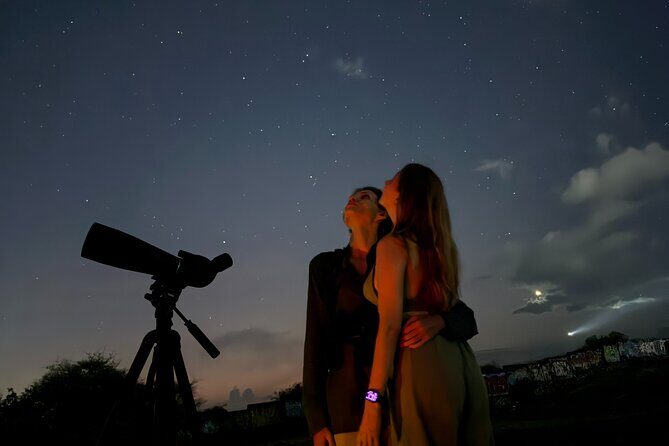
- Private and cozy for up to five: you get a focused session rather than a rushed crowd show.
- Beginners welcome, but not watered down: constellations, Moon craters, and planets are explained in plain language.
- Telescopes plus binoculars plus a spotting scope: you switch tools to match what you’re looking at.
- Smart astrophotography camera time: you get documented photos and a chance to learn the gear.
- Coffee brewing under the stars: a small comfort that makes the whole night feel calmer.
- Supports local community work near Seseh/Munggu Village: part of what you pay goes back locally.
Why This Stargazing Session Feels Personal, Not Like a Lecture
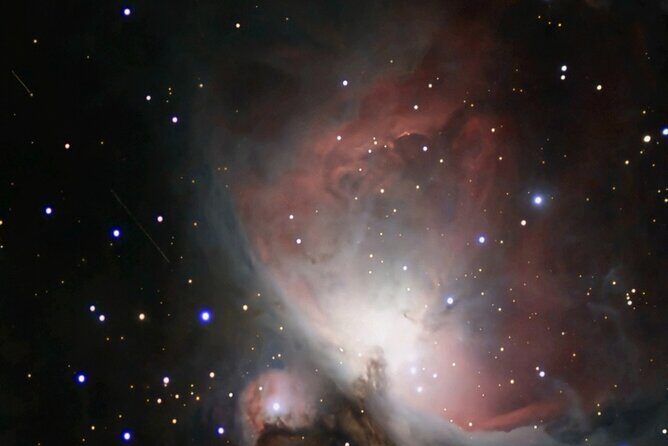
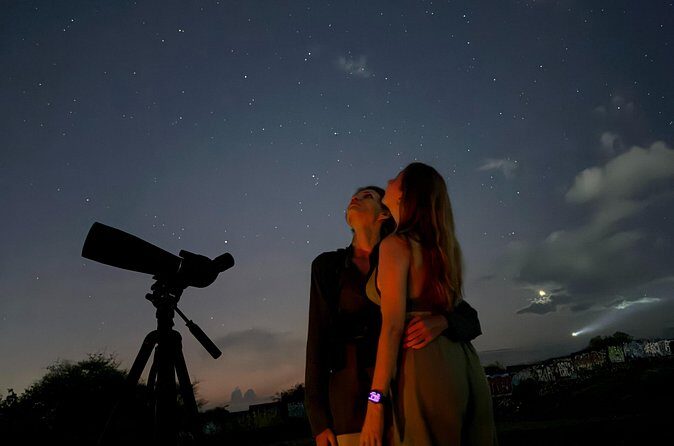
I like tours where the guide adjusts to the group, not the other way around. This one is designed as a private, beginner-friendly stargazing session, so the pace stays comfortable and questions don’t get brushed aside. You’re not expected to know star names or understand astronomy jargon. Instead, you’re guided through what to look for and what it means.
The other thing I appreciate is the “heart and science” setup. You’re learning how to use telescopes and other viewing tools, but you’re also getting the stories behind the stars—the fun facts, the sky myths, and the space explanations that make the universe feel less far away. That balance is why people come away feeling they didn’t just see the sky; they understood it a little better.
One consideration: this is a weather-dependent activity. Clouds and poor conditions can limit what you see, and the tour may shift to whatever looks best that night. If you’re booking during a period when Bali weather can be unpredictable, plan to bring patience—and a light layer for night air.
Your 6:30 PM Setup on Munggu Beach: Coffee, Star Maps, and Gear Talk
You meet at Munggu Beach Sea, Bali with a start time of 6:30 pm and an overall duration of about 2 hours 30 minutes. The tour ends back at the same meeting point, which makes planning simple. There’s also a mobile ticket, so you’re not stuck hunting for printouts.
Before you jump into the sky, you’ll get oriented with a starmap and an astronomy pocket guide (plus surprise take-home goodies). That matters more than it sounds. A starmap helps you connect what you see in the telescope with what’s actually happening overhead, so the night doesn’t feel like random point-and-look.
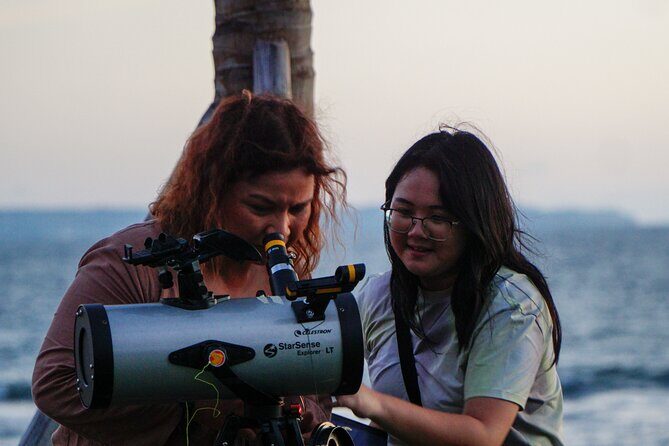
Then comes one of those details that quietly improves the whole experience: complimentary coffee brewing under the stars. It’s warm, it slows your brain down, and it gives you a moment to settle before you start focusing on tiny details. You’ll also handle and use the viewing equipment—telescopes, binoculars, a spotting scope, and a smart astrophotography camera—so you get practical time rather than only passive sightseeing.
The “private and cozy” feel is key here. With a small group size (up to five), the guide can adjust the instructions based on how quickly you’re catching on, and you won’t spend half the night waiting your turn.
What You’ll See Through Telescopes: Moon Craters, Saturn’s Rings, and Planets
The sky targets are specific, and that’s what makes this tour feel special. Depending on conditions, you can look for:
- The Moon’s craters
- Saturn’s rings
- Jupiter’s moons
- Constellations and other objects the guide highlights based on what’s visible
It helps to understand why multiple viewing tools are included. A telescope can show you the “closer” views, like sharp details on the Moon. Binoculars are great for scanning and finding objects in the first place. A spotting scope bridges the gap for certain targets, especially when you want an easier way to line up with what the guide is pointing at.
Also, the “depending on weather” part is real. You’re in Kuta, Bali at night, and cloud cover can change everything. If visibility is limited, the guide will likely focus on whatever looks clearest that night, so you still leave with a sense of achievement rather than feeling like the night was a bust.
One practical tip: even if you’re excited about a specific target like Saturn, go in with a flexible mindset. The value here is the guided understanding—so even if the night shifts, you still learn how to read the sky.
Hands-On Astronomy: Learning the Equipment Without Feeling Lost
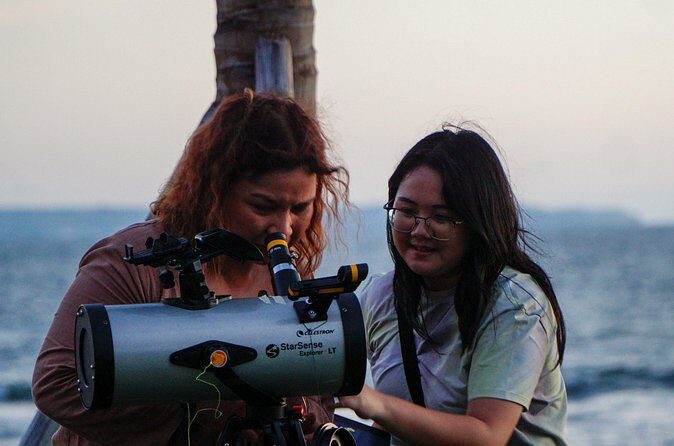
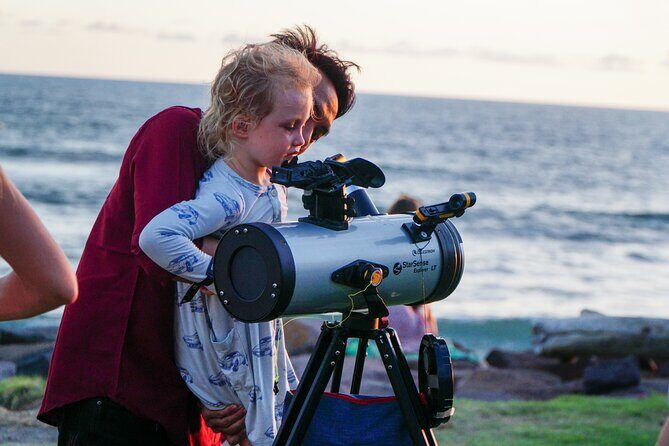
This is where the tour earns its keep. You’re not just handed a seat and sent to squint. You get hands-on time with different kinds of gear and guidance on how to operate them. By the end of the session, you should come away knowing how to use a telescope (at least in a practical, beginner sense).
That “teach you how to use it yourself” part is important for two reasons:
- You don’t spend the whole night waiting for the guide to do the setup.
- You build confidence, so the sky starts to feel repeatable, not one-time magic.
The pocket guide and starmap work with this hands-on learning. They give you something to reference afterward, so when you look up later, you’re not starting from scratch.
From the experience of people who booked this, the team’s communication style is part of the magic—friendly, supportive, and direct. Names you might hear include hosts like Gabs and Donny, and they’re presented as the kind of guides who keep the tone relaxed while still covering the science. That combination is what makes a small group night sky session feel doable.
The 20-Minute Photo Moment and Your Take-Home Sky Memory
Most stargazing tours end with a quick phone photo and a “good luck.” This one is more thoughtful. You get photography and documentation under the stars for 20 minutes. That gives you time to actually capture what you saw, instead of rushing through the best part.
A smart astrophotography camera is included, and that’s a big deal if you’re not technical. You don’t need to be a camera person to benefit. The guide can help you use the equipment approach that works for night sky conditions, and the documentation time means you’re not left guessing how to set things up.
You also take home a starmap plus an astronomy pocket guide and surprise goodies. Even if photos turn out only okay, those take-home items help you anchor the experience in something you can revisit.
There’s also an important emotional benefit here: the tour feels like a guided night ritual. The coffee, the gear practice, the guided viewing, and the photo time all create a complete arc. You’re not just waiting for darkness to do the work.
Price and Value: Is $191.49 Per Group Worth It?
At $191.49 per group (up to 5), this isn’t the cheapest activity in Bali—but it can be good value depending on how you travel.
Here’s the math mindset I’d use:
- If you’re coming as a duo, your cost per person is higher than a group tour.
- If you’re splitting it with friends and booking for a full group of five, the per-person cost becomes much more reasonable.
- You’re paying for privacy, instruction, multiple types of viewing gear, a coffee experience, and take-home materials—plus photography/documentation time.
What you’re really buying is time with a guide who can teach the tools and help you see specific targets when possible. A low-cost tour often gives you a basic telescope look and moves you along quickly. This one is structured so you can learn the equipment and ask questions.
It also includes:
- Telescopes, binoculars, a smart astrophotography camera, and a spotting scope
- Complimentary coffee brewing under the stars
- Starmap + astronomy pocket guide + surprise goodies
- Photography/documentation for 20 minutes
- A portion of proceeds supporting the local village community near Munggu Village / Seseh
Tips aren’t included (and aren’t required), but it’s still worth setting aside a little cash in case you want to show appreciation.
Who This Stargazing Night Is Best For (and Who Might Skip It)
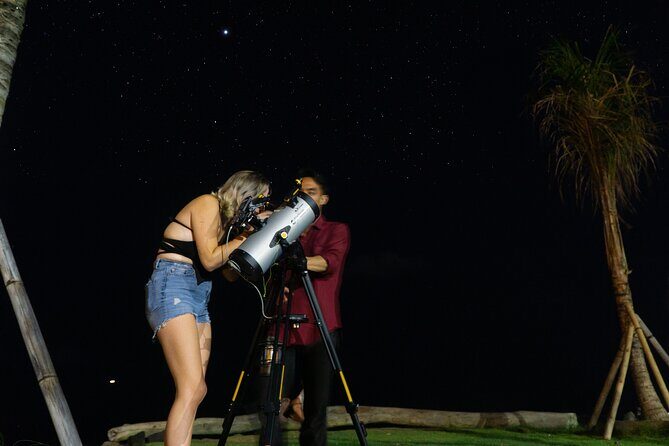
This tour is a great fit if you want a guided night that feels friendly and practical. It’s especially good for:
- First-timers who are curious about space but worried they’ll feel lost
- Couples and small groups who want a calmer alternative to bar hopping
- People who like hands-on activities, not just watching
- Anyone who wants actual photos or documentation time
If you’re the type who wants a huge crowd spectacle, this isn’t that. It’s private and cozy, so the vibe is more like a small group night hang with a guide than a big show.
Also consider your tolerance for night conditions. You’ll be outdoors on the beach, and the session depends on good weather. Bring a layer and don’t plan on raincoats as your only strategy. If the sky is washed out by cloud cover, the guide will adapt, but your expectations should stay flexible.
Should You Book Stargazing Under the Bali Skies?
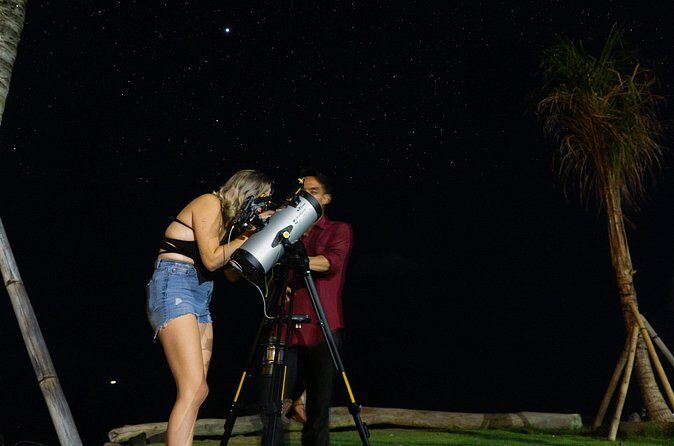
I’d book it if you want more than a casual telescope moment. The mix of telescopes, hands-on practice, and the chance to ask questions is what makes the experience worth planning for. Add the coffee brewing under the stars, the starmap and pocket guide you can keep, and the 20-minute photo/documentation window, and you get a complete evening, not a quick stop.
Skip (or at least keep your expectations flexible) if you only care about one specific planet and you’re strongly bothered by weather uncertainty. Since visibility depends on conditions, the “best views” are not guaranteed—but you’re still set up to learn how to find and understand what’s possible on the night.
If you’re traveling in a small group, the price also becomes easier to justify. Splitting the group cost makes the privacy and gear feel like a smart use of your Bali time.
FAQ
Where does the stargazing tour start?
It starts at Munggu Beach Sea, Bali, Indonesia, and it ends back at the same meeting point.
What time does the tour begin?
The start time is 6:30 pm.
How long is the experience?
It runs about 2 hours 30 minutes (approx.).
What is the price and group size?
It costs $191.49 per group for up to 5 people.
What’s included in the tour?
Included are high-quality telescopes, binoculars, a smart astrophotography camera, and a spotting scope, plus coffee brewing under the stars, starmap and an astronomy pocket guide with surprise goodies, and photography/documentation for 20 minutes.
Is the tour affected by weather?
Yes. This experience requires good weather. If it’s canceled due to poor weather, you’ll be offered a different date or a full refund.
Is a tip required?
Tips aren’t included and aren’t required, though they’re appreciated.