
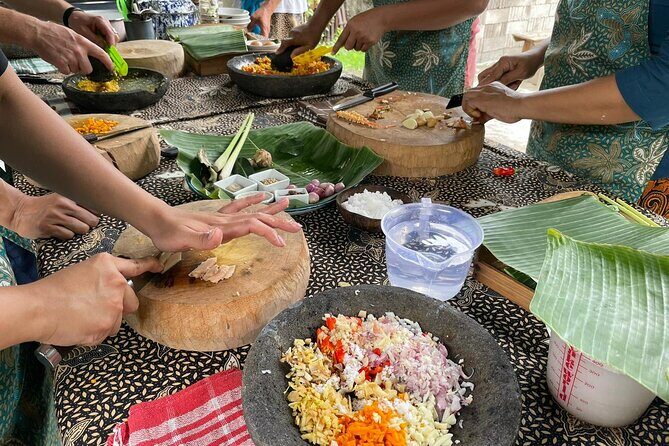
Traditional Tempeh Making & Cooking Balinese Cuisine
Tempeh class is surprisingly fun. This small-group Balinese cooking experience focuses on one ingredient—tempeh—and then turns it into a full lunch you sit down to in a home-style garden setting. I like how the host work-through is hands-on, and I also like that you learn the story of tempeh (not just the recipe) while you’re cooking. One thing to think about: if you’re very strict vegan, you’ll want to confirm which dishes you’re skipping, since some options can include chicken and tuna.
A big part of the value here is the pace. With a max group size of 10, you get more attention as you work with spices, prep, and the tempeh-making steps, led by Ayu, with Ngurah helping make the day feel smooth and welcoming. You’ll also get guidance you can use at home, not just a ticket and a plate.
If you’re hoping for lots of sightseeing or a bus tour day, this isn’t that. It’s a focused cooking class with a schedule that starts at 9:30 AM and ends by about 12:30, built around cooking and eating.
In This Review
- Key Things I’d Bet You’ll Enjoy
- Tempeh in Seminyak: The Ingredient That Runs the Show
- Meeting Ayu and Ngurah: What the Morning Feels Like
- Making Tempeh: From Protein Staple to Skills You Can Reuse
- The Spice Lesson: What Balinese Cooking Is Actually Doing
- Sayur Urab and the Lunch Lineup: Cooking Food You’ll Eat Soon
- Vegan-Friendly Without Feeling Like a Compromise
- Time, Price, and Why It’s Worth More Than a Quick Tasting
- How It Fits Your Bali Trip (and Who Should Book)
- Should You Book This Tempeh Class?
- FAQ
- What time does the class start and finish?
- How long is the cooking class?
- Where is the meeting point?
- Is this class vegan friendly?
- How many people are in the group?
- What will we cook and eat?
- Are drinks or snacks included?
- Can I book a private version instead of the small group?
- What if weather is bad or the class is canceled?
Key Things I’d Bet You’ll Enjoy
- Tempeh from scratch with a step-by-step process you can repeat later
- History of tempeh explained as part of the cooking flow, not as a lecture
- Balinese spice work so you understand what’s going into your food
- Sayur Urab featuring greens and beans with grilled grated coconut
- Seven-dish garden lunch served family-style after you cook
Tempeh in Seminyak: The Ingredient That Runs the Show
Seminyak is busy, but this class pulls you away from the noise fast. The setting is a local home with an open-air kitchen setup, so you’re cooking where the rhythm of daily life still shows. You start in the morning, and by lunchtime you’re eating the results of what you made—simple, satisfying, and much more memorable than a food stop where you just order.
The heart of the experience is that you’re not treated like a passive “see and taste” participant. You make tempeh from scratch, then cook Balinese Indonesian dishes built around that ingredient. If you care about food beyond flavor—like where it comes from and how it’s made—that part feels especially worth it.
And because the group stays small (up to 10), you’re more likely to get your questions answered right when you hit a problem—timing, texture, spice balance, or how to handle ingredients without wasting them.
Meeting Ayu and Ngurah: What the Morning Feels Like
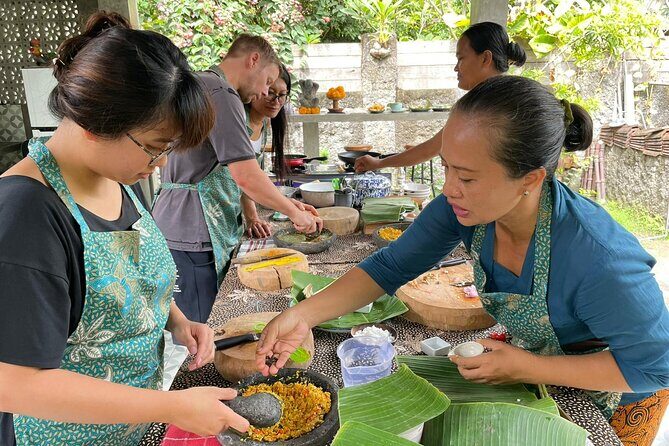
You’ll meet at Canang Sari Homestay in Denpasar Utara. Start time is 9:30 AM, and it’s set up like a hosted class rather than a timed production line. Ayu is the main host, and her teaching style is practical: she walks you through the tempeh-making process as you go, and she also shares the background of tempeh so you know what you’re working with.
Ngurah’s role shows up in the care and flow—keeping things friendly, making sure the class runs smoothly, and supporting the group dynamic. The tone you’re aiming for is: work together, don’t feel rushed, and leave with food skills you can actually use again.
You’ll be offered tea, coffee, and water during the class, plus a light snack. That matters in Bali, because mornings can start humid and fast, and you don’t want to be fading while you’re learning a multi-step cooking process.
Making Tempeh: From Protein Staple to Skills You Can Reuse
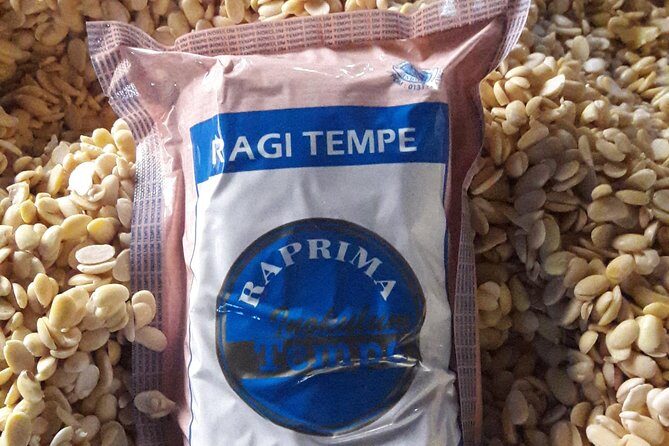
Tempeh is an Indonesian original from Java, known since the 1600s, and it’s famous for being high in protein and packed with nutrients. Here’s the useful part for you: you learn how tempeh is made, not just how it tastes.
During the class, you’ll follow the steps of the tempeh-making highlight while Ayu explains what’s happening along the way. The goal isn’t only to finish a batch in the session—it’s to understand the logic of the process so you’re not just copying motions. That’s why the class includes take-home guidance. The point is to help you make tempeh yourself at home later.
Why this matters for value: a lot of cooking classes stop at “chop, stir, plate.” This one adds a foundation ingredient. Once you understand tempeh basics, you’ll recognize it when you see it in Indonesian kitchens, and you’ll be able to cook with it with more confidence.
The Spice Lesson: What Balinese Cooking Is Actually Doing
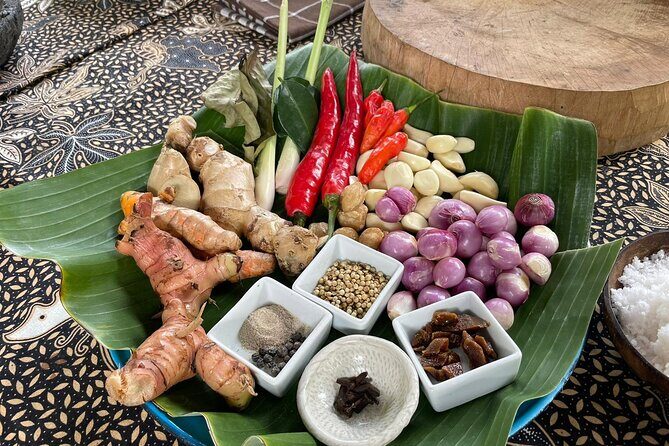
After you’ve started on the tempeh track, you move into the broader cooking education: Indonesian spices, how they function, and how they show up across Balinese dishes. Ayu emphasizes the range of spices used in Indonesian cooking, so you can start to think in terms of flavor building blocks, not a long list you can’t remember.
This is where the small group helps. If you’re unsure about how something smells when it’s the right stage, or how wet/dry should feel, you’re not standing alone with your questions. You get support in the moment—exactly when it affects what you put into the dish.
You’ll also work with plant-based ingredients from scratch for the dishes. The day is designed so you can taste the difference between spice mixes that are just thrown together and ones that are built with intention.
Sayur Urab and the Lunch Lineup: Cooking Food You’ll Eat Soon
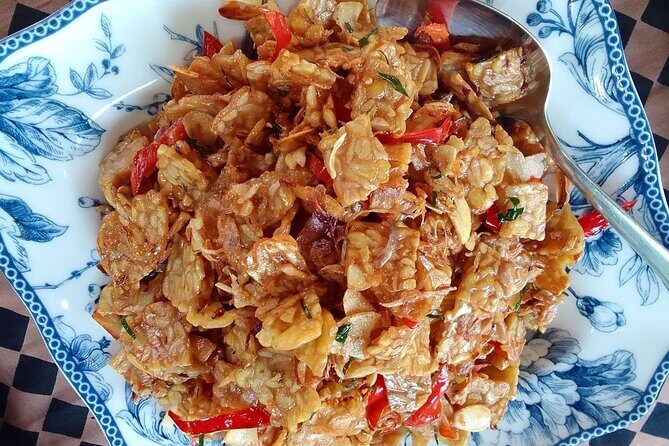
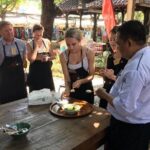
The lunch part is built around what you cook in real time. You’ll head to an open-air kitchen studio area and start preparing your Balinese meal. The class includes vegan-friendly dishes, and at least one highlight is Sayur Urab.
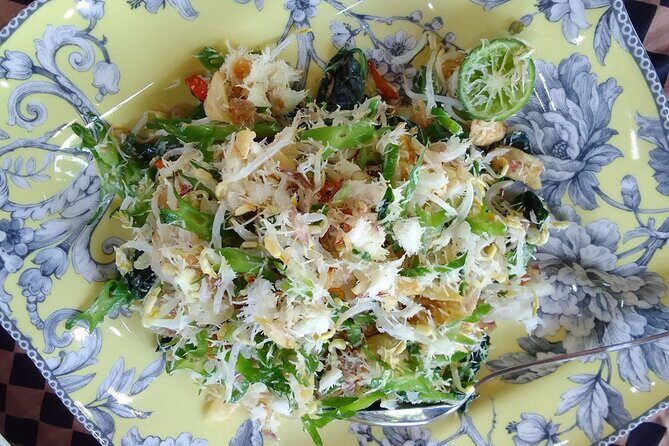
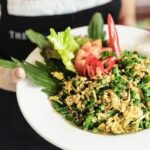
Sayur Urab is a vegetable dish made with greens and beans mixed with grilled grated coconut. That grilled coconut detail is key. It adds aroma and texture, so the dish doesn’t taste flat even though it’s plant-based. If you like vegetables but worry they’ll be “healthy but boring,” this is the recipe that changes that opinion fast.
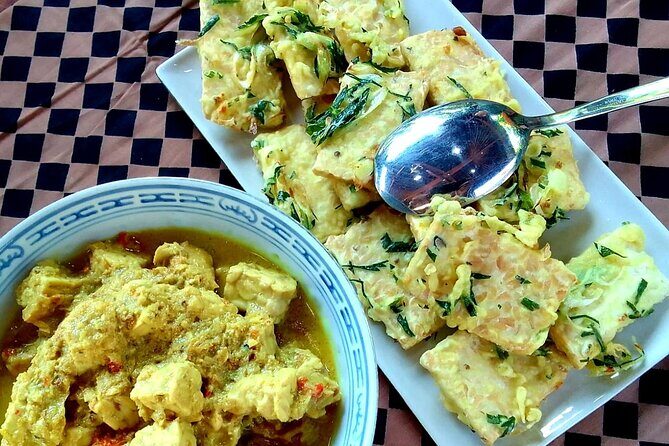
The rest of the lunch centers on local recipes using tempeh. The class is vegan friendly, but you may also see options that add chicken and tuna. If you’re vegan, you should plan to skip meat/fish components where offered. The class is designed so you can keep the meal aligned with your preferences.
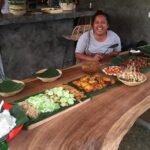
Then comes the best payoff: you sit down and share your creation in the garden. The lunch includes seven dishes. That’s a lot of variety for a short morning class, and it’s one reason this feels like a true meal experience rather than just cooking practice.
Vegan-Friendly Without Feeling Like a Compromise
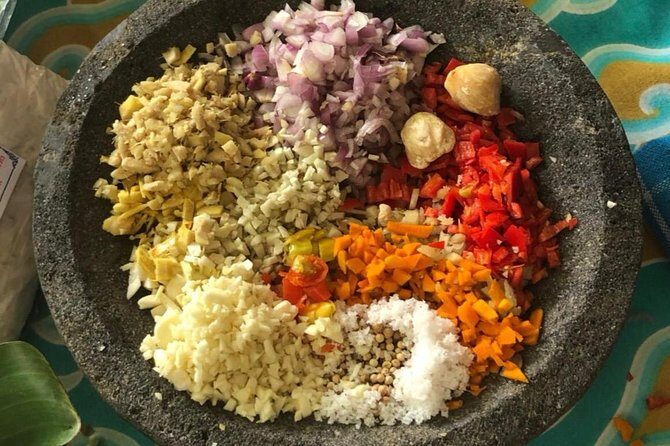
This is one of the clearest strengths of the class: it’s explicitly vegan friendly, and you’ll be cooking plant-based versions from scratch. The presence of optional chicken and tuna gives flexibility, but the teaching approach still works for vegans—you should just be clear about what to skip.
What I like about this structure for you is that it helps you learn technique. If the class is built around tempeh and spice method, you’re not stuck with bland substitutions. You still get the full Balinese flavors—especially with coconut and spice blends—while staying plant-based.
Also, since you’re learning how to make tempeh itself, you’re not limited to restaurants doing the work for you. You can recreate the ingredient at home and then build dishes around it.
Time, Price, and Why It’s Worth More Than a Quick Tasting
Price is $39 per person for about 3 hours, starting at 9:30 AM and ending by about 12:30 with lunch included. For Bali, that’s a fair trade because you’re paying for three things at once: instruction, ingredients/prep time, and an actual multi-dish meal you eat at the end.
Here’s how I think about value on a class like this:
- You’re not just tasting; you’re making the ingredient (tempeh) and learning steps.
- You’re getting multiple dishes (seven) served family-style after you cook.
- You’re in a small group (maximum 10), so the teaching attention is real, not theoretical.
There’s also an advantage if you plan ahead. The class is booked on average 24 days in advance, so if you’re traveling during peak periods, you’ll want to lock it in early. A mobile ticket is issued, and you’ll receive confirmation at the time of booking, which makes the planning part pretty easy.
How It Fits Your Bali Trip (and Who Should Book)
I think this class is ideal if:
- you want a hands-on Bali food experience rather than a meal you just eat
- you want to learn one ingredient deeply (tempeh) and bring that skill home
- you’re vegan or you cook vegetarian sometimes and want Balinese technique, not generic recipes
- you enjoy learning the story behind food while you work
If you hate early mornings or you’re planning to fill your schedule right at 12:30, plan carefully. This class is built to finish near lunchtime, and then you’ll be done with cooking. It’s not designed to stretch into the afternoon.
And if you’re traveling as a couple or friends, the small group approach keeps things personal. If you want a calmer, more private pace, there’s also an upgrade option to a private class.
Should You Book This Tempeh Class?
Yes, if you want a real cooking skill—not just a fun activity—and you like the idea of eating what you make in a garden setting. The combination of tempeh-making, spice education, and a seven-dish lunch is exactly the kind of value that makes a morning class feel like a highlight, not a checkbox.
Book it especially if you’ll appreciate the attention you get in a group capped at 10, and if you want a repeatable home skill guided by Ayu and Ngurah. If you’re picky about dietary needs, just be clear about skipping chicken and tuna so your lunch matches your plan.
FAQ
What time does the class start and finish?
The class starts at 9:30 AM and finishes by about 12:30, with the lunch included.
How long is the cooking class?
It runs for approximately 3 hours.
Where is the meeting point?
You meet at Canang Sari Homestay, Gg. Kaswari No.6, Dangin Puri Kaja, Kec. Denpasar Utara, Kota Denpasar, Bali 80234, Indonesia.
Is this class vegan friendly?
Yes. The class is vegan friendly, and it includes plant-based dishes. Some dishes can include chicken and tuna, but they can be skipped if you are vegan.
How many people are in the group?
The class has a maximum group size of 10 travelers.
What will we cook and eat?
You’ll learn to make tempeh from scratch and prepare Balinese Indonesian dishes using tempeh. The lunch includes seven dishes, including Sayur Urab (greens and beans with grilled grated coconut) plus other local recipes.
Are drinks or snacks included?
Yes. Tea, coffee, water, and a light snack are provided during the class.
Can I book a private version instead of the small group?
Private group options are available upon request, and you can upgrade to a private class for more personalized attention.
What if weather is bad or the class is canceled?
This experience requires good weather. If it’s canceled due to poor weather, you’ll be offered a different date or a full refund. Cancellation is free up to 24 hours in advance for a full refund.
More Tour Reviews





More Balinese Cooking Classes


More Seminyak Tours
Seminyak Tours: how the alternatives stack up
 ★ 5.0
★ 5.0Bali Full-Day Traditional Village Sightseeing Trip All Inclusive
 ★ 5.0
★ 5.0Experts Bali Driver : Best Bali Private Driver for Tour in Bali






The lists this tour appears in