Transforming Plastic Waste A Hands On Recycling Experience
That plastic on your street can change fast.
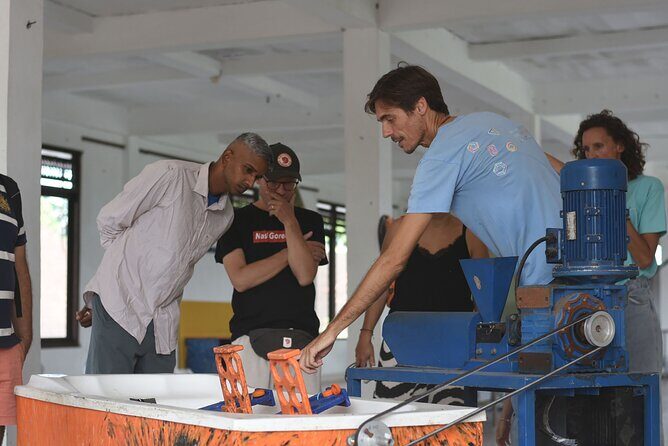
This hands-on Ubud experience takes you into a real recycling studio instead of a viewing deck. You’ll sort plastic bottle caps, get creative with recycled materials, and watch machines in action, including a CNC setup that cuts plastic into useful items.
I especially like two parts. First, you actually sort bottle caps by color and type, so the science isn’t abstract. Second, the CNC machine demo shows plastic waste becoming products like surfboard racks and furniture, not just “art projects.”
One consideration: there’s no lunch and no food is provided. You can top up your own bottle with water, but plan your day so you’re not hungry right after.
In This Review
- Key highlights you’ll feel (and remember)
- Entering a Working Plastic Recycling Studio in Kemenuh (near Ubud)
- Where you go and how you’ll find it
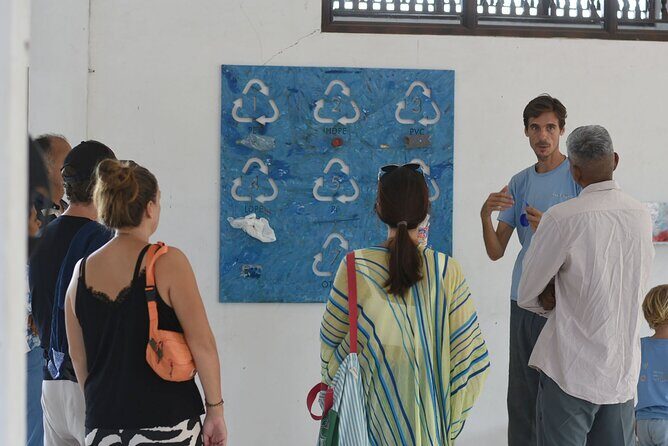
- What You Learn About Plastic Types and Bali’s Waste Problem
- Why the explanation feels useful
- Bottle-Cap Sorting by Color and Type (your first hands-on win)
- What to watch for during sorting
- Making Recycled Artwork: creativity with an environmental purpose
- How to think about the artwork
- Watching Plastic Become Products on the CNC Machine
- Why the CNC demo is valuable
- The Take-Home Keychain Made from Bali’s Recycled Plastic
- Who This Workshop Fits Best (and who might want another plan)
- Who might feel disappointed
- Timing, weather, and what to bring so it feels easy
- What I’d bring
- Price and value: is $15.06 really fair for this?
- Should You Book r•Plastic in Ubud?
- FAQ
- How long is the r•Plastic recycling experience?
- What’s included in the price?
- Is lunch provided?
- Do they provide bottled water?
- Where does the tour start?
- What group size should I expect?
- What happens if weather is bad or I need to cancel?
Key highlights you’ll feel (and remember)
- A working recycling studio in Kemenuh, not a demo stage
- Bottle-cap sorting by color and type to understand plastic categories
- Hands-on recycled artwork you make during the workshop
- Machine demos you can watch up close, including CNC cutting
- Take-home souvenir: a handmade keychain made from Bali’s recycled plastic
- Small group size with a maximum of 20 people
Entering a Working Plastic Recycling Studio in Kemenuh (near Ubud)
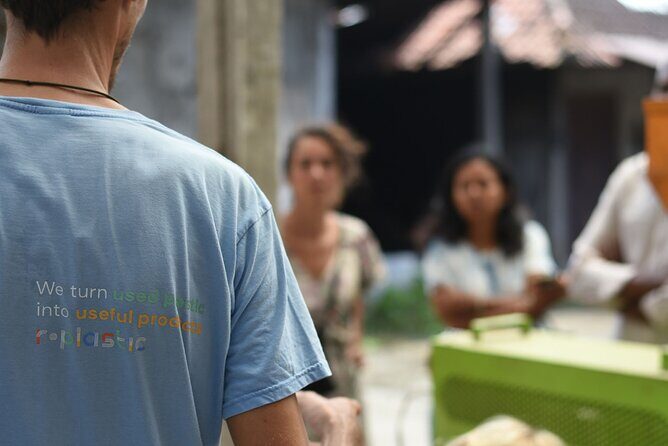
This is one of those Bali activities that doesn’t try to be more than it is. You’re not going to a temple, a swing, or a “nice view” and calling it culture. Instead, you’re stepping into a working plastic recycling studio where the point is the process—what plastic is, why it’s a problem, and what it takes to turn it into something again.
The workshop runs about 1 hour 30 minutes, and it’s set up like a guided flow: you start with a short introduction, you learn the basics of plastics and waste challenges, and then you move into studio activities. The group stays small (up to 20), which matters because you’ll want time to ask questions and actually do the hands-on parts.
I also like that it’s practical. You leave with a souvenir, yes—but more importantly you leave with a clearer mental map of the recycling chain. That’s the kind of “I understand it now” value that sticks longer than a photo.
Where you go and how you’ll find it
The meeting point is F73J+CFR, Jl. Ir. Sutami, Kemenuh, Kec. Sukawati, Kabupaten Gianyar, Bali 80582, Indonesia. The activity ends back at the same place, so you’re not dealing with a long pickup-and-drop puzzle.
If you’re basing yourself around Ubud, this is a solid option when you want something meaningful that’s not dependent on chasing sunset plans.
What You Learn About Plastic Types and Bali’s Waste Problem
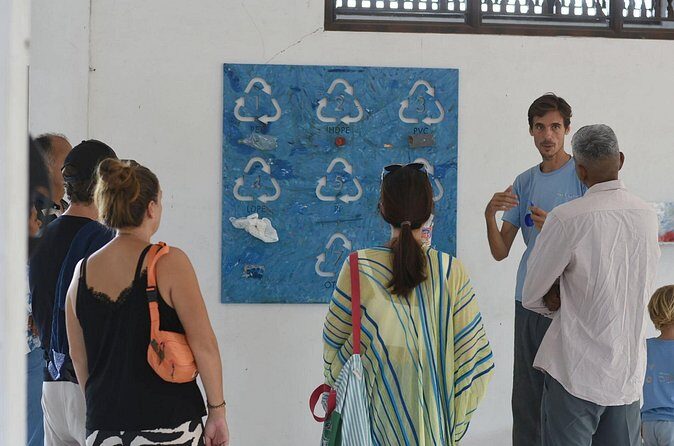
A big reason this workshop scores so high is that it treats plastics like a real material problem, not a vague moral lesson. You’ll get an explanation of plastic types and how Bali’s waste challenges connect to recycling efforts.
In school-style versions of these workshops, kids learn about seven different types of plastic to make sorting make sense. In your experience, you’ll still be given the practical logic behind separating plastic—because recycling isn’t just “collect it and it becomes new.” It depends on type, quality, and how it’s processed after sorting.
That’s also why the bottle-cap sorting matters. Caps look small, but they’re a perfect entry point: they’re easy to handle, they vary by type and color, and they force you to pay attention. When you can sort a handful of caps correctly, you start understanding why sloppy mixing can ruin recycling value.
Why the explanation feels useful
You’ll get the story behind decentralized recycling—small-scale, local systems that keep waste from being only someone else’s problem. The vibe here is: you don’t need a lab to start being smarter. You need sorting discipline, the right machines, and a design mindset that treats recycled plastic as a real input.
And the guide leading the session—Martijn and his team—talk with clear enthusiasm. In reviews, people repeatedly mention how passionate and hands-on the teaching feels, especially for kids and families. That energy isn’t just “sales talk.” It helps you stay focused during the machine demos.
Bottle-Cap Sorting by Color and Type (your first hands-on win)
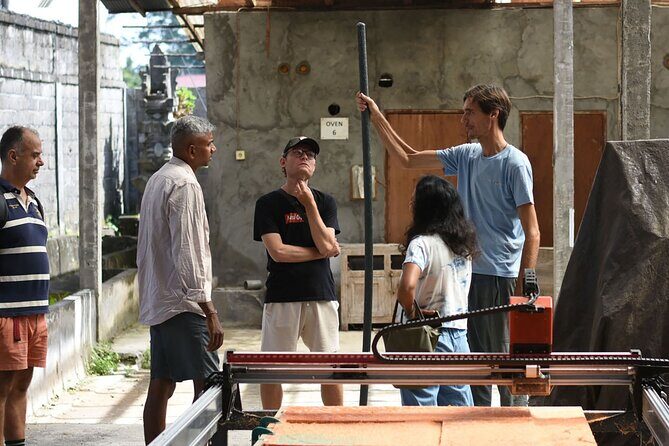
Your workshop starts with a studio warm-up and then moves straight into hands-on sorting. You’ll sort plastic bottle caps by color and type, which sounds simple—until you realize you’re practicing the same kind of decision-making recyclers deal with every day.
This is the moment where you stop thinking about plastic as one ugly blob. You begin seeing it as categories that behave differently once they’re processed. Sorting like this is also a kind of training: it teaches you to look closely and accept that small differences matter.
What to watch for during sorting
Focus on the details you’re using to classify the caps. If you’re prone to “close enough,” this part will slow you down—in a good way. The payoff is that later, when you see machines cutting and shaping plastic, the steps feel more connected instead of random.
If you’re coming with kids, this sorting part often lands well. Reviews of school groups describe kids being very engaged during sorting and learning. Even for adults, it’s a fun reset from typical sightseeing, because you’re doing something physical with a purpose.
Making Recycled Artwork: creativity with an environmental purpose
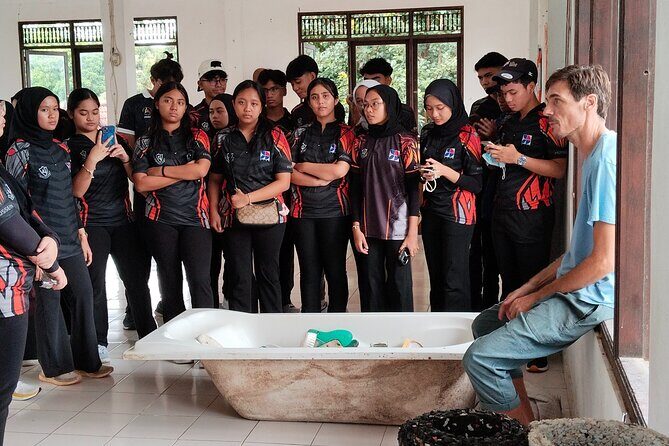
After sorting comes the studio creativity phase: you’ll create your own artwork from recycled plastic. The materials are already there, and your job is to transform them into something you can hold and show later.
This part matters because it explains recycling as design, not just waste management. A recycled object isn’t valuable just because it’s recycled. It’s valuable because it’s useful or meaningful as something new.
How to think about the artwork
Try to treat it as a prototype mindset. You’re not aiming for perfection. You’re learning how shape, texture, and material constraints affect what can be made. That’s the same idea behind turning waste into products later with machines.
You’ll likely see finished pieces around the studio, too—people comment on how there are creative works everywhere, and that you get a sense of what recycled plastic can become when someone knows how to work with it.
Watching Plastic Become Products on the CNC Machine
One of the most exciting parts of the workshop is the CNC machine demo. You’ll watch plastic being cut into products. The workshop description specifically mentions outputs like surfboard racks and furniture.
This is where the experience shifts from “educational” to “wow, the process is real.” When you see a CNC cutting plastic into structured product components, it becomes obvious that recycling can be part of manufacturing—not just a cleaning-and-sorting job.
Why the CNC demo is valuable
A lot of recycling talks end at collection or sorting. This one keeps going. By seeing how plastic can be shaped into functional items, you get a clearer sense of what “recycling” actually means in the end-to-end chain.
Also, because the studio uses self-built machines, the whole place feels like a practical lab. In reviews, people highlight the “watch the whole process” feeling and the fact that you’re not just observing—you’re learning the logic behind each step.
If you’re the kind of person who likes systems (or you just want to understand why waste isn’t a one-step fix), this is a highlight.
The Take-Home Keychain Made from Bali’s Recycled Plastic
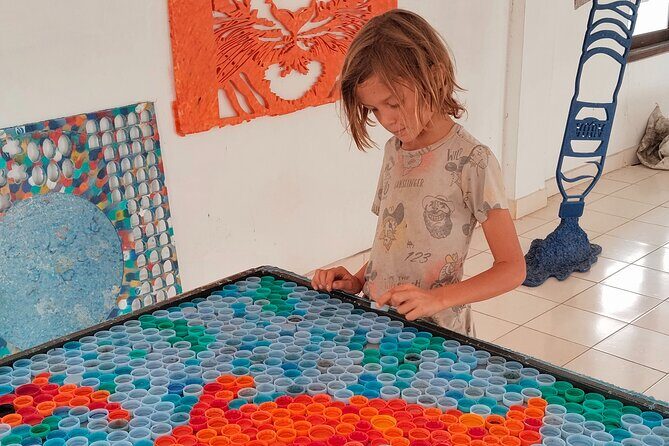
You finish by getting a souvenir: a handmade keychain crafted from Bali’s recycled plastic. It’s small, but it’s an important detail. Souvenirs can be cheap-and-forgettable, but here it ties back to the workshop’s core theme: waste gets a second life.
This take-home item also helps you “lock in” what you learned. When you clip that keychain somewhere you’ll see it every day, the bottle caps, the artwork, and the CNC demo keep replaying in your mind as reminders that recycling is real work.
If you’re buying something as a gift, it’s also a conversation starter that doesn’t rely on vague claims. You can tell people you saw the process, you sorted materials, and you made part of the experience yourself.
Who This Workshop Fits Best (and who might want another plan)
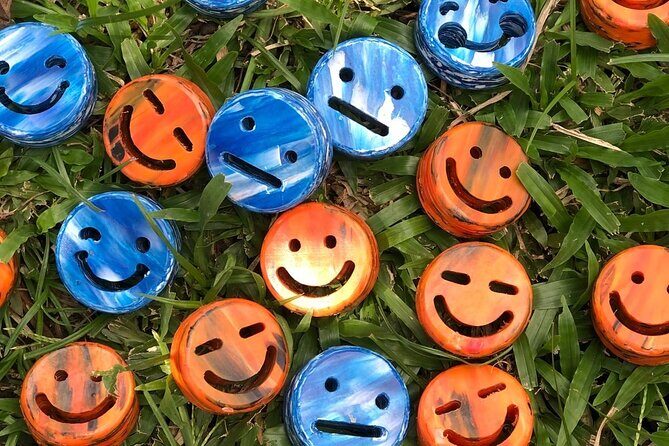
This is a great fit if you want Bali that’s hands-on and grounded in real local challenges. It’s ideal for:
- families with kids who enjoy doing activities, not just watching
- travelers who like practical learning and want to understand the recycling chain
- people interested in sustainability, material design, and how small systems can create real output
From the reviews, schools and families have really leaned into this workshop format. Kids learn about plastic types, sort caps, and stay engaged—which usually means the workshop is paced in a way that doesn’t overwhelm young learners.
Who might feel disappointed
If you’re only looking for traditional sightseeing—views, history stops, or a lot of downtime—this might not match your mood. It’s active, process-focused, and not a “tour bus with landmarks” day.
Also, since there’s no lunch, you’ll want to plan around meals so the hands-on part doesn’t clash with hunger.
Timing, weather, and what to bring so it feels easy
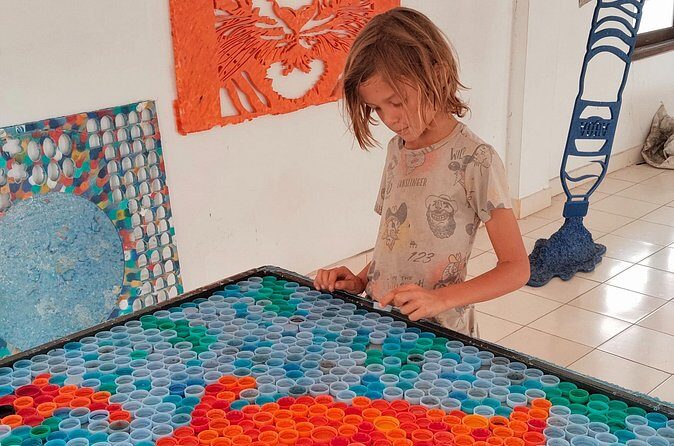
The workshop is about 1 hour 30 minutes, and it’s capped at a small group size. That makes it easier to schedule as a half-day add-on. You’re also told the activity requires good weather, so if conditions are poor, it can be rescheduled or refunded.
What I’d bring
Because they explicitly say you can top up your own water bottle and that they don’t provide bottled water, bring a reusable bottle. That keeps you comfortable without creating extra single-use plastic.
For timing, I’d also plan to have eaten before you arrive. Since there’s no food available, you’ll feel better if you’re not trying to solve lunch on the fly right after the workshop.
Price and value: is $15.06 really fair for this?
At $15.06 per person, this pricing feels unusually reasonable for what you get—especially compared with typical “ticketed experiences” that are mostly observation.
Here’s the value equation you’re paying for:
- a structured, guided session explaining plastic types and Bali waste challenges
- hands-on sorting and recycled artwork creation
- studio machine demos, including a CNC cutting demonstration
- a take-home handmade keychain
- water top-ups (with no single-use bottled water provided)
You’re not just paying for entertainment. You’re paying for skill-building and a real look at a working system.
Is it the cheapest activity in Bali? Probably not the absolute cheapest. But it’s one of the better “you’ll remember this” experiences for the money because it gives you both understanding and a tangible result.
Should You Book r•Plastic in Ubud?
If you want a Bali day that feels different in a good way—hands-on, real-world, and not built around chasing the next photo—then yes, I’d book it.
Book it especially if you care about plastic waste as a practical problem and you like seeing how design and recycling meet at the studio level. The sorting practice, the CNC demo, and the handmade keychain combine into a package that feels earned, not packaged.
Hold off only if you’re looking for a classic sightseeing day or you hate workshops with no food afterward. If you can plan around a meal and you’re curious about how recycling actually works, this is a strong choice.
FAQ
How long is the r•Plastic recycling experience?
It runs for about 1 hour 30 minutes.
What’s included in the price?
The experience includes bottled water via top-ups (bring your own bottle), parking space, the hands-on activities, the studio and machine demos, and the handmade keychain souvenir.
Is lunch provided?
No. There’s no lunch or food/drinks provided during the experience, though you can top up your own water bottle.
Do they provide bottled water?
They do not provide bottled water. You can top up your own bottle for free.
Where does the tour start?
The start (and end) point is F73J+CFR, Jl. Ir. Sutami, Kemenuh, Kec. Sukawati, Kabupaten Gianyar, Bali 80582, Indonesia.
What group size should I expect?
The experience has a maximum of 20 travelers.
What happens if weather is bad or I need to cancel?
If the experience is canceled due to poor weather, you’ll be offered a different date or a full refund. You can also cancel for a full refund if you cancel at least 24 hours before the start time.