

Ubud Bike Bali (Experience the real of Bali)
Coffee fields and Bali stories, in one loop. Private guiding around Ubud keeps things relaxed, and I like how you get real explanations from guide Mr Yogi rather than just a checklist. Two big wins for me: the stops are focused on hands-on Bali agriculture (including Luwak coffee topics) and the whole day stays short, about 2 to 3 hours, so it fits neatly into your itinerary. One thing to consider: this route leans more toward coffee farms and a swim/dining break than a full-on temple day.
Bali is famous for sacred art, dance, and ceremonies, and it all connects back to the philosophy of Tri Hita Karana: harmony between people, nature, and the spiritual world. Even if you’re not spending all your time inside temples today, you’ll still get a better feel for why Balinese life revolves around respect—especially toward land and crops.
One more practical note: the experience depends on good weather, so plan for a backup day if skies look shaky. You’ll start at 8:00 am, and with pickup and a mobile ticket, the morning logistics are built to be easy.
In This Review
- Key highlights
- Ubud Bike Bali: a tight 2–3 hour morning with pickup
- Kayuambua Plantation: the agrotourism side of Bali
- OKA Agriculture Bali: Arabica on Mount Batur slopes
- Nukad Tampaksiring: swim and dine with a view
- Mr Yogi and the friendly English explanations
- How Bali’s temple philosophy shows up outside temples
- Price and value: what $36.47 per person really covers
- Who should book this Ubud day, and who should skip it
- Final call: should you book Ubud Bike Bali?
- FAQ
- What time does the tour start?
- How long is the experience?
- Where does the experience take place?
- Is pickup offered?
- Is this a private tour?
- Is there a mobile ticket?
- What stops are included?
- Is admission free at the stops?
- What should I do if the weather is bad?
- Can I cancel and get a refund?
- Is everyone able to join?
Key highlights

- Private group experience with pickup and a start time of 8:00 am
- Coffee-farm education at Kayuambua Plantation and OKA Agriculture Bali, including Luwak coffee processing topics
- OKA Agriculture Bali on Mount Batur slopes, with Arabica plantation focus
- Nukad Tampaksiring swim-and-dine stop with a view
- Free admission tickets listed for each stop, plus a mobile ticket to keep things simple
Ubud Bike Bali: a tight 2–3 hour morning with pickup
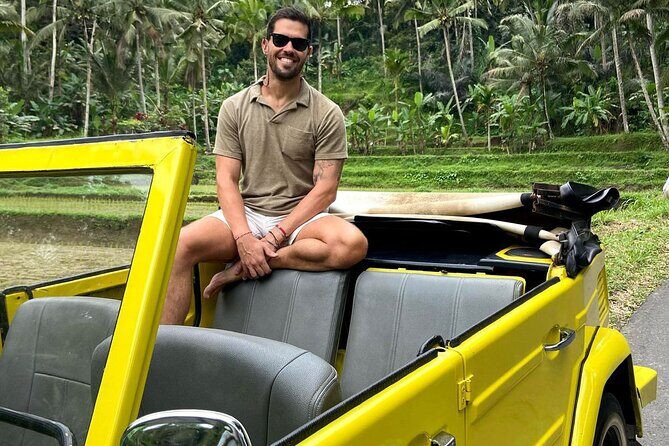
This is the kind of tour you book when you want something more than a quick photo stop, but you still want your day to stay flexible. You’ll begin at 8:00 am with pickup offered, and the schedule is light: roughly 1 hour at each stop across about 2 to 3 hours total.
Because it’s private, you’re not squeezed into a crowd or stuck waiting behind a busload of people. And since you get a mobile ticket, you’re not hunting for paperwork right in the middle of your day.
What I’d plan for: comfortable shoes. These are farm and dining stops, so you’ll want footwear that handles uneven ground. If you think you might actually swim at Nukad Tampaksiring, bring swimwear and something you can change into afterward.
Kayuambua Plantation: the agrotourism side of Bali
Your first stop is Pasar Kayuambua, also described as Kayuambua Plantation, and it’s set up as an agrotourism visit. The emphasis is on seeing crops grown in Bali up close, and it’s especially family-friendly, with an educational vibe that works well for kids.
A detail I like here is the reference to Luwak coffee among the crops you can learn about. That matters because it shifts the day from casual sightseeing into a better understanding of how coffee fits into local farming routines and everyday life. It’s not just about tasting; it’s about seeing the system behind it.
The likely drawback: this isn’t a grand scenic overlook kind of stop. It’s more of a learning-and-walking experience. If you’re hoping for temples and ritual views all morning, this first hour may feel more grounded and practical than spiritual.
OKA Agriculture Bali: Arabica on Mount Batur slopes
Next up is OKA Agriculture Bali, described as a renowned Arabica plantation on the slopes of Mount Batur. This stop is built around understanding how coffee gets harvested and processed—specifically with Luwak coffee in the spotlight.
I really like that the focus is process. You get the story of what happens after coffee is grown: harvesting, processing, and how the farm turns those steps into the final product you hear about back home. Even if you don’t become a coffee expert by the end, you’ll probably walk away with clearer questions—and better instincts for what to look for when ordering coffee later.
There’s also mention of tasting, so you’re not just collecting information. If coffee is your thing, this is where the morning earns its keep.
One practical consideration: plantation stops can mean sun, heat, and time outdoors. Pack like you’re doing a morning stroll—water is smart, and sunscreen is not optional in Bali sun.
Nukad Tampaksiring: swim and dine with a view
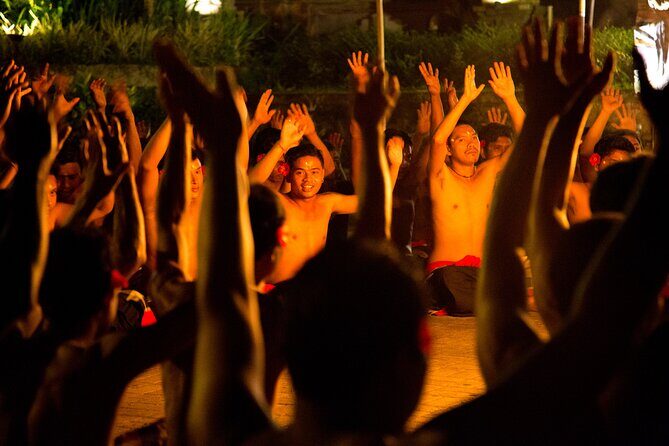
The final stop is Nukad Tampaksiring, and it’s positioned like a weekend getaway type of spot. The big idea is simple: you can swim and dine with a view, then wrap your day with a more leisurely pace.
Why it works: after two farm hours, a swimming break gives your body a reset. And because you also get a dining moment, it turns the day from sightseeing-only into something more comfortable.
If you’re the type who likes to plan around downtime, you’ll probably appreciate that this isn’t another rushed checkpoint. It’s a chance to slow down, sit, and take in the surroundings while you refuel.
Potential drawback: if you don’t want water time or you’re short on energy, this stop might feel like dead time compared to another coffee talk or another culture stop. Still, even skipping the swim, the dining portion is part of what makes Nukad feel different from the plantation hours.
Mr Yogi and the friendly English explanations
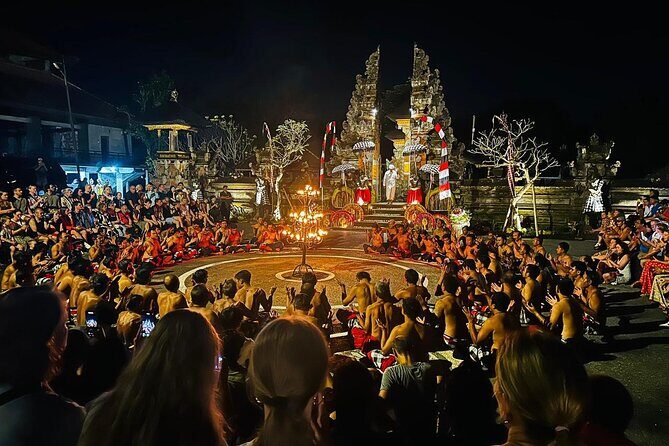
A tour lives or dies by the human factor. Here, the guide experience is a standout, especially with Mr Yogi mentioned for being helpful and well-groomed, with the kind of pacing that makes your questions feel welcome. One review notes that he explains a lot and shares stories about Bali in general—exactly the sort of context that turns your day from random stops into something you can connect.
Also pay attention to the driving and overall service tone. The driver is described as friendly, with good English and detailed explanations for the tourist attractions. That matters because it reduces that awkward moment of trying to guess what you’re looking at or why it’s important.
Practical tip: if you want your day to feel more meaningful, ask for explanations tied to what you’re seeing right now. For example, you can ask how agriculture connects to Balinese daily life, or what the coffee story says about local land and routine. With a story-driven guide, those questions tend to get good answers.
How Bali’s temple philosophy shows up outside temples
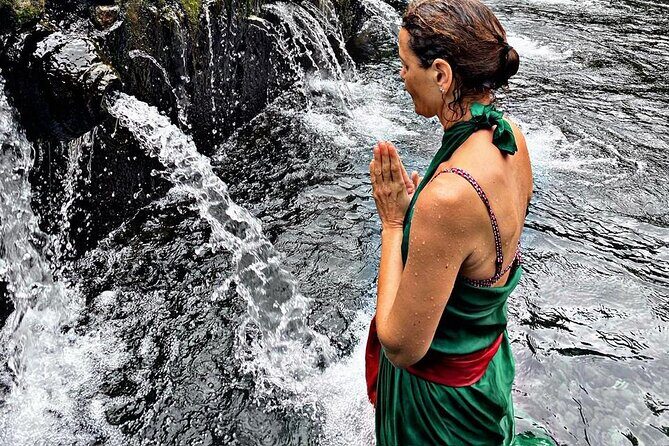
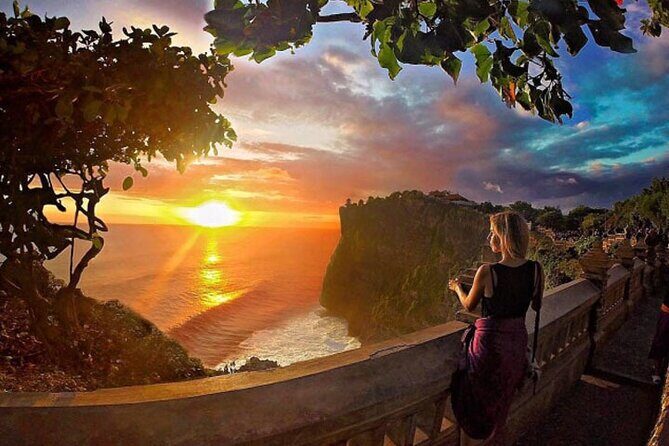
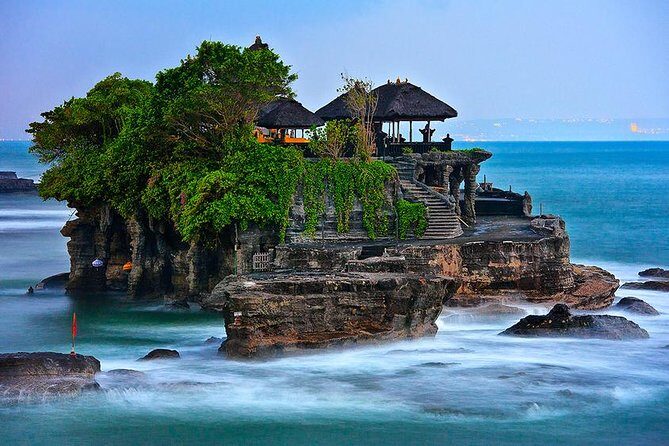
Bali has a famous spiritual rhythm. The island is majority Hindu, and you’ll see it in art, dance, traditional ceremonies, and temple-style architecture. It’s often called the Island of a Thousand Temples, and temples like Besakih, Tanah Lot, and Uluwatu are frequently brought up as icons of that sacred world.
You might be thinking: if the itinerary is farms and a dining spot, what’s the temple connection? Here’s the honest answer: you get the philosophy through context. The morning’s agriculture stops help you understand why Balinese life treats land and nature as important, not just scenery. When you know about Tri Hita Karana, it’s easier to connect the dots between farms, daily rituals, and that strong feeling of respect that many visitors notice in Bali.
So even without nonstop temple time, this kind of route can still make Bali feel more coherent. You’re not only looking; you’re learning the logic behind how people live around crops, water, and spiritual values.
Price and value: what $36.47 per person really covers
At $36.47 per person, this tour sits in a range that feels affordable for a guided, private morning with pickup. The best value signal is the structure: short duration, private time, and each stop lists an admission ticket as free.
That free admission detail changes the math. You’re less likely to end up surprised by extra entry fees stacked on top of your tour cost. Instead, your money goes toward the guidance and the experience flow—coffee-farm education in one hour blocks, then a swim/dining break.
What’s not clearly included (and this is where you should plan wisely): meals or drinks at Nukad Tampaksiring, plus any optional purchases related to coffee. The tour covers the stops, but spending on the food side is up to you.
If you’re comparing options, look at this way: you’re paying for a guided morning circuit that doesn’t eat half your day. For many people, that’s the real value.
Who should book this Ubud day, and who should skip it
This is a strong match if you:
- Want a private morning with pickup and friendly English explanations
- Like coffee and want to understand harvesting and processing, not just taste
- Prefer shorter plans (about 2 to 3 hours) over long full-day drives
- Would enjoy ending with a swim and dine style break
This might be less ideal if you:
- Want a temple-heavy schedule as your main goal
- Dislike farm-focused stops and prefer architecture or culture stops all day
- Are traveling with limited flexibility on weather, since the tour requires good weather
If it helps, think of this as a “Bali beyond temples” morning. You’ll still get culture context, but the center of gravity is agriculture and a scenic rest stop.
Final call: should you book Ubud Bike Bali?
I’d book this tour if you want an easy, private Ubud morning that combines coffee-farm learning with a relaxed ending. The biggest strengths are the short time commitment, the free-admission structure listed for each stop, and the human factor—Mr Yogi’s story-rich guiding and the friendly driver experience.
Skip it only if you’re chasing a temple marathon or you strongly prefer non-water dining/activities. Otherwise, this is the kind of tour that helps you understand Bali through daily life, not just postcards.
FAQ
What time does the tour start?
The start time is 8:00 am.
How long is the experience?
It runs about 2 to 3 hours.
Where does the experience take place?
The tour is in Ubud, Indonesia.
Is pickup offered?
Yes, pickup is offered.
Is this a private tour?
Yes. It’s listed as private, meaning only your group participates.
Is there a mobile ticket?
Yes, the experience includes a mobile ticket.
What stops are included?
The day includes three stops: Pasar Kayuambua (Kayuambua Plantation), OKA Agriculture Bali, and Nukad Tampaksiring.
Is admission free at the stops?
Each stop lists admission ticket free in the experience info.
What should I do if the weather is bad?
The experience requires good weather. If it’s canceled due to poor weather, you’ll be offered a different date or a full refund.
Can I cancel and get a refund?
Yes. Free cancellation is available up to 24 hours in advance for a full refund.
Is everyone able to join?
The info says most travelers can participate.
More Cycling Tours



More Tour Reviews




More Ubud Tours
Ubud Tours: how the alternatives stack up
 ★ 5.0
★ 5.0Ubud: Monkey Forest, Jungle Swing, Rice Terrace, and Water Temple
The lists this tour appears in