
Ubud: Holy Water Temple, Volcano View, Rice Terrace, MonkeyForest
One day, many sacred scenes in Ubud.
I like how this tour stacks Barong and Kris culture with real-world stops you can use: the Mount Batur viewpoint at Kintamani for wide open sightlines, plus Ubud time for art and walking. You’ll also be in good hands with an English-speaking driver, and I’ve seen praise for guides like Ambo, Wahyu, Oka, Krisna, and Cema for keeping the day friendly and organized.
The main heads-up: several stops require you to buy tickets or entrance fees on your own. If you prefer everything prepaid, this might feel a bit annoying.
Still, the structure works well: pickup from your hotel or meeting point, a comfortable AC vehicle, bottled water for each person, and a private format where it’s only your group, not a mixed crowd.
In This Review
- Key highlights to know before you go
- What You’re Paying For in This Ubud Private Day
- Pickup, AC Comfort, and a Driver You Can Actually Talk To
- Barong and Kris Dance: More Than a Show
- UC Silver Gold: Handcrafted Metal Without the Guesswork
- Goa Gajah (Elephant Cave): Sacred Space in a Cave Setting
- Kintamani Highland and Mount Batur Views: The Pause Your Day Needs
- Tegalallang Rice Terrace: Rice Fields and Swing Time (Optional)
- Ubud Traditional Art Market: Walking Time That Helps You Pace the Day
- Sacred Monkey Forest Sanctuary: A Wildlife Stop With Real Presence
- Timing and Pace: Why the 8–10 Hours Works (and When It Feels Tight)
- Language, Groups, and Private Comfort
- Is This Tour Good Value for Your Day in Ubud?
- Should You Book This Ubud Day?
- FAQ
- Is hotel pickup included?
- How long does the tour take?
- What’s included in the price?
- Are entrance fees included?
- Is this tour private or shared?
- Can I cancel for a refund?
- How far in advance should I book?
Key highlights to know before you go
- Barong and Kris dance with Mahabharata themes: a live performance tied to Balinese religious storytelling and the idea of duality.
- UC Silver Gold workshop visit: a focused look at handcrafted silver and gold processing.
- Goa Gajah (Elephant Cave): a notable temple site connected to Ganesha, with a cave complex setting.
- Kintamani viewpoint time: a short rest built around panoramic views toward Mount Batur.
- Tegalallang rice terrace photo time: rice fields plus time where swings are available as an extra activity.
- Monkey Forest sanctuary: a natural habitat for long-tailed macaques (the sanctuary notes about 749 monkeys).
What You’re Paying For in This Ubud Private Day
This tour is priced at $36.78 per person and runs about 8 to 10 hours. For that length of time, the value comes from one big thing: you’re not just “seeing places,” you’re getting transport all day in a comfortable AC vehicle with an English-speaking driver, plus bottled water and the fuel/parking fees that usually add up when you hire a car on your own.
The trade-off is in what’s not included. The big activities where you’ll likely pay separately are marked as admission ticket not included: the Barong dance, the Elephant Cave site, the Kintamani and viewpoints (no ticket listed there, but other sites often are), Tegalallang rice terrace, the Monkey Forest sanctuary, and often the daily timing at Ubud spots. So your real total cost depends on how many entrance fees you choose to pay and how you handle optional add-ons at places like the rice terrace.
If you like a day plan that mixes culture and scenery without you doing the driving, this kind of private loop is a solid fit. If you hate surprise spending, you’ll want to mentally budget for the ticketed stops.
Pickup, AC Comfort, and a Driver You Can Actually Talk To
The day starts with pickup from your hotel or pickup point, based on your details. That matters in Ubud because traffic and short distances can still add stress—here you’re tucked into a car and can focus on the stops.
You also get an English-speaking driver, and the tour notes that guides in other languages (French, Spanish, Chinese, and more) are available for an additional cost. In practice, that’s useful if you want the “why” behind what you’re seeing, not just where to stand for photos.
And because it’s private, you avoid the awkward pacing that happens when groups of different interests get thrown together. You’re with your group only.
Barong and Kris Dance: More Than a Show
Your first cultural hit is the Barong and Kris dance, a live performance tied to sacred Balinese storytelling linked with the Mahabharata. The tour framing puts attention on the theme of duality—the idea that opposing forces (good and bad, order and chaos) exist in balance, and that these stories aren’t just entertainment. They’re part of how people explain the world through performance.
It lasts about 1 hour, but you’ll want to plan for the fact that admission isn’t included. If you’re arriving ready to watch, not bargain, this can be one of the most meaningful “first stops” of the day. The dance sets an emotional tone: later, when you visit temples and sacred sites, you’ll recognize that the symbols you saw onstage connect to real beliefs.
Practical note: because the show is scheduled early in the loop, it can be a good way to beat the rest of your day’s heat and time pressure.
UC Silver Gold: Handcrafted Metal Without the Guesswork

After the dance, you stop at UC Silver Gold, described as a place to see the processing of handcrafted silver and gold jewelry. This isn’t just a quick “look and leave” stop. You’re given around 45 minutes, which gives you time to watch how the work happens and to understand what you’re paying for if you decide to buy.
One reason I like this type of stop: it’s a chance to slow down and learn a skill-based craft. Instead of treating shopping as random souvenir hunting, you see the labor side. Even if you don’t buy anything, it helps you spot better-made items later in Ubud.
As always with jewelry stops, you should keep your expectations clear. This is the sort of place where pricing and styles are part of the experience—so go in knowing you’re either there to browse or to buy with a mindset.
Goa Gajah (Elephant Cave): Sacred Space in a Cave Setting
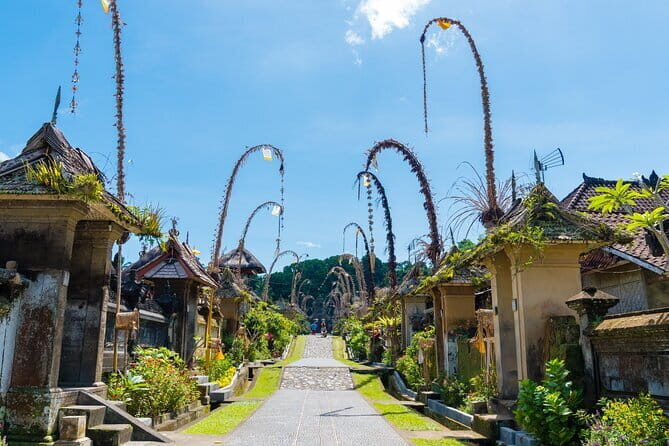
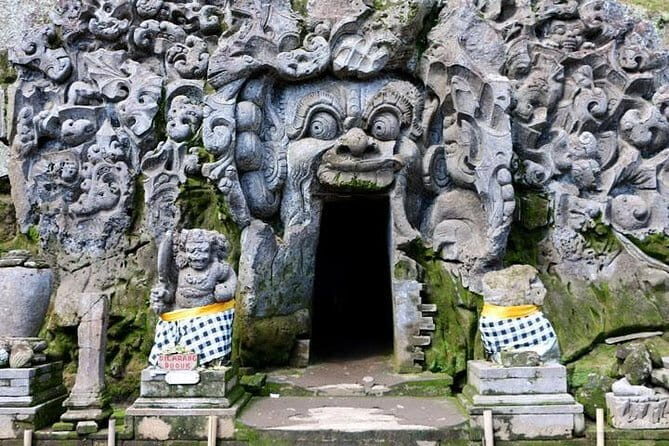
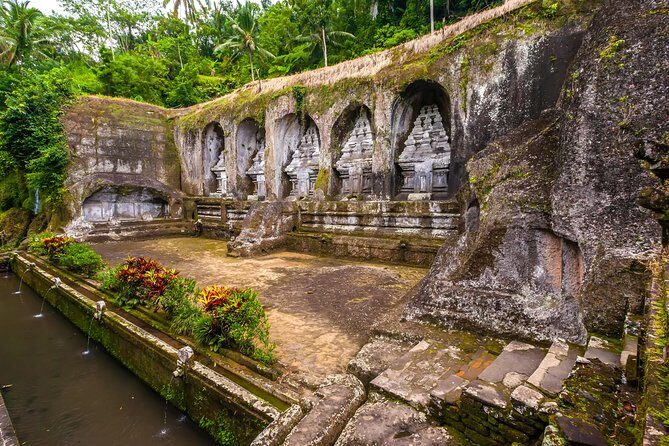
Next up is Goa Gajah, also known as Elephant Cave. The tour explains it as an important historical and cultural site in Ubud, known for its ancient cave complex. It’s roughly 45 minutes at the site, and admission tickets are not included.
What I like about including Goa Gajah in a day like this is the shift from performance culture to built sacred space. The tour specifically notes a connection to Ganesha, so when you’re walking through the cave complex and surrounding sacred areas, it helps to remember you’re seeing a place designed for ritual and meaning—not just stone and carvings.
Drawback: like the dance, you’ll pay your way into the experience here. If you want to keep spending down, you’ll want to confirm entrance fees before you arrive at the gate.
Kintamani Highland and Mount Batur Views: The Pause Your Day Needs
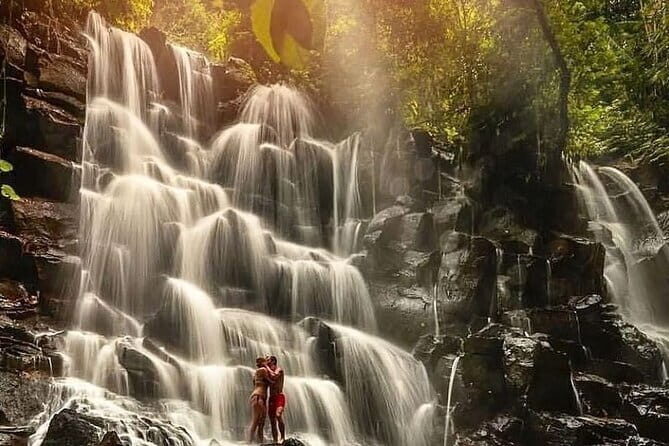
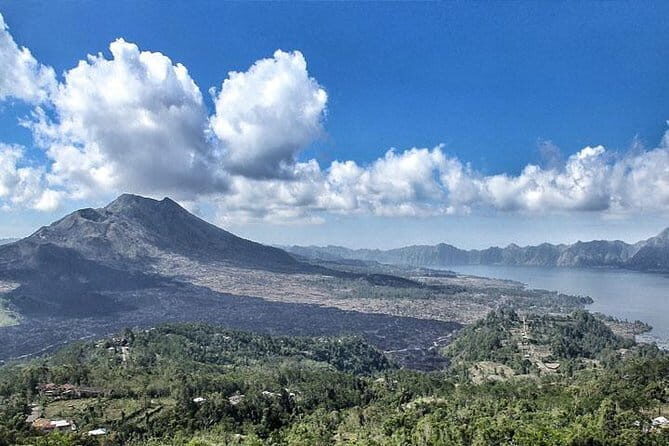
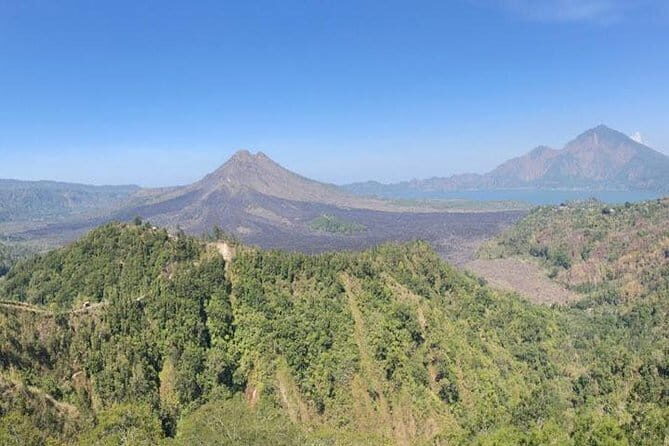
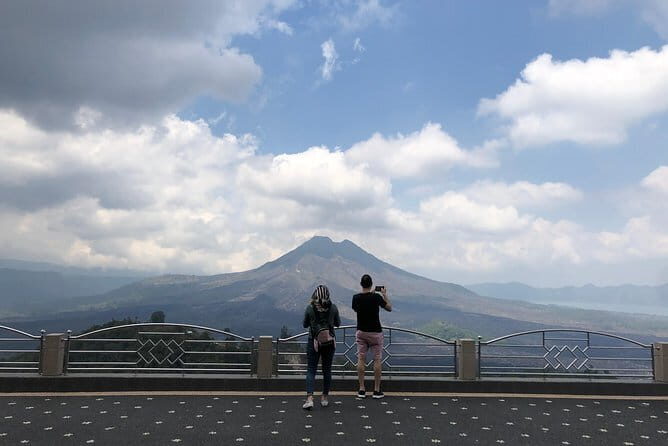
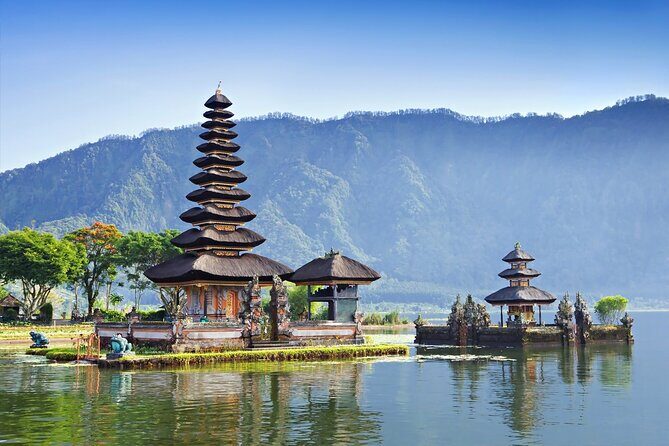
Then the pace shifts toward big open views at Kintamani Highland. The tour describes it as a village set around the lake area with Mount Batur in view, and you get about 45 minutes here. The day even builds in rest time so you can sit and take in the panoramic outlook.
This is the part of the day that’s easiest to appreciate even if your attention is tired. After temples and workshops, Kintamani is a reset: sky, distance, and the sense of standing near one of Bali’s defining volcano areas.
Also, the description notes a cooler climate at Kintamani, which can be a blessing on an otherwise warm day. Even if it’s not dramatically different, the break in tempo helps.
Tegalallang Rice Terrace: Rice Fields and Swing Time (Optional)
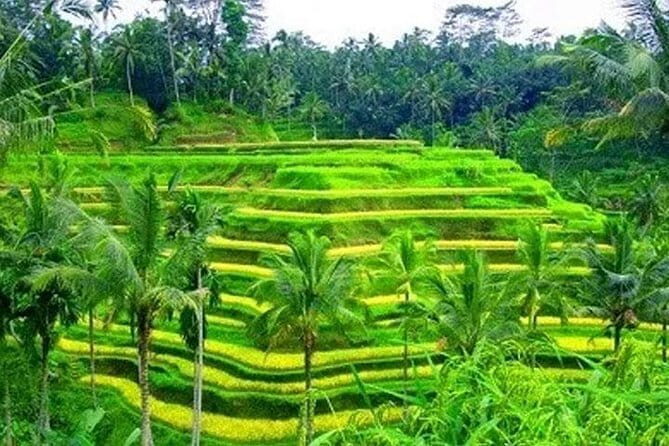
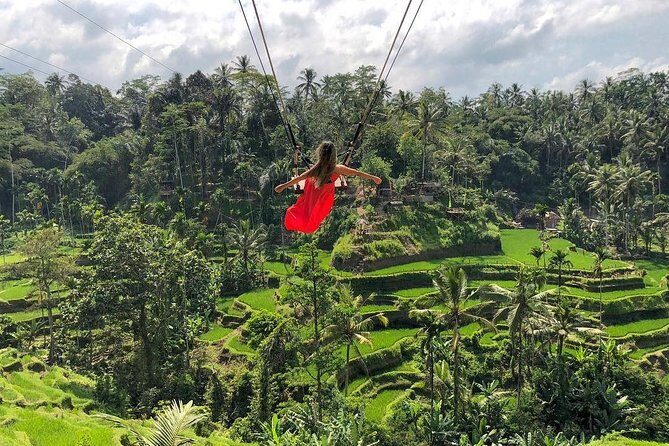
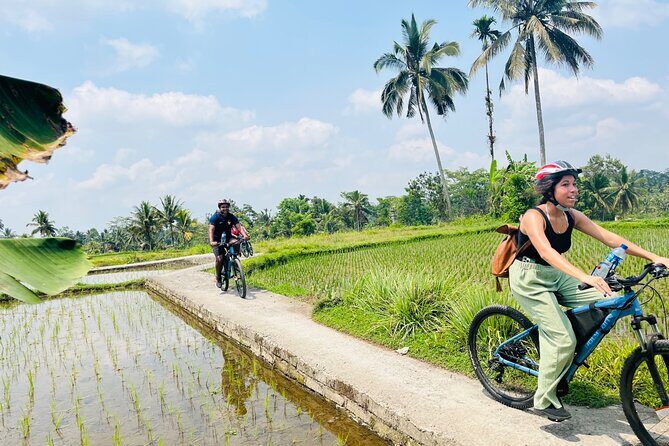
After Kintamani, you head to Tegalallang Rice Terrace, one of the most recognizable views around Ubud. Here you’ll get about 30 minutes to admire the rice fields and the layered look of the terraces.
The tour also mentions swing availability. Since additional activities aren’t included, think of the swing as something you’d do only if you want to pay extra on-site. Whether you take it or not, the terrace itself is the main event: standing above working fields gives you a sense of how long-term farming reshapes the hillsides.
Potential downside is simple: 30 minutes goes fast. If you love slow photo time or want more than a few viewpoints, this stop may feel brief.
Ubud Traditional Art Market: Walking Time That Helps You Pace the Day
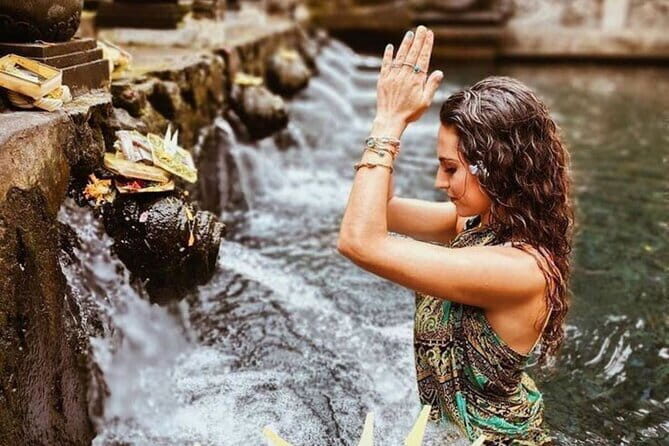
You then shift into Ubud proper for a walking tour of the Traditional Art Market, around 45 minutes with admission listed as free. This is a nice counterbalance to the sacred and scenic stops. It’s where you can absorb everyday Ubud life: storefront rhythm, craft goods, and the simple act of moving through a market without a strict “must buy” agenda.
I like giving the day market time because it’s practical. After you’ve seen dance costumes, temple space, and craft processing, the market becomes easier to understand. You’re not just collecting random items; you’re connecting what you saw earlier to what people sell now.
Sacred Monkey Forest Sanctuary: A Wildlife Stop With Real Presence
The final major stop is the Sacred Monkey Forest Sanctuary, also called Monkey Forest. You’re given about 45 minutes here, and admission tickets are not included.
This isn’t a zoo-style encounter in the tour description. It’s a sanctuary and natural habitat for Balinese long-tailed monkeys (the sanctuary notes about 749 monkeys). That number alone tells you the experience is more about sharing space than controlling it.
If you’re the type who likes wildlife without gimmicks, you’ll probably enjoy it. If you’re uneasy around animals, you might want to treat this stop as a “look and leave” situation rather than a linger-and-chat moment.
Either way, it’s a good capstone to the day because it adds a living, moving element after all the statues, terraces, and indoor-like craft areas.
Timing and Pace: Why the 8–10 Hours Works (and When It Feels Tight)
The whole loop is built to fit 8 to 10 hours, including a lot of switching: dance, workshop, a cave temple, a volcano viewpoint, rice terraces, Ubud market walking, and then Monkey Forest.
That means the schedule gives you variety, but it also keeps each stop fairly time-boxed. The main thing to expect is that you won’t have unlimited time at the places that ask for a ticket. The tour does give you a decent block at each stop (often 30 to 45 minutes), yet it still feels like a “day tour” pace, not a “linger all afternoon” pace.
My advice: if there’s one stop you truly want extra time for, plan to keep your expectations realistic. You can enjoy it fully with the time provided, but if you want to slow things down for browsing, it may cut into another stop.
Language, Groups, and Private Comfort
This is a private tour, and the day notes that only your group participates. That’s a huge comfort factor for families and for mixed-age groups—less waiting for strangers, fewer personality clashes, and less time spent wrangling anyone’s “I want to see that one thing” requests.
The driver speaks English. If you need another language, a tour guide option is available for an additional cost. That’s a good choice if you want richer explanations at temple or dance stops.
One more small but useful included detail: you get bottled water for each traveler. In Bali heat, that’s not a luxury.
Is This Tour Good Value for Your Day in Ubud?
At $36.78 per person, you’re paying for full-day transportation and a guided route through Ubud and the Kintamani area. The biggest reason it’s good value is that the itinerary is packed: culture, craft, temple heritage, volcano views, rice terraces, markets, and monkey sanctuary time. You’re not stringing together separate hires and hoping you can coordinate them yourself.
The biggest reason it might not feel like a slam dunk is that entrance fees aren’t included for key stops. So your final spend depends on site admissions and optional add-ons (like the rice terrace swing, if you choose it).
If you want one day where the logistics are handled and you get a meaningful mix of Bali experiences, this tour checks a lot of boxes for the price.
Should You Book This Ubud Day?
Book it if you want a private, easy day that links cultural performance, a major temple site, volcano views at Kintamani, iconic rice terraces, and a real wildlife sanctuary—all without dealing with driving, routing, and scheduling.
Skip or adjust your expectations if you hate buying tickets during the day or if you need long, unhurried time at every stop. With several paid-admission sites and a packed route, you’ll want to go in ready for a “see a lot” rhythm.
If you’re deciding between doing Ubud solo and doing it guided, I’d lean guided. You’ll spend less brainpower figuring out how to connect all these places, and you’ll spend more of your energy actually enjoying them.
FAQ
Is hotel pickup included?
Yes. Pickup is offered from your designated hotel or pickup point based on your booking details.
How long does the tour take?
The tour runs about 8 to 10 hours.
What’s included in the price?
Transportation (private, comfortable AC vehicle) and an English-speaking driver are included, along with bottled water, and fees for fuel surcharge and parking.
Are entrance fees included?
No. Admission tickets are not included for several stops listed in the day, including the Barong & Kris Dance, Goa Gajah, Tegalallang Rice Terrace, and Sacred Monkey Forest Sanctuary.
Is this tour private or shared?
This is a private tour/activity. Only your group participates.
Can I cancel for a refund?
Yes. Free cancellation is available up to 24 hours before the experience start time for a full refund. If you cancel less than 24 hours before, the amount paid will not be refunded.
How far in advance should I book?
On average, this experience is booked about 60 days in advance.
More Tour Reviews




More Rice Terrace Tours




More Ubud Tours
Rice Terrace Tours: how the alternatives stack up
 ★ 5.0
★ 5.0Ubud: Monkey Forest, Jungle Swing, Rice Terrace, and Water Temple
 ★ 5.0
★ 5.0Full-Day Tour to Water Temples and UNESCO Rice Terraces in Bali
The lists this tour appears in