
Review · Bali Waterfalls Tours
Ubud: Swing – Monkey Forest – Waterfall – Temple – Rice Terraces – Art Crafts
Ubud can feel like a lot to plan. This packed day trip strings together the big-name sights (and a few visual favorites) with the payoff of private hotel transfers and a guide who helps with photos—often including guides like Putu, Komang, or Wayan. You’ll hit jungle waterfall views, the Sacred Monkey Forest, Tirta Empul’s ritual water, famous rice terraces, and the jungle swing all in one efficient loop.
What I like most is how you get a true day flow instead of wasting hours figuring out timing and rides. I also like that your English-speaking host acts as your photo assistant, so you spend less time hunting for the right angle. One thing to keep in mind: you’re moving around. If traffic is ugly (and in Bali, it can be), your pace may feel more “drive and stop” than “slow and linger.”
In This Review
- Key Things You’ll Notice on This Ubud Swing, Waterfall, and Temple Day
- A Private Ubud Loop That Saves You From Schedule Headaches
- Tegenungan Waterfall: Jungle Views and a Down-to-the-Water Choice
- Tegallalang Rice Terraces: Walking Views and Farming Life in the Frame
- Sacred Monkey Forest Sanctuary: Cool Shade, Temples, and Monkey Rules
- Tirta Empul Temple: Purification Rituals and Sacred Spring Water
- My Swing Bali: Jungle Canopy Photos With Less Hassle
- Gallery Ada Garuda: Wood Carving You Can Actually Understand
- Price and Timing: What $33 Buys You (and What to Budget)
- Comfort and Practical Stuff That Makes the Day Easier
- Who This Tour Is Best For (and Who Might Want a Different Plan)
- Should You Book This Ubud Swing, Waterfall, Temple, and Terraces Day?
- FAQ
- What’s included in the tour price?
- Are entrance fees and activities included?
- How long is the tour?
- Do I need to bring anything?
- Is this tour private?
- Can I cancel if weather is bad?
Key Things You’ll Notice on This Ubud Swing, Waterfall, and Temple Day

- Private, air-conditioned transport with bottled water to keep a long day comfortable
- A guide who doubles as your photographer, plus practical insider tips for each stop
- Tegenungan Waterfall with both a viewing platform and the option to go down to the water
- Tegallalang rice terraces for walking views and real-life farming scenes
- Tirta Empul purification rituals at a holy spring bathing complex
- My Swing Bali for high canopy photos, with guidance that can help you avoid hassle
A Private Ubud Loop That Saves You From Schedule Headaches
Ubud is great—but the geography can be annoying. Stops are spread out, roads can be slow, and you end up spending energy on transport instead of experiences. This is designed for exactly that: you get collected from your hotel area in a private, air-conditioned car, and then you follow a ready-to-go route that covers the core Ubud hits.
The big value here is not just the stops. It’s the structure. You’re not winging timing across multiple tickets and ride requests. Instead, your guide keeps the day moving and adjusts where needed. In real-world feedback, guides like Putu and Komang were praised for being on time and helpful with routing, including smart choices to deal with traffic.
The other value: you’re not stuck doing everything alone. Your English-speaking host/driver/assistant is also happy to help with photos—so you can actually get usable shots at the swing, terraces, and temple water areas without playing camera-troubleshooting games.
Tegenungan Waterfall: Jungle Views and a Down-to-the-Water Choice
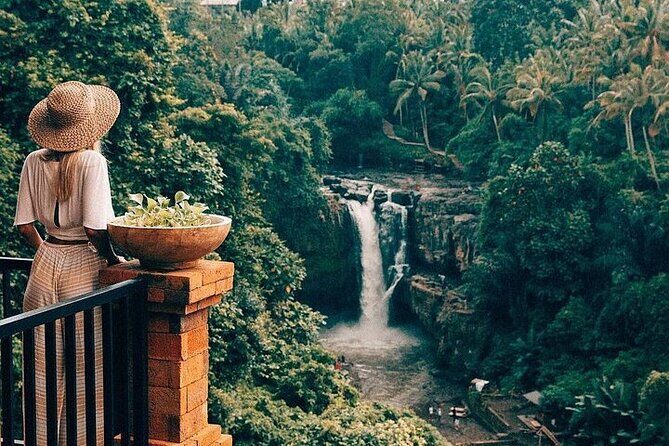
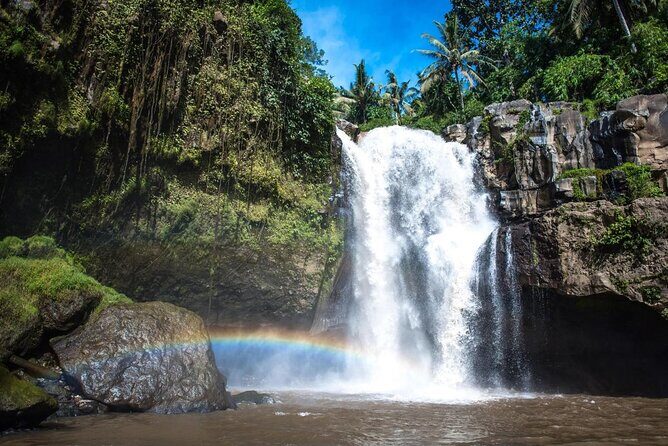
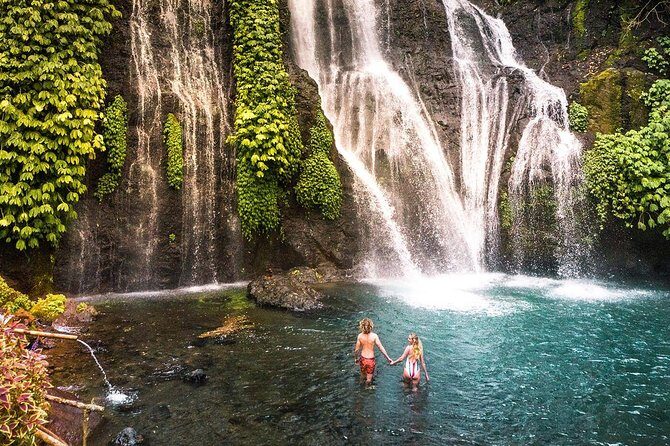
Tegenungan Waterfall is a classic Bali photo moment: green jungle surroundings, a wide view from the platform, and that sense of you being in the middle of the island’s wet-season scenery. Your time here is about one hour, and the layout gives you two options.
First, you can stay near the viewing area and take in the waterfall from above—best if you want photos with less splashing risk. Second, you can head down toward the water. That’s where you get the more hands-on experience, including the chance to be part of the scene instead of just photographing it.
A practical note: bring the right mindset. Waterfalls can mean slippery surfaces and wet stairs. Comfortable shoes matter. Also, if you’re wearing a swimsuit, plan to use a towel and sunscreen. The day is built for photos and movement, not just standing still.
Tegallalang Rice Terraces: Walking Views and Farming Life in the Frame
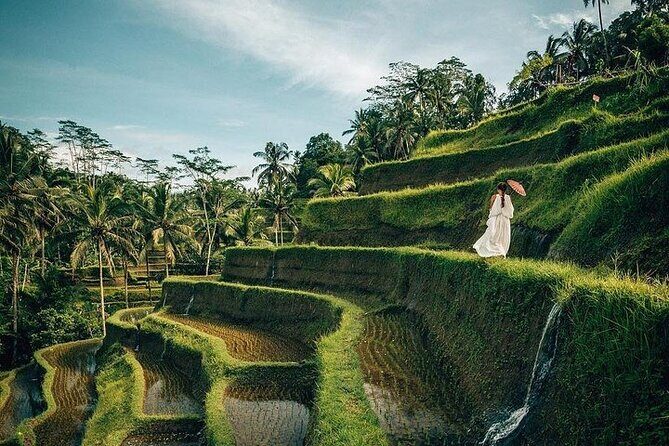
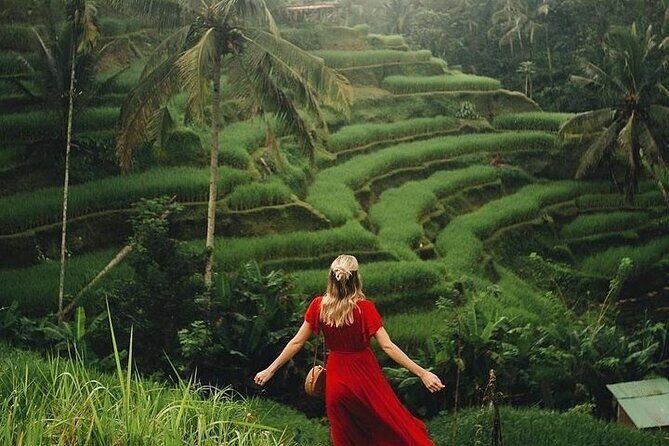
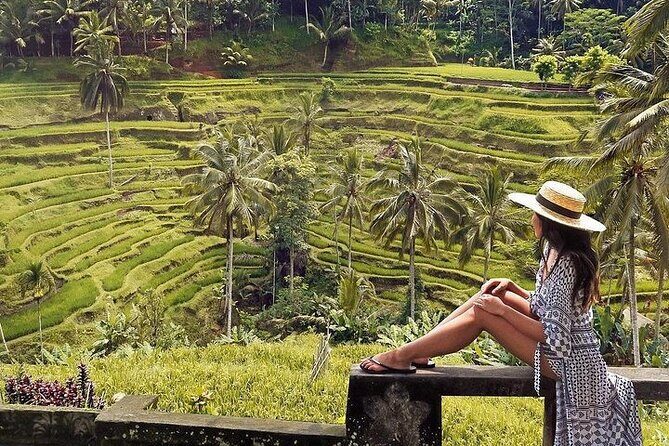
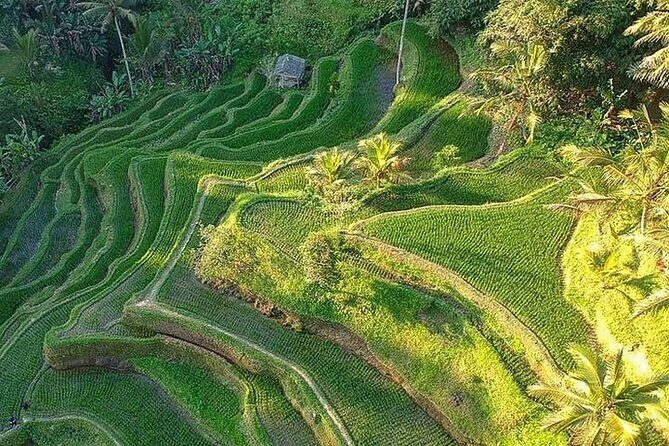
Next up is Tegalalang Rice Terrace, one of the most photographed sections of Bali’s rice-growing landscape. Here, you’ll typically get about an hour for a stroll through the paddies—enough time to walk a path, find viewpoints, and pause for photos.
What makes this stop worth it is that it’s not just a postcard. You can often see how farmers do daily work in and around the terraces, and that makes the scenery feel grounded. Instead of looking at rice like it’s staged, you’re seeing it as living farmland.
For photography, terraces are all about angles and layers. Early parts of the walkway tend to offer deeper perspective, while other spots show more of the zig-zag lines. If your guide is helping with photos, use that. Ask for positioning—where to stand so the terraces stretch backward instead of turning into a flat green wall.
One caution: rice terraces can be crowded in peak times. Go steady on uneven paths and watch your footing. And if you’re hoping for a calm, empty landscape, know that this is a famous site.
Sacred Monkey Forest Sanctuary: Cool Shade, Temples, and Monkey Rules
The Sacred Monkey Forest Sanctuary is a tropical forest with tall trees that create that shaded, breezy feeling you don’t get in Bali’s brighter open areas. You’ll have about an hour here, and it’s not just about monkeys. There are also three temples inside the forest grounds.
The monkeys can be engaging—close enough that you’ll feel like you’re in their environment. That can be fun, but keep it respectful and controlled. The whole idea is coexistence. Don’t provoke, don’t grab, and don’t treat the area like a theme park.
This stop also has a strong visual payoff: shafts of light through the canopy, temple details tucked into greenery, and that rainforest texture that makes Ubud feel different from beach Bali. If you go in with a simple plan—wander, watch behavior, then take photos near temple structures—you’ll get more out of your hour and lose less time in the chaos of sudden monkey sightings.
Tirta Empul Temple: Purification Rituals and Sacred Spring Water
Tirta Empul Temple is one of those places that feels more meaningful than just scenic. This temple complex includes a petirtaan, a bathing structure known for its holy spring water. Balinese Hindus visit here for ritual purification, and you’ll see the spring-fed pool area as part of the practice.
You’ll get about one hour. That time is useful, because it lets you observe the space and the rhythm of the ritual without rushing through it like it’s a checklist. If you’re someone who likes context, this is the stop where your guide’s explanations matter the most.
There’s also a practical side. This is a water-and-worship environment, so you should wear something appropriate to move around respectfully. If you’re planning to bring a swimsuit, use discretion. In sacred places, it’s less about you doing what you want and more about fitting yourself into the ritual setting.
My Swing Bali: Jungle Canopy Photos With Less Hassle
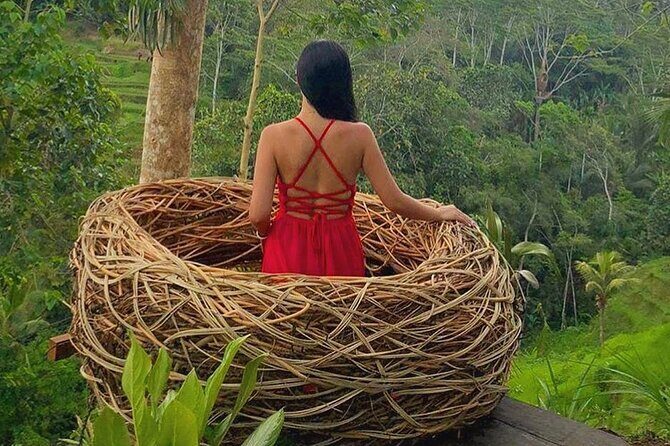
The jungle swing is where the day turns into something very photo-forward. My Swing Bali is scheduled for about one hour, and the concept is simple: you swing high over the jungle canopy for dramatic pictures.
The key detail isn’t the swing itself. It’s how you manage the stress around the swing. In feedback, guides like Ketut were praised for knowing the best spots and helping you avoid long lines at the most famous swing positions. Even if you’re not line-avoiding (things vary day to day), having a guide who knows what matters can make a difference in how quickly you get your turn.
Bring sun protection. Heat plus waiting plus photos can drain you fast. Also, wear clothes and shoes that make sense for the swing. You’ll want to move securely and not spend your time thinking about wardrobe issues.
If you’re traveling with friends, this is an easy “all together” moment. If you’re solo, it’s also great because your guide can help you with framing and capturing your shots so you’re not stuck asking strangers to take one photo and then disappearing.
Gallery Ada Garuda: Wood Carving You Can Actually Understand
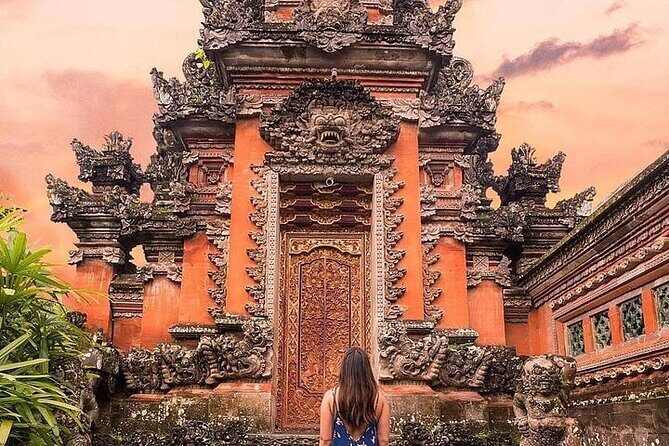
After the big natural stops, Gallery Ada Garuda gives you a more hands-on cultural reset. This is a woodcarver’s gallery with sculptures ranging from huge pieces down to sizes that fit in a bag. The admission here is free, and the stop is about 30 minutes.
This is a smart add-on for your day because Ubud isn’t only temples and views. It’s craft. A short gallery visit helps you look at Bali as a place where art is a daily industry, not just a tourist souvenir. If you’re the type who likes to bring something home that has story and detail, this is the segment where you’ll notice workmanship.
Use the short time to ask questions. Your guide can help interpret what you’re seeing. You might not leave with a giant sculpture—but you’ll likely come away with a better eye for what makes a carving look high quality.
Price and Timing: What $33 Buys You (and What to Budget)
At $33 per person, this tour is priced for value—especially because it includes private transportation, an English-speaking guide/assistant, parking fees, fuel surcharge, and bottled water. You’re basically paying to remove logistics stress while still hitting a full lineup of Ubud highlights.
Just plan your budget realistically. Entrance fees and the paid activities (like the swing and many temple/forest entries) are not included. Lunch is also not included, and tips are optional. That means your total day cost will depend on what you choose to pay at each site.
Time-wise, expect about 8 to 10 hours. One review noted that a day sometimes runs a bit over 10 hours without extra overtime charges, which is a nice comfort when plans shift. Still, do not treat this like a quick hit. It’s a full day with stops packed in.
Traffic is the wildcard. One person described horrendous traffic, but the driver stayed patient and informative. That’s a good sign: it’s not just a ride; it’s someone managing the day so you don’t feel stranded.
Comfort and Practical Stuff That Makes the Day Easier
You’re in an air-conditioned vehicle, which matters. Ubud heat and humidity can creep up on you, especially with lots of outdoor photo moments. You also get bottled water during the day, plus parking fees handled for you.
Your guide will wear masks and the cars are frequently cleaned and sanitized. That’s the kind of detail that won’t be exciting in a photo, but it helps you feel safer and more comfortable.
Bring what you’ll need for a day that mixes sun, water areas, and walking:
- sunscreen and a hat
- a swimsuit and towel if you want to go into water spots
- camera (or phone with a battery plan)
- comfortable shoes for uneven and possibly slippery terrain
If you want to maximize the day, use this packing list like a checklist—not like an afterthought.
Who This Tour Is Best For (and Who Might Want a Different Plan)
This tour is a great match if you want one organized Ubud day without turning it into project management. You’ll love it if:
- you’re short on time and want multiple highlights in a single day
- you prefer private transport over negotiating rides back and forth
- you like photos and appreciate a guide who helps you get them
- you want a mix of jungle, temples, terraces, and one craft stop
It may be less ideal if you want long, slow stays at each site or if you dislike moving around all day. The route is attraction-packed. Even though stops are timed fairly (mostly around an hour), the rhythm is still “arrive, see, photograph, move on.”
Should You Book This Ubud Swing, Waterfall, Temple, and Terraces Day?
I’d book it if you want a tidy, high-value Ubud day that saves you from transport guesswork and still gives you the photo moments—waterfall, rice terraces, Monkey Forest, Tirta Empul, and the jungle swing. The strongest signals are the friendly, punctual guides and the way the day can feel personalized, including smart routing when traffic gets bad.
Skip it (or consider a slower option) if you’re the type who needs lots of unstructured time on your own. This route is built for momentum, not for wandering until you feel done.
If your main goal is to cover the big Ubud highlights with less stress—and to come home with solid photos—you’ll likely find this one worth the money.
FAQ
What’s included in the tour price?
The tour includes an English-speaking tour driver/host/assistant, air-conditioned private transportation, fuel surcharge, bottled water, parking fees, and pickup service from several Bali areas including Kuta, Legian, Seminyak, Canggu, Sanur, Nusa Dua, Jimbaran, and Ubud.
Are entrance fees and activities included?
No. Entrance fees and activities are not included in the price. You’ll pay on-site for things like tickets and the paid experiences at each stop.
How long is the tour?
The duration is about 8 to 10 hours.
Do I need to bring anything?
Yes. Bring sunscreen, a hat, a swimsuit, a towel, and a camera (or phone). The guide will also wear masks, and the car is cleaned and sanitized frequently.
Is this tour private?
Yes. It’s private transportation for your group, and only your group participates.
Can I cancel if weather is bad?
Yes. The experience requires good weather. If it’s canceled due to poor weather, you’ll be offered a different date or a full refund.
More Rice Terrace Tours


More Kuta Tours




More Ubud Tours


Bali Waterfalls Tours: how the alternatives stack up
 ★ 5.0
★ 5.0Best of Bali Waterfalls: Tibumana, Tukad Cepung and Tegenungan

The lists this tour appears in