Ubud Trip, The Best of Ubud in a day – All Inclusive
One day can feel like three. This all-inclusive Ubud trip strings together craft villages and major sights with entry fees handled, so you spend less time figuring things out and more time actually seeing Bali.
I love that it’s built around a private driver/guide with an air-conditioned car, which matters a lot when you’re hopping between Ubud’s best-known corners. I also love the way the day leans into the process of Balinese making—batik, wood carving, painting, and jewelry—so it’s not just postcard stops.
One thing to plan for: lunch isn’t included, and you’ll also want to be ready for the day’s weather, since the experience can be rescheduled or refunded if conditions are poor.
In This Review
- Key highlights to look for
- Why this Ubud day works when you have limited time
- Pickup, AC car, and what to pack for comfort
- Batubulan: batik and crafts as a living tradition
- Batuan village: traditional compounds, wood carving, and painting
- Tirta Empul Temple: the holy water cleansing experience
- Tegalalang rice terraces: the iconic view with time to breathe
- Tegenungan waterfall: when a swim is possible
- Celuk Village: silver and gold jewelry making
- The guide is the real value: Ketut, Katut, and Putu style
- Price and value: what you’re really paying for at $48.73
- Timing and comfort tips for a smoother Ubud day
- Who should book this tour, and who might not love it
- Should you book the Best of Ubud in a day?
- FAQ
- Is pickup included?
- How long is the Ubud day tour?
- Is this tour private?
- What’s included in the price?
- What isn’t included?
- Are temple admissions included?
- Can I swim at Tegenungan Waterfall?
- What should I wear for temple stops?
- What if the weather is bad?
Key highlights to look for
- Private guide attention with explanations around culture and ceremonies, not just drop-offs
- All entrance fees included, plus sarongs and bottled water for the ride
- Crafts with context across Batubulan, Batuan, and Celuk (batik, carving/painting, silver and gold work)
- Tirta Empul cleansing temple with holy water access built into the schedule
- Tegalalang rice terraces for the iconic view, with plenty of time to slow down
- Tegenungan waterfall where a swim may be possible, depending on water conditions
Why this Ubud day works when you have limited time
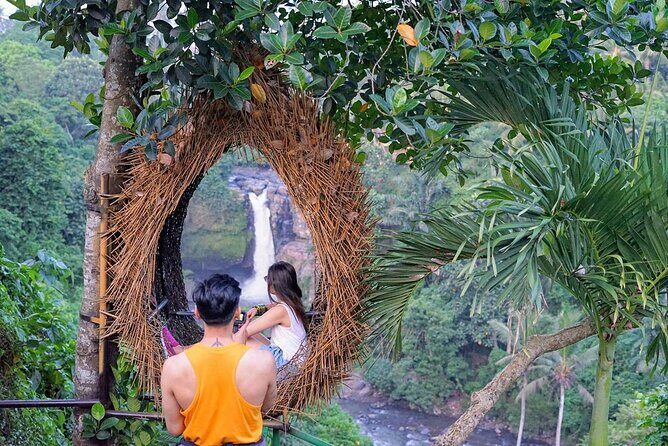
If you’re in Ubud for a short stay, this tour gives you a focused loop of what most people come for: hands-on crafts, a major temple, the famous rice terraces, and a waterfall. The best part is the pacing. You’re not stuck waiting around for tickets or trying to manage transport between far-flung corners of the region.
I also like the practical setup. You get pickup from your accommodation, then you’re transferred around in an air-conditioned vehicle with mineral water. That’s the difference between a tour that feels manageable and one that turns into a heat-and-hassle marathon.
Pickup, AC car, and what to pack for comfort
Pickup is included in your area, and the tour is designed for a full 10-hour day. You’ll ride with a private driver/guide, and the route is planned to handle local traffic better than trying to self-drive.
Bring a small bag with the basics: sunscreen, a hat, and a refillable water bottle if you like to top up beyond what’s provided. For temple stops, wear something you can move in easily, and plan for sarongs to be available when needed.
If you want the waterfall photo and possibly a swim, pack swimwear and quick-dry clothes. You won’t be able to swim in every condition, but the tour does make it clear that it depends on water conditions.
Batubulan: batik and crafts as a living tradition
Batubulan is where you first feel the rhythm of Ubud’s craft scene. The focus here is on batik, the traditional Balinese cloth-making process, and you’ll spend about an hour at this stop.
This is a good “warm-up” stop. It helps you understand what you’re looking at later in the day when carving, painting, and jewelry show up again. Also, batik is one of those crafts where the technique matters, not just the final pattern.
Keep your expectations grounded: the point isn’t a museum-style explanation. It’s more about seeing the traditional process and watching how artisans work.
Batuan village: traditional compounds, wood carving, and painting
From Batubulan, the day shifts into Batuan, where the atmosphere feels more village-like. Here you can visit a traditional house compound, including temples and the way arts are made through traditional methods.
This stop is longer, about two hours, and it’s built for people who enjoy looking closely. You’ll see wood carvings and painting connected to local practices, so the art feels tied to daily life rather than a separate performance.
One practical note: compounds and workshop spaces can mean uneven ground and lots to look at. Comfortable shoes help. If you’re prone to getting overwhelmed by sensory overload, pace yourself and pick one craft you want to understand first.
Tirta Empul Temple: the holy water cleansing experience
Tirta Empul is the standout temple stop on this route. It’s known as a holy water temple, and the tour includes admissions for this part of the day. You’ll spend about two hours here.
What makes this stop meaningful is that it’s not just architecture. It’s about the cleansing ritual people come for, including timing for special days like the full moon. Even if you don’t follow every step, you’ll see how water, belief, and daily practice connect.
Dress and behavior matter. Sarongs are included, and you should plan to keep a respectful tone around worshipers. If you want good photos, wait until you’re not blocking anyone and shoot from the side rather than hovering over people.
Tegalalang rice terraces: the iconic view with time to breathe
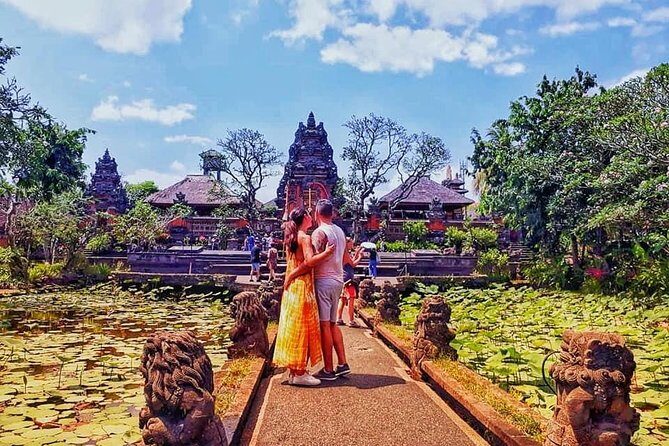
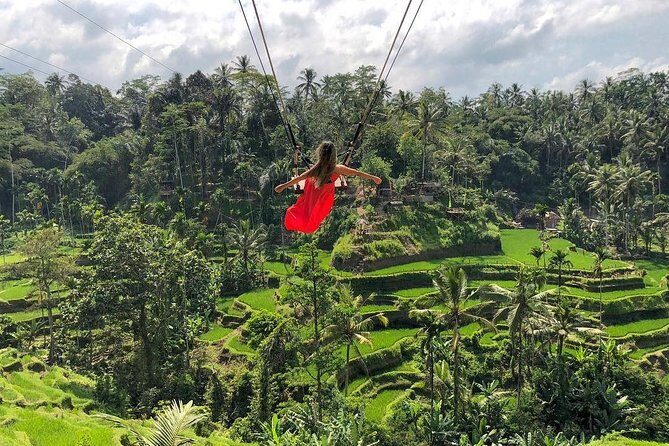
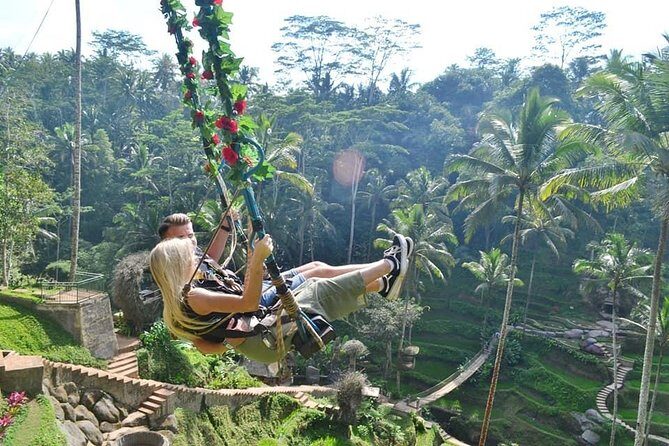
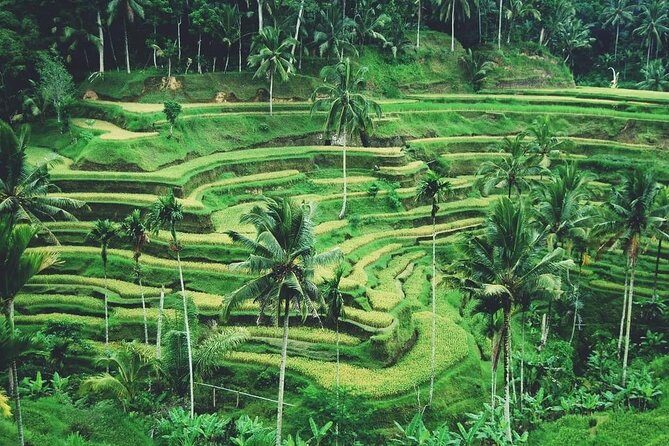
Next comes the Tegalalang rice terraces, Bali’s most famous style of stepped green view. You’ll get about two hours here, and admissions are included.
This is the stop where you decide your pace. If you want sweeping photos, you’ll want to walk to a few viewpoints. If you’d rather be less crowded, stand back, look across the fields, and let the view do the work.
Also, terraces can mean lots of stairs and slick patches after rain. Good footwear matters again. I like this stop because it’s not just scenery; rice terraces reflect how communities manage water and farming over time, and the time on the ground helps you notice details.
Tegenungan waterfall: when a swim is possible
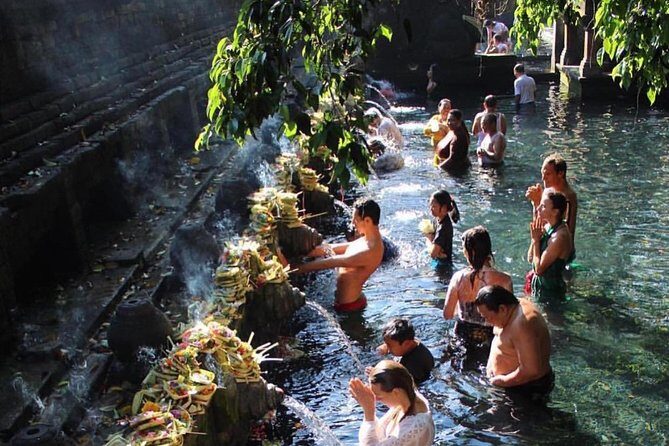
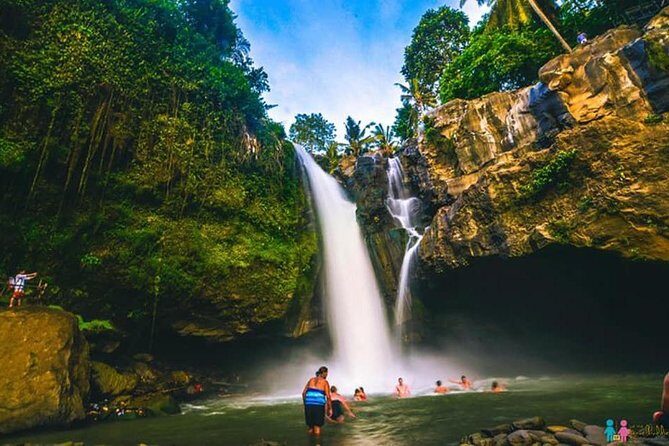
Tegenungan waterfall rounds out the village-to-nature arc of the day. Admissions are included, and you’ll have about two hours at the falls.
The tour information notes that swimming may be allowed depending on water conditions. So don’t assume you’ll be in the water, but do plan so you’re ready if conditions are favorable.
Waterfall areas can get slippery, even when it looks tame. Keep an eye on signage and what locals are doing near the edges. If you just want photos and mist, you can still have a great time without getting in.
Celuk Village: silver and gold jewelry making
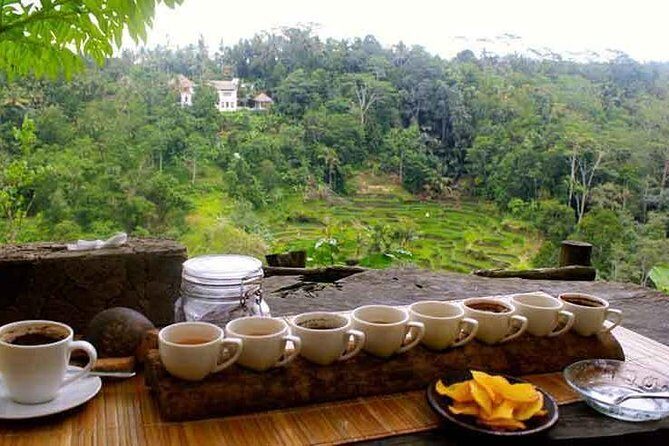
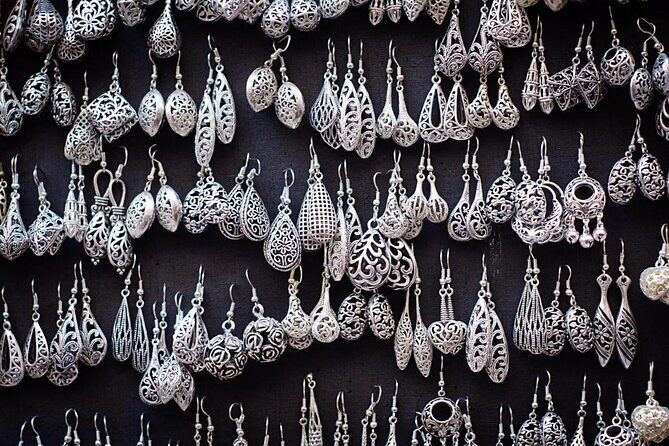
Celuk Village is where the day turns back toward crafts, this time with silver and gold jewelry making. You’ll spend about one hour here, and admissions are included.
If you enjoy watching people at work, this stop can be a satisfying payoff. Jewelry-making is usually easier to “get” at a glance than, say, a cloth pattern history, because you can watch the shaping and finishing steps.
You might also see how craftsmanship is valued through materials and technique. If shopping tempts you, keep it controlled: this tour doesn’t include shopping, so make sure you’re comfortable with prices before you start browsing.
The guide is the real value: Ketut, Katut, and Putu style
A big reason this tour earns strong ratings is the guide experience. People specifically mention guides like Ketut, Katut, and Putu for being fun, friendly, and sharp on Balinese culture and rituals.
The best part, from a passenger point of view, is that the guide isn’t stuck in a rigid script. There’s a sense that the day can flex based on your interests, including swaps of venues when you have personal requests. That matters on a day that covers five or six different “moods” of Bali.
When a guide explains what you’re seeing—ceremonies, everyday street life, and the role of craft traditions—the tour feels less like a checklist. It becomes a story you can follow from stop to stop.
Price and value: what you’re really paying for at $48.73
At $48.73 per person, this is priced like a budget-friendly day, but it includes a few key costs that add up fast on your own. You’re getting private transportation in an air-conditioned vehicle, a private driver/guide, sarongs, bottled water, and all tickets/entrance fees.
That’s the value equation. If you tried to piece it together—driver time, temple admissions, and the long hops between Ubud and surrounding craft areas—costs tend to rise quickly. Here, the entry fees are handled, so you don’t end up doing math at each gate.
What’s not included is lunch and any shopping or personal expenses. So budget for food and keep some cash or a card for snacks along the way. If you’re the type who hates hunting for lunch at the worst time of day, plan your meal strategy early so you’re not stressed.
Timing and comfort tips for a smoother Ubud day
This is a full circuit, so you’ll want to keep your expectations realistic. You’ll see a lot—temple, terraces, waterfall, plus multiple crafts—so the tour works best if you’re okay with a “see and learn” pace rather than a slow stroll.
A few things I’d do to make it easier:
- Wear shoes that grip well on temple grounds and terraces
- Bring a light layer for AC, since cars can run cold
- Bring swimwear and a towel you don’t mind getting wet, just in case
- Keep your daypack small so it’s easy in and out of the car
And if you’re temple-minded, treat the morning and water stops as the main event. The crafts are fun, but the temple experience is where the day has more emotional weight.
Who should book this tour, and who might not love it
This tour suits you if you want a one-day overview of Ubud with practical logistics handled. It’s also a good pick if you’re traveling with limited time and still want cultural context, not just photos.
You might want to skip it—or choose a slower alternative—if you prefer long, unhurried time in fewer places. This itinerary packs several high-demand stops, and the schedule is built for moving.
It also fits well if you value a private group experience, since it means you’ll have undivided attention from your guide rather than sharing the day with a lot of strangers.
Should you book the Best of Ubud in a day?
I’d book this if your goal is to get the essentials of Ubud—Tirta Empul, Tegalalang rice terraces, Tegenungan waterfall, and major craft areas—without spending your vacation on logistics. The “all tickets included” detail is a real win, and the guide can make the difference between a boring checklist and a memorable culture-forward day.
I’d think twice if you’re very food-driven and hate scheduling your own lunch. Also, if swimming at the waterfall is a must for you, remember it depends on water conditions, so don’t let that become your deal-breaker.
If you’re flexible, respectful at temples, and ready for a full day, this is a strong value way to see a lot of Bali in one go.
FAQ
Is pickup included?
Yes. Pickup is included in your area, and you’re collected from your accommodation.
How long is the Ubud day tour?
The tour runs for about 10 hours (approx.).
Is this tour private?
Yes. It’s a private tour/activity, so only your group participates.
What’s included in the price?
You get sarongs, mineral water in the car, a private driver/guide, private transportation, an air-conditioned vehicle, and all tickets and entrance fees.
What isn’t included?
Lunch and any shopping or personal expenses are not included.
Are temple admissions included?
Yes. Entrance fees are included, including admissions for Tirta Empul and other listed stops.
Can I swim at Tegenungan Waterfall?
The tour indicates swimming may be allowed depending on the water conditions.
What should I wear for temple stops?
The tour includes sarongs, but you should still dress respectfully. Comfortable shoes help because some areas can be uneven.
What if the weather is bad?
The experience requires good weather. If it’s canceled due to poor weather, you’ll be offered a different date or a full refund.