Unique Cleansing Ceremony with Locals
Purification can change your mood fast. This Ubud day pairs a cleansing ceremony with a string of classic sights—waterfall, a monkey forest sanctuary, two temple stops, and sacred water spaces where Balinese people look for balance.
I especially liked having a calm, structured pace from guide Dewa Alit. He’s friendly, pays attention to comfort, and keeps things understandable so the spiritual part feels meaningful rather than rushed.
One heads-up: entrance fees are not included, and the waterfall portion involves about 400 steps, so you’ll want to wear solid shoes and be ready for a physically active day.
In This Review
- Key highlights you’ll notice right away
- A purification ritual in Ubud, then straight into Bali’s landmarks
- Price and value: what $40.50 really buys for an 8–9 hour day
- Getting comfortable with the early start and private group pace
- Nungnung Waterfall: 400 steps, fresh water, and photo-ready spots
- Sangeh Monkey Forest: grey long-tailed macaques and a sanctuary vibe
- Taman Mumbul water temple: where the cleansing part fits best
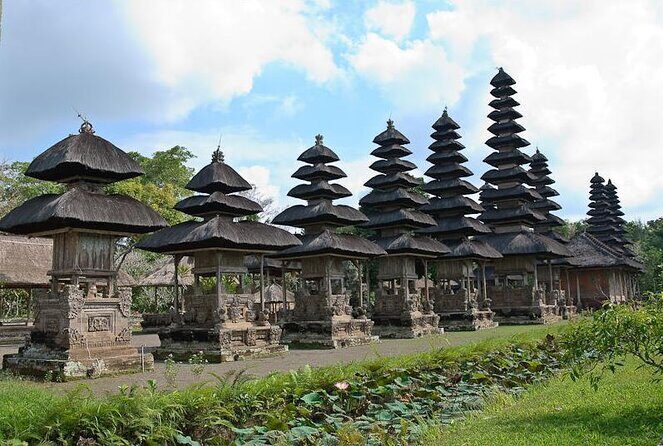
- Taman Ayun Temple’s garden park setting and pond views
- How Dewa Alit turns a spiritual day into a safe, understandable one
- What to pack and how to plan for a full day of water and steps
- Who should book this Ubud cleansing ceremony day
- Should you book this tour? My honest take
- FAQ
- What time does the tour start in Ubud?
- How long is the experience?
- How much does it cost?
- Is pickup included?
- What’s included in the price?
- Are entrance fees included?
- Is this tour private?
- What is the cancellation policy?
- How far ahead should I book?
Key highlights you’ll notice right away
- Cleansing ceremony with locals’ spiritual focus on balance and clearing negativity
- Dewa Alit as a guide who helps you feel at ease, including for solo visitors
- Nungnung Waterfall’s long stair walk (about 400 steps) plus a swim option
- Sangeh Monkey Forest sanctuary for grey long-tailed macaques
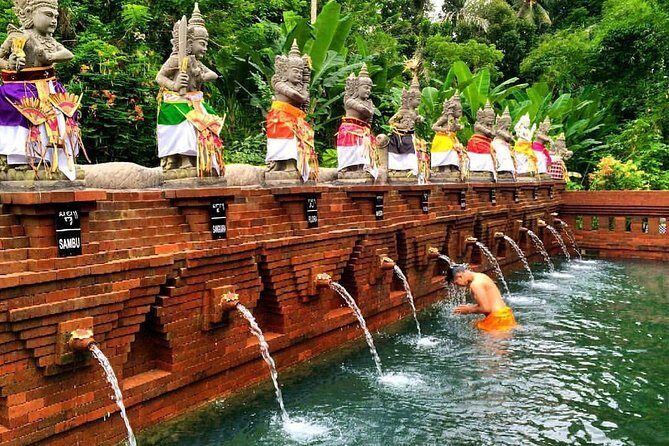
- Taman Mumbul sacred water area with a pond/lake setting and bathing pools
- Taman Ayun Temple in a garden park with ponds and trees for slow temple time
A purification ritual in Ubud, then straight into Bali’s landmarks
This isn’t a quick hit-and-run temple tour. You start your day moving through nature and Bali’s cultural spaces, and you end up with the part that feels personal: a cleansing ceremony meant to help you shake off negativity and return to balance and harmony. The spiritual theme also includes clarity—helping you feel more aligned with the direction you want in life.
What I liked is how the day has a natural rhythm. Water (waterfall and sacred bathing pools), sacred space (temples), and a living nature stop (monkeys in a sanctuary) all tie together through the idea of balance. Even if you’re not super religious, you can still appreciate the care behind the ritual and the way it’s woven into everyday Balinese culture.
The other reason this format works is that you’re not stuck on one kind of experience. If you’re the type who gets bored with only temples or only scenery, this mix keeps your day interesting and gives you multiple angles on Ubud: spiritual, scenic, and cultural.
Price and value: what $40.50 really buys for an 8–9 hour day
At $40.50 per person, this tour sits in the lower-middle range for a full-day pickup-and-driver experience. The value comes from the included basics that usually cost extra when you piece it together yourself: bottled water, an air-conditioned vehicle, fuel surcharge, and parking fees.
The big thing to understand is what’s not included: entrance fees at the sights. That’s normal for Bali day tours, but it matters for your budget. Expect to pay at gates or ticket counters depending on what’s required at each stop that day.
Timing also affects value. An 8 to 9 hour window is long enough to feel like a real day out, but short enough that you’re not exhausted by the evening. Plus, you can usually compare this with private half-days, and you’ll often find you’re paying similar money for fewer stops—especially if you end up hiring a driver separately.
Also worth noting: pickup is offered. Add in a mobile ticket and the fact that it’s described as a private activity (only your group), and the day feels efficient rather than chaotic.
Getting comfortable with the early start and private group pace
The start time is 8:30 am, which is smart. Morning light is better for photos, and you’re less likely to hit peak crowds at the waterfall and temple areas.
Because it’s a private tour/activity for your group, you don’t have to match your pace to a big bus schedule. That’s especially useful when there’s a spiritual component involved—you can take a moment, ask questions, and move on when you’re ready. The day also tends to flow well because the stops are close enough to each other to keep the travel time reasonable.
If you like planning ahead, the average booking window is about 24 days in advance. That’s not a guarantee, but it’s a good reminder that popular Ubud experiences can sell out near busy seasons.
One practical tip from how this kind of day works: keep an eye on the time you’re spending at the water spots. It’s easy to lose 20 minutes while you’re drying off, switching outfits, or grabbing water. If you want the day to feel balanced, give yourself a little extra buffer at the bathing/refresh points.
Nungnung Waterfall: 400 steps, fresh water, and photo-ready spots
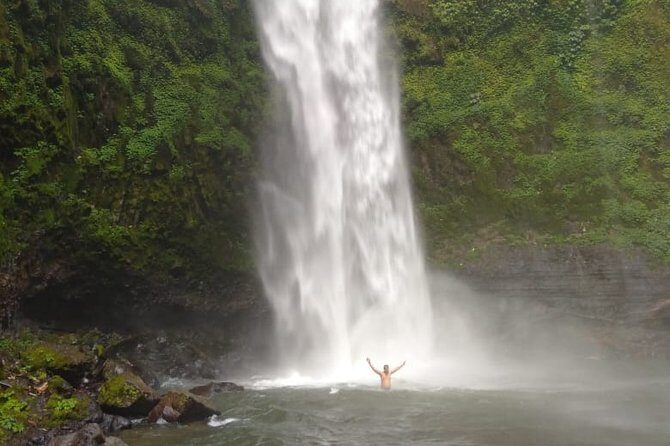
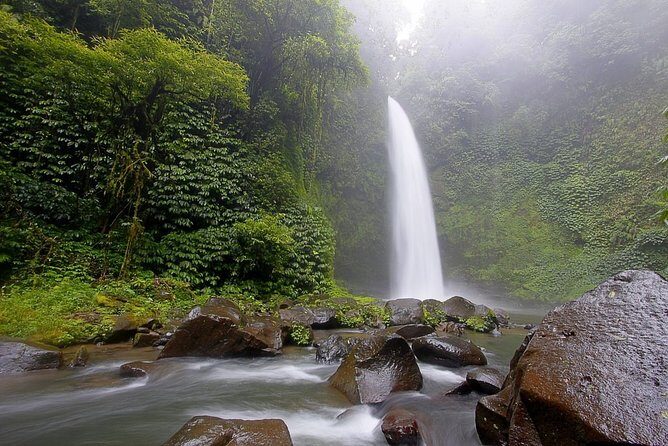
Your first major stop is Nungnung Waterfall, described as one of Bali’s biggest waterfalls. You’ll walk down about 400 steps, which means this is not a “just stroll for five minutes” stop. It’s exercise, fresh air, and a proper waterfall viewpoint.
What makes it a strong start to the day is the combination of scenery and movement. You get a quiet natural feel, and the walk down acts like a warm-up for the rest of the day. If you want photos, this is one of those places where the viewpoints naturally change as you go—so you don’t have to force it.
Swimming is specifically recommended, and the fresh water is described as a good temperature. That’s a big plus in the Ubud heat, and it makes the waterfall feel more than just a photo stop. Still, treat it like water-country logistics: you’ll want shoes that handle wet steps on the way back up.
A realistic drawback: going down and back up can be tough if you’re dealing with knee issues, fatigue, or general mobility limits. The tour is designed to let most people participate, but the steps are the physical reality here.
Sangeh Monkey Forest: grey long-tailed macaques and a sanctuary vibe
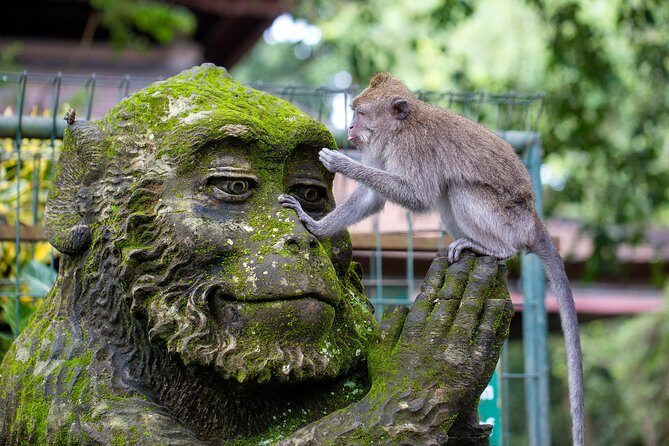
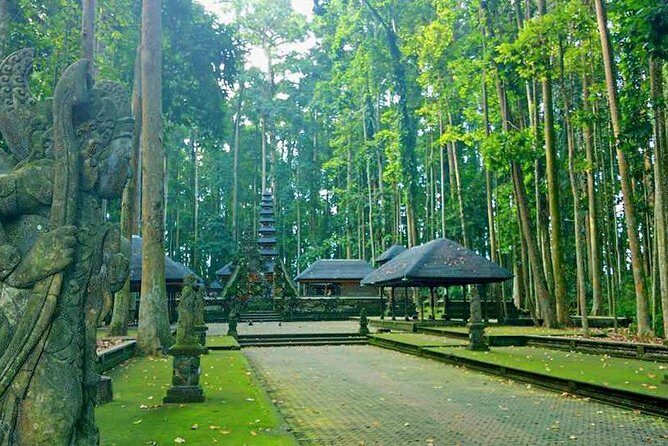
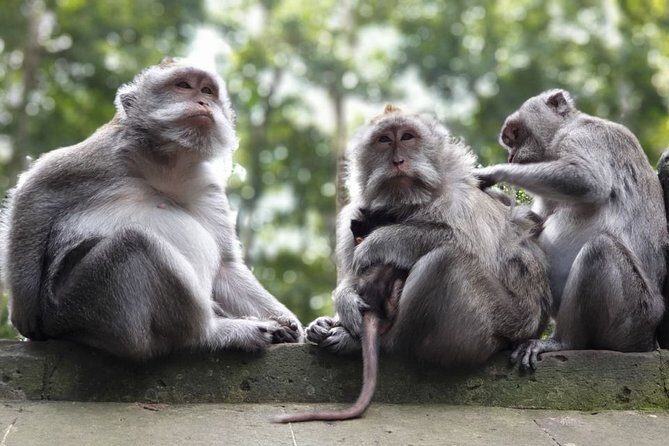
Next comes Sangeh Monkey Forest, a sanctuary for grey long-tailed macaques in the village of the same name. It’s not just “monkeys in trees.” The fact that it’s described as a sanctuary matters because it frames the visit as a place where the monkeys are part of an established protected environment.
You’ll have about 45 minutes here, which is a sensible amount of time. It gives you a chance to look around, enjoy the green canopy and the natural setting, and still keep the rest of your day moving toward the sacred water and temples.
The key practical point: admission is not included, so budget for it if a ticket is required. Also, keep your time flexible. In animal areas, the pace can shift based on where the animals are active.
This stop works well if you like wildlife, but you don’t want the kind of day where you spend hours watching from a distance. Sangeh is short, scenic, and gives your brain a reset between waterfall and temple spaces.
Taman Mumbul water temple: where the cleansing part fits best
The heart of the spiritual theme shows up at Taman Mumbul, described as a sacred place sanctified by the Sangeh and surrounding communities. This is where the day’s “negativity out, balance in” goal makes extra sense because the setting is built around clear water and bathing pools.
You’ll find a big pond-like area with clear water, plus a water temple atmosphere. The description includes bathing pools and surrounding areas that support a calm, ceremonial feel. In other words: it’s not just a viewpoint stop. It’s a place that naturally supports a cleansing ritual.
Even if you’re not doing the ritual in a formal way, this stop still has value. Sacred water spaces often feel quietly powerful because they slow you down. You’re surrounded by temple geometry, water surfaces, and local spiritual purpose, not just scenery.
One practical consideration: because it’s a water temple and there are bathing pools, come prepared for the real possibility of getting a bit wet. At minimum, bring a plan for changing or protecting personal items.
Taman Ayun Temple’s garden park setting and pond views
After the water temple, you end at Taman Ayun Temple, which literally translates to Beautiful garden. It’s widely regarded as one of Bali’s most attractive temples, and the reason is obvious when you’re there: it’s set in a park-like area with trees and ponds.
This stop is about 45 minutes, and it’s a good length for temple viewing without dragging your entire day. You’re able to take in the atmosphere, notice the layout, and still stay fresh enough for the final stretch back.
The practical value here is context. The cleansing theme is one side of Balinese spirituality. The temple gardens are the other side: the everyday beauty and order that show up in public sacred space. It helps you understand how spirituality in Bali isn’t only about big ceremonies—it’s also about how people shape their surroundings.
Entrance fees aren’t included here either, so if you’re budgeting tightly, set aside a bit for ticket costs at the temple gate.
How Dewa Alit turns a spiritual day into a safe, understandable one
The experience is guided by Dewa Alit – Private Tours, and the standout theme from the feedback about him is comfort and clarity. The day can feel personal because it’s tied to a cleansing ceremony, and that’s exactly where a good guide makes a difference.
I like that the tour is described as private for your group. That means you’re not trying to hold a calm spiritual focus while sharing instructions with a crowd. With Dewa Alit, solo visitors have found the experience comfortable, with the guide helping them feel safe and at ease.
His role also matters because you’re visiting places that have cultural meaning, not just pretty views. When someone explains what you’re looking at and how the sacred water and temples connect to the idea of balance, the day stops being a checklist and becomes a story you can actually understand.
What to pack and how to plan for a full day of water and steps
This tour mixes walking, water, and temple time, so pack like it’s a day outdoors first, sightseeing second.
For Nungnung Waterfall, assume you’ll be on wet stairs and uneven steps. Wear shoes you trust, and keep your phone protected. For the water temple atmosphere at Taman Mumbul, think about getting a bit wet, especially if the bathing pools and cleansing portion are part of your participation level.
A small amount of planning goes a long way:
- bring a change plan for damp clothes if you plan to swim
- wear breathable clothing for the morning humidity
- keep cash or payment method ready for entrance fees (since they’re not included)
And don’t forget water. Bottled water is included, which helps you skip the first impulse to buy drinks at stops where prices may be higher.
Who should book this Ubud cleansing ceremony day
This is a great fit if you want more than a standard Ubud sightseeing loop. You’ll like it if you enjoy:
- spiritual experiences that have a clear cultural setting
- nature stops with real movement (not just flat photo corners)
- a guided day where you can ask questions without fighting a big-group pace
It’s also a good choice if you want a private, low-stress format. The tour is described as available for most travelers, and solo visitors can feel comfortable with the guide’s approach.
If you’re strictly avoiding stairs or water-related time, you’ll want to think carefully. The waterfall walking portion is the main physical challenge, and the water temple area is the main wet-and-sacred environment.
Should you book this tour? My honest take
Book it if you want a day that combines a cleansing ceremony with real Ubud variety: waterfall energy, a monkey sanctuary, and two temple stops—plus guided explanations from Dewa Alit. For $40.50, the included vehicle, water, and transport make it a solid value, especially when you prefer a private group feel.
Skip or reconsider if entrance fees and physical steps sound like a problem for you. Also, if you don’t enjoy water-based settings at all, the Taman Mumbul portion may be less appealing.
If you like the idea of starting with nature and ending in sacred water space, this is the kind of Ubud day that feels like it has a purpose.
FAQ
What time does the tour start in Ubud?
The tour starts at 8:30 am.
How long is the experience?
It runs about 8 to 9 hours.
How much does it cost?
The price is $40.50 per person.
Is pickup included?
Yes, pickup is offered.
What’s included in the price?
Included items are bottled water, an air-conditioned vehicle, private transportation, fuel surcharge, and parking fees.
Are entrance fees included?
No. Entrance fees for attractions are not included.
Is this tour private?
Yes. It’s a private activity, and only your group participates.
What is the cancellation policy?
You can cancel for a full refund up to 24 hours before the experience’s start time. If you cancel within 24 hours, the amount paid is not refunded.
How far ahead should I book?
On average, this is booked about 24 days in advance.