
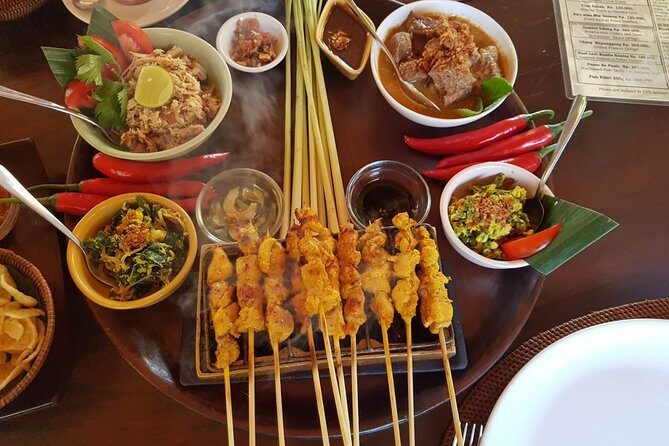
#1 Paon Bali Cooking Class with Shuttle Ubud Only
Balinese cooking starts with shopping.
This class is built for learning, not just photos: you begin with a trip to a traditional Ubud-area market where you practice choosing ingredients and even get a little bargaining education. I especially like the Ubud market stop because it explains what makes Balinese flavors work in the first place, and I also like that the teaching is structured so you get individual attention even in a group. One thing to consider is that it’s weather-dependent, so you’ll want flexible plans in case you get a reschedule.
You’ll cook what you learn, then eat it.
The day moves from market knowledge into an active kitchen session where you help prepare classic dishes like chicken in coconut curry and Balinese steamed fish in banana leaf, plus a sweet finish like boiled banana with palm sugar syrup. The group is capped at 24 travelers, which helps keep the vibe friendly and hands-on. The only drawback is the shuttle coverage: the included hotel transfer is for Ubud center only, and other areas cost extra.
This is a solid use of an afternoon.
At $39, you’re paying for more than a meal—you’re buying a repeatable skill set: how to select ingredients, how the flavors are built, and how to cook dishes you can recreate later. Just keep your expectations practical. This isn’t a glossy food tour where everything happens around you; you’re the one doing the work.
In This Review
- Key Highlights You’ll Actually Feel
- Why This Cooking Class Works in Ubud (Market First, Not After)
- The Morning Market Tour: How You Learn to Choose Ingredients
- What to expect at the market (and what to watch for)
- The Kitchen Session: Learning by Doing (Not Just Watching)
- What You’ll Cook and Taste (Balinese Classics With Practical Method)
- Non-vegetarian and vegetarian options
- Value and Price: Why $39 Can Be a Better Deal Than It Looks
- Pickup, Timing, and Where You Start in Ubud
- Your meeting point
- Duration
- Who Should Book Paon Bali Cooking Class
- The Weather Factor: Plan With Flexibility
- Final Thoughts: Should You Book This Cooking Class?
- FAQ
- How much does the Paon Bali cooking class cost?
- How long is the cooking class?
- Is hotel pickup included?
- What if my hotel is outside Ubud center?
- Does the class offer vegetarian food?
- Do you visit a market during the class?
- What dishes will I cook?
- What is the maximum group size?
- What happens if I cancel or if the class can’t run?
- Where does the tour start?
Key Highlights You’ll Actually Feel
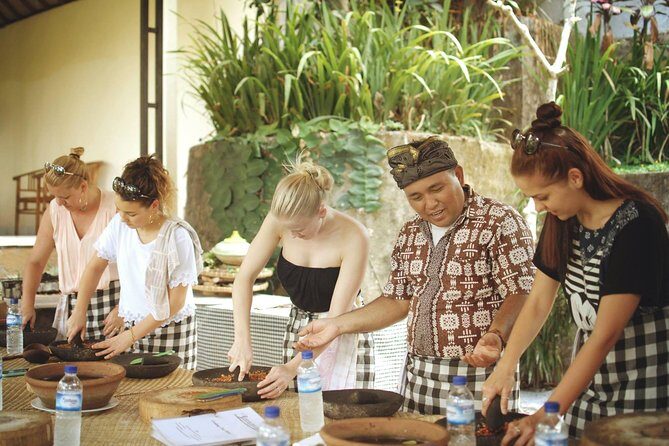
- Market-to-kitchen flow: you learn ingredient choices in the morning, then cook using that knowledge.
- Structured, small-group teaching with individual attention (max 24 people).
- Classic Balinese dishes you help make, then eat at the end.
- Vegetarian option available alongside non-vegetarian dishes.
- Ubud center pickup included for a smoother start.
- Good last-day-of-travel option when you want something memorable that isn’t sightseeing.
Why This Cooking Class Works in Ubud (Market First, Not After)
Ubud is great for cultural stops, but sometimes you want something that doesn’t feel like another checklist. This class is a smart alternative because it’s built around the one thing everyone in Bali takes seriously: food. You start with shopping habits, then you apply them in the kitchen. It’s learning with your hands, not just watching.
The market portion matters more than you might expect. In a place like Bali, where ingredients and methods are tied to everyday life, you get a real window into how locals approach cooking—what they pick, what they reject, and what they’re trying to achieve in flavor. That’s the difference between eating a dish and understanding how it’s made.
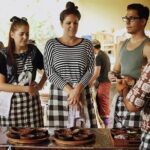
And yes, the kitchen portion is the fun part. You’re not stuck standing on the edge of the room. You cook, taste, and eat what you make. Several people describe the experience as hands-on and involving everyone, which matches how these sessions are usually designed when the goal is skill-building.
The Morning Market Tour: How You Learn to Choose Ingredients
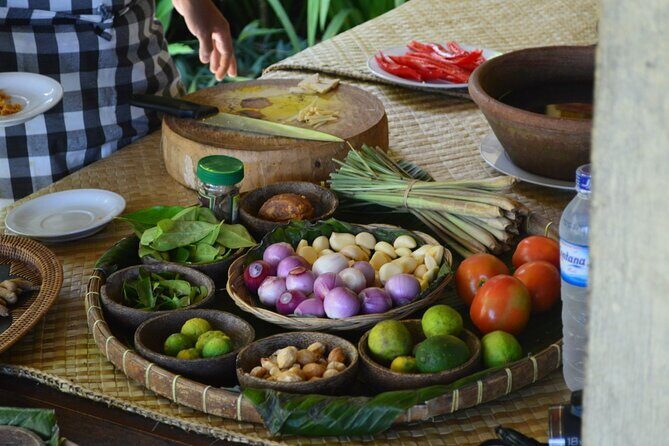
The class begins in the morning with a trip to a traditional Ubud Traditional Art Market. It’s an outdoor market stop designed to teach you how people shop and what “good ingredients” look like. Markets in Bali open early, and the early start is part of why the stop feels authentic instead of rushed.
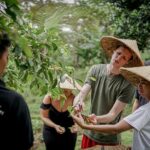
What you’ll be listening for is not just the ingredients, but the reasoning behind them. The chef explains Balinese tastes and customs, including how local meat, fish, and produce fit into common dishes. You also get tips on bargaining while shopping—practical stuff you’ll actually notice in Bali anyway.
Here’s the payoff: you’re learning a framework you can use outside the class. When you see an ingredient later (in a restaurant or at another market), you’ll have a better sense of how it’s likely used and why it’s chosen.
What to expect at the market (and what to watch for)
You’ll walk through stalls and see lots of daily cooking inputs—produce, spices, and proteins that show up in Balinese meals. You’ll spend enough time there to feel like you’re getting context, not just taking a quick photo lap.
Wear shoes you don’t mind getting slightly market-dusty. Also, bring a small water bottle if you’re the type who gets thirsty while walking—your comfort matters because the class can start early.
The Kitchen Session: Learning by Doing (Not Just Watching)
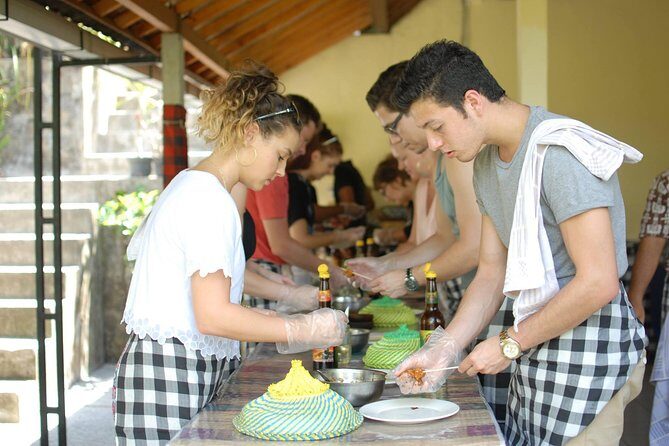
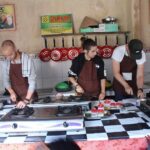
After the market, the class shifts to cooking at the host location. This part is where the experience earns its high marks: it’s structured so that people stay actively involved. You get help from the teacher and an assistant, and the format is set up so everybody can get attention.
This is one of those experiences where the teaching style matters. If you’re worried you’ll just cook one tiny step and then wait, don’t. The class is designed for participation—people help prepare the dishes, then eat what they make at the end.
You’ll also get the cooking basics you normally miss on your own. That includes the way Balinese dishes balance heat, aromatics, and savory-sweet elements. Even if you’re a confident home cook, you’re likely to learn at least a few moves—especially around how banana leaf is used for steaming and how coconut-based sauces behave.
What You’ll Cook and Taste (Balinese Classics With Practical Method)
The dishes offered are the heart of the class. Based on what’s described for the experience, you can expect you’ll cook and taste multiple local favorites, including:
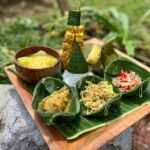
- Chicken in coconut curry: creamy sauce with warm spices, designed for big flavor without complicated steps.
- Balinese steamed fish in banana leaf: gentle steaming with aroma and moisture trapped in the leaf—excellent if you like fish but want a method that feels different from Western cooking.
- Boiled banana in palm sugar syrup: a sweet finish that shows how Bali uses fruit and sugar in a way that feels balanced, not candy-like.
And there’s more beyond those examples, since the class is described as including additional local dishes. The key point for your expectations: you’re not just tasting random bites. You’re cooking core dishes that represent how Balinese meals are built.
Non-vegetarian and vegetarian options
You can choose a non-vegetarian or vegetarian option. That means you’re not forced into a one-size-fits-all menu. If you’re traveling with mixed preferences, it’s a relief to know the class is set up to handle both.
Value and Price: Why $39 Can Be a Better Deal Than It Looks
At $39 per person, this class isn’t trying to be the cheapest activity in Ubud. But it can still be great value because you’re getting several things that add up fast when you travel.
First, you’re paying for ingredients and cooking ware included in the experience. That’s not always true for cooking classes, and it matters because ingredients are the real cost behind “hands-on food fun.” Second, you’re paying for teaching time—chef-led explanations plus an assistant to help keep things moving and keep questions answered.
Third, you’re paying for the market piece. A market tour isn’t just a walk-through. It’s the learning that makes the rest of the cooking session click. You’ll come away with a better understanding of how Balinese flavors connect to local buying choices.
In practical terms: if you’ve got limited time in Ubud, this is a good way to “buy” a memorable experience that also teaches you something you can reuse later.
Pickup, Timing, and Where You Start in Ubud
This experience offers shuttle-style pickup, but with one important limitation: it’s included for Ubud center only. If you’re staying outside that area, there’s an extra charge of USD 35 per car, paid in cash on the day.
You can treat that like a simple math question. If you’re in central Ubud, you’ll likely appreciate the convenience. If you’re farther out, you should budget for the taxi-like add-on, or consider meeting at the start point.
Your meeting point
If you’re not using the pickup or you need to coordinate, the start point is Jl. Suweta No.18, Ubud, Kecamatan Ubud, Kabupaten Gianyar, Bali 80571, Indonesia. The tour ends back at the meeting point.
Duration
Plan for about 3 hours 30 minutes. That’s a sweet spot: long enough to do the market learning and full cooking session, but short enough that you can still have the rest of your day free.
Who Should Book Paon Bali Cooking Class
I think this is ideal for a few types of travelers:
- You want a hands-on activity that feels local, not “tourist performance.”
- You like learning by doing and you’re curious about how Balinese flavors are built.
- You’re traveling as a couple or small group and want something that’s social but not chaotic.
- You’re also looking for a practical “in-between time” plan—especially if your schedule is tight around flights or other sightseeing.
Because the class has a maximum of 24 travelers, it’s not so big that you’ll feel lost. And since the format emphasizes individual attention, even beginners should feel comfortable jumping in.
If you’re the type who hates getting your hands dirty or you want a mostly sit-and-watch experience, this might feel too active. But if you’re okay with cooking work and tasting as you go, it’s a great match.
The Weather Factor: Plan With Flexibility
This class depends on good weather. If it’s canceled due to poor weather, you’ll be offered another date or a full refund. That’s one of the few real uncertainties, and it’s worth keeping in mind when you plan your Ubud days.
If you’re the kind of traveler who schedules every hour like a flight timetable, this might not be ideal. But if you’re okay with one flexible window, you’ll be fine.
Final Thoughts: Should You Book This Cooking Class?
If you want a Ubud experience that’s both fun and genuinely useful, I’d book this. The standout strength is the market-to-kitchen structure, which turns a cooking class into a real food education. Plus, the format is set up for participation, so you’re not just an audience member.
Before you hit confirm, check two things: whether your accommodation is within Ubud center for the included transfer, and whether your schedule can handle a weather-related reschedule. If those fit, this is an easy yes.
FAQ
How much does the Paon Bali cooking class cost?
It costs $39.00 per person.
How long is the cooking class?
The duration is about 3 hours 30 minutes.
Is hotel pickup included?
Yes, pickup is included for Ubud center accommodations.
What if my hotel is outside Ubud center?
Pickup is not included for other areas. There is an extra charge of USD 35 per car, paid in cash on the day, for places like Nusa Dua, Jimbaran, Canggu, Kuta, and Sanur.
Does the class offer vegetarian food?
Yes, you can choose a non-vegetarian or vegetarian option.
Do you visit a market during the class?
Yes. There is a traditional market tour in the morning.
What dishes will I cook?
The class includes dishes such as chicken in coconut curry, Balinese steamed fish in banana leaf, and boiled banana in palm sugar syrup, plus additional items.
What is the maximum group size?
The maximum group size is 24 travelers.
What happens if I cancel or if the class can’t run?
The experience is non-refundable and can’t be changed for any reason. If it’s canceled due to poor weather, you’ll be offered a different date or a full refund. If the minimum number of travelers isn’t met, you’ll be offered a different date/experience or a full refund.
Where does the tour start?
The start point is Ubud Central Parking, Jl. Suweta No.18, Ubud, Kecamatan Ubud, Kabupaten Gianyar, Bali 80571, Indonesia.
More Tour Reviews






More Balinese Cooking Classes

More Ubud Tours
Ubud Tours: how the alternatives stack up


 ★ 5.0
★ 5.0Ubud: Monkey Forest, Jungle Swing, Rice Terrace, and Water Temple




The lists this tour appears in