3 Days PADI Open Water Course in Pemuteran
If you want to learn scuba the right way, start here. This 3-day PADI Open Water course in Pemuteran turns theory into real skills in a calm, guided pace. You’ll do online study with an instructor check-in, then move through pool practice and open-water sessions that build confidence step by step.
I really like the way this program is set up around safety and small groups—maximum 4 travelers means you’re not just a number. The instructors are certified and insured, and names from the team that came up strongly include Edi Sumantara, plus instructors Karin and Putu. One possible drawback: the schedule depends on weather, and if conditions don’t cooperate, you may be moved to a different date (or refunded).
In This Review
- Key Highlights Worth Your Time
- Why Pemuteran Works So Well for Open Water Training
- The 3-Day Flow: How You Go From Theory to Open Water Skills
- Online Theory (PADI e-learning) and Why It’s Not Just Paperwork
- Day 1: Pool Skills You’ll Thank Yourself For
- Days 2–3: Open-Water Sessions 1 to 4 (Where It Clicks)
- What you’ll likely practice in open water
- Group size helps a lot
- Menjangan Island Option: Wildlife Encounters on a Classic Route
- Instructors Matter: Edi Sumantara, Karin, and Putu
- Equipment and Comfort: A Big Part of Learning Fast
- Safety, Safety, Safety (And Why It’s More Than a Slogan)
- Price and Value: Is $425 Reasonable for 3 Days?
- What You’ll Be Like After This Course
- Practical Tips Before You Go (So You Enjoy It More)
- Who Should Book This Course in Pemuteran?
- Should You Book Bali Diving Academy in Pemuteran?
- FAQ
- How long is the PADI Open Water course in Pemuteran?
- Where does the course start and end?
- What is the course schedule like on the water side?
- Is the theory online?
- What group size should I expect?
- What level of certification will I get?
- What if weather is bad or the minimum number of travelers isn’t met?
Key Highlights Worth Your Time
- Max 4 travelers for more hands-on coaching and less waiting around
- Online PADI e-learning you can complete before or during the course
- Pool session first, so open-water skills aren’t learned on the fly
- Open-water sessions 1–4 to practice what you learned in the real ocean
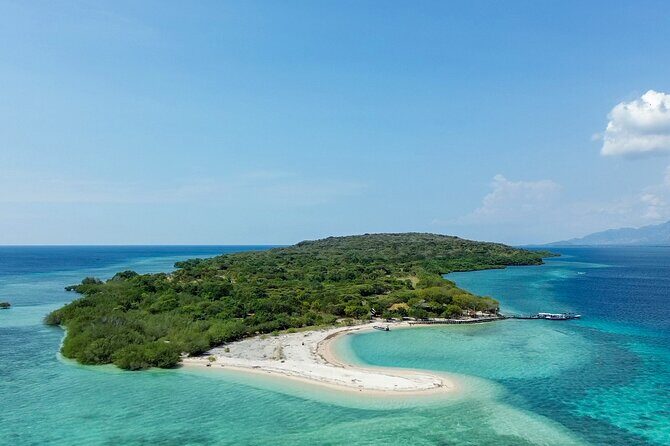
- Menjangan Island outing is often a highlight, with turtles and even sharks reported
Why Pemuteran Works So Well for Open Water Training
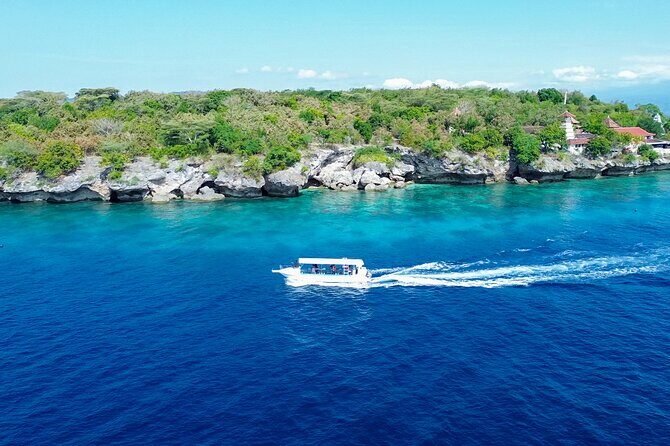
Pemuteran is a smart choice for learning because it’s set up for sea-life viewing and calm training conditions. The course focuses on the foundations: how scuba equipment works, how to breathe underwater, how buoyancy feels, and how to handle real-life moments without panic.
You’ll also benefit from the local expertise behind the scenes. This academy trains with guides who are familiar with reefs and reef habitats, and they run small-group sessions with a professional who’s certified and insured. That matters to you because Open Water is the first step—getting good habits early makes everything that comes after easier.
Still comparing? These are other Bali tours we've reviewed.
The 3-Day Flow: How You Go From Theory to Open Water Skills
This Open Water course runs about 3 days, starting at 8:00 am and ending back at the meeting point. The rhythm is simple: study first, then skills in controlled water, then practice in open ocean.
Here’s the structure you should expect:
- Online theory via PADI e-learning, reviewed with your instructor
- Day 1: confined water practice (pool session)
- Days 2–3: open-water sessions 1 to 4, where you apply the skills for real
The big value is that you don’t jump straight into the ocean without preparation. You’ll build muscle memory in the pool first, then take those exact skills outside where conditions can be less predictable.
Online Theory (PADI e-learning) and Why It’s Not Just Paperwork
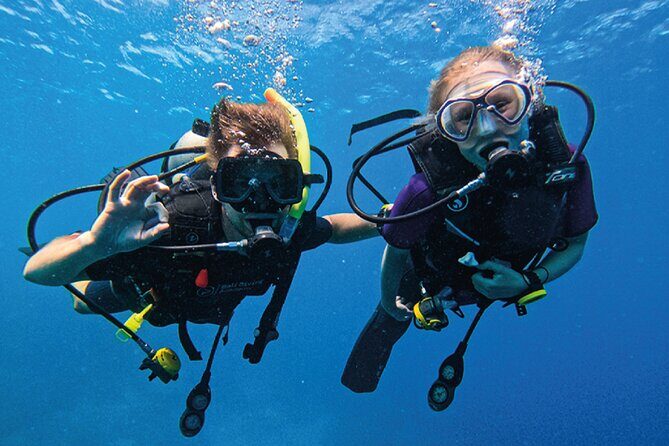
The theory component is delivered through PADI’s e-learning platform. You can do it before your start date or during the 3-day window, and your instructor reviews what you cover.
I like this setup because it keeps the “class time” from eating up all your daylight underwater. If you arrive with some theory done, you can spend more of the course practicing the actual skills—finning control, buoyancy, and clear communication.
Also, Open Water theory isn’t only about passing a standard test. It’s about understanding why scuba behaves the way it does—so when something feels different underwater, you can interpret it instead of guessing. That’s where confidence comes from.
Day 1: Pool Skills You’ll Thank Yourself For
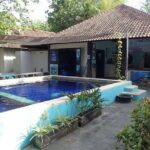
Your first day is a confined water session in a pool. This is where you learn the basic scuba diving skills in a controlled, predictable environment.
In plain terms, this day is for learning the equipment and the body skills. You’ll practice what to do with your breathing, how to keep your buoyancy from running away, and how to manage your gear while staying calm. A good pool day means your open-water sessions feel like an extension, not a jump.
From the feedback I’ve seen, instructors here take their time and really focus on getting you comfortable. That’s the kind of coaching you want for your first scuba training block—especially if you’re nervous about the gear or buoyancy.
Days 2–3: Open-Water Sessions 1 to 4 (Where It Clicks)
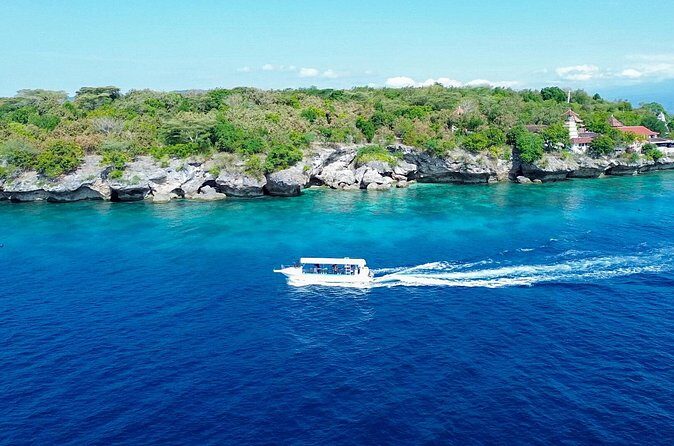
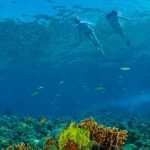
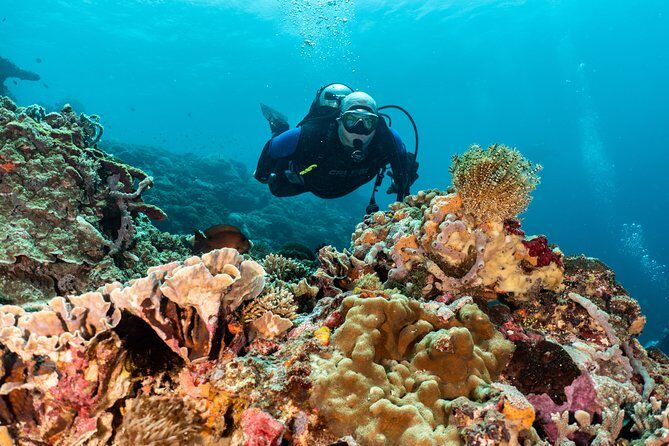
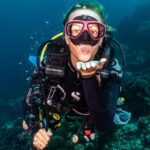
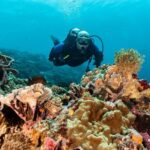
After the pool, you move into the ocean for open-water sessions 1 to 4. This is where the course becomes real: you apply the techniques with natural light, real visibility conditions, and changing water movement.
These sessions matter because Open Water isn’t just learning to swim with tanks. It’s learning to control yourself underwater so you can enjoy the experience and stay safe. By the time you reach the later sessions, your skills should feel less like a checklist and more like a normal routine.

What you’ll likely practice in open water
The course is designed to take you through foundational skills and techniques, built on the theory you studied online. Even without going into every exercise, you can expect the instructor-led progression to cover core control and safety behaviors—things you can reuse forever once certified.
Group size helps a lot
Because the course runs with a maximum of 4 travelers, instructors can correct issues faster. You’re less likely to spend long stretches waiting your turn, and more likely to get direct feedback on the things that matter most for comfort.
Menjangan Island Option: Wildlife Encounters on a Classic Route
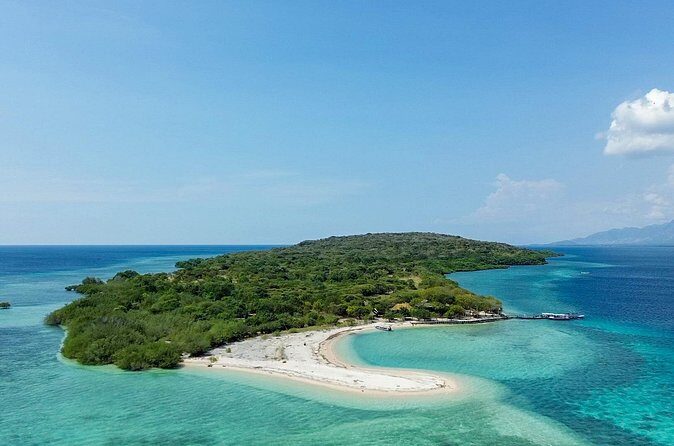
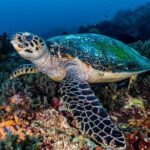
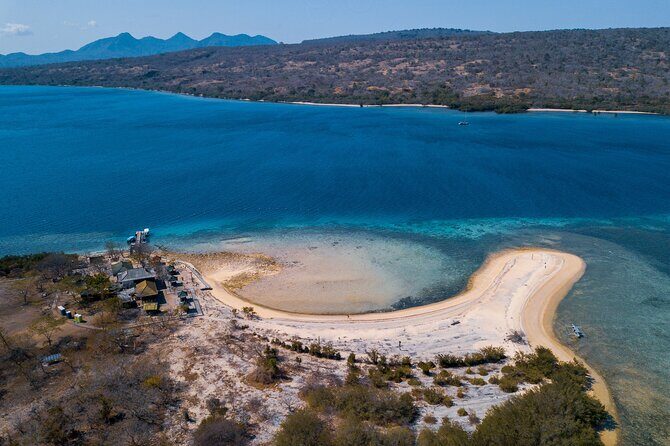
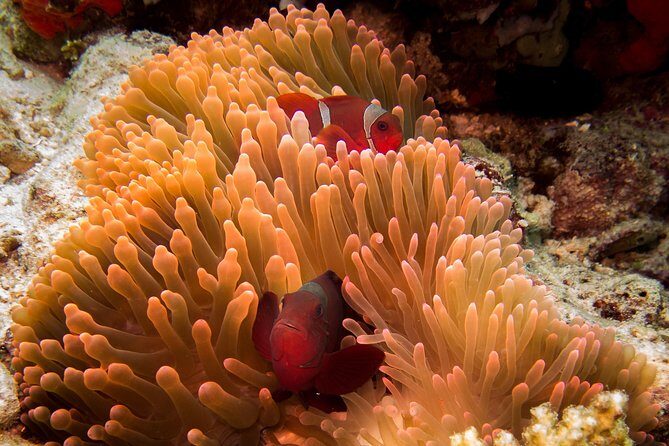
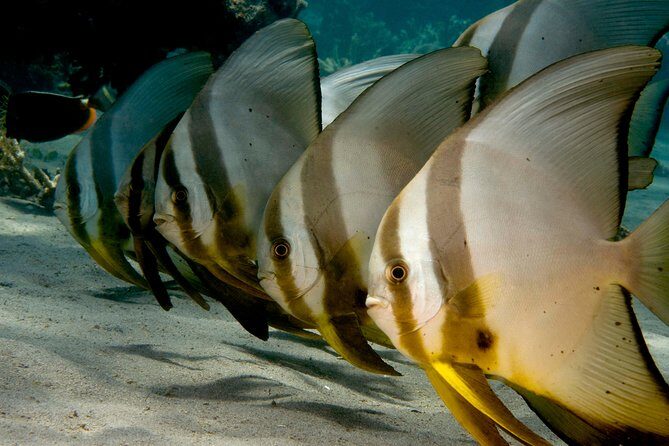
One of the standout moments tied to this experience is an outing to Menjangan Island. The reports I saw describe it as insanely beautiful, with turtles and even sharks spotted.
That kind of wildlife encounter is exactly what you want after you’ve learned the basics. It turns your training into a memory that feels bigger than a certification stamp. And because your course is already structured around skill-building, you’re not just sightseeing—you’re actually practicing staying relaxed while you watch what’s around you.
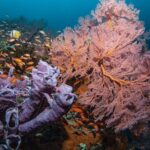
Even if wildlife shows up only sometimes, Menjangan is known for underwater life, and the structure of this course gives you a chance to experience it while you’re still in training mode.
Instructors Matter: Edi Sumantara, Karin, and Putu
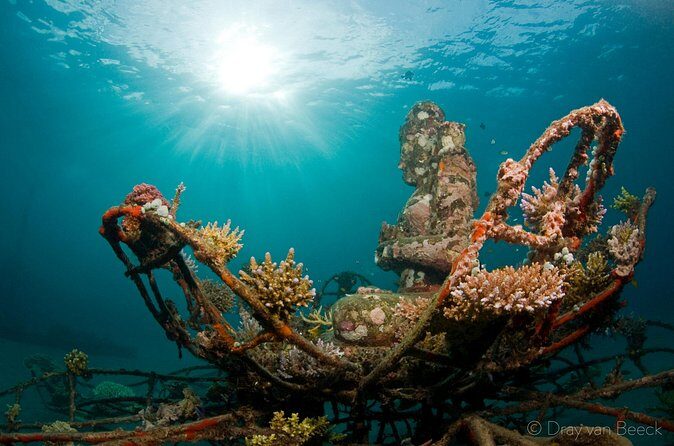
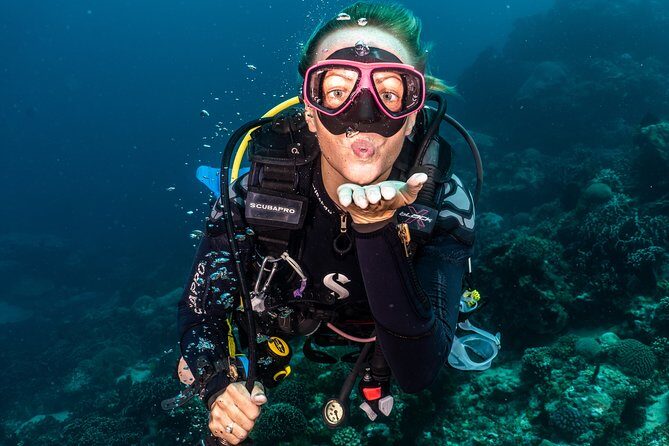
For a beginner course, instructor quality is everything. This academy emphasizes that every participant is guided by a professional who’s certified and insured, with reef and habitat familiarity built into the instruction.
Names that came through clearly in feedback include:
- Edi Sumantara (recognized for being professional, focused, and safety-first)
- Karin (praised alongside the rest of the team)
- Putu (praised for great support and help)
When instructors take time with you, it usually means two good things: you get more repetitions, and your nerves get a chance to settle. That’s the difference between “I survived it” and “I actually learned.”
Equipment and Comfort: A Big Part of Learning Fast
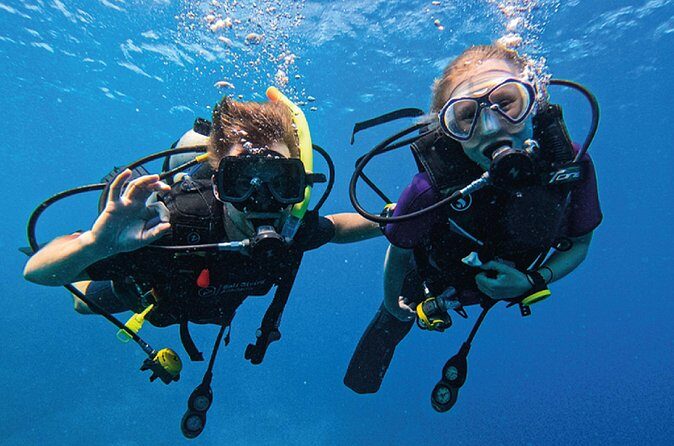
Equipment quality can make or break your first days underwater. The feedback I saw was positive on the equipment—and for you, that’s practical: better functioning gear reduces troubleshooting and helps you focus on buoyancy and controlled breathing.
You’ll still need to learn how to handle your gear, but with solid equipment and patient coaching, that learning curve feels manageable instead of stressful.
Safety, Safety, Safety (And Why It’s More Than a Slogan)
This program claims a 100% safety track record, and it’s not just a marketing line. It’s backed by how the training is structured: pool first, then open water, with certified instructors guiding you throughout.
You should also notice what the program emphasizes: small-group safety, reef familiarity, and insured professional guidance. For your Open Water course, safety is the foundation that lets you experiment and learn without fear taking over.
And if you’re someone who likes clear process, you may appreciate the tight control of how the academy runs things. One review response hinted at strong procedural discipline, and that usually translates to smoother days—less confusion, more time doing the right exercises.
Price and Value: Is $425 Reasonable for 3 Days?
At $425 per person for a ~3-day PADI Open Water course, the main question is what you’re paying for besides the license itself.
You’re paying for:
- Professional, certified instruction throughout
- Pool skills practice before open water
- Multiple open-water sessions (1–4)
- A small group size capped at 4
- Local site knowledge and guided ocean training in Pemuteran
- A Menjangan Island outing component tied to the course experience
When you put it that way, the value looks more solid. You’re not just booking “time in the water.” You’re buying coaching, safety management, equipment use, and the step-by-step sequence that reduces mistakes early.
Plus, the academy offers group discounts (so if you’re traveling with a friend, it’s worth asking about how that affects your total cost).
What You’ll Be Like After This Course
By the end, you’ll earn the PADI Open Water certification, recognized worldwide. The certificate allows you to dive safely up to 18 meters (in typical conditions aligned with the training and certification scope).
More important than the number is how you’ll feel doing basic underwater tasks. If your pool day goes well and your open-water sessions are paced correctly, you should come away with:
- Better awareness of breathing and buoyancy
- Clear habits for staying calm underwater
- A new baseline skill set you can build on for future trips
That’s where the course pays you back. Certification is the ticket; the real value is learning how to use it confidently.
Practical Tips Before You Go (So You Enjoy It More)
Because you’re starting from zero (or near zero) in scuba basics, your job is to show up ready to learn, not to rush.
Here are practical ways to make the days easier:
- Bring a calm mindset for day 1 pool practice. It’s normal to feel awkward at first.
- If you can, do some of the online PADI e-learning before the start day so your instructor time is spent on skills.
- Plan for a moderate physical fitness level, since this is an active training program.
- Pack for early mornings. It starts at 8:00 am, and you’ll want to be ready without stress.
Also, if you like good food after training, there’s a useful local suggestion. One review strongly recommended The Sage for a post-course meal in Pemuteran, which makes sense: after training days, you’ll want something simple and satisfying.
Who Should Book This Course in Pemuteran?
This Open Water course is a great fit if:
- You want small-group attention instead of a crowded class
- You value safety-first instruction and a structured progression
- You want to end up with a real certification recognized worldwide
- You’re excited about the chance to see Menjangan Island wildlife like turtles, and possibly sharks
If you’re the type who learns best when you practice in the water rather than just reading, this format should feel like the right blend of theory and coaching.
Should You Book Bali Diving Academy in Pemuteran?
If you’re considering your first scuba certification, I’d say yes—especially if you care about safety, instructor attention, and a course that starts in a pool before it goes into the ocean. The combination of small group size, trained professionals (including Edi Sumantara, Karin, and Putu), and the potential Menjangan Island wildlife payoff makes this more than a box-checking course.
The only real caution is weather dependency. Because the experience requires good weather, you should expect the schedule to flex if conditions aren’t right. If that won’t ruin your trip plans, you’ll likely find this course a strong value for your first certification step.
FAQ
How long is the PADI Open Water course in Pemuteran?
The course runs for 3 days approximately.
Where does the course start and end?
It starts at Bali Diving Academy Pemuteran at Dusun, Pemuteran, Kec. Gerokgak, Kabupaten Buleleng, Bali 81155, Indonesia, and it ends back at the meeting point.
What is the course schedule like on the water side?
You’ll do confined water (pool) practice on the first day, then open-water sessions 1 to 4 on the following two days.
Is the theory online?
Yes. The theory is done online via the PADI e-learning platform and is reviewed with your certified instructor. You can complete it before the course or during the 3 days.
What group size should I expect?
The experience has a maximum of 4 travelers.
What level of certification will I get?
It’s the PADI Open Water course, which is recognized worldwide and allows you to dive to 18 meters.
What if weather is bad or the minimum number of travelers isn’t met?
The experience requires good weather. If it’s canceled due to poor weather, you’ll be offered a different date or a full refund. If it’s canceled because the minimum traveler number isn’t met, you’ll be offered a different date/experience or a full refund.