
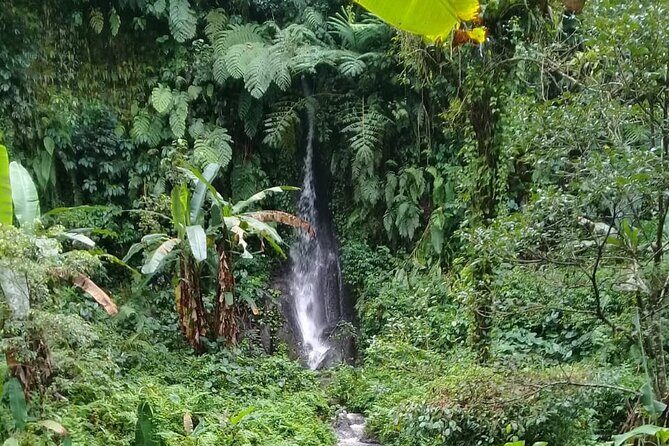
Keliki Village Tour And Rice Field Walk Including Lunch Or Dinner
Quiet footpaths in Bali beat the main road. This half-day Keliki village trek shifts from Ubud into quiet forest paths and open rice fields, with a private guide helping you spot small details most people miss. You’ll feel the slower rhythm of village life, and learn why the traditional irrigation system is the backbone of farming here.
I especially love that the walk gives you a real sense of everyday Balinese work. You’ll see farmers working in the rice area and catch views of plants along the way—like cocoa, coffee, and tamarind—plus your guide explains what you’re looking at. I also like that your meal is handled: lunch or dinner is included along with coffee/tea and mineral water, so you can stop thinking about food and just enjoy the day.
The main drawback to plan around is physical comfort and weather. This is moderate walking in outdoor conditions, and the experience requires good weather, so you’ll want shoes you trust and a flexible mindset if conditions change.
In This Review
- Key moments you’ll remember
- Why this Keliki walk feels different from typical Ubud tours
- Price and value: what $41 really buys you
- The half-day pacing: how the 3 to 4 hours typically feel
- Stop in Keliki: jungle footpaths, rice fields, and the irrigation story
- What makes the Keliki portion special
- A realistic consideration
- The plants you’ll actually notice (and why naming them helps)
- Rice farming in motion: watching farmers at work
- The temple stop: adding meaning to the walk
- Lunch or dinner included: what to do after you’re done walking
- Pickup, meeting point, and small-group feel that actually matters
- Getting ready: how to plan for heat, humidity, and walking time
- Who should book this (and who might want a different option)
- Should you book Keliki Village Tour and Rice Field Walk? My call
- FAQ
- How long is the Keliki Village Tour and Rice Field Walk?
- Is lunch or dinner included in the price?
- Is pickup available, and where is the meeting point?
- Do I need to buy an admission ticket?
- What physical fitness level is required?
- What happens if weather is poor or I need to cancel?
Key moments you’ll remember
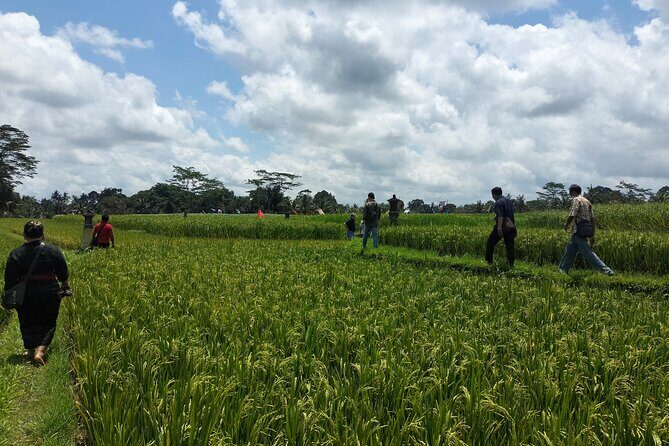
- A quieter Keliki route that mixes jungle footpaths with working rice fields
- Private guide focus on what you’re seeing—plants, farming, and daily life
- Traditional irrigation views tied to how rice farming actually works
- Rice field + temple time guided so you know what matters
- Lunch or dinner included with coffee/tea and mineral water
- Small group size (up to 10 people) for a less chaotic feel
Why this Keliki walk feels different from typical Ubud tours
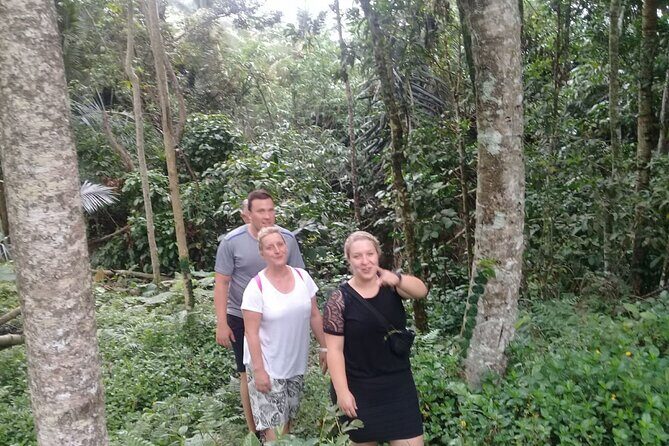
Ubud can be busy. This tour turns that volume down quickly. Instead of racing between landmarks, you follow footpaths that lead to quieter pockets of forest and rice country, guided at a human pace.
The big difference is that the point is not just photos. It’s understanding the place while you’re walking through it. With a private guide, the route turns into a conversation: what plants are growing, how farmers move through the fields, and why the irrigation system is more than scenery.
You’ll also notice how the experience is built around connection. The emphasis is on being there with Balinese people, not just passing through. When the guide points out how water is managed and where farmers are working, it stops being a generic nature walk and becomes a real look at daily life in this part of Bali.
Price and value: what $41 really buys you
For around $41 and about 3 to 4 hours, you’re paying for a guided half-day that includes a real meal. That matters. Many tours in this area cover a route, then add costs for food, drinks, and extra stops. Here, lunch or dinner is included, along with coffee/tea and mineral water.
You’re also paying for time with a guide rather than just transportation. Since the experience is built around walking sections—jungle paths, rice fields, and a temple visit—the guide’s role is central. You’re not just getting a map; you’re getting interpretation as you move.
One thing to keep in mind: an air-conditioned vehicle is not listed as included. Pickup is offered, but if you’re sensitive to heat, be ready for open-air or non-AC transfer time depending on how pickup works that day. The walking itself is the main event anyway, so plan your comfort accordingly.
The half-day pacing: how the 3 to 4 hours typically feel
Think of the day as a steady walking block with one main concentration: Keliki and the rice field area. It’s not a “check a box” tour. You take your time to reach the quieter spots at the end of paths, then you slow down again when you’re in the rice and temple segment.
The total time works well if you want something active but not all-day. It’s also a good option if you’ve already seen a few popular sites and want a different kind of Bali: less traffic, more footpaths, and more agriculture.
A small group cap (up to 10 people) helps the pace stay calm. In practice, that means fewer interruptions for questions and more room for the guide to point things out as you walk.
Stop in Keliki: jungle footpaths, rice fields, and the irrigation story
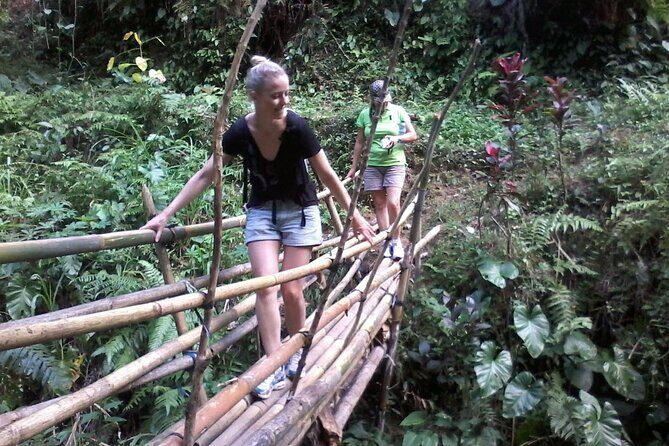
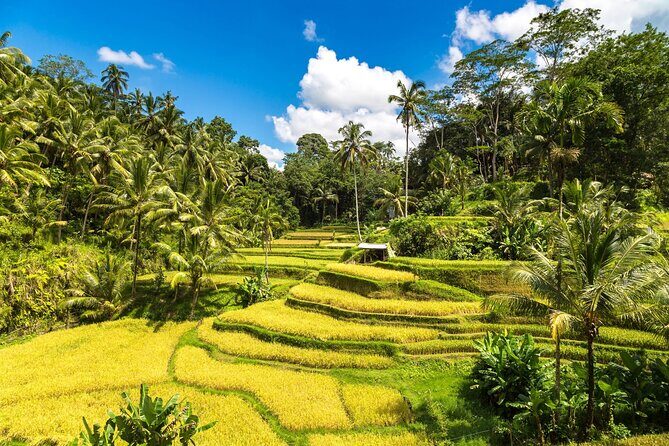
The heart of the experience is your move from the Ubud area into Keliki, where the tour blends jungle path walking with rice-field scenery. You’ll be outdoors the whole time, so the mood shifts as the surroundings change—forest first, then open rice country.
As you go, your guide helps you notice details instead of just enjoying views. You might pass cocoa and coffee plants, and you’ll also hear about other local crops and trees, like tamarind. The benefit of this is simple: when you know the name of what you’re seeing, the whole walk feels more connected to the place.
Then you reach the working rice area and the tour turns practical. You’ll see farmers working, and you’ll get insight into Balinese traditional irrigation. This is one of the tour’s best “aha” moments, because irrigation isn’t just a nice canal system—it’s a system that shapes planting, water timing, and how fields stay productive.
Also, there’s a temple element added through the guide’s route. That gives the walk a cultural anchor, so you’re not only surrounded by plants and water. You’re seeing how village life, farming, and spiritual space sit side by side in this landscape of everyday routines.
What makes the Keliki portion special
- You walk into a working area, not a show-only park
- The irrigation explanation gives context you won’t get from a photo alone
- Farmers are part of the scene, so it feels lived-in rather than staged
A realistic consideration
Because you’re walking and outdoors, you’ll want a moderate level of physical fitness. The route includes footpaths through jungle and fields, so if your legs tire quickly, you may find the pace a bit demanding. It’s still a half-day, but it’s not a slow stroller-style stroll.
The plants you’ll actually notice (and why naming them helps)
One of the tour’s nicest touches is how much time it spends on what grows around you. You’re not just told there are “nice plants.” You’re shown specific types your guide points out, including cocoa and coffee. The tour also mentions tamarind and other plants you may spot along the route.
Here’s why this part is more useful than it sounds. When you can name what you’re looking at, you start reading the place. You notice which trees sit near water, which plants thrive in shade versus open areas, and how the farming zone looks different from deeper jungle.
It’s a small skill you carry with you. Even after the tour ends, you’ll be better at spotting agricultural cues when you drive or walk around Ubud.
Rice farming in motion: watching farmers at work
The rice field segment isn’t only about viewing. It’s about observing human activity in an active agricultural setting. You may see Balinese farmers working, which shifts the feel from nature viewing into something more human and grounded.
That matters for value. If you’re paying for a guided experience, you want more than scenic repetition. Seeing daily work gives the walk a purpose. Your guide also connects the dots so you understand what irrigation does and why it’s central to rice cultivation.
This portion also tends to be the most calming. Once you’re in the rice area, your attention naturally slows. The pace of farm life is measured. It’s not silent—just not frantic.
The temple stop: adding meaning to the walk
A temple stop is included as part of how the guide brings you through the rice field area. The main advantage of a guided temple moment is that you’re not left guessing. You’re there with someone who helps you understand what you’re seeing and why it’s placed where it is.
Even if you’re not a deep religious-history person, this works because it’s practical and tied to the day. It’s also a good reset from the purely outdoor focus. You move from viewing plants and water to experiencing the spiritual and cultural layers that shape how communities live here.
Lunch or dinner included: what to do after you’re done walking
A major “yes” for this tour is that you eat with it. Your lunch or dinner is included, plus coffee/tea and mineral water. That turns the experience into a complete half-day plan instead of a part-time outing you have to stitch together with meal hunting.
One review described finishing with a delicious Indonesian meal served in an art-related setting connected to artists. Even if your exact serving spot varies by day, the takeaway stays the same: you’re not rushed out right after the walk. You get time to sit, recover a bit, and enjoy food after being on your feet.
Practical tip: since you’re provided water and drinks, you can keep your day lighter. Still, I recommend bringing a small personal snack if you’re the type who gets hungry fast. The tour includes a meal, but extra insurance is handy on humid days.
Pickup, meeting point, and small-group feel that actually matters
Pickup is offered, and the experience ends back where you started. The listed meeting point is Bintang Supermarket Ubud, on Jl. Raya Sanggingan No.45 in Sayan, Kecamatan Ubud, Kabupaten Gianyar, Bali.
Even with pickup, I like knowing the exact meeting point ahead of time. It reduces stress. If you arrive early, you can use the supermarket area as a clear reference point.
The group size is limited to a maximum of 10 people. That cap matters more than you’d think. In a small group, the guide can keep track of pace, make it easier to ask questions, and keep the walk from feeling like a conga line.
Getting ready: how to plan for heat, humidity, and walking time
This experience requires moderate physical fitness, so plan for a real walk. You’re not climbing mountains, but you are moving through jungle paths and rice-field areas.
What you should prepare for:
- Comfortable shoes with grip, since outdoor paths can be uneven
- Light layers you don’t mind getting warm
- A small towel or something to wipe sweat if you run hot
Also, remember it’s weather-dependent. The tour requires good weather. If rain hits, the experience can be rescheduled or refunded. I treat that as a normal part of Bali planning and build flexibility into my schedule.
Who should book this (and who might want a different option)
This tour is a strong match if you want:
- A private-guide style experience without the heavy tourist feel
- A half-day walking plan in the Ubud area that focuses on farming, irrigation, and village life
- A meal included so your day stays simple
It may not be the best fit if:
- You need an all-vehicle comfort experience with lots of air-conditioning. AC isn’t listed as included.
- You have mobility limits that make walking paths hard. Moderate fitness is required.
If you like learning by seeing—watching how people work and understanding why—this one tends to click fast.
Should you book Keliki Village Tour and Rice Field Walk? My call
I’d book it if you’re in Ubud and craving a more grounded Bali experience. For the $41 price, you get a guided half-day with a focus on rice fields, traditional irrigation, and a temple stop, plus lunch or dinner with coffee/tea and mineral water. That’s real value, especially compared to tours that charge extra for food and interpretation.
Skip it if you want a low-walking, indoors-heavy day, or if your schedule can’t handle a possible weather change. Also, be honest about fitness. The tour is outdoors and built around movement.
If your goal is to see Bali beyond the main drag—quiet paths, working fields, and a guide who helps you notice what’s actually around you—this is a smart, practical choice.
FAQ
How long is the Keliki Village Tour and Rice Field Walk?
It runs about 3 to 4 hours, depending on the day and the pace of the walk.
Is lunch or dinner included in the price?
Yes. Lunch or dinner is included, along with coffee/tea and mineral water.
Is pickup available, and where is the meeting point?
Pickup is offered. The meeting point listed is Bintang Supermarket Ubud, Jl. Raya Sanggingan No.45, Sayan, Kecamatan Ubud, Kabupaten Gianyar, Bali 80515. The tour ends back at the meeting point.
Do I need to buy an admission ticket?
The experience information shows admission ticket free for the main stop.
What physical fitness level is required?
You should have a moderate physical fitness level, since the activity involves walking on footpaths and through the natural areas.
What happens if weather is poor or I need to cancel?
The experience requires good weather. If it’s canceled due to poor weather, you’ll be offered a different date or a full refund. Cancellation is free up to 24 hours in advance for a full refund.
More Tours




More Tour Reviews


More Ubud Tours
Ubud Tours: how the alternatives stack up
 ★ 5.0
★ 5.0Ubud: Monkey Forest, Jungle Swing, Rice Terrace, and Water Temple
The lists this tour appears in