
3 Hours Wheel Throwing Basic Ceramic Class
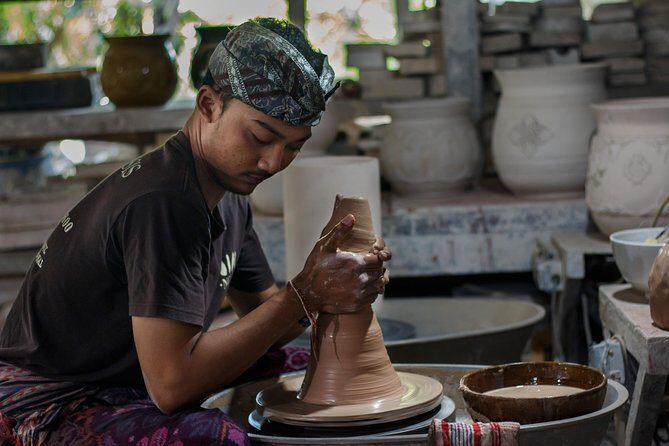
If you’re curious about clay craft, this class is a solid bet. You’ll work in a working ceramic factory in Ubud, learn wheel throwing with hand technique, and leave with up to three finished pieces to pick up later after glazing and firing. I like that you get hands-on time on the wheel, not just watching. I also like that you’re experimenting with a real clay batch (about 3 kg), so the session feels substantial. The main thing to consider: the time-consuming part—combustion and glaze—doesn’t happen the same day, and it takes about 1–4 weeks.
Plan for roughly a 3-hour workshop, with an apron and water handled for you. You’ll start with scaling and kneading, move through the basics of the wheel and balancing your hands, and then shape your own pieces. If you want the instant-gratification version of pottery, this might frustrate you a little—because you’ll be making the forms now, and firing later.
In This Review
- Key Things You’ll Like About This Wheel Throwing Class
- Where You’ll Go in Ubud (And What That Means for Your Experience)
- The Big Picture: What You Make (And What You Take Home)
- Step-By-Step: How the 3 Hours Typically Unfold
- 1) Scaling and kneading: your clay “warm up”
- 2) Wheel throwing basics: machine + your hands
- 3) From clay amount to up to three final pieces
- 4) Decoration options (if you want variety)
- The Part That Happens Later: Glaze and Combustion Timeline
- What’s Included (So You Don’t Waste Time Shopping)
- What’s Not Included (And Why It Matters)
- Group Size and the Feel of a Private Class
- Communication, Expectations, and How to Avoid Friction
- Who This Class Is Best For (And Who Might Want Something Else)
- Should You Book This Wheel Throwing Class in Ubud?
- FAQ
- How long is the wheel throwing class?
- Where does the class start in Ubud?
- Is this a private class or shared with other people?
- How much clay will I work with?
- How many pieces can I take home?
- Is glazing and firing included during the class?
- What is included in the price?
- What should I bring?
- Is transportation included?
- What if the weather is bad?
Key Things You’ll Like About This Wheel Throwing Class
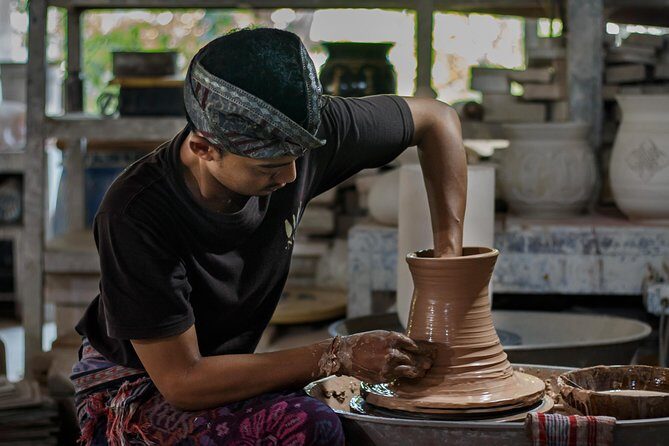
- Factory setting in Ubud: You learn in the same kind of space used for daily pottery work, with tools and machinery visible.
- Wheel throwing plus hand technique: You get both the machine method and the hand-balancing basics.
- About 3 kg of clay to work with: Enough material to actually experiment and improve during the session.
- Choose your best 3 pieces: You’ll pick the top creations to take home from class (the limit matters).
- Glaze and firing are handled for you later: You can request fully glazed and baked pieces, with timelines of 1–4 weeks.
Where You’ll Go in Ubud (And What That Means for Your Experience)
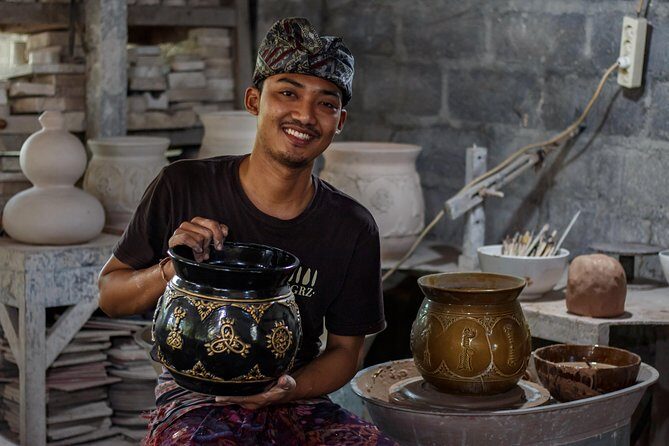
This class takes place in a ceramic workshop in Ubud, Indonesia. The meeting point is listed at Jl. Nakula No.511, Guwang, Kec. Sukawati, Kabupaten Gianyar, Bali 80582, Indonesia, and the activity ends back there.
Why this matters: factory-based classes usually feel more practical. You’re not just learning theory in a studio corner—you can see the tools, materials, and machinery used in day-to-day pottery business. That setup also makes the pace feel more “real world,” which is great if you want to leave knowing what pottery actually involves.
Also note: the class is described as requiring good weather. That doesn’t mean you’re expected to be outdoors the whole time, but it does mean you should plan for possible rescheduling if the day gets messy.
The Big Picture: What You Make (And What You Take Home)
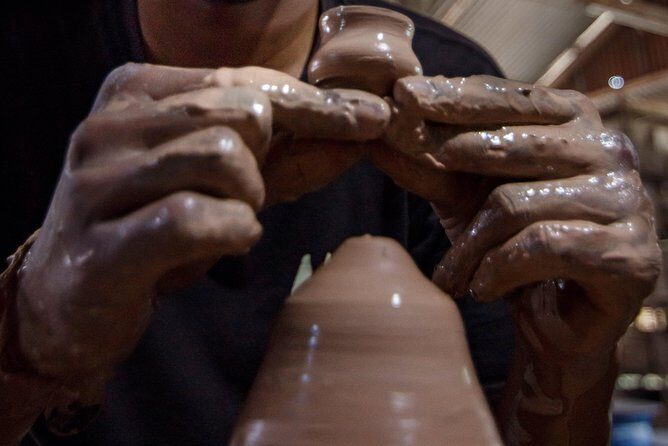
The core promise is simple. You’ll learn basic wheel throwing ceramic technique, using a wheel throwing machine with your hands to shape the clay into forms you choose. You begin with clay preparation—scaling and kneading—then move onto shaping on the wheel.
Here’s the key part for your expectations: you can experiment with the clay during the session and create multiple items, but you’re limited in what you can bring home. You’ll choose your best three creations to take away.
Then comes the pottery math every beginner should know: making the shape is only half the job. The other half is glaze and combustion (firing), which is described as taking 1 week up to 4 weeks. You can have the provider help with fully glazed and baked results, but the firing process itself is not included in the class time the day you attend.
Step-By-Step: How the 3 Hours Typically Unfold
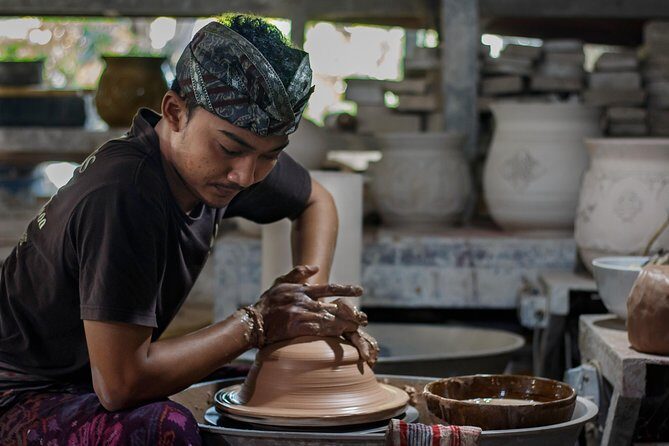
You’re looking at about 3 hours total. The class runs like a progression from clay prep to wheel technique to finishing choices—enough structure to keep you from feeling lost, even if you’ve never touched a pottery wheel before.
1) Scaling and kneading: your clay “warm up”
You’ll start with scaling and kneading the clay. This isn’t busywork; it sets up the wheel work. Proper kneading helps the clay feel consistent, which makes it less likely to collapse or wobble when you’re centering it on the wheel.
If you take nothing else from this step, take this: clay prep influences everything that comes after.
2) Wheel throwing basics: machine + your hands
Next, you’ll learn the basic wheel throwing process. That includes basic knowledge of the wheel machine and how to manage your hands for stable shaping. You’ll practice forming shapes you choose, using both the wheel machine and your hand technique to solid the clay and build the form.
This is where most beginners get surprised. Wheel throwing looks smooth in videos, but in real life, your grip, pressure, and timing all matter. Expect a learning curve—and expect the instructors to guide you so you can actually end up with usable pieces.
3) From clay amount to up to three final pieces
The class description mentions creating forms from about 2000 grams of clay, while the materials section says the clay is scaled into up to 3 kg during the session. Either way, the point is the same: you’ll work with a meaningful amount of clay, and you’ll build multiple attempts before selecting the best ones.
You’ll then pick your top three creations to take home from the workshop portion of the experience.
4) Decoration options (if you want variety)
You may have the chance to use coloring materials if you want to vary your art. The class doesn’t position this as an advanced painting workshop, but it does give you options beyond plain clay.
The Part That Happens Later: Glaze and Combustion Timeline
This class makes a clear separation between the “make it” part and the “fire it” part.
During your 3-hour session, you do not get the full finishing cycle. Combustion and glaze processing takes 1 week up to 4 weeks, and it’s described as something the team can help with for your final products. That means your pieces likely get fired and glazed after the class ends, rather than right in front of you.
The value here is practical. Firing is equipment-heavy and time-dependent, and it’s also the step that turns your shaped clay into durable ceramic. Having the provider handle it is what makes a beginner class actually produce something you can use later.
Just don’t plan this class like a day trip where you walk out with a fully finished mug. You’re walking out with shaped creations, and then you wait for the final ceramic transformation.
What’s Included (So You Don’t Waste Time Shopping)
Included in the price:
- All materials for the session, including clay (scaled for the workshop)
- Wheel throwing machine usage
- Coloring materials if you choose to use them for your art
- Bottled water
- Apron provided during the session
This is a good setup if you’re already busy in Bali. You don’t need to bring tools or worry about renting anything. The class also handles the clay quantity and preparation process, which is usually the most confusing part for first-timers.
Price-wise, $50 per person for a 3-hour hands-on workshop with machine time is fairly reasonable, especially in a factory context where you’re using proper equipment and materials. The bigger “cost” isn’t money—it’s waiting time for the firing and glaze to finish.
What’s Not Included (And Why It Matters)
Not included:
- Lunch and snacks
- Private transportation
- Combustion process for the final product
Why you should care:
- If you’re hungry, you’ll need to plan food around the 3-hour session. The class includes water, but not a meal.
- If you’re staying farther from the meeting point, you’ll likely need to arrange your own transport.
- The big one: the firing process is not included as part of the class time. You’re not buying a one-and-done finished ceramic day. You’re buying the shaping lesson and the chance for later glazing/firing.
The good news is that the provider notes they can help with glaze and baking for your creations. The write-up just makes it clear that the final firing isn’t happening during the session itself.
Group Size and the Feel of a Private Class
This is listed as a private tour/activity, meaning only your group participates. That usually makes a big difference in a hands-on activity.
In a private setting, you’re more likely to get coaching that fits your pace. With wheel throwing, timing and pressure matter, so having instructors focus on your group can save you from the “watch and wait” rhythm that happens in larger classes.
That said, private doesn’t automatically mean zero guidance. Expect that instructors will step in to help you get the best outcome possible, especially if your pieces need adjustment to make it through later firing.
Communication, Expectations, and How to Avoid Friction
One concern that can catch people off guard is communication. If you’re booking through a platform that doesn’t message directly with the workshop, you might have trouble getting fast answers if questions come up.
My advice: before the day, be ready to bring your confirmation details and be proactive if you need clarification. If you can, arrange a local helper or contact who can guide you to the property on arrival. Workshop locations can be specific, and one wrong turn in Bali can cost you more time than you expect.
Also manage expectations about “how much you do.” Wheel throwing often involves instructor help—especially for beginners—so you may feel like you’re learning, not fully doing every second by yourself. For most people, that’s a feature, not a bug. You’re paying to end up with pieces that work, not just to struggle for 3 hours.
Who This Class Is Best For (And Who Might Want Something Else)
This class is a great match if:
- You want a genuine, hands-on pottery skill, not a quick craft souvenir
- You like practical learning in a working facility
- You’re happy to wait 1–4 weeks for glaze and firing to finish
- You want up to three ceramic pieces you can choose as your best work
It’s less ideal if:
- You want to complete everything in the same day
- You don’t want to think about planning transport to a specific address
- You hate waiting, even when the result is better
If you’re traveling with a friend or partner, the private setup can make it feel like a mini workshop date. If you’re solo, it can still work well, but your pacing might depend on instructor support.
Should You Book This Wheel Throwing Class in Ubud?
Book it if you want the real skill basics: clay prep, centering and shaping on a wheel throwing machine, and the chance to produce up to three pieces worth keeping. The $50 price is a reasonable trade for a structured workshop in a working factory setting—especially if you don’t mind that glaze and firing happen later.
Skip it or look for a different option if you need the final ceramic finished during your visit. This class is about shaping now, and ceramic transformation later. If that timing fits your travel plan, you’ll feel good leaving with real progress instead of another tourist trinket.
FAQ
How long is the wheel throwing class?
The class is about 3 hours.
Where does the class start in Ubud?
The meeting point is listed at Jl. Nakula No.511, Guwang, Kec. Sukawati, Kabupaten Gianyar, Bali 80582, Indonesia.
Is this a private class or shared with other people?
It’s a private tour/activity, so only your group participates.
How much clay will I work with?
You’ll work with clay that is scaled for the class, with the materials described as up to 3 kg. The class also mentions working from around 2000 grams when creating your ceramic forms.
How many pieces can I take home?
You can bring home your creations with a limit of the best 3 pieces.
Is glazing and firing included during the class?
Glazing and combustion (firing) are not included as part of the class time, and processing takes 1 week up to 4 weeks.
What is included in the price?
Materials (including clay), wheel throwing machine usage, coloring materials if you want to vary your art, bottled water, and an apron.
What should I bring?
The class provides your apron and materials, so you mainly need yourself. If you have specific food needs, plan for lunch or snacks because they’re not included.
Is transportation included?
No, private transportation is not included.
What if the weather is bad?
The experience requires good weather. If it’s canceled due to poor weather, you’ll be offered a different date or a full refund.
More Workshops & Classes





More Tour Reviews






More Ubud Tours
Ubud Tours: how the alternatives stack up


 ★ 5.0
★ 5.0Ubud: Monkey Forest, Jungle Swing, Rice Terrace, and Water Temple





The lists this tour appears in