4×4 Volcano Explorer Private Tour
Frozen lava and serious care.
What makes this 4×4 Volcano Explorer interesting is the focus on getting you to the key sights around Kintamani and Mount Batur with a purpose-built vehicle, even when the weather is rude. I especially like the weather-ready 4×4 setup and the way the guides explain what you’re seeing at each stop, like Mr Sadi and Mr Agus at Mount Batur, with Mr Santi handling hotel pickup. One thing to keep in mind: views can change with cloud cover, so distant sights like Rinjani are only mentioned as clearly visible on non-cloudy days.
If you want big volcano scenery without the hassle of a long, public-group scramble, this private format fits well. You’re paying about $25.17 per person, and you still get private transportation, bottled volcanic spring water, and even a small gift (designer sunglasses). The trade-off is simple: this is a short outing (about 2 to 5 hours), so you’ll want to show up ready for a focused ride and a few key photo moments, not a slow wander.
In This Review
- Quick highlights to know before you go
- Why this Kintamani 4×4 feels different from a basic tour ride
- The vehicle and safety details you should care about
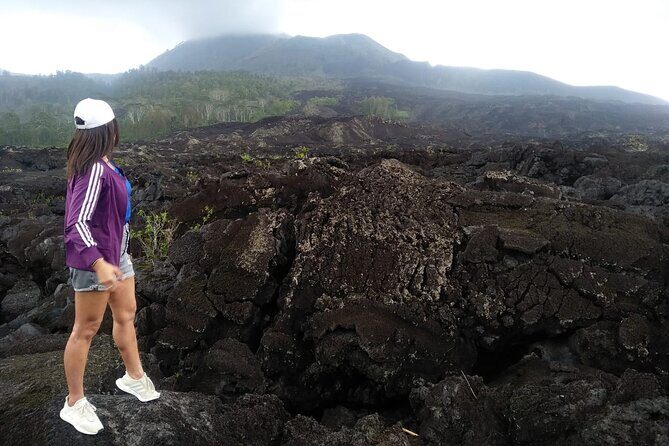
- Stop 1 in Kintamani: frozen black lava, a lava air-pocket cave, and 360° views
- Caldera Point gets you the big geography
- The bats approach is different here
- The Mount Batur leg: frozen lava, black sands, and the volcano in sight
- Rinjani depends on clouds
- Kintamani bats on a cliff: close-up flying, not cave-dwelling
- What’s included (and what to plan for lunch-wise)
- Price and value: what $25.17 gets you in real-world terms
- Who this private volcano tour suits best
- Booking and timing tips that actually help
- Should you book the 4×4 Volcano Explorer from Ubud?
- FAQ
- How long is the 4×4 Volcano Explorer tour?
- Do you pick up from Ubud hotels?
- Is this a private tour?
- What’s included in the price?
- Is lunch included?
- Are entrance fees included?
- Will the tour run in rain?
- What’s the cancellation policy?
Quick highlights to know before you go
- Custom 4×4 built for Kintamani weather: purpose-built vehicle and weather protection so you can go rain or shine.
- Australian-level safety details on board: small fire extinguishers in the seating area, grip tape on steps, and a medical kit.
- 360° frozen lava viewing from Kintamani: black lava fields and a cave formed by a lava air pocket.
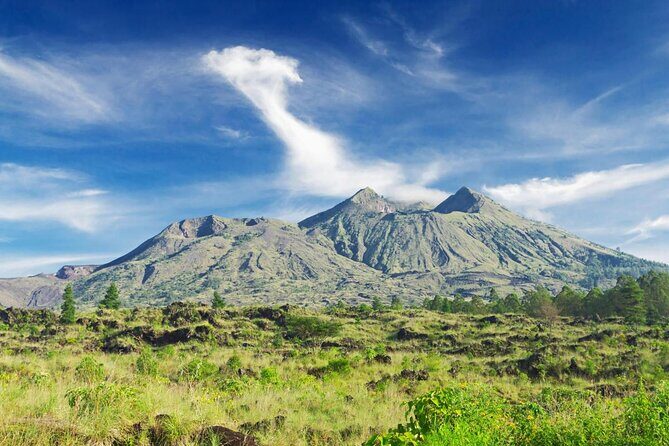
- Caldera Point that pulls multiple islands into one view: on a clear day you can see places like Mount Agung, Lake Batur, and even Lombok (Rinjani in the distance).
- Bats that don’t live in a cave: you can watch them flying around, and later see them close-up from a cliff.
- Private, only-your-group experience: pickup offered, mobile ticket, and group discounts if you’re traveling in a bigger set.
Why this Kintamani 4×4 feels different from a basic tour ride
Kintamani and Mount Batur aren’t the kind of places where you want to worry about whether your vehicle is up to the terrain or whether the day will get shut down. This tour leans hard into the idea that the ride itself matters. The vehicle is described as custom built for tours in Kintamani, and that tells you they’re aiming for comfort and traction on rough ground, not a generic “we’ll figure it out” approach.
I also like the way the experience is framed as educational. The guides aren’t just chauffeurs. The setup is designed around specific points of interest: black frozen lava fields, black sands, a lava air-pocket cave, panoramic caldera viewpoints, and bats. When your route is built around real stops (and not just driving past them), you get a better sense of the volcano’s shape and history—at least the parts you can actually see up close.
The other practical win is the private format. Even though the experience is not described as huge or multi-day, it’s only your group. That’s a big deal when the day’s timing matters (sun direction, clouds moving in, and the bats’ active flight patterns).
The vehicle and safety details you should care about
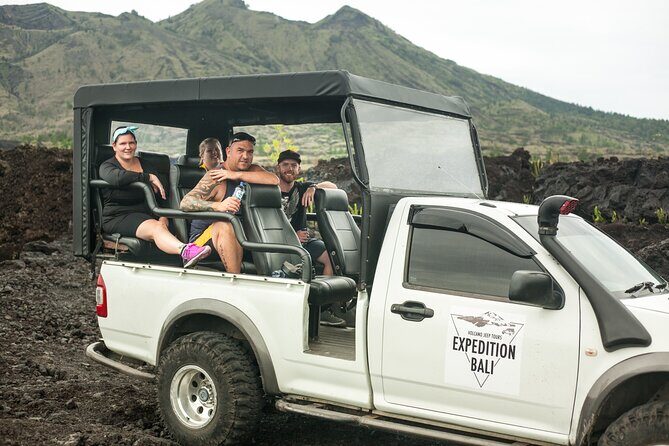
A lot of volcano tours sell excitement. This one spends real effort on safety tech and maintenance details. They point out small fire extinguishers placed inside the seating area, grip tape on the steps, a medical kit onboard, and vehicle servicing at about half the recommended intervals. There’s also a stated leadership background: the CEO is described as an ex Safety Manager for an Australian mining company.
If you’re traveling with kids, older relatives, or anyone who gets nervous on uneven roads, these details matter. You don’t need a dramatic speech to feel reassured. You want the mundane stuff handled: secure footing, basic emergency supplies, and a vehicle that’s maintained often enough to handle the route.
And there’s the weather angle. The tour is designed for Kintamani conditions “no matter what the weather,” with weather protection so the group and crew stay safe. They also mention guaranteed departures rain or shine. That doesn’t mean visibility is guaranteed (clouds happen), but it does suggest you’re less likely to get a surprise cancellation the moment the sky looks moody.
Stop 1 in Kintamani: frozen black lava, a lava air-pocket cave, and 360° views
This is where the day starts to look and feel like a volcano documentary, just with a seat belt. The Kintamani portion is set around the black frozen lava fields of Mount Batur, reached by 4×4 with unobstructed 360° views and a private guide.
You’ll see several distinct features rather than one big overlook. There’s a cave formed by a lava air pocket, which is a cool visual reminder that lava isn’t only about solid rock—it can also trap air pockets as it moves and cools. You’ll also visit lava fields from different eruptions across centuries. That variety is the whole point: you’re not looking at one single layer of time.
The Back Sands area is another named stop. If you’ve seen volcano photos online, you’ve probably noticed how different the ground can look: rock, sand, black tones, pale tones. This tour is clearly aiming to show those shifts, not just one texture.
Caldera Point gets you the big geography
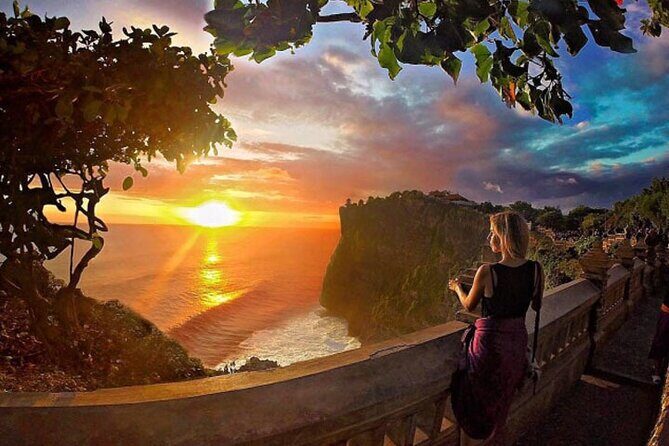
Time permitting, you may head to Caldera Point for wide-ranging views. The viewpoint is described as showing Mount Batur, Mount Abang, Mount Agung, Lake Batur, and the Indian Ocean—all from one perspective. On a clear day, Mount Rinjani on neighboring Lombok can also be visible, which is a major reason people chase a good weather window.
This is also where the tour becomes more than just a scenic drive. When you can see multiple volcanoes and the lake in the same sweep, the caldera stops feeling like a vague concept. You start to understand how the valley structure frames the volcano activity and why the region’s viewpoints are so dramatic.
The bats approach is different here
At this stage, the tour mentions bats connected to Kintamani, with a key detail: these bats don’t live in a cave like you might expect. You can see them flying around, which means you’re not stuck peering into darkness. The day’s tempo likely matters here—you’ll want to stay alert and follow your guide’s timing, since bat activity can shift with light and weather.
The Mount Batur leg: frozen lava, black sands, and the volcano in sight
The Mount Batur portion is built around staying visually connected to the volcano. The description emphasizes that the volcano is in sight the whole time as you cross frozen black lava. That matters because it changes how you experience the terrain. Instead of a viewpoint-and-drive loop, you’re watching the volcano dominate the scene while you move across it.
From there, you go through the black sands area. Black sands are one of those details that look unreal in photos, so seeing them in person is usually the moment when people stop and stare. You’ll also cross back toward Caldera Point again for the wide view, including Mount Batur, Mount Abang, Mount Agung, Lake Batur, the Indian Ocean, and across toward Lombok.
Rinjani depends on clouds
One practical consideration: Mount Rinjani is only noted as visible on a non-cloudy day. That’s your biggest “don’t get your hopes stuck on one outcome” warning. The good news is that even on less-than-perfect days, you still get the core experience: lava terrain, caldera viewpoints, and bats later in the route.
Kintamani bats on a cliff: close-up flying, not cave-dwelling
This is the part that most people remember after the car leaves them behind. After Caldera Point, the route takes you to Kintamani bats on a cliff.
Here’s the specific detail that makes it different from the usual bat-in-a-cave story: these bats don’t hide in a cave, even though caves are close by. The result is better viewing, with the ability to see the bats close up. The tour describes them as literally millions of them, and that kind of scale can feel surreal once you’re watching them move as a living cloud.
If you’re the type who likes wildlife without turning it into a circus, you’ll probably appreciate the focus: you’re not told to chase a show. You go to a vantage, you observe, you follow timing, and you let it happen.
What’s included (and what to plan for lunch-wise)
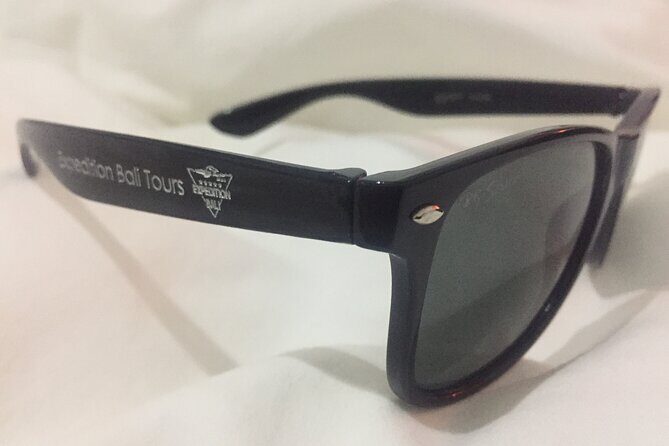
Included in the tour price is bottled water described as pure volcanic spring water, all fees and taxes, and private transportation. There’s also a unique gift: EBT designer sunglasses. It’s a small touch, but it signals they’re thinking about comfort and practical “thank you” extras, not just ticket sales.
Admission is also handled in the route itself. One part notes admission ticket free, and the other notes admission ticket included. So you’re not constantly reaching into your wallet at different stops.
Lunch is the one area where you need to decide in advance. A Desa Oculus Lunch & Swim Package can be purchased separately for 400,000 IDR per person. If you like the idea of a longer break and possibly a swim option, it can be a nice add-on. If you’re okay with snacking and moving on, you can keep it simple and skip it.
Price and value: what $25.17 gets you in real-world terms
At $25.17 per person, this tour lands in the “good value” zone for what it combines: private 4×4 transportation, a guide, multiple named stops, and a bat experience that’s specifically framed as close-up viewing.
But value in Bali isn’t just about the sticker price. It’s about whether the time feels used well. Here, the itinerary is built around distinct visuals: lava fields, a lava air-pocket cave, black sands, Caldera Point geometry, and bats on a cliff. That separation is what makes the short duration feel worth it.
The other value factor is the safety and maintenance story. You may not notice a grip-tape step in your photos, but you feel it when you’re stepping off the vehicle. And those onboard supplies aren’t just marketing fluff; they’re the kind of details that can turn a tense moment into a manageable one.
Finally, if you’re traveling with a group, the tour notes group discounts. That’s not always offered on private tours, so it’s worth asking when you book.
Who this private volcano tour suits best
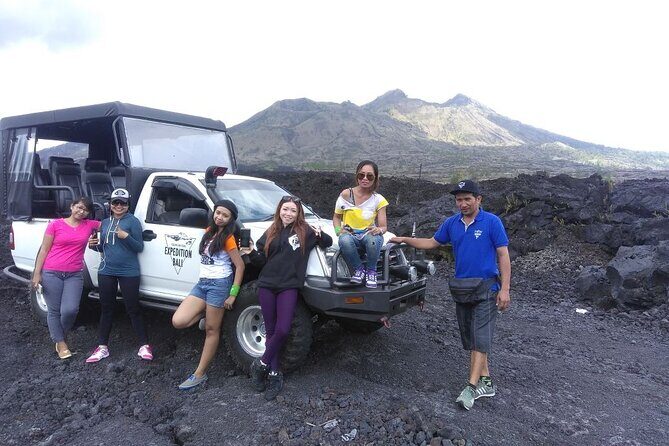
This one fits best if you want a volcano day with structure, not randomness. You’ll like it if you enjoy:
- Short, focused trips rather than all-day marathons
- Big views from named viewpoints like Caldera Point
- Clear guide explanations of what you’re seeing on the ground
It also works well for families, because the emphasis on safety and weather-ready vehicle design is part of the pitch. The tour notes that most travelers can participate, and service animals are allowed.
Where it may not fit as well is if you want total flexibility to wander on your own or spend hours hiking. This is a ride-and-stop experience. You’ll get variety, but it won’t turn into a free-form nature expedition.
Booking and timing tips that actually help
The tour runs with morning and afternoon options daily. Your best “photos and viewpoints” plan depends on the lighting and cloud movement that day. If you care most about distant views like Rinjani, you should treat the weather forecast and cloud timing as part of your strategy, since visibility is explicitly tied to non-cloudy conditions.
It’s also helpful to think about your personal comfort with driving. A 4×4 across lava terrain and black sands is more active than a smooth city transfer. If you’re prone to motion sickness, bring what helps you (and sit where you feel best).
Lastly, the experience is noted as booked on average 60 days in advance. That doesn’t mean you must book two months out, but it does suggest this route is popular. If you have tight dates in Ubud, earlier booking usually reduces stress.
Should you book the 4×4 Volcano Explorer from Ubud?
I’d book it if you want a volcano day that’s built around real stops, smart viewing (including bats), and a vehicle and safety approach that takes the terrain seriously. The private format is a big plus, and the combination of frozen lava, black sands, and cliff bats is hard to replicate in a simpler half-day plan.
I would pause before booking only if you’re very sensitive to cloud-dependent views. The tour can go rain or shine, but seeing distant peaks like Rinjani depends on non-cloudy conditions. If you’re okay trading perfect distance shots for strong core experiences, you’ll likely be happy.
FAQ
How long is the 4×4 Volcano Explorer tour?
The duration is listed as about 2 to 5 hours, depending on timing and how the day works out.
Do you pick up from Ubud hotels?
Pickup is offered.
Is this a private tour?
Yes. It’s a private tour/activity, and only your group participates.
What’s included in the price?
Included are private transportation, bottled water (pure volcanic spring water), all fees and taxes, and a unique gift: EBT designer sunglasses.
Is lunch included?
A Desa Oculus Lunch & Swim Package is not included. It can be purchased separately for 400,000 IDR per person.
Are entrance fees included?
One part of the route lists admission ticket free, and the other part lists admission ticket included.
Will the tour run in rain?
Departures are described as guaranteed rain or shine, with weather protection designed for safety.
What’s the cancellation policy?
Free cancellation is available. You can cancel up to 24 hours in advance for a full refund.
If you want, tell me your travel month and whether you care most about bats or the far-distance views, and I’ll suggest which departure (morning vs afternoon) is the better fit based on that.