
Authentic Balinese Cooking Class in Ubud
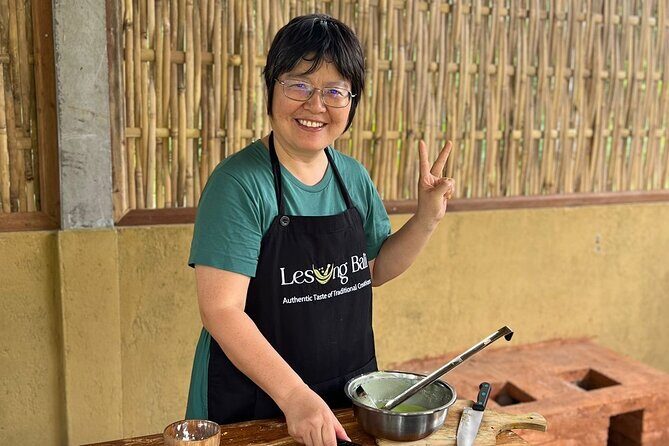
Cooking in Bali is more than food. It’s a window into daily life. This Ubud class is built around the whole chain, from spice shopping and farm harvest to hands-on cooking techniques like pounding with a lesung (mortar and pestle) and cooking with banana leaves.
I especially like two things about it: the small group size (max 15) that keeps the class practical, and the way it mixes cooking with real culture stops, including a traditional home visit and, for morning departures, a market run. One possible drawback: it’s a 5-hour outing that moves through multiple spots, so if you hate car time or want a super relaxed schedule, plan your day around it.
In This Review
- Key Takeaways Before You Go
- Balinese Cooking in Ubud: What the Countryside Setting Really Adds
- Pickup, Timing, and Small-Group Size That Keeps You Hands-On
- Morning Class Market Tour: The Spice Shopping Part You’ll Actually Remember
- A Local Balinese Home Visit: Layout, Life, and Ceremonies
- The Farm Harvest: Where Ingredients Become Part of the Lesson
- Learning the Balinese Way: Lesung, Spice Pastes, and Banana Leaves
- Menu Choice: Vegetarian or Regular, Chosen During the Class
- Lunch and Drinks: A Real Meal, Not a Side Note
- Price and Value: Is $49 Worth It in Real Life?
- The Most Praised Parts: The People Factor (Chef and Driver)
- Should You Book This Balinese Cooking Class in Ubud?
- FAQ
- FAQ
- How long is the Balinese cooking class in Ubud?
- Is pickup and drop-off included?
- What’s the price per person?
- Is the class small group size limited?
- What’s included in the experience?
- Is there a market visit?
- Can I choose a vegetarian menu?
- Where does the cooking take place?
- What if the weather is bad?
- Can I cancel for a full refund?
Key Takeaways Before You Go
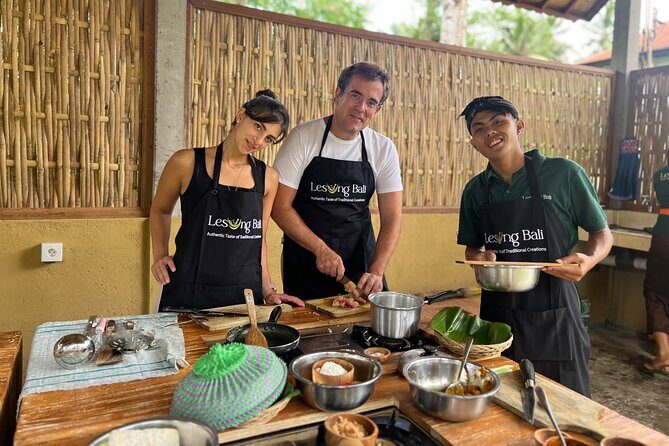
- Small-group class (max 15) means you’ll actually cook, not just watch
- Market stop for morning departures lets you shop spices locally
- Farm harvest first so the ingredients feel connected to the lesson
- Hands-on Balinese techniques like chopping and pounding in a lesung
- Vegetarian and regular menu choices available during the class
- Recipe PDF included so you can recreate the dishes later
Balinese Cooking in Ubud: What the Countryside Setting Really Adds
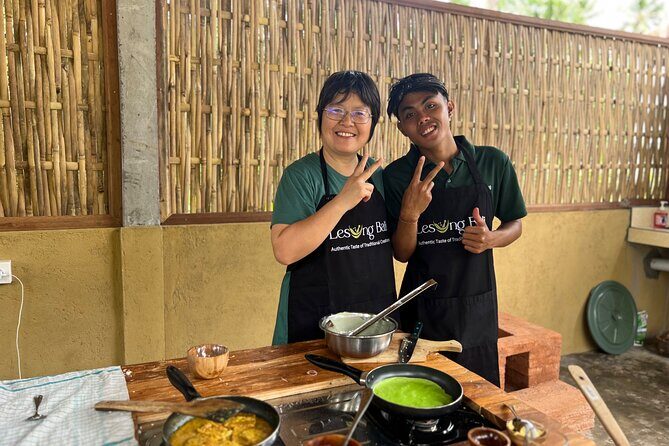
This class is based on the west side of Ubud, in a greener, more countryside-feeling area than you might expect if you only know central Ubud. That matters, because it changes the tone of the day. You’re not just walking from one restaurant to another. You’re seeing the ingredients and routines that make Balinese cooking so spice-forward and ingredient-driven.
Expect the day to feel simple and earthy: leafy greenery, farm energy, and people doing tasks you can recognize—like gathering herbs and preparing spice pastes. You’ll also be working outdoors at points, so think practical clothes that can handle kitchen mess and a bit of humidity.
Pickup, Timing, and Small-Group Size That Keeps You Hands-On
The experience includes 2-way transfers from your Ubud-area address by air-conditioned vehicle. That sounds basic, but it’s a big deal in Bali where the distance between spots can add up quickly. If you’re staying in or near Ubud, you can spend your brainpower on learning instead of navigating traffic.
You also get a class format that keeps things personal. With a maximum of 15 travelers, you’re more likely to get close attention when you’re chopping, pounding, and assembling dishes. In a bigger group, cooking classes can turn into a group performance where a few people do the work. Here, the structure supports participation.
Another small but useful perk: you can choose among departure times, so you can fit it into your day. If you want the most energy and variety, booking the morning class is the smarter move.
Morning Class Market Tour: The Spice Shopping Part You’ll Actually Remember
If you book the morning departure, you’ll start with a traditional market visit. This is where the class earns its cultural value, not just its food value. Markets in Bali aren’t only for tourists—they’re for daily buying, and that makes everything feel more grounded.
You’ll buy spices from local stalls during this stop. Even if you’ve cooked before, there’s something different about seeing (and choosing) the ingredients where locals actually source them. You also get a feel for what spices are common in the style of food you’ll cook later.
Practical tip: if you’re camera-happy, you’ll want to come ready. Market areas are active and full of colors, but you’ll also be moving with the group, so keep your phone secure and easy to access.
A Local Balinese Home Visit: Layout, Life, and Ceremonies
Next comes a visit to a local house where you can learn about Balinese culture, lifestyle, and how homes are placed. This stop adds context that most cooking classes skip. Food in Bali isn’t separated from daily routines, beliefs, and family life. You’ll get a clearer sense of that by seeing how a typical home works and how people understand their space.
One detail that can make this stop especially memorable is that you might encounter a family celebration or ceremonial moment happening on the day of your visit. For example, you could be near a ceremony such as a one-month birthday observance following the Balinese calendar. You won’t be doing anything formal unless the family invites it—but you’ll likely see the emotion and meaning that surround everyday life.
If you’re curious about culture beyond photos, this home stop is a strong reason to choose this class over a pure cooking workshop.
The Farm Harvest: Where Ingredients Become Part of the Lesson

Then you head to the farm, where the class really starts. The flow is straightforward:
1) You decide your menu choice
2) You explore the farm
3) You harvest spices that will be used during your cooking session
4) You cook with those ingredients, guided by a Balinese chef
That sequence matters. Harvesting doesn’t just create better photos. It helps you connect flavors to sources. When you later grind or chop what you picked, you’ll understand what you’re doing in a more concrete way.
The farm setting also helps pace the class. You’re not rushing from market to stove. You’re spending time looking at plants and ingredients, which makes the cooking instructions easier to follow and more memorable.
Learning the Balinese Way: Lesung, Spice Pastes, and Banana Leaves
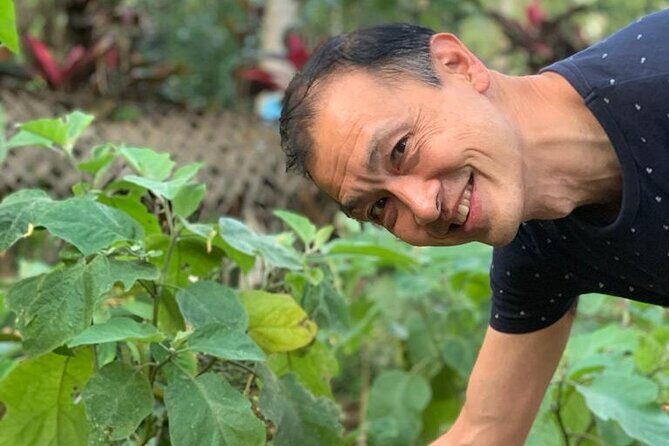
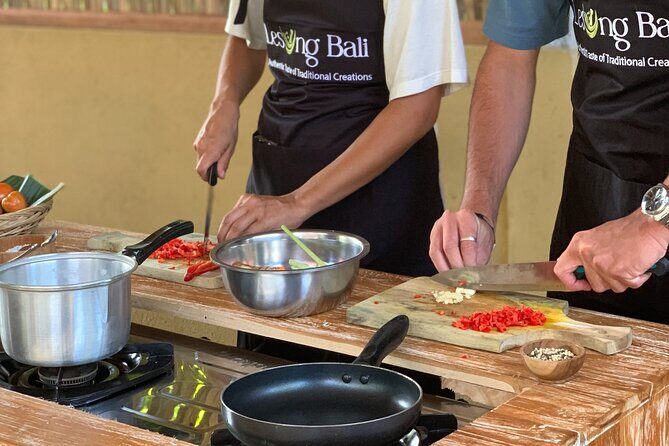
This is a technique-focused cooking class, and it shows in the steps you’ll practice. You can expect to learn chopping and pounding spices in the Balinese style using a lesung (mortar and pestle). That’s not just a gimmick. Pounding changes texture, and texture affects flavor. You’ll likely understand why Balinese spice pastes taste the way they do once you’ve made them yourself.
You’ll also be taught how to cook using a clear, ingredient-driven approach. The chef explains what ingredients you’ll use and what else you need to cook based on the menu option you choose. This is important if you’re worried you’ll get lost in cooking steps during the session.
One more ingredient detail to look for: Balinese cooking often includes using banana leaves for food preparation. Even if you’ve cooked with other leaf wraps before, banana leaves bring a distinct aroma and approach. It’s the kind of detail that becomes a real souvenir because you can recreate it later.
Menu Choice: Vegetarian or Regular, Chosen During the Class
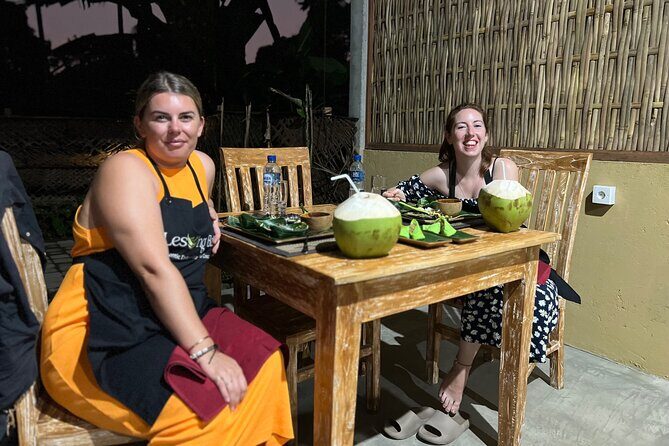
I like that you have options here. The class offers a variety of menus, including vegetarian and regular choices. You choose during the class, which helps you match your preferences on the spot—especially if you’re unsure what ingredients you want to work with.
For vegetarians, this kind of structure is helpful because it’s not just a bland alternative. The class format is designed to guide you through specific dishes, with the same “learn the technique” mindset.
If you have strict dietary needs beyond vegetarian (like avoiding eggs or dairy), the provided info doesn’t spell out specifics. So you’ll want to clarify that directly with the operator when booking.
Lunch and Drinks: A Real Meal, Not a Side Note
Lunch is included, along with bottled water, plus coffee and/or tea. That matters for a 5-hour format. You don’t want to be hungry while learning grinding, chopping, and cooking steps. The meal also acts like a payoff moment. You eat what you made (or what’s closely tied to your menu choice), so you can immediately connect taste to technique.
Also, you get the practical equipment basics: cooking utensils and an apron are included. That’s one less thing you need to bring, and it helps you stay focused on cooking instead of hunting for supplies.
Price and Value: Is $49 Worth It in Real Life?
At $49 per person, this class can feel like a bargain, mainly because it stacks multiple experiences into one block of time: market spice shopping (morning), a home visit, and a farm-based cooking lesson—with lunch and drinks included.
A lot of cooking classes charge extra for the “experience” parts, like market tours or ingredient sourcing. Here, the structure is built around those elements without turning them into a separate paid day.
You should also consider what’s excluded. If you’re coming from outside the Ubud area, there are extra car fees for places like Sanur, Kuta/Seminyak/Canggu, Nusa Dua/Jimbaran, and Uluwatu. If you’re staying deep outside Ubud, the final price may rise once you add transport. But if you’re already in Ubud, the included pickup and drop-off makes the $49 feel much more complete.
One more value point: the recipe is provided as a PDF, which makes the class stick after you get home.
The Most Praised Parts: The People Factor (Chef and Driver)
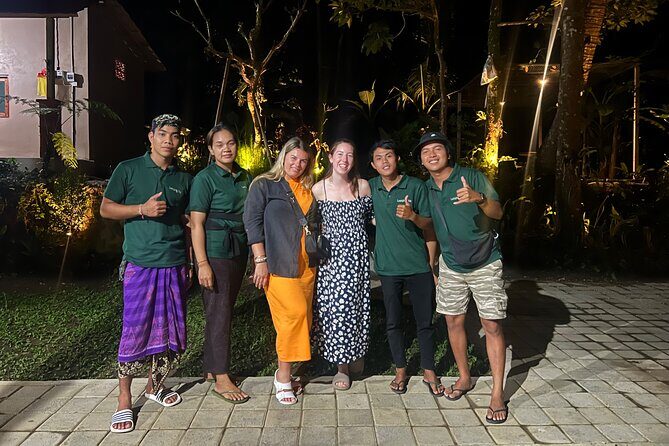
In classes like this, the food matters—but the experience often hinges on the people guiding you. You may meet an instructor like Putri, and a driver like Ron, who are highlighted as standouts by past participants. Even if you don’t get those exact names, the key thing is the kind of support you’re likely to receive: friendly guidance, culture explanations, and help when questions pop up.
I’d strongly recommend using this as a conversation moment. Ask about spice uses, cooking habits, and what locals do differently at home. When the guide is fluent in the story behind the food, your meal stops being just delicious and turns into something you understand.
Should You Book This Balinese Cooking Class in Ubud?
If you want a cooking class that feels like a genuine slice of Balinese life—market, home, and farm included—this is a great choice. I’d book it if you:
- like learning by doing, not just watching from the sidelines
- want vegetarian-friendly options
- enjoy spice culture and practical food technique (especially lesung-style grinding)
- want a souvenir you can actually recreate later, via the recipe PDF
You might skip it if your schedule is too tight for a full 5 hours, or if you prefer a simple restaurant meal over a multi-stop learning day. But for most people staying in Ubud, the combination of small-group cooking + local culture stops + lunch included is exactly the kind of travel value that makes a “tour” feel like a memory.
FAQ
FAQ
How long is the Balinese cooking class in Ubud?
It’s about 5 hours.
Is pickup and drop-off included?
Yes. Pickup and drop-off are included for the Ubud area.
What’s the price per person?
The price is $49.00 per person.
Is the class small group size limited?
Yes. The maximum group size is 15 travelers.
What’s included in the experience?
Included: pickup and drop-off (Ubud area), lunch, bottled water, coffee and/or tea, air-conditioned vehicle, recipe (PDF), cooking utensil, and an apron.
Is there a market visit?
Yes, but it’s for the morning class only. You visit a traditional market and can buy spices there.
Can I choose a vegetarian menu?
Yes. There are vegetarian and regular menu options, and you can choose the menu during the class.
Where does the cooking take place?
The class is located on the west side of Ubud, in a countryside-style area.
What if the weather is bad?
The experience requires good weather. If it’s canceled due to poor weather, you’ll be offered a different date or a full refund.
Can I cancel for a full refund?
Yes. Free cancellation is available up to 24 hours in advance for a full refund. If you cancel less than 24 hours before the start time, the amount paid is not refunded.
More Tour Reviews





More Balinese Cooking Classes


More Ubud Tours
Ubud Tours: how the alternatives stack up


 ★ 5.0
★ 5.0Ubud: Monkey Forest, Jungle Swing, Rice Terrace, and Water Temple



The lists this tour appears in