
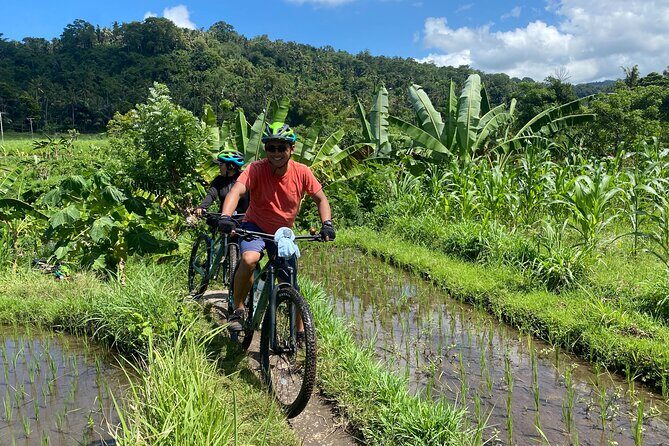
Bali Bike Tour Ubud Area
Two wheels make Ubud feel quieter. This Ubud-area Bali Bike Tour trades main roads for north-side backroads, led by an official English/Danish guide with a safety vehicle following. I love the mostly-downhill pace that keeps things relaxed, and I love the family stops that show real daily life, not just photo stops.
If you have never ridden a mountain bike, the early pedaling and turns can feel a bit active even though the route is designed for most fitness levels. Also, plan around weather since the tour needs good conditions, and rain can change the timing.
In This Review
- Key Highlights You’ll Care About
- The Ubud Countryside Shift: Why This Feels More Like Real Bali
- Timing and Pickup: Making Sense of the 8:30 am Day
- Petang Stop: A Scenic Drive-In That Sets the Mood
- Ubud by Mountain Bike: Rice Fields, Lanes, and a Family Compound Visit
- Bongkasa Village Finish: Lunch in a Family Setting
- Guide-Led Culture Stops: The Names That Keep Showing Up
- Safety and Support: What the Following Car Really Does
- What to Wear and Expect on a Mostly-Downhill Route
- Price and Value: Is $67.28 Worth It?
- Who This Tour Suits Best
- Should You Book This Bali Bike Tour in the Ubud Area?
- FAQ
- What time does the tour start?
- How long is the Bali Bike Tour in the Ubud area?
- Is pickup included?
- Do I get a bike and safety equipment?
- Is lunch included?
- What languages does the guide speak?
- Is this a private tour?
- What happens if weather is bad?
Key Highlights You’ll Care About
- Mostly downhill riding that still feels like you’re earning the views
- Family-compound and offering moments that explain daily Balinese life
- English or Danish guide support with stories delivered right where you are
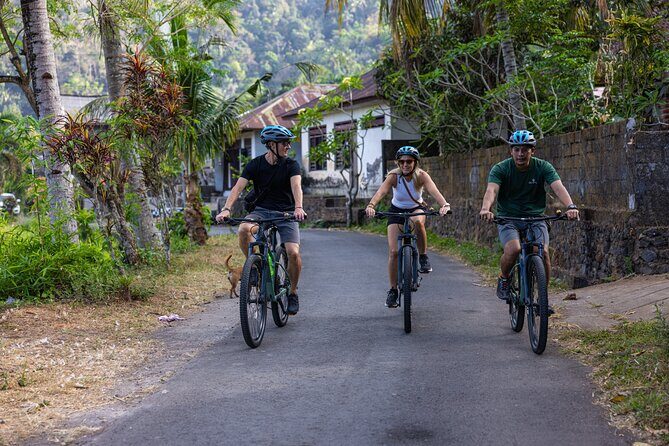
- Helmet, safety gear, and a following safety car for peace of mind
- Balinese lunch included after you finish in Bongkasa
- 8:30 am start with pickup so the day starts early and moves smoothly
The Ubud Countryside Shift: Why This Feels More Like Real Bali
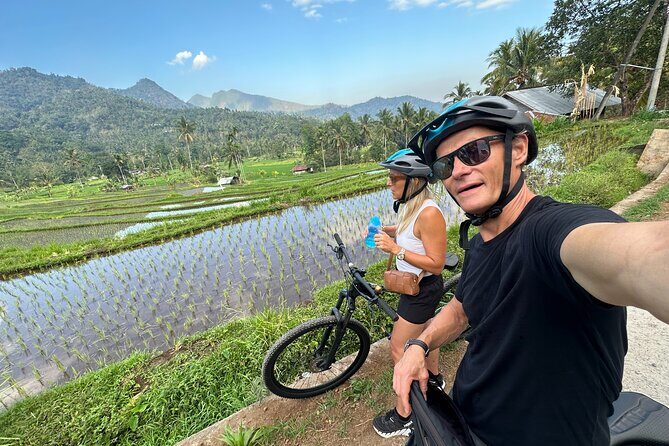
Ubud can be busy fast. This tour takes you away from the usual routes and onto quiet countryside roads north of town, where rice fields and temple areas show up as part of everyday life. You’re not just passing through. You’re riding through it.
What I like most is the balance: you still get that sense of a full day out (bike, villages, lunch), but the format is built to be comfortable for a wide range of people. The ride is mostly downhill, and the route is designed for connection rather than suffering. That matters because on Bali bike days, it’s easy to end up doing a workout that still feels like a bus ride with handlebars.
And the guide makes a difference. In the feedback I saw, guides like Kumbara and Yande Widianthara are praised for explaining what you’re seeing as you pass it, including how rice and plants relate to day-to-day routines. Another guide, Rias, gets mentioned for creating safety and joy for families with kids.
Timing and Pickup: Making Sense of the 8:30 am Day
The tour runs about 6 hours total and starts at 8:30 am. That early start is practical in Ubud. It gives you a head start on traffic and heat, and it usually means the rice fields and roads feel calm rather than crowded.
Pickup is offered, and you’ll travel by air-conditioned vehicle to the start area. That’s not just comfort. It’s also time-saving. You get to spend your energy on the biking part, not on logistics before you even start.
The day flows in three main chunks:
- a scenic drive-in to the first area,
- a longer bike stretch from Ubud through rural roads,
- then a final ride into Bongkasa and lunch.
Petang Stop: A Scenic Drive-In That Sets the Mood
Your morning begins with a drive to the starting point around Petang. This is a short stop, but it’s helpful because it eases you into the day. Instead of jumping straight onto the bike, you get a look at mountains and rice fields as you’re moving into the countryside zone.
This matters more than it sounds. On a bike day, your brain switches from city mode to riding mode. A calm start helps you feel stable from the first minutes. It also helps you notice things—terraces, waterways, and the way locals use small lanes—before you’re actually pedaling them.
Admission at this stop is free, so there’s no awkward moment of figuring out extra payments. You simply roll into the ride.
Ubud by Mountain Bike: Rice Fields, Lanes, and a Family Compound Visit
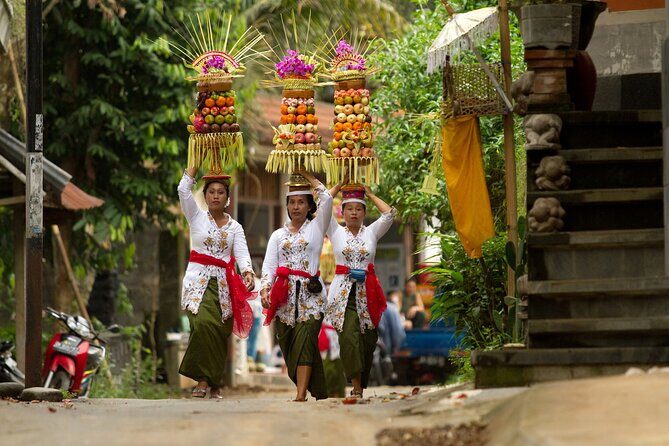
This is the heart of the tour: about 3 hours of biking, focused on rural charm. You’ll ride a quality mountain bike with a helmet and safety gear, and you’ll follow winding lanes through rice fields and village areas.
Expect a mix of:
- slower stretches where you can take in views and listen,
- tighter segments where the road demands attention,
- and a route that stays mostly downhill to keep the energy manageable.
One of the best parts is the family visit in the Ubud area. The tour includes a stop at a family compound to see daily routines. In the feedback I read, this kind of stop often includes learning about Balinese offerings—not as a lecture, but as something you can understand because you’re watching it happen. You might also notice how homes connect to worship spaces and daily schedules.
The practical upside: the guide can explain rituals and daily life while you’re physically close to the context. That’s when it stops being trivia and starts making sense.
A small caution: this is a bike tour, not a leisurely stroll. You’ll want to feel comfortable controlling a bike, especially for turns and changes in road texture. The route is designed to be doable, but you still need basic bike confidence.
Bongkasa Village Finish: Lunch in a Family Setting
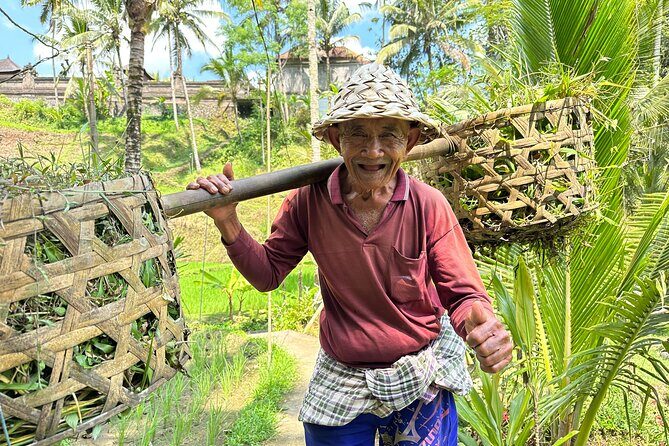
After the main ride, cycling ends in Bongkasa. This part is shorter—about 45 minutes total for the stop segment—so it feels like a landing after the longer biking.
Then comes lunch. The tour includes authentic Balinese food, served in a family house/cozy setting tied to the village experience. The point here isn’t fancy presentation. It’s real food after real movement—rice-field day energy.
Two useful things to know:
- Lunch and drinking water are included, so you’re not juggling snacks mid-ride.
- Eating at the end of the cycling portion helps you feel the day finish properly, instead of eating while still feeling stressed about whether you’re late.
If you’re traveling with kids, this is often the moment that makes parents relax. In one family example, children ages 4–8 were comfortable during the day, and the guide’s role in keeping things calm seems to be a big reason why.
Guide-Led Culture Stops: The Names That Keep Showing Up
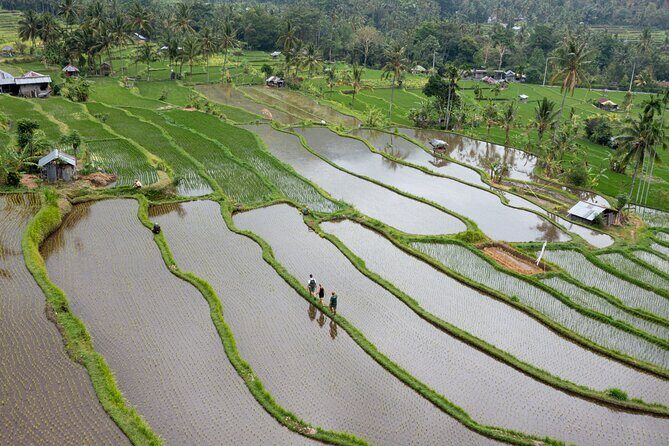
A bike tour can either be a route with stops, or it can be a story you ride through. This one leans story-forward. The guide is official and supports English and Danish, which is great if you want someone to translate not just words, but meaning.
From the feedback, I noticed a pattern: guides are praised for giving explanations right where you are, especially around rice and plants, and for connecting what you’re seeing to daily routines and rituals.
Specific names that popped up:
- Kumbara, mentioned as a standout guide who provides lots of local history and context on the go.
- Made Kumbara, praised for making the trip unforgettable, including moments that felt special for families and children.
- Yande Widianthara, noted for knowing Bali culture and sharing it in a way that makes the ride click for everyone.
- Rias, praised for safety-minded guidance and for keeping kids engaged while still maintaining order.
If you care about learning without sitting in a classroom, this kind of guided storytelling is the best payoff.
Safety and Support: What the Following Car Really Does
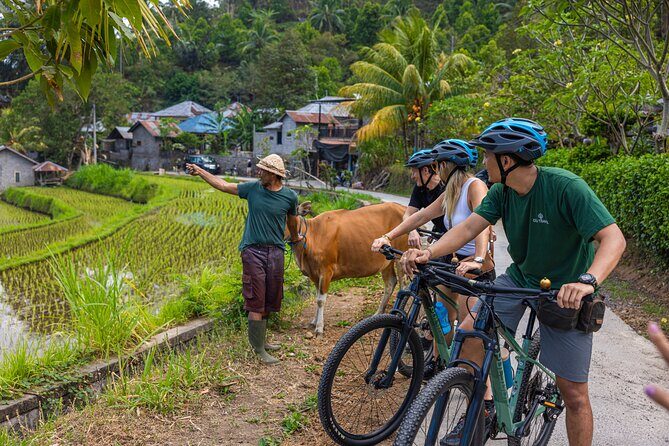
Bike tours can feel risky even when they’re not. This one helps manage that with a safety car following you. That means if someone needs help, the support system is already in place rather than being an afterthought.
You also ride in a small group format, which matters because it makes it easier for the guide to manage pace, spacing, and road decisions. Large groups force guides into traffic-mode. Small groups keep things calmer.
And yes, you’ll have gear: helmet and safety gear are included. That’s basic, but it’s also part of why you can focus on the ride instead of worrying whether you packed the right stuff.
What to Wear and Expect on a Mostly-Downhill Route
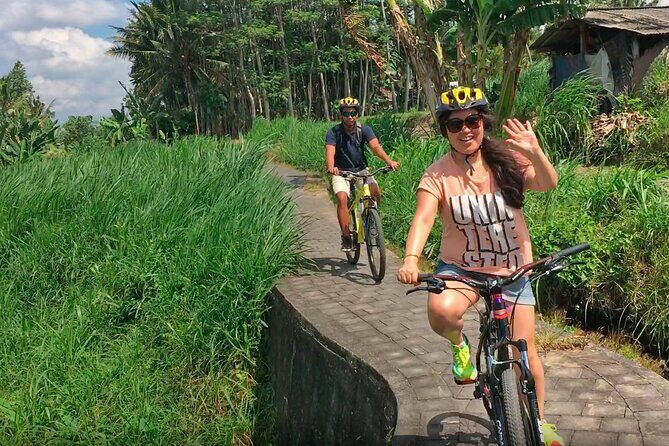
This tour is designed to be comfortable, but downhill doesn’t mean effortless. You’ll still pedal some parts, and you’ll still need to handle a mountain bike on real roads.
Here’s how I’d prep based on what the tour is set up for:
- Wear closed-toe shoes with grip. Wet rice-field areas can mean slick patches.
- Bring a light layer for the morning, since start time is early.
- Use a small day bag for water and essentials. Water is included, but you’ll want space for your phone, sunscreen, and maybe a light rain cover.
If you’re nervous about bikes, don’t pretend you’re fine. The route is mostly downhill and suitable for most fitness levels, but one review highlighted that being familiar with a mountain bike helps. If you’ve never ridden one, it’s worth arriving with a relaxed, careful mindset.
Price and Value: Is $67.28 Worth It?
At $67.28 per person, this isn’t a “cheap bike rental” deal. It’s closer to paying for a guided half-day countryside experience with real extras built in.
Your money covers:
- a quality mountain bike plus helmet and safety gear
- air-conditioned vehicle transport as part of the day
- an official guide (English and Danish)
- a safety car following for extra reassurance
- lunch and drinking water
You also get a flexible structure: you can have the tour as a private group (only your group participates). That can make the price feel more fair because you’re not sharing your guide with strangers if you want your own group dynamic.
If you only paid for bike rental, you’d still need transport, guide help, and a plan for lunch. Here, the day is packaged so you can show up and ride.
Who This Tour Suits Best
This Bali Bike Tour in the Ubud area is a strong fit if you want:
- a countryside day that feels quieter than town,
- a guided look at daily life through a family compound visit,
- an easier-feeling ride thanks to the mostly downhill design,
- and a built-in payoff at the end with Balinese lunch.
It also seems to work well for groups that include children, as long as they’re comfortable with the basic riding day and the family context. One family described bringing kids aged 4–8, and they felt there was room for everyone.
Who might think twice:
- If you dislike riding bikes on real roads at all, this could feel like work.
- If you’re coming in during a period of frequent rain, you might want to treat weather as a serious factor since the tour depends on good conditions.
Should You Book This Bali Bike Tour in the Ubud Area?
I’d book it if your ideal Bali day sounds like this: quiet roads, rice fields, a guide who explains what you’re seeing, and a real lunch afterward without turning the day into a logistics puzzle.
It’s especially worth it when you want more than just sightseeing. The family compound part and the chance to understand offerings and daily routines tend to be the emotional payoff, and the safety setup plus helmets help keep the ride comfortable.
If you want a pure workout, you may feel like this is too easy. But if you want a friendly, scenic ride with culture that makes sense in real time, this is a very solid pick.
FAQ
What time does the tour start?
The tour starts at 8:30 am.
How long is the Bali Bike Tour in the Ubud area?
The duration is about 6 hours.
Is pickup included?
Pickup is offered.
Do I get a bike and safety equipment?
Yes. You’ll have a quality mountain bike, a helmet, and safety gear.
Is lunch included?
Yes. Lunch is included, along with drinking water.
What languages does the guide speak?
The official guide provides support in English and Danish.
Is this a private tour?
Yes. It’s listed as private, and only your group participates.
What happens if weather is bad?
The tour requires good weather. If it’s canceled due to poor weather, you’ll be offered a different date or a full refund.
More Tours



More Tour Reviews


More Ubud Tours
Ubud Tours: how the alternatives stack up
 ★ 5.0
★ 5.0Ubud: Monkey Forest, Jungle Swing, Rice Terrace, and Water Temple
The lists this tour appears in