Bali Culture And Spring Temple Private Guided Tour
This Bali day tour runs like a best-of. You’ll get door-to-door pickup plus a private guide who keeps the day moving from show to sacred sites to waterfall views, with lots of photo-friendly stops. It’s a smart way to cover big-name Ubud-area experiences without juggling rides or losing time between locations.
I love how the route packs in both culture and scenery: Balinese mythology in a live dance performance, then hands-on craft at Celuk, then temples where the rituals actually matter. I also like that the pacing stays manageable, with about an hour at each highlight. One thing to watch: ticket coverage can be a little confusing, so you’ll want to confirm what’s included for each entrance before you go.
In This Review
- Key points to know before you plan
- Why this route feels efficient (and still not rushed)
- Batubulan’s Barong and Kris dance: more than a show
- A practical note
- Celuk Village silver craftsmanship: watch the work, not just the souvenirs
- What to expect
- Bali traditional life at Gung Aji: understanding the compound layout
- Tiny tip
- Tegalalang rice terrace and your lunch break with views
- Lunch reality check
- Tirta Empul: holy water blessings with a guide who explains the meaning
- Behavior tip
- Tampaksiring tea time: the short reset you’ll appreciate
- Best use of the hour
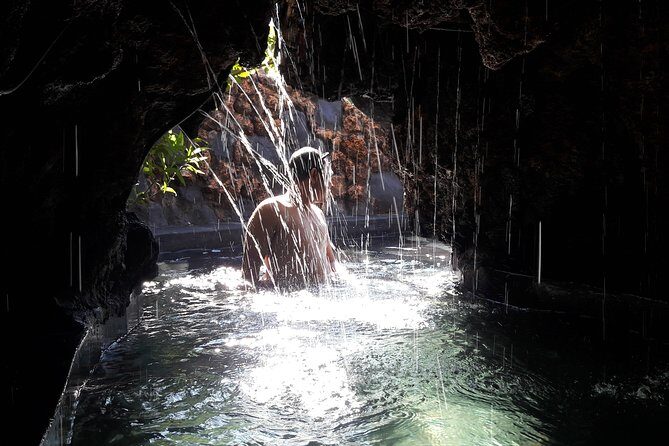
- Tegenungan Waterfall: good light, less crowd pressure, bring swimwear
- A realistic expectation
- Price and tickets: the part you should confirm before you book
- Guides and on-the-ground flexibility
- What to wear, bring, and do so the day runs smoothly
- Who this Bali Culture And Spring Temple tour is best for
- Should you book it?
- FAQ
- How long is the Bali Culture And Spring Temple Private Guided Tour?
- What areas in Bali include pickup and drop-off?
- Is this tour private or shared?
- Are entrance tickets included?
- Is lunch included, and how much does it cost?
- What should I wear or bring?
- Is there free cancellation?
Key points to know before you plan
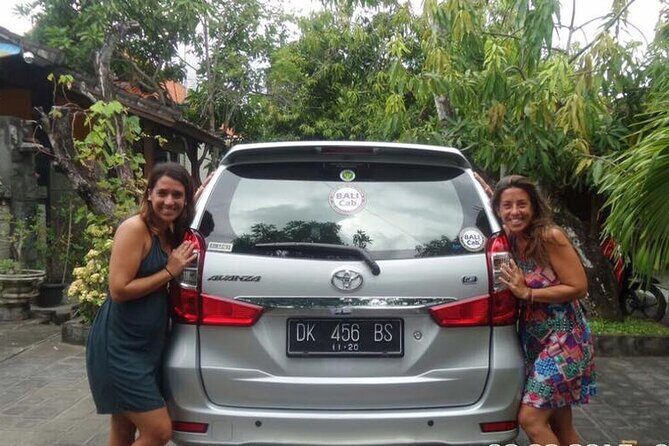
- Private door-to-door transport from Seminyak, Ubud, Kuta, Nusa Dua, Legian, Canggu, Gianyar, Jimbaran, and Kerobokan
- One guide for your group, with English support and flexible stop timing when you’re on-site
- Barong and Kris dance in Batubulan Village, a clear introduction to Balinese good-vs-evil storytelling
- Celuk Village silver-making: see the process step by step in the craft hub
- Tirta Empul blessing ritual at the holy spring temple, guided so you understand what you’re seeing
- Tegenungan Waterfall timed for lighter crowds in the afternoon, plus a place to plan your swim-ready moments
Why this route feels efficient (and still not rushed)
This is the kind of Bali itinerary that works when you want maximum payoff from a single day. The day starts with pickup around southern, central, and eastern Bali, then moves you into the Ubud-area sites that are famous for a reason. With a private AC car, you’re not fighting traffic in a hop-on hop-off scramble. You’re also not stuck waiting for other groups to get through a ticket line.
The tour is designed around three “modes” in one day:
- Performance and meaning (Barong and Kris)
- Craft and daily life (silver work plus a traditional compound)
- Sacred rituals and natural viewpoints (Tirta Empul, rice terraces, and Tegenungan)
That mix matters. Many one-day tours in Bali can turn into a photo checklist. Here, you spend time where the stories and traditions explain why the place looks the way it does. Your guide’s English support is a big part of making that worthwhile, especially at temples.
Also, it helps that the day is built for photo opportunities without demanding a full workout. Each stop is about an hour, and you’re not asked to speed-run everything. You get enough time to step back, ask questions, and still end the day before you’re exhausted.
Batubulan’s Barong and Kris dance: more than a show
Your first major cultural hit is the Barong and Kris Dance in Batubulan Village. This is where Balinese mythology shows up as performance—good versus evil—expressed through movement, costume, and the drama of the story. The experience is also tied to Balinese beliefs around karma, which gives the dance context beyond entertainment.
I like this as a starting point because it sets the tone for the rest of the day. Once you understand the basic themes—spiritual balance, consequences, and the idea that actions matter—then the temple stops later feel less random. You’re not just looking at buildings. You’re seeing a system of meaning.
Logistics are simple here: the stop is about an hour, and the admission ticket is listed as free. That means you can focus on the performance rather than worrying about hidden ticket costs at the start.
A practical note
If you’re sensitive to loud music or fast-paced performances, tell your guide right away. Your guide can often help you position yourself for comfort and good sightlines, especially if you arrive with a bit of breathing room.
Celuk Village silver craftsmanship: watch the work, not just the souvenirs
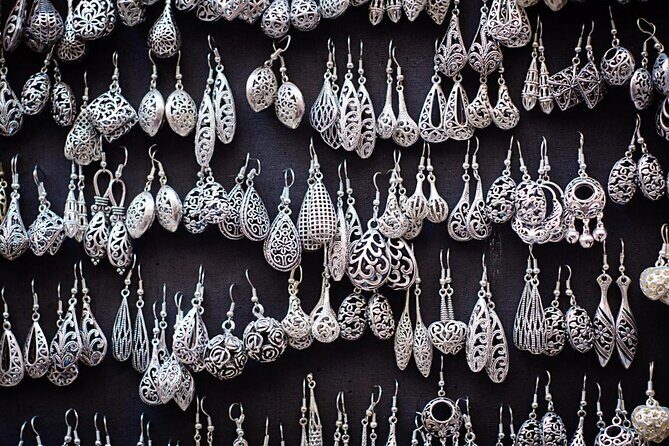
After the dance, you shift from myth to materials at Celuk Village, the well-known silverworking area. This stop is built around watching the process step by step—how artisans create and design Balinese silver products.
Why I like this: you don’t get stuck in a shop where everything feels identical and overpriced. Instead, you see how the work happens, which makes it easier to understand quality and craftsmanship. If you’re the type who hates “hard sell” shopping, this stop is a helpful middle ground: it’s still related to buying, but the value is in seeing the craft itself.
The stop lasts about an hour, and entrance is listed as free. That makes it one of the better “value-per-minute” stops in the day. You can ask questions, observe tools and techniques, and decide whether you want to buy anything based on what you actually learned.
What to expect
Silver-making demonstrations can be visually busy. Give yourself time to slow down and watch the steps, especially if you’re trying to spot differences in designs or finishes.
Bali traditional life at Gung Aji: understanding the compound layout
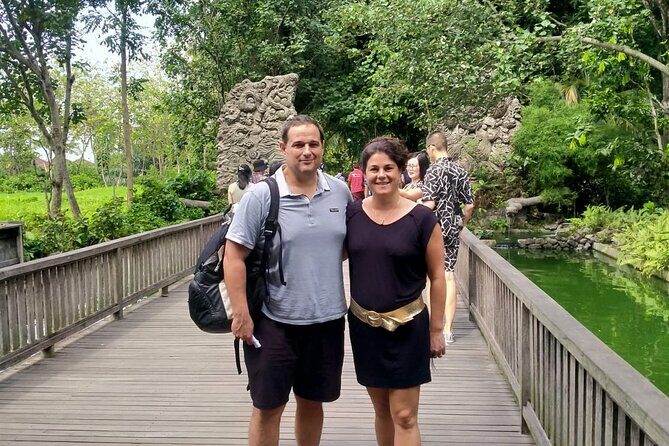
Next up is a visit to a Balinese traditional house compound at Bali Traditional House Gung Aji. This is where you see the structure of Balinese buildings and learn the function of each area, explained through the concept of daily life in Bali.
This stop works best when you treat it like “architecture with answers.” You’re not just looking at a pretty compound. You’re trying to understand why the spaces exist and how they relate to how Balinese families live.
It’s about an hour, with admission listed as free. That time usually feels just right for a basic guided explanation without dragging on. If you’re curious about the cultural logic behind design choices, this stop delivers.
Tiny tip
If you’re taking photos, ask your guide where it’s okay to stand. You’ll get better angles when you know what visitors are allowed to photograph in each area.
Tegalalang rice terrace and your lunch break with views
Then comes Tegalalang Rice Terrace, one of Bali’s most photographed areas. This stop is built around the view, plus a lunch option at a local restaurant on fresh cooked food. Lunch isn’t included in the tour price, but the listing estimates it around $4 per person.
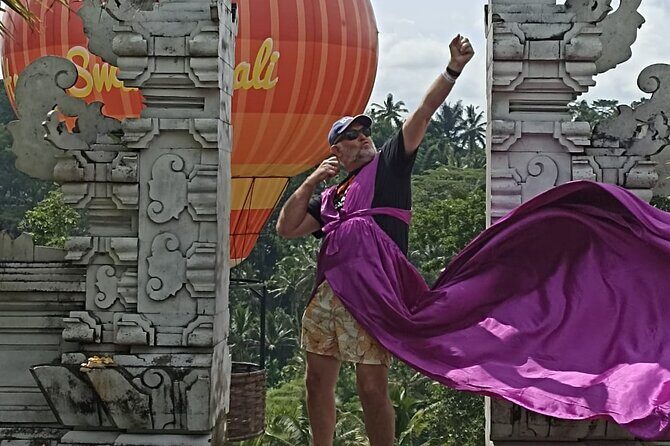
You’ll also see an optional traditional swing attraction depending on what’s available during your visit. If you want the swing photos, bring the right attitude: it’s fun, but it can add time. Since the stop is about an hour, decide early how much of that hour you want to spend on photos versus actually enjoying lunch and the terrace scenery.
I like that this stop is timed for an hour block. It helps you avoid the common problem where a terrace visit turns into a long wait in a crowded viewpoint. You’ll still likely see plenty of visitors, but you get time to find your own angles and let the scene sink in.
Lunch reality check
Because lunch is extra, you’ll want to budget a little. The upside is you can choose something that fits your taste rather than being locked into one set menu.
Tirta Empul: holy water blessings with a guide who explains the meaning
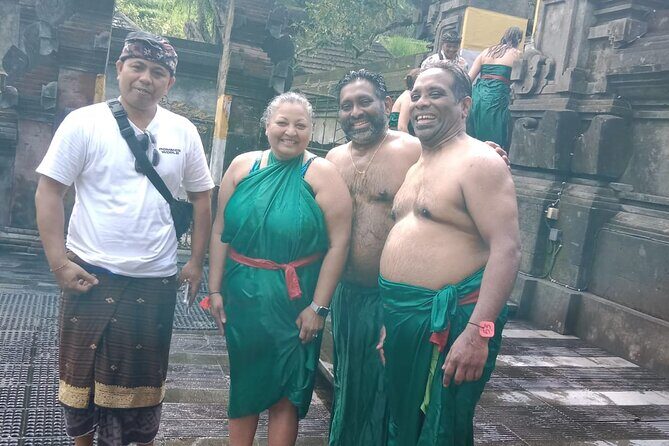
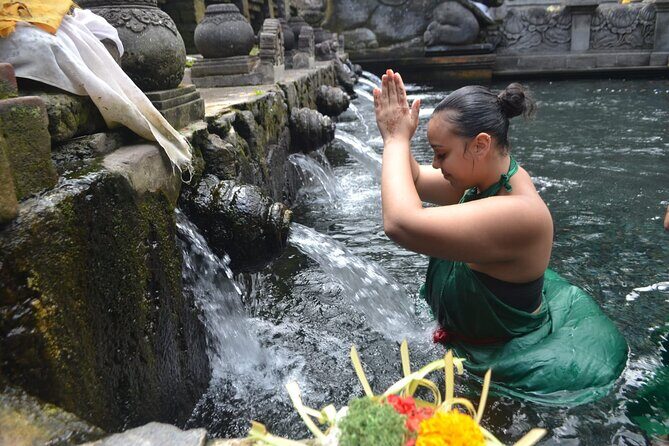
Next is Tirta Empul, a sacred holy water temple at Tampaksiring. This is one of the most meaningful stops on the day. You’ll join a blessing ritual at the temple, and your guide explains the function of each holy spring.
I think Tirta Empul is where this tour becomes more than sightseeing. A guided explanation changes everything. The holy water isn’t just a “cool photo moment.” It’s part of a ritual structure, and understanding that makes you more respectful—and less confused.
This stop lasts about an hour, with admission listed as free. As with other temple-related experiences, dress code matters here. The tour calls for smart casual, and you should also be ready with swimwear in case your day includes water moments later.
Behavior tip
If you’re unsure what to do during the ritual, watch first. Follow your guide’s instructions. It’s better to look calm and respectful than to guess and get in the way.
Tampaksiring tea time: the short reset you’ll appreciate
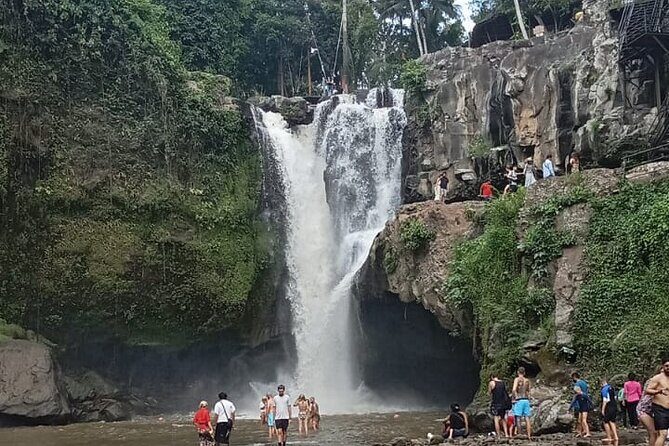
After Tirta Empul, you’ll get a quieter break at Tampaksiring, where you enjoy complimentary tea time in the village area and get a chance for photos in a garden setting. It’s a simple stop, but it does a lot for the day’s energy.
This “reset” matters because the day includes both intense sensory moments (dance) and sacred spaces (temple). Tea time gives you a moment to slow down, hydrate, and avoid the end-of-day blur where you barely remember what you saw.
This stop is about an hour and includes tea time.
Best use of the hour
Use it to ask questions. After Tirta Empul, you’ll often have more curiosity about what you just learned. A calm tea break is the perfect moment for that.
Tegenungan Waterfall: good light, less crowd pressure, bring swimwear
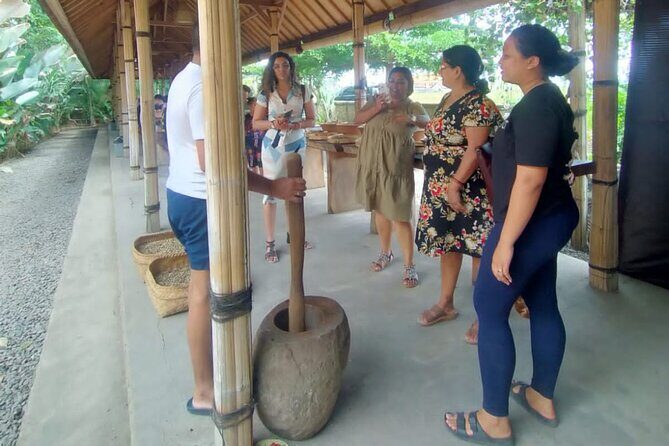
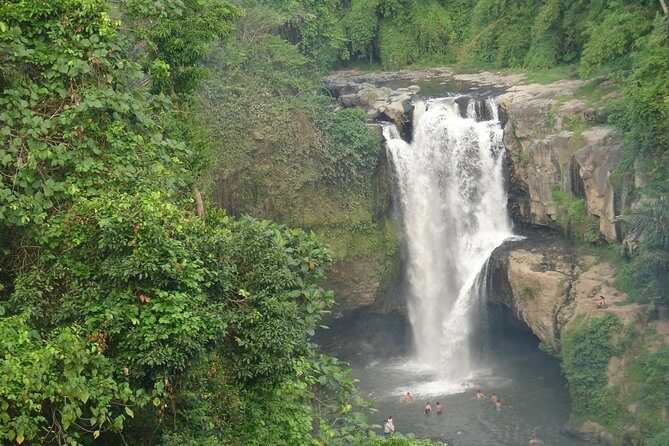
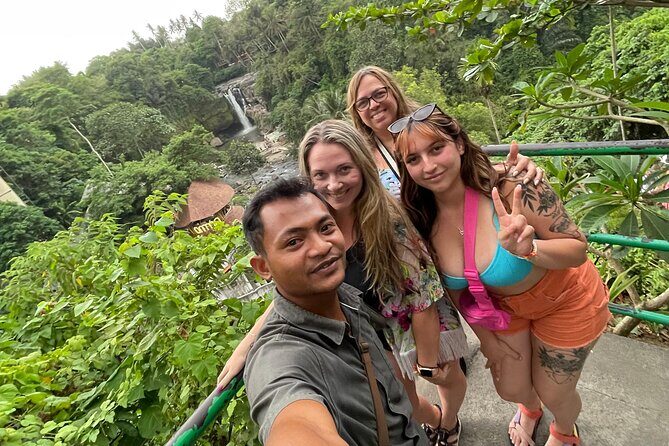
Finally, you’ll reach Tegenungan Waterfall. The listing emphasizes the stunning view and the idea of arriving at a time when it’s not too crowded—especially in the afternoon—so you can take photos with better light and enjoy the green surroundings.
This is the stop where your swimwear becomes useful. The tour instructions ask you to bring a swimming cloth, which makes sense if you want to get close to the water for photos or a quick dip. You’ll want to be practical here: expect slippery surfaces and wet areas.
The stop is about an hour. That’s enough time to:
- find a good viewpoint for photos
- move around for angles
- decide whether you want water time without rushing
A realistic expectation
Waterfalls look different once you’re there. The mist, sound, and closeness make the scene feel bigger than photos. If you’re expecting a postcard view from one exact spot, give yourself freedom to explore a few positions first.
Price and tickets: the part you should confirm before you book
At $20 per person, this tour is priced very low for a private 10-hour day that includes pickup, an AC car, an English-speaking guide, water, tea time, insurance, and multiple included stops. That value is real only if you also confirm entrance ticket coverage.
Here’s what the information suggests:
- The tour lists entrance tickets as included on a Premium All Inclusive option.
- It also notes that if you’re on a private guided-only structure, you may need to pay entrance tickets for the attractions, roughly around $18 per person.
Those two statements can both be true if there are different package levels. So before you pay, confirm what you’re actually getting: which stops are covered by entrance tickets in your selected option, and whether any upgrade is needed for tickets.
If you nail that, the day becomes a strong deal: you’re paying for transportation, a guide who can explain what you’re seeing, and guided access to major Ubud-region highlights.
Guides and on-the-ground flexibility
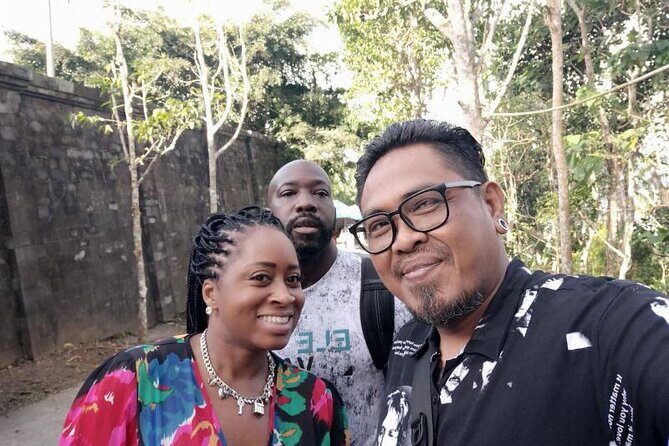
This operator is associated with friendly English-speaking guides, and the name list from recent bookings includes people like Komang Adi, Bagus Putrawan, Eka, and Kadek Dwi. The common thread is communication and patience.
One helpful detail from the experiences shared: guides have been flexible when a small detour mattered to a guest, and there’s also mention of extra photo support for at least one group. You shouldn’t assume those extras every time, but it’s a good sign that the guide role here can go beyond reading off a script.
Your private format also helps. If you want to spend a few extra minutes at a viewpoint or ask more questions at a temple, you’re not fighting the pace of a large bus.
What to wear, bring, and do so the day runs smoothly
A few practical items make this tour much easier:
- Dress smart casual as requested.
- Bring swimwear (you’ll thank yourself at the waterfall stage).
- Bring a lightweight layer for temple areas that can feel cooler or shaded.
Also, bring a simple mindset: Bali site days can be warm, bright, and a little dusty between stops. Wear shoes that handle uneven ground—especially around temples and waterfall areas.
And keep your camera habits simple. Shoot a few “anchor” photos early at each stop, then focus on enjoying the explanations your guide gives. If you do both, you’ll leave with good images and real context.
Who this Bali Culture And Spring Temple tour is best for
This is a great match if you want:
- a private day that covers major Ubud-area highlights without complicated logistics
- a mix of spiritual/cultural stops and scenic photo points
- a guide who can explain what you’re seeing, especially at Tirta Empul
It’s also a good choice for couples, small groups, and first-timers who don’t want a full week of travel planning. If you’re the type who gets restless on long travel days, the “about an hour per stop” pacing should feel reasonable.
If you only care about beaches or nightlife, this won’t be your top pick. This day is about culture, ritual, craft, and views in the Ubud orbit.
Should you book it?
I’d book it if you want a structured, private way to hit Bali’s most famous Ubud-region cultural experiences in one go, especially the Barong and Kris Dance plus Tirta Empul. At the listed price, the value is strong as long as you confirm entrance ticket coverage for your package level.
Skip or reconsider if you’re extremely price-sensitive and the entrance tickets aren’t actually included for your chosen option. In that case, the math changes, and you might prefer a version where ticket costs are clearly bundled.
If you like meaning behind what you’re photographing—and you don’t mind a long but well-paced day—this one fits.
FAQ
How long is the Bali Culture And Spring Temple Private Guided Tour?
It runs for about 10 hours.
What areas in Bali include pickup and drop-off?
Pickup and drop-off are offered across Seminyak, Ubud, Kuta, Nusa Dua, Legian, Canggu, Gianyar, Jimbaran, and Kerobokan.
Is this tour private or shared?
It’s a private tour/activity. Only your group will participate.
Are entrance tickets included?
Entrance tickets are listed as included on a Premium All Inclusive option, but there is also a note that you may need to pay entrance tickets (around $18 per person) if you’re using a private guided-only structure. Confirm what your booking includes.
Is lunch included, and how much does it cost?
Lunch is not included. The estimate is about $4 per person at a local restaurant.
What should I wear or bring?
The dress code is smart casual. The tour also asks you to bring a swimming cloth.
Is there free cancellation?
Yes. You can cancel for a full refund if you cancel at least 24 hours before the experience’s start time. Canceling less than 24 hours before won’t be refunded.