
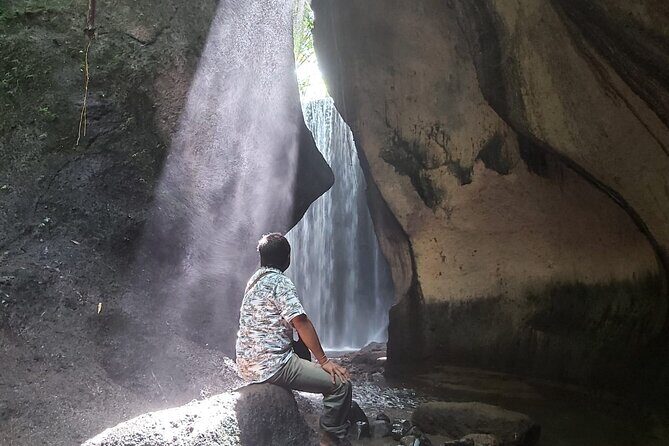
Review · Bali Waterfalls Tours
Bali Sightseeing Tour – Traditional village – Waterfall
Cave waterfall and holy springs are a winning combo. This private Ubud-and-central-Bali tour strings together culture and nature in one smooth day, with a driver/guide doing the hard parts of getting you there. You’ll see Penglipuran’s traditional village calm, Tirta Empul’s sacred springs, and the Tegalalang rice terraces, plus a plantation stop if you want it.
What I like most is the private door-to-door comfort—no self-drive stress, no navigating, and fewer “wait, where do we go?” moments. I also love that the guide explains Bali Hinduism’s beliefs and symbols in a way you can actually use on the ground. The main consideration: it’s an all-day stretch (about 8 to 10 hours), and the waterfall stop is a walking, damp-feeling kind of outing, so plan accordingly.
In This Review
- Key Highlights You’ll Notice Fast
- A Private Driver Who Handles Ubud Traffic From Start to Finish
- Goa Raja Cave Waterfall: Wet Steps and Swim Plans
- Penglipuran Village: Clean Air Rules and a Very Quiet Pride
- The Penglipuran Bamboo Forest Stroll: A Small Stop With Meaning
- Tirta Empul Temple: Sacred Springs and Purification With Context
- Tegalalang Rice Terrace: Big Views, Short Time, Good Flow
- Optional Coffee and Spice Plantation: A Homegrown Taste Stop
- Price and Value: What $54 Buys in One Packed Day
- Logistics That Matter: Timing, Pickup, and How to Prepare
- Who This Tour Is Best For (and Who Might Skip It)
- Should You Book This Ubud and Central Bali Tour?
- FAQ
- How long is the Bali Sightseeing Tour
- Is pickup offered
- Is this a private tour
- What stops are included
- Are entrance fees included
- Do I need to bring a swim suit
- Is the coffee or spice plantation stop included
- What does the price include
- What is the cancellation policy
Key Highlights You’ll Notice Fast
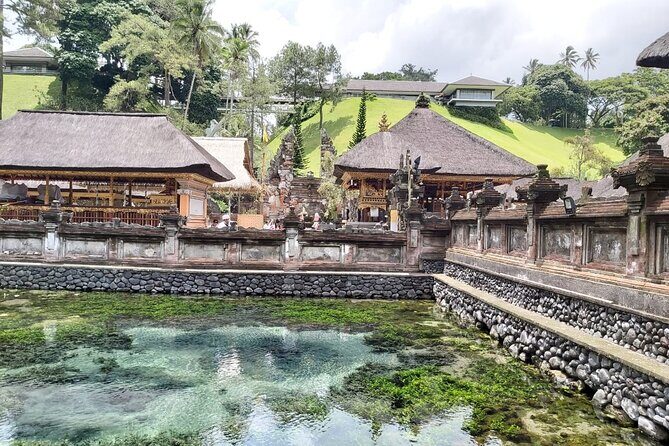
- Goa Raja cave-waterfall stop with time to walk in and enjoy the setting (swim-ready if you want)
- Penglipuran Village where strict customary rules keep the village quiet, including limits on motorized vehicles
- Bamboo Forest beside Penglipuran for a calm change of pace and a natural look at local materials
- Tirta Empul holy spring temple where people go for purification, with guide context to make it meaningful
- Tegalalang Rice Terrace viewpoints with classic north Ubud scenery and a guided stop that keeps you moving
- Optional coffee/spice plantation to round out the day with a homegrown taste
A Private Driver Who Handles Ubud Traffic From Start to Finish

This tour is set up for people who want Bali without the rental-car headache. Pickup is offered, and you’re with a private driver/guide, so you’re not stuck with a rigid cattle-car schedule or finding your own way between distant sights. The experience is also private in the sense that it’s just your group, which makes it feel more personal than the standard shared bus day.
Your guide is English-speaking, which matters on Bali days like this. When you’re standing at temples, inside village rules, or looking at religious symbols, good explanations turn a quick photo stop into something you understand. The tour style here leans practical: you get enough context to make sense of what you’re seeing, then you move on before the day drags.
One more useful detail: the tour uses a mobile ticket. That cuts down on back-and-forth and keeps you focused on the places, not paperwork.
Goa Raja Cave Waterfall: Wet Steps and Swim Plans
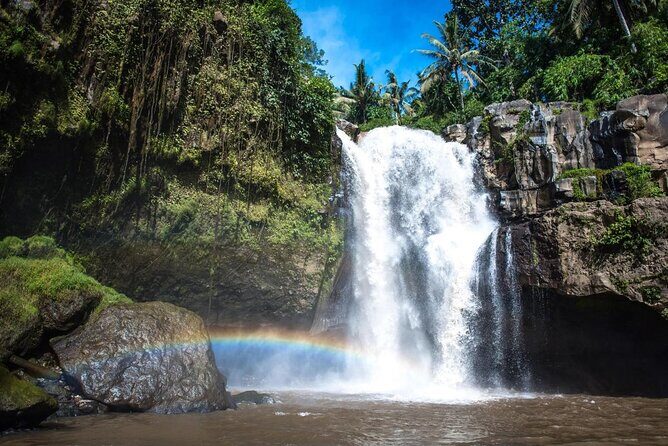
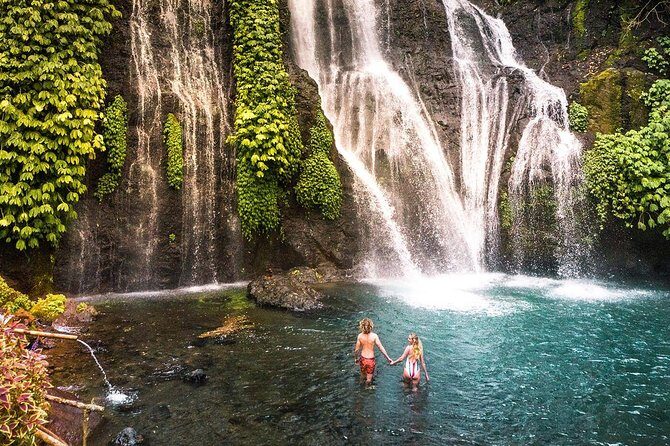
Your first stop is the waterfall area called Goa Raja Waterfall, described as a hidden waterfall location under a cave. That cave setting is part of the appeal: it’s a different feel from the more open-air Bali waterfalls. Expect a walk that’s more than just a single viewpoint. You’ll have around 1 hour 30 minutes, which gives time to slow down and actually enjoy the surroundings.
There’s also a clear heads-up if you plan to swim. The tour info specifically suggests bringing a swim suit and towel if you want to get in. Even if you don’t swim, knowing the area can be wet helps you dress smartly—think comfortable footwear and gear you won’t stress about getting damp.
Practical tip: this is the kind of stop where timing and movement matter. If you arrive, change pace with the space—there can be a flow of visitors moving in and out of the walkway and cave viewing area. Your guide’s job is to keep the day moving, but also to help you understand what you’re looking at so it’s not just random scenery.
Penglipuran Village: Clean Air Rules and a Very Quiet Pride
Next comes Penglipuran Village, often talked about as one of the cleanest villages in Indonesia, and the reason is not magic. The village uses strict customary rules, including a prohibition on using motorized vehicles to help keep the air quality clean. That single rule changes the whole mood. You’re not fighting noise. The village feels more pedestrian and more intentional.
You also get a real cultural experience rather than just a quick walk-by. Penglipuran’s layout and daily life reflect the idea that community rules shape the environment. Your guide helps connect those rules to what you’re seeing, which is the difference between taking photos and understanding why the place works.
Expect about 1 hour here. That’s long enough to stroll and notice details without feeling rushed. If you care about how traditions shape the physical world—cleaner air, quieter streets, and a village that stays centered on visitors and residents alike—this stop is one of the strongest parts of the day.
The Penglipuran Bamboo Forest Stroll: A Small Stop With Meaning
After Penglipuran, you’ll head to the Penglipuran Bamboo Forest, just to the north of the village. This is a shorter stop (about 30 minutes), but it’s a smart one because it shifts you from the human-built village into a natural resource story.
Bamboo is a local material used for houses, ceremonial tools, and crafts. That’s an important thread in Bali life: people don’t treat nature as decoration. They use it. Even if you’re only here for half an hour, the bamboo forest stop helps you see where the village’s materials and traditions come from.
This part also gives your legs a breather. It’s not a long slog, so you can enjoy the change in scenery. If you’re the type who likes little add-ons that connect nature and culture, you’ll probably like this more than you expect.
Tirta Empul Temple: Sacred Springs and Purification With Context
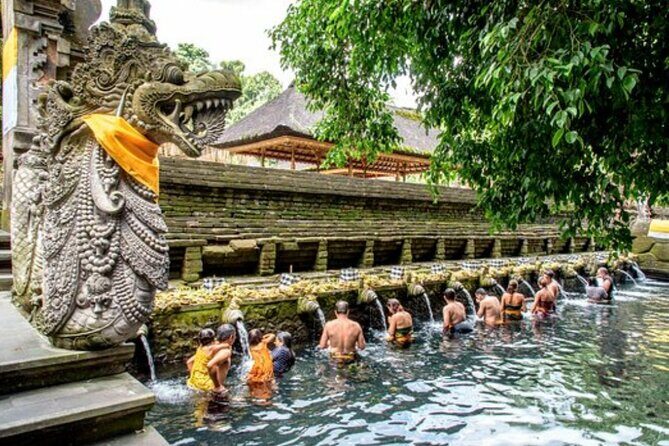
Now for the spiritual anchor: Tirta Empul Temple, known for holy spring water used for purification. The tour info notes that local people typically do purification here, and that matters. You’re not just viewing a temple building—you’re watching a living practice tied to the springs.
You’ll have about 1 hour at Tirta Empul. That’s enough time to understand the space, see how people use the spring water, and get your guide’s explanation of the beliefs and symbols behind it. This is where a good English-speaking guide pays off. Without context, purification rituals can feel like just something happening in the background. With the explanations, you can follow the meaning instead of only the visuals.
A balanced note: temple areas can attract crowds, and purification can mean you’re sharing space with ongoing activity. The best approach is to let your guide set the pace and follow their lead on where to stand and when to move. The goal is respectful observation, not taking over someone’s sacred moment.
Tegalalang Rice Terrace: Big Views, Short Time, Good Flow
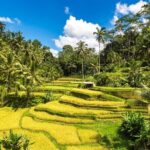
Next you’ll reach Tegalalang Rice Terrace, one of the classic north Ubud scenes. Expect about 45 minutes, and plan for viewpoints along a riverbank where the rice paddies spread in terrace formations. This is the kind of landscape you don’t need a long lecture for—your eyes get it fast.
The value here is how the tour keeps your time efficient. You’re not wandering for hours trying to find the best angle. Instead, you arrive, look, and move on while the day still has energy. In a longer day like this, pacing matters.
If you’re sensitive to crowds or want long quiet stretches, this is the only stop where you might feel some pressure from the popularity of Tegalalang. The upside: you’ll still get great views and a satisfying walk without losing the rest of the day.
Optional Coffee and Spice Plantation: A Homegrown Taste Stop
There’s also an optional stop for a coffee plantation and spice tasting. The tour info frames it as optional, so you can treat it as your palate reset—especially useful after temple and waterfall time. If you skip it, you keep the day moving.
If you do go, the focus is on homegrown coffee at a spice plantation. This kind of stop works best when you’re curious about how local products connect to everyday life. Your guide can help connect what you’re tasting to the broader picture of how central Bali grows and uses plants.
Price and Value: What $54 Buys in One Packed Day
At $54 per person for a day that runs about 8 to 10 hours, this tour is priced for value if you want convenience plus guided context. The big win is that you’re not paying separately for transportation between stops and then also paying for your guide at the same time.
Here’s what’s included:
- English-speaking guide
- Fuel surcharge
- Entry/admission for Goa Raja Waterfall, Penglipuran village and bamboo forest, Tirta Empul, and Tegallalang rice terrace
- Private transportation
- A coffee plantation visit that’s optional
Lunch is not included, and gratuities are optional. That means you’ll likely want to budget for a meal out. Still, once you factor in admissions and private transport, this doesn’t feel like a bare-bones sightseeing scramble.
One more value detail: group discounts are mentioned. So if you’re traveling with friends or family, this can become even more of a bargain per person versus going it alone.
Cancellation is free if you cancel up to 24 hours before the experience start time. That flexibility is helpful in Bali, where rain and road conditions can shift plans.
Logistics That Matter: Timing, Pickup, and How to Prepare
This is a full-day routing that moves through several very different environments: a cave waterfall area, a traditional village, a bamboo forest, a temple with purification, and then the rice terraces. That means your day will feel like a loop, not a single-site visit. The payoff is variety.
Because it’s about 8 to 10 hours, bring a steady mindset. You don’t need to be a marathoner, but you do want to be ready to walk and stand more than you might on a short half-day.
For the waterfall stop, follow the tour’s swim guidance. If you want to swim, bring the swim suit and towel. If you don’t, at least dress for damp conditions so you can enjoy the cave waterfall without worrying about comfort.
Also, since pickup is offered and it’s door-to-door, you’ll want to be ready at the pickup point so you don’t lose time at the beginning. Your guide and driver handle the route and coordination, which is the point of paying for private transport.
Who This Tour Is Best For (and Who Might Skip It)
This is a strong fit if you:
- Want traditional culture plus nature in one day around Ubud
- Like having your guide explain what you’re seeing, not just where to stand for photos
- Prefer private door-to-door logistics over self-driving
- Enjoy a mix of big scenery (rice terraces) and smaller meaningful stops (bamboo forest, village rules)
It might not be the best fit if:
- You’re looking for a relaxed half-day with minimal walking and minimal schedule
- You want only one or two stops, not a full circuit of cultural sites and viewpoints
- You dislike wet, cave-style environments at waterfalls (even if you don’t swim)
Still, the structure is designed to keep you moving at a sane pace, with guidance at the spots that need it most.
Should You Book This Ubud and Central Bali Tour?
If you want a guided day that covers the key cultural icons around Ubud—Penglipuran, Tirta Empul, and Tegalalang—without the self-drive stress, I think this is a smart booking. The private setup with an English-speaking guide (Ketut Suwenda, Safe Bali Driver) makes a difference when you’re dealing with temple meanings and village customs.
I’d book it if you’re the type who likes understanding the story behind a place, and you’re okay with an 8 to 10 hour day that includes a cave waterfall stop. The price is fair for private transportation and included admissions, and the optional coffee plantation gives you flexibility if you want a tasty local add-on.
FAQ
How long is the Bali Sightseeing Tour
It runs about 8 to 10 hours.
Is pickup offered
Yes, pickup is offered and the tour is door-to-door.
Is this a private tour
Yes. It’s a private tour/activity and only your group will participate.
What stops are included
You’ll visit Goa Raja Waterfall, Penglipuran Village, Penglipuran Bamboo Forest, Tirta Empul Temple, and Tegalalang Rice Terrace. There’s also an optional coffee plantation/spice plantation stop.
Are entrance fees included
Yes. Entry/Admission for all the listed major stops is included.
Do I need to bring a swim suit
If you want to swim at the waterfall, the tour suggests bringing a swim suit and towel.
Is the coffee or spice plantation stop included
It’s optional.
What does the price include
It includes an English-speaking guide, fuel surcharge, entry/admission for the listed sites, and private transportation.
What is the cancellation policy
Free cancellation is available if you cancel up to 24 hours in advance for a full refund.
More Tour Reviews




More Bali Waterfalls Tours



More Ubud Tours
Bali Waterfalls Tours: how the alternatives stack up
 ★ 5.0
★ 5.0Best of Bali Waterfalls: Tibumana, Tukad Cepung and Tegenungan

The lists this tour appears in