
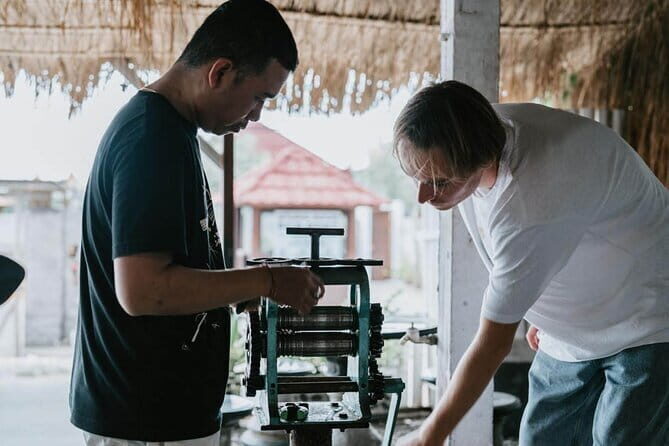
Bali: Silver Jewelry Making Class in Kuta
Your hands make the souvenir.
In a silver workshop in Kuta, I loved that you don’t just watch—you create real jewelry (a ring, earrings, or a pendant) using 5–7 grams of silver, guided by Balinese craftsmen. The second big win for me is the finished piece: you leave with something you actually made, not a generic shop buy. One thing to plan for: the amount of silver is limited, and extra silver is not included, so upgrades cost extra.
The format is simple and effective. Over about 2 hours, you move through different work stations, get help step by step, and end with the polish/sanding you need to make it look clean and wearable. The English local instructor is a real plus if you’re not fluent in Bahasa.
This is also a good “small group” style class because it’s listed as a private tour/activity for your group, with an option for pickup. If you’re expecting a long, fancy studio experience with a lot of waiting around, you may find it more hands-on and focused than that.
In This Review
- Key highlights you’ll actually care about
- Where you start in Kuta: the workshop flow you’re walking into
- What you can make: earrings, ring, or pendant with 5–7 grams
- Learning the silver story of Kuta (without turning it into a lecture)
- The hands-on crafting part: from shaping to sanding and polish
- What that means for you
- Expect a focused pace
- Price and value: is $18.09 a good deal?
- How to judge value in real life
- Pickup, group setup, and the practical experience setup
- Who should choose a private group here?
- What to bring (and what to decide) so your ring looks like you
- Before you go
- During the class
- After the class
- Who this Bali silver jewelry class suits best
- Should you book this Bali silver jewelry class?
- FAQ
- How long is the Bali silver jewelry making class in Kuta?
- What does the class cost?
- What can I make in this workshop?
- How much silver is included?
- What’s included in the price?
- Is pickup available?
- What if I need to cancel?
Key highlights you’ll actually care about
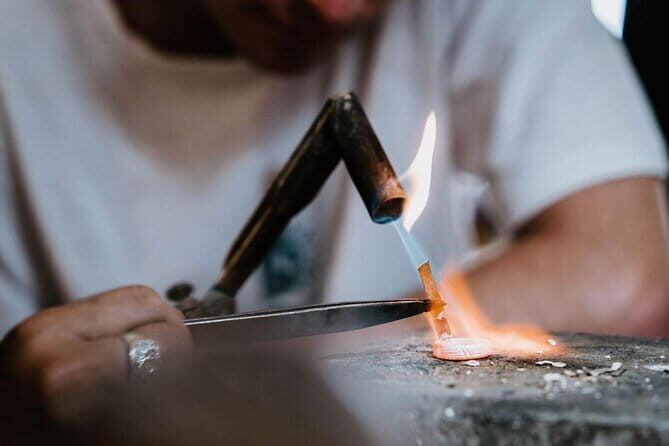
- Work-station coaching: You’re guided every step, not left to guess.
- Polishing and sanding included: The final look matters, and it’s part of the class.
- A fixed silver portion (5–7 grams): Clear boundaries help you finish on time.
- You take the finished jewelry home: It’s a true souvenir made by you.
- English local instructor support: Easier design decisions and better communication.
- Private for your group: Less chaos, more attention from the craftsmen.
Where you start in Kuta: the workshop flow you’re walking into
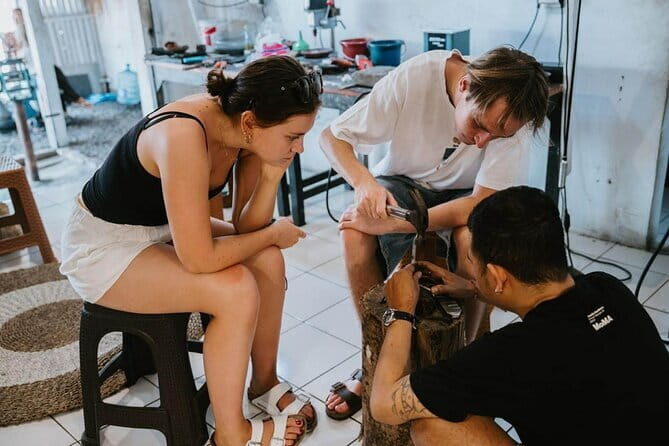
Kuta is a busy base, so I like that this experience gives you a straightforward starting point: Family Silver Class Legian, in the Seminyak/Kuta area (Jl. Campuhan II, Kec. Kuta, Kabupaten Badung, Bali). The listing notes pickup is available, which is useful if you’d rather avoid the “what street is this again?” dance in traffic.
Once you arrive, the class has a workshop rhythm. You’re not stuck in one spot for the full time. The experience is set up around different stations where you shape, refine, and then finish your piece. In the reviews, that moving-around structure comes up a lot—people specifically said they went station to station over two hours to make their ring.
If you’re coming from another area in Bali, having that pickup option can make this class feel more like an activity and less like a side quest. And because the session is only a couple hours, it fits neatly into a day that already has beach time or shopping plans.
What you can make: earrings, ring, or pendant with 5–7 grams
The core idea is straightforward: you create your own silver jewelry from scratch. The class materials include 5–7 grams of silver, and you can shape that into a piece like earrings, a ring, or a pendant (depending on what the session is set up for and what you choose to design).
That weight detail matters more than it sounds. A fixed silver amount helps the studio manage time and keeps the process realistic for a short class. It also means you should think about your goal before you arrive:
- If you want something simple and clean, you’ll likely finish with a satisfying result.
- If you’re imagining something large or heavily detailed, you may need to accept that the silver portion and time are limited.
One review called out the end result as fantastic and mentioned attention to detail. Another review said the instructors helped with a ring design to match what the person imagined. That’s the sweet spot for this class: bring an idea, then let the silversmiths translate it into something workable in the time you have.
Learning the silver story of Kuta (without turning it into a lecture)
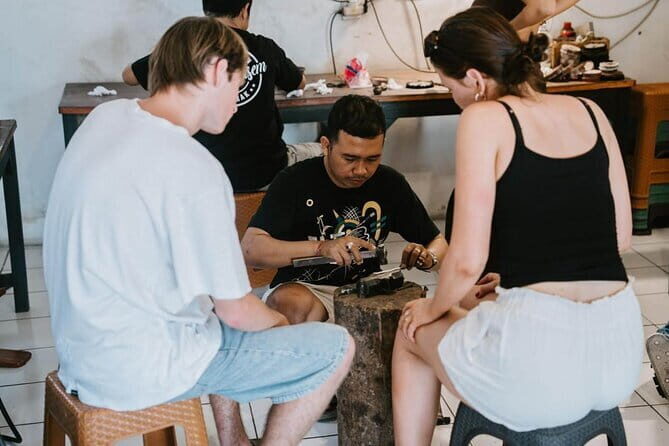
This class isn’t only tool work. You’ll also learn about the history of silver jewelry making in Kuta. For many people, that matters because it gives context to what you’re doing—why silver work here has its own style and tradition, and why local craftsmen keep the craft alive.
I like history lessons that stay practical, and this one is clearly designed to support the making. You’re not expected to memorize dates. You’re meant to understand the craft background while your hands are busy shaping and polishing.
If you care about culture in a hands-on way, this is the right balance: you get a story, then you do the work.
The hands-on crafting part: from shaping to sanding and polish

Here’s where this experience earns its high marks. The class is built around professional craftsmanship and clear guidance. You’ll work with Balinese silversmiths who help you transform fresh silver into something polished and presentable.
The included help is specific: sanding and polishing are part of what you pay for. That’s important because a lot of DIY experiences stop right after forming the metal. But with jewelry, the finishing is what makes it look intentional, smooth, and ready to wear (or at least keep looking good in your travel jewelry box).
In the reviews, people repeatedly mentioned excellent instruction and being guided every step of the way. One review specifically described how, across two hours, participants moved through the work stations to make a ring each, with guidance throughout. That tells me you shouldn’t have to “figure it out” alone.
What that means for you
If you’re a first-timer, good news: the class structure is designed for beginners. You’re learning a process, not taking a test. If you’re more experienced, you can still benefit from the craftsmanship and the studio tools, plus you’ll get help at the finishing stage that’s easy to mess up.
Expect a focused pace
This is not a slow craft afternoon. The duration is about 2 hours (approx.), with some descriptions suggesting 2–3 hours. So come with the mindset of: listen, make decisions quickly, and trust the process.
Price and value: is $18.09 a good deal?
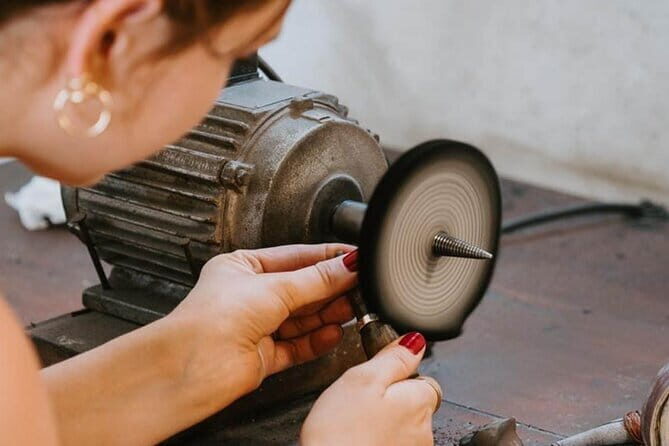
At $18.09 per person, this class is priced like an entry-level Bali activity, not a luxury workshop. What makes it feel like decent value is that you’re paying for a real outcome: you take home your own silver piece made with 5–7 grams of silver and you get sanding and polishing included.
What’s not included is equally important. The experience notes that silver addition is not included, and personal expenses and additional learning classes aren’t included. Translation: if you want more metal than the included portion, or if you want extra sessions beyond the main workshop, you’ll pay more.
How to judge value in real life
Ask yourself two questions:
- Do you want a wearable souvenir you made with help, in about two hours?
- Are you okay with the silver portion being limited to what fits that time?
If you said yes to both, the price makes sense. If you’re hoping for a big, intricate jewel that needs extra silver, you’ll likely end up spending more than the base price.
Pickup, group setup, and the practical experience setup
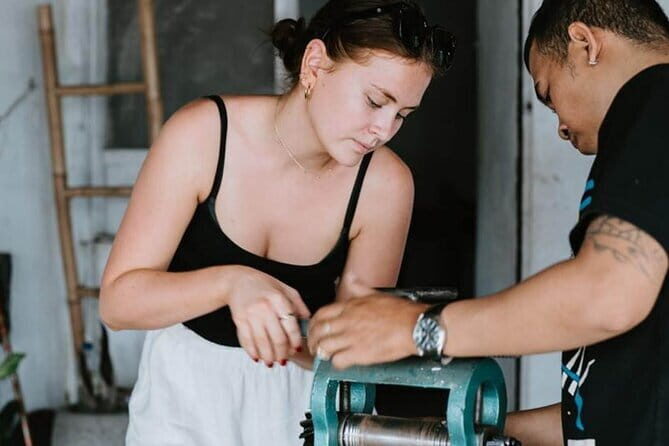
This is where small details can make or break your day. Here’s what the listing supports:
- Pickup offered: helpful for getting there without stress.
- Mobile ticket: easier on arrival.
- Private tour/activity: only your group participates (so you’re not competing for attention).
- Near public transportation: if you prefer to go on your own, you’re not stranded.
The reviews also support a more personal experience. People praised customer service and kindness, and one review mentioned instructors helping design rings so the result matched the vision.
Who should choose a private group here?
I’d pick the private setup if:
- you’re traveling with friends and want a calmer experience,
- you want time for design questions,
- you’d rather not share a limited workshop with strangers.
If you’re solo, a private group still sounds like a good choice, especially since jewelry-making needs patience and fine motor work.
What to bring (and what to decide) so your ring looks like you
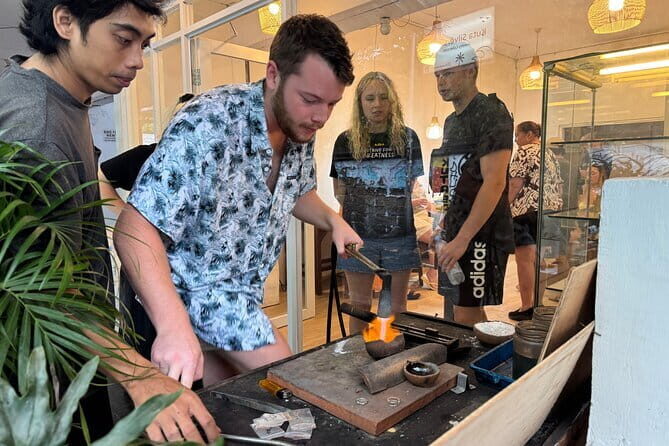
The class is built around guidance, but your results improve when you bring clarity.
Before you go
- Have a simple idea: ring, earrings, or pendant.
- Think about style: clean and minimal versus more decorative (within what fits the class).
- If you can, picture the final look you want—one review mentioned getting help to make a ring design match what they imagined.
During the class
- Take advantage of the English local instructor. Asking the right question early saves time later.
- Watch the stations in order. Moving station by station works best when you focus on the step you’re in.
- Don’t rush the finishing. Since polishing/sanding is included, it’s the moment where you can get that smooth, “ready to keep” feel.
After the class
You take your jewelry home as a souvenir from Bali. This is the type of activity where the value isn’t just the object—it’s the story. You’ll wear it and remember the workshop day.
Who this Bali silver jewelry class suits best
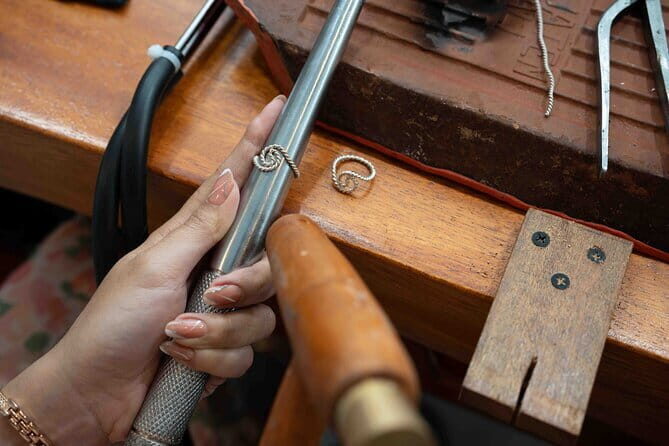
This experience is best for people who want to make something real, with guidance, in a limited time.
You’ll probably love it if you:
- enjoy hands-on creative activities,
- want a souvenir with actual meaning,
- like working directly with local craftsmen,
- prefer structure (work stations and step-by-step help).
It may not be the best fit if you:
- want a long, slow craft session,
- need a complex design that likely requires extra silver,
- are looking for only background sightseeing (this is making-focused).
From the reviews, the common theme is satisfaction with instruction and the final shine. That’s exactly what I’d aim for with this kind of class: a finished piece and a good learning experience.
Should you book this Bali silver jewelry class?
If you want a real Bali craft souvenir and you like the idea of making it yourself with professional help, I think this class is a strong choice. The standout value is that you’re guided through the process, you get sanding and polishing included, and you leave with your own silver jewelry made from 5–7 grams.
Book it if you can accept the limits of a short class (time and included silver). Don’t book it if you’re expecting a large-scale jeweler build or unlimited material for a complex design.
FAQ
How long is the Bali silver jewelry making class in Kuta?
It runs for about 2 hours (approx.), and the workshop descriptions suggest around 2–3 hours.
What does the class cost?
The price is $18.09 per person.
What can I make in this workshop?
You can create silver jewelry such as earrings, a ring, or a pendant, with professional craftsmen guiding you.
How much silver is included?
You use 5–7 grams of silver for your creation.
What’s included in the price?
The included items are an English local instructor plus sanding and polishing.
Is pickup available?
Pickup is offered. The activity also starts at Family Silver Class Legian in the Seminyak/Kuta area and returns to the meeting point.
What if I need to cancel?
You can cancel for a full refund if you cancel at least 24 hours before the experience starts (free cancellation). Cancellation within 24 hours is not refunded.
More Workshops & Classes




More Tour Reviews






More Kuta Tours
Kuta Tours: how the alternatives stack up
 ★ 5.0
★ 5.0Nusa Penida day trip: boat, 4 snorkeling, Manta rays & Land tour






The lists this tour appears in