Bedugul Cultural Private Tour
Foggy temples, rice terraces, and food.
That combo is why this Bedugul Cultural Private Tour works so well as a break from beach-and-shopping days. You get door-to-door private transfers, an air-conditioned ride, and a local English-speaking guide to connect the dots between farming, religion, and daily Balinese life. I like that it’s built around real places you’ll actually walk through, not just quick photo stops.
My favorite parts are the morning market in Mambal (where you can try local foods and see how people shop) and the Jatiluwih rice terraces (Bali’s wide, UNESCO-linked view of how people shape the land). The only real drawback to plan for is cost on top of the $40 price: entrance fees aren’t included, including a temple fee that can be a big add-on.
In This Review
- Key things to know before you go
- From Ubud to Bedugul: a long but worthwhile private day
- Mambal morning market: where breakfast becomes culture
- Passing the monkey forest: quick views, no time-waster
- Jatiluwih rice terraces: the wide-view UNESCO kind
- Pura Ulun Danu Bratan: pagodas, lake views, and sarong moments
- Baturiti break: slower pacing with vegetable-farm views
- Family farm lessons: spices, coffee, and fruit you can connect to daily life
- Guides are the real differentiator (Mawa, Awan, Ketut, Wira)
- Price and value: what $40 really buys you
- What to bring and how to keep the day easy
- Who this tour fits best
- Should you book the Bedugul Cultural Private Tour?
- FAQ
- What’s the duration of the Bedugul Cultural Private Tour?
- Where does the tour start from?
- What entrance fees should I expect to pay on-site?
- Is lunch included?
- Do I need my own sarong for temple visits?
- Is this a private tour?
Key things to know before you go
- Private, door-to-door comfort: you ride in an air-conditioned vehicle with hotel pickup and drop-off.
- Local food time, not just sightseeing: the morning market stop is built for tasting and learning.
- Jatiluwih photo time: you get 1.5 hours at Bali’s widest rice terraces.
- Pura Ulun Danu Bratan by the lake: a full hour to see pagodas and take photos, with sarongs provided.
- A farm-flavored day: you’ll learn about spices, coffee, and fruit tied to daily life.
- Bring cash for entrance fees: Jatiluwih and the Bratan temple each have separate fees.
From Ubud to Bedugul: a long but worthwhile private day
This is a full-day outing, about 8 to 10 hours, designed for travelers who want to see Bali’s cooler, greener interior without doing the driving themselves. The big win is the private setup: you and your group go together with one local English-speaking guide, and you don’t have to time buses, coordinate transfers, or worry about missing a connection.
You’ll also appreciate the practical basics included with your tour: bottled water, fuel surcharge, and an air-conditioned vehicle. For a day that includes at least a couple of scenic stops, that comfort matters more than you’d think. It’s also a good fit if you’re traveling with someone who hates rushing. Your schedule is still moving, but the pacing feels human because you’re not sharing the day with a giant group.
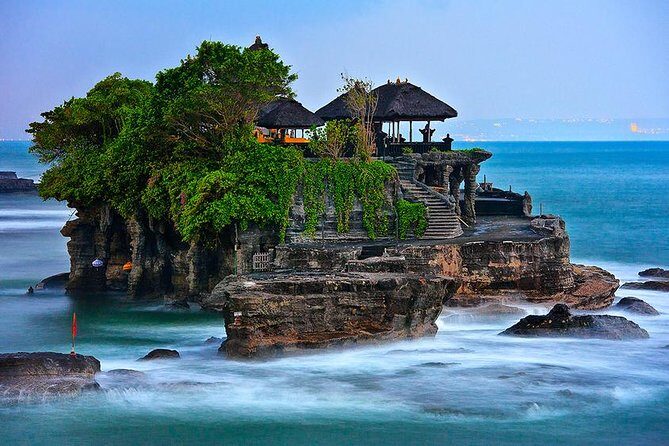
The photo goal is clear. Your route focuses on iconic places like Pura Ulun Danu Bratan and Jatiluwih rice terraces—but it also adds “how people live” stops like markets and farms. That mix is what makes it more than a checklist day.
Mambal morning market: where breakfast becomes culture
Your day starts in Mambal, at a traditional morning market. This isn’t just a photo stop. The point is to watch daily shopping happen and try local foods while your guide explains what’s what. It’s one of those moments where you can feel the rhythm of Bali in a very normal way: food first, family needs, and stalls built for what people actually buy.
The stop is about 45 minutes, which is short enough to keep it fun and not exhausting. But it’s long enough to do the two things that make markets worth it: sample a few bites and ask questions without feeling like you’re being herded.
A couple practical tips:
- Go into it with an open mind. Market food can be a little different from what you’re used to, even if the ingredients feel familiar.
- If you’re worried about ordering or spicy levels, your guide can help you choose. One of the standout themes from guides’ reviews is that they’re happy to answer questions and help you navigate what you’re seeing.
Even if you’re not a hardcore foodie, this market stop gives you a real baseline for the rest of the day. When you later see farm life and temple rituals, you’ll understand the context faster.
Passing the monkey forest: quick views, no time-waster
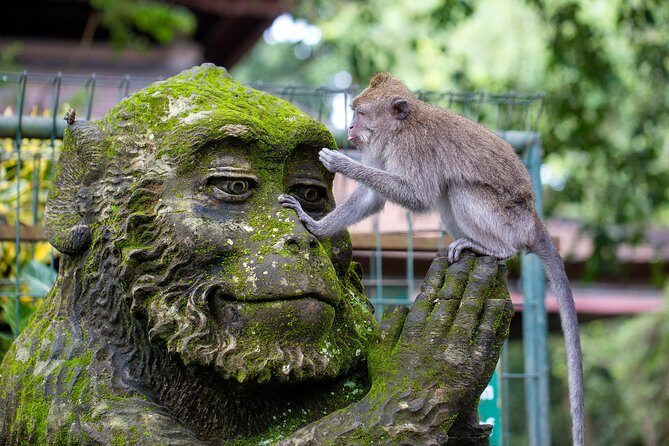
Between the market and the next big scenic stop, you’ll pass by an area known for monkeys in Bali. You don’t get long “do it all” time here—this is more of a roadside passerby moment. That can be a relief if you’d rather not spend hours negotiating crowds and chaos.
Still, it’s worth using as a mental note: this island has wildlife in public spaces, and your guide can explain what to watch for. If you’re prone to getting distracted by cute chaos, keep your camera ready, then shift focus back to the main targets: rice terraces and the lakeside temple.
Jatiluwih rice terraces: the wide-view UNESCO kind
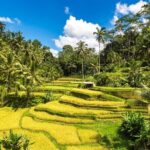
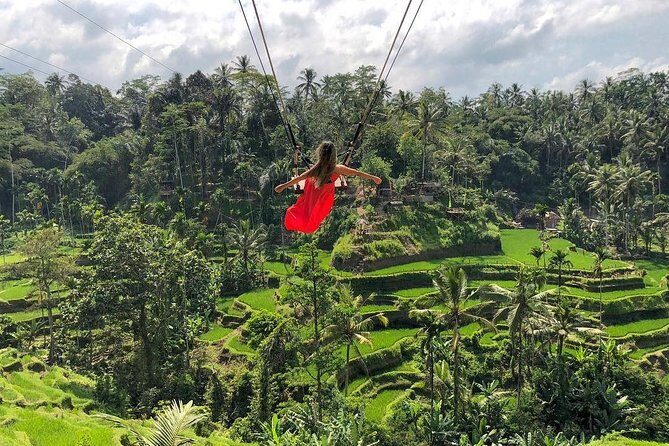
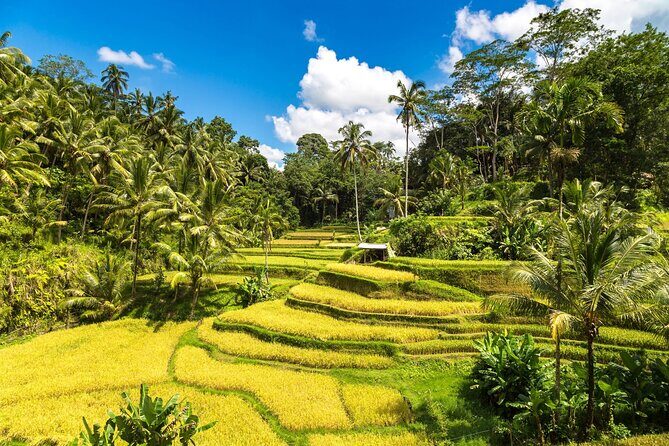
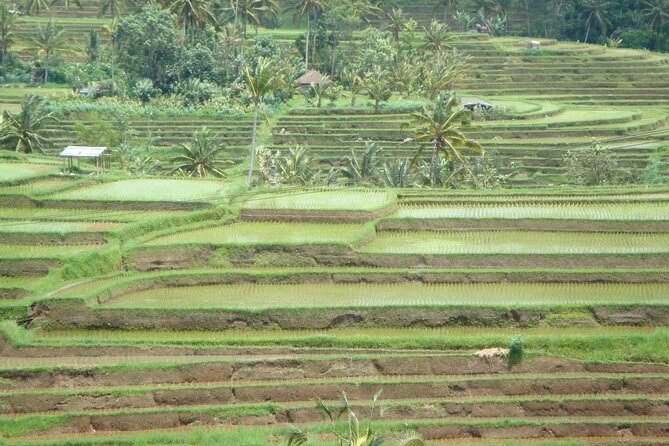
Next comes Jatiluwih Bali, at about 1 hour 30 minutes. This is where you’ll see Bali’s rice terraces as a long, wide system rather than a single tight photo angle. The tour is explicit about it being a UNESCO site area, and you’ll feel why: the views keep going, and the terraces look like they were shaped to match the hills.
There’s also a key planning detail: Jatiluwih entrance fees are not included. The fee listed is IDR 75.00 per person. It’s small, but you’ll still want to have a little cash ready rather than scrambling at the gate.
What I like about giving you 1.5 hours here is that it’s enough time to do more than one thing:
- Get the classic terrace shots
- Walk to a better angle
- Pause long enough to let your guide’s cultural explanations land
Cultural context matters at Jatiluwih. Rice terraces in Bali aren’t just scenery. They tie into how communities work the land and how farming connects with spirituality. If you ask your guide how the landscape functions in daily life, you’ll get a more meaningful experience than if you just treat it like a view platform.
Pura Ulun Danu Bratan: pagodas, lake views, and sarong moments
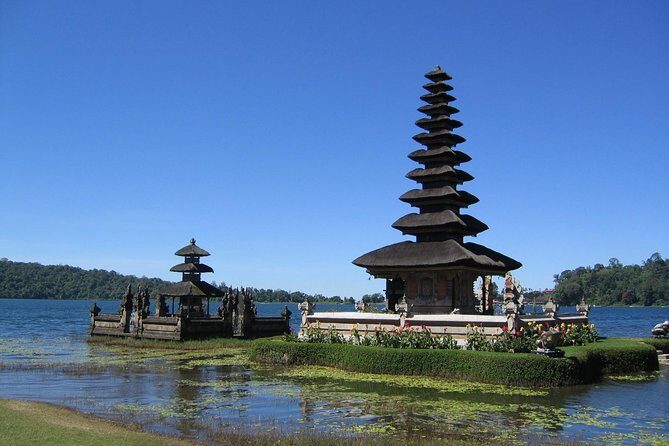
Your next major stop is Ulun Danu Bratan Temple (also commonly spelled along the lines of Bratan), with about 1 hour on site. This is the iconic lakeside temple with pagodas placed right near the water, surrounded by lush hills. It’s one of those locations where the architecture and the setting are so tied together that it feels like one big scene.
Two important notes for you:
- Entrance fee is not included and is listed as IDR 75,000 per person.
- You’ll be provided sarongs for entering Hindu holy sites.
That sarong detail is more than a convenience. Temple visits go smoother when you don’t have to hunt for the right clothing at the last minute. If you’re the type who hates “one more thing,” this is a win.
Photo-wise, a one-hour temple stop is well measured. It gives you time to look around, try a few angles, and still avoid turning the visit into a hurried rush. If you’re sensitive to crowds, the private guide setup can also make it easier to find a comfortable rhythm.
And here’s the cultural bonus: a strong theme from guide reviews is their ability to explain what you’re seeing in practical language. Expect stories about how Balinese Hindus relate to place, water, and spirituality. Even if you’re not a temple expert, your questions will get good answers.
Baturiti break: slower pacing with vegetable-farm views
Before heading back to your hotel, the tour includes an afternoon break at Baturiti, about 1 hour. This stop is a view-and-rest moment: you’ll enjoy the sight of vegetable farms and take a breather before the ride back.
I like breaks like this on a long day. After temples and terraces, it’s smart to have a slower segment where you can stand, look, and let the information from earlier stops settle. It also adds balance: farming isn’t only rice. You see everyday agriculture in the form of vegetables, which helps round out the day.
If you’re concerned about fatigue, this hour is your buffer. It can be an easy time to grab something light if you brought snacks, though lunch is not included in the tour price.
Family farm lessons: spices, coffee, and fruit you can connect to daily life
The tour is marketed with a “family farm” component focused on spices, coffee, and fruit. That theme fits naturally with the rest of the day: markets show what people buy, farms show how it’s grown, and temples show how belief ties into daily rhythms.
Even when you’re not buying anything, this kind of stop can be valuable because it turns vague curiosity into specifics:
- What ingredients matter locally
- How farming works as a family business
- Why certain crops show up again and again in Balinese food culture
Since this is a private tour, your guide can tailor questions to your interests. If coffee is your thing, ask about the process and what locals drink. If spices are your interest, ask what they use them for in everyday cooking. The better your questions, the more useful the answers will be.
Guides are the real differentiator (Mawa, Awan, Ketut, Wira)
The reviews strongly point to one factor: the guide experience. Different guides come up repeatedly, and they share the same kind of approach—friendly, confident in English, and eager to explain more than just the facts.
Names you’ll hear tied to this tour include Mawa, Awan, Ketut, and Wira. Across those experiences, the consistent strengths are:
- Guides who are willing to answer questions (not just recite a script)
- A sense of humor that keeps the day light
- The ability to link culture, religion, and daily life in a way that makes sense fast
One guide even stands out for actively showing local Balinese cuisine. That matches the tour’s emphasis on food culture, especially the morning market and family-farm learning.
If you want more than photos, pick this tour for the guide. It’s the difference between seeing Bali and understanding why Bali looks the way it does.
Price and value: what $40 really buys you
At $40 per person, this tour isn’t trying to be a luxury day. It’s trying to be a solid, private way to hit several high-impact sights from Ubud without the stress of coordinating transport.
Here’s what’s included:
- Private tour
- Air-conditioned vehicle
- Local English-speaking guide
- Bottled water
- Hotel pickup and drop-off
- Fuel surcharge
- Mobile ticket
- Group discounts (available if you’re booking with others)
What’s not included:
- Jatiluwih entrance fee: IDR 75.00 per person
- Bedugul Bratan Temple entrance fee: IDR 75,000 per person
- Lunch
So the real “gotcha” isn’t the small Jatiluwih fee. It’s the temple entrance fee. If you’re budget-minded, plan to add the temple cost and bring some cash so you’re not stuck at the gate.
The value question is simple:
- If you want multiple iconic stops plus local food/farm context, this is a good deal.
- If you only care about one or two sights and you’re comfortable arranging your own transport, you might spend less by doing it independently.
But if the whole point is a guided, private cultural day, the pricing makes sense.
What to bring and how to keep the day easy
This is a full-day schedule, so your comfort matters. The tour provides sarongs for Hindu sites, but you should still bring smart basics.
Bring:
- Cash for entrance fees (especially the temple fee)
- Comfortable walking shoes for terraces and temple areas
- A light layer (interior Bali can feel cooler than you expect, especially around water)
- Your camera gear, since the temple and terraces are photo-heavy
If you’re a food-focused traveler, plan to eat early at the market and then decide how you want to handle lunch since it’s not included. Your guide can usually point you toward practical options.
Also, this is a service-animal-allowed experience and it lists that most travelers can participate, so it’s designed to be flexible for many needs.
Who this tour fits best
This is a great fit if you:
- Want a private guide who can explain what you’re seeing
- Like mixing sights with food and farming
- Prefer hotel pickup and a no-stress ride over DIY planning
- Care about getting better context for temples and agricultural life
It might be less ideal if you:
- Want a half-day schedule (this runs 8 to 10 hours)
- Don’t want to pay extra entrance fees on top of the base price
- Prefer zero walking time and fully seated sightseeing
If you’re in Ubud and you’re tired of the same day-tour routine, this one feels grounded in the interior. You’re not just looking at Bali. You’re learning why people farm, eat, and worship in the way they do.
Should you book the Bedugul Cultural Private Tour?
I’d book it if your goal is a balanced Bali day: market food + terrace views + the lakeside temple, all with a guide who can answer your questions and keep things moving at a sane pace. The private door-to-door setup from Ubud is part of the value, not just a convenience.
I wouldn’t book it if you only want one big photo stop and would rather skip the market and farm context, or if you don’t want to handle entrance fees and lunch on your own.
If you’re deciding, think like this: do you want a guided cultural day that makes the scenery feel meaningful? If yes, this tour is a strong choice.
FAQ
What’s the duration of the Bedugul Cultural Private Tour?
The tour runs about 8 to 10 hours.
Where does the tour start from?
It includes hotel pickup and drop-off, and it’s described as being located in Ubud, Indonesia.
What entrance fees should I expect to pay on-site?
Entrance fees are not included. Jatiluwih rice field fee is listed as IDR 75.00 per person, and Bedugul Bratan Temple entrance fee is listed as IDR 75,000.00 per person.
Is lunch included?
No. Lunch is not included.
Do I need my own sarong for temple visits?
No. Sarongs are provided for entering Hindu holy sites.
Is this a private tour?
Yes. It’s a private tour/activity with only your group participating.
If you want, tell me your travel month and how many people are going, and I’ll help you sanity-check the total budget (base price plus entrance fees) and how to plan timing for the day.