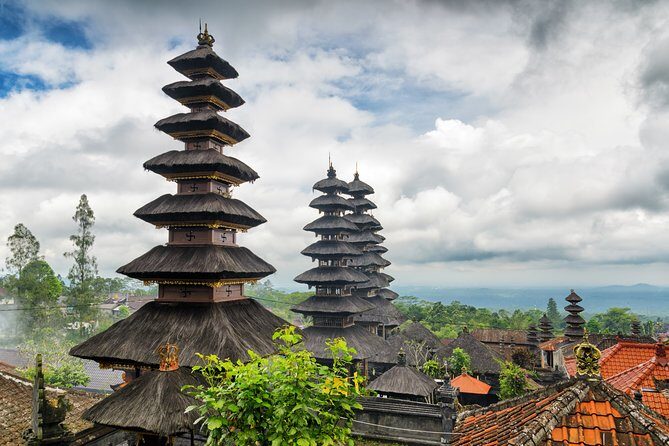
Besakih Temple Tour: the Biggest Temple in Bali
A big sacred day on Bali starts with one temple. Besakih Temple is Bali’s Mother Temple, tucked on the foothills of Mount Agung, and it sets the tone for the whole route. What makes this tour interesting is the way it strings together three different kinds of Bali spirituality and scenery: grand temple compounds, highland views for lunch, and then a water temple tied to a famous legend—before you end with the classic rice-terrace stroll.
I really like that the visit is built around seeing Besakih up close (not just driving past it), and that the day also includes Tirta Empul’s holy spring experience. One possible drawback: it’s a long day—about 10 hours—so plan for a packed itinerary and bring temple-appropriate patience (and comfortable footwear).
In This Review
- Key highlights you’ll feel fast
- Besakih Temple: Bali’s biggest temple at the base of Mount Agung
- Kintamani lunch break: Mt. Batur and Lake Batur views (without the rush)
- Tirta Empul Temple: the holy spring tied to Indra’s battle
- Tegalalang rice terraces: a scenic walk to end the day
- Price and what you actually get for $75
- Pickup, timing, and how to plan a smooth 10-hour day
- Who this tour fits (and who might want a different day)
- Should you book this Besakih Temple tour?
- FAQ
- How much does the Besakih Temple Tour cost?
- How long is the tour?
- Is pickup included?
- What stops are included in the itinerary?
- Is lunch included?
- Are admission tickets included?
- Do I need to bring a sarong for the temples?
- Are alcohol drinks included with lunch?
- FAQ
- Can I cancel for a full refund?
- When will I get confirmation?
- Is the tour private?
- Is this tour good for most travelers?
- Does the tour include bottled water?
- What kind of transportation is provided?
Key highlights you’ll feel fast
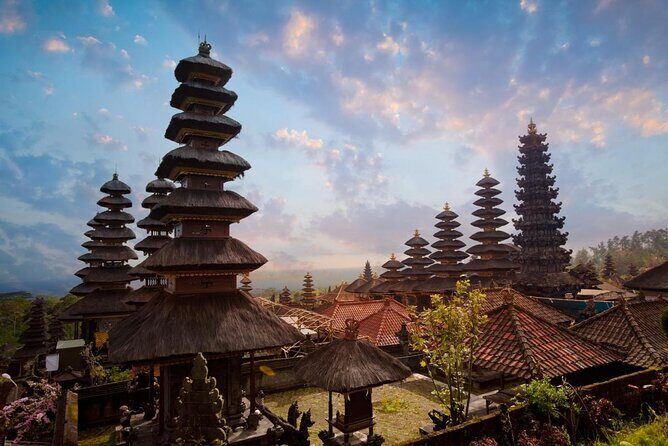
- Besakih Temple as the island’s Mother Temple, set at the base of Mount Agung
- Kintamani lunch time with Mt. Batur and lake views, with the day’s best sit-down scenery break
- Tirta Empul’s holy spring, linked to the legend of Mayadenawa vs. God Indra
- Tegalalang rice terrace walking time to slow down and take in the paddies
- A smooth logistics package: air-conditioned transport, bottled water, lunch, and a sarong provided
Besakih Temple: Bali’s biggest temple at the base of Mount Agung
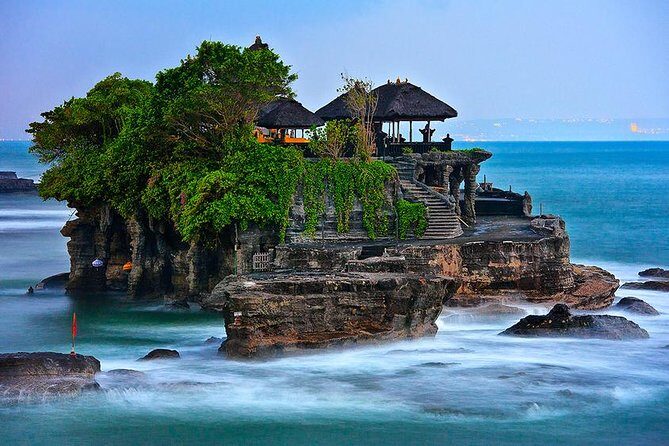
Besakih is the star stop, and it’s easy to see why. It’s called the Mother Temple of Hindu in Bali, and it sits on the foothills of Mount Agung, so your first real impressions are size and setting. Instead of one single shrine, you’re stepping into a whole temple complex where worship is part of daily life, not a staged photo stop.
For me, the best part is how the visit connects you to what people actually do when they come here. You’ll see traditional offerings and the rhythms of worship happening alongside the architecture. That matters because a temple isn’t just stone—on Bali, it’s a living place of ceremony, and Besakih is one of the clearest places to feel that.
Practical tip: Besakih is a temple setting, so dress and behavior matter. You’ll get a sarong for entry, but still wear something comfortable you can move in. If you’re the type who wants steady photos, arrive with realistic expectations: you’ll be sharing space with worshippers.
One more thing to watch: the time at Besakih is about 1 hour. That’s enough for highlights, but not enough for every corner if you love slow wandering. If you prefer depth over speed, you might want to treat Besakih as the main event of your day and let the later stops be lighter and more scenic.
Kintamani lunch break: Mt. Batur and Lake Batur views (without the rush)
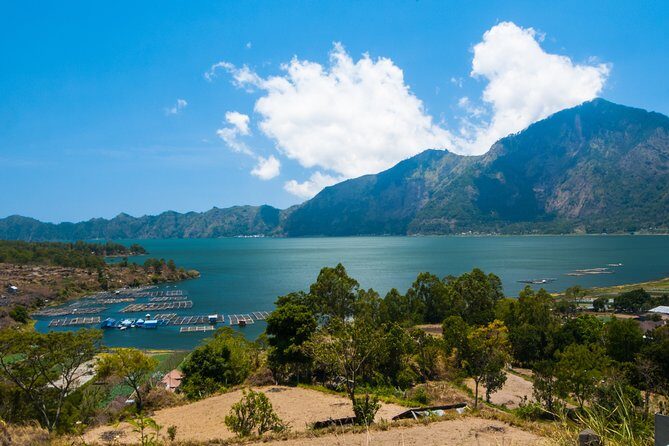
After the temple, the tour moves north to Kintamani highlands. This is the mid-day reset, and it’s not subtle: you trade temple stairs and incense air for big open views. The stop includes a roughly 2-hour window built around lunch, so you can actually sit, eat, and look instead of just grabbing a snack and jumping back in the car.
What you’re coming for here is the view of Mount Batur and Lake Batur. Even if clouds play games, the timing is usually good for a scenic lunch break. And because it’s scheduled as an actual pause, it helps keep the day from feeling like a checklist.
A small consideration: lunch is included, but alcoholic drinks are not. If you like to unwind at lunch with a beer or cocktail, you’ll need to plan for that. It’s also worth remembering that highland areas can feel cooler than the coast—light layers can be handy when you’re outdoors longer than you expect.
How to get more value: use the lunch time for something more than eating. Look at the volcano-lake angle, then compare what you see from different points inside the viewing area. It’s the easiest way to make this stop feel like more than just a pit stop.
Tirta Empul Temple: the holy spring tied to Indra’s battle
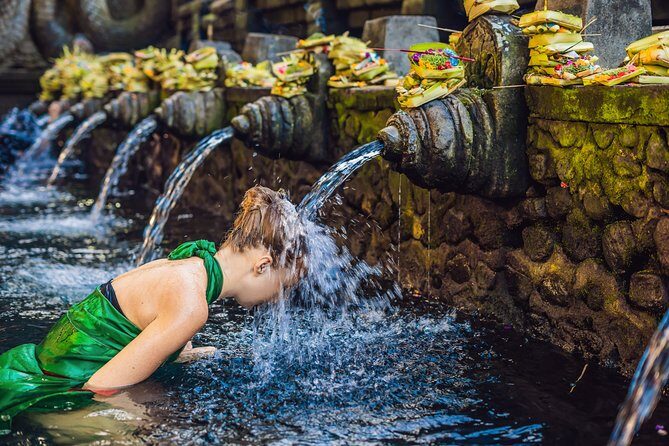
Then comes Tirta Empul, and this is where the tour leans into story and ritual. Tirta Empul is connected to a Balinese legend about an epic battle between Mayadenawa and God Indra. Inside the temple is a holy spring, described as a place that heals and helps save the troops of God Indra from dying.
Even if you don’t follow the legend word-for-word, the experience is meaningful because it’s tied directly to place. Tirta Empul isn’t just “another temple stop.” It’s a temple built around water, purification, and the idea that holiness can be experienced physically—through the spring.
This stop is about 1 hour, which gives you time to understand the setting, observe the ritual space, and still keep moving. That time limit is also a real benefit. Water-temple etiquette can take a few minutes to get your bearings, and one hour is long enough to not feel rushed, but short enough that you’re not exhausted when you move to the rice terraces.
Practical tip: plan to be modest and respectful. You’ll want to bring patience for the flow of people and the way the spaces are organized. Since entry includes a sarong, wear clothes that feel comfortable if you’re near water areas—even if you don’t plan to participate in anything personally.
Tegalalang rice terraces: a scenic walk to end the day
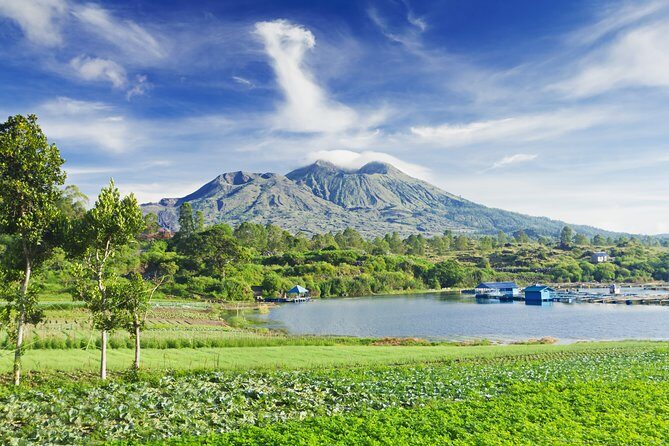
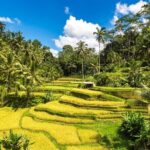
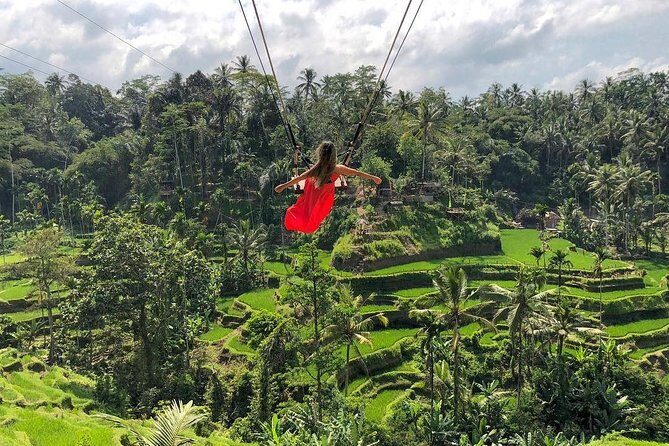
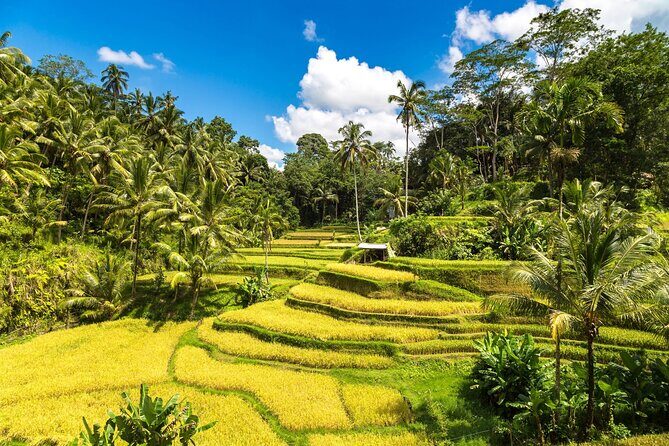
The final stop is Tegalalang Rice Terrace, one of Bali’s most recognizable views. This is the “slow down and look” part of the tour, and the timing reflects that: about 45 minutes. You’ll get time to stroll among the rice paddies and enjoy the green views.
This is also a good counterbalance to the earlier stops. Temples can be all detail—gates, carvings, crowds, rules. The rice terraces are more forgiving. You can take pictures at your own pace, find viewpoints, and just enjoy the scenery.
One consideration: 45 minutes goes fast once you start walking and stopping. If you care about photos, arrive ready with a plan—pick one main viewpoint you want first, then wander once you’ve gotten the shot you came for. And wear shoes with grip; walking paths in terrace areas can be uneven.
Price and what you actually get for $75
At $75 per person, this tour feels fair because the price includes more than just a vehicle. You’re getting:
- Air-conditioned vehicle and private transportation
- Lunch
- Bottled water
- All fees and taxes
- Sarong for temple entry
- Admission tickets for Besakih and Tirta Empul, plus entry included for the rice terraces
That’s the key value: you’re not constantly paying small add-ons throughout the day. For a day that includes multiple major stops, having admissions and basic essentials handled saves time and stress.
The only clear gap is alcohol. Alcoholic beverages are not included, so if your day-trip standard includes a drink, budget for it separately. Also note: the tour is priced per person, but it’s described as private for your group, which can make it more comfortable if you’re not trying to share the day with strangers.
Is it worth it? If you want a one-day route that covers Besakih + Tirta Empul + the classic terrace view, yes. The structure is practical: it bundles the biggest cultural highlights with scenic breaks, and it does it with the basic costs handled in advance.
Pickup, timing, and how to plan a smooth 10-hour day
The day runs about 10 hours, and pickup is offered. In real life, pickup times matter because Bali traffic and road conditions can shift your schedule. Still, the itinerary is structured with enough time blocks to avoid the worst kind of rushing.
Here’s what the pacing feels like:
- Besakih: about 1 hour (temple highlights)
- Kintamani: about 2 hours (lunch + views)
- Tirta Empul: about 1 hour (temple + holy spring focus)
- Tegalalang: about 45 minutes (walk + photos)
You’ll notice the stops are clustered by theme: worship at the start and middle, then scenery and views at the end. That helps your brain switch modes. Temple first, lunch view break, water temple, then a calmer final stroll.
What to bring
- Comfortable walking shoes for temple areas and terrace paths
- A light layer for highland air changes
- Respectful clothing (you’ll receive a sarong, but you’ll still want to look and feel appropriate)
Small comfort factor: bottled water and air-conditioned transport are included, so you’re not forced into buying basic hydration or heat relief all day.
Who this tour fits (and who might want a different day)
This tour is a strong fit if you want a single itinerary that covers big-name temple sites and memorable scenery without micromanaging tickets and logistics. It also suits you if you like places where worship is visible and active—not just old buildings behind fences.
It may be less ideal if you want a super slow, deep study of any one site. Each stop has a set time, and Besakih and Tirta Empul are both places you could spend longer if you’re the type to read every detail.
If you’re traveling with limited time (or you want a plan that’s harder to mess up), this kind of route works well because everything is pre-wrapped: transport, lunch, admissions, and the sarong.
One more note: participation is described as suitable for most travelers. Still, a temple-and-terrace day generally means walking and standing, so choose footwear like you’d for a long sightseeing morning.
Should you book this Besakih Temple tour?
I’d book it if you want a high-value day that hits the major cultural and scenic anchors of central Bali. The best reason to choose it is balance: you get Besakih’s scale, the holy spring focus at Tirta Empul, and a relaxing end at Tegalalang’s rice terraces, with lunch and core costs handled for you.
Skip it if you’re trying to do Bali “slow style” with lots of free time, or if you only want one temple experience and would rather spend the day elsewhere. In that case, picking fewer stops might feel more relaxing.
If you do book, I’d go in with a simple mindset: treat this as a one-day sampler that still includes meaningful ritual-focused time—especially at Besakih and Tirta Empul.
FAQ
How much does the Besakih Temple Tour cost?
It costs $75.00 per person.
How long is the tour?
The tour is about 10 hours.
Is pickup included?
Yes, pickup is offered.
What stops are included in the itinerary?
You’ll visit Besakih Temple, Kintamani (for views and lunch), Tirta Empul Temple, and Tegalalang Rice Terrace.
Is lunch included?
Yes, lunch is included.
Are admission tickets included?
Admission tickets are included for Besakih Temple and Tirta Empul Temple, and the rice terrace stop is also covered as part of the included items.
Do I need to bring a sarong for the temples?
No. A sarong to enter the temples is included.
Are alcohol drinks included with lunch?
Alcoholic beverages are not included.
FAQ
Can I cancel for a full refund?
Yes. You can cancel up to 24 hours in advance for a full refund.
When will I get confirmation?
Confirmation is received at the time of booking.
Is the tour private?
Yes. It’s described as private, meaning only your group participates.
Is this tour good for most travelers?
Most travelers can participate.
Does the tour include bottled water?
Yes, bottled water is included.
What kind of transportation is provided?
You’ll travel by air-conditioned vehicle with private transportation.