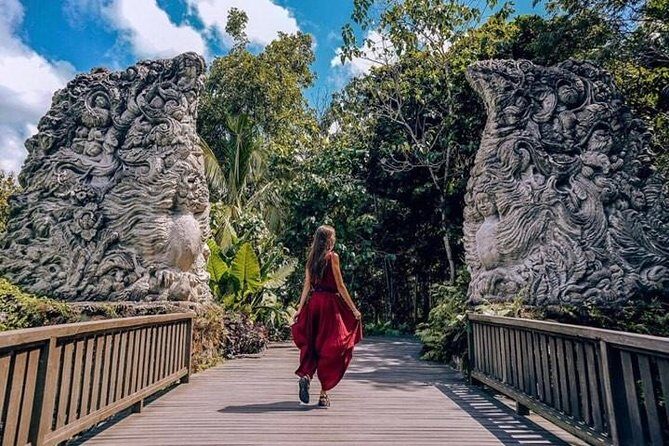
Best of Ubud Private Day Tour with All Inclusive
Ubud can feel big. This private day tour turns it into a clear, doable route of highlights and local stops. You get a private guide so you’re not stuck waiting on a group, plus admission fees and basic comforts like air-conditioning and bottled water are handled for you.
Two things I really like: the itinerary mixes the famous sights (like Sacred Monkey Forest Sanctuary and Tegalalang Rice Terrace) with quieter village craft stops, and the guide’s explanations help you understand what you’re seeing beyond photos. One thing to consider is pacing: an eight-hour day plus walking and stair steps (especially at the waterfall) means you’ll want comfortable shoes and a realistic expectation of energy.
In This Review
- Key Points at a Glance
- The Appeal: A Private Ubud Day That Balances Icons and Real Life
- Price and What You Actually Get for $37
- The Morning Flow: Pickup, Comfort, and a Smart Start at 8:30
- Stop 1: Tegenungan Waterfall for a Big Nature Reset
- Stop 2: Sacred Monkey Forest Sanctuary and Temple-Shadow Watching
- Stop 3: Puseh Batuan Temple for Spiritual Meaning and Architecture
- Stop 4: Tegallalang Rice Terrace for the Scale of the Terraces
- Stop 5: Tohpati Village for Batik Handweaving and Craft Shopping
- Stop 6: Mas Carving Center for Wooden Art and Local Artistry
- The Optional Ubud Center Market if You Still Have Time
- How the Best Part Shows Up: Your Guide Makes the Day
- Practical Timing: How to Stay Comfortable During an 8-Hour Ubud Route
- Who This Tour Fits Best (and Who Might Skip It)
- Quick FAQ Before You Decide
- FAQ
- How long is the Best of Ubud Private Day Tour?
- What time does the tour start?
- Is pickup included, and where does it start from?
- Is this tour private?
- Are entrance fees included?
- Does the price include meals?
- Is an English-speaking guide/driver provided?
- What should I wear?
- Can kids join the tour?
- Is there free cancellation?
- Should You Book This Ubud Private Day Tour?
Key Points at a Glance

- Private guide, your pace: No group timing fights, just a day planned around you
- Entrance fees included: You avoid the add-on surprises at each stop
- Village craft stops: Tohpati batik and Mas wood carving give Ubud depth, not just views
- Big nature moment: Tegenungan Waterfall is the refresh break in the middle of the day
- Start early, back by late afternoon: A smooth 8-hour run that still leaves time after
The Appeal: A Private Ubud Day That Balances Icons and Real Life
If you’re heading to Ubud for the first time, it’s easy to end up doing only the headline spots—temples, viewpoints, selfies—and then wondering where the local culture went. This tour is built to solve that problem. You’ll hit the widely known sights, but you’ll also spend real time in places tied to daily Balinese craft and temple life, with a guide who can point out what matters as you move.
The private format is the big deal here. With hotel pickup and drop-off, you don’t have to build a route from scratch. And because it’s private, you can ask your guide to slow down at a temple detail, spend longer at the rice terraces, or shift time if the day feels hotter than expected. That kind of flexibility can make the difference between a checklist day and a good story-filled day.
Pricing is also worth a look. At $37 per person for an 8-hour private outing with entrance fees included, this sits in a sweet spot compared with many Ubud tours that either cost more or add surprise fees later. If you’re traveling with a partner or a small group, the value usually looks even better because you’re paying for a full guide time but not dividing it across a crowd.
Price and What You Actually Get for $37
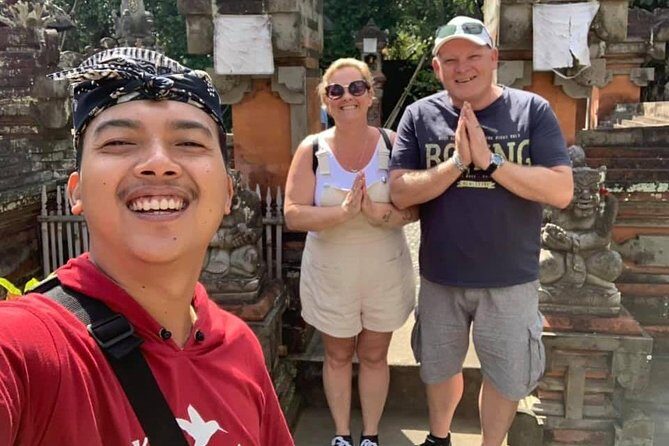
Let’s talk value in plain terms. This isn’t just a driver who drops you near places and wishes you luck. You’re paying for a private tour with an English-speaking driver/guide role, plus practical items that usually show up as “extras” on other tours—like mineral water, parking fees, and entrance fees.
Here’s what’s explicitly included:
- Pickup and drop-off from a range of areas (including Seminyak, Legian, Kuta, Jimbaran, Sanur, Tanah Lot, Ubud, and Nusa Dua area)
- English-speaking driver
- Petrol and parking fees
- Mineral water
- Super comfort air-conditioned vehicle
- Entrance fees
- Private tour setup (only your group participates)
What’s not included:
- Meals
- Alcoholic drinks (you can purchase them)
So the way to think about this price is: it covers the “core logistics” and the entry costs so your day stays predictable. The only big unknown you manage is food. If you plan your lunch break early in the day (or bring simple snacks if that helps you), you’ll stay in control of your budget.
One practical tip: the start time is 8:30 am, which is often ideal in Bali. You’ll beat the mid-day heat better than you would if you started later, and you’re more likely to enjoy the waterfall area and temple visits without feeling fried by the sun.
The Morning Flow: Pickup, Comfort, and a Smart Start at 8:30
The day begins at 8:30 am, with pickup available from many common Bali bases, including popular beach areas and Ubud itself. If you’re staying outside Ubud, this is a real convenience. It saves you from juggling taxis plus ticket lines plus directions in traffic.
The vehicle is air-conditioned, and you get bottled water. That’s not flashy, but it matters. Ubud days can move from cool temple shade to open rice terraces where the sun lands fast. A comfortable car ride also makes it easier to enjoy the day rather than rush through it.
Dress code is smart casual. That usually means: breathable clothes, comfortable footwear, and something practical for temple visits. (You’ll thank yourself later when you’re walking paths that aren’t designed for dress shoes.)
Stop 1: Tegenungan Waterfall for a Big Nature Reset
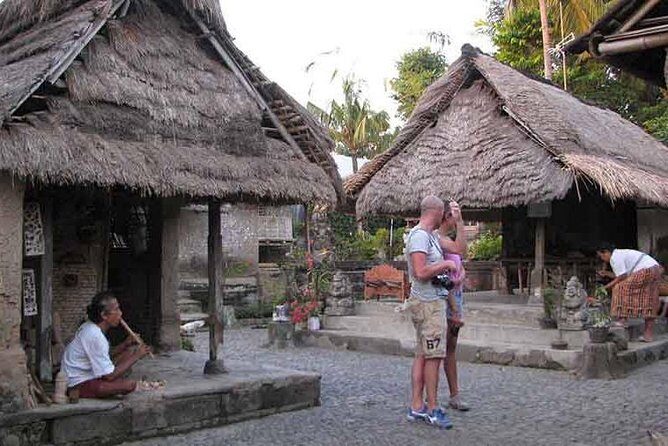
Your first major nature stop is Tegenungan Waterfall. This is positioned as one of the best waterfalls in the Ubud area, and the focus here is on the scene and atmosphere—clean water and a cool-feeling break from the road.
What to expect on the ground: from the stepping/viewing zone, there are steps down. In practice, that means you’ll want shoes with grip and a steady pace. It’s the kind of place where you can take your time, look around, and then decide how long you want to stay near the falls.
Potential drawback: waterfall time can turn into a longer-than-planned stop if you’re enjoying the photos and the cooling mist. Since the tour is eight hours total, ask your guide to keep an eye on pacing so you don’t rush later at the temples or rice terraces.
Stop 2: Sacred Monkey Forest Sanctuary and Temple-Shadow Watching
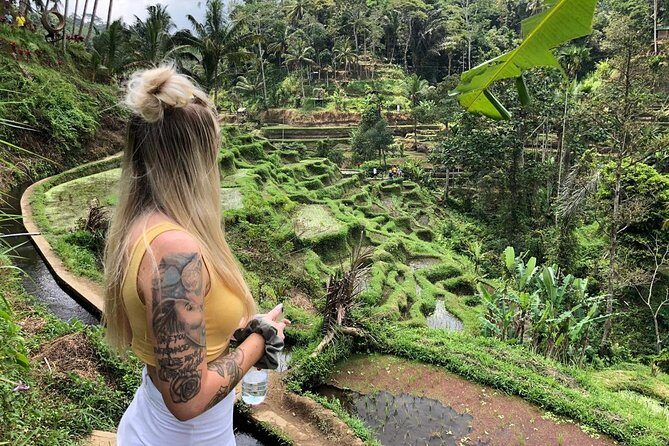
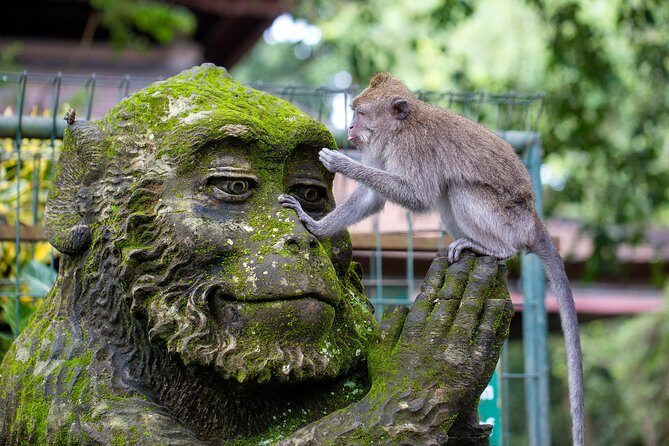
Next is Sacred Monkey Forest Sanctuary, where you’ll see gray macaques roaming among Hindu temples in a forest setting. The main value here is the contrast: animals moving through a sacred landscape, instead of a temple that’s just “quiet stones behind ropes.”
If you like observation-based sightseeing, this is one of the best stops. It’s not just a look-once location. You’ll likely notice different behavior—monkeys near temple features, movement through shaded areas, and the way the sanctuary blends nature with spirituality.
One consideration: animal areas mean you should stay alert. Even if you’re just walking slowly, keep your attention on your surroundings so you don’t get distracted at the wrong moment. Your guide can help set expectations for how to move through the sanctuary calmly.
Stop 3: Puseh Batuan Temple for Spiritual Meaning and Architecture
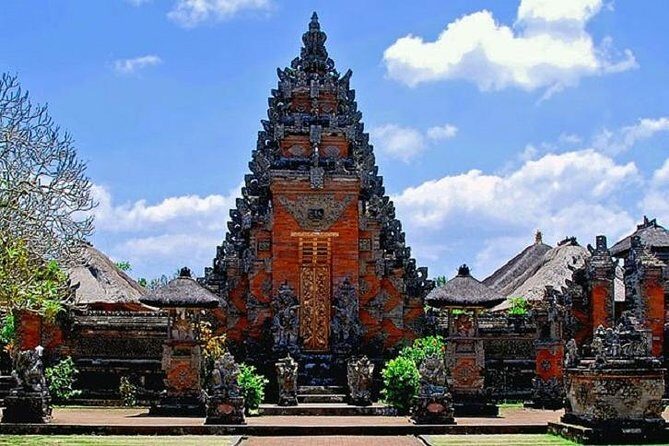
After the sanctuary, you move into more specifically temple-focused sightseeing: Puseh Batuan Temple. This stop is described around the spiritual significance of the site and the architecture, including a unique black palm roof.
What makes this worthwhile is the “why it’s important” angle. Temple stops can become generic if you only look at the structures. Here, the tour frames what you’re seeing—spiritual points and architectural choices—so your photos come with context, not just views.
Potential drawback: temple visits often require slower movement and respectful behavior. If you’re the type who wants to sprint through sights, this stop may feel longer than you expect—but if you enjoy details, it’s a strong payoff.
Stop 4: Tegallalang Rice Terrace for the Scale of the Terraces

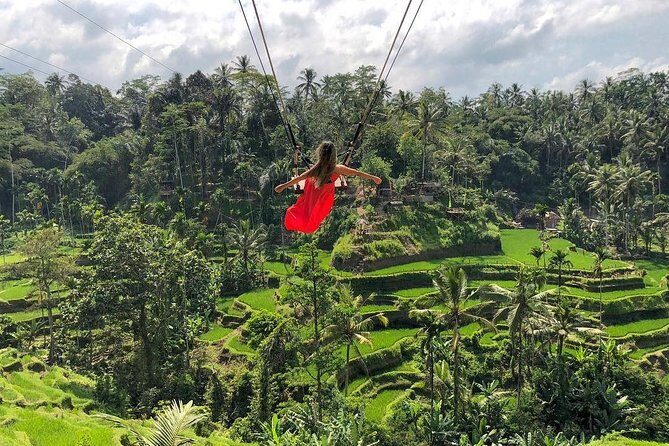
Then it’s on to Tegallalang Rice Terrace. This is the moment many people come to Ubud for: the emerald-green stepped view that looks like it stretches forever.
The tour includes background too: the terraces’ history is said to date back over 2,000 years, when farmers carved stepped landscapes out of steep hillsides using primitive hand tools. That detail changes how you experience the viewpoint. Instead of seeing only “pretty steps,” you start noticing the work behind the shape—how humans turned difficult land into productive terraces.
Timing tip: rice terraces can be best earlier in the day. Since your tour starts at 8:30 am, you’re in a good position to enjoy the terraces before the strongest mid-day heat. Still, bring water (included) and plan for some walking along uneven paths.
Stop 5: Tohpati Village for Batik Handweaving and Craft Shopping

Next you get a more hands-on cultural stop: Tohpati Village, known for handicraft and handweaving batik. This is where Ubud shifts from “sightseeing stops” into “place-based culture.”
What’s useful for you here is the chance to connect craft with real daily life. Instead of only watching from a distance, you’ll spend time in a community known for making and working with batik. If shopping is on your list, this is typically where you’ll find more meaningful options tied to the craft.
Possible drawback: if you’re not interested in shopping, village craft stops can still be enjoyable, but you’ll want your guide’s help with what’s worth noticing so time doesn’t feel wasted. A simple tactic: ask your guide what to look for first, then decide how long you want to browse.
Stop 6: Mas Carving Center for Wooden Art and Local Artistry
Your next village stop is Mas Carving Center in the Mas area. This is known for traditional Balinese arts—especially wooden arts—and is often described as an artistic countryside area.
This stop works well if you like art that has roots in local work. Wood carving isn’t just a souvenir category; it’s a skill passed through places where people do the work daily. Even if you don’t buy, you’ll likely appreciate the range of styles and the craftsmanship focus.
Potential drawback: art-and-craft stops can run longer if you’re comparing items. If you’re budget-minded, set a rough price limit before you start browsing and ask your guide to help you avoid decision fatigue.
The Optional Ubud Center Market if You Still Have Time
If there’s still time, the tour may include a traditional market in Ubud center, offering traditional artwork and long stretches of vendors for the day.
Markets can be fun, but they’re also a different type of experience than temples or rice terraces. Instead of structure and scenery, you’re dealing with browsing and crowds. If you enjoy that, great. If you prefer quieter moments, you might choose to skip the market and use the extra time for a slow café break.
How the Best Part Shows Up: Your Guide Makes the Day
One reason this tour earns such strong ratings is how it feels from the inside: you get real attention from your guide. Names that come up in strong reviews include Aris, Adi, and Alit—and the consistent theme is that they make the day easy and smooth, while also sharing explanations and taking time with your questions.
From those experiences, here’s what you should plan to do: ask your guide to help you prioritize what matters most to you before you start moving. If you care most about photography, tell them. If you want better context at temples, ask for it early. A private tour works best when you treat the guide like a local translator, not just a driver.
Also, one small but useful detail: guides in these reports mention photo help. That matters in Ubud because viewpoints and terraces often need a smart position for lighting and angle. If you can, bring your camera setup habits and just tell them you’d like a few framed shots at each main moment.
Practical Timing: How to Stay Comfortable During an 8-Hour Ubud Route
This is an eight-hour day, starting at 8:30 am and finishing around late afternoon for many schedules. With that kind of run, you’ll feel the day most in three ways:
- Walking between stops
- Sun exposure on open terraces
- Steps at the waterfall
So here’s how to pack your expectations:
- Wear comfortable shoes with grip
- Bring layers in case morning shade feels cool and midday sun feels hot
- Plan for a meal on your own since meals aren’t included
- Keep your schedule flexible—private tours work best when you don’t overstuff the day with extra plans immediately after
Who This Tour Fits Best (and Who Might Skip It)
This is a great fit if you:
- Want a private Ubud day with a guide who keeps things moving
- Prefer famous attractions plus real village craft stops
- Like learning the meaning behind temples and not only taking pictures
- Appreciate having entrance fees covered upfront
You might want to look for something else if you:
- Don’t want to spend time in art or craft shopping areas
- Prefer a lighter, shorter Ubud schedule that avoids steps and steady walking
- Want full meal planning included (meals are not part of this package)
Quick FAQ Before You Decide
FAQ
How long is the Best of Ubud Private Day Tour?
The tour runs about 8 hours.
What time does the tour start?
The start time is 8:30 am.
Is pickup included, and where does it start from?
Yes. Pickup and drop-off are included from Seminyak, Legian, Kuta, Jimbaran, Sanur, Tanah Lot, Ubud, and the Nusa Dua area.
Is this tour private?
Yes. It’s a private tour, and only your group participates.
Are entrance fees included?
Yes. Entrance fees are included.
Does the price include meals?
No. Meals are not included, and any personal optional expenses are not included either.
Is an English-speaking guide/driver provided?
The tour includes an English-speaking driver.
What should I wear?
The dress code is smart casual.
Can kids join the tour?
Kids 2 years and under are free with an adult accompanied.
Is there free cancellation?
Yes. You can cancel up to 24 hours in advance for a full refund.
Should You Book This Ubud Private Day Tour?
If you want an Ubud day that feels organized but still flexible, I’d say this is an easy “yes.” The biggest reasons are practical: private guide attention, entrance fees included, and a route that mixes top sights with village craft stops rather than only chasing Instagram landmarks.
Book it if you’re traveling as a couple or small group and you want a smooth, guided overview without the stress of planning and ticket hassles. If you’re the type who likes learning small details at temples and enjoying village life at a comfortable pace, you’ll likely come away feeling like you understand Ubud better—not just visited it.